Житель Беларуси попытался незаконно ввезти в страну 95 криптокошельков

cryptonews.ruPublished on 2020-02-15Last updated on 2024-10-15

Таможенная служба Беларуси сообщила об изъятии у местного жителя партии из 95 аппаратных криптовалютных кошельков, которые он пытался незаконно ввезти в страну из Польши.

По данным таможенной службы, автомобиль марки «Ford» под управлением местного жителя следовал из Польши через пункт пропуска «Брест» по зеленому коридору, якобы не имея при себе вещей, подлежащих декларированию.

Таможенники решили осмотреть транспортное средство с помощью досмотрового комплекса. В результате было обнаружено 95 криптокошельков, спрятанных в потолочном пространстве машины, боковых стенках и дверной карте салона.

Водитель сообщил, что перевести устройства его попросили некие незнакомые лица в Польше, а спрятал он их для того, чтобы на таможне не задавали лишних вопросов. В таможенной службе не уточнили модели изъятых устройств, но заявили, что стоимость партии составила порядка 44 000 белорусских рублей (1,3 млн руб).

Кошельки и транспортное средство изъяты, в отношении белоруса Брестская таможня начала административный процесс — ему грозит штраф и возможная конфискация автомобиля, на котором перевозились криптокошельки.

Ранее руководитель главного управления цифрового развития предварительного следствия Следственного комитета Беларуси Андрей Мотолько заявил, что гражданам республики никто не запрещал менять криптоактивы через зарубежные платформы.

Related Reads

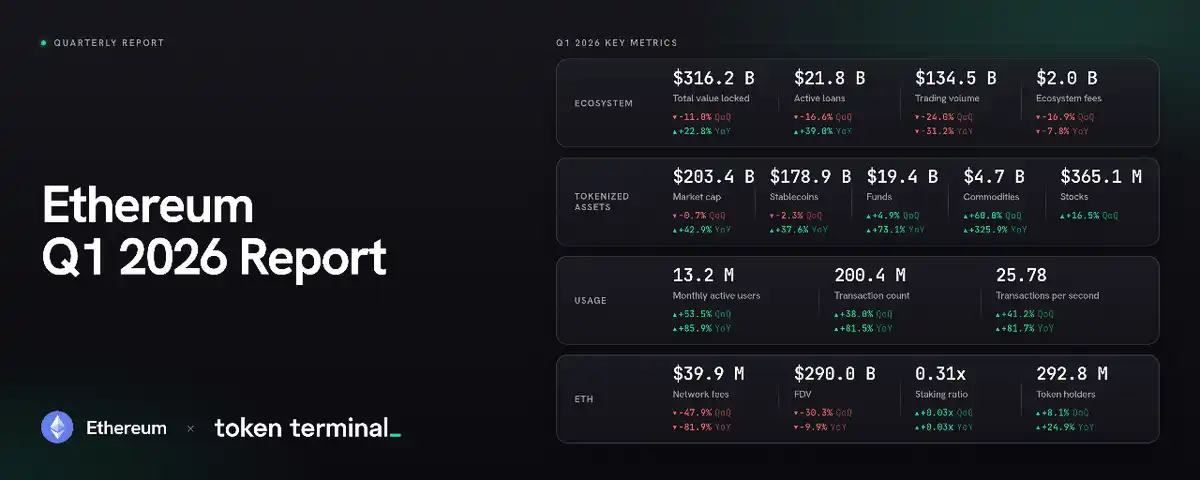
Ethereum 2026 Q1 Review: On-Chain Activity Hits Record Highs, Tokenized Assets Lead the Industry

Ethereum Q1 2026 Review: Record On-Chain Activity, Tokenized Assets Lead the Industry. Despite a price correction impacting USD-denominated metrics, Ethereum's on-chain usage hit all-time highs in Q1 2026. Monthly active addresses surged 85.9% year-over-year to 13.2 million, while L1 transactions and throughput also set new records. This growth occurred alongside a significant 47.9% quarterly drop in L1 transaction fees, demonstrating the impact of network scaling via upgrades like the Blob Parameter Fork. The ecosystem maintained its dominance in decentralized finance (DeFi), holding 71% of the total value locked among top chains and 79.2% of active borrowing. Ethereum solidified its position as the primary platform for tokenized real-world assets (RWAs), with a total market cap of $203.4B. It holds leading shares in stablecoins (61.8%), tokenized funds (73%), and tokenized commodities (84%) across major chains. Key developments included the ERC-8004 standard for AI agents and heightened institutional engagement at forums. Major financial institutions like BlackRock, JPMorgan, and a European banking consortium announced new tokenized products on Ethereum throughout the period. The report draws parallels to the early internet, suggesting Ethereum is sacrificing short-term fee revenue for long-term network expansion and adoption. Its strategy focuses on becoming a neutral, open settlement layer for global finance, with scaling roadmaps aiming for tens of thousands of TPS by 2029.

marsbit39m ago

Ethereum 2026 Q1 Review: On-Chain Activity Hits Record Highs, Tokenized Assets Lead the Industry

marsbit39m ago

Matrixdock Featured Again in SBMA’s 《Crucible》: Discussing How Tokenisation Enhances Efficiency in the Precious Metals Market

Matrixdock's research article, titled "Why Tokenisation Matters for the Bullion Industry and How Carrying Costs Fit In," has been featured again in the SBMA's industry publication *Crucible*. Authored by Matrixdock lead Eva Meng, the piece examines how tokenisation enhances the efficiency and utility of the precious metals market. The article argues that tokenisation builds upon the accessibility improvements brought by gold ETFs, not by redefining gold's value but by enabling it to function within digital finance. It extends gold's role beyond a portfolio holding, potentially facilitating instant settlement, digital collateral, and operation in 24/7 markets. A key focus is transparently handling the unavoidable carrying costs (storage, insurance) of physical assets like gold and silver. Matrixdock introduces the Fungible Reserve Standard (FRS) framework, based on an "Economic Purity Principle," which aims to reflect these real-world economic costs clearly within the token mechanism, rather than bundling them opaquely. The platform's practical applications are highlighted, including its gold token XAUm and its silver token XAGm, the first built on the FRS framework. As the tokenised gold market surpassed $6 billion in February 2026, the industry's focus is shifting from initial proofs of reserves to broader concerns of market efficiency and capital utilization. Tokenisation is positioning gold and other precious metals to become active components within the evolving digital financial system.

marsbit1h ago

Matrixdock Featured Again in SBMA’s 《Crucible》: Discussing How Tokenisation Enhances Efficiency in the Precious Metals Market

marsbit1h ago

Trading

Spot
Futures
活动图片