Люк Фрелих: Регулирование криптоотрасли посредством принуждения приводит к оттоку талантов из США

investing.ruPublished on 2024-10-15Last updated on 2024-10-15

Люк Фрелих (Luc Froehlich) заявил, что законодательные и регуляторные сложности стали значительным препятствием на пути развития криптоиндустрии США.

«Представление, что главная обязанность регуляторов состоит только в выдаче криптокомпаниям лицензии, ошибочно. На самом деле, цель регулирующих органов — это сотрудничество с ними, чтобы помочь им расти в благоприятной нормативной среде, которая благотворно отразится на развитии бизнеса», — считает Фрелих.

Он подчеркнул, что сейчас из Соединенных Штатов наблюдается отток талантов, поскольку регулирующие органы не только не смогли обеспечить нормативную ясность для ключевых игроков криптоотрасли, но и содействовали подходу к регулированию методами принудительного исполнения.

«Я считаю, что необходима ясность в вопросах регулирования. Это не может быть регулирование посредством принуждения. Мы видим, как это работает в США, что это приводит к оттоку талантов. Фактически, криптоиндустрию страны отбрасывают в своем развитии на несколько лет назад», — сказал Фрелих.

С другой стороны, по мнению эксперта, есть и обратные положительные примеры. В частности, это свободные экономические зоны, ориентированные на поддержку инноваций в сфере цифровых активов, такие как Дубай.

Ранее Федеральное налоговое управление (FTA) Дубая сообщило об освобождении от уплаты налога на добавленную стоимость (НДС) для всех криптовалютных транзакций физических и юридических лиц в Объединенных Арабских Эмиратах (ОАЭ).


Читайте оригинальную статью на сайте Bits.media

Related Reads

IOSG: Q-Day Countdown, Will Quantum Computing End Cryptocurrency?

IOSG: The Q-Day Countdown – Will Quantum Computing End Cryptocurrency? This analysis explores the looming threat quantum computing poses to blockchain technology. Quantum computers, leveraging Shor's algorithm, could theoretically break the elliptic curve cryptography (ECC) underpinning cryptocurrencies like Bitcoin and Ethereum. The article outlines a hypothetical "Q-Day" scenario where exposed public keys from dormant assets are compromised, leading to fund theft and a deep governance crisis. The core risk is not the complete erasure of blockchains but a systemic reset of public-key cryptography. Bitcoin faces significant challenges due to its "code-is-law" ethos and the immense social consensus required for migration. Its primary vulnerability lies in legacy UTXOs with publicly exposed keys. Ethereum's path involves a more complex, full-stack cryptographic agility upgrade across execution, consensus, and data layers. The industry has a limited "engineering comfort window" of 5-8 years to coordinate a migration to post-quantum cryptography (PQC), such as lattice-based or hash-based signatures. While the existential threat is often overstated, the real bottleneck is the immense coordination required across protocol developers, node operators, wallet providers, exchanges, and custodians. Market repricing of crypto assets may occur well before an actual Q-Day if quantum hardware roadmaps accelerate or regulatory pressure mounts. The article concludes that quantum computing is not a doomsday weapon but a severe stress test for blockchain's foundational security model and governance structures.

marsbit19m ago

IOSG: Q-Day Countdown, Will Quantum Computing End Cryptocurrency?

marsbit19m ago

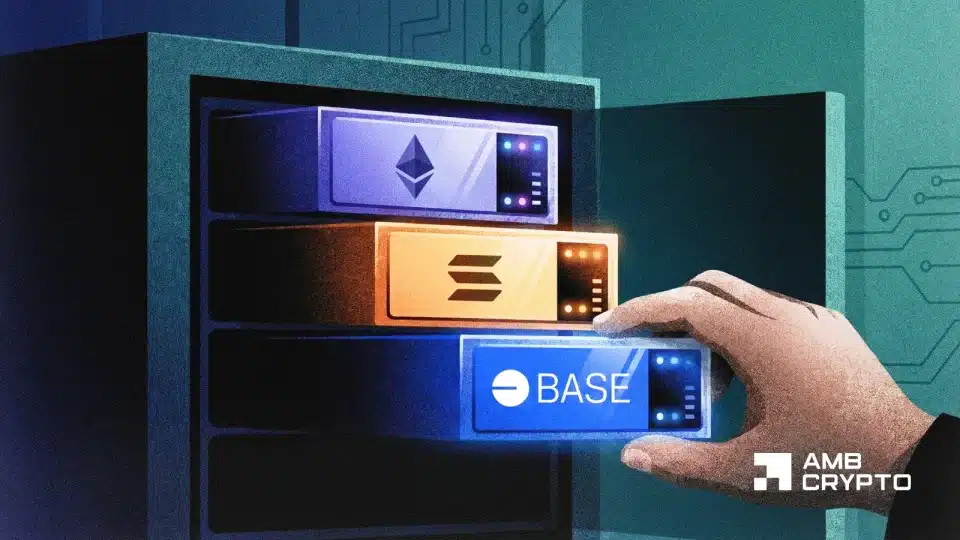
Why 2026 could redefine Ethereum, Solana, Base and Avalanche

Blockchain infrastructure is undergoing a major coordinated transformation, driven by institutional demand for reliability, compliance, and predictable settlement. Over $30 billion in Real-World Assets (RWA) on-chain has exposed network weaknesses. Major blockchains are responding with foundational upgrades, moving beyond incremental speed improvements. Ethereum's "Glamsterdam" upgrade, planned for H1 2026, will significantly increase gas limits and introduce features like PBS (pre-blocked state) for enhanced settlement and parallel execution. Solana's "Alpenglow," targeting a mainnet launch in H2 2026, focuses on reducing finality time dramatically and freeing network resources to improve reliability. Beyond speed, compliance is critical. Base's "Beryl" upgrade in Q3 2026 will introduce a standardized, regulatory-compliant token framework (B20). Avalanche's "Octane" upgrade aims to boost transaction processing and reduce costs for enterprise applications. Even Bitcoin is evolving with the potential activation of OP_CAT by late 2026/early 2027. The competition is shifting. While technical upgrades are widespread, institutions will ultimately allocate capital based on proven execution, operational resilience, and regulatory compatibility during market stress. Ethereum currently leads in tokenized assets, while networks like Base and Solana are strengthening their institutional offerings. The blockchain that best delivers reliable, compliant, and uninterrupted service is poised to attract the greatest share of future institutional capital.

ambcrypto56m ago

Why 2026 could redefine Ethereum, Solana, Base and Avalanche

ambcrypto56m ago

Tiger Research: Take RWA Tokenization Overseas First

This article discusses the strategic choices facing financial institutions in jurisdictions lacking mature regulatory frameworks for Real-World Asset (RWA) tokenization. With the market growing rapidly, institutions must choose between waiting for local legislation, using regulatory sandboxes, or—the recommended priority—expanding into overseas markets to gain early experience. Successfully launching cross-border RWA tokenization requires meticulous preparation across six key areas: establishing an overseas base (e.g., Hong Kong, Singapore, the U.S.), securing necessary licenses, defining the tokenized asset (with bonds being simpler than non-standard assets), defining the target investor scope, deciding on settlement currencies/payment flows, and designing operational requirements like custody and on-chain governance. The article outlines two primary strategic paths: a direct "onshore" path and a "native on-chain" path. The direct path involves setting up a legal entity and obtaining licenses in a mature jurisdiction like Hong Kong, Singapore, or the U.S., leveraging existing platforms (e.g., DigiFT, Securitize) for efficiency. The alternative native on-chain path involves partnering with compliant, decentralized platforms (e.g., Ondo, Plume Nest) that use structures like offshore SPVs to facilitate tokenization and access DeFi liquidity, offering speed and broader reach but with greater structural complexity. The core argument is that institutions should not wait for perfect domestic regulation. A detailed hypothetical case study illustrates the multi-step, 6-12 month process of launching an overseas tokenized bond. The key takeaway is that the essence of a tokenization business lies not in the technology but in successfully executing the entire sales and operational process. The market is moving forward, and the time to act is now.

marsbit1h ago

Tiger Research: Take RWA Tokenization Overseas First

marsbit1h ago

Trading

Spot
活动图片