探秘Meme币运营新方式:卖周边+游戏服务器,1个月涨幅50倍

Odaily星球日报Published on 2024-09-12Last updated on 2024-09-12

Abstract

没有热点叙事的小市值meme是如何从0开始运营的?

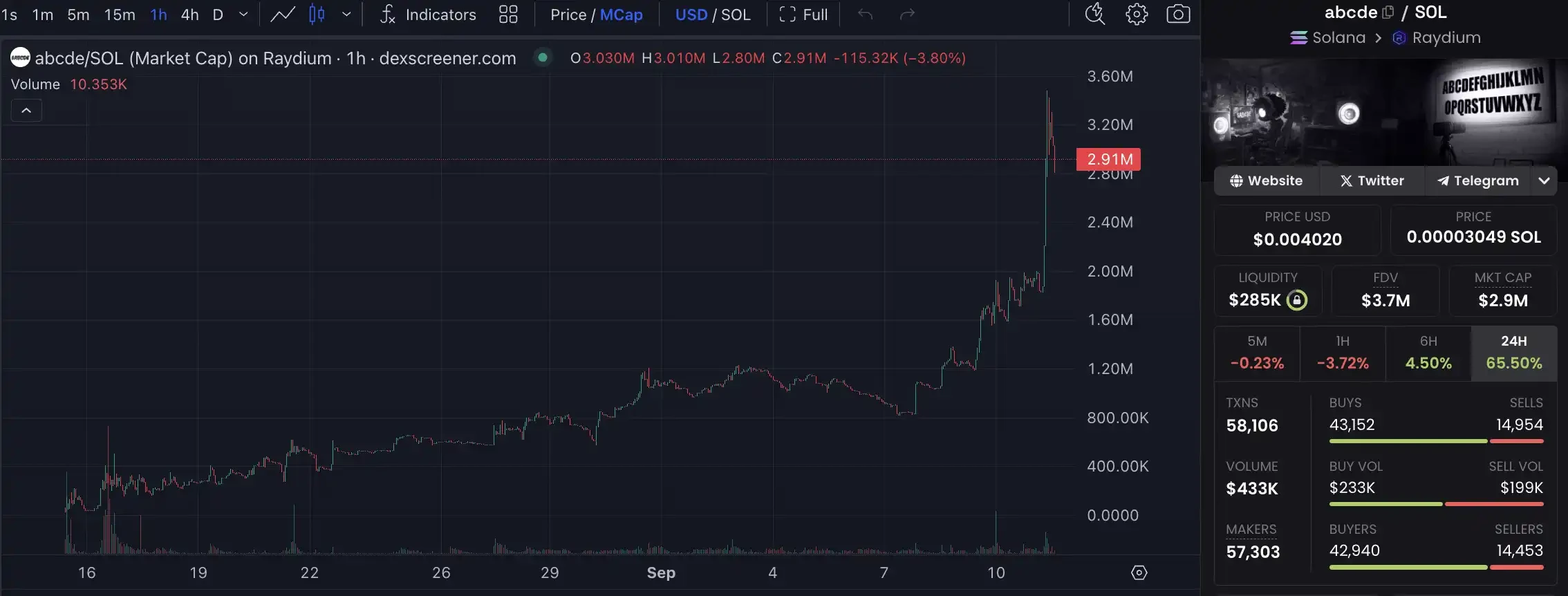
BlockBeats 在今日更新的《Alpha 早报| 9 月 11 日你需要知道的所有市场动向及资讯》中提到了 meme 币$abcde,其上线不到一个月涨幅超 50 倍,近四天涨幅达 3 倍,最高市值 340 万美元。
探秘Meme币运营新方式:卖周边+游戏服务器,1个月涨幅50倍

abcde 是一个以字母「abcdefghijkmnopqrstuvwxyz」命名的 memecoin 项目。一般来说,能够在近一个月的周期里保持上涨趋势的 meme 币比较难得,要么是靠所属叙事热度、要么靠不断凝聚的社区文化,abcde 属于后者。在 24 小时涨幅近 80% 后,abcde 得到了更多的关注,之后未必能继续保持上涨走势。但从运营角度看,abcde 的运营方式对社区寻找下一个 alpha meme 具有参考意义。

运营服务器、卖周边、捐水井

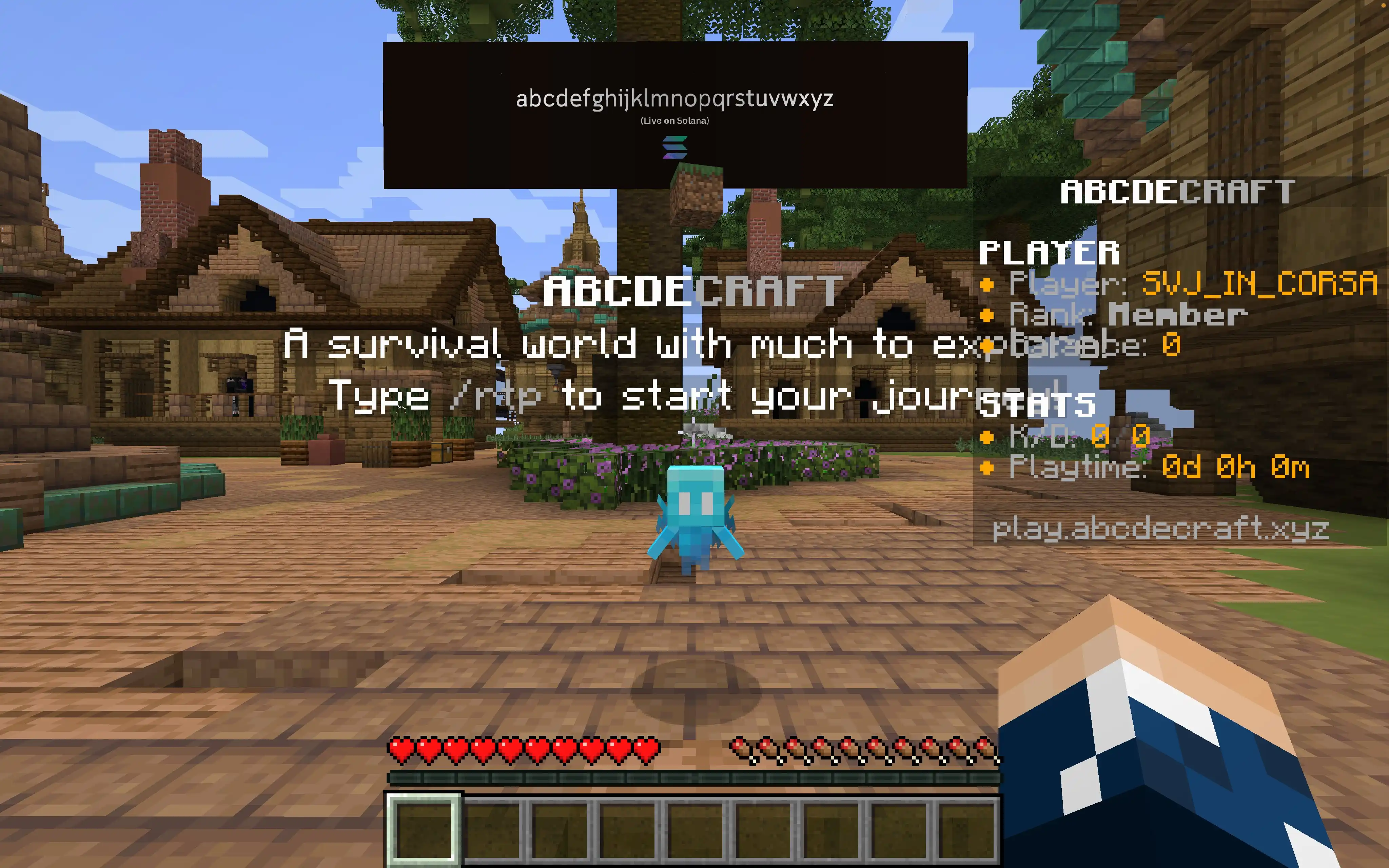
abcde 项目方运营着一个 Minecraft 服务器 abcde craft,并为这个服务器开通了官方推特账号。据称到 8 月 30 日,其运营状态已经扭亏为盈,收入 100 美元。截至撰稿时,这个 abcde craft 的 discord 社区中有 171 位成员,目前还正在举行奖池为 10 万美元的赛季活动。
探秘Meme币运营新方式:卖周边+游戏服务器,1个月涨幅50倍

根据 abcde 的介绍,其终极目标是通过旗下产品线(包括 Minecraft、Roblox 等游戏服务器)的收益,逐步减少代币供应,计划未来可能还会增加 CS Surfing 和 Rust 等服务器。

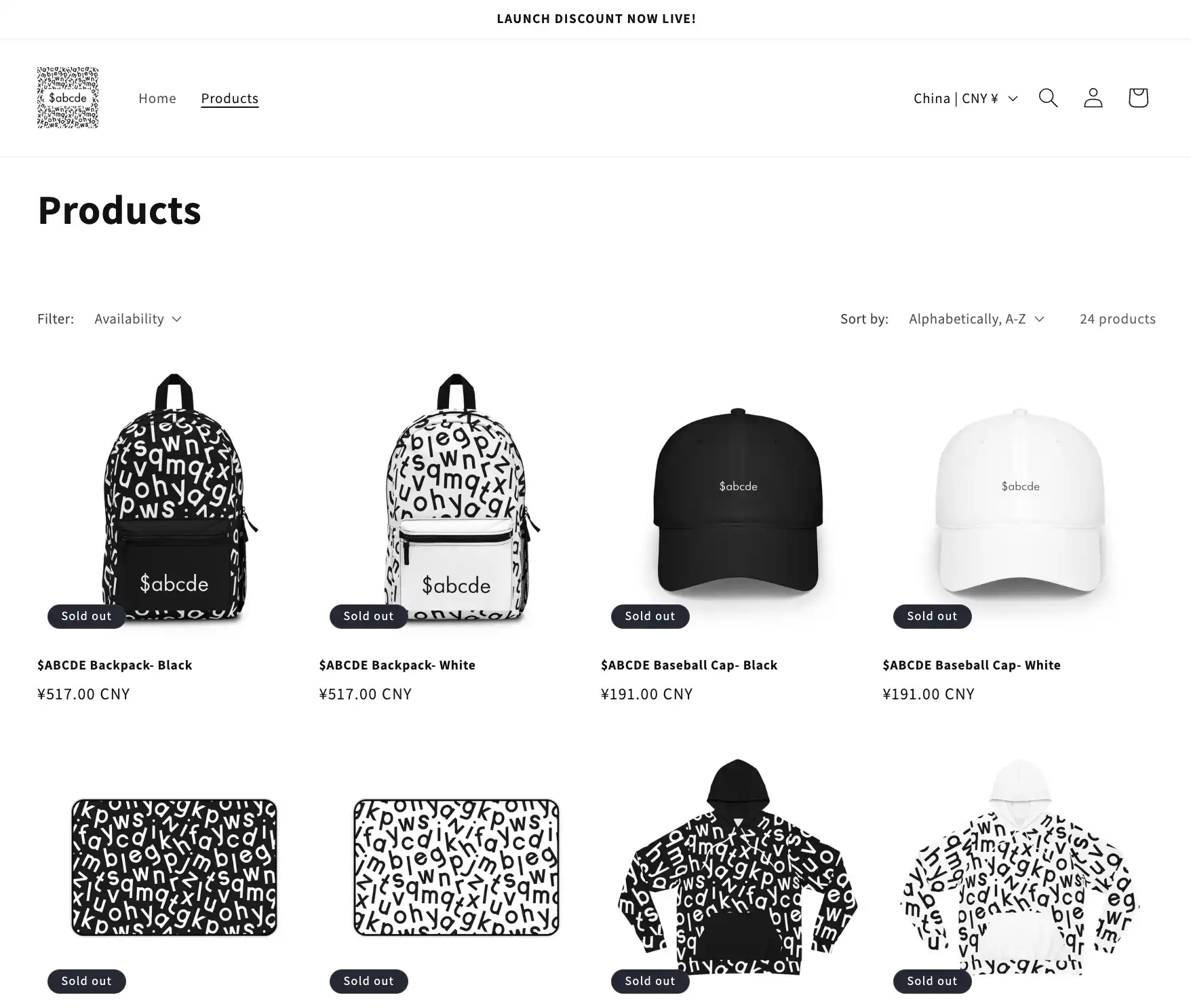
除了游戏服务器,abcde 官方还表示将涉足 3D 模型、漫画书、周边产品、A-Z 学习卡等多种盈利渠道。比如 9 月 2 日,ABCDE 上线了商品售卖渠道,售卖从背包、帽子、卫衣到鼠标垫、水杯等一系列 abcde 周边产品。
探秘Meme币运营新方式:卖周边+游戏服务器,1个月涨幅50倍

这些「业务」主要是向持有者展示项目方回购代币的资金来源,除此之外,abcde 还推进了慈善工作,与比特币曼德拉基金会合作在尼日利亚的一个村庄捐了一口水井,为当地居民提供了未来 30 年的饮用水。在文档中,abcde 还表示将在未来继续实现翻修学校、赞助运动队等慈善举措。

探秘Meme币运营新方式:卖周边+游戏服务器,1个月涨幅50倍

继 Vitalik 在上个月卖出了当时持仓的所有 meme 币并将收益捐给慈善事业后,做慈善也成为了各种 meme 币团队在近期爱用的一个运营方式。

持仓筹码及团队背景

abcde 团队称上线时销毁了 7.2% 的代币,并直接在文档中标明了前 2 位持有者,表示其中一位已经通过 Lockedsupply.fyi(Coinbase 支持的锁定协议)锁定代币。abcde 项目方还宣布将基于产品收入对代币进行每 120 天进行一次回购销毁。

探秘Meme币运营新方式:卖周边+游戏服务器,1个月涨幅50倍

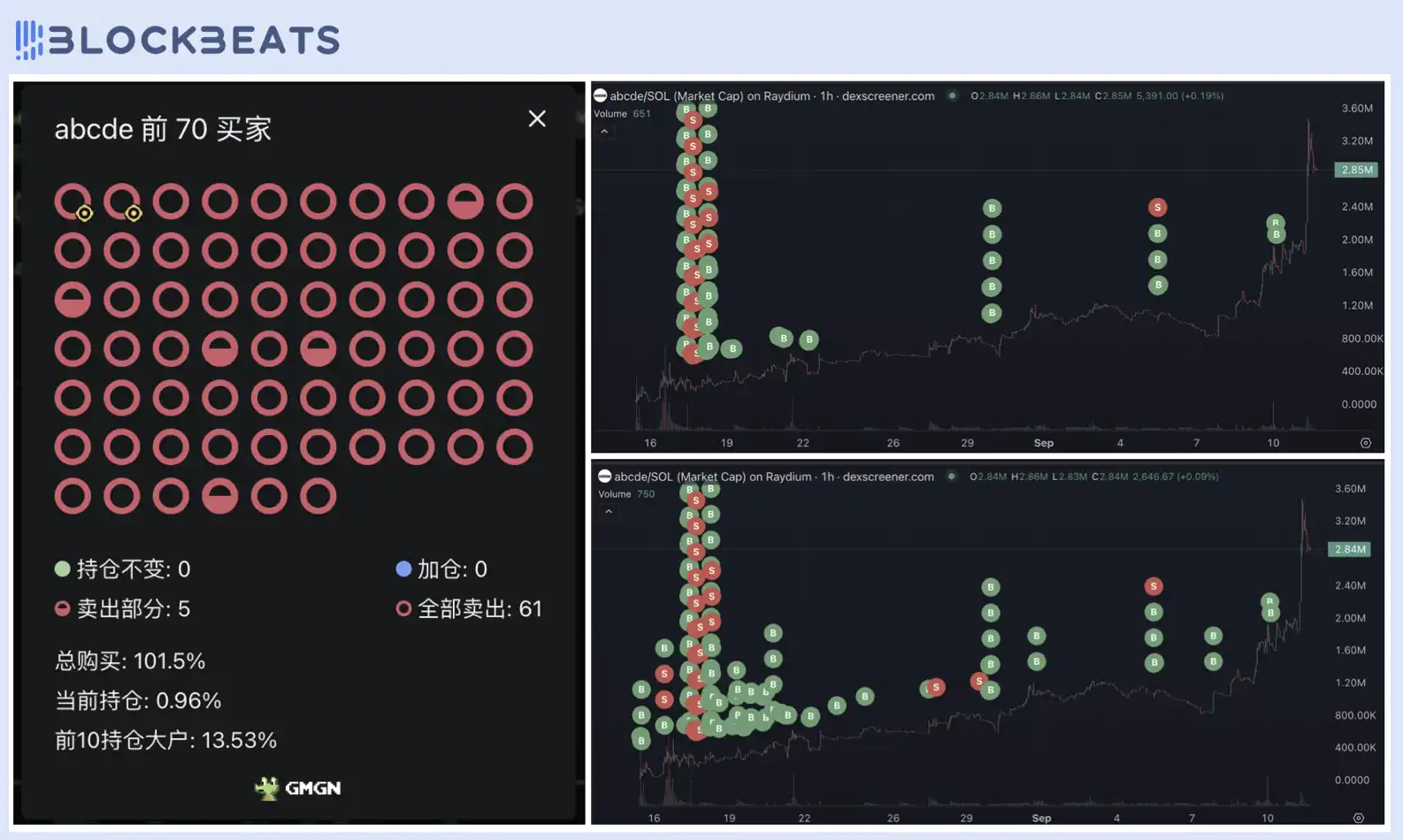
根据 gmgn 和 Dexcreener 数据显示,abcde 的前 70 买家中已有 61 个交易者全部卖出,当前持仓份额为 0.96% 。目前频繁买入的大户地址为 AyXeD...Emh 和 7 QpAx...dya。二者均为 abcde 的早期买家,在早期入场获利后快速退出,之后分批加仓。昨日 abcde 24 小时拉升 80% 之前,这两个地址也都各有两笔加仓操作。
探秘Meme币运营新方式:卖周边+游戏服务器,1个月涨幅50倍

除了运营之外,abcde 能够维持热度的最重要原因在于有数个 KOL 为其喊单,9 月初,粉丝量为 13K 的 @dillyxcooks、15K 的 @beaverd 和 142K 的 @orangie 都发表了关于 abcde 的推文。

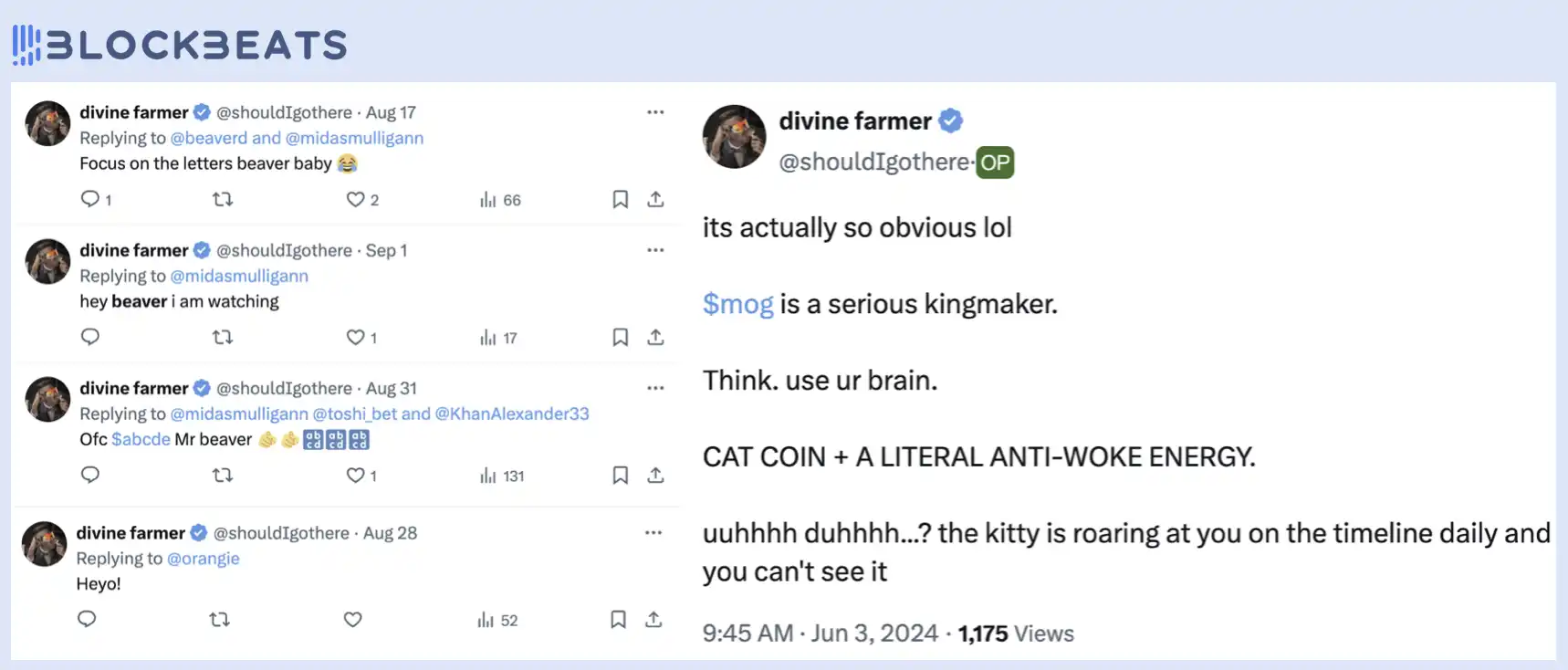
BlockBeats 从这些喊单者的 KOL 互动区发现了 abcde 开发者 divine farmer(@shouldIgothere)的身影,在这些 KOL 发布相关推文之前几天,divine farmer 多次在他们的评论区推荐 abcde,并希望加入 @orangie 的社群。
探秘Meme币运营新方式:卖周边+游戏服务器,1个月涨幅50倍

另外,divine farmer 在推出 abcde 之前还曾是 meme 币 mog 和 wojak 的忠实社区成员,曾频繁发布相关内容并与 meme 社区进行互动,这也在一定程度上为其运营 abcde 项目奠定了不错的「路人缘」。

Related Reads

Leading Players in Large Models Drain the Primary Market

The AI industry is witnessing an unprecedented concentration of capital into a handful of leading players, signaling what insiders call the "eve of a final shakeout." A staggering funding surge exceeding $7 billion hit just three Chinese companies in May alone—Kimi, StepFun (接近完成融资), and DeepSeek—with the latter's valuation reaching $45-$50 billion. Globally, giants like OpenAI, Anthropic, and SpaceX (set to merge with xAI) are preparing for public listings, collectively eyeing valuations over $3 trillion. This capital is no longer fueling a broad "hundred-model war" but is being funneled to "refuel" the final few contenders, following a sector-wide attrition rate exceeding 90%. This frenzy is driven by a fundamental shift in industry logic. The focus has moved from比拼模型智商 (competing on model intelligence) to "token factory economics." The explosion of long-context AI agents has massively increased token consumption per task. With token supply constrained by bottlenecks in HBM memory and power infrastructure—key factors in production costs—dominance now hinges on owning and efficiently operating large-scale compute resources. Major tech firms are investing hundreds of billions annually in this AI "power grid." Consequently, competition pivots to three core areas: 1) **Monetization** as the "AGI premium" cools, forcing a shift from user growth to revenue; 2) **Cost efficiency**, where reducing inference costs becomes the ultimate KPI as model capabilities commoditize; and 3) **Strategic path divergence** between enterprise-focused AI (prioritizing integration and reliability) and consumer-facing applications (betting on scale and user engagement). The message is clear: the final capital injections are determining the endgame lineup. Success will depend not just on technical prowess, but on transforming technology into a sustainable, profitable business model with demonstrable return on massive compute investments.

marsbit8m ago

Leading Players in Large Models Drain the Primary Market

marsbit8m ago

AI Giants Queueing Up for IPOs: Is This the 'Last Dance' for the U.S. Stock Market?

A massive wave of IPOs from AI giants like OpenAI, Anthropic, and SpaceX is taking shape, potentially reshaping the U.S. stock market. OpenAI is reportedly preparing for a historic IPO, targeting a valuation over $1 trillion and raising roughly $60 billion, which would dwarf previous records. Anthropic is also advancing its own IPO plans, projecting significant revenue growth and achieving quarterly operating profit. However, their financial profiles starkly differ. While Anthropic is nearing profitability with a focus on enterprise clients, OpenAI continues to report substantial losses, with a negative operating margin and expectations for positive cash flow only by 2029-2030. Analysts warn these listings could trigger a major "passive fund reshuffle," forcing index funds to sell holdings in established tech giants to make room for the new entrants, potentially pressuring the broader market. Some observers view the IPO rush as a "risk transfer," allowing early private investors to cash out at peak valuations while passing future financial uncertainty to public market investors. The divergent paths of Anthropic's near-term profitability versus OpenAI's long-term, high-cost growth narrative present a critical choice for investors. The outcome of these IPOs is seen as a major swing factor for risk assets in 2026, testing whether this surge marks a new cycle or a potential peak.

marsbit17m ago

AI Giants Queueing Up for IPOs: Is This the 'Last Dance' for the U.S. Stock Market?

marsbit17m ago

The Richest Fed Chair in 112 Years Is Here: Kevin Warsh Is Rewriting the Rules

Kevin Warsh, with a personal fortune exceeding $130 million, became the 112nd and wealthiest Chair of the U.S. Federal Reserve on May 22nd. A former Wall Street investment banker and key figure during the 2008 financial crisis, Warsh lacks a traditional academic background for a central banker but brings deep market experience. He proposes an unconventional policy approach of simultaneously reducing the Fed's balance sheet ("quantitative tightening") while cutting interest rates, arguing that a smaller balance sheet would allow for more effective rate policy. His ascent marks a potential regime change at the Fed. Warsh aims to reform the institution's decision-making processes, tighten communication discipline among officials, and reduce reliance on forward guidance like the "dot plot." This shift responds to the Fed's current dilemma: fiscal policy is expanding the government's balance sheet through deficits, while monetary policy's ability to shrink its own $6.7 trillion balance sheet is severely constrained, creating pressure on long-term interest rates. Analysts expect Warsh's tenure to sustain high volatility in the U.S. Treasury market due to persistent supply pressures. Furthermore, his leadership coincides with a gradual, structural erosion of dollar dominance, evidenced by its declining share in global reserves and cracks in the petrodollar system, with increased use of alternatives like the Chinese yuan in oil trade. For investors, this environment underscores the importance of portfolio diversification, including assets like gold and Chinese sovereign bonds, amid a fluctuating dollar credit anchor.

链捕手31m ago

The Richest Fed Chair in 112 Years Is Here: Kevin Warsh Is Rewriting the Rules

链捕手31m ago

τ Scaling: Huawei's New Growth Engine Designed for the Post-Moore Era

**Tau Scaling: Huawei's New Growth Engine for the Post-Moore Era** For 60 years, progress in semiconductors was driven by Moore's Law – making transistors smaller, denser, and cheaper. This path has now stalled due to plummeting returns below 7nm, astronomical lithography costs, and rising per-transistor expenses. After six years and testing 381 production chips, Huawei’s semiconductor team proposes a fundamental shift: **stop competing on size, start competing on time**. This is the core of their "τ (Tau) Scaling" theory. It treats *time* as the key optimization metric, compressing characteristic delays (τ) across all levels – from transistor switching (picoseconds) to data center tasks (seconds), spanning 12 orders of magnitude. **What is τ Scaling?** It holistically minimizes delay/time constants (τ) across four layers: transistors (switching speed), circuits (signal delay), chips (compute/memory access), and systems (end-to-end communication). The goal is to align optimization from process and circuit design to architecture and systems using this unified metric. **Mobile Application: LogicFolding** Without advancing the process node, this technique vertically stacks chips using ultra-precision hybrid bonding, distributing critical paths across layers ("stacking floors"). Results include a 55% transistor density increase, 41% better energy efficiency, over 40% higher SRAM frequency, and a roadmap targeting 4GHz by 2029. **AI Data Center Application: Full-Link Latency Compression** With 80% of AI cluster energy and 70% cost spent on data movement, the focus is slashing communication time. Key innovations include: 1. **Unified Bus:** Cuts multi-layer protocols, reducing remote access latency from microseconds to ~100 nanoseconds – 500x faster. 2. **Hi-ONE Optical Interconnect:** Replaces copper with fiber, enabling 8Tb/s per module and scaling distances from 1m to 100m for 10,000-chip clusters. 3. **3D Folding:** Solves the "interface bottleneck" of 2.5D packaging by vertically integrating memory, power, and optical I/O alongside compute, predicting over 100x integration density gain by 2035. **Re-fusion of Logic and Memory** The AI era, where data movement is more critical than computation, demands tight 3D integration of logic and memory, shifting industry influence towards memory and advanced packaging. **Remaining Challenges** include adapting EDA tools for 3D design, optimizing wafer-to-wafer process variation and vertical interconnect losses, and establishing new energy efficiency and benchmarking standards. **Conclusion:** The era of scaling physical dimensions is over. The era of scaling time has begun. By leveraging 3D stacking, system architecture, and interconnect optimization—rather than solely chasing advanced lithography—performance and efficiency can continue to advance. This is poised to be the semiconductor industry's core roadmap for the next decade.

marsbit1h ago

τ Scaling: Huawei's New Growth Engine Designed for the Post-Moore Era

marsbit1h ago

Trading

Spot
Futures

Hot Articles

Discussions

Welcome to the HTX Community. Here, you can stay informed about the latest platform developments and gain access to professional market insights. Users' opinions on the price of MEME (MEME) are presented below.

活动图片