修改 Blob 的定价机制,是否真能让 ETH 突破困境?

深潮Published on 2024-09-06Last updated on 2024-09-06

以太坊的未来,在于链抽象、EOA 地址智能钱包化、模块化、单区块确认性等等技术迭代引发新一轮的应用层创新 Summer,并不在于在当下征收更多的 DA 税。

撰文:NingNing

坎昆升级之前,L2 的高峰期 Gas 消耗,占以太坊主网总 Gas 的比例为 15.5%,绝大部分时间处于 10% 以上;坎昆升级升级之后,L2 的 Gas 消耗占比断崖式腰斩再腰斩,自 8 月以来一直处于 1% 上下小幅波动。
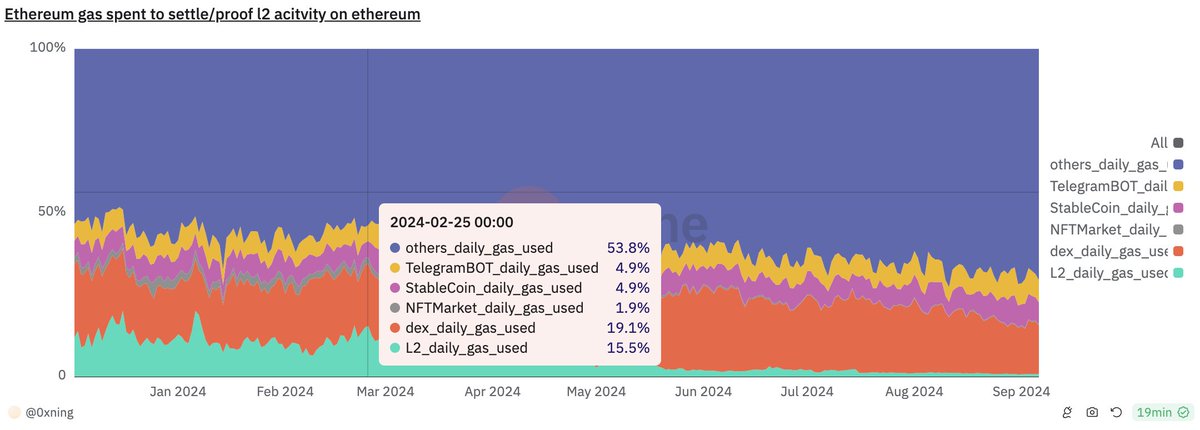
当初为了应对 Celestia 的 DA 价格战和基于对应用型 Rollup 爆发式增长的乐观预期,坎昆升级 EIP4844 在新增了专门的区块空间 Blob 存储 L2 状态数据的同时,在 Blob 的定价机制的设计上也致力于降低 L2 缴纳的 DA 费用。
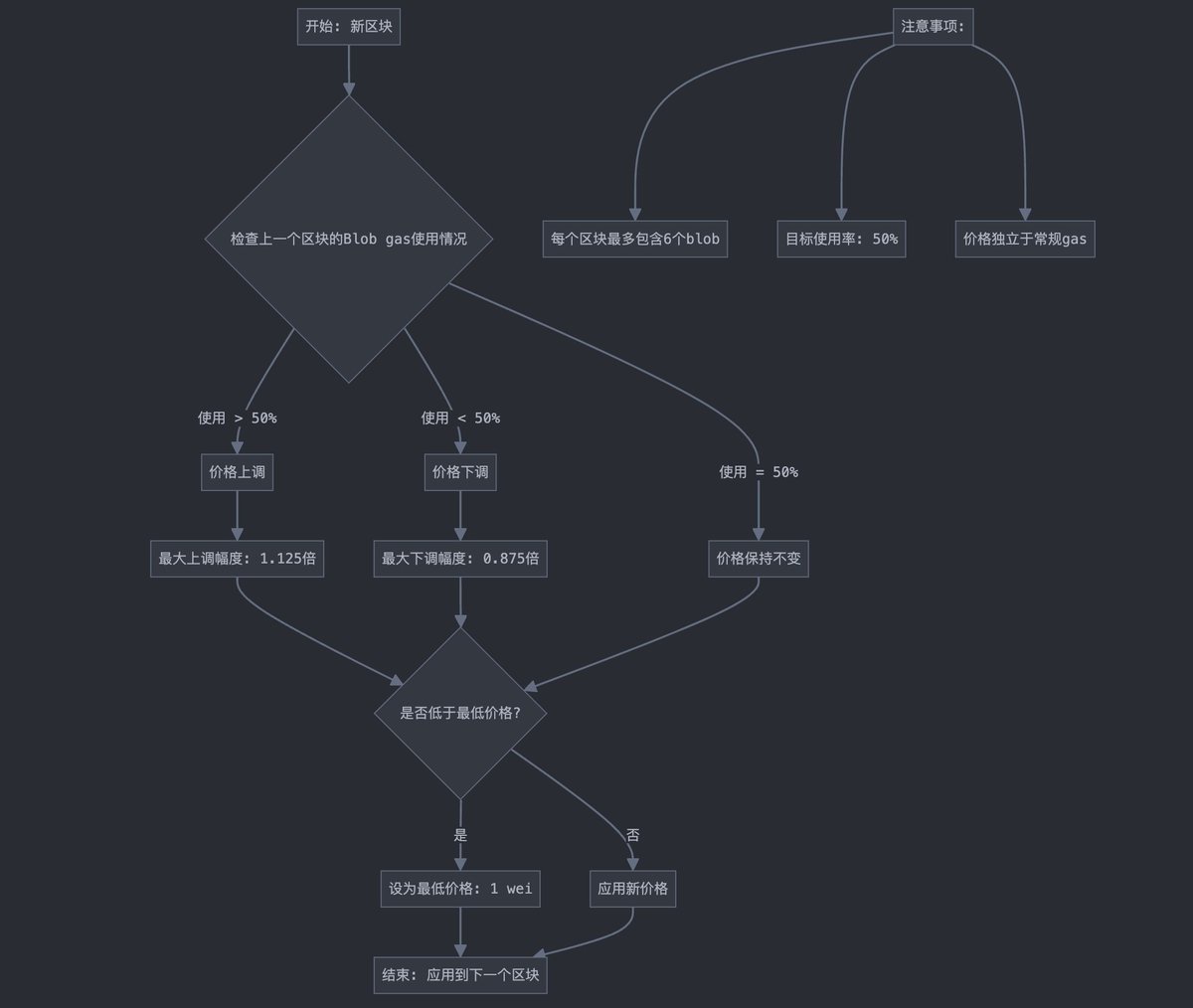
例如,Blob 空间市场的 Base Fee 从 1 Wei 计价,空间不足时,每个区块上调 12.5% 的 Gas 费,这让对 Blob 空间的有效定价很难形成。

更让大家没想到的是,预期中的应用型 Rollup 爆发式增长,竟然戛然而止。

这两点,共同导致了现如今以太坊主网失血补贴 L2 的局面。因此以太坊社区开始有人呼吁修改 Blob 的定价机制,向 L2 征收更多的 DA 税,销毁更多的 ETH,让以太坊的供应再回通缩状态。

怎么看待这些以太坊社区的声音呢?个人认为相比恢复稳定币支付网络的领先地位、重振以太坊主网在长尾资产发行和交易市场的垄断地位,这的确是一条增强以太坊价值捕获能力的捷径。但如社区反对的声音所说,有点急功近利,让二级市场代币的短期波动过度影响协议的发展方向并不是什么好事。

不知道为什么,与其他 PoS 公链社区相比,以太坊社区对通缩有一种病态的迷之热爱,潜意识里将通缩与币价上涨正相关。但事实上在减半之后比特币的实际年化通胀率也有 0.84%。而其他主流 PoS L1(Solana、波卡、Cosmos)的原生代币年化通胀率一般处在 7%~15% 之间。

在简单的事和正确的事之间,我们应该选择正确的事;在长期主义的窄门和短期收益的宽门之间,我们应该选择窄门。总之,以太坊的未来,在于链抽象、EOA 地址智能钱包化、模块化、单区块确认性等等技术迭代引发新一轮的应用层创新 Summer,并不在于在当下征收更多的 DA 税。


Related Reads

Warsh's First Day in Office, Markets Deliver a 'Wake-up Call': Rate Hike Expected This Year

On his first day in office, newly inaugurated Federal Reserve Chairman Warsh received a stark market warning, with expectations now fully pricing in a 25-basis-point interest rate hike this year. The shift was triggered by hawkish remarks from Fed Governor Waller, who stated that inflation is now the key policy "driver" and that the odds of a hike or cut are evenly split. This sent short-term Treasury yields higher. Waller signaled a significant pivot in his stance, citing disappointing inflation and labor data. He suggested removing "easing bias" language from Fed statements and did not rule out future rate increases if inflation fails to recede, though he noted immediate action isn't warranted without signs of unanchored inflation expectations. Chairman Warsh faces immediate pressure at his first FOMC meeting in June. With the preferred inflation gauge at a three-year high, analysts warn that failing to hike could be interpreted as an implicit easing of policy. The geopolitical situation in the Middle East is adding to existing price pressures. The market's expectation for a hike contrasts sharply with earlier forecasts for multiple cuts. While long-term Treasury yields have been contained by lower energy prices recently, analysts note they remain under structural upward pressure. Warsh's swearing-in at the White House highlights political scrutiny over Fed independence. However, the market has made it clear that inflation is the most urgent challenge, leaving the new chairman little time to settle in.

marsbit8h ago

Warsh's First Day in Office, Markets Deliver a 'Wake-up Call': Rate Hike Expected This Year

marsbit8h ago

Has Microsoft Lost Its Way in the AI Race, and Can Copilot Bring It Back on Track?

Microsoft, once seen as an early AI frontrunner due to its investment in OpenAI, is navigating a strategic shift amid increased competition. Its initial reliance on OpenAI’s GPT models has been complicated by OpenAI’s growing ambitions as a direct competitor, rapid advancements from rivals like Claude and Gemini, and the disruptive rise of AI agents, which challenge its traditional SaaS business model. These factors contributed to stock declines and slower-than-expected adoption of its flagship Copilot products. In response, CEO Satya Nadella has taken a hands-on role in product development, signaling the urgency of change. Microsoft is pivoting from a model-centric strategy to a "model-agnostic" enterprise platform approach. It aims to become the foundational layer connecting various AI models—from OpenAI, Anthropic, or its own new "Superintelligence" team—with enterprise workflows, data, security, and cloud services. Recent organizational changes merged consumer and enterprise Copilot teams to accelerate innovation, exemplified by new products like Copilot Tasks and Copilot Cowork. However, this transformation comes at a high cost. Microsoft faces massive capital expenditures, potentially reaching ~$190 billion by 2026, to support AI infrastructure. While its platform strategy shows early signs of traction with growing Azure AI revenue, it must balance startup-like agility with the reliability expected by enterprise clients. The core challenge is no longer being the sole AI winner but defending its position as the essential enterprise software entry point amidst rapid technological commoditization and the shift towards always-on AI agents.

marsbit9h ago

Has Microsoft Lost Its Way in the AI Race, and Can Copilot Bring It Back on Track?

marsbit9h ago

Trading

Spot
Futures

Hot Articles

Discussions

Welcome to the HTX Community. Here, you can stay informed about the latest platform developments and gain access to professional market insights. Users' opinions on the price of ETH (ETH) are presented below.

活动图片