К криптопроекту сыновей Трампа присоединился соучредитель DEX Dolomite

cryptonews.ruPublished on 2024-06-03Last updated on 2024-09-03

  • По проекту Эрика и Дональда Трампа-младшего появились первые подробности.
  • На должность советника в его команде был назначен соучредитель DEX Dolomite Кори Каплан.
  • Личности остальных членов обещают раскрыть в ближайшее время.

Соучредитель децентрализованной биржи (DEX) Dolomite Кори Каплан присоединился к проекту World Liberty Financial. За созданием последнего стоят Эрик и Дональд Трамп-младший.

Meet Corey Caplan – Co-founder and creator of Dolomite! 🚀

An early Ethereum builder since 2017, cryptopunk enthusiast, and one of the most innovative minds in DeFi, Corey has joined World Liberty Financial's advisory team and is the first of many incredible people we are… pic.twitter.com/rdOwjrbOiN

— WLFI (@worldlibertyfi) August 30, 2024

Согласно официальному релизу, Каплан займет должность советника. Также в команде World Liberty Financial пообещали рассказать и о других членах в ближайшее время.

World Liberty Financial — это криптовалютный проект сыновей кандидата в президенты США Дональда Трампа. Впервые его анонсировали в начале августа 2024 года.

Позднее они опровергли информацию, что он связан с сектором мемкоинов. По словам Дональда Трампа-младшего, проект касается токенизации недвижимости.

В середине августа он представил официальный Telegram-канал под названием The DeFiant Ones. Его поддержал Трамп-старший.

Остальные детали и подробности проекта не разглашаются. Сроки его релиза также не уточняются.

Отметим, World Liberty Financial — это одна из торговых марок, зарегистрированная компанией AMG Software Solutions, косвенно связанной с сыновьями Трампа. Документы фирма подала еще в июле 2024 года.


Related Reads

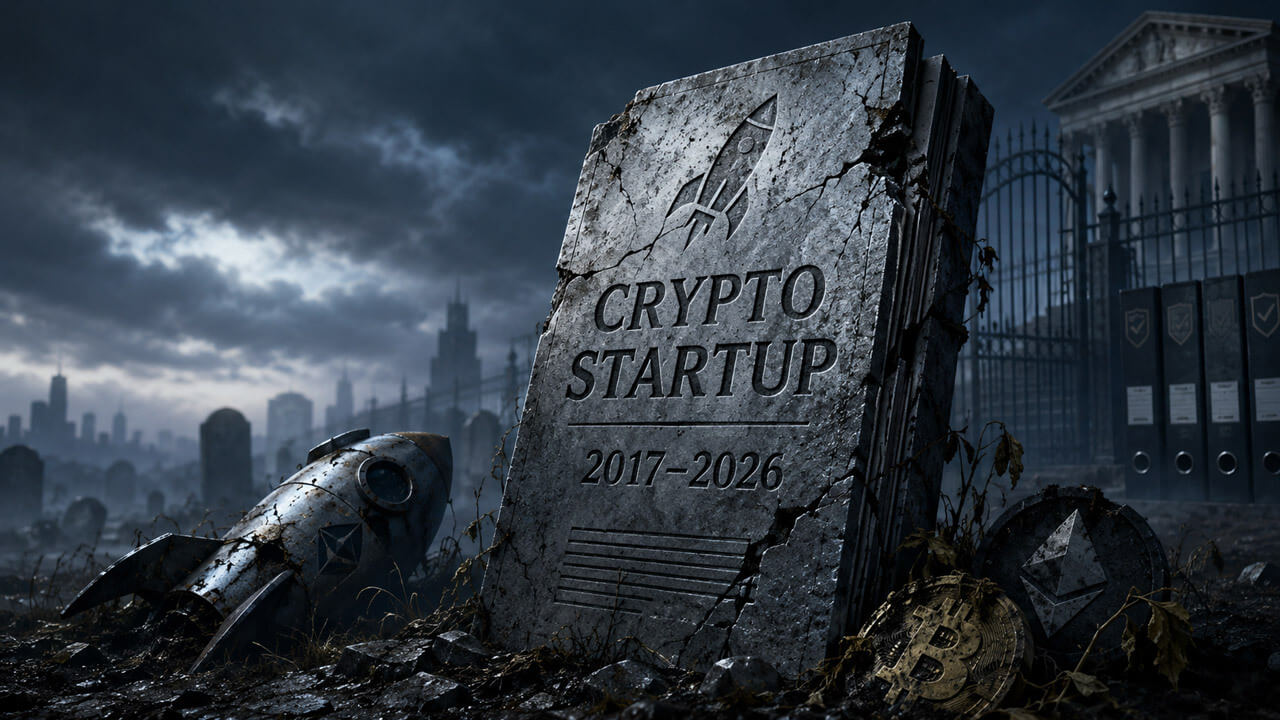
A Decade of Change: The Demise of Crypto Startups

"The Decade-Long Transformation: The Demise of Crypto Startups" The article traces the dramatic evolution of the cryptocurrency industry from its anarchic beginnings to its current highly regulated and institutionalized state. In the early days (circa 2017), launching a crypto startup was remarkably simple: a whitepaper, a GitHub repository, and a Telegram group could attract thousands of retail investors via an Initial Coin Offering (ICO). Founders operated anonymously with near-zero regulatory and financial barriers, enabling rapid, global innovation but also widespread fraud. By 2026, the landscape is fundamentally different. To operate in major markets like the US, EU, and Asia, crypto businesses must now navigate a complex web of regulations akin to traditional finance. Compliance costs are prohibitive: estimates for a US multi-state operation range from $750,000 to $1.2 million in the first three years, with annual costs exceeding $2 million thereafter. Regulations like MiCA in the EU and New York's BitLicense have created high capital and operational hurdles that act as barriers to entry. Simultaneously, venture capital investment has shifted dramatically. Following the collapses of Terra and FTX, funding has concentrated in later-stage, established companies, creating a "barbell market." Early-stage and seed funding has shrunk significantly, while mega-funds like Andreessen Horowitz's $15 billion pool dominate. Most capital now flows to trading platforms, lending infrastructure, and B2B services. This environment favors mergers and acquisitions as the primary path for growth. Companies like Coinbase and Ripple are acquiring firms like Deribit and Hidden Road not for their technology, but for their licenses, banking relationships, and institutional trust—assets far more valuable than code. Distribution channels, compliance, and brand reputation have become the new moats, overshadowing pure technical innovation. The industry's maturation brings benefits: reduced scams, increased institutional participation, and clearer regulatory frameworks. However, it comes at a cost. The low-barrier, experimental ethos that defined crypto's first decade is fading. Entrepreneurs without substantial capital, pre-existing licenses, or institutional connections face immense challenges. Funding for exploratory fields like decentralized social media or novel governance models is drying up. Ultimately, the crypto industry is replicating the consolidation pattern seen in banking and tech after the 2008 financial crisis. While this brings stability and legitimacy, it raises a critical question: in this new, resource-intensive reality, is there still room for the disruptive, from-scratch innovation that gave birth to the sector?

Foresight News1h ago

A Decade of Change: The Demise of Crypto Startups

Foresight News1h ago

Trading

Spot
活动图片