Крайне маловероятно, что клиенты WazirX будут возмещены в Криптo выражении, считают юридические консультанты

cryptonews.ruPublished on 2024-06-02Last updated on 2024-09-02

  • Юридические консультанты Криптo заявили в понедельник, что клиенты WazirX вряд ли получат возмещение в Криптo отношении.
  • Что касается восстановления доллара США, то восстановление возможно, если ситуация на рынке улучшится.
  • Во вторник Высокий суд Сингапура рассмотрит Request WazirX о предоставлении ему шестимесячной защиты, пока компания реструктурирует свои обязательства после потери 234 миллионов долларов в результате взлома в июле.

По словам юридических консультантов взломанной индийской Криптовалюта биржи, крайне маловероятно, что клиенты WazirX получат возмещение в Криптo выражении в результате процесса реструктуризации.

В ходе телефонной конференции с журналистами, в которой принял участие соучредитель WazirX Нишал Шетти в понедельник, советники заявили, что в сложившейся ситуации по крайней мере 43% денег, которые имелись у клиентов в WazirX , вряд ли будут возвращены.

По словам Джорджа Гви, директора экспертной компании по реструктуризации Kroll, в лучшем случае возврат составит от 55% до 57% средств.

Во вторник Высокий суд Сингапура рассмотрит Request WazirX о шестимесячной защите, пока он реструктурирует свои обязательства после потери $234 млн из-за взлома в июле. Request было подано зарегистрированной в Сингапуре компанией Zettai Pte, чья дочерняя компания Zanmai India управляет биржей.

Учитывая, что сумма взлома составила 45% от средств клиентов, компания ранее заявляла, что сможет предоставить своим клиентам доступ только к оставшимся 55% средств.


Related Reads

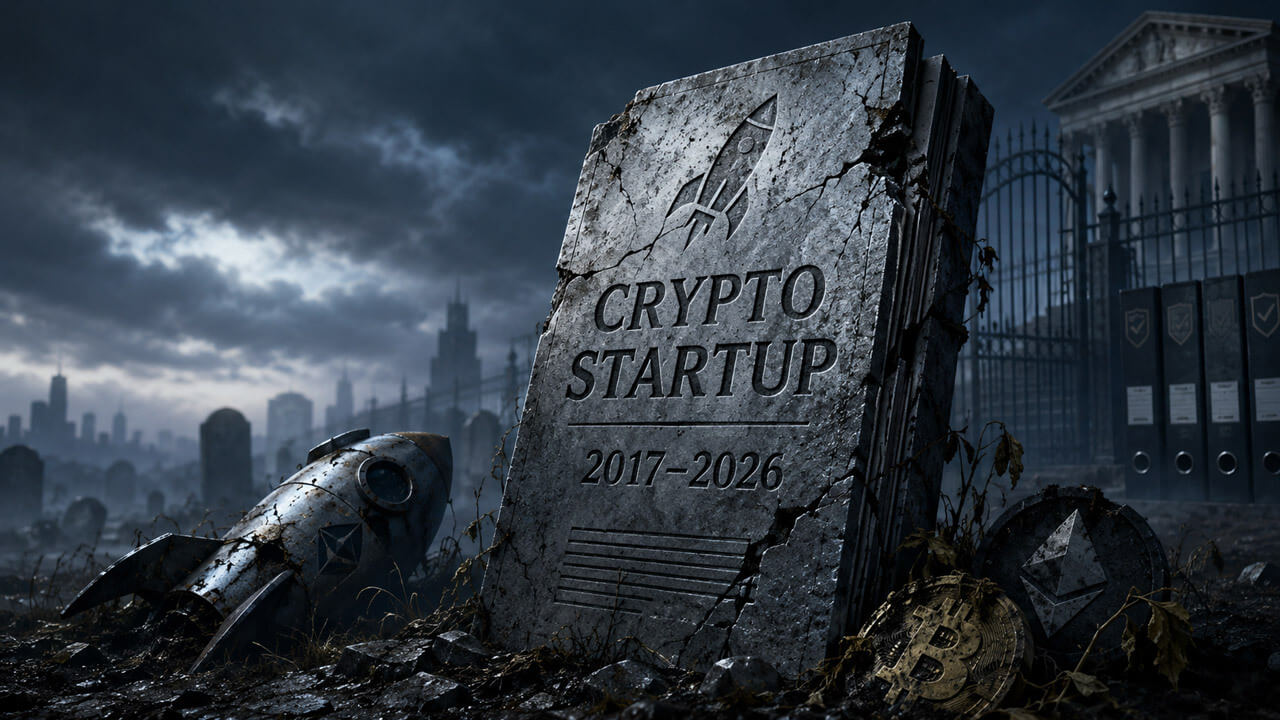
A Decade of Change: The Demise of Crypto Startups

"The Decade-Long Transformation: The Demise of Crypto Startups" The article traces the dramatic evolution of the cryptocurrency industry from its anarchic beginnings to its current highly regulated and institutionalized state. In the early days (circa 2017), launching a crypto startup was remarkably simple: a whitepaper, a GitHub repository, and a Telegram group could attract thousands of retail investors via an Initial Coin Offering (ICO). Founders operated anonymously with near-zero regulatory and financial barriers, enabling rapid, global innovation but also widespread fraud. By 2026, the landscape is fundamentally different. To operate in major markets like the US, EU, and Asia, crypto businesses must now navigate a complex web of regulations akin to traditional finance. Compliance costs are prohibitive: estimates for a US multi-state operation range from $750,000 to $1.2 million in the first three years, with annual costs exceeding $2 million thereafter. Regulations like MiCA in the EU and New York's BitLicense have created high capital and operational hurdles that act as barriers to entry. Simultaneously, venture capital investment has shifted dramatically. Following the collapses of Terra and FTX, funding has concentrated in later-stage, established companies, creating a "barbell market." Early-stage and seed funding has shrunk significantly, while mega-funds like Andreessen Horowitz's $15 billion pool dominate. Most capital now flows to trading platforms, lending infrastructure, and B2B services. This environment favors mergers and acquisitions as the primary path for growth. Companies like Coinbase and Ripple are acquiring firms like Deribit and Hidden Road not for their technology, but for their licenses, banking relationships, and institutional trust—assets far more valuable than code. Distribution channels, compliance, and brand reputation have become the new moats, overshadowing pure technical innovation. The industry's maturation brings benefits: reduced scams, increased institutional participation, and clearer regulatory frameworks. However, it comes at a cost. The low-barrier, experimental ethos that defined crypto's first decade is fading. Entrepreneurs without substantial capital, pre-existing licenses, or institutional connections face immense challenges. Funding for exploratory fields like decentralized social media or novel governance models is drying up. Ultimately, the crypto industry is replicating the consolidation pattern seen in banking and tech after the 2008 financial crisis. While this brings stability and legitimacy, it raises a critical question: in this new, resource-intensive reality, is there still room for the disruptive, from-scratch innovation that gave birth to the sector?

Foresight News59m ago

A Decade of Change: The Demise of Crypto Startups

Foresight News59m ago

Trading

Spot
活动图片