加密货币行业的影响力是否足以左右选举结果?

币界网Published on 2024-08-23Last updated on 2024-08-23

币界网报道:

作者:Jeff Howard 来源:coindesk 翻译:善欧巴,

随着2024年美国大选的临近,政治两极分化再次成为焦点。美国社会的分裂局面仍然严重,选民几乎一半对立。总统大选的结果难以预测,尤其是在最近民主党阵营重新崛起的背景下。此次选举的结果将对数字资产行业的未来产生重大影响,因此一个重要的问题浮现出来:加密货币行业的影响力是否足以左右选举结果?

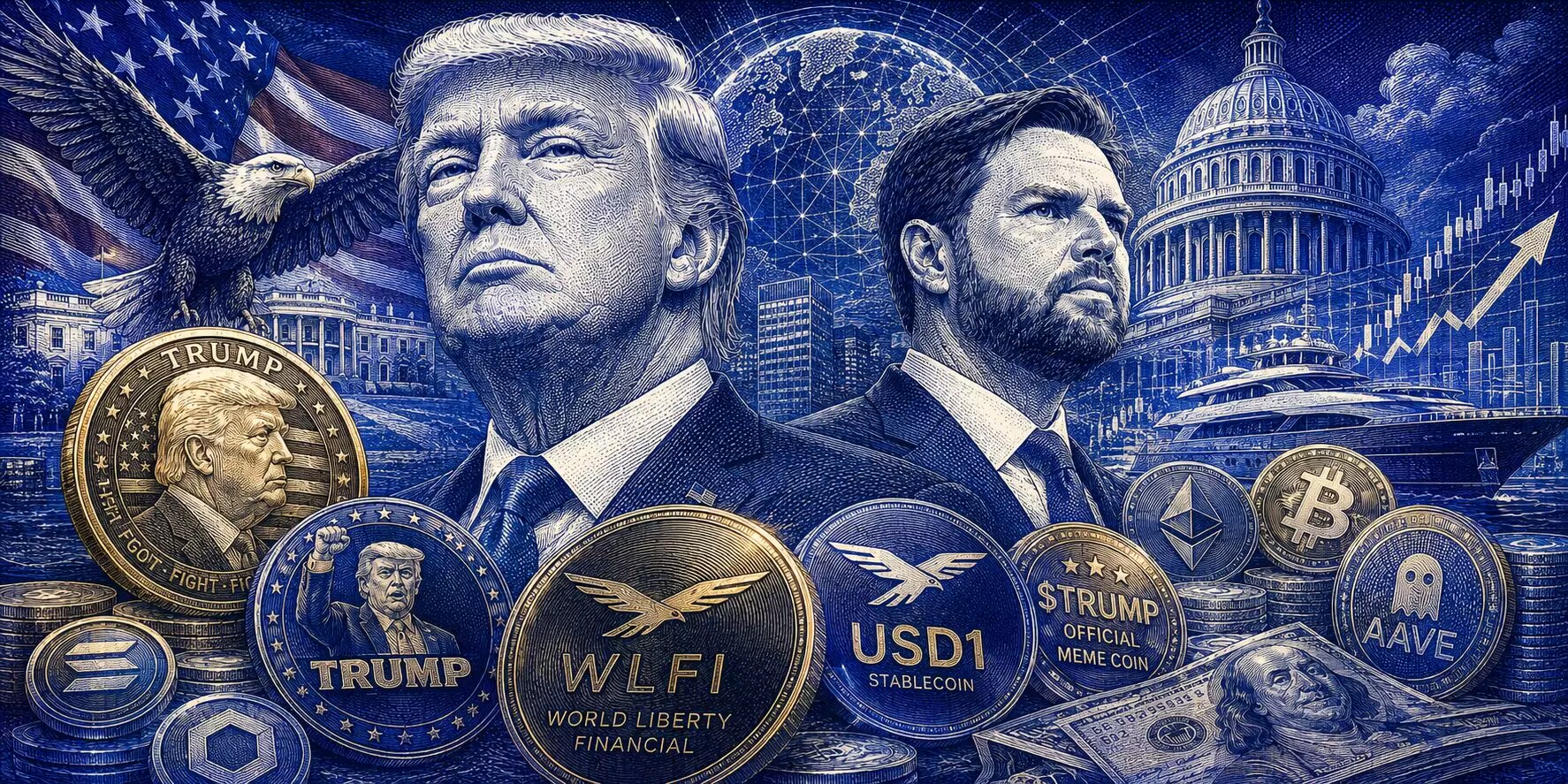
答案似乎是肯定的。选举的胜利不仅依赖于理念,还依赖于资金和动员能力。这就是美国政治现实的写照。政客们可以受到影响,甚至被直接收买,而这次选举周期标志着加密行业首次拥有资金充足、有组织的游说团体来支持其利益。据followthecrypto.org报道,专注于加密货币的政治行动委员会 (PAC) 已筹集了1.83亿美元,旨在影响2024年选举。硅谷的主要参与者正在利用他们的财富和影响力,试图在未来的数字资产和人工智能政策制定中占据主导地位。

共和党候选人唐纳德·特朗普对这些努力表示欢迎,并承诺大力支持加密行业。他的提议包括修改美国能源政策,使美国成为比特币挖矿领域的全球领导者,结束“Operation Chokepoint 2.0”,罢免证券交易委员会(SEC)主席加里·詹斯勒 (Gary Gensler) 的职务,甚至建立比特币的国家战略“储备”。加密行业对此反应热烈,为他的竞选活动投入了大量资金。然而,特朗普是否会兑现这些承诺仍有待观察。

在民主党方面,候选人对加密货币基本保持沉默。尽管现任政府对该行业采取了强硬措施,但许多民主党人现在承认,SEC主席詹斯勒已成为政治负担,尤其是在几个关键摇摆州,年轻选民的意见将影响选举结果。

那么,为什么加密货币监管的未来会成为如此热门的政治问题呢?答案很简单:金钱。这不仅因为此次选举投入了巨额资金,还因为比特币和以太坊ETF的出现,吸引了机构对该行业日益浓厚的兴趣。全球最大资产管理公司贝莱德的董事长兼首席执行官拉里·芬克 (Larry Fink) 已成为比特币和区块链技术的主要倡导者,大力宣扬其潜在的好处。

加密行业已经取得了长足的发展,超过5000万美国人拥有数字资产。从本质上来说,加密货币具有政治性,它挑战了传统中心化市场的根基。去中心化、透明度、金融包容性、自主性和所有权的原则,对我们金融生活的各个方面都有着深远的影响。

政客们往往追逐金钱,而选民则基于经济利益来投票。美国人对自由主义理想的偏爱如今正与争夺数字资产未来的斗争交织在一起。当前的政治氛围越来越有利于制定合理的监管,国会山上流传着许多有利于加密货币的法案。

这次选举最终能否将加密货币推向主流?考虑到利害关系,这似乎是可能的。在这种情况下,成为单一问题选民并非不合理,尤其是当你的财务未来岌岌可危时。然而,值得考虑的是,这是否会变成一个经典的“买谣言,卖新闻”的案例。


Related Reads

Confirmed: Claude Code Secretly Inspects Users, Time Zone and Chinese AI Labs Are Key Factors

Today was a significant day for Anthropic. The company announced the launch of Claude Sonnet 5, described as its most agentic model yet, and separately confirmed that the U.S. Department of Commerce has lifted export controls on its Claude Fable 5 and Mythos 5 models, allowing their distribution to resume. However, a separate controversy has emerged regarding its coding assistant, Claude Code. Developers have exposed that certain versions of the tool allegedly contain hidden code designed to detect specific user data. This code reportedly checks for the use of Chinese time zones (like Asia/Shanghai), the presence of custom API proxy URLs, and connections to domains associated with Chinese tech companies and AI labs. If triggered, this information is said to be encoded into the system prompt sent to the AI cloud, using subtle, nearly indistinguishable variations in characters (like different Unicode apostrophes in the "Today's date" line) as a form of steganography. The core issue is the covert nature of this data collection. While telemetry for security and abuse prevention is common, implementing it through hidden channels within the prompt—without user awareness or documented disclosure—fundamentally breaches trust. This is particularly sensitive for a coding assistant that operates with access to source code and system commands. Following the exposure, an Anthropic engineer acknowledged the code's existence and stated it would be removed in an upcoming release. The incident raises serious questions about transparency and the boundaries of data collection in AI developer tools.

marsbit45m ago

Confirmed: Claude Code Secretly Inspects Users, Time Zone and Chinese AI Labs Are Key Factors

marsbit45m ago

Grayscale: After Halving, BTC is Nearing the Bottom of This Cycle

Grayscale Research suggests Bitcoin's recent decline below $60,000, a >50% drop from its October peak, represents a cyclical correction within a long-term uptrend rather than a trend reversal. Key factors behind the pullback include a shift in market expectations toward Federal Reserve rate hikes under new Chair Kevin Warsh, uncertainty around the CLARITY Act's Senate passage, pressure on leveraged entities like Strategy, and concerns over quantum computing risks. The path out of the current bear market hinges on upcoming catalysts. An optimistic scenario, where the CLARITY Act passes, leverage is contained, and the Fed refrains from hiking, could mean Bitcoin is nearing its cycle bottom. A pessimistic scenario, featuring legislative failure, further deleveraging, and Fed rate hikes, could lead to additional moderate downside. Grayscale does not expect a historically deep ~80% drawdown due to a more measured prior bull run and stickier institutional demand. Despite short-term headwinds, Grayscale remains highly optimistic about crypto's long-term structural prospects, driven by institutional adoption of public blockchains, unsustainable government debt, declining trust in intermediaries, and AI's potential demand for alternative systems. The report concludes that while the exact cycle low depends on near-term catalysts, current valuations present an attractive entry point for long-term investors betting on the decade-ahead growth of digital assets.

marsbit1h ago

Grayscale: After Halving, BTC is Nearing the Bottom of This Cycle

marsbit1h ago

Web3 Bear Market Survival Guide: Ten Great Books to Help You Navigate the Cycles

"Web3 Bear Market Survival Guide: Ten Books to Help You Navigate the Cycle" This article presents a curated book list aimed at helping Web3 enthusiasts and professionals endure and grow during crypto market downturns. It argues that bear markets are not just periods of waiting but crucial times for deepening one's foundational understanding beyond technical whitepapers and price charts. The ten recommended books offer perspectives on technology, economics, philosophy, and strategy to build resilience and long-term vision. The list includes: 1. **"The Inevitable" by Kevin Kelly:** For using a long-term technological lens to combat uncertainty about the future, including the role of crypto and AI. 2. **"Human Action" by Ludwig von Mises:** To upgrade one's economic and philosophical framework, understanding action, speculation, and calculation in a bear market context. 3. **"The Nature of Technology" by W. Brian Arthur:** For viewing blockchain and crypto as combinatorial evolutions of existing technologies, understanding their modular and economic development. 4. **"The Distant Savior" (Chinese novel):** Explores the cultural attributes of self-reliance ("strong culture") versus dependency ("weak culture"), crucial for surviving industry cycles. 5. **"The Sovereign Individual" by James Dale Davidson & Lord William Rees-Mogg:** A prophetic 1997 work on how technology empowers individuals and challenges nation-states, foreshadowing Bitcoin's emergence. 6. **"Japanization: What the World Can Learn from Japan's Lost Decades" (Adapted title):** Uses Japan's economic history as a case study to identify structural opportunities that persist even during broader recessions. 7. **"Denationalisation of Money" by F.A. Hayek:** The ideological blueprint for Bitcoin, arguing for competitive currency issuance beyond state monopoly. 8. **"Duan Yongping Investment Q&A" (Chinese compilation):** Emphasizes the simple discipline of "doing the right things and doing things right," focusing on fundamentals and maintaining a "stop doing list." 9. **"The Network State: How To Start a New Country" by Balaji Srinivasan:** A visionary text from a crypto insider outlining bold predictions and concrete ideas for a blockchain-based future across media, governance, and identity. 10. **"Selected Works of Mao Zedong" (Vol. 1):** Analyzed as a strategic playbook for a weak force challenging a powerful establishment, offering lessons on strategy, alliance-building, and perseverance for the crypto movement. The conclusion states that bear markets filter out those with weak conviction, not weak skills. Survival depends on cognitive depth and mental fortitude, which these books aim to provide.

Foresight News1h ago

Web3 Bear Market Survival Guide: Ten Great Books to Help You Navigate the Cycles

Foresight News1h ago

Trump's 25-Year Financial Report: Family Earns Over $1 Billion Annually from Crypto, While Retail Investors Lose Money on $TRUMP

Former President Donald Trump's family earned approximately $1.2 billion from cryptocurrency ventures in 2025, according to a financial disclosure report. This revenue stream, outlined in a 927-page filing, now surpasses income from most of his long-established real estate holdings. The crypto earnings originated from two main sources: over $500 million from the sale of products like "governance tokens" by World Liberty Financial, a DeFi project co-owned by the Trump family, and roughly $635 million in royalties from the Trump-themed meme coin $TRUMP, issued by CIC Digital LLC. While Trump's entities profited, retail investors faced significant losses. The $TRUMP token, which peaked above $74 shortly after its January 2025 launch, has plummeted to around $1.68. World Liberty Financial's token has also fallen roughly 80% since its debut. Reports indicate that the majority of meme coin buyers have lost money, with Trump-linked entities still holding about 80% of $TRUMP's supply under vesting plans. The disclosure highlights a stark contrast: Trump's crypto and real estate businesses flourished—with new international property deals bringing in tens of millions—even as his administration shifted to crypto-friendly policies, relaxing the stringent regulatory stance of the previous Biden administration. The White House maintains that Trump acts only in the public interest, with his businesses placed in a trust managed by his sons, denying any conflict of interest. However, the report notes the difficulty of assessing such conflicts, particularly regarding foreign business dealings with countries that later received favorable U.S. policy decisions.

marsbit1h ago

Trump's 25-Year Financial Report: Family Earns Over $1 Billion Annually from Crypto, While Retail Investors Lose Money on $TRUMP

marsbit1h ago

Trading

Spot
活动图片