全球经济波动与加密市场动荡:宏观经济与日元套利交易的影响

Odaily星球日报Published on 2024-08-07Last updated on 2024-08-07

Abstract

“卡玛拉崩盘”是未来金融危机的预演么?

Hash(SHA1):a543a5b2582006c8b503b1182274b528c108388a

编号:链源 Hotspot Insights Broadcast No.002 

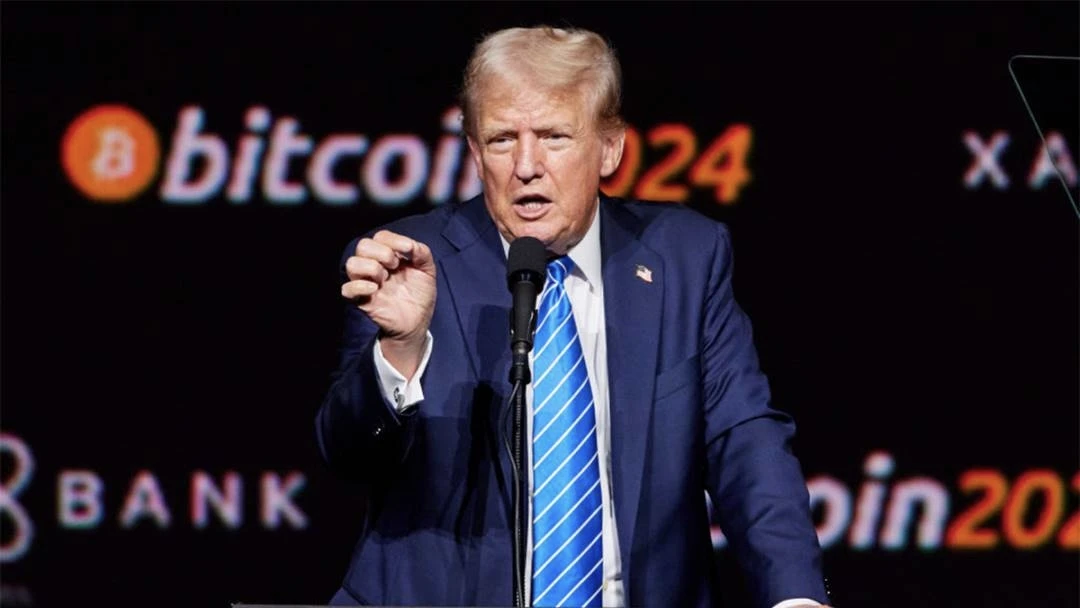
特朗普评论美股大跌:这叫“卡玛拉崩盘”
全球经济波动与加密市场动荡:宏观经济与日元套利交易的影响

美国股市周一开盘大幅下挫,共和党总统参选人特朗普将这一现象称为“卡玛拉崩盘”,将矛头指向 2024 年民主党总统提名人卡玛拉·哈里斯。在社交媒体平台 Truth Social 上,特朗普用大写字母写道:“特朗普-现金 VS 卡玛拉-崩盘!”(TRUMP CASH VS KAMALA CRASH),并坚称他不会造成这样的影响。他在佐治亚州亚特兰大的一次集会上声称,如果哈里斯当选总统,她将“摧毁”美国经济,并提到最近失业率上升至 4.3% 。

美联储的紧缩政策与市场反应

芝加哥联储主席古尔斯比表示,美联储一直处于紧缩状态,只有在担心经济过热的情况下才需要采取如此严格的措施。目前的数据并不显示经济存在过热的迹象,就业数据低于预期,但尚未显示出经济衰退的迹象。古尔斯比强调,美联储在做出决策时需要前瞻性。

投资大亨沃伦·巴菲特持有创纪录的 2770 亿美元现金,并在此前卖掉了 50% 的苹果股票,准备在市场崩盘时以折扣价购回。周一的市场崩盘导致美国股票市值蒸发了 1.4 万亿美元,同时在 24 小时内有 12 亿美元的加密货币杠杆头寸被清算。

全球市场同步下跌 

7 月美国失业率上升引发了对经济衰退的担忧,导致全球资本市场在周一出现大幅下跌。日本日经指数跌了 4451 点,创下日本股市最大跌幅。韩国 Kospi 指数和 Kosdaq 指数跌逾 8% ,触发熔断机制。纳斯达克 100 指数期货跌幅扩大至逾 5% ,欧洲斯托克 50 指数跌逾 3% 。

加密市场也未能幸免。比特币在跌破 6 万美元后并未受到支撑,一路下探至 5 万美元以下,最低触及 49000 美元,日内跌幅超过 15% 。以太坊 24 小时内跌幅超过 20% ,一度跌破 2200 美元。根据 CMC 行情数据,全网加密总市值最低跌至 1.76 万亿美元, 24 小时跌幅近 20% 。

历史性的市场联动

华夏基金(香港)数字资产管理主管朱皓康分析,比特币价格暴跌常常与纳斯达克 100 指数的下跌几乎同步发生,尤其是在市场面临广泛的系统性风险时,如 2020 年 3 月的新冠疫情引发的市场暴跌和 2022 年的市场调整。

图表数据显示,过去 16 年中,比特币价格暴跌和纳斯达克 100 指数下跌之间存在显著的时间关系。例如, 2020 年 3 月,比特币价格从约 10000 美元跌至约 4000 美元,跌幅约 60% ;同期纳斯达克 100 指数下跌约 30% 。

投资者的反应和市场预期

Evergreen Growth 的加密货币投资主管 Hayden Hughes 指出,加密资产成为日元套利交易平仓的一部分受害者。投资者适应日本更高的利率,加密资产受到美元兑日元汇率波动导致的对冲成本大幅上升的影响。

投资组合经理 Daniel Tan 预计,到 2024 年底美联储降息两次更加合理,一次在 9 月,一次在 11 月,总共降息 75 个基点,这表明未来几个月存在增加债券的潜在机会。

K 2 资产管理公司研究主管 George Bourbouras 认为,市场显然对近期疲软的经济数据反应过度。美国近期的经济势头已经放缓,核心通胀数据好转,市场预期 9 月份利率将下调 25 个基点。

加密市场的动荡

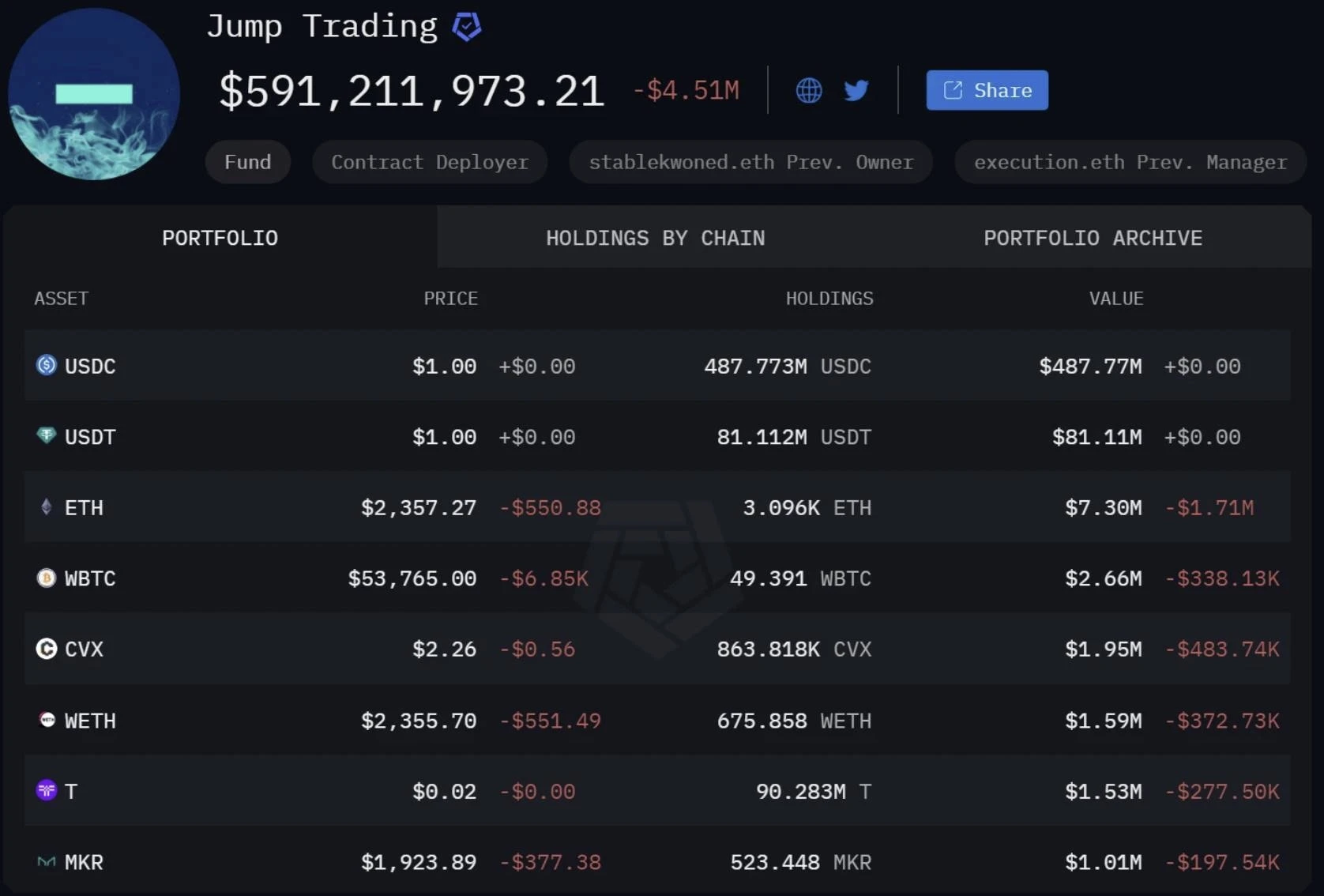
Presto Research 分析师 Min Jung 指出,就业数据不及预期、经济衰退担忧、Jump Crypto 的大额转账等因素导致加密市场下跌。比特币和以太坊的下跌可以归因于几个因素,包括就业数据低于预期、巴菲特抛售苹果股票以及 Jump Trading 转移大量加密资产。
全球经济波动与加密市场动荡:宏观经济与日元套利交易的影响

加密分析师 Lark Davis 表示,尽管目前市场动荡,但长期来看仍有投资机会。Keyrock 亚太区业务发展主管 Justin d'Anethan 指出,当前市场并非由比特币引导,而是由市场感觉主导,尤其是以太坊现货 ETF 交易和大型投资者解除了他们的灰度 ETH 基金头寸。

10x Research 预测,比特币可能跌至 42000 美元,以太坊可能跌破 2000 美元。尽管这对某些人来说显得极端,但市场结构、链上数据以及周期分析表明未来将面临进一步的压力。

币安 CEO:加密资产的大幅下跌似乎主要归因于宏观经济的影响

过去几天,加密资产和股票价格的大幅下跌可以归因于宏观经济和加密资产特定因素的双重影响,而且前者目前似乎是更主要的原因。币安 CEO 表示,宏观经济对加密资产市场的影响尤其显著。

从宏观经济角度来看,过去一周华尔街波动很大。主要股指和股市期货在周末大幅下跌,原因是对经济衰退的担忧日益加剧。周五公布的美国就业报告加剧了这些担忧,该报告引发了人们对经济增长程度的担忧。此外,持续的地缘政治紧张局势也加剧了市场的不确定性和不稳定性。

具体来说,就加密资产而言,对经济衰退的担忧引发的广泛市场抛售导致资本从高风险资产中重新分配,而加密资产在很大程度上仍被视为高风险资产。最近美国总统大选的动态使这一趋势更加复杂,一些市场参与者认为,这可能不利于加密资产作为一种资产类别。最后,在加密市场中,夏季历来比一年中的其他月份表现平淡,回报率也较低。这些季节性因素可能也在此时发挥作用。

尽管存在这些挑战,但我们并不认为这表明加密资产市场存在长期负面趋势。美联储预计将在 9 月降息,这应该会改善美国经济的前景。此外,由于距离总统大选还有一段时间,市场波动的可能性仍然很大。随着大选的临近,随着候选人明确他们对加密资产的立场,我们可能会看到市场受到双向影响。

日元套利交易的影响
全球经济波动与加密市场动荡:宏观经济与日元套利交易的影响

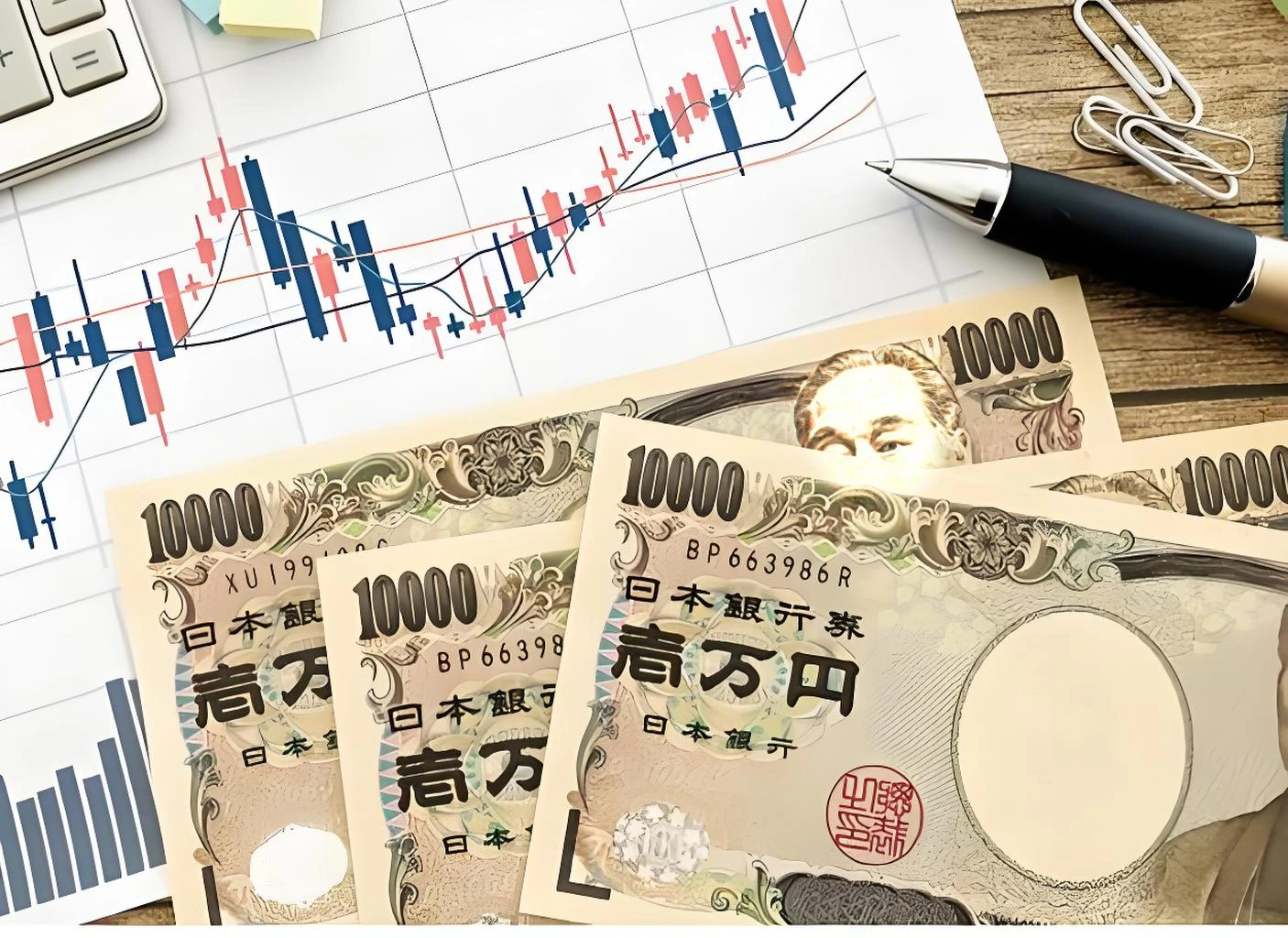
日元套利交易(Yen Carry Trade)是指借入低利率的日元,投资于高利率或高回报率资产的一种金融操作。由于日本的利率常年处于极低水平,市场参与者通过在日本以低利率借钱融资,然后将资金换成美元等其他货币,去投资高利率国家的资产。近年来,这一套利交易支持了全球股市的牛市,使廉价的货币资金能够投资于其他地方。

然而,日元套利交易的逆转往往会引发金融市场的动荡。日元套利交易的解除导致资金从高收益的风险资产中撤出,这通常会引发资产价格的下跌。金融机构在解除日元套利交易时需要通过出售资产和偿还债务来减少杠杆,这导致信贷市场的流动性减少,信贷条件进一步紧缩。此外,市场风险偏好发生变化,导致市场波动性增加。

结语

尽管目前市场面临诸多挑战,但从长期来看,加密资产市场仍然具有潜力。美联储预计将在 9 月降息,这将改善美国经济的前景,并可能为加密市场带来积极影响。随着美国总统大选的临近,市场波动性仍将存在,候选人对加密资产的立场将成为市场关注的焦点。

区块链市场的波动性显著,链源安全团队建议投资者应谨慎应对这一高风险环境。与此同时,技术安全是保障区块链系统和交易的关键。有效的安全措施不仅能够防范黑客攻击和数据泄露,还能增强用户信任,推动区块链技术的广泛应用。稳定的市场和坚实的技术基础共同促进区块链生态系统的健康发展。

链源科技是一家专注于区块链安全的公司。我们的核心工作包括区块链安全研究、链上数据分析,以及资产和合约漏洞救援,已成功为个人和机构追回多起被盗数字资产。同时,我们致力于为行业机构提供项目安全分析报告、链上溯源和技术咨询/支撑服务。

感谢各位的阅读,我们会持续专注和分享区块链安全内容。
Related Reads

The Reality of Payments in Latin America Is Not What You Think

The payment landscape in Latin America is undergoing a fundamental shift, driven by on-the-ground realities that challenge common perceptions. Based on over 500 hours of field research across the region, key insights emerge. Firstly, QR code payments, like Brazil's Pix, are becoming the dominant payment method in most emerging markets, overtaking cards. However, these domestic instant payment systems lack international interoperability, creating a significant gap for cross-border users. Secondly, the narrative around crypto cards is often misunderstood; their primary volume comes from high-net-worth professionals using them for salary conversions (e.g., USDT to local currency via Pix), not retail micro-payments. Competition in payments is shifting from customer acquisition to controlling the settlement layer, leading fintechs to acquire banking licenses for efficiency. Thirdly, treating "Latin America" as a single market is a mistake. Countries like Argentina, Brazil, and Mexico have distinct economic realities, user segments, and regulatory approaches. Brazil alone has at least five distinct user segments with different financial flows. Overlooked markets like Guatemala, Honduras, and El Salvador (the "forgotten five") offer high remittance volumes with lower competitive density. Finally, regulation in Latin America is often ahead of the US, with clearer frameworks for digital assets and a pragmatic approach from regulators focused on safety rather than obstruction. The margin on stablecoin forex is rapidly compressing toward zero, meaning future winners will be those building value-added services on top of the infrastructure, not just the cheapest exchange.

marsbit8m ago

The Reality of Payments in Latin America Is Not What You Think

marsbit8m ago

Making Music in a Bear Market: The Survival Experiment of a Bitcoin Band

"Orange Pill Jam: A Bitcoin Band's Survival in the Bear Market" Orange Pill Jam is a musical group exploring themes of financial sovereignty and privacy, born from the Bitcoin community. Formed after singer Mermaid performed her song "Dollar Apocalypse" at a 2022 conference, the band creates music intended for both Bitcoin enthusiasts and general audiences. Their creative process involves Mermaid writing lyrics and melodies, which producer/multi-instrumentalist Michi then shapes with a precise, rhythm-focused approach, often demanding numerous retakes to achieve his unique standard of timing. Their songs, like "Cypherpunks' Manifesto" and "Fire of Freedom," tackle concepts of digital privacy, the pitfalls of "free" services, and personal sovereignty, influenced by experiences in places like El Salvador. Despite operating in a crypto bear market with a Copyleft model (offering music for free sharing/remixing and accepting optional Bitcoin donations), they face practical challenges. Their growth is slow on platforms like YouTube and Spotify, which aren't optimized for their niche content. The band also navigates the rise of AI-generated music. While acknowledging AI's efficiency for certain tasks, they believe human creativity occupies a unique space that algorithms cannot replicate—the ability to create new genres and capture intangible rhythmic feeling. For Orange Pill Jam, the core argument for both Bitcoin in a downturn and human artistry in the AI age lies in this irreplaceable, intentional, and imperfectly human creative process. Their project persists as an anti-algorithm experiment, valuing the unquantifiable impact of music over scalable metrics.

marsbit15m ago

Making Music in a Bear Market: The Survival Experiment of a Bitcoin Band

marsbit15m ago

Latin America's Payments Landscape Is Not What You Think It Is

This report challenges common misconceptions about Latin America's payment landscape, based on over 500 hours of firsthand research. Key findings include: 1) Crypto card transaction volume primarily comes from high-net-worth individuals receiving USDT salaries, not retail spending. 2) QR code payments (e.g., Brazil's Pix, Argentina's Mercado Pago) are the dominant payment method across most emerging markets, not cards. 3) A major untapped opportunity lies in enabling cross-border interoperability between domestic instant payment systems. 4) Payment competition is shifting from customer acquisition to owning the settlement layer (e.g., acquiring banks). 5) Latin America is not a single market; Brazil, Mexico, Argentina, and smaller "forgotten five" countries (e.g., Guatemala, Honduras) have vastly different dynamics. 6) Stablecoin-to-fiat conversion margins are collapsing toward zero, pushing companies to build value-added services on top. 7) Future payment winners will be multi-country brands, not single-corridor specialists. 8) Marketing must target specific user segments (e.g., digital nomads, unbanked immigrants) with tailored messaging, not a generic "Brazilian" audience. 9) Contrary to perception, Latin American regulators are often ahead of the US in creating frameworks for digital assets and instant payments, with clear licensing deadlines. The core takeaway is that the region's payment rules are being rewritten, moving beyond cards and stablecoin arbitrage towards integrated, cross-border QR-based solutions.

链捕手26m ago

Latin America's Payments Landscape Is Not What You Think It Is

链捕手26m ago

Trading

Spot
Futures
活动图片