美联储的政策豪赌:稳健数据背后的经济分裂

Odaily星球日报Published on 2024-08-06Last updated on 2024-08-06

Abstract

如果美联储允许“紧缩货币政策”继续(这是他们的说法),他们将面临严重的就业问题和小企业的空心化。

原文作者:◢ J◎e McCann

原文编译:深潮 TechFlow

美联储的政策豪赌:稳健数据背后的经济分裂

(以下内容最初发表于我们 8 月份的 Asymmetric 市场更新™️ 的宏观部分,您可以在这里免费订阅)

在我们之前的宏观评论中,我们关注了与潜在市场影响、全球现状以及如何在这些复杂时期中应对相关的关键话题。

我们讨论了(在银行恐慌浮出水面并令市场感到恐惧的前一个月)小型和中型银行面临的风险,原因在于超额储备的分布不均,尽管系统中存在大量储备。

我们反复提到混合经济数据,并讨论了“鸭子经济”的概念:表面上看一切都很顺利,但实际上却有许多事情在暗中进行。美在于观察者的眼中。尽管头条经济数据强劲,但如果深入分析,就可以编织出任何你倾向于的看涨或看跌的叙述。

我们还分析了“壮丽七巨头”与其他股票市场的对比。与经济数据类似,股票指数表现良好;但深入研究后发现,壮丽七巨头的股票表现极为出色,而市场的其他部分则表现平平甚至下滑。

在本期 Asymmetric 宏观中,我们将把之前讨论的所有概念结合成一个连贯的故事,从货币政策理论本身开始并结束。

货币政策

对于任何数据集,您需要在进行有意义的分析之前定义潜在的分布。为了简化描述,我们将使用三种基本分布。虽然它们都不是完美的,但要点将是清晰的。头条经济数据用于描述整体经济或平均经济,这在概念上是合理的,因为您无法为每个个体量身定制经济政策(举个极端的例子)。从许多角度来看,这在现实中是“不公平”的,也是无法实施的。因此,我们使用汇总数据来描述经济的状态,从而确定对该汇总数据最合适的货币政策。让我们首先了解三种分布类型,以描述潜在的人群。

注意:我们不是在写博士论文。这个讨论并不完整,也不是万无一失的,因为我们空间有限。我们编织了一个与当前世界和经济政策状态密切相关的故事。因此,与其挑剔琐碎的细节,不如从思维层面考虑这些概念及其潜在影响。

均匀分布
美联储的政策豪赌:稳健数据背后的经济分裂

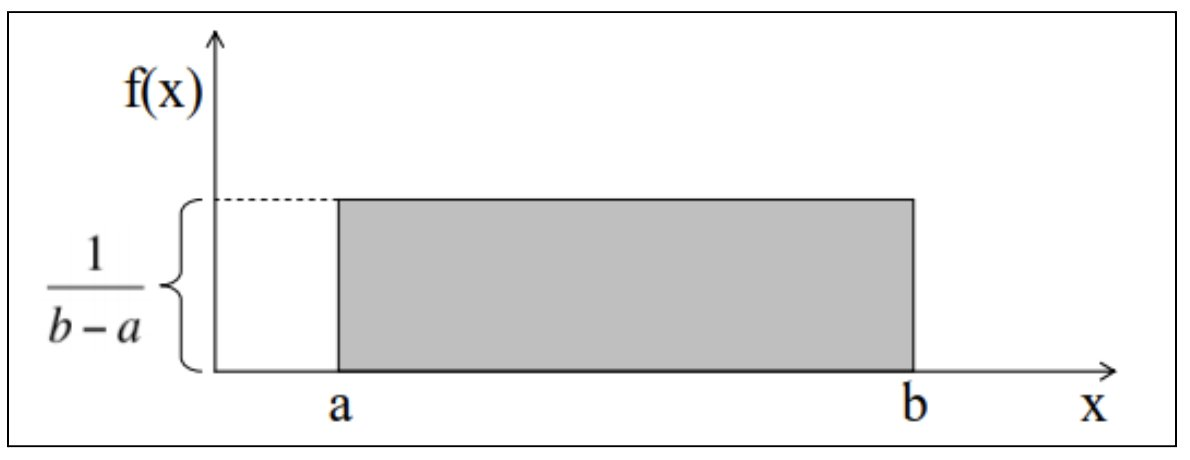
图:均匀分布

如您所见,均匀分布是指每个观察值(在这种情况下,个体的社会经济地位)都是相同的。均匀分布将是共产主义的理想。均匀分布也将产生最佳的数据集,以进行货币政策分析。如果每个人都处于相同的位置,则没有方差,因此“平均数据”将完美代表每个人。因此,基于此数据的货币政策将是完美的(假设经济理论是有效的,并且严格按照规则应用)。我们知道情况并非如此。共产主义者的理想往往难以实现。

正态分布
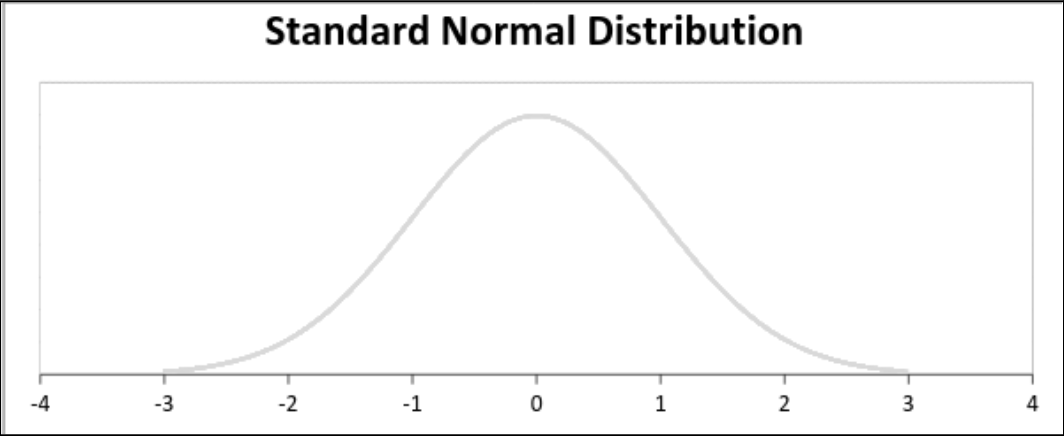
美联储的政策豪赌:稳健数据背后的经济分裂

图:正态分布

在正态分布中,均值、中位数和众数是相同的。正好一半的观察值(在这种情况下,个体的社会经济地位)位于中心的右侧,而另一半则位于中心的左侧。该分布意味着,社会经济密度在均值附近最高,随着偏离均值的增加,特权或弱势个体的数量逐渐减少。拥有主导的中产阶级和合理的财富分配(如美国在不久的过去相较于现在更为平衡),即使“平均数据”也能发挥作用。尽管它并不完美,密度仍然围绕均值集中,因此基于此数据进行的货币政策是合理的,因为它捕捉了大多数人口的状况(尽管货币政策对人口的两端并不相关;在正态分布中,那是相对较小的比例)。

双峰分布
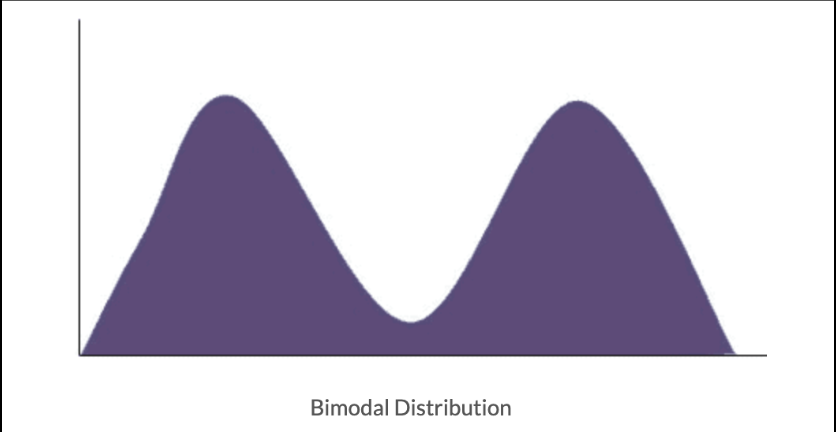
美联储的政策豪赌:稳健数据背后的经济分裂

图:双峰分布

双峰分布是指存在两个众数。换句话说,两个不同分布的过程的结果结合在一组数据中展示。

这种双峰特征最近在我们世界的各个方面频繁出现。让我们看看一些我们之前提到的相关例子。

超额银行储备的分布不均

在 Asymmetric 2023 年 2 月的发布中,我们提到:“尽管系统中有丰富的超额储备,但它们并没有均匀分布。这些储备主要集中在货币中心银行(如 JPM 等)。”

因此,尽管超额储备的总量非常充足,但我们却经历了银行危机,导致美联储不得不设立紧急资金设施来资助许多缺乏足够储备的银行。在这一设施启用之前,几家主要银行已经崩溃。为什么这一切让大家感到意外?因为超额储备的数据是表面数据,没有考虑到这些储备的实际分布情况。许多银行没有储备,而一些银行则拥有大部分储备。这就是双峰分布。单靠汇总数据并未准确反映银行业的真实情况。因此,这里的分布至关重要,但却被忽视了。

储备的分布不均和随后的紧急资金设施导致弱势银行不得不支付大量利息费用来维持其资产负债表并增加存款。而强势银行(如 JPM)则从其超额储备中获得了可观的利息收入。这就像是“从穷人那里转移财富给富人”。有人可能会认为这是管理不善的惩罚,这并没有错。但这依然让你在未来面临双峰分布的局面。考虑到动态变化,这种情况正变得愈加双峰。

小型企业与巨头公司

在 Asymmetric 2024 年 7 月的更新中,我们发布了以下图表:
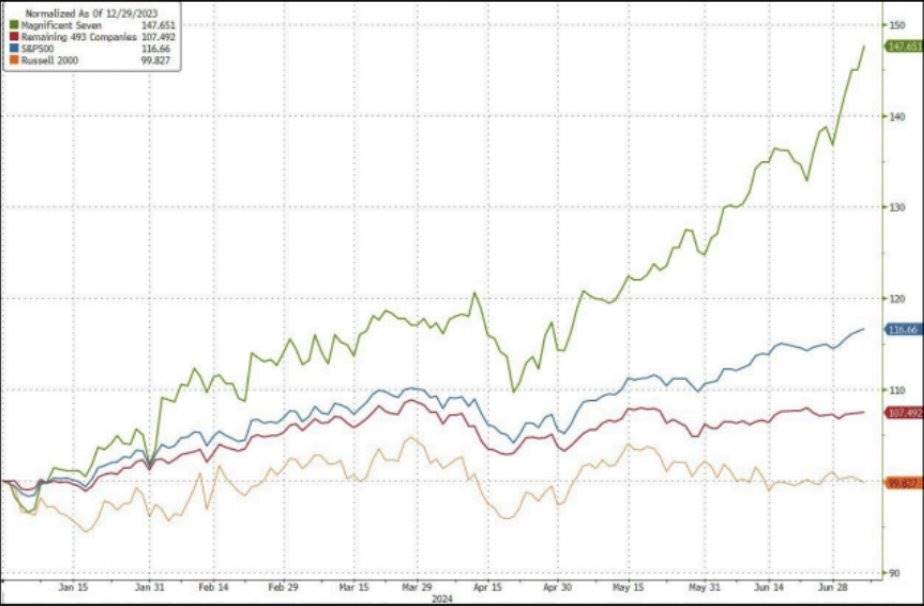
美联储的政策豪赌:稳健数据背后的经济分裂

图:壮丽七巨头与其他 493 家公司,标普 500 和罗素 2000 

观察壮丽七巨头与其他股票市场(特别是罗素)的对比,也显示出某种双峰分布。你会看到一组表现优异的大型公司;然后是那些与这些巨头公司相比,成功远不及的小型公司。

有人可能会认为这是创造性破坏的资本主义结果,这并没有错(我们在此讨论中将忽略垄断/寡头行业的影响)。无论如何,鉴于当前的动态情况,这依然让你在未来面临双峰分布,并且这种双峰情况仍在加剧(或者在边界条件下形成一系列垄断)。

这些结果中的一些可以归因于技术的可扩展性。一旦你在某个领域占据主导地位,就会从竞争对手那里抽走商业潜力和资本。因此,这些大型公司最终积累了大量现金,获得了创纪录的利润。他们回购了股票,并从这些现金中获得了可观的利息收入。而小型公司则背负了更多的沉重债务(并不富裕),不得不支付大量利息以维持生存。这就像是“从穷人那里转移财富给富人”。

社会经济分布

我们选择了下面的图表作为社会经济状态中双峰分布的便利示例。该数据集有两个不同的众数,代表社会的碎片化。在这里查看平均信用评分有用吗?一点也没有。这正是要点。我们习惯于查看平均数据,但在双峰分布中,这在最低限度上可能没有用,最多则可能对分析产生非常有害和误导的影响。
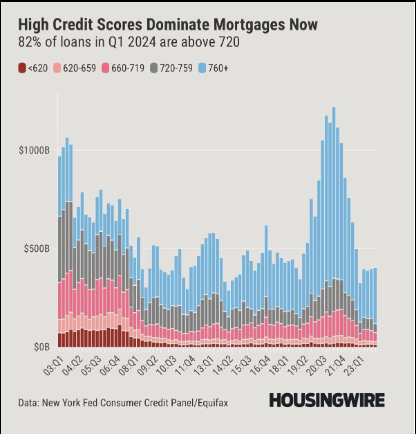
美联储的政策豪赌:稳健数据背后的经济分裂

图:高信用评分的社会经济分布

我们可以围绕个人储蓄、债务/信用服务费用等的分布添加更多细节,但我们都知道它会显示什么:双峰分布。正如上述例子所示,那些支付高额利息费用的人正面临巨大困境。而那些拥有超额储蓄的人则在享受这些高利率带来的好处。这就像是“从穷人那里转移财富给富人”。
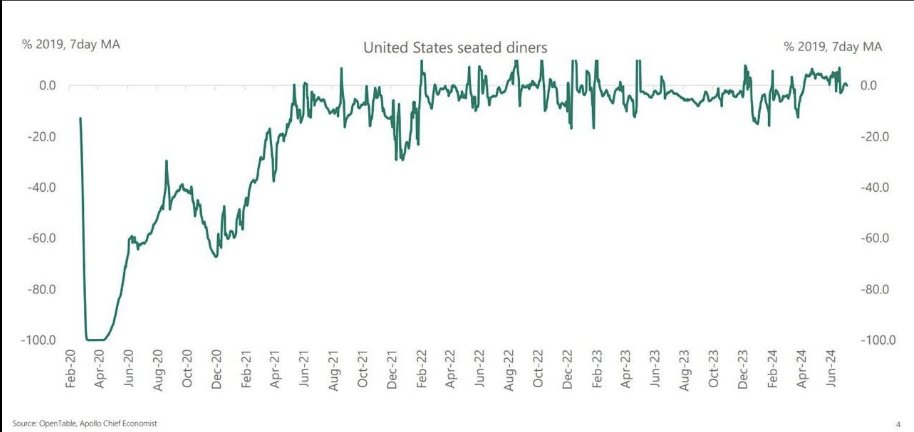
美联储的政策豪赌:稳健数据背后的经济分裂

图:美国就餐者

如上图所示,富裕人群的状况良好。

美联储的政策豪赌:稳健数据背后的经济分裂

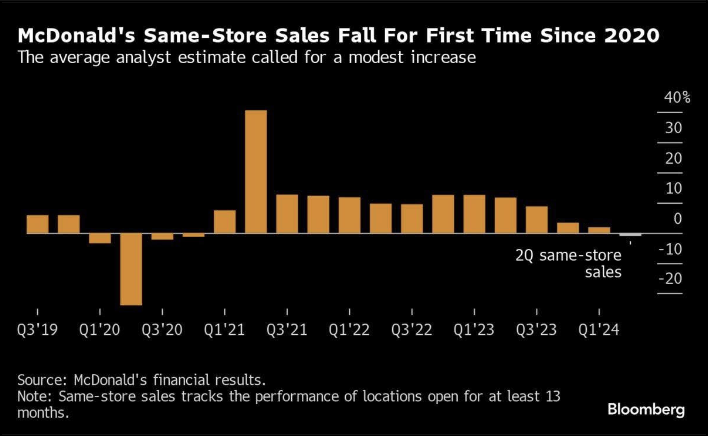
图:麦当劳的同店销售下滑

而那些可支配收入较少的人则状况不佳。

将所有内容结合起来

上述三个例子有什么共同点?支付与接收利息产生了截然相反的结果——穷人变得更穷,富人变得更富。这就是问题的核心。财富和资产正在从弱者那里转移到强者那里。

这一切为什么重要?货币政策是基于汇总数据的。平均来看,一切都显得良好,似乎依旧稳定。然而,这种分布中的一个众数却正经历着严重的痛苦。高利率使得另一众数受益。因此,通过保持高利率并等待平均数据减弱,美联储实际上是在更加压迫弱势群体,而不是帮助强势群体。从这个角度来看,这种做法显得十分扭曲。

为什么财富差距持续扩大?因为货币政策的实施方式加剧了财富差距。这并不是一篇关于财富再分配美德的论文,但在我们经济生活的许多主要领域,财富差距将不断扩大,直到我们面临某种崩溃、债务减免或其他尾部事件的发生。

结论

在我们看来,美联储应该在 7 月份降息。

就业已经达到峰值并明显回落。

通胀率为 2.5% ,正在迅速下降,预计年底将达到 2% 的目标。

然而,目前实际利率为 3% 。在稳态、健康的经济中,历史上这一数字大约为 1% 。

那么美联储在做什么?

他们在关注汇总数据,而忽视了潜在的分布情况。

这就是策略错误发生的根源。

富裕和现金充裕的人享受着更高的利息收入(更不用说资产接近历史高点)。而现金匮乏的人则因利息支出而遭受重创。由于对高利率的无敏感性,甚至是受益,联邦储备委员会实际上在等待低社会经济层次的人群进一步恶化,以将平均数据降至目标水平。抱歉,穷人们,你们承受着痛苦,却几乎没有好处。

如果美联储允许“紧缩货币政策”继续(这是他们的说法),他们将面临严重的就业问题和小企业的空心化。一旦这种情况发生,历史表明,很难逆转。他们面临着硬着陆的风险。

一切看似正常,直到事情突然变得不妙。变化往往是缓慢的,随后却会在一瞬间发生。
原文链接

Related Reads

Annualized Revenue Exceeds $20 Billion, Kalshi Aims to Become the First Prediction Platform IPO?

Kalshi, a leading U.S. prediction markets platform, is reportedly in early, informal discussions for an Initial Public Offering (IPO). The company's annualized revenue now exceeds $2 billion, fueled by its dominance of over 90% of the domestic prediction market activity. This growth stems from a surge in trading volume—reaching a total of $52.7 billion—and an increase in fee rates, largely driven by sports event contracts like the NBA playoffs and the 2026 FIFA World Cup. Monthly active users are approximately 2 million. Kalshi recently raised $1 billion in a funding round led by Coatue Management, valuing the company at $22 billion. It has also expanded its offerings to include Bitcoin perpetual contracts and plans to launch a dedicated trading platform, Kalshi Pro. However, Kalshi's path to an IPO faces significant regulatory hurdles. The core risk involves jurisdictional conflicts, as multiple U.S. states are challenging its operations under local gambling laws. For instance, Arizona has filed criminal charges against the platform, while states like Kentucky have filed lawsuits. Kalshi and the Commodity Futures Trading Commission (CFTC) argue that its event contracts fall under exclusive federal jurisdiction as "swaps." The outcomes of these ongoing legal battles could critically impact Kalshi's core revenue and its IPO timeline. Analysts suggest that while an IPO could theoretically occur by late 2026, a more likely timeframe is late 2027 or 2028, contingent on resolving legal issues and favorable market conditions. If successful, its fundraising could significantly exceed $1 billion, given its current valuation and revenue multiple.

Foresight News14m ago

Annualized Revenue Exceeds $20 Billion, Kalshi Aims to Become the First Prediction Platform IPO?

Foresight News14m ago

Financing Weekly Report | 11 Public Financing Events, Stablecoin Payment Infrastructure Company Trace Finance Completes $32 Million Series A Round Led by CoinFund

Financing Weekly Report | 11 public funding events recorded, with a total scale exceeding $264 million. The stablecoin payment infrastructure sector remains a hot spot. Key Deals: - Trace Finance, a stablecoin payment infrastructure firm, raised $32 million in a Series A round led by CoinFund to expand in Latin America and Asia-Pacific. - Galaxy Ventures co-led a $140 million Series A round for Karta, a US credit card provider for global travelers without requiring an SSN. - Instant payment platform Interchecks completed a $50 million Series C round. - Paradigm led a $9 million Series A for Latin American cross-border payment app El Dorado. - Range, a stablecoin compliance startup, raised $8.3 million in an oversubscribed Series A. - RWA infrastructure project Renaiss raised $1.5 million to expand its on-chain collectibles platform. Sector Breakdown: - Infrastructure & Tools: 6 deals, including the above-mentioned Trace Finance, Range, and Renaiss. - Centralized Finance (CeFi): 3 deals, led by Karta's $140 million round. - DeFi: 1 deal – reinsurance protocol Re secured strategic investment from Coinbase Ventures. - Prediction Markets: 1 deal – K25.ai completed a $10 million Pre-A round from NewGen. Other notable transactions include digital asset depository RDC raising $7 million, ad-tech startup EarnOS securing $6 million, and a $1 million strategic investment in LitVM, a ZK Layer 2 for Litecoin. The report highlights sustained investor interest in stablecoin payment infrastructure, compliant on-chain finance, and real-world asset (RWA) tokenization.

marsbit56m ago

Financing Weekly Report | 11 Public Financing Events, Stablecoin Payment Infrastructure Company Trace Finance Completes $32 Million Series A Round Led by CoinFund

marsbit56m ago

When Transfers Become Truly Frictionless: How Sui Uses 'Zero Gas' to Become the Underlying Infrastructure for Stablecoin Payments

Title: Sui Launches Zero-Gas Stablecoin Transfers to Become the Foundation for Stablecoin Payments Sui has introduced a zero-gas fee feature for peer-to-peer stablecoin transfers, eliminating the need for users or businesses to hold separate SUI tokens to pay transaction costs. This innovation, built on a new underlying account architecture called Address Balances, significantly reduces validator processing costs for eligible transactions. Currently, the feature applies to a whitelist of stablecoins for transfers meeting a minimum amount, effectively preventing spam. This development aims to unlock mainstream payment use cases for stablecoins—such as everyday purchases, remittances, and subscriptions—by removing cost and complexity barriers. It is also positioned to benefit high-frequency micro-payments for AI agents and institutional B2B payments, reducing operational friction. Major custody provider Fireblocks has already announced support. The move follows Sui processing over $1 trillion in stablecoin transfer volume since August 2025. Looking ahead, Sui plans to enhance this infrastructure with protocol-level confidential transactions later in 2026, aiming to provide scalable, free, and privacy-preserving payments. Together, these advancements strengthen Sui's goal of becoming the default settlement layer for stablecoin payments.

marsbit58m ago

When Transfers Become Truly Frictionless: How Sui Uses 'Zero Gas' to Become the Underlying Infrastructure for Stablecoin Payments

marsbit58m ago

Ethereum Is Retracing the Path of the Internet and Linux: No One Yields, and the Neutral Party Ultimately Prevails

This article argues that Ethereum is following the historical path of open, neutral systems like the Internet and Linux, which eventually triumphed over proprietary, centrally-controlled alternatives. Major financial institutions like JPMorgan, Stripe, and Circle are building their own proprietary blockchains or networks (e.g., Tempo, Arc), but will never agree to build on a competitor's controlled infrastructure. This creates the perfect opportunity for Ethereum as the only neutral, credibly neutral settlement layer that no single entity controls. The piece draws parallels to the 1990s, when experts like Bill Gates predicted proprietary networks (from Microsoft, Oracle) would win over the open Internet, and when Sun Microsystems' Unix lost to the open-source "bazaar" development model of Linux. This model, described in Eric Raymond's "The Cathedral and the Bazaar," thrives on permissionless innovation where countless contributors improve the system, outpacing any centralized competitor. Ethereum embodies this through its decentralized development, broad validator distribution, and credible neutrality—rules that are transparent, equally applied, hard to change, and open to all. This has attracted over a million developers and major institutions like Coinbase, BlackRock, and JPMorgan, who choose Ethereum for its security, ecosystem, and sovereignty (the inability of any single party to change the rules). While proprietary chains offer initial speed and control, they inherit the downsides of both centralization and decentralization without the long-term innovation benefits. The article concludes that, just as open systems historically win, Ethereum is poised to become the foundational, neutral settlement layer for global finance.

marsbit1h ago

Ethereum Is Retracing the Path of the Internet and Linux: No One Yields, and the Neutral Party Ultimately Prevails

marsbit1h ago

Trading

Spot
Futures
活动图片