涉及7400万美元 一家已倒闭的香港交易所 Atom Asset (AAX) 逃避反洗钱(AML)分析

金色财经Published on 2024-07-08Last updated on 2024-07-08

近期,一家已倒闭的香港交易所 Atom Asset (AAX) 开始将资金从其钱包转移到各种去中心化交易所和中心化平台,据称是为了逃避反洗钱(AML)控制。

在被发现之前,最后一次已知的涉及 AAX 交易所钱包的交易发生在 2023 年 10 月和 2022 年 11 月。在倒闭之前,AAX 是香港最大的加密货币交易所之一,拥有超过 200 万用户。

根据Beosin团队的分析,发现自2024年1月29日起,AAX交易所开始将25100枚ETH从其交易所钱包向外转移,其中转移资金共分了三笔,分别是一笔500ETH、一笔600ETH、一笔24000ETH。转移资金根据当前价格换算超7400万美元。究竟是怎么回事,这家交易所还有哪些不可告知的链上数据蹊跷,请和我们继续往下看。

AAX交易所事件来龙去脉

2022 年 11 月 13 日,就在加密货币交易所 FTX 申请破产后两天,AAX 也因交易对手风险暴露而停止提款并清除了所有社交渠道。最初,AAX 将冻结归因于针对涉嫌恶意攻击的安全措施。
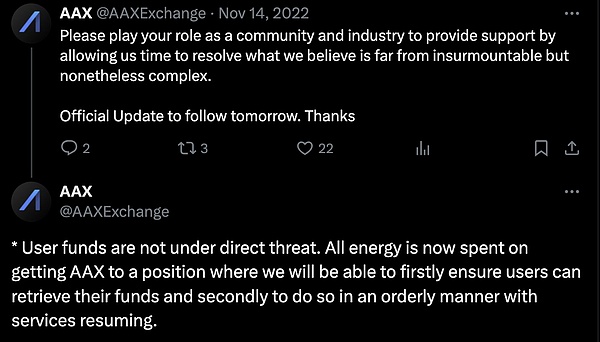
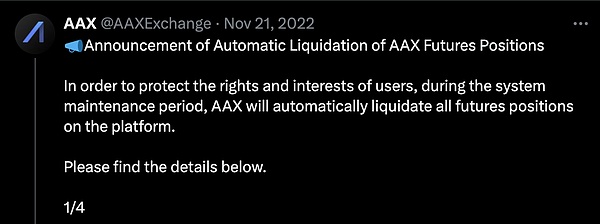
2022年11月15日,AAX交易所发布声明表示其平台需要进行维护,除暂停提现外,将对衍生品进行自动清算。此后,AAX停止了平台运行和社交媒体的更新。
而蹊跷的事就在于:沉寂426天后,AAX交易所钱包开始活动,开始有大额资金开始转出至其它地址,尝试躲避AML工具的识别和监控!
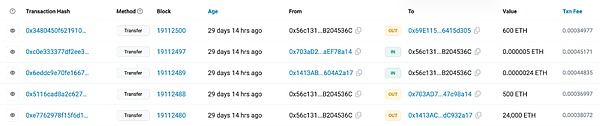
link: https://etherscan.io/address/0x56c1319b31a5316a327bd889d58c8633b204536c

AAX交易所事件链上资金分析

Beosin KYT反洗钱分析平台对AAX交易所钱包近期的链上活动进行了深入研究,发现了一系列风险活动。首先,所有的25100枚ETH已被转移,操作人员采取了各种手段将部分ETH兑换为USDT,然后通过Cross Bridge跨链桥将资金转移到不同的区块链上,以进行资金的清洗。
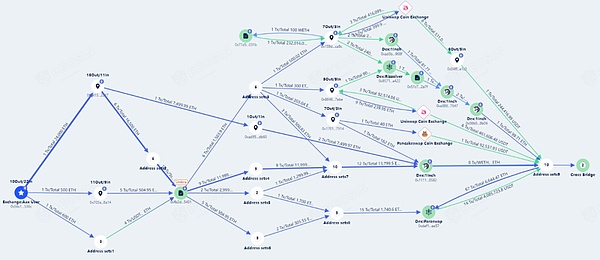
Beosin KYT反洗钱平台

其中,大部分资金被转移到了Tron区块链上,并通过一些地址进行中转,然后沉淀在某些地址中,未曾转移。这种行为表明了明显的逃避AML的企图,试图掩盖资金的真实来源和去向。
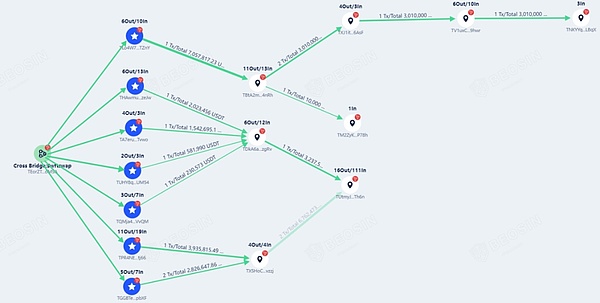
Beosin KYT反洗钱平台

香港警方针对诈骗活动迅速采取行动,逮捕了两名与AAX相关的人员,目前正在努力绘制转移资金的路径并找回受影响用户的资产。

AAX交易所利用去中心化交易所、加密货币兑换和跨链桥等技术手段,试图模糊资金流动的路径和来源。这为监管机构和AML分析平台带来了巨大的挑战。

如何解决加密货币洗钱难题?

由于加密资产的匿名性、便利性和去中心化特性,不法分子会选择使用加密资产转移其非法获利的资金,监管机构与虚拟资产服务提供商(诸如加密货币交易所、加密钱包提供商、加密资产支付处理商等)面临着反洗钱及反恐怖融资等挑战

对于监管机构而言,相关部门应完善和执行监管政策,确保虚拟资产服务提供商遵守AML和KYC规定,同时加强与各国家和地区监管机构的合作,共同打击跨境洗钱活动。

对于虚拟资产服务提供商而言,以下是防范非法资金的有效措施:

1.  实施严格的KYC和AML规定

交易所应该要求用户进行全面的身份验证,并确保他们符合KYC和AML规定。这包括收集用户的身份信息、地址验证和其它必要的资料。

2.  监控交易活动

虚拟资产服务提供商应该实施实时监控系统,以便检测和分析可疑交易活动。这包括监控交易金额、频率、来源和目的地等信息。交易所可利用 Beosin KYT 对每一笔交易进行定位,对用户进行画像,对交易进行评级,识别链上犯罪行为,从而降低犯罪者利用虚拟资产洗钱的风险。

3.  设立报告机制

虚拟资产服务提供商应建立报告机制,通过风控系统报告任何可疑交易或活动。虚拟资产服务提供商应及时处理这些报告,并与监管机构合作进行调查。Beosin KYT 可为虚拟资产服务提供商出具可疑交易报告(STR),帮助监管机构和执法机构进行取证调查。

4.  加强合作与交流

虚拟资产服务提供商应积极与安全公司、监管机构和执法机构合作,共同打击洗钱活动。可以预见,犯罪分子会不断调整和改进其洗钱策略,以适应监管措施和AML工具的变化。他们可能采取分散化的交易方式、使用隐蔽的交易路径或利用技术漏洞来隐藏非法资金流动。虚拟资产服务提供商应定期与安全公司进行合作交流,及时识别和应对这些变化。

Beosin注重KYT反洗钱工具的持续更新和优化,我们不断监测行业动态和新的安全威胁,将最新的分析成果和数据应用于Beosin KYT工具的改进中。这种持续的更新和优化确保了 Beosin KYT 在面对不断变化的恶意洗钱行为时能保持高度的敏感性和准确性。
总结

AAX交易所事件再次凸显了反洗钱的重要性。为了更好地应对类似事件,监管机构需要与虚拟资产服务提供商、区块链安全合规公司加强合作,共享信息和最佳实践,引入先进的反洗钱分析工具和平台,如 Beosin KYT 反洗钱分析平台,以加强对链上资金流动的监测和分析能力。

Related Reads

Stablecoins Becoming the Next Policy Challenge for the Fed's Walsh Version

Fed Governor Christopher Waller's speech at the June 22 conference on the U.S. dollar's international role signifies a notable policy shift: stablecoins like USDT and USDC are now being formally considered as potential channels for transmitting U.S. dollar liquidity globally. With their combined market cap surpassing $250 billion and high transaction volumes, these digital assets are moving from the periphery of crypto policy to the core of monetary system research. The key concern for policymakers is how stablecoin flows interact with traditional dollar infrastructure. Their growth could affect bank deposits, demand for short-term Treasury securities (like T-bills), and global access to dollars, depending on whether demand originates overseas or substitutes for domestic bank balances. Issuers' reserve management—holding assets in banks, money market funds, or Treasuries—links stablecoin activity directly to these core markets. The Fed's research agenda now examines whether stablecoins, by combining payment and balance-holding functions on digital rails, could complicate monetary policy implementation or transmit liquidity stress to banks. While current Treasury holdings by issuers are under 1% of the total market, their concentrated demand could marginally impact yields, especially during periods of stress. Consequently, stablecoins are evolving from mere crypto trading tools into a private-layer dollar transmission system with public policy implications, prompting closer regulatory scrutiny of their reserve robustness, redemption mechanisms, and systemic integration.

marsbit59m ago

Stablecoins Becoming the Next Policy Challenge for the Fed's Walsh Version

marsbit59m ago

A 380% Soar, Shenzhen’s 100-Billion-Yuan IPO Rings the Bell

HKC Holdings, a major Chinese display panel manufacturer, has successfully listed on the Shenzhen Stock Exchange's main board. The company's shares surged over 380% on its debut, pushing its market capitalization to around 350 billion yuan (formerly reaching 500 billion yuan). Founded by Wang Zhiyong in Shenzhen's Huaqiangbei electronics market nearly three decades ago, HKC evolved from assembling monitors to becoming a global top-tier supplier of semiconductor display panels for TVs, monitors, and smartphones. The IPO marks a significant milestone for HKC and its backers. The company's growth into the capital-intensive panel manufacturing sector was supported through partnerships with state-owned capital from regions like Chongqing, Mianyang, and Chuzhou. Its shareholder list also includes BOE Technology's investment arm. In recent years, HKC reported strong financials, with core panel business contributing over 70% of revenue and clients including Samsung, TCL, and Xiaomi. This listing is seen as part of a broader trend in Shenzhen's evolving tech landscape. Beyond established giants, the city is nurturing clusters of leading companies in specialized sectors like robotics—exemplified by the "Shenzhen Robot Valley"—and storage chips, where a group of firms dubbed the "Storage Five Tigers" has achieved a combined trillion-yuan market valuation. Shenzhen's strategic focus on emerging industries such as AI terminals, low-altitude economy, and humanoid robotics aims to build new industrial depth and foster the next generation of tech champions.

marsbit1h ago

A 380% Soar, Shenzhen’s 100-Billion-Yuan IPO Rings the Bell

marsbit1h ago

Trading

Spot
Futures
活动图片