加密投资J曲线法则:在热情消退时实现最大收益

Odaily星球日报Published on 2024-06-17Last updated on 2024-06-17

Abstract

如果您不是一名经验丰富的狙击手,那么这篇短文就是为您准备的。

原文作者:IT4Iᵍᵐ

原文编译:深潮 TechFlow

加密货币 J 曲线,也许这是我们市场交易者需要学习的最重要的方法之一。

如果您不是一名经验丰富的狙击手,喜欢在安全的情况下才购买加密货币,或者只是一名试图理清头绪的情绪化交易者,那么这篇短文就是为您准备的。
加密投资J曲线法则:在热情消退时实现最大收益

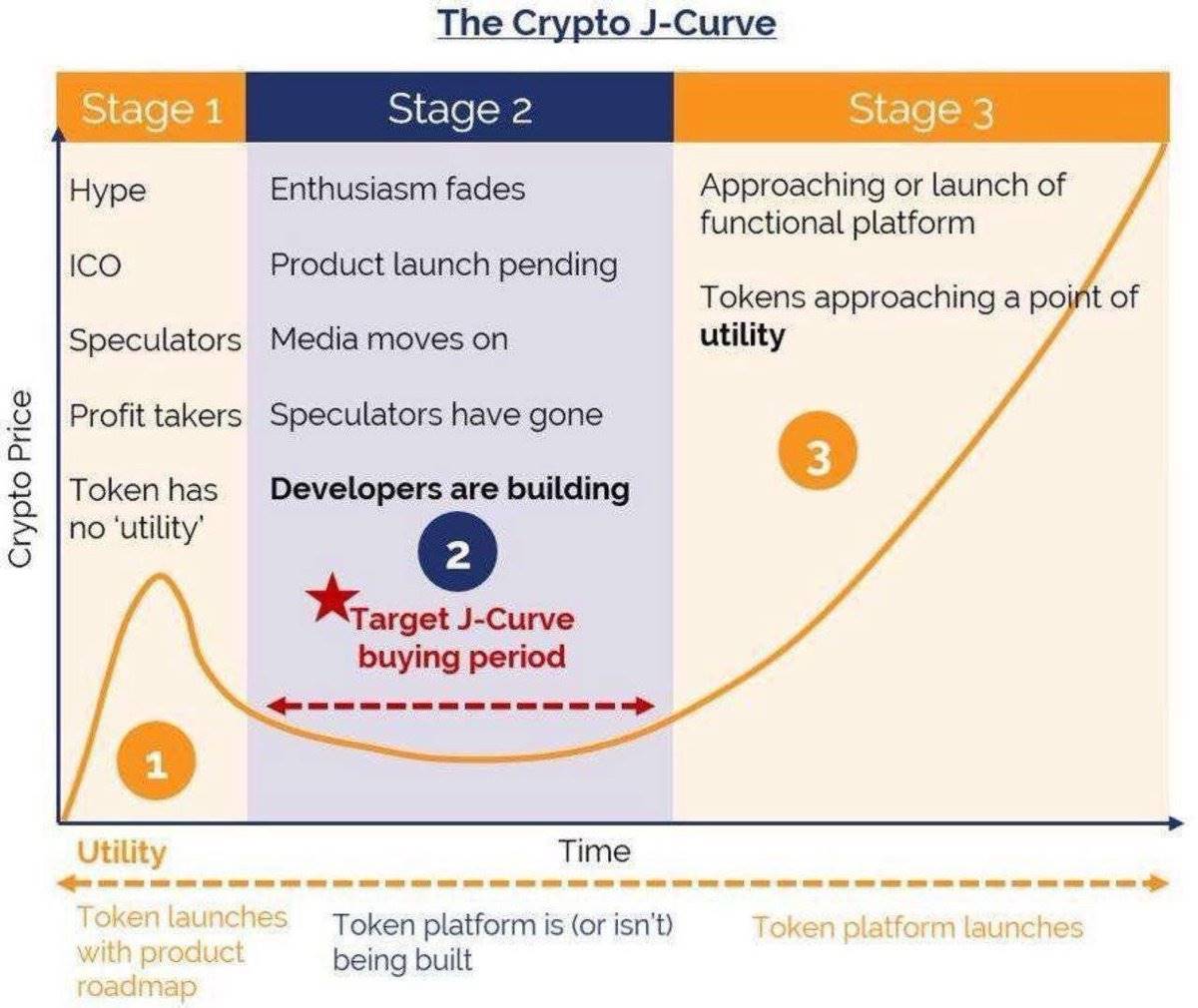
第一阶段

主要参与者是拥有技术优势的狙击手、拥有不公平优势的内部人士/预售商,以及重数量轻基本面的投机者。

在大多数情况下,普通交易者会在这里失败,当投机者转向新的闪亮事物时,它的下跌速度和上涨速度一样快。

加密投资J曲线法则:在热情消退时实现最大收益

第二阶段

热情消退,投机者出局,成交量萎缩,持有者的平均 uPNL 低于利润,印度人通过营销建议突袭 TG,Kols 骗子慢慢淡出 TL。

这是最重要的阶段,因为它带来了最大的机会。

加密投资J曲线法则:在热情消退时实现最大收益

第二阶段是 "猫变虎 "的阶段,要实现这一目标,必须评估项目是否已经死亡,或者神圣的 J 曲线是否正在加载。

需要关注的重要指标

-团队钱包:

捆绑销售?

顶级钱包是否在销售?

税收(如果有的话)是否被转移到 Cex 或在链上保留/使用?

-社会形象:

微博/Tg 的处理是否谨慎和一致?

社交指标是增长还是下降?

-路线图的执行:

团队在第一阶段提到的承诺是否得到执行?

-新买家:

知名钱包是否购买?

新钱包是否购买?

休眠钱包是否购买?

还有更多其他指标,但我认为这些是考察潜在第二阶段购买风险/回报的最重要指标。

加密投资J曲线法则:在热情消退时实现最大收益

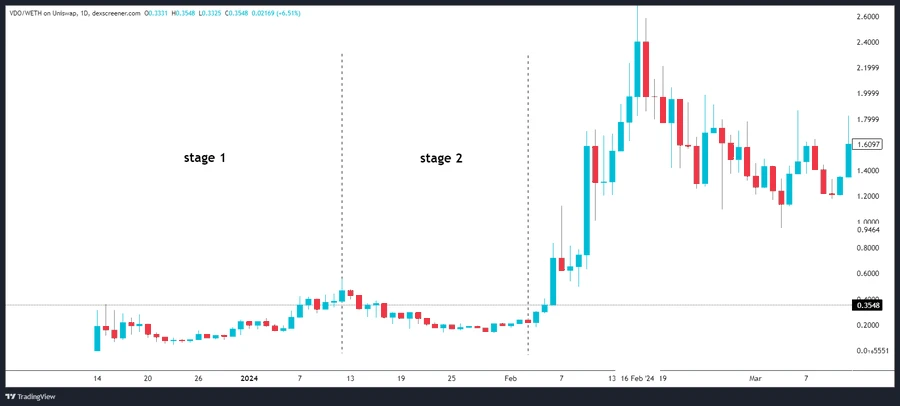
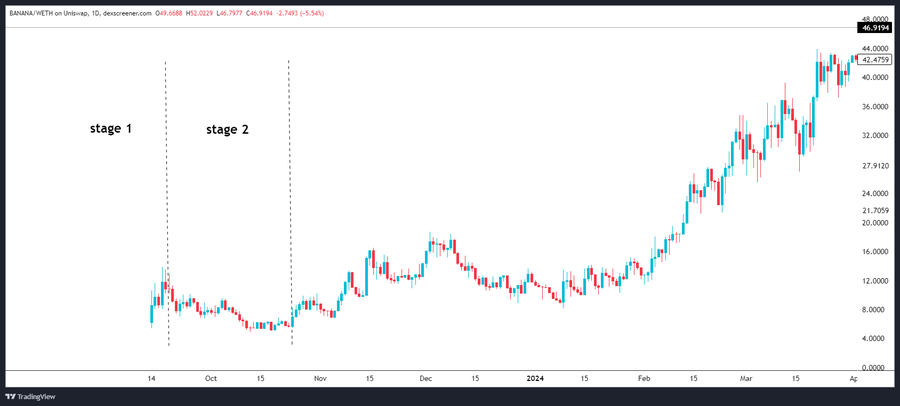
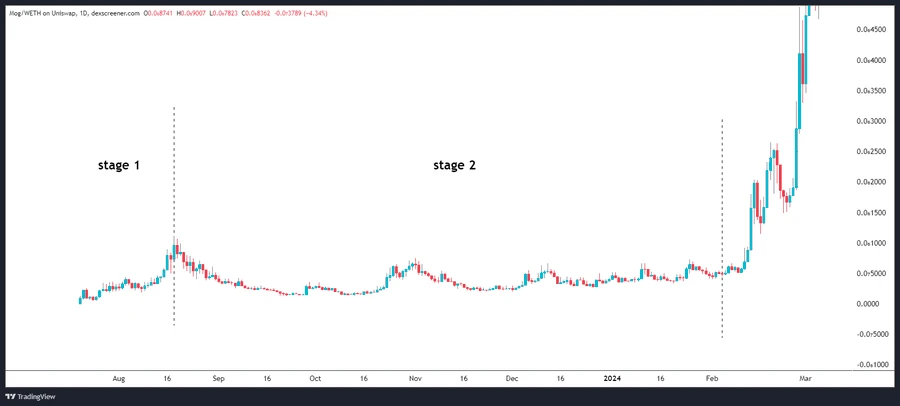
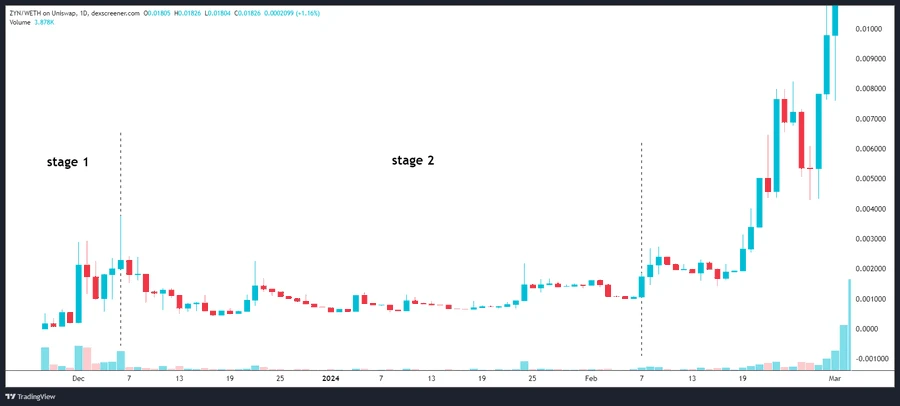
在过去几个月中,J 曲线的例子数不胜数,以下是我偷懒收集的一些例子;
加密投资J曲线法则:在热情消退时实现最大收益加密投资J曲线法则:在热情消退时实现最大收益

加密投资J曲线法则:在热情消退时实现最大收益加密投资J曲线法则:在热情消退时实现最大收益

第三阶段

产品初见成效,对于实用性而言--技术的实际使用产生了真正的收入,而对于 meme 而言--崇拜者声势浩大,KOL 们大肆宣扬等。

这是你卖出的地方,因为风险很高,应确保利润,重点应放在 J 曲线的第二阶段。

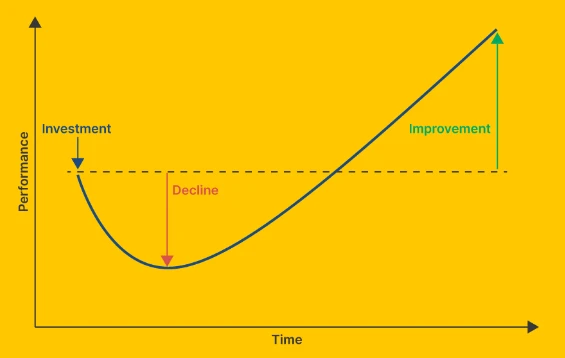
总之,研究 J 曲线会给没有任何优势的人带来机会(我在第 2 阶段的大部分买入都是通过 Uniswap 以较低的 gas 进行的)。

第 2 阶段的狩猎可以帮助我们对抗 fomo,并避免我们成为狙击手和大玩家抛售时的接盘者。

希望你能学到新东西,再见。
加密投资J曲线法则:在热情消退时实现最大收益

原文链接

Related Reads

Solana Proposals Could Lead to Reduction in Staking Yields to 2.25% and Cut Emissions by $1.5 Billion

Solana is moving towards a stricter monetary model that could lead to a SOL deficit and significantly reduce staking rewards for holders. Two governance proposals drive these changes. SIMD-550, currently under vote, would double Solana's annual disinflation rate from 15% to 30%, accelerating the timeline to reach a final inflation rate of ~1.5% to the first half of 2029. The second, SIMD-553 (already approved), introduces additional token burning tied to computational units used on the network. Together, these measures could reduce SOL emission by an estimated $1.4-$1.5 billion over six years. The immediate impact would be lower staking yields, potentially falling from the current ~5.25% to approximately 4.34% in year one, 3% in year two, and 2.25% by year three. Analyst Matt Mena from 21Shares suggests inflation should be tied to economic metrics to help offset this decline. The changes also raise concerns for validator economics, with some potentially becoming unprofitable as inflation rewards decrease and voting costs may rise. However, the lower passive yield might push a significant portion of the 67.9% staked SOL into Solana's DeFi ecosystem for activities like lending and trading. This shift could boost network fee revenue to compensate for lower inflation rewards. The proposals aim to trade lower yield today for less dilution tomorrow, betting that network growth and usage will make this a worthwhile trade-off for SOL holders.

cryptonews.ru27m ago

Solana Proposals Could Lead to Reduction in Staking Yields to 2.25% and Cut Emissions by $1.5 Billion

cryptonews.ru27m ago

Bitcoin 'Basically Hopped' to $80K. What Will Happen to the Price in Autumn?

Bitcoin surged close to $80,000 in August, marking its fastest growth since 2024. Experts anticipate continued volatility for the autumn season, with price forecasts heavily dependent on macroeconomic conditions and regulatory developments in the US. Key drivers for the recent rise include a weakening US dollar, renewed capital inflows into spot Bitcoin ETFs, and liquidations of trading positions. The US Treasury's decision to increase long-term bond purchases has helped stabilize debt markets but pressured the dollar, leading investors to seek assets like Bitcoin as a hedge. Looking ahead, experts outline two primary scenarios for Bitcoin's price. A positive outcome, supported by favorable macroeconomics and the potential passage of the CLARITY Act regulating crypto in the US, could push Bitcoin toward $85,000-$100,000. Conversely, a negative scenario involving hawkish signals from the US Federal Reserve or regulatory setbacks could trigger a correction, potentially driving the price back down to the $62,000-$75,000 range. Institutional demand, reflected in consistent ETF inflows, is seen as a crucial stabilizing factor, gradually outweighing the influence of Bitcoin's traditional four-year cycles. Meanwhile, a broad rally in altcoins is not widely expected, as capital is likely to flow selectively into the most liquid projects. The central question for autumn is whether institutional buying can transform August's rapid surge into a sustainable upward trend.

cryptonews.ru31m ago

Bitcoin 'Basically Hopped' to $80K. What Will Happen to the Price in Autumn?

cryptonews.ru31m ago

Trading

Spot
活动图片