zkML,人工智能之后的下一个宏大叙事?

Odaily星球日报Published on 2024-02-28Last updated on 2024-02-28

Abstract

zkML = ZKP + ML,即基于零知识证明的 AI 机器学习模型。

原文作者:hitesh.eth

原文编译:Frank,Foresight News

zkML,或许是人工智能之后的下一个宏大叙事。

不过对于很多人来说,zkML 理解起来有点复杂,本文我会以最简单的方式进行解读。

什么是 zkML?

简言之,zkML = ZKP + ML

其中:ZKP = 零知识证明,ML = 机器学习。

所以:zkML = 零知识证明机器学习

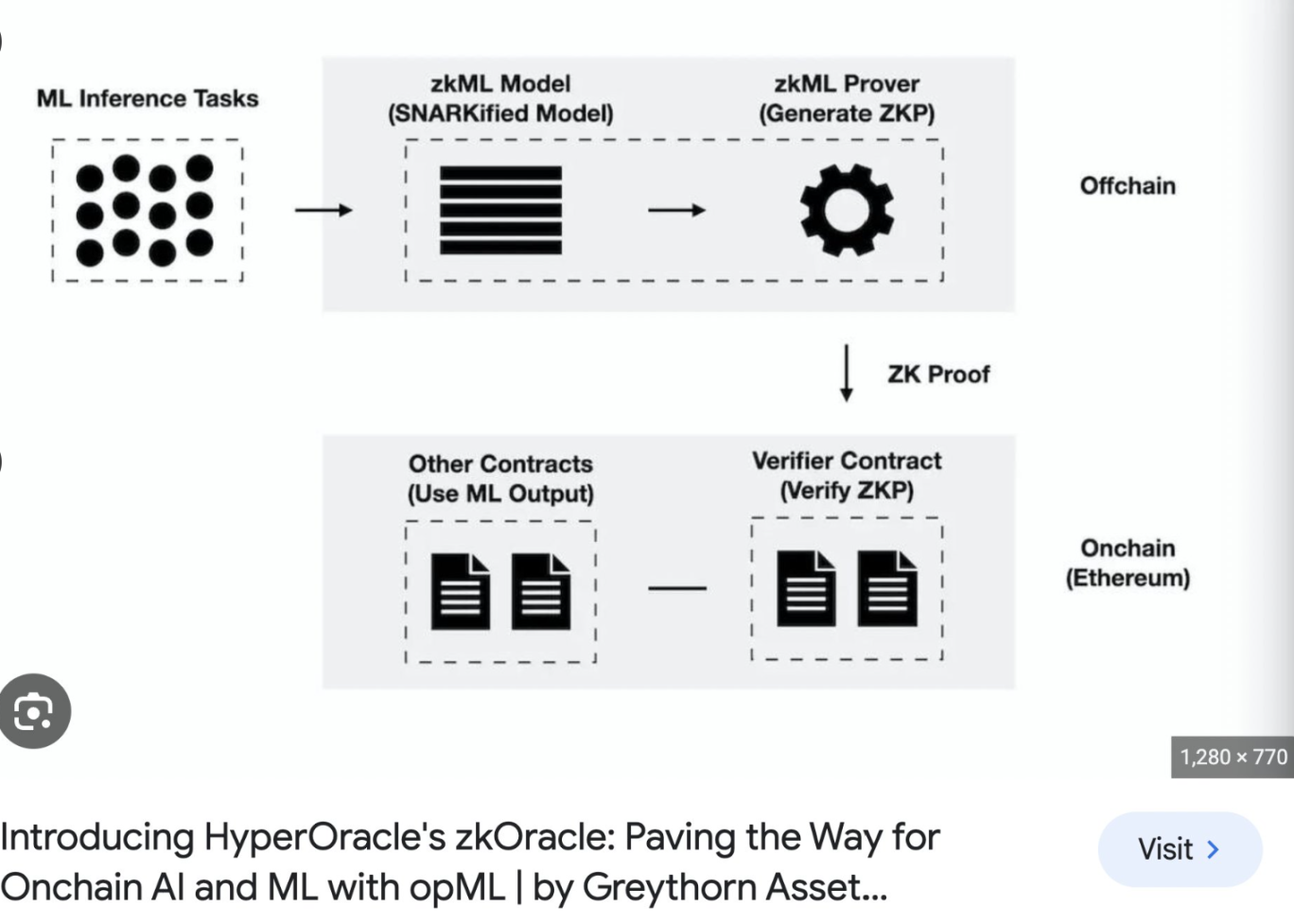
一言以蔽之,就是在机器学习模型上使用 ZKP 技术生成输出内容,同时不泄露训练过程中使用的敏感数据,并保证计算的正确性。

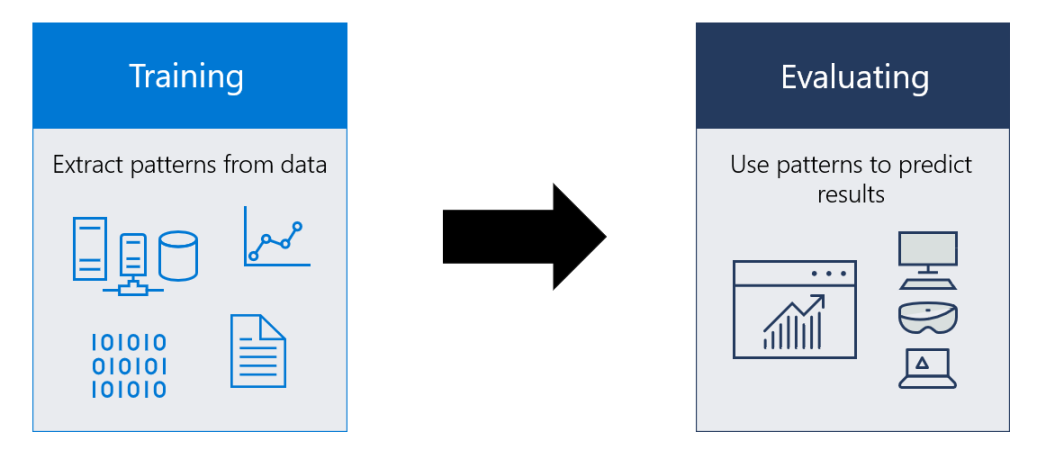
那什么是机器学习模型?机器学习模型是一种计算机程序,经过训练可以根据大量数据进行预测。

譬如 ChatGPT 等大型语言模型是建立在机器学习模型之上的。
zkML,人工智能之后的下一个宏大叙事?

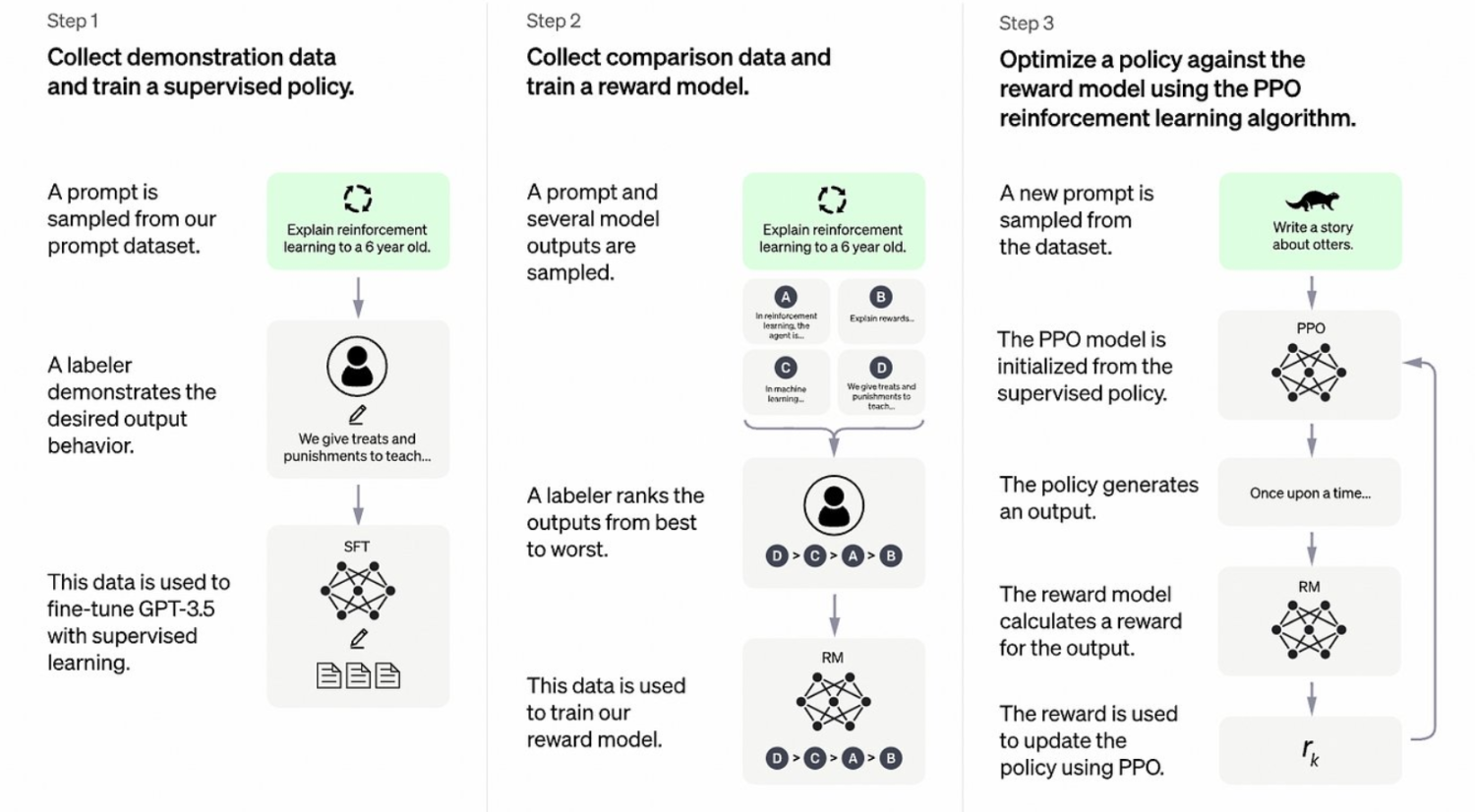
那什么是推理?推理是分析用户提示(Prompt)、尝试理解上下文并使用经过训练的数据模型提供结果的过程。

让我们以 ChatGPT 为例:

推理过程的第一步是编写输入,譬如我们输入一个提示「编写一首 Drake 风格的加密说唱歌曲」。
zkML,人工智能之后的下一个宏大叙事?

第二步,ChatGPT 将分析上下文,「Drake 风格的加密说唱歌曲」。然后,它将根据用户提示的需求激活训练模型,识别训练数据中的模式,并创建一首 Drake 风格的加密说唱歌曲作为输出。

zkML 能做什么?

在推理的整个过程中,涉及到两种可能泄露敏感数据的隐私问题:

  • 成员推理攻击(Membership Inference attacks):攻击者可以分析模型的输出来推断特定数据点是否是训练过程的一部分;

  • 模型反演攻击(Model Inversion attacks):通过构造特定提示,攻击者可能尝试从输出中重建训练数据的片段;

zkML 能对此提供怎样的帮助?zkML 允许在不暴露训练数据本身的情况下对敏感数据进行推理。

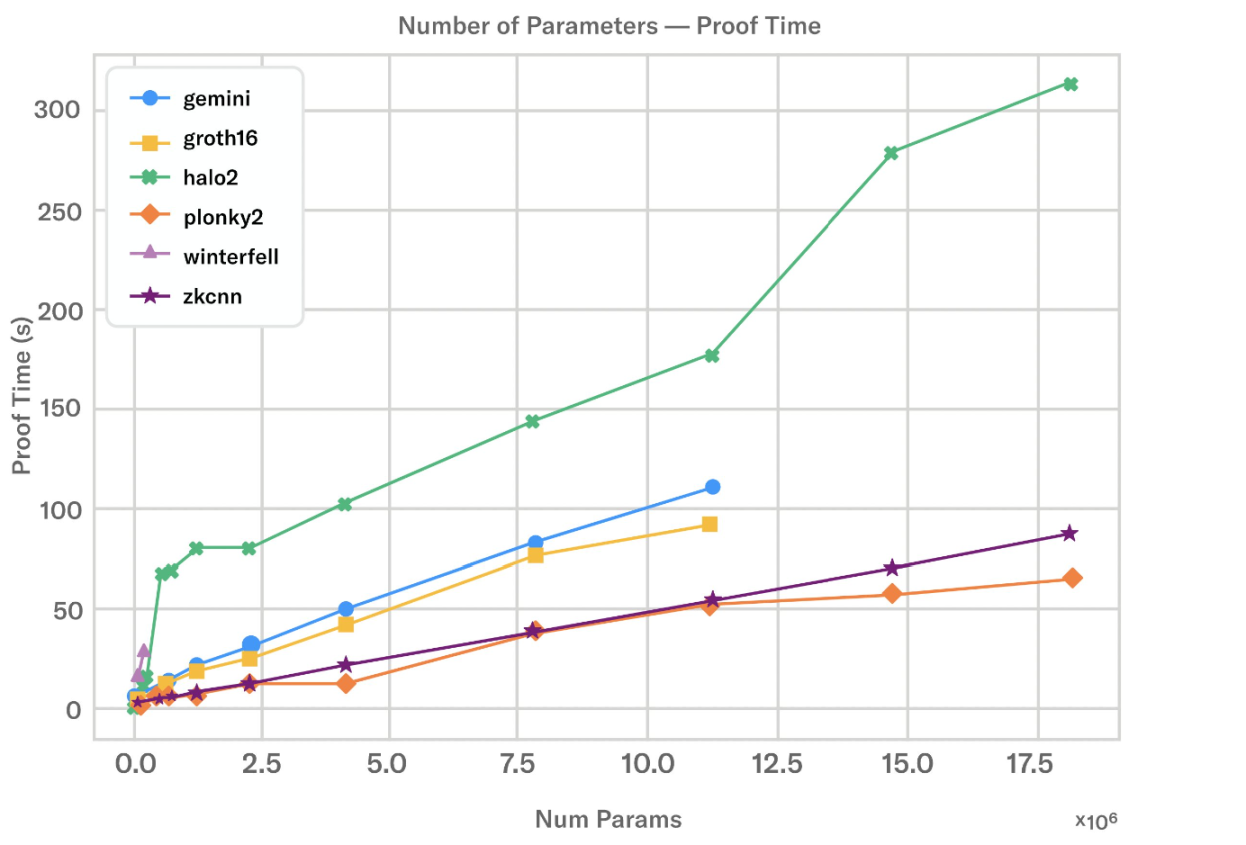
这是通过使用 Plonky、Halo 2 等 ZK 证明系统实现的,目前 Plonky 2 是最快的 ZK 证明系统。

有了 zkML,攻击者将永远无法直接访问训练数据。
zkML,人工智能之后的下一个宏大叙事?

zkML 的发展现状

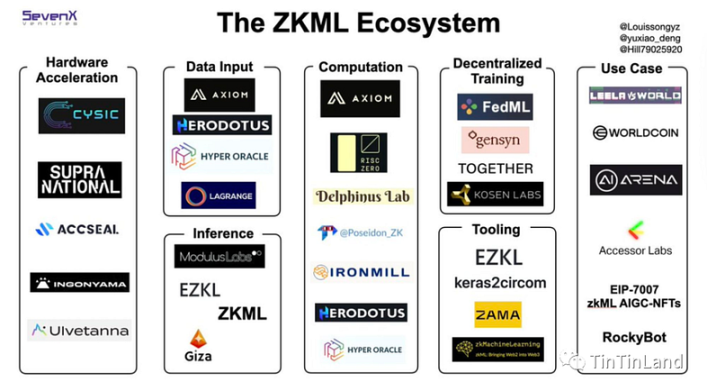
截至目前,zkML 仍处于早期阶段,有几家初创公司正在致力于构建 zkML 基础设施。

其中 Risc Zero 正在与 Spice AI 合作,为开发人员打造一套完整的 zkML 解决方案。

zkML,人工智能之后的下一个宏大叙事?

Ingonyama 正在开发专门用于 ZK 技术的硬件,这可能降低了进入 ZK 技术领域的门槛,并且 zkML 也有可能用于模型训练过程。

Modulus 正在使用 zkML 将人工智能应用于链上推理过程,他们目前有六个合作伙伴,这些合作伙伴构建了不同的 zkML 使用案例:

例如 Upshot 已经构建了价格预测模型,Worldcoin 正在使用 Modulus 进行私密身份验证,而 AI ARENA 则在游戏的经济模型中使用 zkML。
zkML,人工智能之后的下一个宏大叙事?

隐私保护型的区块链项目,如 Oasis Protocol、Secret Network 和 Aleo,也在其生态系统中探索基于 zkML 的用例,此外 NOYA.ai 也正在使用 zkML 构建全链 DeFi 策略。

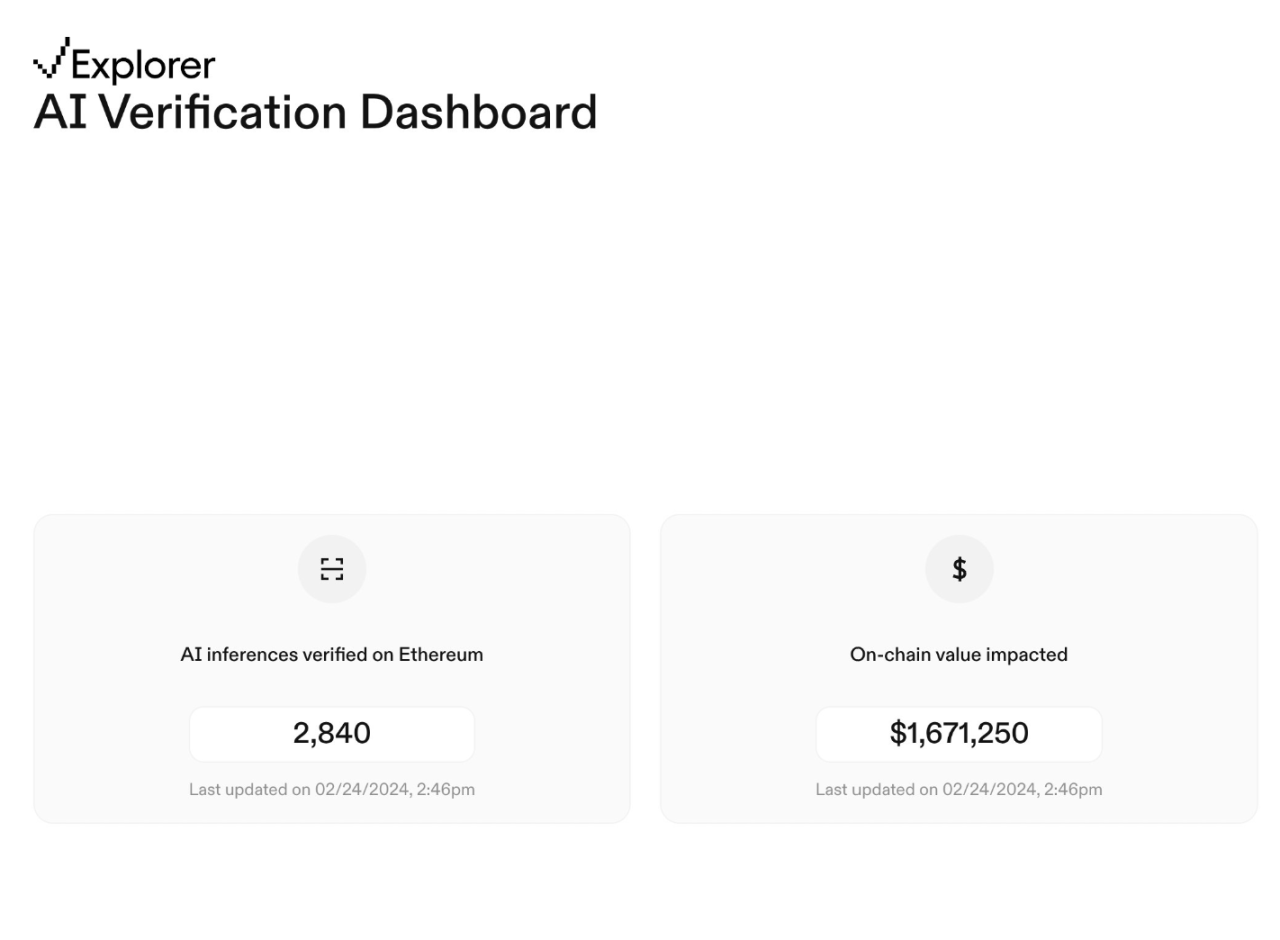
OraProtocol 正在构建一个基于 ZK 的无信任机器学习推理协议,开发者将能够使用 zkML 推理来构建由机器学习驱动并由以太坊保护的任何去中心化应用程序。
zkML,人工智能之后的下一个宏大叙事?

整个关于 zkML 的叙事还处于初级阶段,但我预计在接下来的几个月里,在这个牛市中会出现对这一叙述的炒作周期,因此现在是密切追踪这一领域并相应建立准备的绝佳时机。
zkML,人工智能之后的下一个宏大叙事?

Related Reads

Which Crypto Sectors Have Been "Eaten" by AI Agents?

The article examines which crypto sectors have been increasingly dominated by AI Agents and which remain human-centric. In certain high-speed, efficiency-driven areas, AI Agents have taken clear control. This includes derivatives/perpetuals trading, where bots outperform humans significantly (e.g., a contest showed 0% of AI Agents were liquidated vs. 43% of humans), arbitrage/MEV extraction, and yield optimization (with ~68% of new DeFi protocols in Q1 2026 featuring autonomous AI Agents). Spot trading and portfolio optimization are also seeing heavy Agent adoption. However, the shift is not universal. In "battleground" sectors, both Agents and humans coexist. In prediction markets, Agents dominate short-term arbitrage, but humans still outperform in long-term, nuanced judgment calls. In DeFi lending, while liquidation is automated, core deposit/borrow decisions remain largely human-driven. Sectors still firmly led by human activity include stablecoin payments and card-based spending (driven by real-world economic activity and remittances) and wallets, which serve as the crucial human-verification and approval layer. The rise of Agents increases the need for robust human-Agent verification layers. Projects like World/AgentKit, t54, Self Protocol, and Kite AI are building infrastructure to create trust, security, and accountability by binding Agents to verified human identities. In conclusion, while AI Agents have decisively "eaten" speed and optimization-focused crypto sectors, human judgment, trust, and real-world context remain dominant in areas that create broad economic value, such as payments and identity. The future likely involves a symbiotic relationship where Agents require human verification and oversight to operate effectively.

Foresight News4m ago

Which Crypto Sectors Have Been "Eaten" by AI Agents?

Foresight News4m ago

After Rising 11 Times in a Year, Micron's Earnings Report Becomes a Stress Test for the AI Memory Market

**Micron's Upcoming Earnings: A Crucial Test for the AI Memory Rally** Investors in AI memory stocks face a critical moment on June 24th, when Micron Technology reports quarterly earnings. The stock, having surged approximately 11-fold from $103 to $1,134 over the past year, carries immense market expectations. Wall Street consensus forecasts a staggering ~932% year-over-year jump in EPS to around $19.72 and ~270% revenue growth to ~$345 billion, largely driven by sold-out HBM (High Bandwidth Memory) capacity through 2026. Analysts have aggressively revised estimates upward over the last 90 days, with EPS expectations rising 68%. This creates a high bar: even strong results risk a sell-off if they fail to meet these elevated projections. Notably, price forecasts from institutions like Citi (predicting ~200% DRAM price increases in 2026) are already among the most bullish on Wall Street, not conservative. The key metric to watch is gross margin, guided to a record ~81%. Such peak profitability raises questions about sustainability in the historically cyclical memory sector. While management has signaled continued strength, the stock's direction post-earnings will likely hinge more on forward guidance for the next quarter and details on HBM capacity expansion for 2027, rather than the already-anticipated stellar past results. The report represents a major pressure test for the high-flying AI memory trade.

marsbit8m ago

After Rising 11 Times in a Year, Micron's Earnings Report Becomes a Stress Test for the AI Memory Market

marsbit8m ago

Trading

Spot
Futures
活动图片