SignalPlus宏观分析(20240223):AI持续爆发,美国经济数据表现强劲

Odaily星球日报Published on 2024-02-23Last updated on 2024-02-23

Abstract

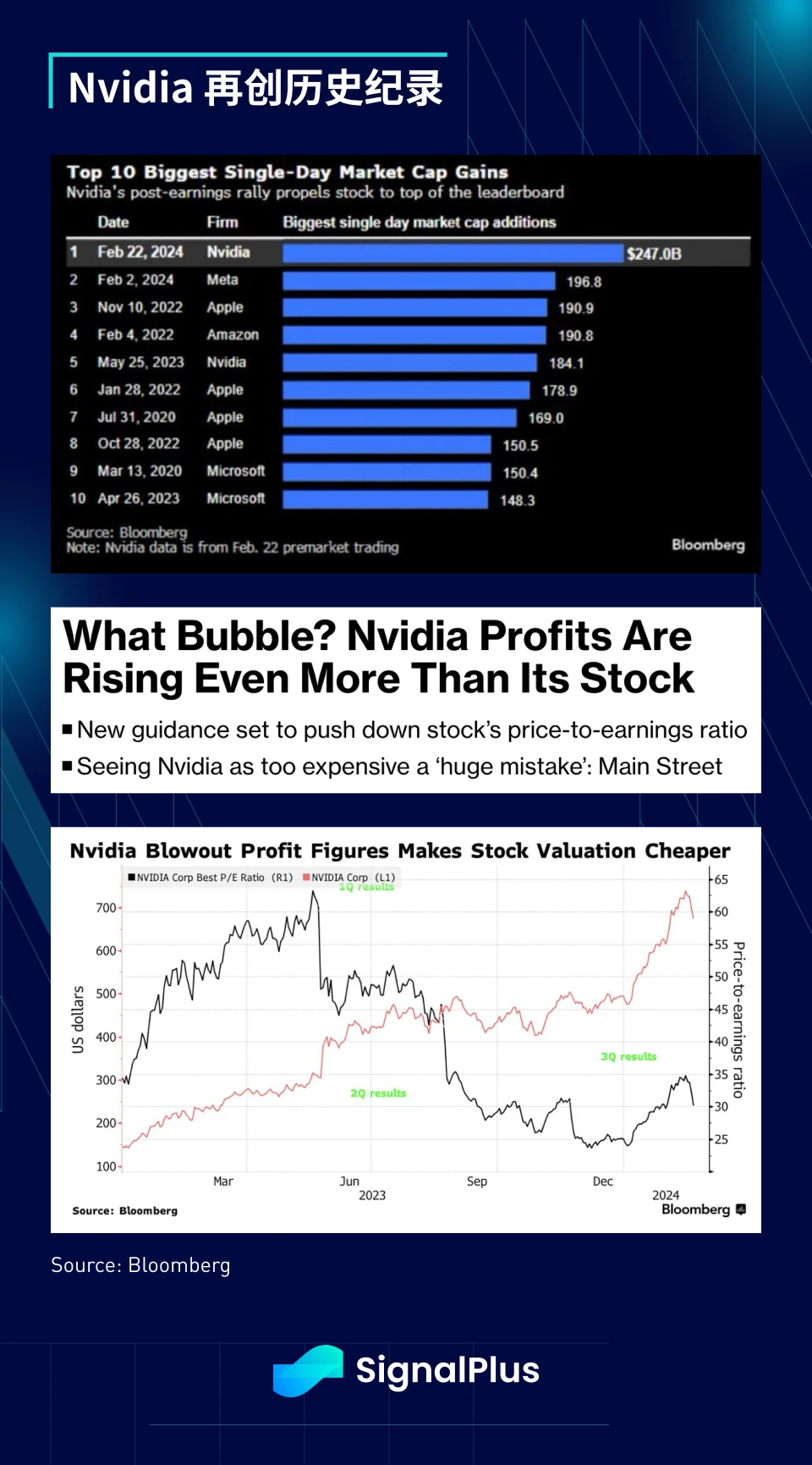
一如预期,风险市场大幅上涨,Nvidia爆炸性的盈利结果带动股市创下新高,这家AI巨头昨天市值暴增$2,470亿美元,创下市值最大单日涨幅的纪录。

SignalPlus宏观分析(20240223):AI持续爆发,美国经济数据表现强劲

SignalPlus宏观分析(20240223):AI持续爆发,美国经济数据表现强劲

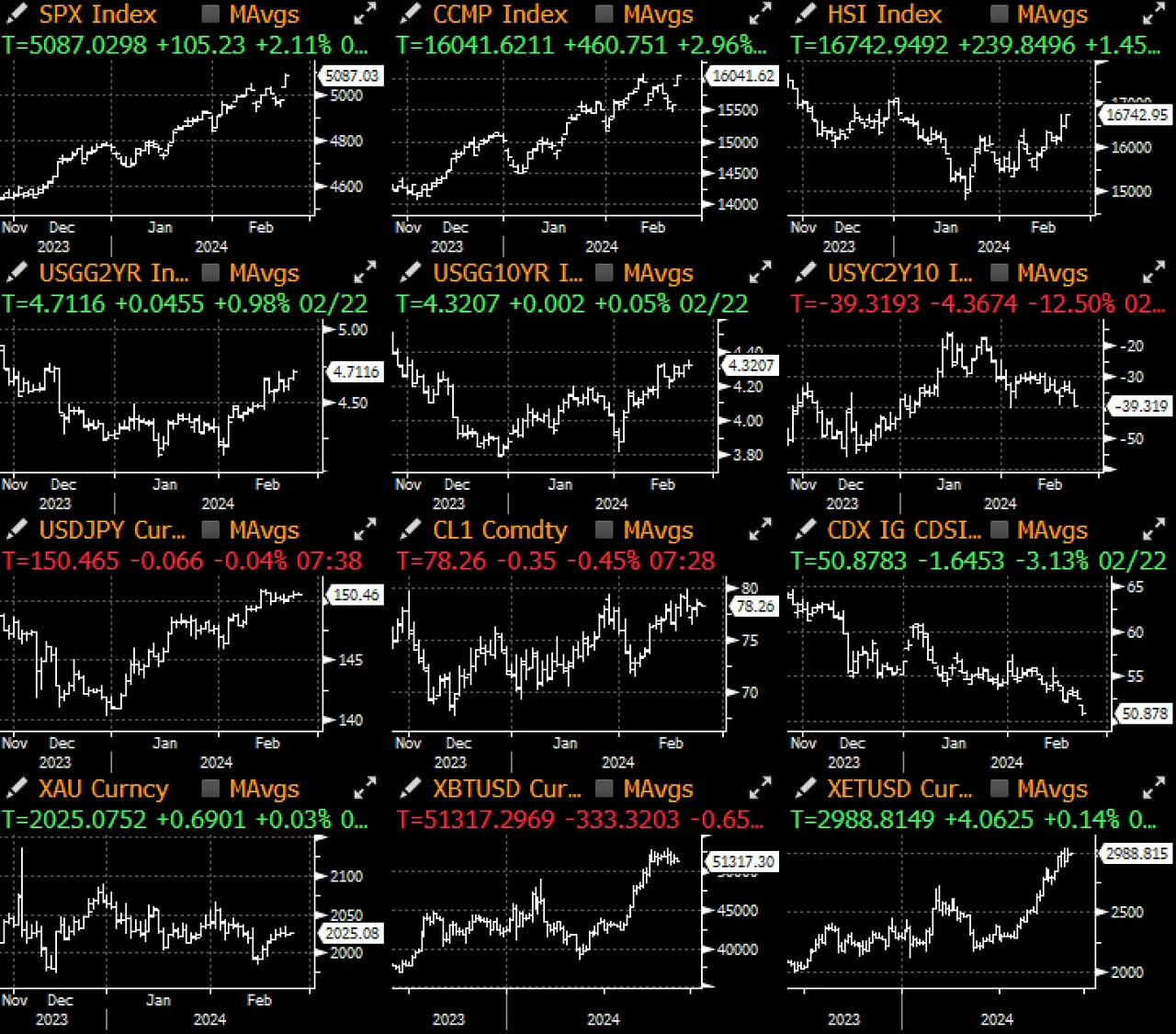
一如预期,风险市场大幅上涨,Nvidia 爆炸性的盈利结果带动股市创下新高,这家 AI 巨头昨天市值暴增 $ 2, 470 亿美元,创下市值最大单日涨幅的纪录,超过了 Meta 在本月稍早达成的 $ 1, 970 亿美元;此外,主流分析师和媒体已开始为该股的历史性涨势辩护,声称 EPS 的增长导致市盈率被压缩(远期市盈率“仅” 35 倍)。
SignalPlus宏观分析(20240223):AI持续爆发,美国经济数据表现强劲

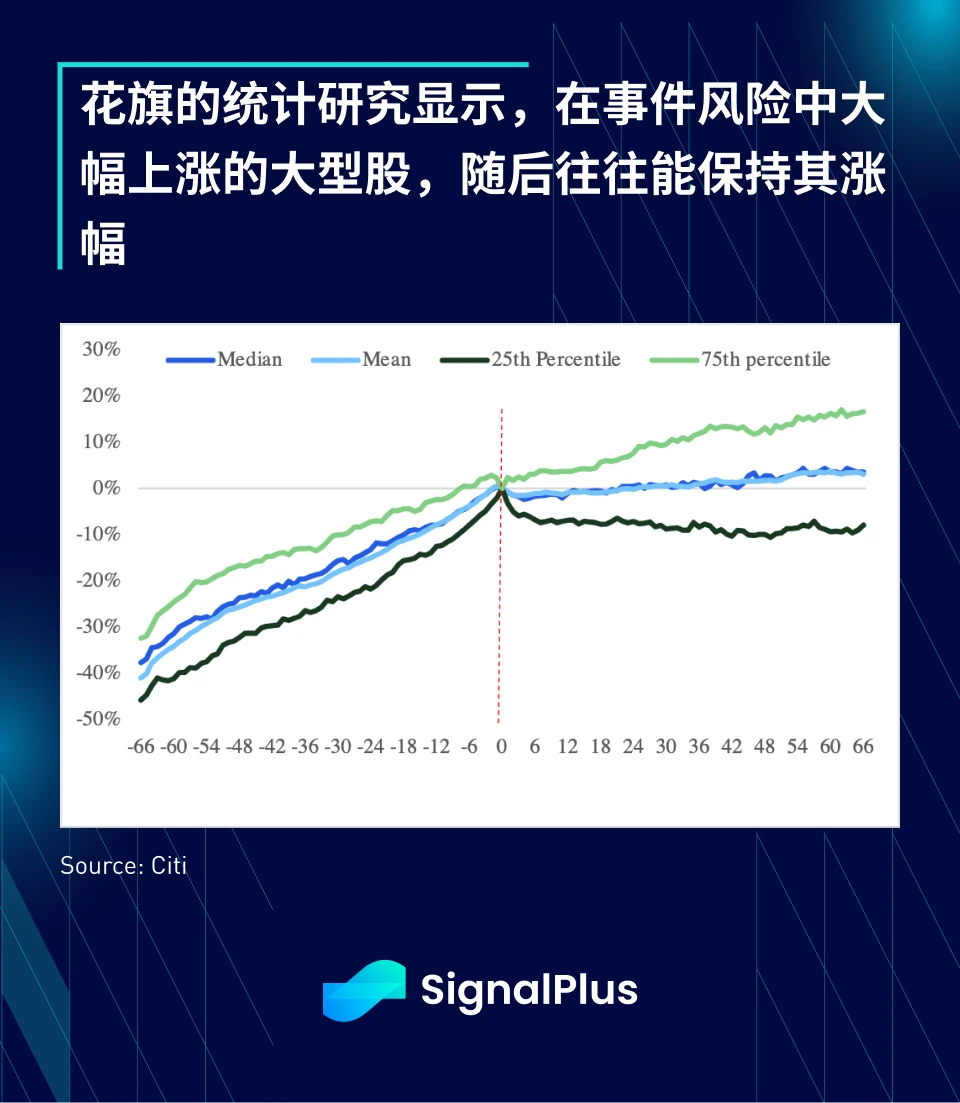
此外,一项统计研究表明,目前的 AI“泡沫”仍处于早期阶段,还有更多上升空间;研究中分析了过去 30 年中超过 1000 只在 3 个月内上涨 35% 以上的大型股,研究结果显示,在下一季度的回报率仍保持小幅正值,并且没有任何显著的回调,如果历史在短期内重演,这对当前的风险反弹来说是个好兆头。
SignalPlus宏观分析(20240223):AI持续爆发,美国经济数据表现强劲

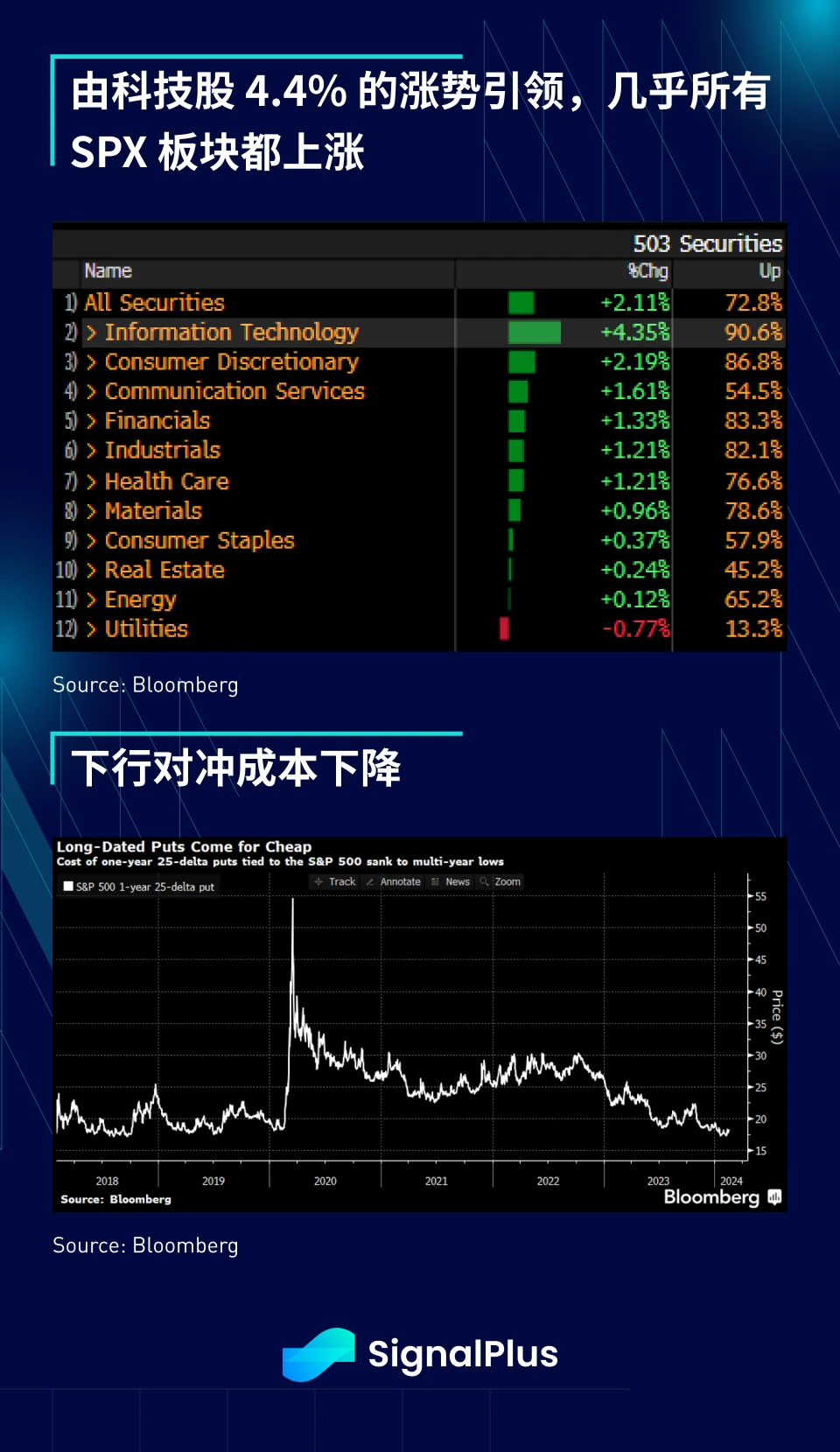
昨天 SPX 指数上涨 2% ,涨势相当广泛且强劲,除公用事业以外,所有板块都出现上涨,其中科技股的涨幅高达 4.4% 。不出所料,由于投资者在短期内几乎没有担心的理由,下行对冲成本已经降至多年来的低点。

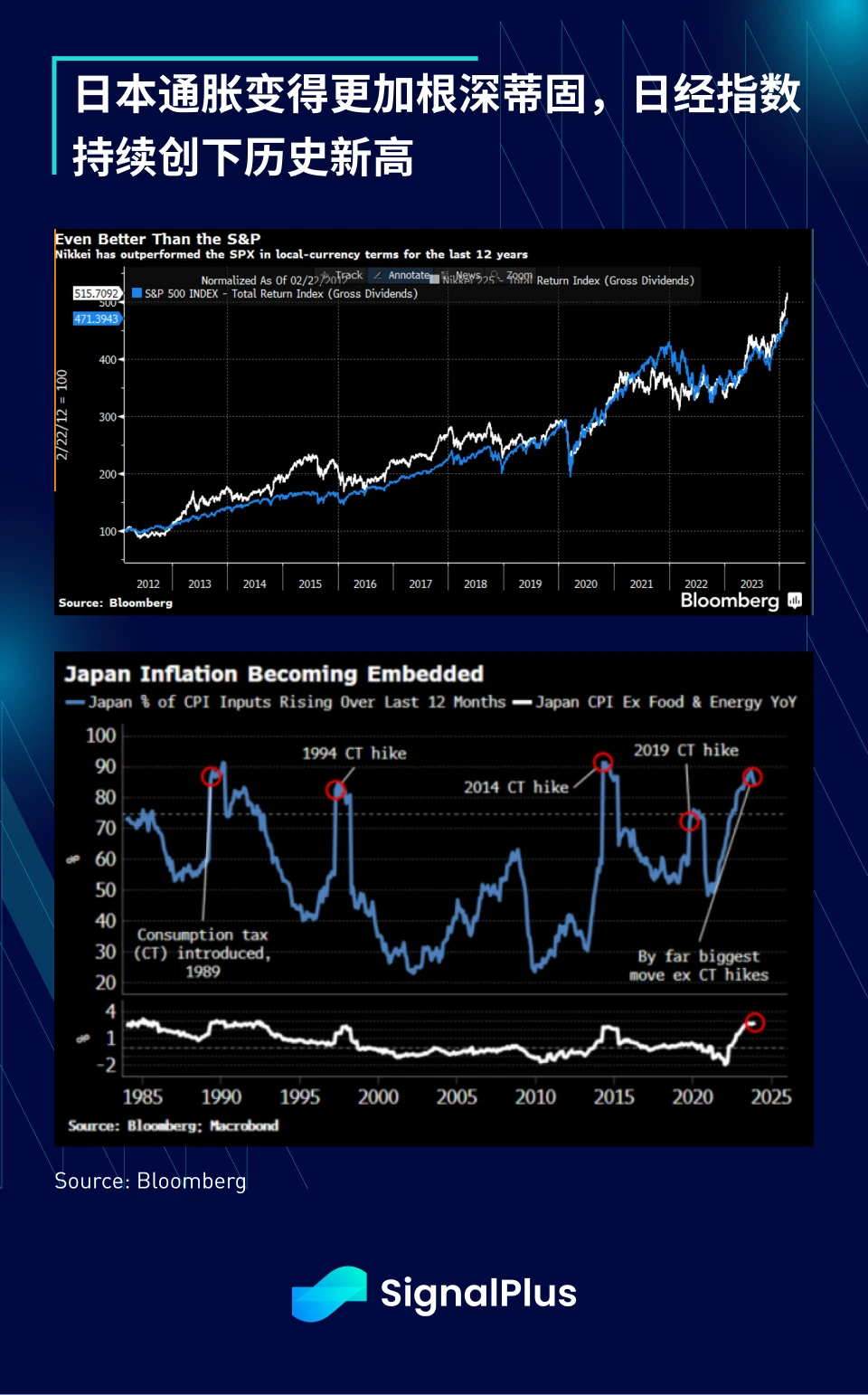
这种强劲涨势不仅限于美国,日经指数也创下历史新高,其过去 10 年的表现实际上超越了 SPX(以当地货币计)。近 90% 的日本 CPI 成分类别都出现增长,日本的通胀开始变得更加根深蒂固,资本也继续涌入其股市和房地产。
SignalPlus宏观分析(20240223):AI持续爆发,美国经济数据表现强劲

SignalPlus宏观分析(20240223):AI持续爆发,美国经济数据表现强劲

SignalPlus宏观分析(20240223):AI持续爆发,美国经济数据表现强劲

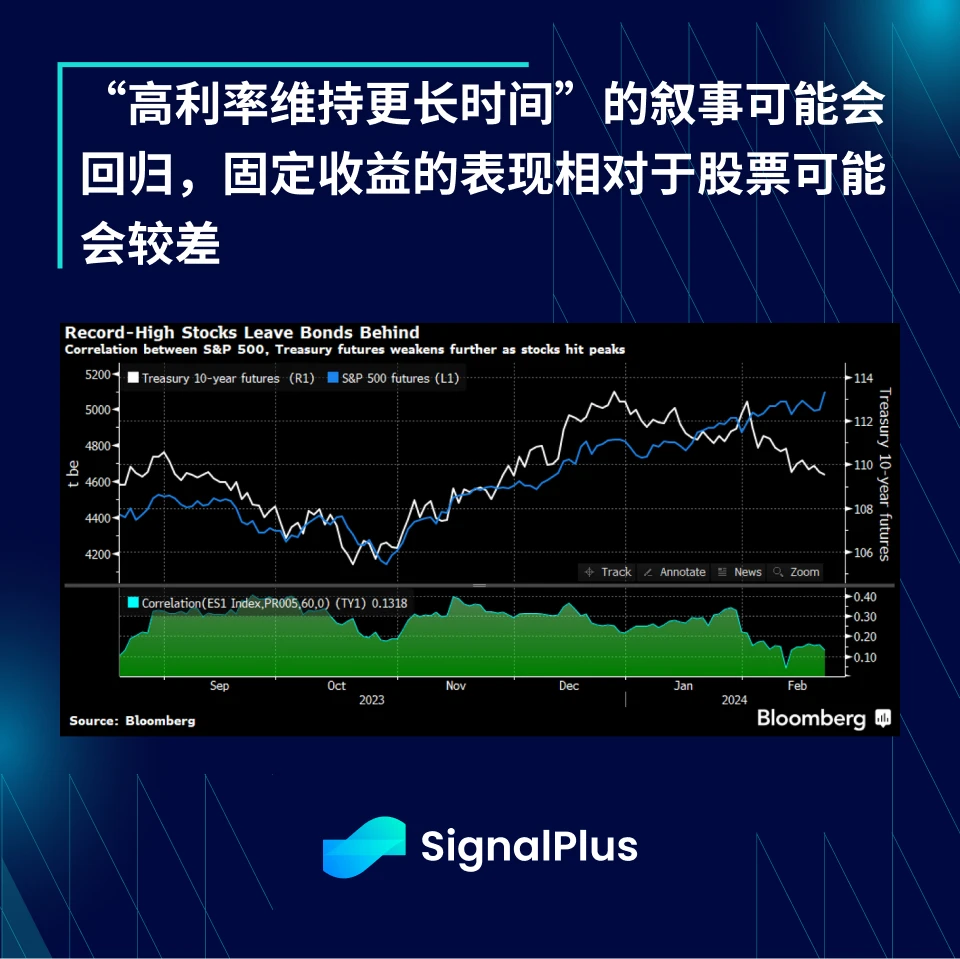
美国经济仍处于良好状态(昨天公布的初请失业救济人数和 PMI 仍然强劲),金融形势已经大幅放松,美国大型上市公司仍在赚钱,加上生成式 AI 带来显著的财富效应以及未来生产力提升的期望,美联储接下来是否会被迫采取较为鹰派的立场?或者我们进入了股市“立足于永恒的高地”(Fisher 1929)或“非理性繁荣”的时期(Greenspan 1996)?无论哪种情况,“高利率维持更长时间”的叙事应该都会回归,股债相关性可能会在短期内保持脱钩状态。
SignalPlus宏观分析(20240223):AI持续爆发,美国经济数据表现强劲

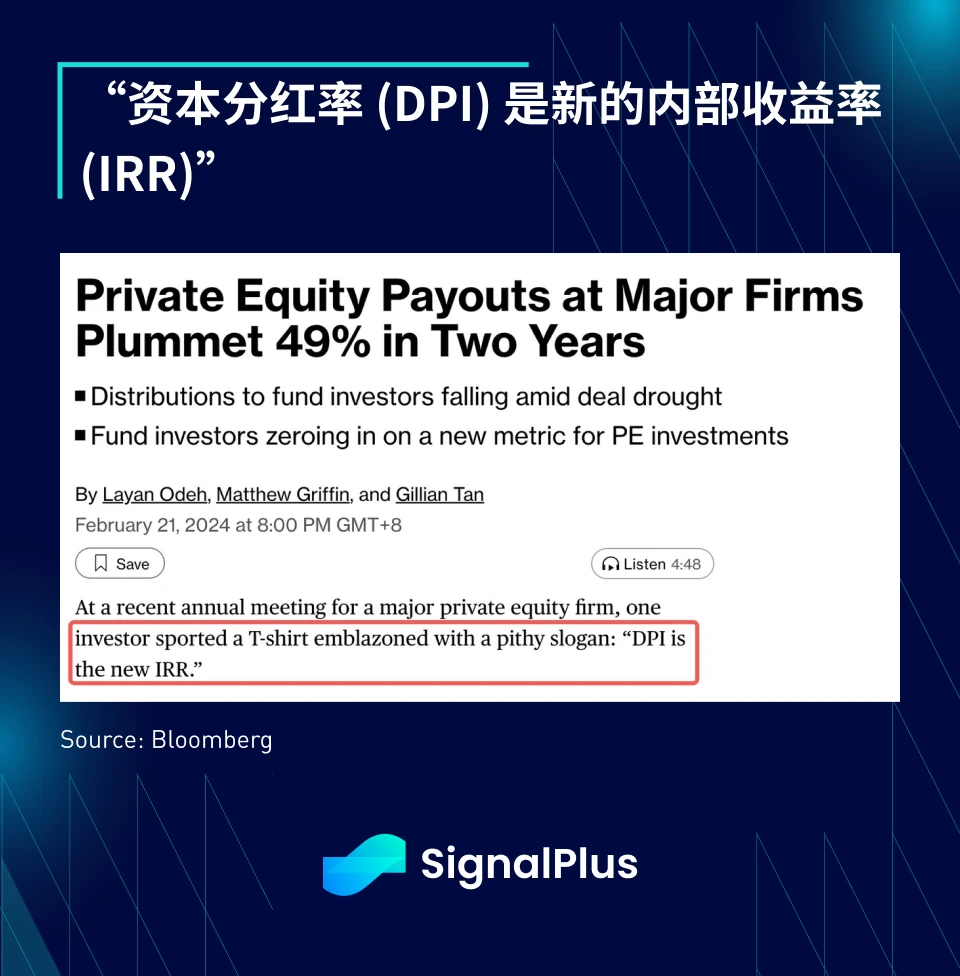
不幸的是,水涨船高并不适用于每个场景,由于融资成本上升,且资金分配集中在 AI,投资者再投资的兴趣降低,流动性较差的风险投资和私募股权领域遭受打击;如今投资者更关注现金流和流动性,接下来私募投资领域可能会继续转向结构化二级市场和延续基金架构。市场和周期都在演变,我们也必须如此。

SignalPlus宏观分析(20240223):AI持续爆发,美国经济数据表现强劲

SignalPlus宏观分析(20240223):AI持续爆发,美国经济数据表现强劲

SignalPlus宏观分析(20240223):AI持续爆发,美国经济数据表现强劲

您可在 ChatGPT 4.0 的 Plugin Store 搜索 SignalPlus ,获取实时加密资讯。如果想即时收到我们的更新,欢迎关注我们的推特账号@SignalPlus_Web3 ,或者加入我们的微信群(添加小助手微信:SignalPlus 123)、Telegram 群以及 Discord 社群,和更多朋友一起交流互动。

SignalPlus Official Website:https://www.signalplus.com

Related Reads

OpenAI's "Most Open" Move: Codex No Longer Exclusively Favors GPT

OpenAI has significantly opened up its Codex programming agent by introducing a "model provider" configuration layer that allows users to connect it with various open-source models, not just its proprietary GPT. Through a configuration file or a simple `--oss` command-line flag, Codex can now route requests to local services like Ollama or LM Studio, or to third-party APIs such as Mistral or DeepSeek. This move is seen as one of OpenAI's most "open" steps, potentially lowering costs and enhancing privacy for developers who can run code generation offline. However, integration isn't seamless for all models. Codex primarily uses OpenAI's newer Responses API, while many open-source models rely on the older Chat Completions interface. This creates compatibility issues, especially for advanced features like function calling. The developer community is already building "routing" or adapter layers (e.g., CC Switch, LiteLLM) to translate between these protocols, enabling hybrid setups where GPT handles planning and open-source models handle execution. Analysts interpret this as a strategic shift for OpenAI: from competing solely on model superiority to controlling the platform and interface standards. By making Codex a flexible, pluggable entry point for AI-assisted programming, OpenAI aims to become the central hub in the developer toolchain ecosystem, even as users gain the freedom to switch underlying models.

marsbit39m ago

OpenAI's "Most Open" Move: Codex No Longer Exclusively Favors GPT

marsbit39m ago

When 500 Million People Abandon ChatGPT

ChatGPT's Global AI Assistant Market Share Drops Below 50% Three and a half years after its groundbreaking launch, ChatGPT faces a pivotal moment. While it remains the largest AI assistant globally, its market share has fallen below 50% for the first time, reaching 46.4% as of May, according to Sensor Tower's 2026 AI landscape report. Google's Gemini (27.7%) and Anthropic's Claude (10.3%) are now its main competitors, with Grok, Perplexity, and others also gaining ground. The market has evolved from awe and initial adoption into a phase of product comparison, ecosystem integration, and commercialization. User behavior has matured significantly. Loyalty is low; users readily switch between assistants for specific tasks. Gemini benefits from deep integration within Google's ecosystem (Search, Gmail, Android), while Claude has carved a niche among productivity-focused users with strong retention, nearly matching ChatGPT's. User choice is now influenced by a complex mix of capability, ecosystem, price, use case, and even brand trust. Commercialization is accelerating. AI app downloads continue but growth is slowing, while user spending is rising. Over $4.2 billion was spent in-app during H1 2026. Claude leads in premium subscription conversion rates (13%). OpenAI is expanding its revenue streams, testing ads shown to 17% of ChatGPT users daily by May. This shift highlights the immense financial pressure of model training and inference costs. Despite revenue growth, OpenAI's cash burn is intense, reaching $3.7 billion in Q1 2026. The company projects this could rise to $25-57 billion in the coming years, underscoring the industry-wide challenge of scaling profitably. The symbolism is clear: ChatGPT no longer defines the AI assistant market alone. The era of a single dominant product is over. Gemini, Claude, and specialized tools are collectively shaping user habits and business models. As AI assistants move from novelty to utility—judged on accuracy, efficiency, and value—they are becoming embedded in everyday digital life. ChatGPT may have lost its majority, but AI as a whole is winning, entering a mature, competitive, and diverse new phase.

marsbit41m ago

When 500 Million People Abandon ChatGPT

marsbit41m ago

Trading

Spot
Futures
活动图片