Genesis, Three Arrows Capital Reach Agreement on $1B of Claims

CoinDeskPolicyPublished on 2023-11-12Last updated on 2023-11-13

Abstract

The bankrupt crypto lender is seeking court approval to settle the claims with a $33 million payment to the defunct hedge fund, 3AC.

Bankrupt crypto lender Genesis has agreed to settle $1 billion in claims by defunct crypto hedge fund Three Arrows Capital (3AC) with a payment of $33 million, court documents show.

The hedge fund's collapse in June 2022 marked the first storm in a long crypto winter, and its claims against Genesis refer to transfers made prior to the lender's own bankruptcy in January. The deal, set out in a filing from Nov. 9, follows "extensive negotiations," between the parties, and Genesis is seeking a New York bankruptcy court's go-ahead to settle the claims.

10

"The 3AC Debtor shall receive an allowed general unsecured claim against Genesis in the amount of $33,000,000 in full and complete satisfaction of the more than $1 billion dollars in claims asserted against each of the Genesis Debtors," the document said, adding that the agreement will "mutually release each other from liability."

A D V E R T I S E M E N T

Genesis had also filed $1.2 billion in claims against 3AC in July 2022, and, in last week's filing, called the hedge fund one of its "largest borrowers between from 2020 to 2022, up until the time of its collapse."

A hearing on the proposed settlement is scheduled for Nov. 30.

Edited by Sheldon Reback.

Related Reads

Is Bitcoin Price Lagging? Record Global M2 Money Supply Could Be a Springboard for BTC's Rise

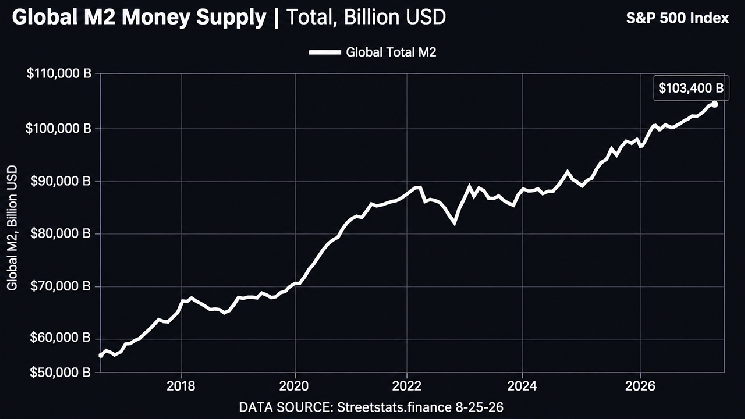
Bitcoin Price Lagging? Record Global Money Supply M2 Could Springboard BTC Growth The global money supply (M2) is expanding rapidly, similar to global debt. The US M2, representing all money circulating in its economy, has reached a record $23.16 trillion. Combined with figures from major economies like the Eurozone, China, and Japan, the global M2 is approximately $103 trillion. Some estimates, however, place it closer to $195 trillion. This surge in liquidity is significant because excess capital often seeks higher returns in assets like precious metals, stocks, and cryptocurrencies. Bitcoin's recent price surge above $81,000 has brought the global M2 metric back into focus. Following a sharp rise in early August after a US Treasury bond buyback announcement, BTC still trades about 37% below its October 2025 all-time high exceeding $126,000. This gap presents a potential "catch-up" trade thesis. Bitcoin's fixed supply of 21 million contrasts with governments' ability to print fiat currency, making scarce assets like BTC attractive if monetary expansion continues. Historically, Bitcoin's bull cycles in 2017-2018 and 2020-2021 coincided with M2 expansion and increased liquidity. Over the past year, the correlation seemed broken as M2 grew while Bitcoin's price fell sharply from its peak. Observers believe fresh dollars may have remained locked in cash-favorable investments. Some, like Ash Crypto, now suggest a long-awaited alignment between Bitcoin and M2 may be starting, especially as a weakening US Dollar Index this month has seen assets like gold and Bitcoin surge. A softer dollar pressures cash havens and prompts holders to act. While record M2 doesn't guarantee higher Bitcoin prices, a sustained influx of liquidity, a weak dollar, and capital flowing into alternative assets could trigger a catch-up rally sooner than expected. However, changes in these conditions could lead to the opposite outcome.

cryptonews.ru22m ago

Is Bitcoin Price Lagging? Record Global M2 Money Supply Could Be a Springboard for BTC's Rise

cryptonews.ru22m ago

Blockchain Capital Partner: Tokenization Will Reshape the Underlying Structure of Capital Markets

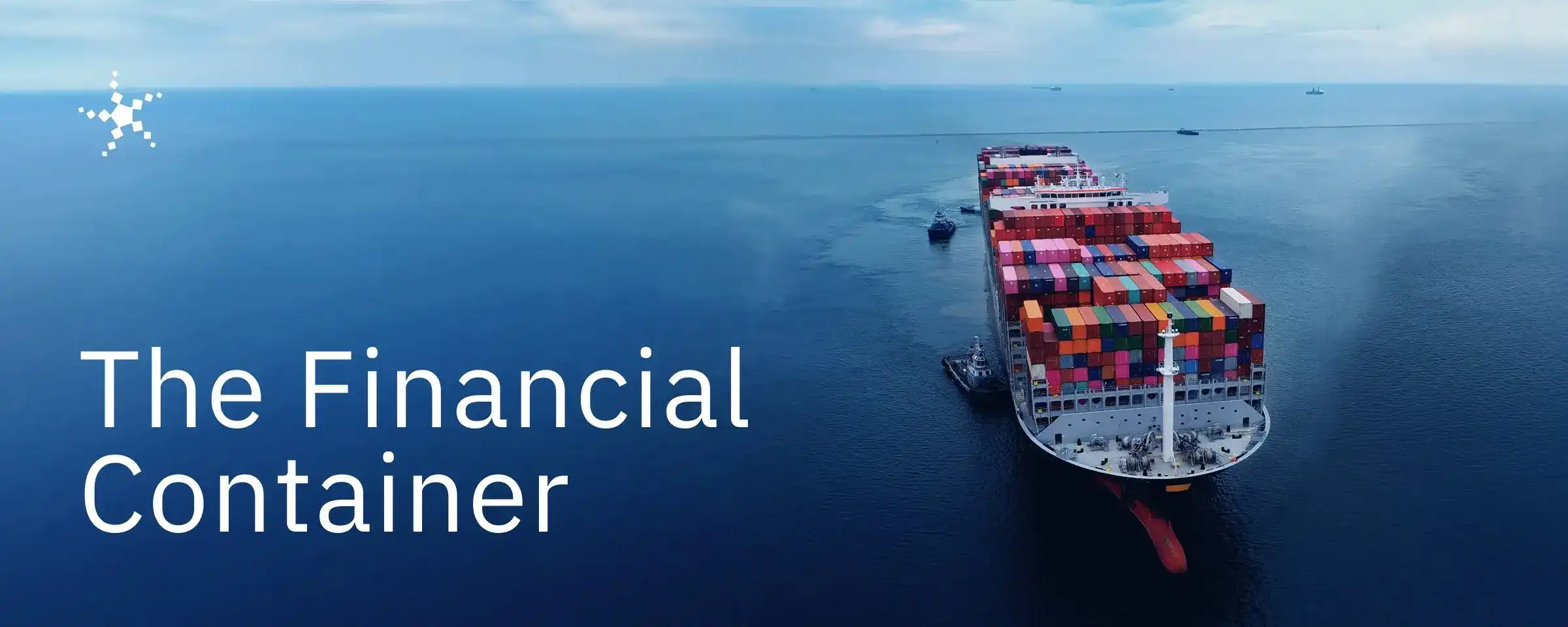
"Blockchain Capital partner Aleks Larsen argues that tokenization will fundamentally restructure capital markets by solving a costly 'packaging' problem in finance. Currently, assets like mortgages, private equity, and stocks exist in fragmented, incompatible systems, creating huge friction and slowing capital flow. Tokenization introduces a standardized, machine-readable interface for assets—akin to shipping containers for finance. Just as containerization standardized global trade, enabling massive efficiency gains and economic growth, tokens standardize financial rights. This allows platforms, lenders, and custodians to interact with assets directly on a shared network without rebuilding infrastructure for each one. Stablecoins demonstrate this potential, processing volumes rivaling Visa with far lower cost and faster settlement. Beyond payments, tokenization is expanding to assets like U.S. Treasuries, commodities, and private credit, now totaling nearly $400 billion on-chain. This shift changes financial service access: instead of depending on relationships with institutions, services become accessible based on the asset's tokenized properties themselves. DeFi protocols like Aave exemplify this, where assets meeting criteria can be used as collateral programmatically. Ultimately, tokenization will reorganize capital markets around open networks of specialized services, lowering barriers to entry and reducing costs. This could unlock global capital for currently underserved assets—small receivables, regional infrastructure, emerging market credit—integrating them into a seamless, programmable financial system. Combined with AI, tokenization promises to make capital allocation more efficient, transparent, and globally accessible, reshaping how economic value is created and distributed."

marsbit26m ago

Blockchain Capital Partner: Tokenization Will Reshape the Underlying Structure of Capital Markets

marsbit26m ago

Trading

Spot
活动图片