这 8 个喜闻乐见的顶级协议,背后有哪些“持币巨鲸”?

白泽研究院Published on 2023-03-01Last updated on 2023-03-01

Abstract

一览 8 个性能强劲的协议背后的顶级“持币巨鲸”

谁秘密地持有你感兴趣的协议的大部分代币?他们以什么价格投资/买入?

”“

DeFi 研究员 Thor Hartvigsen 根据自创的数据库,通过研究代币持有者排行、风险投资 、“聪明投资者”钱包追踪器,花费了 3 周时间追踪了 8 个性能强劲的协议背后的顶级“持币巨鲸”,为我们揭晓了答案。

”“

1、$LDO(Lido Finance)

”“

持有者:

”“

• Paradigm Capital:7%(7000 万枚 $LDO)

”“

• Dragonfly Capital:2.7%(2700 万枚 $LDO)

”“

• Certus One(节点运营商):1000 万枚 $LDO

”“

• Wintermute:800 万枚 $LDO

”“

• Defiance Capital:700 万枚 $LDO

”“

• Cobie:480 万枚 $LDO

”“

• Kain Warwick:400 万枚 $LDO

”“

• Alex Svanevik:350 万枚 $LDO

”“

其他投资者包括 Jump Capital、Arthur Hayes、Alameda Research、3AC、Delphi digital。

”“

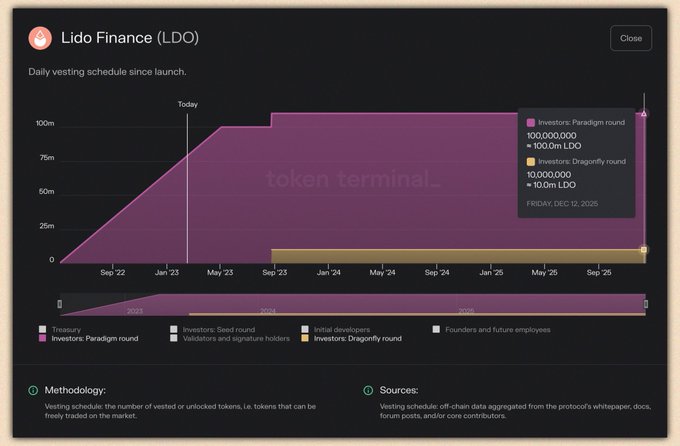
根据 Token Terminal 的数据:

”“

• Paradigm 的 1 亿枚$LDO代币会在2023 年 5 月 1 日完全解锁,当中 7900 万枚已经解锁。

”“

• Dragonfly 于 2023 年 8 月 25 日解锁 1000 万个额外的 LDO 代币
2、GMX

”“

持有者:

”“

• Arthur Hayes(BitMEX 联创):20.05 万枚 $GMX (价值约 1550 万美元)

”“

• 未知鲸鱼 1:19.6 万枚 $GMX

”“

• 未知鲸鱼 2:14.7 万枚 $GMX (在 Aave 上也有 1000 万美元的 $ETH)

”“

• 未知鲸鱼 3:8.7 万枚 $GMX

”“

• 'Mewtwooo':5.55 万枚 $GMX (还持有 500 万美元的 $GNS)

”“

• Tano:1 万枚 $GMX

”“

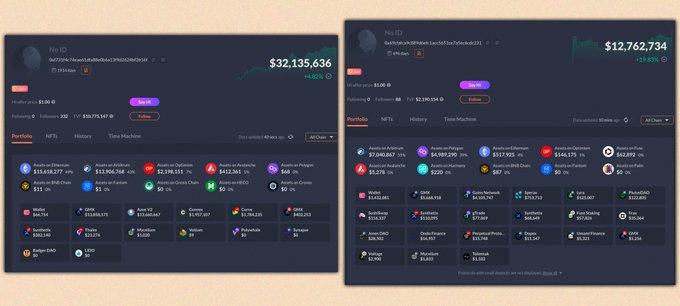
GMX 协议很难追踪,因为数据商 Nansen 没有显示抵押 GMX 的人。Debank 在这里帮了大忙:

”“

• Arthur 在 2022 年初购买了他的大部分 GMX(购入成本为 20~30 美元/枚)。

”“

• 下图展示了两个 GMX 未知鲸鱼钱包中持有的其他一些资产。
3、$RPL(Rocket Pool)

”“

持有者:

”“

• Patricio Worthalter (POAP 创始人): 61.3 万枚 $RPL (价值约 3200 万美元)

”“

• 1kx (投资公司):53.4 万枚 $RPL (价值约 2790 万美元)

”“

• Blockchain Capital:12.1 万枚 $RPL

”“

• LayerX Capital:3.8 万枚 $RPL

”“

•3 个未知鲸鱼钱包持有占总供应量 6%的 $RPL

”“

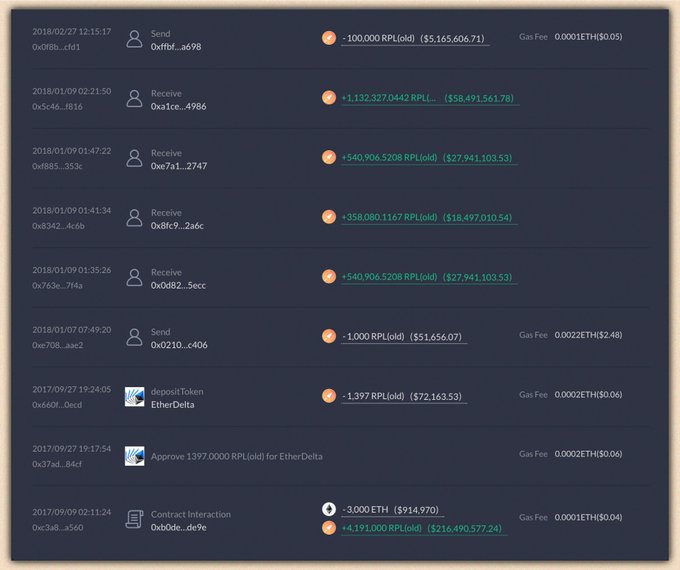
Patricio 的钱包持有 1 亿美元以上的 $RPL,早在 2018 年就收购了大部分 $RPL,此后一直在获利回吐。
1kx 在 2021 年 8 月以每个代币 17 美元的价格购买了他们持有的 $RPL。

”“

Blockchain Cap 在 2021 年 10 月购买了一半持仓量,在 2022 年 4 月购买了另一半。

”“

5、$FXS(Frax Finance)

”“

持有者:

”“

• fraximaxi.eth:658 万枚 $FXS (价值约 7500 万美元)

”“

• fraxcetacean.eth:190 万枚 $FXS (价值约 2160 万美元)

”“

• frax-ape.eth:148万枚 $FXS (锁仓到 2025 年)

”“

• Tetranode:101 万枚 $FXS (锁仓到 2027 年)

”“

• Dragonfly Capital:64.8 万美 $FXS

”“

• Arthur Hayes:10.5 万枚 $FXS

”“

• Alameda Research: 2.66 万枚 $FXS

”“

Dragonfly Capital 和 fraximaxi.eth 每月从标有“私人销售”的地址收到一次 $FXS。

”“

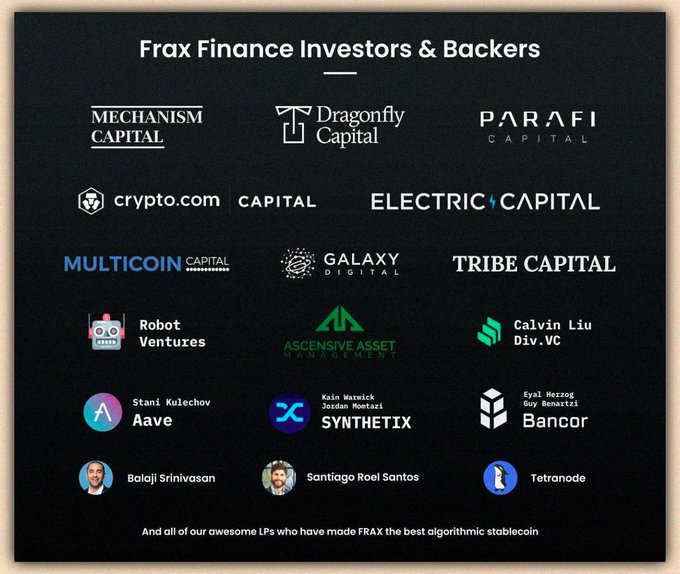
以下是 Frax Finance 的其他一些投资者和支持者。
5、$CRV(Curve)

”“

持有者:

”“

• 创始人钱包 #2-4:3.96 亿枚 $CRV (价值约 4.67 亿美元)

”“

• Michael Egorov:3.4 亿枚 $CRV (价值约 4.01 亿美元)

”“

• Genesis Trading:280 万枚 $CRV

”“

• Tetranode: 200 万枚 $CRV

”“

其他规模较小的投资者包括 Wintermute 和 Alameda。

”“

创始人持有的大部分 CRV 要么在未来几年内解锁,要么锁定为 veCRV。“投资者钱包”中还有大量 CRV 解锁。

”“

6、$DYDX(dYdX)

”“

持有者:

”“

• Wintermute:650 万枚 $DYDX(价值约 2000 万美元)

”“

• Amber Group:285 万枚 $DYDX

”“

• Hashkey:220 万枚 $DYDX

”“

• CMS:176 万枚 $DYDX

”“

• DACM:73 万枚 $DYDX

”“

• Dragonfly:51.4 万枚 $DYDX

”“

• Delphi Digital:22 万枚 $DYDX

”“

CMS 于 2021 年 9 月收到了早期投资所得的 $DYDX(此时每个 $DYDX 15 美元)。

”“

Dragonfly 于 2021 年 10 月收到了他们的 $DYDX(此时每个 $DYDX 23 美元),此后一直没有售出。

”“

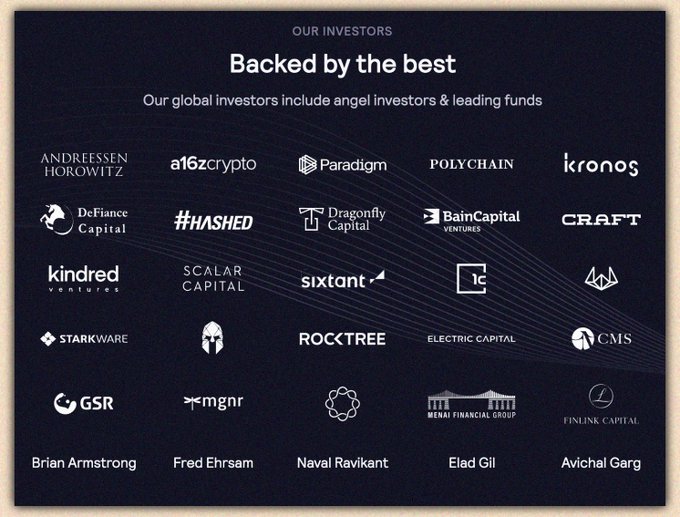
以下是 dYdX 的投资者列表:
7、SNX(Synthetix)

”“

持有者:

”“

• Kain Warwick (创始人):1290 万枚 $SNX(价值约 3380 万美元)

”“

• Jump trading:240 万枚 $SNX

”“

• Genesis Trading:40.7 万枚 $SNX

”“

• a16z:37.4 万枚 $SNX

”“

• Tetranode:10.4 万枚 $SNX

”“

其他投资者包括 Coinbase Ventures 和 Paradigm。

”“

8、$MATIC(Polygon)

”“

持有者:

”“

• Republic Capital:2450 万枚 $MATIC(价值约 3700 万美元)

”“

• Blockchain Capital:1770 万枚 $MATIC(价值约 2700 万美元)

”“

• Jump Trading:1730 万枚 $MATIC

”“

• Dragonfly:830 万枚 $MATIC

”“

• Wintermute:370 万枚 $MATIC

”“

• Alameda:290 万枚 $MATCI

”“

Dragonfly 于 2022 年 7 月从币安账户收到了他们的 $MATIC(此时 MATIC 价格为 0.7 美元)。

”“

今年 1 月 18 日,Republic Capital 从标有“Polygon Ecosystem Growth”的地址收到了目前的 2400 万个 MATIC。Republic Capital 此前曾与该钱包进行过互动。


Related Reads

AI is Killing 'Poor People's Entertainment'

AI Is Eliminating 'Entertainment for the Poor' This article discusses the rising cost of video gaming, arguing that AI is making digital entertainment increasingly expensive. It follows the example of a frugal gamer who, accustomed to waiting for discounts and buying second-hand games, now faces a new reality. Video game consoles like the PS5 Pro and Switch 2 are increasing in price post-launch, breaking the traditional pattern of降价 over time. Game prices are also rising, with major titles like GTA 6 launching at $80. Furthermore, the industry is moving towards eliminating physical media, exemplified by Sony's plan to stop PS disc production by 2028. This shift blocks the二手 market, a key cost-saving avenue for players. Even Valve's anticipated affordable Steam Machine launched with a high price and disappointing specs. Manufacturers cite inflation, supply chain issues, and rising development costs, but a core driver is the AI boom. AI data centers now consume semiconductor and memory resources once prioritized for consumer electronics like game consoles. This competition from a more profitable sector drives up hardware costs. Additionally, developing modern AAA games with massive teams over many years is astronomically expensive, pushing publishers towards digital-only distribution and subscription models to secure recurring revenue. The article suggests this trend extends beyond gaming. Video streaming, music platforms, cloud storage, and AI tools are increasingly locked behind complex subscription tiers. While AI promises future benefits, it is currently making digital entertainment and services more costly. The era of progressively cheaper, accessible online entertainment is ending, forcing consumers to pay more upfront for future technological promises.

marsbit20m ago

AI is Killing 'Poor People's Entertainment'

marsbit20m ago

The Demise of the Trillion-HKD ETF Myth: SK Hynix Plummets, Hong Kong Switches from 'Double Leverage' to 'Flexible Leverage', South Korea Restricts Leveraged ETF Investments

South Korea's AI-driven bull market has taken a sharp downturn, severely impacting SK Hynix's stock and prompting regulatory tightening in both Hong Kong and South Korea on single-stock leveraged products. The CSOP SK Hynix Daily Leveraged (2x) ETF, once the world's largest single-stock leveraged ETF with over HKD 130 billion in assets, saw its value plummet by over 80% as SK Hynix shares fell nearly 46% from their June peak, erasing more than HKD 100 billion. In response, Hong Kong's Securities and Futures Commission (SFC) revised its regulatory framework. Starting August 3rd, fixed 2x leverage for single-stock leveraged and inverse products will shift to a dynamic "flexible leverage" mechanism, where daily leverage can vary up to a maximum of 2x. This aims to balance market development with investor protection but has sparked debate about changes to the products' core features and potential reduced appeal for risk-seeking investors. Simultaneously, South Korean authorities announced plans to further restrict single-stock leveraged ETFs following two consecutive days of market circuit breakers. Proposed measures include capping individual investors' allocations to such products at 20% of their total financial investment assets, increasing trading costs, and enhancing suitability requirements. The Finance Minister publicly apologized, acknowledging insufficient initial risk assessment. Analysts note that while the long-term fundamentals for South Korean semiconductor firms like SK Hynix remain solid, short-term market volatility is heightened due to concentrated leveraged bets and shifting global risk sentiment. The regulatory moves in both markets signal a clear shift from encouraging innovation towards prioritizing risk control, reminding investors of the amplified risks inherent in leveraged products.

marsbit25m ago

The Demise of the Trillion-HKD ETF Myth: SK Hynix Plummets, Hong Kong Switches from 'Double Leverage' to 'Flexible Leverage', South Korea Restricts Leveraged ETF Investments

marsbit25m ago

After the Privatization of the Internet, Silicon Valley Begins Privatizing Human Civilization

"The Privatization of Human Civilization" The article critiques how AI companies like Anthropic are systematically acquiring and digitizing millions of books—sometimes by destroying physical copies—to build proprietary training datasets for models like Claude. While a lawsuit resulted in a settlement, the author argues the deeper issue transcends copyright: it is about the privatization and centralized control of human knowledge and civilization. This process coincides with a powerful Silicon Valley ideology, exemplified by Marc Andreessen's "Techno-Optimist Manifesto" and movements like e/acc (Effective Accelerationism). This worldview frames technological growth and speed as inherently moral, portraying caution, regulation, and public dissent as obstacles to progress. It often envisions intelligence itself, rather than human well-being, as the ultimate goal, potentially sidelining present human concerns. Figures like Peter Thiel and Curtis Yarvin express skepticism towards democratic processes as too slow, suggesting more centralized, founder-led governance is efficient. This logic extends to AI, where a small team within a company defines the model's "constitution"—its rules, values, and definitions of truth and safety—effectively governing how millions understand the world. Thus, the scanned books symbolize a new form of control. Knowledge isn't erased but is ingested into private, opaque systems. The original, decentralized, and contestable nature of books and public knowledge is replaced by a curated, company-controlled output. The public's access to their own cultural heritage becomes mediated by corporate AI, which remembers civilization only in the form its creators dictate. This is not book-burning but a subtler, potentially more complete privatization of human memory and understanding.

marsbit35m ago

After the Privatization of the Internet, Silicon Valley Begins Privatizing Human Civilization

marsbit35m ago

Trading

Spot
活动图片