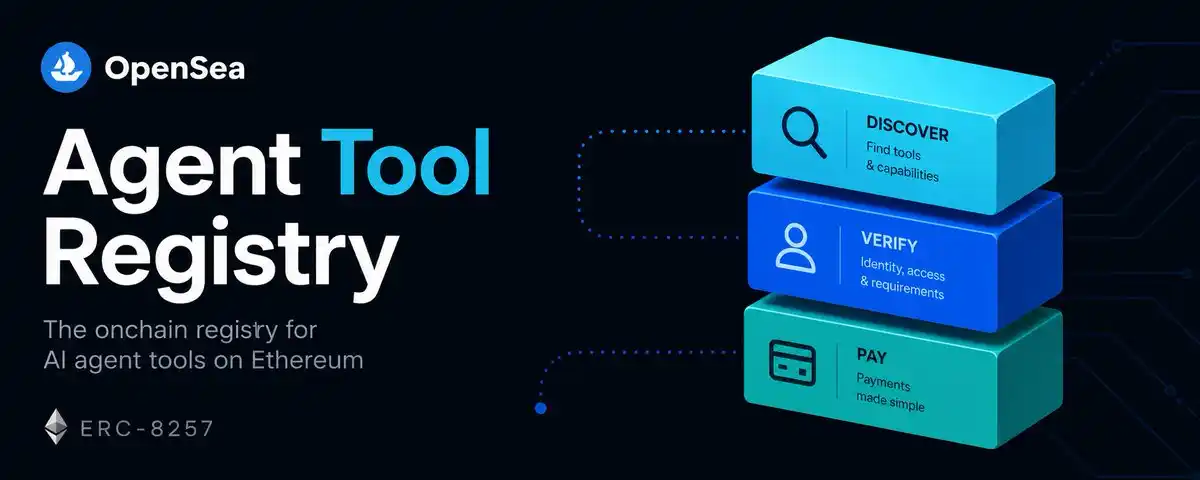
OpenSea has merged the ERC-8257 standard, an on-chain "Agent Tool Registry" that enables AI Agents to autonomously discover, pay for, and access tools. This standard allows developers to publish tools with programmable access rules (e.g., NFT ownership, subscriptions) and pricing directly on-chain. For example, an AI Agent needing a premium API can buy the required NFT itself and gain access without human intervention, turning NFTs into keys for the agent economy. The system works with complementary standards like ERC-8004 for agent identity and x402 for payments. A live demo shows an NFT appraisal tool offering discounted rates to holders of a specific NFT collection. ERC-8257 aims to decentralize tool distribution and access control, allowing any on-chain asset to grant utility to AI agents. The SDK is available for building on Ethereum and Base.
Pro wrestling legend and collector Chris Jericho is officially partnering with the Kokopi Koalas NFT project on Solana. As part of the collaboration, Jericho will host live community events where holders can submit ideas for official "Chris Jericho Traits." He will personally select the winning designs, which will then become available for purchase in the project's Trait Store. This store allows NFT holders to continuously customize and evolve their Koala NFTs by acquiring and swapping traits.
Holders of these official traits will also gain access to exclusive, limited-edition real-world merchandise like apparel and posters at a discount. The partnership aims to deepen community engagement, with Jericho also providing VIP access to token holders through Discord and X.com.
The Kokopi Koalas mint is scheduled for June 11. The project emphasizes ongoing customization through future trait releases, including upcoming soccer-themed traits for the World Cup.
"Ticketing Woes for 2026 World Cup: NFT 'Right-to-Buy' and High Prices Dampen Sales"
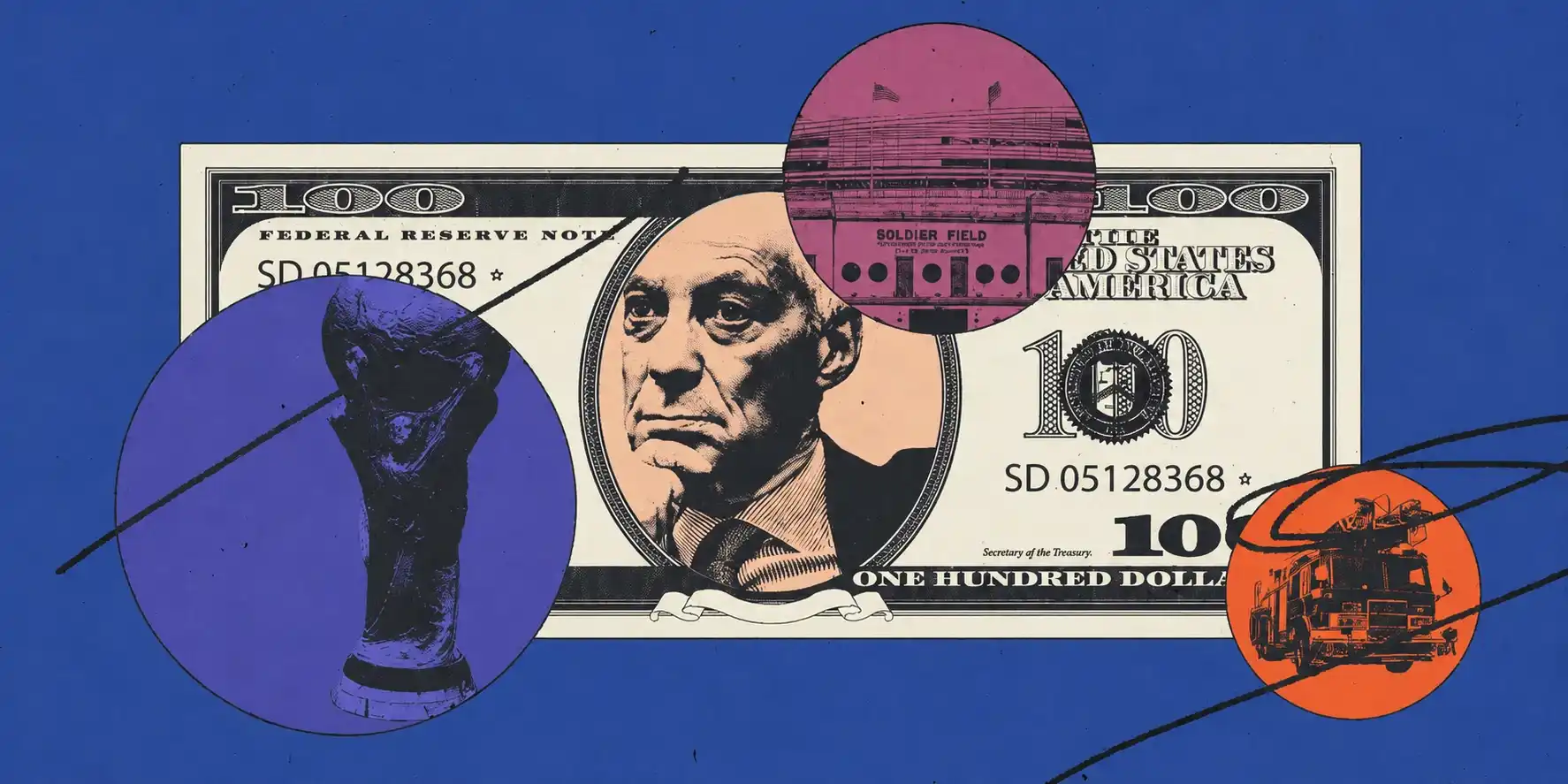
Despite anticipation for the 2026 FIFA World Cup, with 48 teams and 104 matches across North America, the tournament faces significant unsold tickets, with approximately 180,000 group-stage tickets still available for resale just before kick-off. This unexpected shortfall is attributed to FIFA's controversial new ticketing strategy, which includes an NFT-based "Right-to-Buy" (RTB) system and opaque, dynamic pricing.
FIFA introduced RTBs as digital collectibles (NFTs) sold on its FIFA Collect platform. An RTB grants the holder only the right to purchase a ticket for a specific match later, not the ticket itself. This two-step process, criticized for selling "scarcity" first, saw RTBs priced from tens to hundreds of dollars, generating millions in revenue for FIFA. With many tickets remaining available on official channels, the value of these prepaid purchase rights is now being questioned.
Compounding the issue are ticket prices, reported to be 2 to 4 times higher than the 2022 Qatar World Cup, and up to 7 times more for marquee matches. FIFA employed dynamic pricing, common in U.S. sports, but lacked transparency on seat availability and exact locations during sales, frustrating global fans facing high travel costs. This has drawn scrutiny from regulators in New York and New Jersey.
FIFA's official resale platform also drew criticism for imposing high fees—roughly 10% on sellers and 17% on buyers, allowing FIFA to profit further from secondary market transactions. While FIFA President Gianni Infantino states over 6 million tickets have been sold, the situation highlights a potential disconnect between fan enthusiasm and willingness to pay under an aggressive commercial model.
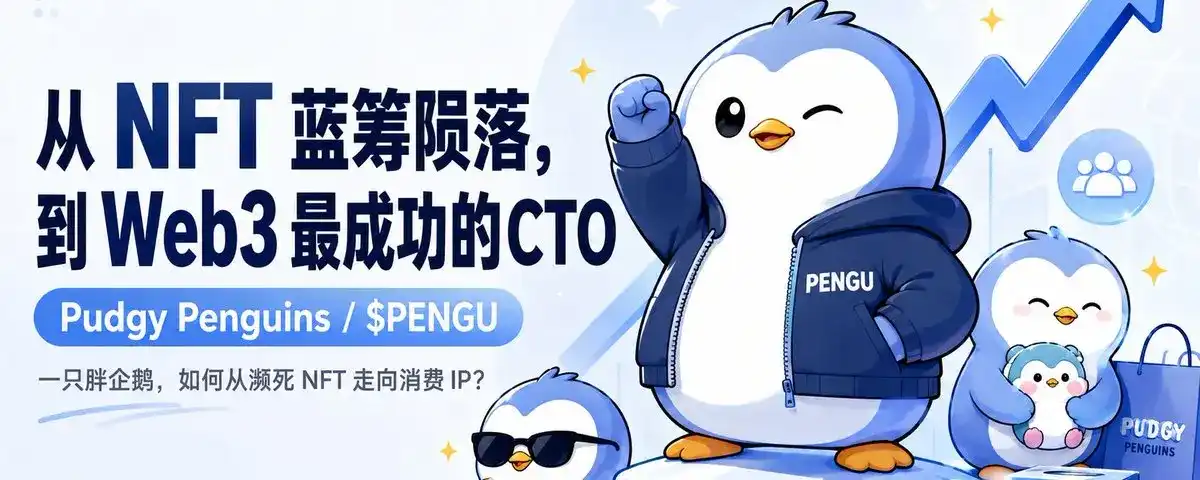
"Web3's Most Successful CTO: The Community Rescue of Pudgy Penguins"
Pudgy Penguins, once a flagship NFT project in 2021, faced near-collapse by 2022 with its floor price plummeting to ~0.5 ETH, a disgruntled community voting out its founders, and depleted funds. Its revival, termed a "Community Takeover," began when @LucaNetz acquired the IP for 750 ETH.
The turnaround strategy shifted focus from speculative NFT prices to building a genuine consumer brand. In 2023, "Pudgy Toys" launched in major retailers like Walmart, featuring QR codes that bridge physical buyers to the digital "Pudgy World." NFT holders earn IP royalties from these toys.
By 2026, Pudgy evolved far beyond a typical NFT project: partnerships with the NHL and Manchester City, the launch of a Visa-integrated "Pengu Card" payment product, a free web game, and a popular trading card game. The $PENGU token airdrop in 2024 further expanded the community.
The core lesson was moving beyond selling JPEGs to answer a critical question: can this penguin become a beloved, usable brand? With a 2026 revenue target of $120 million and IPO ambitions, Pudgy's story is one of community-led resilience and successful Web3 brand-building.