Hong Kong Crypto Scam Shock: Woman Loses Nearly $1 Million As AI Fraud Surges

bitcoinist發佈於 2026-04-19更新於 2026-04-19

文章摘要

Hong Kong Crypto Scam Shock: Woman Loses Nearly $1 Million As AI Fraud Surges A Hong Kong woman lost HK$7.7 million (approximately $982,000) after being lured into a fraudulent cryptocurrency investment platform. The scam began on Telegram, where a person posing as an investment expert promoted an AI-powered trading strategy with guaranteed returns. After making 17 transfers of USDT and Ethereum, the victim was unable to withdraw her funds. Hong Kong Police have reported a significant surge in such online investment fraud, with over 80 cases recorded in a single week, totaling losses of nearly HK$80 million. Authorities warn that scammers are increasingly using sophisticated tactics, including promises of "AI trading" and "guaranteed profits," to appear credible. This follows a similar incident last month where a retiree lost HK$6.6 million in a multi-stage scam. Police urge the public to be cautious of unsolicited investment advice and to verify platforms through the official CyberDefender service before transferring any money. They emphasize that no legitimate investment can guarantee returns. Investigations are ongoing.

Her withdrawal requests kept getting denied. That was the moment a Hong Kong woman realized the crypto investment platform she had been using for weeks was fake — and that her money was gone.

Scam Built On Fake Promises

The woman had made 17 separate transfers of USDT and Ethereum to the fraudulent platform, losing nearly HK$7.7 million, roughly $982,000.

It started on Telegram, where someone posing as an investment expert approached her and pitched a trading strategy powered by artificial intelligence.

The promised returns were guaranteed. The platform looked convincing. She transferred the funds. When she tried to take her money out, nothing came through.

Hong Kong Police have since confirmed the case as part of a wider surge in online investment fraud hitting the city.

Based on reports from authorities, over 80 such cases were recorded in a single week, with combined losses topping HK$80 million — close to $10 million.

Different Types Of Scam

According to Vectra, AI scams now fall into seven distinct categories, with deepfake video, voice cloning, and AI-driven BEC among the biggest threats to enterprises. This framework spans both consumer- and enterprise-focused attacks.
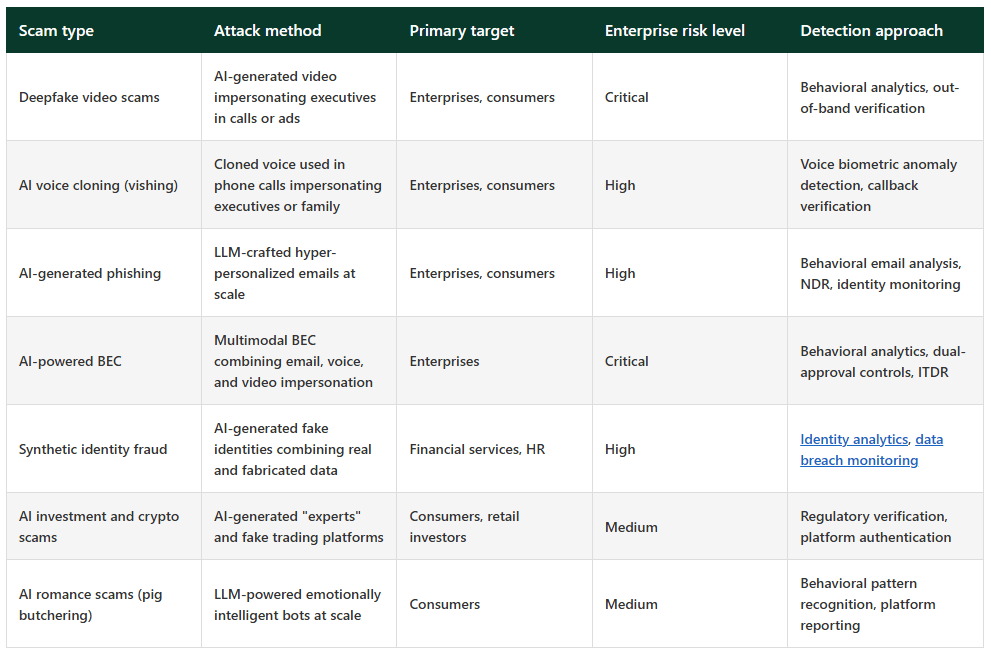
Types of AI scams. Source: Vectra

A Pattern Repeating Itself

This is not the first case of its kind, and it is not the last. Just last month, a 66-year-old retiree lost HK$6.6 million to a multi-stage scheme that played out over six months.

In that case, scammers first posed as investment advisors to win the victim’s trust, then came back later with a fake “recovery” offer — squeezing even more money out of someone who had already been burned.

Officials say the playbook is getting more sophisticated. Fraudsters are now borrowing the language of technology to add credibility to their pitches.

BTCUSD now trading at $76,179. Chart: TradingView

Terms like “AI trading” and “guaranteed profits” are being used to draw people in, according to the Hong Kong Police Force.

The artificial intelligence angle makes the pitch harder to dismiss, especially for victims who may not be familiar with how such systems actually work.

Authorities Push Public To Verify Before Transferring

Police are urging residents to be cautious with unsolicited investment advice, whether it arrives through social media, messaging apps, or anywhere else.

They are also encouraging people to use the official CyberDefender platform to check whether an investment site or service carries signs of fraud before sending any funds.

One warning is worth repeating: no legitimate investment guarantees returns. Reports indicate that every recent case in this wave involved that exact promise.

The woman who lost nearly $1 million, the retiree who lost HK$6.6 million — both were told their money was safe and the profits were certain. Neither turned out to be true.

Investigations into the cases are ongoing.

Featured image from The Verge, chart from TradingView

相關問答

QHow much money did the Hong Kong woman lose in the crypto scam?

AShe lost nearly HK$7.7 million, which is roughly $982,000.

QWhat was the initial point of contact where the victim was approached by the scammer?

AThe scammer first approached her on the messaging app Telegram, posing as an investment expert.

QAccording to Vectra, what are some of the biggest AI scam threats to enterprises?

AThe biggest threats include deepfake video, voice cloning, and AI-driven Business Email Compromise (BEC).

QWhat tool are Hong Kong authorities encouraging the public to use to verify investment sites?

AThey are encouraging people to use the official CyberDefender platform to check for signs of fraud.

QWhat common promise was made in every recent case of this fraud wave, according to reports?

AEvery recent case involved the promise of guaranteed returns, which is a sign of a scam as no legitimate investment can guarantee profits.

你可能也喜歡

Zcash上涨1500%,其最大支持者解释原因

据Zcash主要支持者乔希·斯威哈特分析,ZEC价格约1500%的飙升并非偶然,而是2023至2024年间在治理、产品、叙事和组织结构上进行多年重置的成果。 他指出,三年前ZEC价格约30美元,仅不到11%的供应量被屏蔽(shielded),且社区陷于治理争议。如今ZEC价格约600美元,约31%的供应量被屏蔽,用户控制的屏蔽钱包持有价值超30亿美元,且屏蔽交易占比在三月中旬达到86.5%。 **治理重置成为核心**:2024年,Electric Coin Co.宣布不再接受直接资助,打破了原有核心机构长期获得固定区块奖励的格局。网络升级6取消了直接资助,将8%奖励导向社区赠款,12%放入协议控制的锁箱,供ZEC持有者追溯奖励为生态创造价值的贡献者。同时,商标协议的终止消除了ECC和Zcash基金会对协议的潜在否决权,使治理更加去中心化。 **产品重心回归用户与屏蔽使用**:ECC于2024年1月将重点转向用户增长。默认屏蔽的钱包Zodl(原Zashi)于2024年3月推出,带动屏蔽供应量从约11%升至2025年底的约30%。钱包自10月起处理了超6亿美元的ZEC互换,反映了真实用户对隐私和自托管的选择。 **叙事从“隐私币”转向“不可阻挡的私人货币”**:这一新定位使Zcash更易被机构理解,吸引了如Robinhood上线、Multicoin披露持仓、Grayscale提交ETF申请及Foundry推出矿池等进展。 **组织重组与融资**:2026年1月,ECC团队脱离后成立了Zcash开放开发实验室(ZODL),并获得了Paradigm、a16z crypto等机构2500万美元融资,旨在以初创公司的速度和资本推动大规模消费者产品开发。 近期重点包括提升用户体验、可扩展性(目标将区块时间从75秒降至25秒)及后量子安全准备。斯威哈特总结,Zcash将变得更快、更易用、功能更丰富、可扩展性更强并具备后量子安全性。 截至发稿时,ZEC交易价格为570.36美元。

bitcoinist13 分鐘前

Zcash上涨1500%,其最大支持者解释原因

bitcoinist13 分鐘前

比特币已实现市值回升至正值区域,市场重获力量

比特币价格在周日小幅反弹后重回8万美元关键点位上方,多个指标开始重新显现强势。其中,比特币已实现市值(Realized Cap)随着市场状况缓慢改善,近期已转为看涨信号。 比特币重新燃起的看涨势头正逐渐体现在多个关键链上指标中,反映出市场动态的转变。比特币已实现市值目前显示出强势,随着市场情绪改善,已回升至正值区域。该指标通过计算已实现利润与已实现亏损的差值得出,反映了比特币市场创造或摧毁的价值。 CryptoQuant平台分析师Darkfost指出,该指标目前正显示复苏信号,这意味着资金正流入比特币。截至周日,比特币已实现市值已转正,增长率约为+0.25%。虽然增幅尚不显著,但这是在今年2月经历超过-2.6%的急剧下跌之后发生的。Darkfost认为,当前阶段代表了资产从“弱手”向“强手”的转移。 与此同时,另一个关键指标比特币净已实现利润/亏损也已转为正值。这一变化表明,以盈利状态转移的代币数量超过了以亏损状态转移的数量,显示出市场信心和投资者情绪正在稳步改善。链上分析账户On-Chain Mind指出,该指标是五个多月以来首次转正。 总体而言,这些链上指标的改善标志着市场正在经历一个修复过程,投资者情绪好转,资金开始回流。然而,这并不等同于直接进入牛市,趋势能否持续仍有待观察。

bitcoinist4 小時前

比特币已实现市值回升至正值区域,市场重获力量

bitcoinist4 小時前

BTC市场脉搏:第20周

比特币在过去一周从77,000美元高位震荡上行至82,000美元低位,买盘持续吸纳回调,尽管价格在局部高点附近动能有所减弱。现货CVD(累计成交量Delta)大幅上升,反映了强烈的看涨情绪和对价格上涨的高度信心。同时,现货交易量增加,表明近期的价格走势得到了更强投资者参与的推动。然而,价格动能的放缓指向更均衡的买卖压力,暗示市场可能进入一个稳定阶段。 期货市场方面,风险偏好同样上升。期货未平仓合约增加,表明投机活动加剧和风险承担意愿增强;永续合约CVD飙升,显示持续的看涨动能。但多头资金费率下降,意味着空头兴趣抬头,看涨情绪可能正在减弱。 期权市场对下行保护的需求下降,未平仓合约上升,表明市场预期转向中性偏多。然而,波动率利差大幅扩大,显示期权定价蕴含的风险显著高于已实现波动,反映出参与者中存在较高的不确定性。 链上活动显著增强,每日活跃地址、实体调整后的转账量和总手续费收入均有所上升,指向用户参与度提高和网络活动增加。与此同时,流动性状况持续稳定,短期投机资本的减少降低了即时卖压,而已实现市值变化则显示适度的净资本流入。 盈利能力指标也有所改善,市场从未实现亏损重回盈利状态。然而,处于盈利状态的供应百分比仍低于通常与大规模获利了结相关的水平,表明市场乐观情绪依然克制而非狂热。 总结来说,比特币的市场结构继续改善,得到更强的链上活动、更健康的盈利能力和更稳定的持有者仓位的支持。虽然看涨基调正在形成,但较温和的资本流入和谨慎的市场情绪表明,市场对风险偏好的变化依然敏感。

insights.glassnode6 小時前

BTC市场脉搏:第20周

insights.glassnode6 小時前

交易

現貨
合約
活动图片





