In a transformative moment for the cryptocurrency industry with new regulations coming from the US, major financial institutions are setting their sights on stablecoins, thanks to the recent passage of the GENIUS Act.
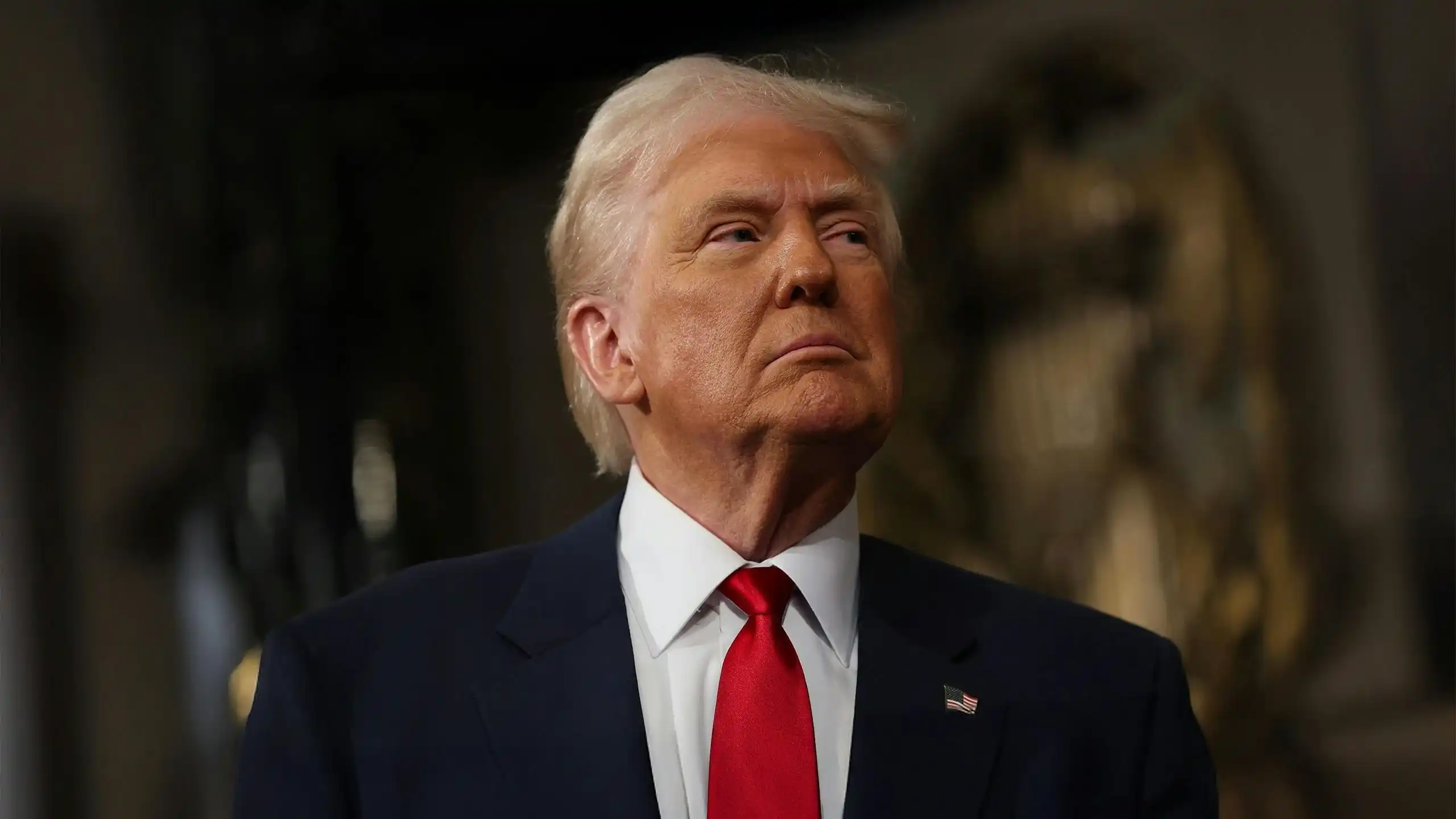
This regulatory framework, part of President Donald Trump’s vision to position the US as the global leader in cryptocurrency, has prompted banks like Bank of America, Fiserv, and Morgan Stanley to explore the adoption and integration of stablecoins.
Should Companies Create Their Own Stablecoins
While the GENIUS act opens new avenues for stablecoin usage, experts caution that the journey toward successful implementation will not be straightforward. The potential for instant payments and settlements that stablecoins promise is enticing, particularly when traditional banking transactions can take days.
Companies such as Walmart and Amazon are reportedly considering their own stablecoin initiatives, signaling a significant shift in how retail and financial services could operate in the future.
However, a recent report by Reuters highlights that the GENIUS Act does not immediately eliminate the complexities associated with launching stablecoins.
Businesses must navigate a labyrinth of strategic and technical challenges. One fundamental decision is whether to create their own stablecoin or to incorporate existing options.
The intended use of the stablecoin will reportedly have greater influence on this decision; for instance, a retail platform might develop a stablecoin to enhance customer engagement, while others could utilize them for internal cross-border transactions.
Stephen Aschettino, a partner at Steptoe, emphasized the importance of purpose in this decision-making process. “Is this something really designed to drive customers to engage with the issuer, or is the issuer’s primary motivation to have a stablecoin that is more ubiquitous?” he questioned.
For non-banking entities, the adoption of stablecoins will inevitably bring new compliance obligations. The GENIUS Act mandates issuers to adhere to anti-money laundering (AML) regulations and know-your-customer (KYC) protocols, which could impose additional costs and oversight requirements.
Regulatory Guidelines Remain Uncertain
Per the report, the implications of holding dollar-pegged cryptocurrencies for these institutions extend to regulatory compliance as well. Banks must consider how these digital assets will affect liquidity requirements.
Julia Demidova, head of digital currencies product and strategy at FIS, pointed out that stablecoins held on bank balance sheets might necessitate greater capital reserves under existing regulations.
“The GENIUS Act is great, but if the bank is treating their stablecoin on the balance sheet under prudential banking regulation, you still need to look at the risk weight of the asset,” she remarked.
Another crucial aspect for companies venturing into these cryptocurrencies is the choice of blockchain technology. Stablecoins can be issued on various blockchain networks, with Ethereum (ETH) and Solana (SOL) being popular options.
However, banks may lean towards private, permissioned blockchains to ensure governance and control over transactions. Demidova noted that banks would likely prioritize clear structures and oversight, which are often lacking in public blockchain environments.
Despite the excitement surrounding the GENIUS Act, its effective date remains uncertain, with federal banking regulators expected to release rules that will clarify compliance and risk management requirements.
For instance, the Office of the Comptroller of the Currency (OCC) is reportedly anticipated to outline guidelines that will address these issues, while the Treasury Department will need to assess foreign dollar-pegged cryptocurrencies regulatory frameworks in line with US standards.
Featured image from DALL-E, chart from TradingView.com

Related Posts