The Truth of Trading: A Numbers Game of Patterns and Probabilities

深潮Xuất bản vào 2025-12-26Cập nhật gần nhất vào 2025-12-26

Tóm tắt

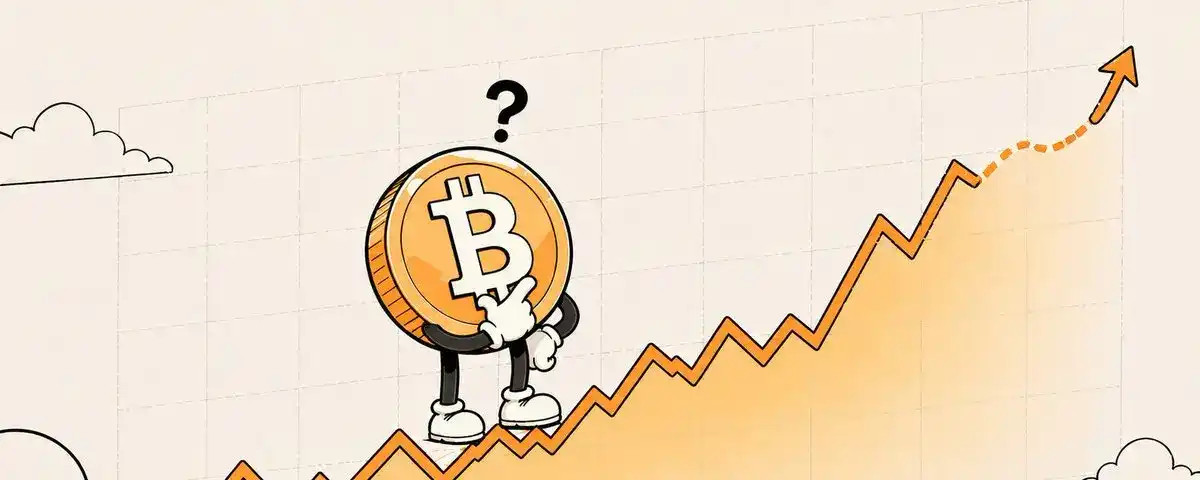
The Truth of Trading: A Numbers Game of Patterns and Probability Most traders fail not due to a lack of methods or information, but because they misunderstand the nature of trading. Mark Douglas, in "Trading in the Zone," redefines the market as a probabilistic environment where an edge only materializes over a sufficiently long period. Trading is not about prediction or seeking certainty; it is a numbers game of pattern recognition. A valid trading pattern does not guarantee that any single trade will be profitable. It merely indicates a historical probability of success. Each individual trade outcome is random, but the overall probability distribution over many trades is not. Traders must evaluate performance like a casino: focus on long-term expectation and repeated execution, not single wins or losses. Accepting that "anything can happen" is liberating. It removes the emotional sting from losses, enables disciplined stop-loss execution, and eliminates hesitation. The ideal "flow state" is not excitement but emotional neutrality—executing the plan without attachment to outcomes or need to be right. Ultimately, traders cannot control results, but they can control their execution. Success comes from emotional detachment and consistent repetition. When traders stop trying to prove themselves right and let the probabilities work over time, they align with the true nature of the market: a numbers game based on pattern recognition and disciplined repetition.

Written by: AsymTrading

Compiled by: AididiaoJP, Foresight News

Most traders fail not because they lack methods, indicators, or information, but because they don't understand what trading truly is.

In "Trading in the Zone," Mark Douglas completely shatters the notion that trading is about prediction, seeking certainty, or being right. Instead, he redefines the market: it is a probabilistic environment where your edge only manifests over a sufficiently long period.

This is why many experienced traders summarize Douglas's core idea with a simple phrase:

Trading is a numbers game of pattern recognition.

This article aims to clarify what this phrase really means and how misunderstanding it can quietly destroy your otherwise decent trading system.

Trading Is Not Prediction

Douglas's most fundamental point is very direct:

You never know what will happen next, and you don't need to know.

At the level of a single trade, the market is uncertain. No pattern, indicator, or news can guarantee the outcome of the next trade. When you constantly seek certainty from a single trade, fear, hesitation, and emotional interference all emerge.

According to Douglas's definition, trading is not about predicting the next second's rise or fall but about how to effectively execute a plan amid uncertainty.

Patterns Don't Predict—They Define "Edge"

Douglas does not否定 pattern recognition. In fact, he believes traders should have their own trading methods.

What he aims to correct is the mindset traders have toward these patterns.

An effective trading pattern does not mean:

  • This trade "must" make money

  • The market "owes" you a profit

  • A single loss proves the method is "invalid"

A pattern only means one thing:

Historically, when this pattern or condition appears, the probability of making money is higher.

That's it.

Patterns only tell you probability; they don't guarantee outcomes. Once you start expecting specific results, you are no longer "trading probabilities" but "protecting your ego."

Random Outcomes, Non-Random Probabilities

This is a crucial distinction in "Trading in the Zone":

  • The outcome of each individual trade is random.

  • But the overall probability distribution over a series of trades is not random.

A truly effective trading method might lose five times in a row. This doesn't mean the method is invalid; it just doesn't align with your幻想 of "certainty."

Douglas believes traders should evaluate their performance like a casino:

Don't look at single wins or losses; look at the long-term, large sample size of trades.

Profit comes from 【Expected Value × Number of Repetitions】, not from the "rightness" of your single judgment.

"Anything Can Happen"—This Is Actually Your Edge

Douglas constantly emphasizes this phrase:

Anything can happen.

Most people see this as a threat, but Douglas means the opposite.

When a trader truly accepts that "anything can happen," they find:

  • Losses no longer feel personal

  • Stop-loss setting and execution become clean and decisive

  • Hesitation disappears

  • Overconfidence diminishes

Accepting randomness is not pessimism; it's a form of liberation.

When you let go of the obsession with certainty, your execution actually improves.

The "Flow State" Is Emotional Neutrality, Not Excited Euphoria

The "flow state" is often misunderstood as a state of high excitement or mystical feeling.

Douglas's definition is very practical. Entering the "flow state" means:

  • No emotional attachment to trading outcomes

  • No need to prove oneself "correct"

  • No fear of "making a mistake"

  • Once the trading plan is executed, there is no impulsive interference

At this point, you take the next trade simply because the plan calls for it, not because you "feel" confident or fearful at the moment.

The flow state is absolute loyalty to the trading process amidst uncertainty.

Why Is It a "Numbers Game"?

Douglas never promoted slogans, but the mathematical logic behind his thinking is very clear:

  • Identify patterns to find a probabilistic edge.

  • This edge creates a probabilistic bias.

  • You must repeatedly and extensively execute trades that align with this edge.

  • The final result can only manifest after a sufficiently large sample size of trades.

Therefore, veterans summarize it in plain language:

Trading is a numbers game of pattern recognition.

Not prediction, not intuition, not belief.

It's about probability, repetition, and discipline.

Why Do Most People Still Struggle?

Many traders rationally agree with Douglas but emotionally and behaviorally reject his conclusions.

They still:

  • Judge themselves based on the success or failure of a single trade

  • Expect every pattern to "work"

  • Feel that a loss is a personal offense

  • Modify rules mid-trade

  • Stop executing an originally effective strategy after a few losses

In other words, they verbally believe in probability but in action expect certainty every time.

Douglas's focus is not on teaching you to find a better trading method.

It's about how to correctly apply the method you already have.

In the End

This article teaches us a simple yet hard-to-accept truth:

You cannot control outcomes, but you can control execution.

Patterns give you probability, not promises. Consistent profitability requires emotional "numbness" and repetitive action.

When traders stop trying to "prove themselves right" and start letting the "probability numbers" work for them, trading truly gets on the right track.

This is the full meaning behind that phrase:

The market is a numbers game of pattern recognition.

Câu hỏi Liên quan

QWhat is the core idea of Mark Douglas's trading philosophy as presented in the article?

AThe core idea is that trading is not about prediction or seeking certainty, but rather a probability environment where success comes from recognizing patterns, executing plans consistently, and allowing the statistical edge to manifest over a large number of trades.

QAccording to the article, what does a valid trading pattern represent?

AA valid trading pattern does not guarantee a profitable outcome for any single trade. It only indicates that, historically, such a pattern or condition has a higher probability of being profitable.

QHow does the article differentiate between the outcome of a single trade and the overall probability of a trading method?

AThe outcome of any single trade is random, but the overall probability distribution of a series of trades from a valid method is non-random. Profit comes from the expected value multiplied by the number of repetitions, not from being right on a single trade.

QWhat is the 'flow state' in trading as described in the text?

AThe 'flow state' is not a state of excitement or euphoria. It is a state of emotional neutrality where the trader has no emotional attachment to results, doesn't need to prove they are right, isn't afraid of being wrong, and executes the trading plan without impulsive interference.

QWhy do most traders fail despite understanding the concept of probability, according to the article?

AMost traders fail because, while they may rationally accept the concept of probability, they emotionally and behaviorally reject it. They judge themselves on single trades, expect every pattern to work, take losses personally, change rules mid-trade, and abandon effective strategies after a few losses, essentially seeking certainty in every outcome.

Nội dung Liên quan

Polymarket Bị Kẹt: Bài Kiểm Tra Thực Sự Sau Khi Vượt Qua Giai Đoạn Lưu Lượng Tăng Đột Biến

Polymarket, nền tảng dự đoán thị trường hàng đầu, đang đối mặt với thách thức lớn khi trải nghiệm giao dịch xuống cấp do hạ tầng không theo kịp đà tăng trưởng. Phó chủ tịch kỹ thuật Josh Stevens thừa nhận vấn đề và công bố kế hoạch cải tổ toàn diện, bao gồm: giảm độ trễ dữ liệu, sửa lỗi hủy lệnh, xây dựng lại hệ thống order book (CLOB), nâng cao hiệu suất website, và quan trọng nhất là di chuyển chain (chain migration). Nguyên nhân sâu xa nằm ở việc Polymarket không còn là ứng dụng dự đoán đơn thuần mà đã phát triển thành một nền tảng giao dịch tần suất cao. Polygon, từng là lựa chọn chi phí thấp hoàn hảo, giờ đây trở thành rào cản kỹ thuật. Động thái này ngay lập tức thu hút sự quan tâm của các blockchain khác như Solana, Sui, Algorand... trong khi Polygon nỗ lực giữ chân ứng dụng quan trọng này - nguồn đóng góp phí giao dịch đáng kể cho hệ sinh thái của họ. Bài kiểm tra thực sự của Polymarket không chỉ là chọn chain mới, mà là xây dựng một hệ thống giao dịch đủ mạnh và ổn định để giữ chân người dùng trong giai đoạn tăng trưởng mới, nơi độ tin cậy quan trọng hơn bao giờ hết.

Odaily星球日报04/27 03:21

Polymarket Bị Kẹt: Bài Kiểm Tra Thực Sự Sau Khi Vượt Qua Giai Đoạn Lưu Lượng Tăng Đột Biến

Odaily星球日报04/27 03:21

Điều chỉnh kỳ vọng giảm cho chu kỳ tăng giá tiếp theo của BTC

Tác giả Alex Xu, một nhà đầu tư Bitcoin lâu năm, đã chia sẻ quyết định giảm dần tỷ trọng BTC trong danh mục đầu tư của mình, từ vị thế lớn nhất xuống còn khoảng 30%, và giải thích lý do cho việc điều chỉnh kỳ vọng về đỉnh giá trong chu kỳ bull market tiếp theo. Các lý do chính bao gồm: 1. **Năng lượng tăng trưởng tiềm năng giảm:** Các chu kỳ trước được thúc đẩy bởi việc mở rộng đối tượng đầu tư theo cấp số nhân (từ cá nhân đến tổ chức). Chu kỳ tới cần sự chấp nhận từ các quỹ đầu tư quốc gia hoặc ngân hàng trung ương, điều này khó xảy ra trong 2-3 năm tới. 2. **Chi phí cơ hội cá nhân:** Tìm thấy nhiều cơ hội đầu tư hấp dẫn khác (cổ phiếu công ty) với mức giá hợp lý. 3. **Tác động tiêu cực từ sự thu hẹp của ngành crypto:** Nhiều mô hình Web3 (SocialFi, GameFi...) không thành công, dẫn đến sự thu hẹp của toàn ngành và làm chậm tốc độ tăng trưởng số người nắm giữ BTC. 4. **Áp lực từ nhà mua lớn nhất (MicroStrategy):** Chi phí huy động vốn của MicroStrategy tiếp tục tăng cao (lãi suất 11.5%), có thể làm giảm tốc độ mua vào và gây áp lực bán. 5. **Sự cạnh tranh từ Vàng được token hóa:** Sản phẩm vàng token hóa (tokenized gold) đã thu hẹp khoảng cách về tính dễ chia nhỏ, dễ mang theo và dễ xác minh so với BTC. 6. **Vấn đề ngân sách bảo mật:** Phần thưởng khối giảm sau mỗi lần halving làm trầm trọng thêm vấn đề ngân sách cho bảo mật mạng lưới. Tác giả vẫn giữ một phần BTC đáng kể và sẵn sàng mua lại nếu các lý kiến trên được giải quyết hoặc xuất hiện các yếu tố tích cực mới, với điều kiện giá cả phù hợp.

marsbit04/27 02:46

Điều chỉnh kỳ vọng giảm cho chu kỳ tăng giá tiếp theo của BTC

marsbit04/27 02:46

Giao dịch

Giao ngay
Hợp đồng Tương lai

Bài viết Nổi bật

Làm thế nào để Mua OPG

Chào mừng bạn đến với HTX.com! Chúng tôi đã làm cho mua OpenGradient (OPG) trở nên đơn giản và thuận tiện. Làm theo hướng dẫn từng bước của chúng tôi để bắt đầu hành trình tiền kỹ thuật số của bạn.Bước 1: Tạo Tài khoản HTX của BạnSử dụng email hoặc số điện thoại của bạn để đăng ký tài khoản miễn phí trên HTX. Trải nghiệm hành trình đăng ký không rắc rối và mở khóa tất cả tính năng. Nhận Tài khoản của tôiBước 2: Truy cập Mua Crypto và Chọn Phương thức Thanh toán của BạnThẻ Tín dụng/Ghi nợ: Sử dụng Visa hoặc Mastercard của bạn để mua OpenGradient (OPG) ngay lập tức.Số dư: Sử dụng tiền từ số dư tài khoản HTX của bạn để giao dịch liền mạch.Bên thứ ba: Chúng tôi đã thêm những phương thức thanh toán phổ biến như Google Pay và Apple Pay để nâng cao sự tiện lợi.P2P: Giao dịch trực tiếp với người dùng khác trên HTX.Thị trường mua bán phi tập trung (OTC): Chúng tôi cung cấp những dịch vụ được thiết kế riêng và tỷ giá hối đoái cạnh tranh cho nhà giao dịch.Bước 3: Lưu trữ OpenGradient (OPG) của BạnSau khi mua OpenGradient (OPG), lưu trữ trong tài khoản HTX của bạn. Ngoài ra, bạn có thể gửi đi nơi khác qua chuyển khoản blockchain hoặc sử dụng để giao dịch những tiền kỹ thuật số khác.Bước 4: Giao dịch OpenGradient (OPG)Giao dịch OpenGradient (OPG) dễ dàng trên thị trường giao ngay của HTX. Chỉ cần truy cập vào tài khoản của bạn, chọn cặp giao dịch, thực hiện giao dịch và theo dõi trong thời gian thực. Chúng tôi cung cấp trải nghiệm thân thiện với người dùng cho cả người mới bắt đầu và người giao dịch dày dạn kinh nghiệm.

Tổng lượt xem 193Xuất bản vào 2026.04.20Cập nhật vào 2026.04.20

Làm thế nào để Mua OPG

Làm thế nào để Mua CHIP

Chào mừng bạn đến với HTX.com! Chúng tôi đã làm cho mua USD.AI (CHIP) trở nên đơn giản và thuận tiện. Làm theo hướng dẫn từng bước của chúng tôi để bắt đầu hành trình tiền kỹ thuật số của bạn.Bước 1: Tạo Tài khoản HTX của BạnSử dụng email hoặc số điện thoại của bạn để đăng ký tài khoản miễn phí trên HTX. Trải nghiệm hành trình đăng ký không rắc rối và mở khóa tất cả tính năng. Nhận Tài khoản của tôiBước 2: Truy cập Mua Crypto và Chọn Phương thức Thanh toán của BạnThẻ Tín dụng/Ghi nợ: Sử dụng Visa hoặc Mastercard của bạn để mua USD.AI (CHIP) ngay lập tức.Số dư: Sử dụng tiền từ số dư tài khoản HTX của bạn để giao dịch liền mạch.Bên thứ ba: Chúng tôi đã thêm những phương thức thanh toán phổ biến như Google Pay và Apple Pay để nâng cao sự tiện lợi.P2P: Giao dịch trực tiếp với người dùng khác trên HTX.Thị trường mua bán phi tập trung (OTC): Chúng tôi cung cấp những dịch vụ được thiết kế riêng và tỷ giá hối đoái cạnh tranh cho nhà giao dịch.Bước 3: Lưu trữ USD.AI (CHIP) của BạnSau khi mua USD.AI (CHIP), lưu trữ trong tài khoản HTX của bạn. Ngoài ra, bạn có thể gửi đi nơi khác qua chuyển khoản blockchain hoặc sử dụng để giao dịch những tiền kỹ thuật số khác.Bước 4: Giao dịch USD.AI (CHIP)Giao dịch USD.AI (CHIP) dễ dàng trên thị trường giao ngay của HTX. Chỉ cần truy cập vào tài khoản của bạn, chọn cặp giao dịch, thực hiện giao dịch và theo dõi trong thời gian thực. Chúng tôi cung cấp trải nghiệm thân thiện với người dùng cho cả người mới bắt đầu và người giao dịch dày dạn kinh nghiệm.

Tổng lượt xem 218Xuất bản vào 2026.04.21Cập nhật vào 2026.04.21

Làm thế nào để Mua CHIP

Làm thế nào để Mua CC

Chào mừng bạn đến với HTX.com! Chúng tôi đã làm cho mua CC(Canton) (CC) trở nên đơn giản và thuận tiện. Làm theo hướng dẫn từng bước của chúng tôi để bắt đầu hành trình tiền kỹ thuật số của bạn.Bước 1: Tạo Tài khoản HTX của BạnSử dụng email hoặc số điện thoại của bạn để đăng ký tài khoản miễn phí trên HTX. Trải nghiệm hành trình đăng ký không rắc rối và mở khóa tất cả tính năng. Nhận Tài khoản của tôiBước 2: Truy cập Mua Crypto và Chọn Phương thức Thanh toán của BạnThẻ Tín dụng/Ghi nợ: Sử dụng Visa hoặc Mastercard của bạn để mua CC(Canton) (CC) ngay lập tức.Số dư: Sử dụng tiền từ số dư tài khoản HTX của bạn để giao dịch liền mạch.Bên thứ ba: Chúng tôi đã thêm những phương thức thanh toán phổ biến như Google Pay và Apple Pay để nâng cao sự tiện lợi.P2P: Giao dịch trực tiếp với người dùng khác trên HTX.Thị trường mua bán phi tập trung (OTC): Chúng tôi cung cấp những dịch vụ được thiết kế riêng và tỷ giá hối đoái cạnh tranh cho nhà giao dịch.Bước 3: Lưu trữ CC(Canton) (CC) của BạnSau khi mua CC(Canton) (CC), lưu trữ trong tài khoản HTX của bạn. Ngoài ra, bạn có thể gửi đi nơi khác qua chuyển khoản blockchain hoặc sử dụng để giao dịch những tiền kỹ thuật số khác.Bước 4: Giao dịch CC(Canton) (CC)Giao dịch CC(Canton) (CC) dễ dàng trên thị trường giao ngay của HTX. Chỉ cần truy cập vào tài khoản của bạn, chọn cặp giao dịch, thực hiện giao dịch và theo dõi trong thời gian thực. Chúng tôi cung cấp trải nghiệm thân thiện với người dùng cho cả người mới bắt đầu và người giao dịch dày dạn kinh nghiệm.

Tổng lượt xem 136Xuất bản vào 2026.04.21Cập nhật vào 2026.04.21

Làm thế nào để Mua CC

Thảo luận

Chào mừng đến với Cộng đồng HTX. Tại đây, bạn có thể được thông báo về những phát triển nền tảng mới nhất và có quyền truy cập vào thông tin chuyên sâu về thị trường. Ý kiến ​​của người dùng về giá của A (A) được trình bày dưới đây.

活动图片