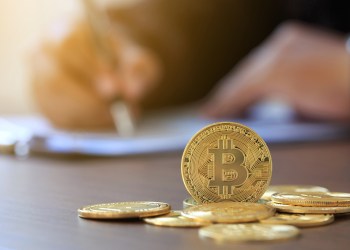
The Demise of Petro: A Microcosm of Venezuela's Failure

marsbitXuất bản vào 2026-01-04Cập nhật gần nhất vào 2026-01-04

Tóm tắt

Venezuela's Petro, the world's first state-backed cryptocurrency, was launched in 2018 by President Maduro as a desperate attempt to rescue the country from hyperinflation and U.S. sanctions. Pegged to the nation's oil reserves, it was promoted domestically and internationally as a tool to bypass the dollar-dominated financial system. However, the project faced immediate skepticism and failure. Citizens largely rejected it due to poor usability, technical glitches, and a fundamental lack of trust in the government. Externally, the U.S. swiftly banned its use. Technically, Petro was a centralized, government-controlled asset rather than a true cryptocurrency, with its value arbitrarily set and its promised oil backing widely questioned. The final blow came in 2023 with a massive corruption scandal involving top officials, who were accused of embezzling billions through oil sales and crypto schemes. By 2024, the project was terminated, and the regulatory body was dismantled. The demise of Petro is a stark symbol of Venezuela's deeper governance failures, economic mismanagement, and the futile attempt to use a technological shortcut to solve profound structural crises.

Author: Deep Tide TechFlow

On January 3, 2026, the U.S. military launched a "large-scale" strike against Venezuela, and President Maduro was swiftly arrested and transferred.

Some commented, "One who issued a Memecoin arrested the one who issued an RWA Token."
Indeed, that was the case.

On February 20, 2018, Venezuelan President Maduro announced in a televised address the issuance of the world's first digital currency backed by a sovereign state, the Petro (Petro).

At that time, Venezuela was mired in its worst economic crisis in history, with inflation soaring to nearly 1,000,000% (you read that right), the national currency Bolivar depreciating like waste paper, and severe U.S. sanctions further exacerbating the plight of this South American oil giant.

Maduro pinned his hopes on this digital currency as the last straw to save the nation.

However, in early 2024, when the Venezuelan government quietly terminated the operation of the Petro, the world did not even cast many surprised glances.

This digital symbol, once hailed as the "world's first sovereign cryptocurrency," had almost never truly "lived" during its brief existence. Its end was like the silent curtain fall of a noisy drama, drawing a conclusion to a magical realist story revolving around encryption technology, national sovereignty, and economic collapse.

The fate of the Petro reflects the comprehensive collapse of a nation's governance system.

Born from Ruins: The Emergence of the Petro

To understand the Petro, one must first understand Venezuela before its birth.

It was a nation scorched by hyperinflation, where the value of the old currency, the "Bolivar," evaporated by the hour, and people's lifelong savings vanished overnight. Meanwhile, severe financial sanctions from the United States, like an invisible noose, tightened around Venezuela's economic lifeline, almost cutting it off from the global financial system.

It was on this economic ruin that the Petro emerged, bearing an almost impossible "nation-saving" mission.

Its blueprint was grand and enticing.

First, the Petro would bypass the U.S.-dominated international financial system via blockchain, opening a new channel for financing and payments. Second, it was claimed that each Petro was backed by a barrel of real oil reserves, with 100 million Petros totaling a value of $60 billion.

In August 2018, Venezuela officially established the Petro as its second official currency, circulating in parallel with the already devastated Bolivar.

The Maduro government's efforts to promote the Petro were unprecedented.

Pensions for the elderly were distributed in Petro, and Christmas bonuses for civil servants and military personnel were also converted into this digital currency. Maduro even "airdropped" 0.5 Petro to the nation's retirees as a Christmas gift during a live television broadcast in late 2019.

Beyond forced domestic promotion, Venezuela also attempted to recruit more countries to use the Petro.

Time Magazine once爆料 that the Petro received Putin's personal approval, with Russia sending two advisors to participate in the project design. The Russian side promised to invest in the Petro and considered using this digital currency for bilateral trade settlements to jointly combat dollar hegemony.

Venezuela also tried to promote the Petro to member states of the Organization of the Petroleum Exporting Countries (OPEC), hoping to create a de-dollarized oil trade system. Oil Minister Quevedo publicly stated: "The Petro will become a settlement means accepted by all OPEC member states."

To get more people to use the Petro, the Maduro government transformed into a crypto project team, building complete infrastructure, providing detailed purchase tutorials on its official website, even developing four ecosystem apps, and authorizing six exchanges including Cave Blockchain and Bancar to publicly sell the Petro.

But reality soon dealt the Maduro government a heavy blow.

Public Apathy and Skepticism

The Venezuelan government's enthusiastic promotion met with collective public apathy.

Under Maduro's Facebook post announcing the Petro's issuance, the most liked comment read: "Unbelievable that someone still approves of this terrible government... They are destroying the whole country." Another popular comment said: "The government is used to making every stupid thing end in failure and then blaming other countries."

Venezuelan media personality Gonzalo's evaluation on Twitter was more pointed: "The Petro is the anesthetic of this failed state."

Disastrous user experience further exacerbated public distrust. Petro registration review was extremely strict, requiring uploads of ID card front and back, detailed address, phone number, and other information, but applications were often inexplicably rejected. Even if one managed to register successfully, the "Patria Wallet" system was frequently problematic and often unusable.

Worse was the payment experience. Many merchants reported Petro payment failures, forcing the government to admit system defects and provide compensation.

One Venezuelan woman said: "Here, we don't feel the existence of the Petro."

Externally, the U.S. government also delivered precise blows against the Petro.

In March 2018, just one month after the Petro's issuance, Trump signed an executive order completely prohibiting U.S. citizens from purchasing, holding, or trading the Petro. The Treasury Department's statement clearly stated that any transaction involving the Petro would be considered a violation of sanctions against Venezuela.

The scope of sanctions quickly expanded. In 2019, the U.S. placed the Moscow-based Evrofinance Mosnarbank on its sanctions list, citing the bank's provision of financing services for the Petro. The U.S. Treasury bluntly called "the Petro a failed project attempting to help Venezuela evade U.S. economic sanctions."

A Shitcoin Cloaked in Oil

The most fatal problem with the Petro was that it was untenable both technically and economically.

The soul of a true cryptocurrency lies in the trust brought by decentralization. The Petro, however, was a completely government-controlled centralized database.

For an ordinary Venezuelan, this meant the value of the Petro in their digital wallet was not determined by the market but could be arbitrarily changed by a presidential decree.

The Venezuelan government claimed that each Petro was backed by a barrel of oil from the Ayacucho region, specifically the town of Atapirire, with reserves of 5.3 billion barrels. But Reuters reporters visiting the site found dilapidated roads, rusting oil well equipment, the entire area overgrown with weeds, showing no signs of large-scale oil extraction.

Rafael Ramírez, the former Venezuelan oil minister in exile, estimated that extracting the promised 5.3 billion barrels would require at least $20 billion in investment, a sheer fantasy for a Venezuelan government that couldn't even import basic foodstuffs.

Ramírez bluntly stated: "The Petro was set as an arbitrary value; it only exists in the government's imagination."

Even more absurdly, the Venezuelan government later quietly modified the Petro's backing assets, changing from 100% oil backing to a mix of oil, gold, iron, and diamonds in proportions of 50%, 20%, 20%, and 10%.

This practice of随意修改 (arbitrarily modifying) the "white paper" is considered highly disreputable even in the crypto world.

Technical issues were equally severe. The Petro claimed to be based on blockchain technology, but its block explorer showed extremely abnormal data. The white paper stated the Petro should generate a block per minute like Dash, but the actual block interval was 15 minutes, and on-chain transaction records were almost zero.

Unlike the price fluctuations of truly decentralized digital currencies like Bitcoin, the Petro's price was completely controlled by the government. The exchange rate was arbitrarily adjusted from an initial 1 Petro for 3600 Bolivars, to 6000, and later to 9000.

Although the government announced the official price of the Petro was $60, on the black market in the capital Caracas, people could only exchange it for goods worth less than $10 or U.S. dollar cash—if they were lucky enough to find someone willing to accept it.

The Petro was essentially a control tool cloaked in blockchain attire.

The Final Blow: Internal Corruption

If the Petro's life was slowly withering away, the final straw that broke its back was a staggering internal corruption scandal.

On March 20, 2023, an "earthquake" shook Venezuelan politics.

Tareck El Aissami, a core member of the Maduro government and the Oil Minister, suddenly announced his resignation.

Days earlier, Venezuelan anti-corruption police had arrested his right-hand man, Joselit Ramírez Camacho, the head of the National Superintendency of Cryptoassets and Related Activities (SUNACRIP), the core agency responsible for regulating and operating the Petro.

As the investigation deepened, a massive fraud scheme involving billions of dollars came to light.

Attorney General Tarek William Saab disclosed that some senior government officials used the parallel operation of the cryptocurrency regulatory agency and oil companies to sign oil loading contracts "without any administrative control or guarantees." The corresponding payments from oil sales were not paid to the state oil company but were transferred to private pockets via cryptocurrency.

The investigation revealed that this corruption network involved amounts between $3 billion and $20 billion, with these embezzled funds used to purchase real estate, digital currencies, and cryptocurrency mining farms.

In April 2024, Oil Minister El Aissami was arrested, facing multiple charges including treason, money laundering, and criminal association. Over 54 people were prosecuted for allegedly participating in this corruption scheme.

This corruption scandal dealt a devastating blow to Venezuela's cryptocurrency industry. SUNACRIP was forced to suspend operations, and the government subsequently launched a nationwide anti-mining campaign, confiscating over 11,000 ASIC miners and disconnecting all cryptocurrency mining farms from the national grid.

By 2024, the government halted Petro transactions, demanded a nationwide halt to cryptocurrency mining, and shut down all authorized cryptocurrency exchanges. An industry once vigorously promoted by the government completely collapsed under the impact of the corruption scandal.

The Petro experiment failed completely, not vanquished by Washington's禁令 (ban), but dead from its own rot.

A tool designed to combat external sanctions ultimately became a tool for corrupt officials to launder money.

A Microcosm of National Failure

The failure trajectory of the Petro almost replicates the failure logic of Venezuela's national governance.

It was a "treating the head for a foot ailment" type of policy. Facing deep-seated economic structural problems, the government chose to create a flashy gimmick, attempting to掩盖 (cover up) the real economic rot with a digital illusion. It was like facing a building tilting due to a collapsing foundation, and the manager just paints a bright coat of paint on the exterior wall.

The Maduro government tried to solve institutional problems through technical means, which itself was a mistaken approach. The value foundation of a digital currency remains the credit of the issuing entity. In a country with inflation reaching millions of percent, where basic living supplies cannot be guaranteed, what credibility does the government have left? How could the populace, who don't even trust the traditional currency issued by the government, possibly accept a brand new digital currency concept?

The Petro instead consumed the last remnants of government credibility.

Imagine this scene: a retired teacher, her life savings already devoured by inflation, now receives her monthly pension强制换成 (forcibly converted into) Petro. She takes her phone, goes from store to store, and the answer is always gets is "we don't accept this," or "the system is broken."

The root of Venezuela's economic problems is a fundamental defect in its economic structure. Venezuela suffers from the typical "Dutch disease," where over-reliance on oil exports led to the decline of manufacturing and an extremely单一 (monolithic) economic structure. When oil prices fell, the entire national economy collapsed. The Petro attempted to use oil as an anchor, but this恰恰 (precisely) intensified the economy's dependence on oil without solving the structural problems.

In practice, the Venezuelan government lacked the basic technical and operational capacity to implement a blockchain project, and the project was riddled with flaws from the start. From abnormal block data to payment system failures, to the arbitrariness of the price mechanism, every detail exposed its amateurish level, even worse than a Shenzhen外包工作室 (outsourcing studio).

Today, the Petro has completely disappeared into the dust of history. Maduro's "nation-saving experiment" ended in miserable failure. Venezuela remains mired in the quagmire, its people continuing to suffer in the fires of inflation.

The real way out for this country clearly does not lie in finding the next digital shortcut like the "Petro," but in mustering the courage to face reality, return to common sense, and initiate the long-overdue yet extremely difficult real transformation.

Câu hỏi Liên quan

QWhat was the Petro (Petromoneda) and why was it created by the Venezuelan government?

AThe Petro was a state-backed cryptocurrency launched by President Maduro in 2018. It was created to circumvent U.S.-led financial sanctions, attract foreign investment, and combat hyperinflation that had rendered the national currency, the Bolivar, nearly worthless. The government claimed each token was backed by a barrel of Venezuelan oil.

QWhat were the major reasons for the failure of the Petro cryptocurrency?

AThe Petro failed due to a combination of factors: widespread public skepticism and refusal to use it, technical failures and poor user experience, devastating U.S. sanctions prohibiting its trade, a lack of true decentralization (making it a government-controlled tool), and the revelation that its promised oil reserves were not credible. Ultimately, a massive internal corruption scandal involving the very officials running it delivered the final blow.

QHow did the United States government respond to the launch of the Petro?

AThe U.S. government responded swiftly and harshly. Just one month after the Petro's launch in March 2018, President Trump signed an executive order banning U.S. citizens and entities from any transactions involving the Petro, framing it as an attempt to evade economic sanctions on Venezuela.

QWhat was the 'Aissami corruption scandal' and how did it impact the Petro?

AThe Aissami scandal involved high-level government officials, including Oil Minister Tareck El Aissami and the head of the crypto regulatory body SUNACRIP, who were accused of orchestrating a massive corruption scheme. They allegedly sold oil under fraudulent contracts and laundered the proceeds (estimated between $3-20 billion) through cryptocurrencies. This scandal led to the arrest of officials, the shutdown of SUNACRIP, and was the final event that caused the government to terminate the Petro project.

QAccording to the article, what does the failure of the Petro represent in the broader context of Venezuela's crisis?

AThe failure of the Petro is a microcosm of Venezuela's broader state failure. It represents a government attempting to use a technological gimmick to solve deep-rooted structural problems like hyperinflation, economic mismanagement, and over-reliance on oil, rather than addressing the core issues. The project further eroded public trust, exposed rampant corruption, and highlighted the regime's inability to implement effective solutions, ultimately reflecting a fundamental collapse in governance.

Nội dung Liên quan

Polymarket Bị Kẹt: Bài Kiểm Tra Thực Sự Sau Khi Vượt Qua Giai Đoạn Lưu Lượng Tăng Đột Biến

Polymarket, nền tảng dự đoán thị trường hàng đầu, đang đối mặt với thách thức lớn khi trải nghiệm giao dịch xuống cấp do hạ tầng không theo kịp đà tăng trưởng. Phó chủ tịch kỹ thuật Josh Stevens thừa nhận vấn đề và công bố kế hoạch cải tổ toàn diện, bao gồm: giảm độ trễ dữ liệu, sửa lỗi hủy lệnh, xây dựng lại hệ thống order book (CLOB), nâng cao hiệu suất website, và quan trọng nhất là di chuyển chain (chain migration). Nguyên nhân sâu xa nằm ở việc Polymarket không còn là ứng dụng dự đoán đơn thuần mà đã phát triển thành một nền tảng giao dịch tần suất cao. Polygon, từng là lựa chọn chi phí thấp hoàn hảo, giờ đây trở thành rào cản kỹ thuật. Động thái này ngay lập tức thu hút sự quan tâm của các blockchain khác như Solana, Sui, Algorand... trong khi Polygon nỗ lực giữ chân ứng dụng quan trọng này - nguồn đóng góp phí giao dịch đáng kể cho hệ sinh thái của họ. Bài kiểm tra thực sự của Polymarket không chỉ là chọn chain mới, mà là xây dựng một hệ thống giao dịch đủ mạnh và ổn định để giữ chân người dùng trong giai đoạn tăng trưởng mới, nơi độ tin cậy quan trọng hơn bao giờ hết.

Odaily星球日报04/27 03:21

Polymarket Bị Kẹt: Bài Kiểm Tra Thực Sự Sau Khi Vượt Qua Giai Đoạn Lưu Lượng Tăng Đột Biến

Odaily星球日报04/27 03:21

Điều chỉnh kỳ vọng giảm cho chu kỳ tăng giá tiếp theo của BTC

Tác giả Alex Xu, một nhà đầu tư Bitcoin lâu năm, đã chia sẻ quyết định giảm dần tỷ trọng BTC trong danh mục đầu tư của mình, từ vị thế lớn nhất xuống còn khoảng 30%, và giải thích lý do cho việc điều chỉnh kỳ vọng về đỉnh giá trong chu kỳ bull market tiếp theo. Các lý do chính bao gồm: 1. **Năng lượng tăng trưởng tiềm năng giảm:** Các chu kỳ trước được thúc đẩy bởi việc mở rộng đối tượng đầu tư theo cấp số nhân (từ cá nhân đến tổ chức). Chu kỳ tới cần sự chấp nhận từ các quỹ đầu tư quốc gia hoặc ngân hàng trung ương, điều này khó xảy ra trong 2-3 năm tới. 2. **Chi phí cơ hội cá nhân:** Tìm thấy nhiều cơ hội đầu tư hấp dẫn khác (cổ phiếu công ty) với mức giá hợp lý. 3. **Tác động tiêu cực từ sự thu hẹp của ngành crypto:** Nhiều mô hình Web3 (SocialFi, GameFi...) không thành công, dẫn đến sự thu hẹp của toàn ngành và làm chậm tốc độ tăng trưởng số người nắm giữ BTC. 4. **Áp lực từ nhà mua lớn nhất (MicroStrategy):** Chi phí huy động vốn của MicroStrategy tiếp tục tăng cao (lãi suất 11.5%), có thể làm giảm tốc độ mua vào và gây áp lực bán. 5. **Sự cạnh tranh từ Vàng được token hóa:** Sản phẩm vàng token hóa (tokenized gold) đã thu hẹp khoảng cách về tính dễ chia nhỏ, dễ mang theo và dễ xác minh so với BTC. 6. **Vấn đề ngân sách bảo mật:** Phần thưởng khối giảm sau mỗi lần halving làm trầm trọng thêm vấn đề ngân sách cho bảo mật mạng lưới. Tác giả vẫn giữ một phần BTC đáng kể và sẵn sàng mua lại nếu các lý kiến trên được giải quyết hoặc xuất hiện các yếu tố tích cực mới, với điều kiện giá cả phù hợp.

marsbit04/27 02:46

Điều chỉnh kỳ vọng giảm cho chu kỳ tăng giá tiếp theo của BTC

marsbit04/27 02:46

Giao dịch

Giao ngay
Hợp đồng Tương lai

Bài viết Nổi bật

AGENT S là gì

Agent S: Tương Lai của Tương Tác Tự Động trong Web3 Giới thiệu Trong bối cảnh không ngừng phát triển của Web3 và tiền điện tử, các đổi mới đang liên tục định nghĩa lại cách mà cá nhân tương tác với các nền tảng kỹ thuật số. Một dự án tiên phong như vậy, Agent S, hứa hẹn sẽ cách mạng hóa tương tác giữa con người và máy tính thông qua khung tác nhân mở của nó. Bằng cách mở đường cho các tương tác tự động, Agent S nhằm đơn giản hóa các nhiệm vụ phức tạp, cung cấp các ứng dụng chuyển đổi trong trí tuệ nhân tạo (AI). Cuộc khám phá chi tiết này sẽ đi sâu vào những phức tạp của dự án, các tính năng độc đáo của nó và những tác động đối với lĩnh vực tiền điện tử. Agent S là gì? Agent S đứng vững như một khung tác nhân mở đột phá, được thiết kế đặc biệt để giải quyết ba thách thức cơ bản trong việc tự động hóa các nhiệm vụ máy tính: Thu thập Kiến thức Cụ thể theo Miền: Khung này học một cách thông minh từ nhiều nguồn kiến thức bên ngoài và kinh nghiệm nội bộ. Cách tiếp cận kép này giúp nó xây dựng một kho lưu trữ phong phú về kiến thức cụ thể theo miền, nâng cao hiệu suất của nó trong việc thực hiện nhiệm vụ. Lập Kế Hoạch Qua Các Tầm Nhìn Nhiệm Vụ Dài Hạn: Agent S sử dụng lập kế hoạch phân cấp tăng cường kinh nghiệm, một cách tiếp cận chiến lược giúp phân chia và thực hiện các nhiệm vụ phức tạp một cách hiệu quả. Tính năng này nâng cao đáng kể khả năng quản lý nhiều nhiệm vụ con một cách hiệu quả và hiệu suất. Xử Lý Các Giao Diện Động, Không Đều: Dự án giới thiệu Giao Diện Tác Nhân-Máy Tính (ACI), một giải pháp đổi mới giúp nâng cao tương tác giữa các tác nhân và người dùng. Sử dụng các Mô Hình Ngôn Ngữ Lớn Đa Phương Thức (MLLMs), Agent S có thể điều hướng và thao tác các giao diện người dùng đồ họa đa dạng một cách liền mạch. Thông qua những tính năng tiên phong này, Agent S cung cấp một khung vững chắc giải quyết các phức tạp liên quan đến việc tự động hóa tương tác giữa con người với máy móc, mở ra nhiều ứng dụng trong AI và hơn thế nữa. Ai là Người Tạo ra Agent S? Mặc dù khái niệm về Agent S là hoàn toàn đổi mới, thông tin cụ thể về người sáng lập vẫn còn mơ hồ. Người sáng lập hiện vẫn chưa được biết đến, điều này làm nổi bật giai đoạn sơ khai của dự án hoặc sự lựa chọn chiến lược để giữ kín các thành viên sáng lập. Bất chấp sự ẩn danh, sự chú ý vẫn tập trung vào khả năng và tiềm năng của khung này. Ai là Các Nhà Đầu Tư của Agent S? Vì Agent S còn tương đối mới trong hệ sinh thái mã hóa, thông tin chi tiết về các nhà đầu tư và những người tài trợ tài chính của nó không được ghi chép rõ ràng. Sự thiếu vắng thông tin công khai về các nền tảng đầu tư hoặc tổ chức hỗ trợ dự án dấy lên câu hỏi về cấu trúc tài trợ và lộ trình phát triển của nó. Hiểu biết về sự hỗ trợ là rất quan trọng để đánh giá tính bền vững và tác động tiềm năng của dự án. Agent S Hoạt Động Như Thế Nào? Tại cốt lõi của Agent S là công nghệ tiên tiến cho phép nó hoạt động hiệu quả trong nhiều bối cảnh khác nhau. Mô hình hoạt động của nó được xây dựng xung quanh một số tính năng chính: Tương Tác Giống Như Con Người: Khung này cung cấp lập kế hoạch AI tiên tiến, cố gắng làm cho các tương tác với máy tính trở nên trực quan hơn. Bằng cách bắt chước hành vi của con người trong việc thực hiện nhiệm vụ, nó hứa hẹn nâng cao trải nghiệm người dùng. Ký Ức Tường Thuật: Được sử dụng để tận dụng các trải nghiệm cấp cao, Agent S sử dụng ký ức tường thuật để theo dõi lịch sử nhiệm vụ, từ đó nâng cao quy trình ra quyết định của nó. Ký Ức Tình Huống: Tính năng này cung cấp cho người dùng hướng dẫn từng bước, cho phép khung này cung cấp hỗ trợ theo ngữ cảnh khi các nhiệm vụ diễn ra. Hỗ Trợ OpenACI: Với khả năng chạy cục bộ, Agent S cho phép người dùng duy trì quyền kiểm soát đối với các tương tác và quy trình làm việc của họ, phù hợp với tinh thần phi tập trung của Web3. Tích Hợp Dễ Dàng với Các API Bên Ngoài: Tính linh hoạt và khả năng tương thích với nhiều nền tảng AI khác nhau đảm bảo rằng Agent S có thể hòa nhập liền mạch vào các hệ sinh thái công nghệ hiện có, làm cho nó trở thành lựa chọn hấp dẫn cho các nhà phát triển và tổ chức. Những chức năng này cùng nhau góp phần vào vị trí độc đáo của Agent S trong không gian tiền điện tử, khi nó tự động hóa các nhiệm vụ phức tạp, nhiều bước với sự can thiệp tối thiểu của con người. Khi dự án phát triển, các ứng dụng tiềm năng của nó trong Web3 có thể định nghĩa lại cách mà các tương tác kỹ thuật số diễn ra. Thời Gian Phát Triển của Agent S Sự phát triển và các cột mốc của Agent S có thể được tóm tắt trong một dòng thời gian nêu bật các sự kiện quan trọng của nó: 27 tháng 9, 2024: Khái niệm về Agent S được ra mắt trong một bài nghiên cứu toàn diện mang tên “Một Khung Tác Nhân Mở Sử Dụng Máy Tính Như Một Con Người,” trình bày nền tảng cho dự án. 10 tháng 10, 2024: Bài nghiên cứu được công bố công khai trên arXiv, cung cấp một cái nhìn sâu sắc về khung và đánh giá hiệu suất của nó dựa trên tiêu chuẩn OSWorld. 12 tháng 10, 2024: Một video trình bày được phát hành, cung cấp cái nhìn trực quan về khả năng và tính năng của Agent S, thu hút thêm sự quan tâm từ người dùng và nhà đầu tư tiềm năng. Những dấu mốc trong dòng thời gian không chỉ minh họa sự tiến bộ của Agent S mà còn chỉ ra cam kết của nó đối với sự minh bạch và sự tham gia của cộng đồng. Những Điểm Chính Về Agent S Khi khung Agent S tiếp tục phát triển, một số thuộc tính chính nổi bật, nhấn mạnh tính đổi mới và tiềm năng của nó: Khung Đổi Mới: Được thiết kế để cung cấp cách sử dụng máy tính trực quan giống như tương tác của con người, Agent S mang đến một cách tiếp cận mới cho việc tự động hóa nhiệm vụ. Tương Tác Tự Động: Khả năng tương tác tự động với máy tính thông qua GUI đánh dấu một bước tiến tới các giải pháp tính toán thông minh và hiệu quả hơn. Tự Động Hóa Nhiệm Vụ Phức Tạp: Với phương pháp mạnh mẽ của nó, nó có thể tự động hóa các nhiệm vụ phức tạp, nhiều bước, làm cho các quy trình nhanh hơn và ít sai sót hơn. Cải Tiến Liên Tục: Các cơ chế học tập cho phép Agent S cải thiện từ các trải nghiệm trước đó, liên tục nâng cao hiệu suất và hiệu quả của nó. Tính Linh Hoạt: Khả năng thích ứng của nó trên các môi trường hoạt động khác nhau như OSWorld và WindowsAgentArena đảm bảo rằng nó có thể phục vụ một loạt các ứng dụng rộng rãi. Khi Agent S định vị mình trong bối cảnh Web3 và tiền điện tử, tiềm năng của nó để nâng cao khả năng tương tác và tự động hóa quy trình đánh dấu một bước tiến quan trọng trong công nghệ AI. Thông qua khung đổi mới của mình, Agent S minh họa cho tương lai của các tương tác kỹ thuật số, hứa hẹn một trải nghiệm liền mạch và hiệu quả hơn cho người dùng trên nhiều ngành công nghiệp khác nhau. Kết luận Agent S đại diện cho một bước nhảy vọt táo bạo trong sự kết hợp giữa AI và Web3, với khả năng định nghĩa lại cách chúng ta tương tác với công nghệ. Mặc dù vẫn còn ở giai đoạn đầu, những khả năng cho ứng dụng của nó là rộng lớn và hấp dẫn. Thông qua khung toàn diện của mình giải quyết các thách thức quan trọng, Agent S nhằm đưa các tương tác tự động lên hàng đầu trong trải nghiệm kỹ thuật số. Khi chúng ta tiến sâu hơn vào các lĩnh vực tiền điện tử và phi tập trung, các dự án như Agent S chắc chắn sẽ đóng một vai trò quan trọng trong việc định hình tương lai của công nghệ và sự hợp tác giữa con người với máy tính.

Tổng lượt xem 678Xuất bản vào 2025.01.14Cập nhật vào 2025.01.14

AGENT S là gì

Làm thế nào để Mua S

Chào mừng bạn đến với HTX.com! Chúng tôi đã làm cho mua Sonic (S) trở nên đơn giản và thuận tiện. Làm theo hướng dẫn từng bước của chúng tôi để bắt đầu hành trình tiền kỹ thuật số của bạn.Bước 1: Tạo Tài khoản HTX của BạnSử dụng email hoặc số điện thoại của bạn để đăng ký tài khoản miễn phí trên HTX. Trải nghiệm hành trình đăng ký không rắc rối và mở khóa tất cả tính năng. Nhận Tài khoản của tôiBước 2: Truy cập Mua Crypto và Chọn Phương thức Thanh toán của BạnThẻ Tín dụng/Ghi nợ: Sử dụng Visa hoặc Mastercard của bạn để mua Sonic (S) ngay lập tức.Số dư: Sử dụng tiền từ số dư tài khoản HTX của bạn để giao dịch liền mạch.Bên thứ ba: Chúng tôi đã thêm những phương thức thanh toán phổ biến như Google Pay và Apple Pay để nâng cao sự tiện lợi.P2P: Giao dịch trực tiếp với người dùng khác trên HTX.Thị trường mua bán phi tập trung (OTC): Chúng tôi cung cấp những dịch vụ được thiết kế riêng và tỷ giá hối đoái cạnh tranh cho nhà giao dịch.Bước 3: Lưu trữ Sonic (S) của BạnSau khi mua Sonic (S), lưu trữ trong tài khoản HTX của bạn. Ngoài ra, bạn có thể gửi đi nơi khác qua chuyển khoản blockchain hoặc sử dụng để giao dịch những tiền kỹ thuật số khác.Bước 4: Giao dịch Sonic (S)Giao dịch Sonic (S) dễ dàng trên thị trường giao ngay của HTX. Chỉ cần truy cập vào tài khoản của bạn, chọn cặp giao dịch, thực hiện giao dịch và theo dõi trong thời gian thực. Chúng tôi cung cấp trải nghiệm thân thiện với người dùng cho cả người mới bắt đầu và người giao dịch dày dạn kinh nghiệm.

Tổng lượt xem 1.4kXuất bản vào 2025.01.15Cập nhật vào 2025.03.21

Làm thế nào để Mua S

Thảo luận

Chào mừng đến với Cộng đồng HTX. Tại đây, bạn có thể được thông báo về những phát triển nền tảng mới nhất và có quyền truy cập vào thông tin chuyên sâu về thị trường. Ý kiến ​​của người dùng về giá của S (S) được trình bày dưới đây.

活动图片