Farewell to the 'Casino' Mindset: The Next Wave of Crypto Applications Should Aim for Mass Adoption

marsbitXuất bản vào 2026-03-05Cập nhật gần nhất vào 2026-03-05

Tóm tắt

The article argues that by 2026, the crypto industry will shift from being a speculative casino to providing "crypto as a service," focusing on mass adoption by solving real-world problems while making the underlying blockchain technology invisible to users. Key trends include crypto's structural advantage of 24/7 market operation, Asia's growing role in areas like cross-border stablecoin payments and asset tokenization, and the rise of practical applications. Examples include Novig, which uses a decentralized order book to improve sports betting odds; Based, a consumer super app that abstracts away complex blockchain interactions; and Doppler, an infrastructure for secure asset issuance. The core advice for builders is to prioritize solving customer problems over showcasing technology, as true adoption occurs when the tech becomes so seamless that users don't notice it.

Author: Paul Veradittakit

Compiled by: AididiaoJP, Foresight News

2026 will be a pivotal year. We will witness the complete transformation of "crypto as an industry" into "crypto as a service".

The past decade in the crypto world has been filled with various gimmicks. The approval of the Bitcoin ETF in 2024 gained it recognition from mainstream finance. In 2025, everyone focused on building out the underlying infrastructure. By 2026, the real value will belong to those companies that leverage blockchain to solve long-standing problems in traditional industries while making users to be completely unaware of the blockchain's presence.

The future crypto unicorns will not be built on hype. They will be the kind of companies that use blockchain technology to improve product efficiency by an order of magnitude, thereby leveraging trillion-dollar markets, and completely hiding the complex technology.

Crypto Technology Won the 'Weekend'

When the Iran conflict broke out, the U.S. stock market was closed for the weekend and couldn't react to the sudden global risk. But the crypto market didn't stop; Bitcoin once rose to $74,000. Commodities completed price discovery first on the decentralized prediction market Hyperliquid, even before the traditional market opened. This is not an isolated incident—the same thing happened last month when China introduced new policies.

Traditional hedge funds are increasingly flooding into this space. The crypto market's "24/7 non-stop" operation is no longer just a slogan, but a structural advantage that traditional finance cannot match.

Nevertheless, the current valuation of the crypto market is still far below the level it should be based on its fundamentals. There's no doubt we are in another bear market (this is the fourth one I've experienced), but this time it's completely different: regulations are gradually becoming clearer, institutional funds have entered the market, and the infrastructure is increasingly mature.

This feeling was particularly strong at the recent Hong Kong Consensus conference. The vitality of the Asian market contrasted sharply with the West. There, support from bipartisan governments, newly entered institutional funds, and a focus on consumer-facing applications are all driving strong bullish sentiment.

What to watch in Asia in 2026:

  • Cross-border payments via stablecoins, especially in the B2B sector. For Asia's relatively fragmented economic systems, crypto payments are a natural choice.
  • Tokenization of gold, stocks, and real estate. Asian banks and fintech companies are catching up with the pace set in the U.S.
  • Perpetual contract trading on DeFi. Driven by retail investors, development speed may surpass that of the West.
  • Prediction markets are expected to become an important track, although their form may differ from that in the West.

Core Trend: 'Crypto as a Service'

The core theme for 2026 is the shift from "crypto as an industry" to "crypto as a service". The goal is no longer to make users see the blockchain, but to make them completely forget its existence.

For over a decade, we have been keen on building "crypto spectacles"—Gas fee wars, TPS competitions, modular stacks, ZK proofs. The 2024 ETF was a vote of approval from mainstream institutions. In 2025, we laid all the underlying infrastructure. In 2026, it's time to turn around.

Farewell to the 'Casino' Era

The new generation of unicorns will not be those "L3 networks built for AI-NFTs". They will be the companies that use blockchain to improve product efficiency tenfold, completely hide the technology, and thereby leverage trillion-dollar markets.

This exactly explains our recent investment logic:
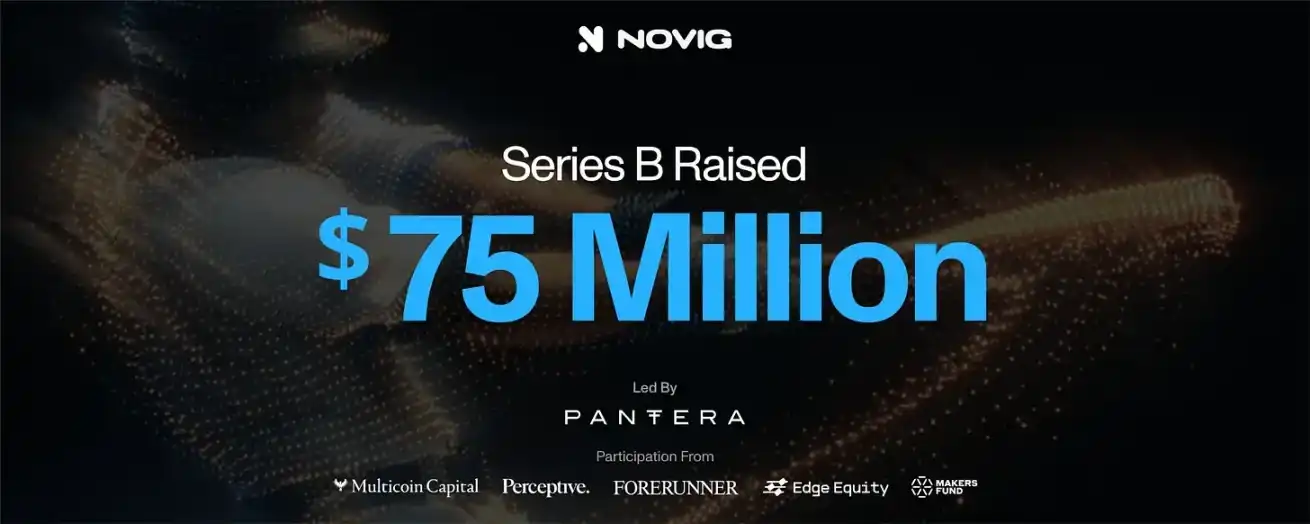
Novig: Farewell to the 'Vig' Era ($75 Million Series B)

Traditional sports betting is a monopolistic,畸形 (distorted/j畸形的 - likely meant 'distorted' or 'dysfunctional') market. Bookies take high commissions from every bet, resulting in a miserable user win rate of only 2%. We led Novig's $75 million round because they treat sports betting as a high-frequency financial product. Through a peer-to-peer trading model, Novig users achieve an average win rate of 23%. Most users don't care at all whether a decentralized order book is used in the backend; they just know they get the best odds in the US here. This is a vivid case of "crypto as a service".
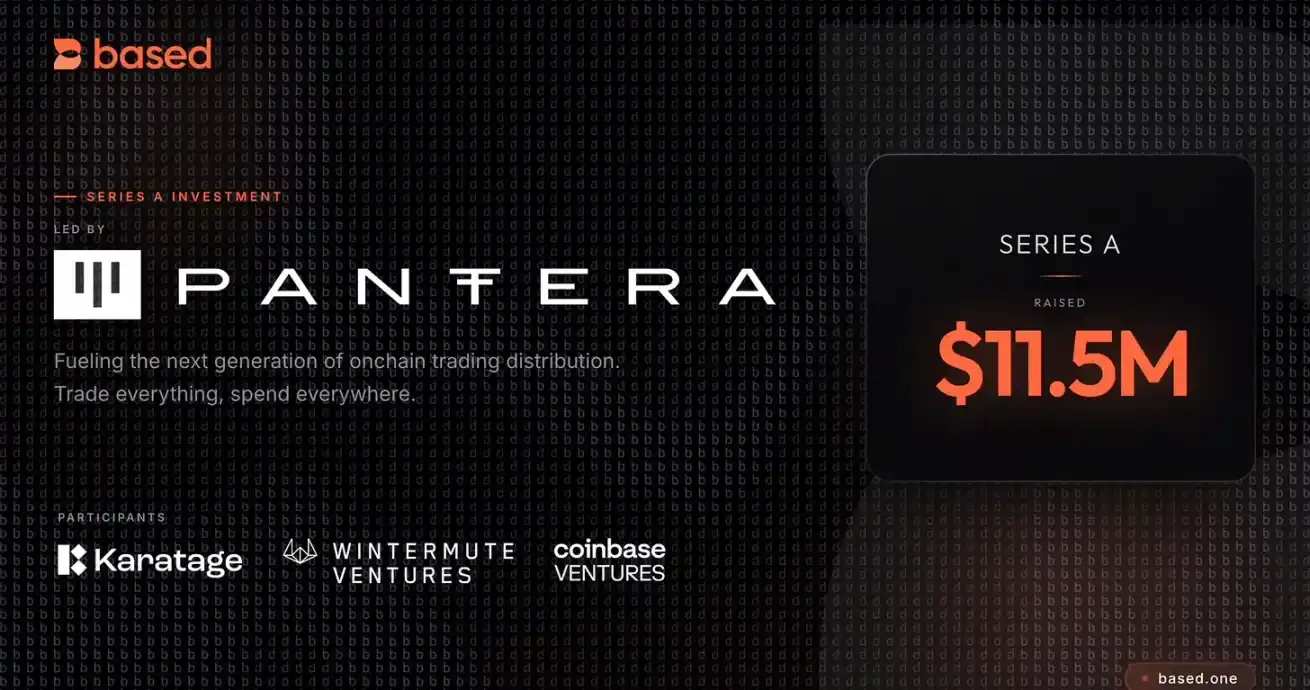
Based: Consumer-Grade Super App ($11.5 Million Series A)

We recently led the Series A funding for Based. This is a composable Web3 consumer-grade super app built on the Hyperliquid ecosystem. "Consumer-grade crypto" was often equated with "clunky experience". Based is changing that; it makes the on-chain interaction experience as smooth and seamless as a top-tier fintech app. Complex operations like cross-chain bridging and Gas fees are abstracted away; users are completely unaware. They only need to focus on the social and financial value brought by the assets.
Doppler: The Default Asset Issuance Infrastructure ($9 Million Seed Round)

If Based and Novig are cool new cars, then Doppler is the high-performance fuel system. We led Doppler's $9 million seed round, aiming for it to become the default infrastructure for on-chain asset issuance. It allows developers to issue assets with institutional-grade security and compliance standards without having to build all the underlying technology from scratch. Doppler is like the Stripe for on-chain assets—pure utility, all encapsulated behind a simple API.

Why 'Invisibility' is More Important Than 'Virality'

This trend of "invisibilization" also runs through our entire investment portfolio:

  • Real World Assets (RWA): Tokenized treasury bonds are no longer an experiment in the crypto world; they are becoming the backend liquidity cornerstone for global trade.
  • AI Agents: Blockchain provides a trusted "truth layer" for AI agents through prediction markets and verifiable data, enabling them to autonomously and trustworthily interact with digital assets.
  • Agent payments will accelerate all this. Payment standards like x402 allow AI agents to directly complete transactions using crypto assets. The gradual clarification of stablecoin regulations is making this payment轨道 (track/rail - likely meant 'rail') smoother.

Advice for Entrepreneurs

If you are planning to start a business in 2026, my advice is simple: Stop talking so much about the technology, and talk more about what practical problems you can solve. If the slide in your funding presentation about the consensus mechanism comes before the one about customer return rates, it means your thinking is still stuck in 2022.

We are looking for teams that are building the next Novig, Based, or Doppler—those who truly understand what "mass adoption" means: when a technology becomes so seamless that people completely ignore its existence, it has truly entered millions of households.


Câu hỏi Liên quan

QWhat is the core theme for the crypto industry in 2026 according to the article?

AThe core theme for 2026 is the shift from 'crypto as an industry' to 'crypto as a service', where the goal is to solve real-world problems using blockchain technology while making it completely invisible to the end-user.

QWhat structural advantage does the crypto market have over traditional finance, as highlighted in the article?

AThe crypto market operates 24/7, which is a structural advantage over traditional finance that closes on weekends, allowing it to react to global events and complete price discovery without interruption.

QName one of the companies mentioned as an example of 'crypto as a service' and explain its approach.

ANovig is mentioned as an example. It treats sports betting as a high-frequency financial product using a peer-to-peer trading model, which increases user profitability to 23% compared to the traditional 2%, without users needing to know about the decentralized order book technology behind it.

QWhat are some key areas of focus for the Asian crypto market in 2026, as per the article?

AKey areas for Asia include cross-border payments via stablecoins (especially in B2B), tokenization of assets like gold and real estate, perpetual contract trading on DeFi driven by retail investors, and the potential growth of prediction markets.

QWhat advice does the article give to entrepreneurs looking to start a crypto business in 2026?

AThe advice is to focus on solving real-world problems rather than emphasizing the technology itself. If the pitch deck discusses consensus mechanisms before customer ROI, it's considered a mindset from 2022. The goal should be massive adoption through seamless, invisible technology integration.

Nội dung Liên quan

Nhà Phân Tích Dự Đoán Đỉnh Và Đáy Bitcoin Tiết Lộ Thời Điểm Giá Bắt Đầu Tăng Trở Lại

Sau khi Bitcoin (BTC) phục hồi vượt 82.000 USD rồi bị từ chối, giá đã giảm mạnh. Nhà phân tích thị trường crypto Kabuki, người tự nhận đã dự đoán đỉnh giá trước đó và đáy thị trường gấu năm 2022, cảnh báo rằng Bitcoin vẫn chưa chạm đáy chu kỳ này. Ông dự báo giá sẽ lao dốc không ngừng xuống vùng 40.000 USD, mức đáy cuối cùng của chu kỳ, trước khi có thể bắt đầu tăng trở lại. Kabuki cho rằng cấu trúc giá hiện tại phản ánh một mô hình zigzag giảm, với đợt phục hồi gần đây chỉ là một "bẫy tăng" (bull trap) khác. Ông vạch ra lộ trình giảm giá dự kiến: từ khoảng 79.000 USD xuống 61.000 USD, sau đó xuống 47.000 USD (mất hơn 40%), rồi hồi phục ngắn hạn lên 55.000 USD trước khi lao dốc lần cuối về 41.000 USD. Thời gian dự kiến cho đợt giảm sâu về 40.000 USD là vào khoảng tháng 6 năm 2026. Một chuyên gia khác, Chiefy, cũng đồng tình, nhận định Bitcoin đang mắc kẹt trong "bẫy tăng" cuối cùng và dài nhất của chu kỳ thị trường gấu hiện tại. Ông dự báo đợt điều chỉnh thực sự có thể bắt đầu từ tuần tới, với khả năng Bitcoin giảm xuống 51.000 USD trong vòng 12 ngày tính từ ngày 17 tháng 5.

bitcoinist5 phút trước

Nhà Phân Tích Dự Đoán Đỉnh Và Đáy Bitcoin Tiết Lộ Thời Điểm Giá Bắt Đầu Tăng Trở Lại

bitcoinist5 phút trước

Kỷ nguyên AI, làm thế nào để không còn 'bàn giao từ con số 0' khi nhập ngũ

Tóm tắt: Trong kỷ nguyên AI, vấn đề lớn nhất khi nhân viên mới gia nhập công ty không phải là "có nên dùng AI" mà là làm sao để họ và các công cụ AI có thể nhanh chóng hiểu được ngữ cảnh (context) phức tạp của tổ chức. Bài viết chia sẻ hành trình 100 ngày của tác giả tại Ramp, nơi ông xây dựng một "bộ não công ty" - một hệ thống kiến ​​thức tập trung, tự động cập nhật. Hệ thống này, được xây dựng xung quanh một kho kiến thức (sử dụng Obsidian và Claude), tự động thu thập và tổng hợp mọi tín hiệu nội bộ: bản ghi cuộc họp, thảo luận Slack, tài liệu, phản hồi khách hàng và quyết định sản phẩm. Trên nền tảng này, các "kỹ năng" AI cụ thể (agent) có thể được triển khai để xử lý các công việc như lập chương trình nghị sự hay tóm tắt báo cáo. Bài viết chỉ ra rằng giá trị thực của AI trong doanh nghiệp không nằm ở số lượng agent riêng lẻ, mà ở khả năng xây dựng một "lớp ngữ cảnh" đáng tin cậy, có thể đọc và tái sử dụng được. Đây là cơ sở hạ tầng khiến mọi khoản đầu tư vào AI thực sự sinh lời. Khi mọi nhân viên mới, mọi agent và thậm chí khách hàng đều có thể truy cập và bắt đầu từ cùng một bộ não tập thể này, quá trình hòa nhập (onboarding/ramp-up) sẽ không còn là một trở ngại tốn thời gian nữa.

marsbit1 giờ trước

Kỷ nguyên AI, làm thế nào để không còn 'bàn giao từ con số 0' khi nhập ngũ

marsbit1 giờ trước

Chiến Lược Công Ty Kho Bạc Bitcoin Lên Kế Hoạch Mua Lại 1,5 Tỷ Đô La Trái Phiếu Chuyển Đổi — Chi Tiết

Công ty quỹ Bitcoin Strategy (trước đây là MicroStrategy) đã công bố kế hoạch mua lại 1,5 tỷ USD trái phiếu chuyển đổi đáo hạn năm 2029. Động thái này được thực hiện thông qua các giao dịch thương lượng riêng với chủ sở hữu trái phiếu, với giá mua lại ước tính khoảng 1,38 tỷ USD bằng tiền mặt. Công ty cho biết sẽ sử dụng tiền mặt sẵn có, nguồn thu từ chương trình chào bán chứng khoán và/hoặc nguồn thu từ việc bán Bitcoin để tài trợ cho việc mua lại này. Điều này làm dấy lên câu hỏi liệu Strategy có bán Bitcoin để thực hiện giao dịch hay không, đặc biệt sau khi CEO Phong Le gần đây đề cập đến các kịch bản có thể bán BTC để gia tăng giá trị cổ đông. Việc mua lại nợ có thể có lợi cho cổ đông bằng cách giảm nguy cơ pha loãng cổ phiếu và tái cơ cấu bảng cân đối kế toán. Thông báo này được đưa ra ngay sau khi cổ phiếu ưu đãi STRC của Strategy ghi nhận khối lượng giao dịch kỷ lục 1,53 tỷ USD vào ngày 14/5, một công cụ gây quỹ chính để mua Bitcoin. Hiện Strategy vẫn là tổ chức nắm giữ Bitcoin lớn nhất với 818.869 BTC, trị giá khoảng 66 tỷ USD.

bitcoinist2 giờ trước

Chiến Lược Công Ty Kho Bạc Bitcoin Lên Kế Hoạch Mua Lại 1,5 Tỷ Đô La Trái Phiếu Chuyển Đổi — Chi Tiết

bitcoinist2 giờ trước

Giao dịch

Giao ngay
Hợp đồng Tương lai
活动图片




