After the Tide Recedes, How Many Truly Resilient Crypto Projects Remain?

比推Xuất bản vào 2026-02-05Cập nhật gần nhất vào 2026-02-05

Tóm tắt

Title: After the Tide Recedes: How Many Truly Resilient Crypto Projects Remain? In a prolonged crypto market downturn, projects demonstrating pragmatic and realistic visions are proving most resilient. This analysis highlights three key examples: 1. **Hyperliquid** addresses immediate trading friction by offering a decentralized exchange (DEX) for perpetual contracts, combining CEX-like features (high leverage, fast execution) with on-chain transparency. Its sustained activity post-airdrop reflects genuine user adoption. 2. **Canton Network** targets institutional finance needs by providing a blockchain infrastructure with "selective privacy" for regulatory compliance and business confidentiality. Backed by partnerships like DTCC (handling ~$3.7 quadrillion annually), it enables seamless integration with traditional finance. 3. **Kite AI** builds infrastructure for a future AI-driven economy, developing tools like "Agent Passport" for identity verification and the x402 protocol for autonomous payments. While not yet widely deployed, its vision aligns with the anticipated rise of AI agents as economic entities. Key evaluation criteria for project viability include: - Solving a real, existing problem (not manufactured demand); - Structurally sound solutions (technically, legally, economically); - Team execution capability (resources, expertise, track record). Projects failing these tests may see short-term gains but likely collapse in downturns. The current market stress...

Source: Tiger Research

Author: Ekko & Ryan Yoon

Original Title: Realism Is the Only Answer in a Crypto Downturn

Compiled and Edited: BitpushNews


The cryptocurrency market continues to be in a prolonged downtrend. In such an environment, the projects that can survive are those that present pragmatic and realistic visions.

Core Points

    The Canton Network was born in response to these needs. Using the smart contract language DAML, Canton can provide customizable data disclosure schemes based on the needs of the participating parties.

    This allows financial institutions to maintain transaction confidentiality while sharing information only to the necessary extent. Instead of强行推行 a technology-provider-led design, Canton has built infrastructure that highly aligns with institutional needs.

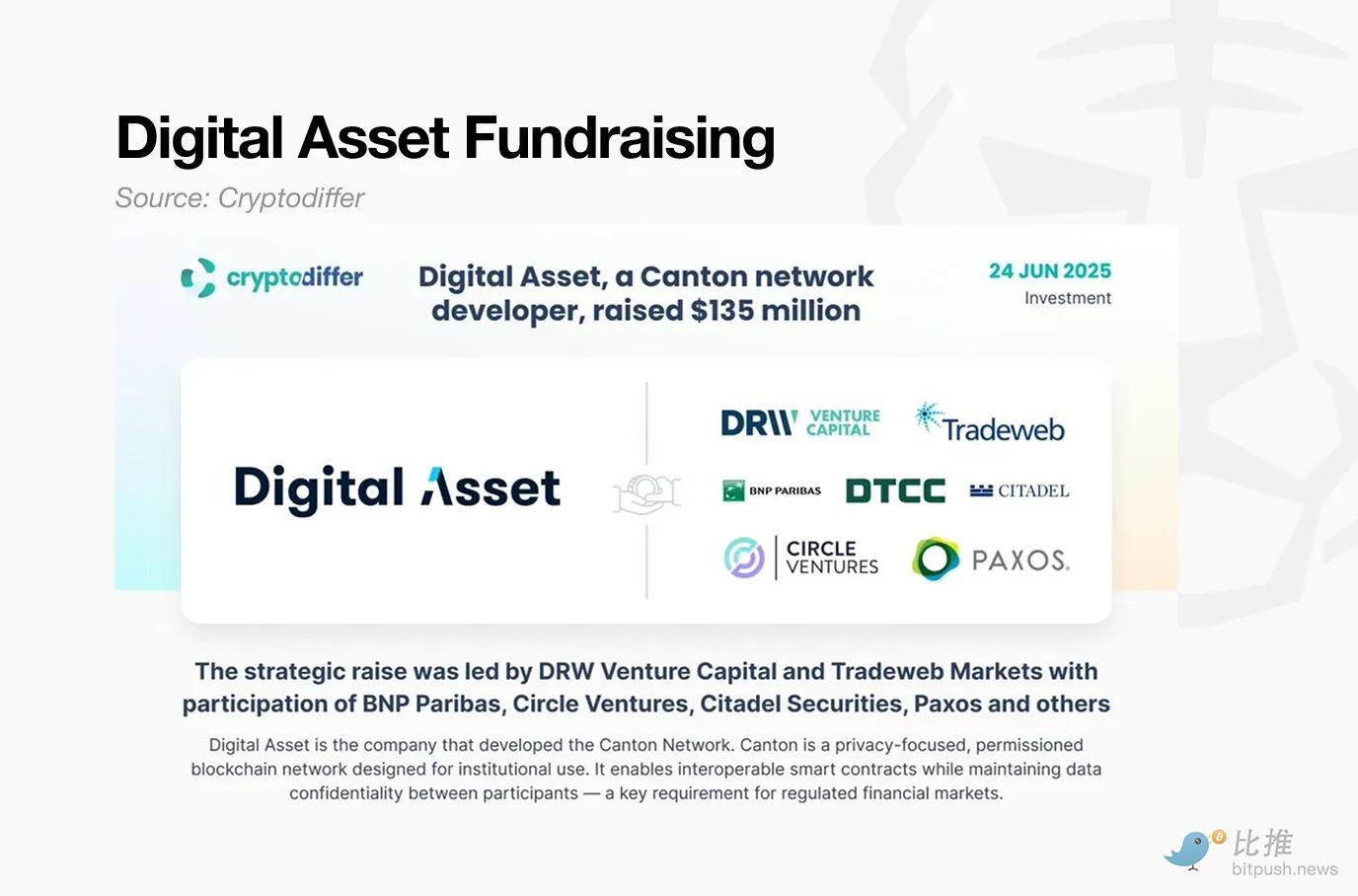
    Another key factor is that Canton has aimed for "real-world deployment" from the start to expand its ecosystem, receiving early collaborative support from financial institutions. Most notably, its partnership with DTCC (The Depository Trust & Clearing Corporation) has established a channel for assets managed in the traditional financial system to enter the Canton environment. DTCC handles approximately $3.7 quadrillion in transactions annually, further validating the practical feasibility of the Canton Network's solution.

    In the end, Canton provides a structured solution that simultaneously meets three major institutional requirements: privacy protection, regulatory compliance, and integration with the existing financial system.

    Kite AI: Building the AI Economy That Has Yet to Arrive

    Unlike the previous two examples, Kite AI currently has relatively limited application in the real world. However, viewed from the future perspective of "AI Agents operating as economic entities," its structural logic remains highly compelling.

    There is broad consensus, both in Web2 and Web3, on an "agent-driven future." Few would dispute that future AI Agents will handle tasks like booking hotels or ordering groceries on behalf of users.

    However, realizing this future requires an infrastructure that allows AI Agents to independently initiate and execute payments. Existing transaction systems are designed around transfers between people and efficiency for human participants.

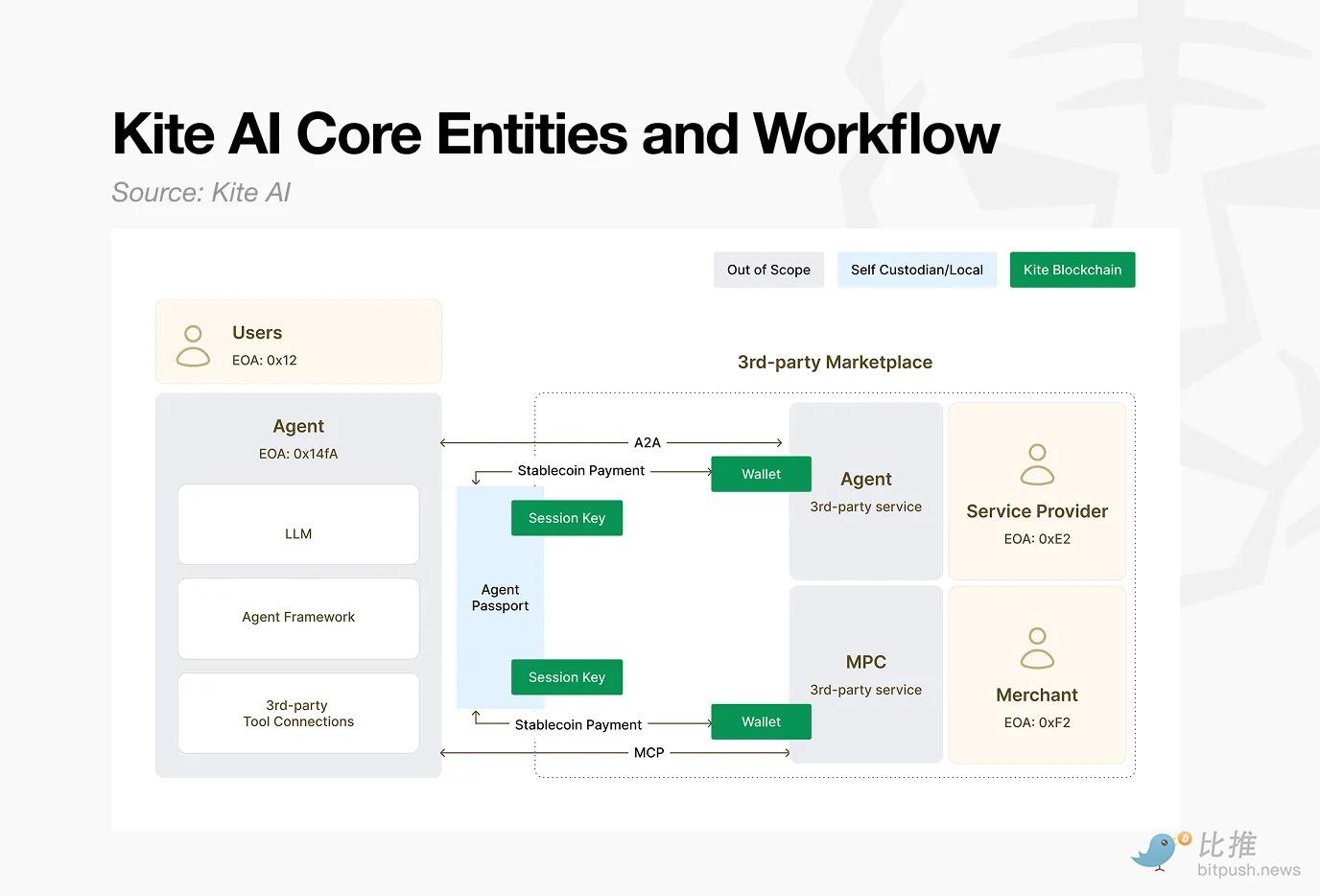
    Therefore, for AI Agents to become autonomous economic entities, new mechanisms are needed, including identity verification and automated payment frameworks. Kite AI is building payment infrastructure specifically designed for this environment, with core components including the "Agent Passport" for identity verification and the x402 protocol for automated payments.

    The vision presented by Kite AI is not yet ready for large-scale deployment, simply because the future it targets has not fully arrived. Nonetheless, the project's practical significance stems from a broader assumption: when this widely anticipated future arrives, the foundational technology it is developing will become a necessity. This alignment with macro trends gives the project structural credibility even with its current limited usage.

    Three Key Questions for Assessing Practical Feasibility

    Although these three projects operate on different timeframes, they share a common characteristic: real-world feasibility.

    Evaluations of the same project often diverge: some believe it solves real problems, while others dismiss it as hype. To bridge this interpretative gap, we must ask at least three core questions:

    1. What specific problem is the project aiming to solve? (Is it a genuine pain point for users, or a need fabricated just to use the technology?)

    2. Is the proposed solution structurally feasible? (Does it hold up technically, in terms of compliance, and in its economic model?)

    3. Does the team have the capability to execute in reality? (Do they have relevant industry resources, technical expertise, and implementation experience?)
    Since most projects promote optimistic future narratives, answering these questions correctly requires time and effort; filtering out misleading or incomplete information is not easy. Projects that cannot confidently answer these three questions might experience short-term price increases, but when the next downturn comes, they will likely perish with it.

    The current state of the crypto market is clearly not optimistic. But this does not mean the industry is over. New experiments will continue, and our task is to assess what these efforts truly represent. Right now, keeping our feet on the ground is the only choice.


    Twitter:https://twitter.com/BitpushNewsCN

    Bitpush TG Discussion Group:https://t.me/BitPushCommunity

    Bitpush TG Subscription: https://t.me/bitpush

    Original link:https://www.bitpush.news/articles/7609260

Câu hỏi Liên quan

QWhat is the core argument of the article regarding which crypto projects survive a market downturn?

AThe article argues that crypto projects which survive a downturn are those with a pragmatic and realistic vision, focusing on solving concrete, real-world problems rather than relying on abstract narratives or hype.

QAccording to the article, what are the three key questions to evaluate a project's practical viability?

AThe three key questions are: 1. What specific problem is the project trying to solve? (Is it a genuine user pain point or a manufactured need?) 2. Is the proposed solution structurally sound? (Is it technically, regulatorily, and economically viable?) 3. Does the team have the capability to execute in reality? (Do they have relevant industry resources, technical expertise, and implementation experience?)

QHow does Hyperliquid demonstrate resilience in the current market according to the analysis?

AHyperliquid demonstrates resilience by solving a persistent, real-world problem: user dissatisfaction with centralized exchanges. It brought key CEX features like high leverage, fast execution, and stable liquidity (via its HLP mechanism) on-chain with its perp DEX, and maintained high activity even after its token airdrop ended, showing genuine user认可 (recognition).

QWhat specific need of financial institutions does the Canton Network address?

ACanton Network addresses the institutional need for a 'selective privacy model' that supports regulatory compliance while protecting business confidentiality. It provides customizable data disclosure through its DAML smart contract language, allowing institutions to share information only as necessary, and is built with real-world deployment in mind, evidenced by its collaboration with major entities like the DTCC.

QWhat future scenario is Kite AI's infrastructure designed for, and why is it considered pragmatically credible despite limited current use?

AKite AI is designed for a future where AI Agents act as autonomous economic entities, requiring new infrastructure for identity verification (Agent Passport) and automated payments (x402 protocol). It is considered pragmatically credible because its vision aligns with the widely anticipated macro-trend of AI-driven economies, making its underlying technology a potential necessity when that future arrives.

Nội dung Liên quan

Polymarket Bị Kẹt: Bài Kiểm Tra Thực Sự Sau Khi Vượt Qua Giai Đoạn Lưu Lượng Tăng Đột Biến

Polymarket, nền tảng dự đoán thị trường hàng đầu, đang đối mặt với thách thức lớn khi trải nghiệm giao dịch xuống cấp do hạ tầng không theo kịp đà tăng trưởng. Phó chủ tịch kỹ thuật Josh Stevens thừa nhận vấn đề và công bố kế hoạch cải tổ toàn diện, bao gồm: giảm độ trễ dữ liệu, sửa lỗi hủy lệnh, xây dựng lại hệ thống order book (CLOB), nâng cao hiệu suất website, và quan trọng nhất là di chuyển chain (chain migration). Nguyên nhân sâu xa nằm ở việc Polymarket không còn là ứng dụng dự đoán đơn thuần mà đã phát triển thành một nền tảng giao dịch tần suất cao. Polygon, từng là lựa chọn chi phí thấp hoàn hảo, giờ đây trở thành rào cản kỹ thuật. Động thái này ngay lập tức thu hút sự quan tâm của các blockchain khác như Solana, Sui, Algorand... trong khi Polygon nỗ lực giữ chân ứng dụng quan trọng này - nguồn đóng góp phí giao dịch đáng kể cho hệ sinh thái của họ. Bài kiểm tra thực sự của Polymarket không chỉ là chọn chain mới, mà là xây dựng một hệ thống giao dịch đủ mạnh và ổn định để giữ chân người dùng trong giai đoạn tăng trưởng mới, nơi độ tin cậy quan trọng hơn bao giờ hết.

Odaily星球日报04/27 03:21

Polymarket Bị Kẹt: Bài Kiểm Tra Thực Sự Sau Khi Vượt Qua Giai Đoạn Lưu Lượng Tăng Đột Biến

Odaily星球日报04/27 03:21

Điều chỉnh kỳ vọng giảm cho chu kỳ tăng giá tiếp theo của BTC

Tác giả Alex Xu, một nhà đầu tư Bitcoin lâu năm, đã chia sẻ quyết định giảm dần tỷ trọng BTC trong danh mục đầu tư của mình, từ vị thế lớn nhất xuống còn khoảng 30%, và giải thích lý do cho việc điều chỉnh kỳ vọng về đỉnh giá trong chu kỳ bull market tiếp theo. Các lý do chính bao gồm: 1. **Năng lượng tăng trưởng tiềm năng giảm:** Các chu kỳ trước được thúc đẩy bởi việc mở rộng đối tượng đầu tư theo cấp số nhân (từ cá nhân đến tổ chức). Chu kỳ tới cần sự chấp nhận từ các quỹ đầu tư quốc gia hoặc ngân hàng trung ương, điều này khó xảy ra trong 2-3 năm tới. 2. **Chi phí cơ hội cá nhân:** Tìm thấy nhiều cơ hội đầu tư hấp dẫn khác (cổ phiếu công ty) với mức giá hợp lý. 3. **Tác động tiêu cực từ sự thu hẹp của ngành crypto:** Nhiều mô hình Web3 (SocialFi, GameFi...) không thành công, dẫn đến sự thu hẹp của toàn ngành và làm chậm tốc độ tăng trưởng số người nắm giữ BTC. 4. **Áp lực từ nhà mua lớn nhất (MicroStrategy):** Chi phí huy động vốn của MicroStrategy tiếp tục tăng cao (lãi suất 11.5%), có thể làm giảm tốc độ mua vào và gây áp lực bán. 5. **Sự cạnh tranh từ Vàng được token hóa:** Sản phẩm vàng token hóa (tokenized gold) đã thu hẹp khoảng cách về tính dễ chia nhỏ, dễ mang theo và dễ xác minh so với BTC. 6. **Vấn đề ngân sách bảo mật:** Phần thưởng khối giảm sau mỗi lần halving làm trầm trọng thêm vấn đề ngân sách cho bảo mật mạng lưới. Tác giả vẫn giữ một phần BTC đáng kể và sẵn sàng mua lại nếu các lý kiến trên được giải quyết hoặc xuất hiện các yếu tố tích cực mới, với điều kiện giá cả phù hợp.

marsbit04/27 02:46

Điều chỉnh kỳ vọng giảm cho chu kỳ tăng giá tiếp theo của BTC

marsbit04/27 02:46

Giao dịch

Giao ngay
Hợp đồng Tương lai
活动图片