What's It Like Working with Two "Madmen": Peter Thiel and Elon Musk? Palantir Co-founder Shares His Experience

marsbitXuất bản vào 2026-07-06Cập nhật gần nhất vào 2026-07-06

Tóm tắt

Joe Lonsdale, co-founder of Palantir and a member of the "PayPal Mafia," shared his experiences working alongside Elon Musk and Peter Thiel. He described both as highly opinionated, ambitious, and intolerant of broken systems, demanding immediate fixes and rapid execution. Thiel is characterized as a strategic philosopher, while Musk is a hands-on engineer deeply involved in technical details. Musk is noted as one of the hardest workers Lonsdale has ever seen, a trait common in PayPal's early, passionate culture that later spawned numerous billion-dollar companies. Lonsdale recounted Palantir's origin story. While working at Thiel's hedge fund, he and Thiel discussed how Silicon Valley's technology far outpaced the government's, especially after 9/11. They saw an opportunity to build a platform to help stop terrorist attacks while protecting civil liberties. Their initial venture capital pitches were met with rejection and ridicule. However, Thiel viewed this as motivation. Critical funding eventually came from the CIA's venture arm and Thiel himself. Reflecting on Palantir's impact, Lonsdale believes their work helped neutralize thousands of terrorists and ensured government oversight, though he acknowledges the potential dangers if such powerful technology is misused. His key takeaway echoes Thiel's early advice: being rejected and laughed at can fuel the determination to prove the doubters wrong.

Joe Lonsdale is a co-founder of Palantir and a member of the "PayPal Mafia." Although he was 15 years younger than Peter Thiel and 12 years younger than Elon Musk during his time at PayPal, making him a "Junior kid," he witnessed up close the working styles of these two legendary figures and was personally involved in the early startup journey of Palantir.

Palantir is an American big data analytics company co-founded by Peter Thiel, Alex Karp, Joe Lonsdale, and others. The company focuses on providing customized AI platforms for government and commercial clients.

Here are his recollections of those years.

I. Elon and Peter: Two Completely Different Leaders

"Honestly, I usually didn't have meetings with Elon," Joe admitted. "But these are people with very strong opinions, very interested, very ambitious, and who move incredibly fast. They have zero tolerance for broken things. You have to fix it immediately. You get everything done today; there's no discussion about what to do next week."

Regarding the difference between the two, Joe described it this way:

"Peter is more like a strategist, philosopher, thinker. He's not a technical person. Elon is more like a hands-on doer. A few weeks ago I was in Palo Alto, and Elon was doing engineering reviews behind X.AI, he was right there working. He's more of a 'heads-down person'—pushing forward, solving technical problems in detail."

Who was the hardest worker?

"Elon has always been one of the hardest workers I've ever seen. But there were other engineers who were always there grinding away. In that kind of 'execution mode,' people like Max Levchin and others, as far as I could see, were always working."

Joe recalled the early PayPal atmosphere: "People would stay late into the night solving problems; they were passionate about the work."

The team was mostly in their 20s at the time. Joe noted that 16 different companies later spun out of PayPal, all rapidly growing into billion-dollar businesses—YouTube (Chad and Steve), LinkedIn (Reid Hoffman), Tesla and SpaceX (Elon), IronPort..."

"So much was born there."

II. The Palantir Startup Story

How did Joe become a co-founder of Palantir?

He was working at Peter Thiel's hedge fund at the time. "That fund was a bit of a mess, and I started bringing my smartest friends to help. They weren't interested in finance; they found it too boring."

Meanwhile, Peter and Joe often talked about their PayPal experiences: they had had to stop Russian and Chinese mafias from stealing money, which led them to meet people from the Secret Service and the FBI. Shortly after that, 9/11 happened.

"The government was spending $38 billion a year collecting data, analyzing data, and failed to stop the terrorists, while also abusing civil liberties. It was a complete mess."

They realized: Silicon Valley, Google, and PayPal's technology was far ahead of the government's. This was a problem, but also an opportunity.

"A, I want to stop bad guys from attacking us again, to catch them; B, I don't want everyone in the government to be able to see all my data without control. That's insane."

So they said: "Why don't we just do it ourselves?"

Joe started having that group of friends help build a prototype. It sounded crazier than finance, but at least it was interesting.

They went to VCs for funding—toured all of Sand Hill Road.

"Accel said no, Sequoia said no. The guy at Kleiner Perkins laughed at us on the phone because Alex Karp didn't have a technical degree. He said, 'You guys don't even know what you're doing. He's a Ph.D., but not even a relevant Ph.D.'"

Joe recalled that period: "Basically, they laughed us out of the room."

Peter Thiel told Joe: "This could be a good thing—it gives you a bigger chip on your shoulder, making you even more determined to succeed after being laughed at and rejected."

But Peter alone couldn't fund it all. Later they found the CIA's venture arm, which gave them a little money, and Peter gave more. "That was absolutely critical."

Joe revealed that the name Palantir came from Peter Thiel.

"When we were creating this thing, we said: 'This is a dangerous thing.' But we believed it was worth creating. That took a lot of courage."

They could have done many other things to make money, but what truly mattered was helping.

"We probably helped eliminate as many as 10,000 terrorists. We worked side-by-side with various government teams, helping them with technology and capability. We helped protect civil liberties, making sure the government watchers were also being watched."

Of course, he also acknowledged: "If this technology fell into the wrong hands, and the audit trail was turned off, who knows what bad things could be done with it. So, there's a good side and a bad side."
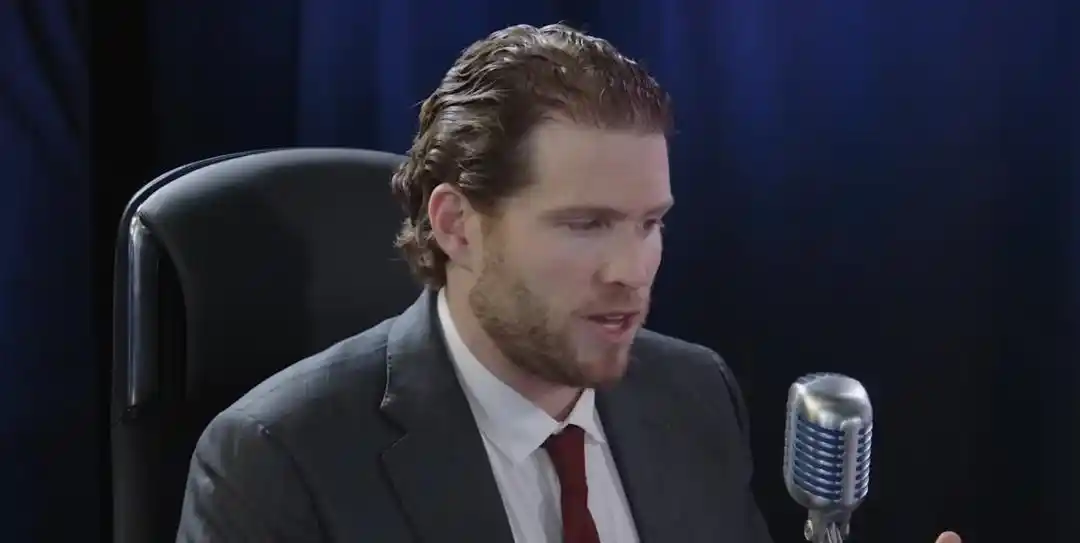
From PayPal to Palantir, Joe Lonsdale witnessed firsthand how two of Silicon Valley's most influential figures—Peter Thiel and Elon Musk—shaped culture, drove execution, and pursued mission. He also lived through how an idea that "everyone said was impossible" eventually became a giant that changed how governments fight terrorism.

And his summary perhaps carries the most weight: "When we were rejected by over 30 investors, laughed out the door, Peter said it could be a good thing—it makes you more driven to prove them wrong. He was right."

This article is from the WeChat public account "Backwave Evolution Planet," author: Mark

Tiền kỹ thuật số thịnh hành

Câu hỏi Liên quan

QHow does Joe Lonsdale describe the key difference in leadership style between Elon Musk and Peter Thiel?

AJoe describes Peter Thiel as more of a strategist, philosopher, and thinker who is not a technical person. In contrast, Elon Musk is more of a doer and a hands-on person who buries himself in the details, pushing to solve technical problems.

QWhat was the main motivation behind founding Palantir according to the article?

AThe main motivation was twofold: A) To stop bad actors from attacking again and to catch them, and B) To prevent everyone in the government from seeing all citizen data without control. They saw the vast technological gap between Silicon Valley and the government as both a problem and an opportunity.

QWhat was the initial reaction from venture capitalists (VCs) when the Palantir founders tried to raise funding?

AThe initial reaction was overwhelmingly negative and dismissive. They were rejected and laughed out of rooms by numerous VCs on Sand Hill Road, including Accel and Sequoia. One Kleiner Perkins partner even mocked co-founder Alex Karp for not having a technical degree.

QWhat did Peter Thiel tell Joe Lonsdale after their numerous VC rejections, and how did this impact them?

APeter Thiel told Joe, 'This might be a good thing — it gives you a bigger chip on your shoulder, making you more determined to succeed after being laughed at and rejected.' Joe acknowledged that Thiel was correct, as the rejection fueled their motivation to prove the critics wrong.

QWhat significant contribution does Joe Lonsdale believe Palantir has made?

AJoe believes Palantir helped eliminate as many as 10,000 terrorists by working alongside various government teams. They also helped protect civil liberties by ensuring government overseers were themselves being watched and audited.

Nội dung Liên quan

Không cá cược bàn thắng mà cá cược 'nước mắt', người dùng Polymarket tranh cãi kịch liệt về trận chia tay World Cup của Ronaldo

Viết bởi: Mahe, Foresight News Ngày 6/7, trận vòng 1/8 World Cup 2026 giữa Bồ Đào Nha và Tây Ban Nha kết thúc với tỷ số 0-1. Đây là kỳ World Cup cuối cùng của Cristiano Ronaldo (C.Ronaldo) ở tuổi 41. Hình ảnh anh đỏ mắt, lau mặt và cố kìm nén nước mắt được truyền thông toàn cầu đưa tin. Đồng thời, một thị trường dự đoán phi tập trung (Polymarket) về việc "C.Ronaldo có khóc tại World Cup 2026 không?" trở thành tâm điểm tranh cãi. Tổng khối lượng giao dịch đạt 23.94 triệu USD. Quy tắc thị trường nêu rõ: nếu có hình ảnh hoặc video rõ ràng cho thấy những giọt nước mắt chảy xuống trên mặt Ronaldo trong hoặc sau trận đấu, trên sân hoặc khu vực ghế dự bị, kết quả sẽ là "Có". Ngược lại là "Không". Sau trận thua, nhiều phương tiện truyền thông mô tả Ronaldo "đầy nước mắt". Tuy nhiên, phe "Có" và phe "Không" trên Polymarket tranh luận gay gắt: liệu hình ảnh anh mắt ướt, lau mặt có đáp ứng tiêu chí "nước mắt chảy rõ ràng" hay không. Thị trường hai lần đề xuất kết quả "Không" đều bị phản đối và bước vào giai đoạn xét duyệt cuối cùng, do cộng đồng oracle UMA bỏ phiếu quyết định. Ngày 8/7, Polymarket đưa ra thông báo chi tiết, khẳng định đã có bằng chứng video và ảnh phù hợp điều kiện, ghi lại cảnh Ronaldo khóc với nước mắt có thể nhìn thấy trên mặt ngay trên sân sau trận đấu. Sự việc cho thấy các thị trường dự đoán có thể rất hiệu quả với sự kiện có thể định lượng, nhưng dễ gây tranh cãi lớn khi liên quan đến đánh giá chủ quan hoặc sắc thái cảm xúc.

Foresight News6 phút trước

Không cá cược bàn thắng mà cá cược 'nước mắt', người dùng Polymarket tranh cãi kịch liệt về trận chia tay World Cup của Ronaldo

Foresight News6 phút trước

DeepSeek bí mật tự sản xuất chip, chuyên tấn công vào lĩnh vực suy luận, đã khởi động từ một năm trước, quá trình tuyển dụng hoàn toàn không công khai

DeepSeek, công ty AI Trung Quốc nổi tiếng với các mô hình thuật toán, đang bí mật phát triển chip AI tự thiết kế của riêng mình, với mục tiêu giảm sự phụ thuộc vào Nvidia. Theo nguồn tin từ Reuters, dự án tập trung vào chip chuyên cho suy luận (inference) hơn là đào tạo (training) và đã được khởi động từ khoảng một năm trước. Dự án hiện vẫn trong giai đoạn đầu. DeepSeek được cho là đã tiếp xúc với các công ty thiết kế chip, nhà máy sản xuất bán dẫn và nhà cung cấp bộ nhớ. Công ty đã tuyển dụng kỹ sư thiết kế chip một cách kín đáo, không đăng thông tin trên các nền tảng tuyển dụng công khai. Xu hướng này không đơn lẻ khi các hãng AI lớn như OpenAI và Anthropic cũng đang theo đuổi chip tự thiết kế. DeepSeek, vốn đã tối ưu hóa thuật toán để hiệu quả hơn trên phần cứng hiện có (như chip Nvidia H800 hay Huawei Ascend), nay muốn kiểm soát hoàn toàn nền tảng phần cứng. Chip chuyên dụng cho suy luận có thể mang lại hiệu quả chi phí và năng lượng cao hơn, yếu tố quan trọng cho việc mở rộng thương mại hóa. Kế hoạch được hậu thuẫn bởi khoản tài trợ 74 tỷ USD (khoảng 510 tỷ nhân dân tệ) mà DeepSeek huy động được vào tháng 6/2026. Số tiền này sẽ dùng cho việc xây dựng trung tâm dữ liệu dùng chip nội địa, tự nghiên cứu chip AI và mở rộng đội ngũ nhân tài. Công ty cũng đang tuyển dụng kỹ sư thiết kế trung tâm dữ liệu, với các địa điểm được đề cập như Ulanqab, Nội Mông. Mặc dù vậy, thách thức vẫn rất lớn vì việc phát triển một con chip AI cạnh tranh đòi hỏi nhiều năm và nguồn vốn khổng lồ, với kết quả không được đảm bảo. DeepSeek vẫn giữ thái độ im lặng trước thông tin này.

marsbit14 phút trước

DeepSeek bí mật tự sản xuất chip, chuyên tấn công vào lĩnh vực suy luận, đã khởi động từ một năm trước, quá trình tuyển dụng hoàn toàn không công khai

marsbit14 phút trước

Vừa xong, Claude Fable 5 được gia hạn thêm 5 ngày, bí kíp tiết kiệm chi phí đã có đây

Anthropic đã thông báo kéo dài thời gian sử dụng miễn phí Claude Fable 5 đến ngày 12 tháng 7, so với kế hoạch ban đầu nhiều hơn 5 ngày. Người dùng vẫn có 50% giới hạn sử dụng hàng tuần; vượt quá cần mua thêm credits. Bài viết giới thiệu các phương pháp "tự cứu" và tối ưu chi phí sau khi thời gian miễn phí kết thúc. Các nhà phát triển đã đề xuất cách trích xuất "cách suy nghĩ" của Fable 5 thành hướng dẫn để tích hợp vào các mô hình nhỏ hơn như Opus 4.8, và các bước để khai thác triệt để khả năng của Fable 5. Đặc biệt, Anthropic chính thức đề xuất hai kiến trúc tiết kiệm chi phí: 1. **Chế độ Cố vấn (Advisor):** Sonnet 5 là lực lượng thực thi chính, chỉ tham khảo ý kiến Fable 5 tại các điểm quyết định then chốt. Cách này đạt ~92% hiệu suất của Fable 5 đơn lẻ với chi phí chỉ khoảng 63%. 2. **Chế độ Điều phối (Orchestrator):** Fable 5 đóng vai trò chỉ huy, lập kế hoạch và phân chia công việc tốn nhiều token (như đọc tài liệu) cho các tác nhân con Sonnet 5 xử lý song song. Trong bài kiểm tra BrowseComp, cách tiếp cận này đạt 96% hiệu suất với chi phí chỉ bằng 46%. Một ví dụ thực tế kiểm tra chính sách công viên quốc gia cho thấy, mô hình đội hình (orchestrator) chỉ tốn khoảng 1,61 USD, rẻ hơn ~2,5 lần và nhanh hơn ~3 lần so với việc để Fable 5 xử lý đơn lẻ (4 USD). Thông điệp chính: Cách sử dụng mô hình cao cấp hiệu quả nhất không phải là dùng nó cho mọi tác vụ, mà là kết hợp thông minh với các mô hình có chi phí thấp hơn để tối ưu hiệu suất và ngân sách.

marsbit1 giờ trước

Vừa xong, Claude Fable 5 được gia hạn thêm 5 ngày, bí kíp tiết kiệm chi phí đã có đây

marsbit1 giờ trước

Giao dịch

Giao ngay

Bài viết Nổi bật

Làm thế nào để Mua ELON

Chào mừng bạn đến với HTX.com! Chúng tôi đã làm cho mua Dogelon Mars (ELON) trở nên đơn giản và thuận tiện. Làm theo hướng dẫn từng bước của chúng tôi để bắt đầu hành trình tiền kỹ thuật số của bạn.Bước 1: Tạo Tài khoản HTX của BạnSử dụng email hoặc số điện thoại của bạn để đăng ký tài khoản miễn phí trên HTX. Trải nghiệm hành trình đăng ký không rắc rối và mở khóa tất cả tính năng. Nhận Tài khoản của tôiBước 2: Truy cập Mua Crypto và Chọn Phương thức Thanh toán của BạnThẻ Tín dụng/Ghi nợ: Sử dụng Visa hoặc Mastercard của bạn để mua Dogelon Mars (ELON) ngay lập tức.Số dư: Sử dụng tiền từ số dư tài khoản HTX của bạn để giao dịch liền mạch.Bên thứ ba: Chúng tôi đã thêm những phương thức thanh toán phổ biến như Google Pay và Apple Pay để nâng cao sự tiện lợi.P2P: Giao dịch trực tiếp với người dùng khác trên HTX.Thị trường mua bán phi tập trung (OTC): Chúng tôi cung cấp những dịch vụ được thiết kế riêng và tỷ giá hối đoái cạnh tranh cho nhà giao dịch.Bước 3: Lưu trữ Dogelon Mars (ELON) của BạnSau khi mua Dogelon Mars (ELON), lưu trữ trong tài khoản HTX của bạn. Ngoài ra, bạn có thể gửi đi nơi khác qua chuyển khoản blockchain hoặc sử dụng để giao dịch những tiền kỹ thuật số khác.Bước 4: Giao dịch Dogelon Mars (ELON)Giao dịch Dogelon Mars (ELON) dễ dàng trên thị trường giao ngay của HTX. Chỉ cần truy cập vào tài khoản của bạn, chọn cặp giao dịch, thực hiện giao dịch và theo dõi trong thời gian thực. Chúng tôi cung cấp trải nghiệm thân thiện với người dùng cho cả người mới bắt đầu và người giao dịch dày dạn kinh nghiệm.

Tổng lượt xem 318Xuất bản vào 2024.12.12Cập nhật vào 2025.03.21

Làm thế nào để Mua ELON

Thảo luận

Chào mừng đến với Cộng đồng HTX. Tại đây, bạn có thể được thông báo về những phát triển nền tảng mới nhất và có quyền truy cập vào thông tin chuyên sâu về thị trường. Ý kiến ​​của người dùng về giá của ELON (ELON) được trình bày dưới đây.

活动图片