Shiba Inu Starts Voting Process To Elect First Network President

bitcoinistXuất bản vào 2025-08-06Cập nhật gần nhất vào 2025-08-06

Tóm tắt

Shiba Inu has kicked off a formal, multi-stage voting process to select the project’s first interim “network president” and seat...

Trusted Editorial content, reviewed by leading industry experts and seasoned editors. Ad Disclosure

Shiba Inu has kicked off a formal, multi-stage voting process to select the project’s first interim “network president” and seat councils for each DAO, a governance overhaul framed by the team as “the true birth of a network state.” In an August 4 post titled ELECTIONS, the project’s lead figure Shytoshi Kusama wrote that “a new lead visionary and councils for each dao will need to be chosen,” calling the moment “the true birth of a network state.”

Shiba Inu To Elect New Leader

Kusama simultaneously reiterated the long-stated goal of removing single-party control over the ecosystem, writing on X that “Shib has always been designed for full decentralization… It’s time to launch a vital aspect to achieve this goal: ELECTIONS.” The message referenced the community entering its fifth “Shib Year.”

Shiba Inu Core developer Kaal Dhairya amplified the decentralization rationale on August 5, arguing that the project’s strength lies in the interplay of its tokens and systems. “Shib was never meant to be controlled or tamed by one individual—it’s the essence of decentralization,” he wrote, calling elections “the first step toward embracing this decentralized vision.”

According to the ELECTIONS blueprint, the interim presidency will be chosen before “Shibizenship” begins and later subjected to ratification no later than four months after Shibizenship is in place, in line with the so-called Hounds Constitution.

The voting architecture is three-phased: an open nomination round that advances the top ten to a live or recorded debate stage; a follow-up ballot a week later to determine the final three; and a concluding vote one week after debates. “The final vote will be final,” the post states.

Candidates must create public profiles, and while anyone can self-nominate, the foundation reserves a veto right; the winner must complete KYC with the foundation and sign an NDA “as you would expect in any state.”

Kusama proposes a token-weighted mechanism across the ecosystem, writing that “1 token = 1 vote” for “any and all of the ecosystem tokens,” a design explicitly intended to align outcomes with holders who “have the most skin” in the project’s success. While emphasizing openness, the document asks the community to “rigorously vet, check and learn about all candidates.”

The role described for the interim president is sweeping. The office holder would coordinate the transfer of power, steward the “Shib Paper” vision, and stand up the first congress—“consisting of the four Dao councils,” the inter-branch DAO envisaged in prior materials. The post underscores the stakes by putting a number on what’s being overseen, citing responsibility to a community of millions and “the financial responsibility of a 7 billion dollar token.”

Governance plumbing also gets a notable tweak. The document proposes shifting the Economic Council under the Shib DAO rather than Treat, freeing Treat “to focus on innovation.” The council would shape how Shib “makes and retains revenue or a treasury system (outside the other daos),” described as “vitally important to the long term success of the project.”

In parallel with the procedural outline, Dhairya’s message sought to keep the Shiba Inu community unified around the broader ecosystem rather than splintering initiatives, inviting exploration of new ideas under the Shib umbrella. “Elections are the first step,” he wrote, urging contributors to “think differently and collaboratively.”

The team says logistical specifics—dates and precise timings for nominations, debates and balloting—will follow, and stresses that its own role shifts with this handover. “Upon the release of this document, our role will shift,” the post notes, adding that the group will continue building alongside Treat DAO and external initiatives aligned with its vision.

At press time, the Shiba Inu token traded near $0.00001209.
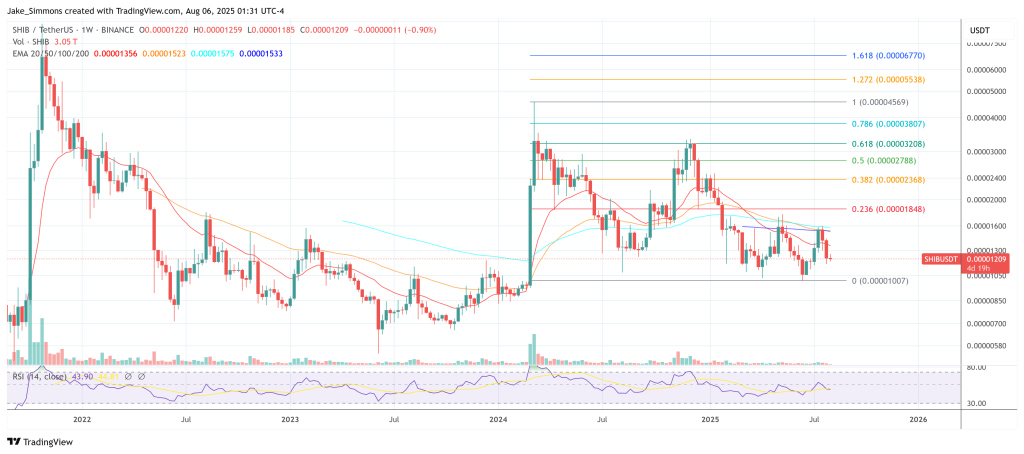
Shiba Inu price
SHIB remains in bearish territory, 1-week chart | Source: SHIBUSDT on TradingView.com
Featured image created with DALL.E, chart from TradingView.com
Editorial Process for bitcoinist is centered on delivering thoroughly researched, accurate, and unbiased content. We uphold strict sourcing standards, and each page undergoes diligent review by our team of top technology experts and seasoned editors. This process ensures the integrity, relevance, and value of our content for our readers.

Jake Simmons has been a Bitcoin enthusiast since 2016. Ever since he heard about Bitcoin, he has been studying the topic every day and trying to share his knowledge with others. His goal is to contribute to Bitcoin's financial revolution, which will replace the fiat money system. Besides BTC and crypto, Jake studied Business Informatics at a university. After graduation in 2017, he has been working in the blockchain and crypto sector. You can follow Jake on Twitter at @realJakeSimmons.

Nội dung Liên quan

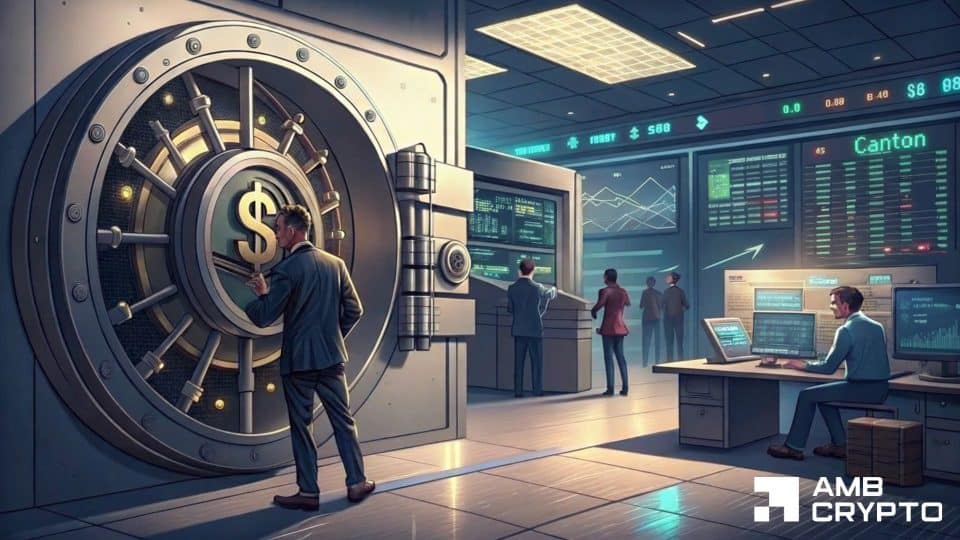
Canton: Đây là lý do tại sao đợt mở khóa token trị giá 5,8 triệu USD của CC không gây ra đợt bán tháo

Canton (CC) đã mở khóa lượng token trị giá 5,8 triệu USD trong 24 giờ qua, làm tăng nguồn cung lưu hành. Thông thường, sự kiện này có thể gây áp lực bán, nhưng thị trường lần này phản ứng khác biệt. Khối lượng giao dịch của CC đã tăng mạnh, đạt khoảng 73 triệu USD, trong khi biến động giá lại tương đối cân bằng. Nguyên nhân chính được cho là nhờ mô hình kinh tế token "burn-mint equilibrium" độc đáo của mạng Canton. Mô hình này giúp cân bằng nguồn cung mới với hoạt động sử dụng mạng thực tế, khiến việc chỉ dựa vào sự kiện mở khóa để đánh giá trở nên khó khăn. Về mặt kỹ thuật, triển vọng vẫn hỗn hợp. Tỷ lệ Long/Short ở mức cân bằng (51% nghiêng về phe mua), cho thấy sự do dự. Chỉ báo Stochastic RSI đã vào vùng quá bán, làm tăng khả năng cho một đợt phục hồi ngắn hạn, nhưng chưa đủ để xác nhận đảo chiều xu hướng giảm tổng thể. Một yếu tố tích cực là việc Tradeweb gần đây đã thực hiện giao dịch trái phiếu kho bạc Hoa Kỳ trên mạng Canton, đánh dấu bước tiến quan trọng cho dịch vụ Tokenization của DTCC dự kiến ra mắt cuối năm nay.

ambcrypto50 phút trước

Canton: Đây là lý do tại sao đợt mở khóa token trị giá 5,8 triệu USD của CC không gây ra đợt bán tháo

ambcrypto50 phút trước

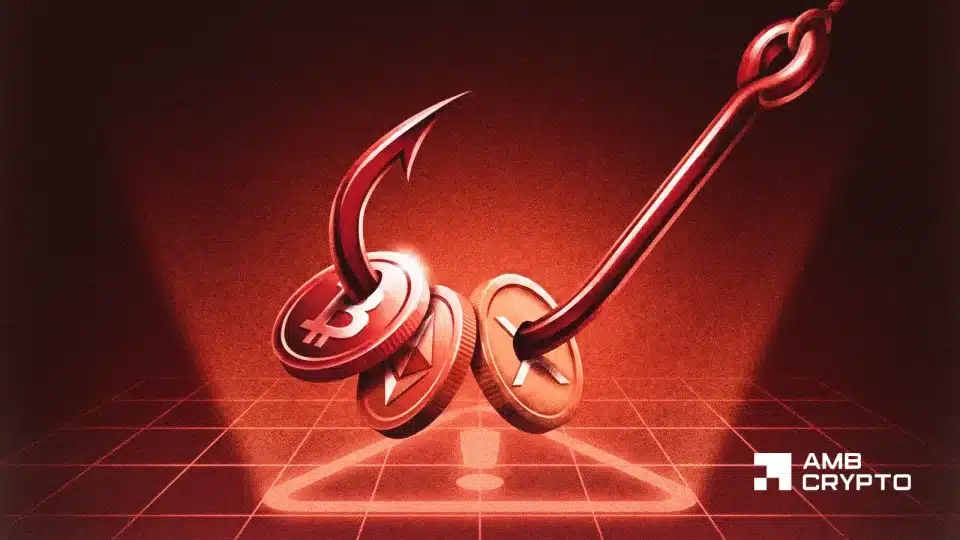
Các vụ tấn công tiền điện tử lập kỷ lục cao nhất trong nửa đầu năm 2026 – Điều gì thúc đẩy sự gia tăng?

Công ty bảo mật blockchain TRM Labs báo cáo số vụ tấn công tiền mã hóa trong nửa đầu năm 2026 đạt kỷ lục 207 vụ, tăng hơn gấp đôi so với cùng kỳ năm 2025. Phần lớn các vụ xảy ra trong quý 2, với các vụ khai thác lỗ hổng nổi bật tại KelpDAO, Humanity và Rhea Lend. Mặc dù số vụ tăng cao, tổng giá trị bị đánh cắp tính đến tháng 6 là 972 triệu USD, thấp hơn một nửa so với 2,3 tỷ USD của năm 2025. Đáng chú ý, các thực thể liên quan đến Triều Tiên được xác định là thủ phạm chính, chiếm tới 66% tổng giá trị tiền bị đánh cắp. Báo cáo chỉ ra phần lớn sự cố (125/207) là khai thác hợp đồng thông minh. Tuy nhiên, chuyên gia TRM Labs cảnh báo ¾ giá trị bị mất thực chất đến từ vi phạm bảo mật cơ sở hạ tầng như khóa, hệ thống lưu ký, chứ không phải lỗi mã hợp đồng. Các vụ tấn công, đặc biệt là vụ KelpDAO (293 triệu USD), đã gây ra cuộc chạy rút tiền hàng loạt trên các giao thức như Aave, làm trầm trọng thêm rủi ro và làm giảm niềm tin vào lĩnh vực DeFi. Tổng giá trị bị khóa (TVL) trong DeFi đã giảm xuống mức thấp nhất hai năm, ở khoảng 70 tỷ USD.

ambcrypto4 giờ trước

Các vụ tấn công tiền điện tử lập kỷ lục cao nhất trong nửa đầu năm 2026 – Điều gì thúc đẩy sự gia tăng?

ambcrypto4 giờ trước

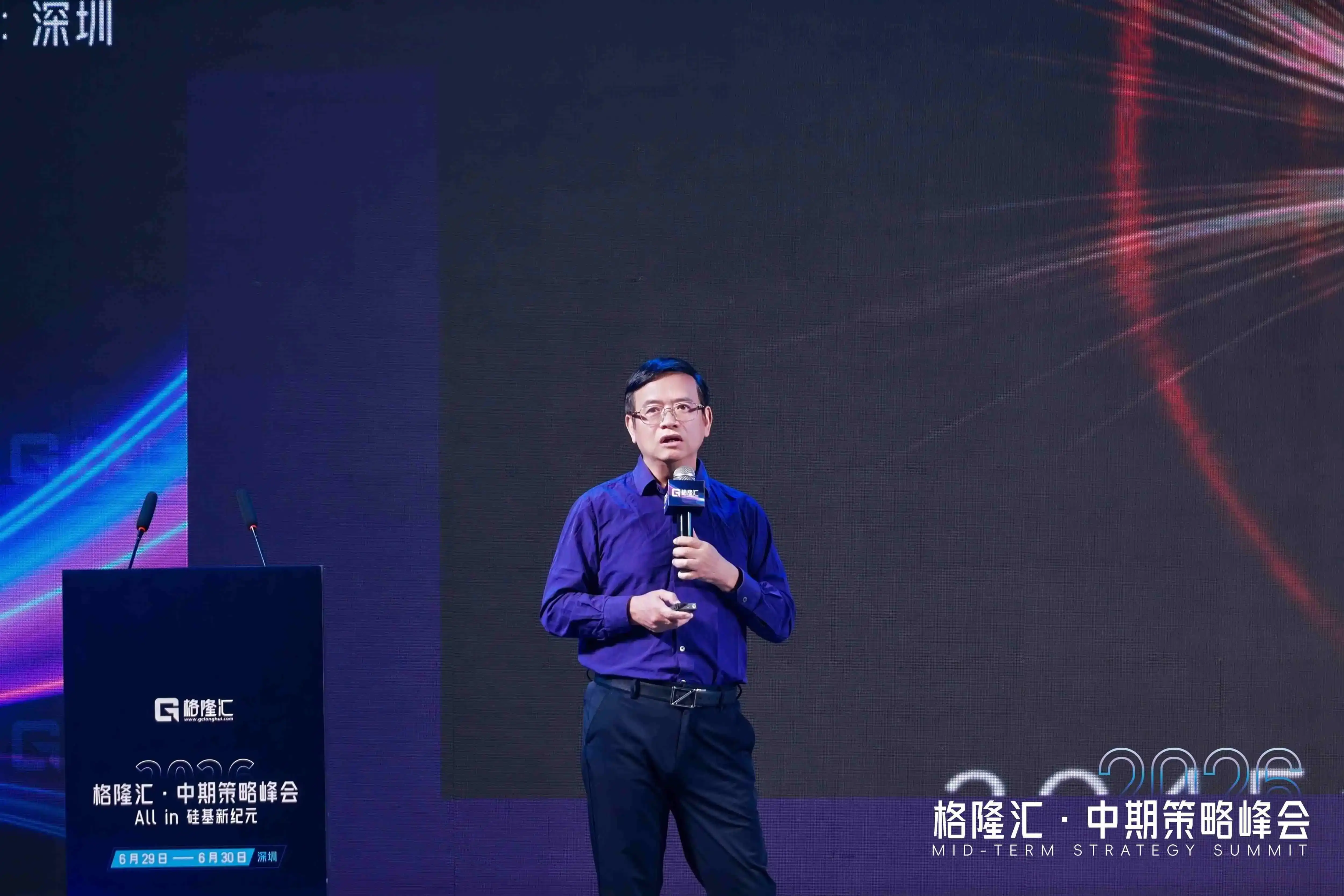
Bài phát biểu mới nhất của Đàn Tân: Đừng bỏ lỡ một thời đại vĩ đại

Bài phát biểu mới nhất của Đàm Bân: Đừng bỏ lỡ một thời đại vĩ đại Ngày 29/6, Đàm Bân, Chủ tịch Đông Phương Loan, đã có bài phát biểu với chủ đề "Đừng bỏ lỡ một thời đại vĩ đại". Ông chỉ ra rằng, từ góc độ chu kỳ ngành, rủi ro bỏ lỡ cả một thời đại AI có thể lớn hơn rủi ro lo lắng về bong bóng ngắn hạn. Đàm Bân nhận định, nhân loại đang đứng ở điểm khởi đầu của thời đại trí tuệ nhân tạo - một thời đại có tính đột phá hơn cả thời đại điện tử, Internet hay di động. Làn sóng AI khó có thể kết thúc chỉ sau ba bốn năm; ở cấp độ ngành, có thể tham chiếu nhịp điệu mười năm của thời đại Internet, lấy thời điểm ChatGPT ra mắt cuối năm 2022 làm mốc, điểm tham chiếu rủi ro thực sự có lẽ là vào khoảng trước năm 2033. Ông nhấn mạnh, động lực chính thúc đẩy tăng trưởng dài hạn của thị trường vốn là tiến bộ công nghệ, các yếu tố như chiến tranh thương mại, tăng lãi suất hay chiến tranh chỉ là thứ yếu. Từ góc độ văn minh nhân loại, ông cũng đề cập đến logic dài hạn về việc sự sống silicon thay thế sự sống carbon, nhấn mạnh đầu tư cần nắm bắt nguyên nhân chính, tôn trọng đổi mới doanh nghiệp và lẽ thường thị trường. Đàm Bân cũng trình bày quan điểm về cuộc cạnh tranh AI Mỹ-Trung, cho rằng cả hai nước đều không thể thua trong cuộc đua này. Ông còn chia sẻ về sự tiếc nuối của Buffett khi bỏ lỡ cơ hội đầu tư vào Microsoft, nhắc nhở về việc không ngừng mở rộng ranh giới nhận thức trong đầu tư. Cuối cùng, ông kết thúc bằng một bài thơ tự sáng tác, kêu gọi mọi người giữ vững tầm nhìn, nắm bắt cơ hội mà thời đại ban tặng một cách lý trí, đừng để sự do dự và tầm nhìn ngắn hạn làm lãng phí thời gian, và tuyệt đối đừng bỏ lỡ thời đại vĩ đại, tráng lệ này.

marsbit5 giờ trước

Bài phát biểu mới nhất của Đàn Tân: Đừng bỏ lỡ một thời đại vĩ đại

marsbit5 giờ trước

Giao dịch

Giao ngay
活动图片