What happened in crypto today – Surging ETF inflows, XRP’s morning dumps, & more

ambcryptoОпубліковано о 2026-03-16Востаннє оновлено о 2026-03-16

Анотація

BlockFills filed for Chapter 11 bankruptcy, revealing liabilities of up to $500 million against assets of only $50–100 million, highlighting severe liquidity stress in crypto lending. The firm absorbed $75 million in bad debt after Bitcoin's sharp decline triggered margin call failures. Meanwhile, institutional capital is shifting toward regulated crypto ETFs, with Bitcoin ETFs seeing $767.3 million in net inflows—dominated by BlackRock’s IBIT—and Ethereum ETFs adding $160.8 million. In XRP markets, a recurring "10 AM dump" pattern faded over the weekend, suggesting a potential reduction in algorithmic selling pressure. These trends point to structural vulnerabilities in crypto credit and growing institutional preference for ETF exposure.

BlockFills filed for Chapter 11 on the 15th of March, revealing liabilities between $100 million and $500 million against assets of only $50–$100 million.

This imbalance exposed severe liquidity stress. Pressure intensified earlier when Bitcoin [BTC] plunged from $97,000 to below $64,000 during February’s “Black Storm.”

As prices collapsed, institutional borrowers failed to meet margin calls. BlockFills then absorbed roughly $75 million in bad debt from these defaults.

Meanwhile, the firm had halted withdrawals on the 11th of February, signaling depleted liquidity buffers. Legal pressure soon compounded the crisis as Dominion Capital alleged misuse of customer assets.

These events reveal structural weaknesses in centralized crypto lending. When collateral values fall faster than liquidations execute, balance sheets quickly unravel.

As liquidity providers disappear, market depth thins, slippage rises, and institutional trust across crypto credit markets weakens further.

Institutional capital shifts toward crypto ETFs

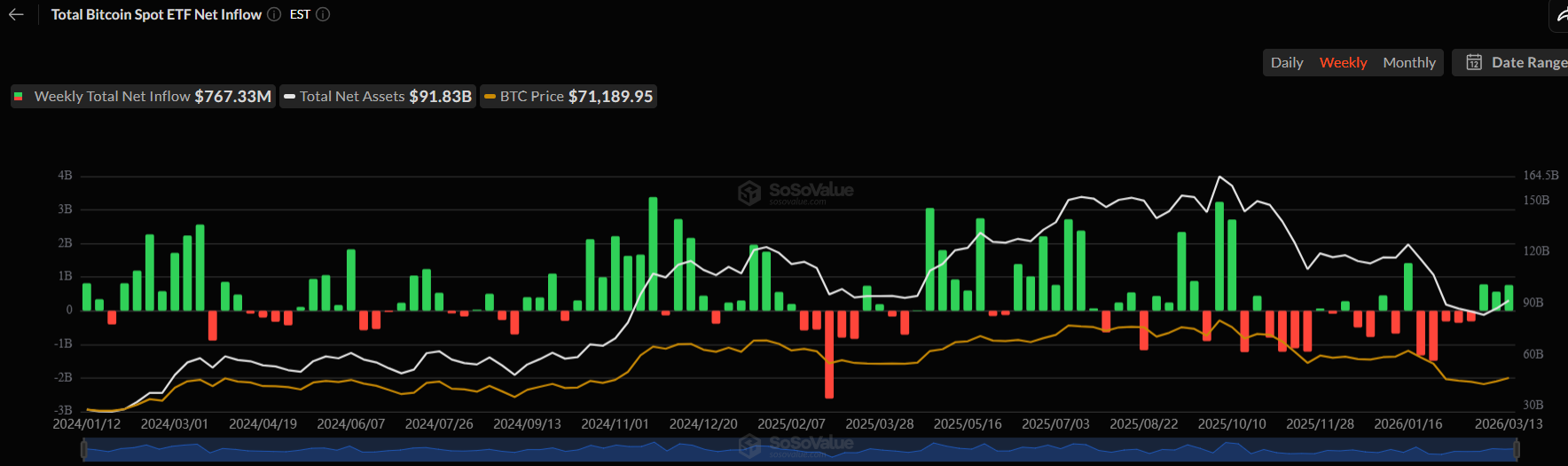
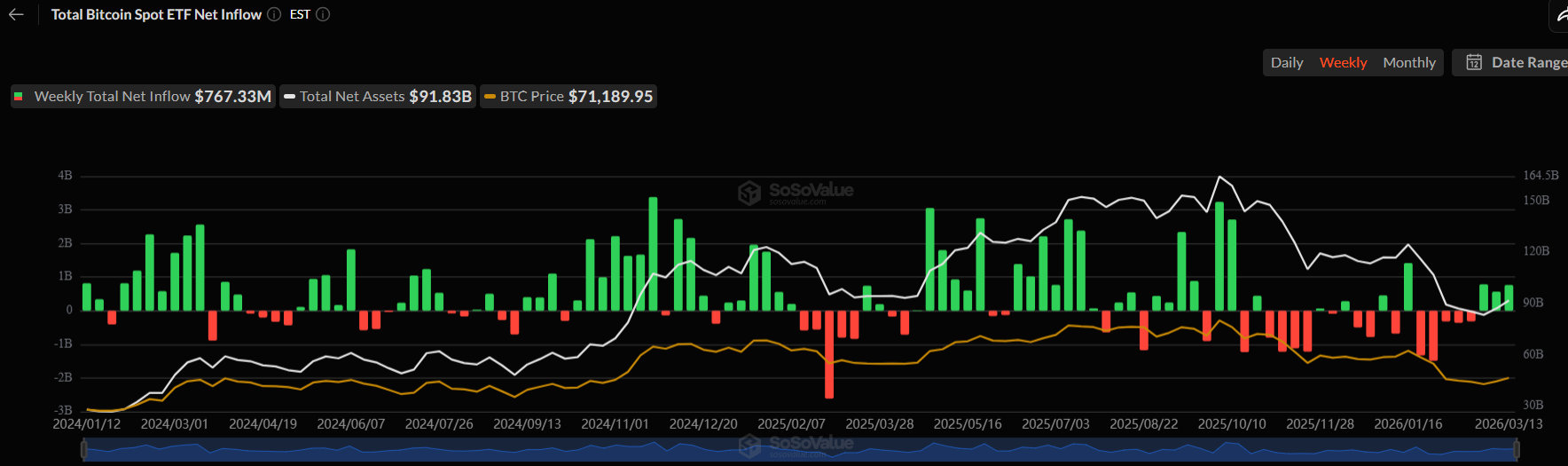
Institutional capital continues flowing through regulated crypto ETFs even as credit markets face strain. Over the past week, Bitcoin ETFs recorded $767.3 million in net inflows.

Approximately over $600 million of that capital was drawn to BlackRock’s IBIT, which dominated activity.
Source: SoSoValue

In contrast, Grayscale’s GBTC saw a $25.9 million exit, highlighting continued capital rotation. As Bitcoin [BTC] demand strengthens through ETFs, Ethereum funds also record steady accumulation.

Ethereum ETFs added $160.8 million in net inflows, reflecting steady institutional demand as investors continued reallocating exposure across different Ethereum investment products.

Beyond ETF flows, the Ethereum Foundation moved $10 million in ETH after initiating its first staking activity weeks earlier.

These developments signal that big investors prefer safer options, as ETFs are becoming more popular than riskier lending methods to access the crypto market.

Jane Street’s playbook echoes in XRP markets

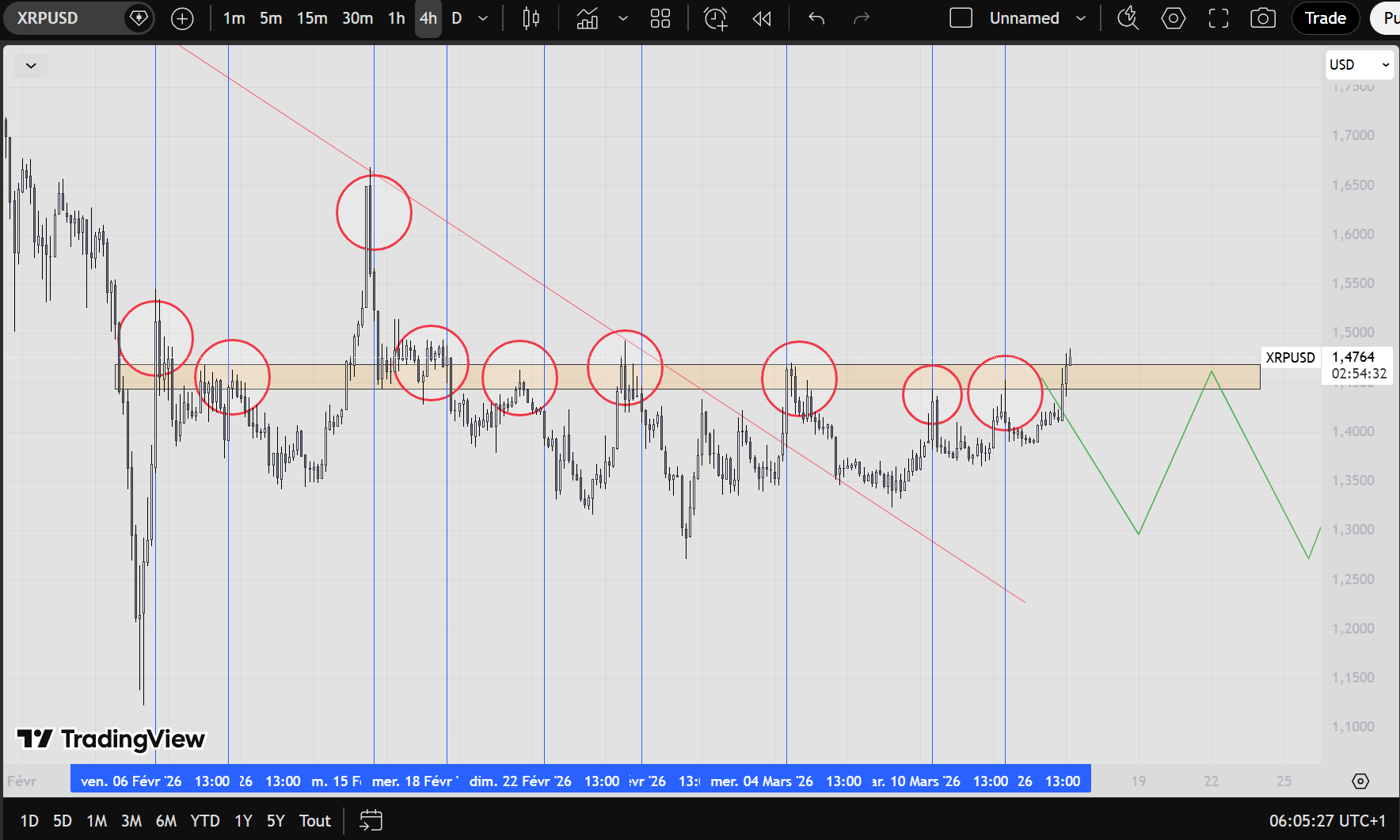
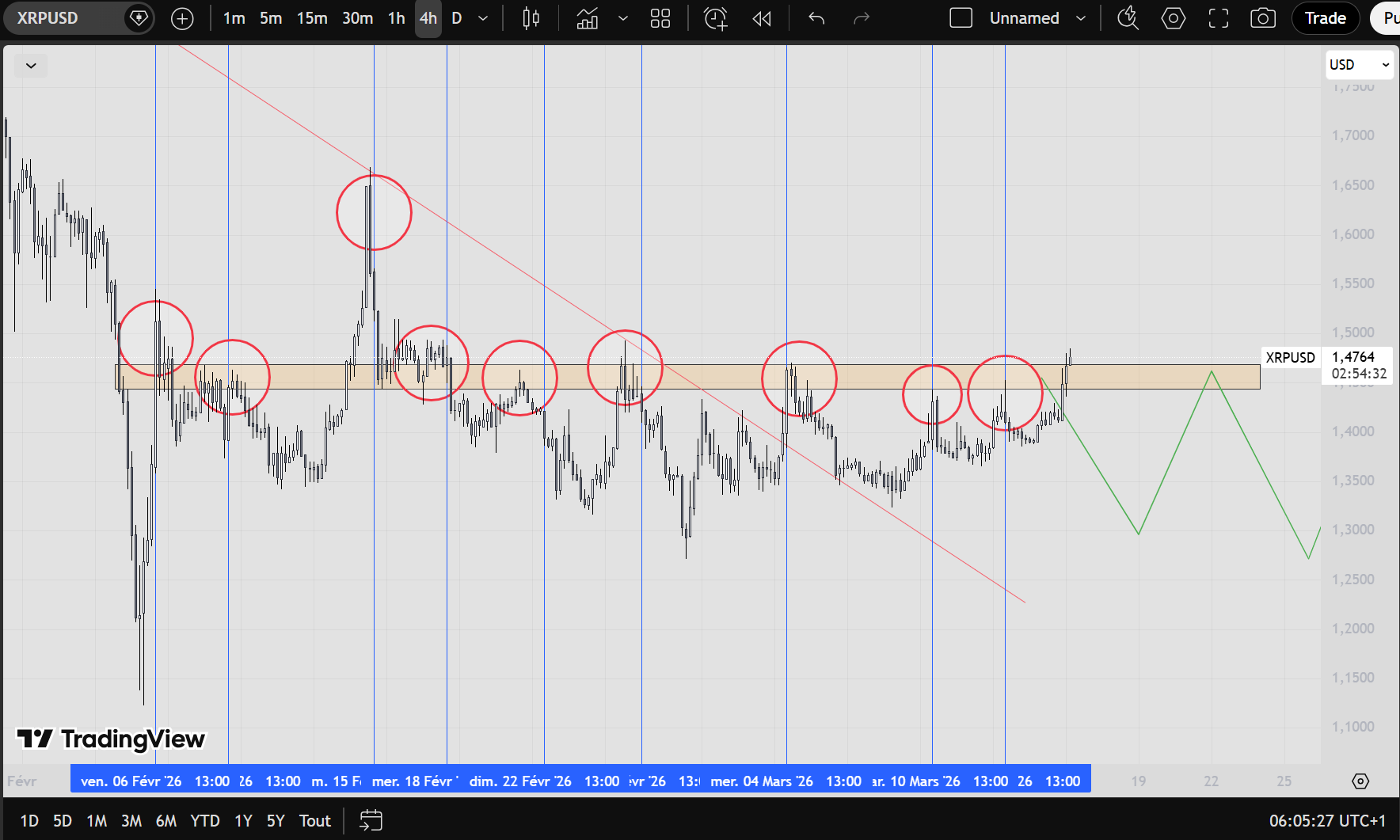
Over the weekend, Ripple [XRP] climbed from $1.41 to nearly $1.48 without a familiar rejection. This shift stood out because analyst ArthurXRP had earlier identified a recurring pattern.

In prior sessions, XRP repeatedly rallied toward the $1.48 resistance during off-hours trading.

Soon after, sharp selling pressure often appeared near the 10 AM EST U.S. market opening. Each rejection pushed the price back toward the $1.40–$1.42 range, reinforcing the ceiling.
Source: ArthurXRP/X

This behavior closely mirrors the “vanishing volatility” episode tied to the Jane Street controversy in early 2026. For months, crypto markets experienced a clockwork “10 AM dump,” widely attributed to institutional algorithmic flows.

Investigations alleged a “morning pump, afternoon dump” strategy used to profit from derivatives positioning. Yet as regulatory scrutiny intensified, the pattern abruptly faded.

Such dynamic hedge algorithms often create structured flows. When these systems pause, the selling pressure disappears. XRP’s weekend breakout therefore hints that institutional liquidity mechanisms may have temporarily stepped back.


Final Summary

  • Bitcoin’s market stress exposed structural fragility in centralized crypto lending after BlockFills’ collapse revealed liquidity mismatches and rising counterparty risk.
  • Ethereum reflects shifting institutional behavior as ETF inflows grow, while XRP’s disrupted sell pattern hints at fading algorithmic pressure.


Трендові криптовалюти

Пов'язані питання

QWhat were the main reasons behind BlockFills filing for Chapter 11 bankruptcy?

ABlockFills filed for Chapter 11 due to severe liquidity stress, with liabilities between $100 million and $500 million against assets of only $50–$100 million. This imbalance was exacerbated by Bitcoin's price plunge from $97,000 to below $64,000, causing institutional borrowers to default on margin calls and resulting in approximately $75 million in bad debt. The firm had also halted withdrawals, signaling depleted liquidity, and faced legal pressure over alleged misuse of customer assets.

QHow did Bitcoin and Ethereum ETFs perform in terms of institutional inflows recently?

ABitcoin ETFs recorded $767.3 million in net inflows over the past week, with over $600 million drawn to BlackRock's IBIT. In contrast, Grayscale's GBTC saw a $25.9 million outflow. Ethereum ETFs added $160.8 million in net inflows, reflecting steady institutional demand and a shift toward safer investment products like ETFs rather than riskier lending methods.

QWhat pattern did analyst ArthurXRP identify in XRP's price movement, and how did it relate to Jane Street's controversy?

AArthurXRP identified a recurring pattern where XRP rallied toward $1.48 during off-hours trading but faced sharp selling pressure near 10 AM EST, pushing the price back to the $1.40–$1.42 range. This behavior mirrored the '10 AM dump' pattern from the Jane Street controversy in early 2026, which was attributed to institutional algorithmic flows. The weekend breakout suggested a temporary step back from these liquidity mechanisms.

QWhat structural weaknesses in centralized crypto lending were revealed by BlockFills' collapse?

AThe collapse revealed that when collateral values fall faster than liquidations can execute, balance sheets quickly unravel. This leads to liquidity providers disappearing, market depth thinning, slippage rising, and institutional trust in crypto credit markets weakening further, highlighting the fragility of centralized lending models under stress.

QHow did the Ethereum Foundation's activity reflect broader institutional trends in the crypto space?

AThe Ethereum Foundation moved $10 million in ETH after initiating its first staking activity, signaling alignment with institutional trends favoring safer, regulated options like ETFs. This, combined with steady ETF inflows, indicates a shift away from riskier lending methods toward more secure and transparent investment vehicles.

Пов'язані матеріали

In Conversation with Ray Dalio: We Are Currently in an AI Bubble, with 1% of My Portfolio in Bitcoin

Ray Dalio, founder of Bridgewater Associates, warns in an interview that the current AI boom shows classic bubble characteristics, which could lead to significant economic downturns as seen in past cycles like 1929 or 2000. He explains that speculative enthusiasm, fueled by debt and overvaluation, often precedes a crash when rising rates or taxation force asset sales, causing widespread losses and recession. Dalio also outlines his "Big Cycle" theory, describing an approximate 80-year pattern where widening wealth gaps, massive government deficits, and shifting geopolitical power (like China's rise) create internal conflict and global instability. He emphasizes that we are in a late-cycle, transitional phase where traditional powers like the US and UK face decline. For personal wealth protection, Dalio advises diversification beyond cash into assets like stocks, bonds, real estate, and particularly gold, which he prefers over Bitcoin. While he holds about 1% of his portfolio in Bitcoin as a non-printable hard asset, he views gold as more secure from technological or governmental threats. Regarding AI's impact, Dalio believes it will disproportionately benefit capital owners, worsening inequality by replacing both physical and cognitive labor. He suggests that human intuition and emotional intelligence, combined with AI, will be key for future workers. On taxation, Dalio argues that wealth taxes are impractical and risk triggering asset sell-offs, reducing productive investment. He points to the UK as a cautionary example of debt, low productivity, and political strife. Geopolitically, Dalio foresees a more regionalized world, with the US showing weakness in prolonged conflicts like with Iran, akin to past imperial declines. The ideal outcome, he suggests, is coexisting powerful blocs (e.g., Americas, China-Asia Pacific) without major war.

marsbit3 год тому

In Conversation with Ray Dalio: We Are Currently in an AI Bubble, with 1% of My Portfolio in Bitcoin

marsbit3 год тому

Daily 7.2 Trillion KRW: Foreign Capital's Record Net Buying on Friday! Wall Street Says Headwinds for Korean Stock Fund Flows Have Subsided

South Korean stock market sees a dramatic shift in fund flows. On July 31, foreign investors made a record net purchase of approximately KRW 7.2 trillion in KOSPI stocks, marking a fundamental reversal from the persistent large-scale net outflows seen in previous months. This contributed to a significant narrowing of foreign net selling in July to KRW 9.8 trillion, down sharply from KRW 48.4 trillion in June and KRW 44.5 trillion in May. Simultaneously, domestic institutional pressure eased. South Korean pension funds and asset managers turned to a net buying position in July, purchasing KRW 1.0 trillion worth of KOSPI shares, contrasting with net sales in May and June. Market volatility is expected to be dampened by new financial regulations. Effective July 31, the Financial Services Commission tightened access for retail investors to single-stock leveraged ETFs by raising the minimum cash deposit requirement. Trading volumes for these products subsequently dropped to about 50% of their monthly average. Citigroup Research maintains its year-end KOSPI target of 10,000 points. The firm cites several supportive factors: the substantial easing of headwinds from capital outflows, a robust fundamental outlook for the semiconductor sector, historically low market valuations, strong economic fundamentals, and the potential for policy support from financial authorities if needed.

marsbit3 год тому

Daily 7.2 Trillion KRW: Foreign Capital's Record Net Buying on Friday! Wall Street Says Headwinds for Korean Stock Fund Flows Have Subsided

marsbit3 год тому

Thanks to Dice Rolls, Bitcoin Keys Are Stored Offline, But Not Everyone Will Do It

The article discusses using dice rolls to generate secure Bitcoin wallet seeds, providing entropy independent of potentially flawed hardware random number generators. It explains that each fair dice roll offers about 2.585 bits of entropy, with around 50 rolls needed for a standard 12-word seed phrase and 99+ recommended for higher security. This method gained attention after a vulnerability was revealed in some Coldcard hardware wallets, where a faulty firmware RNG (dating back to 2021) compromised generated keys. The analysis notes that while a dice-generated main seed was safe from this specific flaw, other Coldcard functions (like creating paper wallets, backup keys, or passwords) could still be vulnerable if they used the defective RNG. The piece argues that while dice-based entropy is technically robust, the manual process is error-prone, tedious, and unrealistic for most new users, who might make mistakes in recording or inputting rolls. It concludes that while manual entropy generation should remain an option for advanced users, the long-term goal is to develop reliable, user-friendly hardware and software that securely generates randomness without requiring specialized knowledge. Coldcard users are advised to check their firmware version and replace any secondary secrets (like paper wallet keys) created with vulnerable devices, while also considering multi-signature setups with devices from different manufacturers for added security.

cryptonews.ru8 год тому

Thanks to Dice Rolls, Bitcoin Keys Are Stored Offline, But Not Everyone Will Do It

cryptonews.ru8 год тому

Торгівля

Спот

Популярні статті

Що таке XRP 2.0

XRP 2.0: Нова межа в світі криптовалют Вступ до XRP 2.0 У постійно змінюючомуся світі криптовалют нові проекти постійно з'являються, змагаючись за увагу та прийняття. Однією з таких обіцяючих ініціатив є XRP 2.0, новий криптовалютний проект, що має на меті використання сучасних технологій блокчейн та надійних методів шифрування. Хоча назва нагадує про XRP від Ripple, важливо зазначити, що XRP 2.0 функціонує автономно, концентруючи увагу на підвищенні безпеки транзакцій, конфіденційності та масштабованості. Оскільки цифровий фінансовий ландшафт все більше приймає децентралізовані рішення, XRP 2.0 прагне значно сприяти веб3 та загальному розширенню крипто проектів. Що таке XRP 2.0? У своїй основі XRP 2.0 є криптовалютним проектом, що має на меті створення безпечної та децентралізованої екосистеми цифрової валюти. Його фундаментальна технологія інтегрує складні принципи блокчейну з передовими техніками шифрування. Загальною метою XRP 2.0 є встановлення себе як надійної та ефективної платформи, що дозволяє швидко виконувати транзакції, при цьому надаючи пріоритет підвищеним захистам конфіденційності для своїх користувачів. Проект позиціонується як рішення багатьох обмежень, з якими стикаються існуючі криптовалюти, пропонуючи систему, яка може обробляти вищий обсяг транзакцій з покращеною швидкістю та конфіденційністю. Ця універсальність позиціонує XRP 2.0 як значного гравця на ринку, наповненому різними цифровими валютами. Хто творець XRP 2.0? Особистість творця XRP 2.0 була позначена як «Вілбур». Проте, вичерпні деталі про Вілбура або пов'язану з ним організацію залишаються недоступними. Анонімність багатьох творців криптовалют не є незвичним явищем в індустрії, часто запроваджена для збереження певного рівня конфіденційності та безпеки. Хто інвестори XRP 2.0? На даний момент конкретна інформація про інвестиційні фонди або організації, що підтримують XRP 2.0, не є публічно доступною. У секторі криптовалют підтримка від визнаних інвесторів може значно вплинути на кредитоспроможність і успіх проекту, але прозорість щодо фінансових підтримувачів XRP 2.0 не була встановлена. Як працює XRP 2.0? XRP 2.0 вирізняється використанням комбінації технології блокчейн та просунутих алгоритмів шифрування, що забезпечують безпечні та децентралізовані транзакції. Його інноваційна структура включає унікальні функції, спрямовані на залучення користувачів та розширення функціональності за межами традиційних транзакцій криптовалюти. Серед цих функцій, XRP 2.0 включає можливості на базі ШІ, такі як текст в зображення та текст в мову. Ці нововведення розроблені для покращення інтерактивного досвіду для користувачів, сприяючи ширшій застосовності в різних секторах. Завдяки поєднанню технологічних досягнень з орієнтованим на користувача дизайном, XRP 2.0 прагне привернути увагу різноманітних осіб і підприємств, які шукають способи інтеграції рішень криптовалют у свої операційні структури. Хронологія XRP 2.0 Розуміння XRP 2.0 вимагає вивчення основних етапів, які визначили його подорож до теперішнього часу: 23 липня 2023 року: XRP 2.0 представлено як новий криптовалютний проект, що має на меті революціонізувати безпечні та децентралізовані можливості транзакцій у галузі блокчейн. 8 вересня 2023 року: Запускається інший проект, XRP20, що відзначає виникнення токена ERC-20 на блокчейні Ethereum, який не пов'язаний з XRP 2.0. 13 листопада 2023 року: XRP Ledger зазнає значного оновлення з виходом програмного забезпечення rippled server версії 2.0.0. Важливо зазначити, що цей розвиток не пов'язаний з криптовалютним проектом XRP 2.0. Ключові моменти про XRP 2.0 Щоб узагальнити суть XRP 2.0, кілька критично важливих факторів emerge: Унікальні функції: Включення функцій, таких як текст в зображення і текст в мову на базі ШІ, ще більше розширює потенційні застосування XRP 2.0. Технологія блокчейн: Архітектура використовує сучасні механізми блокчейн і протоколи шифрування, забезпечуючи безпечне та децентралізоване середовище для транзакцій. Масштабованість і конфіденційність: XRP 2.0 надає пріоритет підвищеним захистам конфіденційності в процесах транзакцій і масштабованості, необхідній для задоволення зростаючої бази користувачів. Відсутність зв'язку з Ripple: Важливо, що, незважаючи на свою назву, XRP 2.0 не має жодної прив'язки чи співпраці з XRP від Ripple, що відрізняє його операційну структуру та цілі в рамках криптовалютної екосистеми. Висновок XRP 2.0 представляє амбітну ініціативу у світі криптовалют, прагнучи запропонувати поєднання безпеки, конфіденційності та ефективності у цифрових транзакціях. Інтегруючи складні технології та дружні до користувача функції, проект ставить за мету розширити горизонти того, що криптовалюта може досягти в сучасній цифровій економіці. Хоча анонімність його творця та відсутність розкритих інвесторів можуть викликати запитання у деяких, фокус XRP 2.0 на передових функціональностях і децентралізації підвищує його привабливість на дедалі більшому ринку криптовалют. Оскільки ландшафт криптовалют продовжує еволюціонувати, XRP 2.0 може ще стати важливим гравцем у розширенні безпечних і масштабованих рішень блокчейн.

238 переглядів усьогоОпубліковано 2024.04.05Оновлено 2024.12.03

Що таке XRP 2.0

Як купити XRP

Ласкаво просимо до HTX.com! Ми зробили покупку XRP (XRP) простою та зручною. Дотримуйтесь нашої покрокової інструкції, щоб розпочати свою криптовалютну подорож.Крок 1: Створіть обліковий запис на HTXВикористовуйте свою електронну пошту або номер телефону, щоб зареєструвати обліковий запис на HTX безплатно. Пройдіть безпроблемну реєстрацію й отримайте доступ до всіх функцій.ЗареєструватисьКрок 2: Перейдіть до розділу Купити крипту і виберіть спосіб оплатиКредитна/дебетова картка: використовуйте вашу картку Visa або Mastercard, щоб миттєво купити XRP (XRP).Баланс: використовуйте кошти з балансу вашого рахунку HTX для безперешкодної торгівлі.Треті особи: ми додали популярні способи оплати, такі як Google Pay та Apple Pay, щоб підвищити зручність.P2P: Торгуйте безпосередньо з іншими користувачами на HTX.Позабіржова торгівля (OTC): ми пропонуємо індивідуальні послуги та конкурентні обмінні курси для трейдерів.Крок 3: Зберігайте свої XRP (XRP)Після придбання XRP (XRP) збережіть його у своєму обліковому записі на HTX. Крім того, ви можете відправити його в інше місце за допомогою блокчейн-переказу або використовувати його для торгівлі іншими криптовалютами.Крок 4: Торгівля XRP (XRP)Легко торгуйте XRP (XRP) на спотовому ринку HTX. Просто увійдіть до свого облікового запису, виберіть торгову пару, укладайте угоди та спостерігайте за ними в режимі реального часу. Ми пропонуємо зручний досвід як для початківців, так і для досвідчених трейдерів.

1.7k переглядів усьогоОпубліковано 2024.12.10Оновлено 2026.06.02

Як купити XRP

Обговорення

Ласкаво просимо до спільноти HTX. Тут ви можете бути в курсі останніх подій розвитку платформи та отримати доступ до професійної ринкової інформації. Нижче представлені думки користувачів щодо ціни XRP (XRP).

活动图片













