US Senators Press Bank Regulators For ‘Fair’ Crypto Capital Rules

bitcoinistОпубліковано о 2026-06-05Востаннє оновлено о 2026-06-05

Анотація

A group of U.S. Senate Republicans, led by Senator Cynthia Lummis, is urging federal bank regulators to establish clear and fair capital rules for banks involved with crypto assets. In a letter to the Federal Reserve, FDIC, and OCC, the lawmakers criticized the international Basel Committee's standards, which impose a punitive 1,250% risk weight on crypto assets, calling it a de facto ban not based on actual risk. They applauded recent interagency guidance that granted tokenized securities the same capital treatment as traditional ones, arguing this risk-based principle should apply consistently to all digital assets. The senators called on the agencies to develop a new capital framework, aligning with recent legislative progress on crypto market structure. Their push coincides with testimonies from top regulators, who emphasized a shift toward more risk-based supervision and responsible innovation, while also addressing stablecoin oversight under new proposals.

A group of Senate Republicans is pressing bank regulators to build on recent regulatory progress by creating a clearer capital framework for crypto activities and asset treatment.

US Senators Call For Clear Crypto Capital Rules

On Thursday, Senate Banking Subcommittee on Digital Assets Chair Cynthia Lummis and Senators Dan Sullivan, Bill Hagerty, Bernie Moreno, Ted Budd, and Jon Husted shared a recent letter urging key financial agencies to move toward “clear and fair” capital rules for banks engaged in crypto asset activities.

The letter, addressed to Federal Reserve Vice Chair for Supervision Miki Bowman, Federal Deposit Insurance Corporation (FDIC) Chairman Travis Hill, and Comptroller of the Currency Jonathan Gould, criticized the international Basel Committee on Bank Supervision’s capital standards, which gave “the most punitive classification in the capital framework” to crypto assets.

Notably, the standard assigned a 1,250% risk weight, used to determine how much a bank must hold against a certain asset, on crypto assets. To the senators, “This classification was not derived from a calibrated assessment of the actual risk profile of digital assets.

Instead, it “appears to be a blanket penalty assigned by asset category as a de facto ban on banks holding this asset class, in direct tension with a technology-neutral approach” that agencies like the Office of the Comptroller of the Currency (OCC) and the FDIC have disclosed over the past year.

The lawmakers applauded the regulatory agencies for their recent interagency guidance on tokenized securities, which clarified the capital treatment of these assets. In March, the FDIC, the OCC, and the Federal Reserve jointly said that tokenized securities should generally receive the same capital treatment as their non-tokenized counterparts, affirming that capital treatment should reflect the risk characteristics of the underlying asset, not the technology used to record ownership.

“That principle should apply consistently—including to other digital assets,” the letter stated. Citing this position and recent progress on the crypto market structure bill, which would expand banks’ ability to engage in balance-sheet crypto asset activities, the senators urged the FDIC, OCC, and Federal Reserve to begin developing a new capital framework for such activities.

Top Regulators Shift To ‘Risk-Based’ Supervision

The senators’ call for new crypto capital rules came as the three regulators testified before the House Financial Services Committee on Thursday morning, updating lawmakers on their broader effort to revisit and ease several bank rules implemented after the 2008 financial crisis.

In prepared remarks, the FDIC chair noted that the agency is implementing several changes to reform its approach to a more “effective and efficient” supervisory framework that continues to support the safety of individual institutions and the broader system.

Hill stated that strong capital standards play a critical role in ensuring a resilient banking system, while driving economic growth and supporting their customers. Regarding crypto assets, he stated that the agency has issued several proposed rules to regulate and oversee subsidiaries of FDIC-supervised Insured depository institutions (IDIs) approved to issue payment stablecoins under the GENIUS Act.

Similarly, the OCC Chief affirmed that it is “returning to risk-based supervision rooted in law and emphasizing examiner judgment, not arbitrary checklists,” and reviewing past supervisory criticisms and enforcement actions.

“Our job is to facilitate, not stymie, responsible innovation,” Gould said, adding that “Our banking system will only remain relevant and trusted if it resists pressures to deny access based on political or religious beliefs or lawful business activity. We have made considerable progress in reviewing the activities of the largest national banks and are investigating complaints of alleged debanking, consistent with the President’s executive order.”
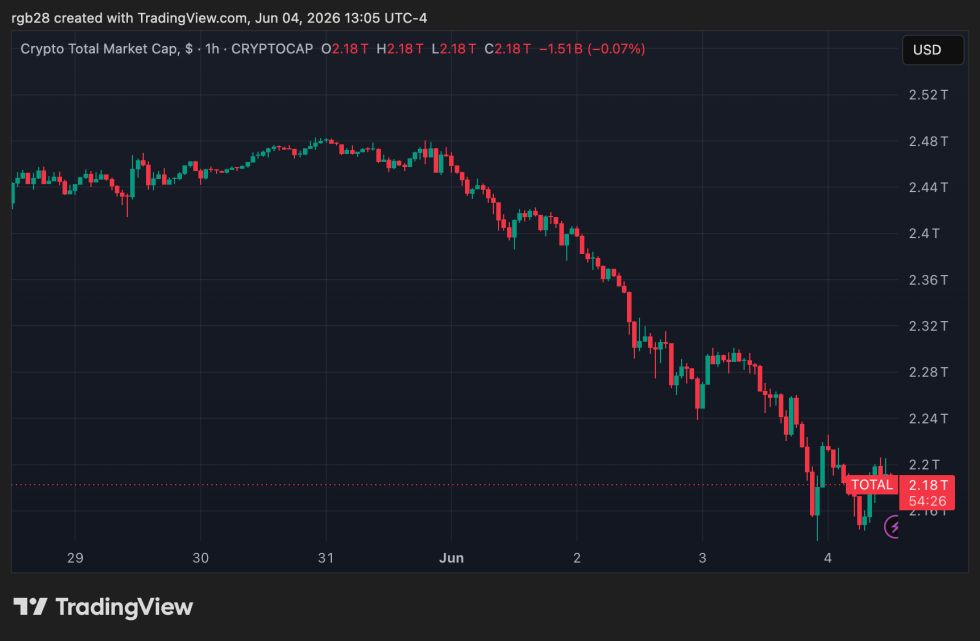
The total crypto market capitalization is at $2.18 trillion in the one-week chart. Source: TOTAL on TradingView


Пов'язані питання

QWhat are the main concerns of the US Senators regarding the current capital rules for crypto assets?

AThe Senators criticize the Basel Committee's standards for assigning a punitive 1,250% risk weight to crypto assets, arguing it appears to be a blanket penalty and a de facto ban rather than a calibrated assessment of actual risk.

QWhich regulatory agencies did the senators' letter address, and what recent guidance did they praise?

AThe letter was addressed to Federal Reserve Vice Chair Miki Bowman, FDIC Chairman Travis Hill, and Comptroller of the Currency Jonathan Gould. They praised the agencies' recent interagency guidance on tokenized securities, which clarified that tokenized securities should receive the same capital treatment as their non-tokenized counterparts.

QAccording to the letter, what principle should apply to the capital treatment of digital assets?

AThe principle that capital treatment should reflect the risk characteristics of the underlying asset, not the technology used to record ownership, should apply consistently to digital assets.

QWhat broader regulatory shift was mentioned in the testimony of the FDIC and OCC heads?

AThe FDIC and OCC heads indicated a shift towards more 'risk-based' supervision. The FDIC is moving to a more 'effective and efficient' framework, and the OCC is 'returning to risk-based supervision rooted in law and emphasizing examiner judgment, not arbitrary checklists.'

QWhat did OCC Comptroller Jonathan Gould state about the role of regulators regarding innovation and access?

AGould stated that the regulator's job is 'to facilitate, not stymie, responsible innovation,' and that the banking system must resist denying access based on political or religious beliefs or lawful business activity to remain relevant and trusted.

Пов'язані матеріали

Anthropic's IPO Launch: Commercial Miracle or Valuation Bubble?

Anthropic has confidentially filed for an IPO, led by Morgan Stanley and Goldman Sachs, potentially going public by October. Following its latest $650 billion funding round, its pre-IPO valuation stands at $965 billion, with projections reaching up to $2 trillion at listing, which would make it the highest-valued private company ever. The article, written by Fu Sheng, addresses skepticism that this represents an AI bubble akin to the 2000 dot-com crash. It argues the current situation differs fundamentally. Unlike the internet bubble era, which relied on speculative narratives with little revenue, Anthropic's valuation is backed by unprecedented, measurable financial performance. Key data points include: * **Revenue Growth:** ARR skyrocketed from $10 billion in early 2025 to $470 billion by May 2026, targeting $100 billion by year-end—a growth curve unmatched in business history. * **Profitability:** It achieved operating profitability in Q2 2026 with an estimated $5.6 billion profit. * **Efficiency:** With ~3,000 employees and ~$470 billion ARR, its revenue per employee exceeds $10 million. Products like Claude Code, launched less than a year ago, already generate $25 billion in annualized revenue. * **Enterprise Adoption:** It boasts a strong enterprise client base, with 8 of the Fortune 10 and over 1,000 large firms spending over $1 million annually on Claude. The valuation is framed using a traditional SaaS model (e.g., a 10x Price-to-Sales multiple on $100 billion revenue). The author contends the core question for analysts has shifted from "How big could this be?" to "How much is it earning and will earn next quarter?" The discussion extends beyond Anthropic to a broader paradigm shift: the transition from a "carbon-based" to a "silicon-based" economy. Companies are increasingly prioritizing investment in compute and AI capabilities over human resources, as these directly scale productivity and competitive advantage. Anthropic's IPO is thus positioned not just as a corporate milestone, but as a price anchor for this new economic era.

链捕手1 год тому

Anthropic's IPO Launch: Commercial Miracle or Valuation Bubble?

链捕手1 год тому

Near Returns to the AI Stage: Transformation into a Public Chain Due to 'Payroll Difficulties,' Agent and Privacy Emerge as New Growth Narratives

NEAR Returns to AI Origins: From Payroll Struggles to Blockchain, Now Focusing on AI Agents and Privacy NEAR Protocol's journey began not with grand blockchain ambitions, but from a practical hurdle: its AI startup founders, including Transformer paper co-author Illia Polosukhin, couldn't efficiently pay international developers in 2017. This led them to pivot and build a high-performance, scalable blockchain. After years navigating various crypto narratives like sharding and cross-chain interoperability, NEAR is now leveraging its AI roots to re-enter the AI arena. A key driver is its "NEAR Intents" layer, which abstracts complex cross-chain transactions. Users simply state their goal (e.g., swap BTC for ETH), and a solver network finds the optimal route. This system has processed over $20B in cross-chain volume, generating significant fee revenue. A major growth area is private transactions via "Confidential Intents/Swaps," which hide trade details until settlement to protect against MEV and front-running. Remarkably, private swaps recently accounted for over 40% of NEAR's transaction volume, highlighting strong demand but also potential regulatory scrutiny. With its AI-founder pedigree, NEAR is positioning itself at the intersection of blockchain, AI agents, and privacy, aiming to become infrastructure for the emerging agent economy while navigating the challenges of its rapid adoption.

marsbit3 год тому

Near Returns to the AI Stage: Transformation into a Public Chain Due to 'Payroll Difficulties,' Agent and Privacy Emerge as New Growth Narratives

marsbit3 год тому

From Ethereum to AI's 'CROPS': What Exactly is This Set of 'Slow Variables' That Vitalik Repeatedly Emphasizes?

In recent discussions, Vitalik Buterin has frequently emphasized the concept of "CROPS," a framework defining core values for Ethereum's development. CROPS stands for Censorship Resistance, Capture Resistance, Open Source, Privacy, and Security. Initially outlined in the Ethereum Foundation's "EF Mandate," it represents a commitment to user sovereignty, ensuring that the network resists external control, remains open, protects privacy, and prioritizes security. The relevance of CROPS extends beyond Ethereum's foundational principles, becoming crucial in the context of AI integration. As AI agents begin handling wallet operations and automated transactions, the risk increases that users may cede control over their digital assets, privacy, and intentions to centralized AI service providers. A "CROPS AI" would therefore emphasize local execution where possible, privacy-preserving remote model calls (e.g., using zero-knowledge proofs), and transparent, verifiable processes to maintain user agency. Vitalik highlights a significant convergence between "CROPS Ethereum access layer" and "CROPS AI." Both address the same fundamental challenge: how users can access powerful services—be it blockchain data via RPCs or AI models—without exposing sensitive information or relinquishing ultimate control. This intersection points toward a future digital entry point that is more private, secure, and user-controlled. Ultimately, CROPS is not merely an abstract ideal but a practical guidepost. It steers development—from protocol resilience and wallet design to AI agent safety—towards a future where users retain self-sovereignty even as digital systems grow more complex and powerful. In an era of accelerating AI adoption, these "slow variables" of censorship resistance, openness, privacy, and security may define Ethereum's enduring value.

marsbit3 год тому

From Ethereum to AI's 'CROPS': What Exactly is This Set of 'Slow Variables' That Vitalik Repeatedly Emphasizes?

marsbit3 год тому

Торгівля

Спот
Ф'ючерси

Популярні статті

Що таке $BANK

Bank AI: Революційний крок у майбутнє банківської справи Вступ В епоху, що характеризується швидкими технологічними змінами, Bank AI знаходиться на перетині штучного інтелекту (ШІ) та банківських послуг. Цей інноваційний проєкт прагне переосмислити фінансовий ландшафт, підвищуючи ефективність роботи, заходи безпеки та досвід клієнтів завдяки потужності ШІ. Розпочинаючи дослідження Bank AI, ми заглибимося в суть проєкту, його операційні динаміки, історичний контекст і значущі етапи. Що таке Bank AI? У своїй основі Bank AI представляє собою трансформаційну ініціативу, спрямовану на інтеграцію штучного інтелекту в різні банківські операції. Цей проєкт використовує можливості ШІ для автоматизації процесів, покращення протоколів управління ризиками та підвищення взаємодії з клієнтами через персоналізовані послуги. Основні цілі Bank AI включають: Автоматизація банківських функцій: Використовуючи технології ШІ, Bank AI прагне автоматизувати рутинні завдання, зменшуючи навантаження на людські ресурси та підвищуючи ефективність. Покращене управління ризиками: Проєкт використовує алгоритми ШІ для прогнозування та виявлення ризиків, тим самим зміцнюючи заходи безпеки проти шахрайства та інших загроз. Персоналізація банківських послуг: Bank AI зосереджується на пропозиції індивідуальних фінансових продуктів і послуг, аналізуючи дані і поведінку клієнтів. Покращення досвіду клієнтів: Впровадження рішень на основі ШІ, таких як чат-боти та віртуальні асистенти, має на меті забезпечити користувачам більш природну взаємодію, революціонізуючи спосіб, яким клієнти спілкуються з банками. З цими цілями Bank AI займає важливу роль в робленні банківської справи більш ефективною, безпечною та орієнтованою на користувача. Хто є творцем Bank AI? Деталі стосовно творця Bank AI залишаються невідомими. Таким чином, жодна конкретна особа або організація не були ідентифіковані в доступній інформації. Анонімність навколо створення проєкту піднімає питання, але це не зменшує його амбітного бачення та цілей. Хто є інвесторами Bank AI? Аналогічно творцеві проєкту, конкретна інформація стосовно інвесторів або організацій, що підтримують Bank AI, не була розкрито. Без цієї інформації важко окреслити фінансову підтримку та інституційну підтримку, які могли б сприяти розвитку проєкту. Тим не менше, важливість наявності міцної інвестиційної бази є вирішальною для забезпечення розвитку в такій інноваційній сфері. Як працює Bank AI? Bank AI функціонує на кількох інноваційних фронтах, фокусуючись на унікальних факторах, які відрізняють його від традиційних банківських структур. Нижче наведено ключові операційні характеристики: Автоматизація: Застосовуючи алгоритми машинного навчання, Bank AI автоматизує різні ручні процеси в банках. Це призводить до зниження операційних витрат і дозволяє працівникам перенаправити свої зусилля на більш стратегічні завдання. Покращене управління ризиками: Інтеграція ШІ в практики управління ризиками забезпечує банки інструментами для точного прогнозування потенційних загроз, таких як шахрайство, забезпечуючи при цьому безпеку інформації і активів клієнтів. Індивідуальні фінансові рекомендації: Завдяки безперервному навчанню з інтерaktionen з клієнтами, системи ШІ розвивають тонке розуміння потреб користувачів, що дозволяє їм пропонувати персоналізовані поради щодо фінансових рішень. Покращені взаємодії з клієнтами: Використовуючи чат-ботів і віртуальних асистентів на базі ШІ, Bank AI дозволяє створити більш залучений досвід для клієнтів, дозволяючи користувачам швидше отримувати відповіді на свої запитання, зменшуючи час очікування та підвищуючи рівень задоволеності. Разом ці операційні характеристики позиціонують Bank AI як піонера в банківському секторі, встановлюючи нові стандарти для надання послуг і операційної досконалості. Хронологія Bank AI Для розуміння траєкторії Bank AI необхідно ознайомитися з його історичним контекстом. Нижче наведено хронологію, що підкреслює важливі етапи та розробки: Ранні 2010-ті: Концептуалізація інтеграції ШІ в банківські послуги почала привертати увагу, коли банківські установи визнали потенційні переваги. 2018: Відбулося помітне збільшення впровадження технологій ШІ, коли банки почали використовувати інструменти ШІ, такі як чат-боти для базового обслуговування клієнтів та системи управління ризиками для покращення безпеки. 2023: Софістикація ШІ продовжувала розвиватися, з введенням генеративного ШІ для більш складних завдань, таких як обробка документів і аналіз інвестицій в реальному часі. Цей рік став важливим стрибком у можливостях, які забезпечує технологія ШІ для банків. 2024-актуальний статус: Станом на цей рік, Bank AI знаходиться на зростаючій траєкторії, з постійними дослідженнями та розробками, які готові подальше покращити можливості в банківських операціях. Продовження дослідження застосувань ШІ натякає на захоплюючі події, які ще попереду. Ключові моменти про Bank AI Інтеграція ШІ в банківську справу: Bank AI зосереджується на прийнятті штучного інтелекту для оптимізації банківських процесів та покращення досвіду користувачів. Автоматизація та фокус на управлінні ризиками: Проєкт сильного підкреслює ці сфери, прагнучи зshift тягар рутинних завдань, водночас підвищуючи безпеку через прогнозну аналітику. Персоналізовані банківські рішення: Завдяки використанню даних клієнтів, Bank AI забезпечує персоналізовані банківські послуги, що відповідають потребам окремих користувачів. Прихильність до розвитку: Bank AI залишається відданим постійним дослідженням і розробкам, що забезпечують його адаптацію та постійну актуальність у міру того, як технології продовжують розвиватися. Висновок Підсумовуючи, Bank AI є важливим кроком вперед у банківській індустрії, використовуючи штучний інтелект для переформатування операційних парадигм, підвищення безпеки та сприяння задоволеності клієнтів. Незважаючи на прогалини в інформації щодо творця та інвесторів, чіткі цілі і функціональні механізми Bank AI забезпечують міцну основу для його подальшої еволюції. Оскільки технологія ШІ продовжує розвиватися та інтегруватися в банківський сектор, Bank AI має всі шанси суттєво вплинути на майбутнє фінансових послуг, покращуючи спосіб, яким ми розуміємо та взаємодіємо з банківською справою.

146 переглядів усьогоОпубліковано 2024.04.06Оновлено 2024.12.03

Що таке $BANK

Як купити BANK

Ласкаво просимо до HTX.com! Ми зробили покупку Lorenzo Protocol (BANK) простою та зручною. Дотримуйтесь нашої покрокової інструкції, щоб розпочати свою криптовалютну подорож.Крок 1: Створіть обліковий запис на HTXВикористовуйте свою електронну пошту або номер телефону, щоб зареєструвати обліковий запис на HTX безплатно. Пройдіть безпроблемну реєстрацію й отримайте доступ до всіх функцій.ЗареєструватисьКрок 2: Перейдіть до розділу Купити крипту і виберіть спосіб оплатиКредитна/дебетова картка: використовуйте вашу картку Visa або Mastercard, щоб миттєво купити Lorenzo Protocol (BANK).Баланс: використовуйте кошти з балансу вашого рахунку HTX для безперешкодної торгівлі.Треті особи: ми додали популярні способи оплати, такі як Google Pay та Apple Pay, щоб підвищити зручність.P2P: Торгуйте безпосередньо з іншими користувачами на HTX.Позабіржова торгівля (OTC): ми пропонуємо індивідуальні послуги та конкурентні обмінні курси для трейдерів.Крок 3: Зберігайте свої Lorenzo Protocol (BANK)Після придбання Lorenzo Protocol (BANK) збережіть його у своєму обліковому записі на HTX. Крім того, ви можете відправити його в інше місце за допомогою блокчейн-переказу або використовувати його для торгівлі іншими криптовалютами.Крок 4: Торгівля Lorenzo Protocol (BANK)Легко торгуйте Lorenzo Protocol (BANK) на спотовому ринку HTX. Просто увійдіть до свого облікового запису, виберіть торгову пару, укладайте угоди та спостерігайте за ними в режимі реального часу. Ми пропонуємо зручний досвід як для початківців, так і для досвідчених трейдерів.

655 переглядів усьогоОпубліковано 2025.05.09Оновлено 2026.06.02

Як купити BANK

Обговорення

Ласкаво просимо до спільноти HTX. Тут ви можете бути в курсі останніх подій розвитку платформи та отримати доступ до професійної ринкової інформації. Нижче представлені думки користувачів щодо ціни BANK (BANK).

活动图片