U.S.-Iran Flames Reignite, Hedge Funds Aggressively Boost Crude Holdings at Fastest Pace in a Decade

链捕手Опубліковано о 2026-07-18Востаннє оновлено о 2026-07-18

Анотація

The escalating US-Iran conflict is reshaping global oil markets. Hedge funds have increased their net long positions in Brent crude at the fastest pace in nearly a decade. This surge in bullish bets, following a period of low prices, is driven by renewed US military action against Iran and Iranian attacks on shipping in the Strait of Hormuz, a critical maritime chokepoint. These disruptions are tightening oil supply and pushing global refining margins to record highs. Simultaneously, Ukraine's attacks on Russian refineries and a subsequent Russian diesel export ban are worsening global fuel supply shortages, particularly for diesel, intensifying market pressures and attracting further speculative investment.

Author: Zhao Ying, Wall Street News

The escalating U.S.-Iran conflict is profoundly reshaping the global crude oil market landscape. Hedge funds are placing massive bets on Brent crude rising at the fastest pace in nearly a decade, with disruptions to Hormuz Strait transit and tightening fuel supplies driving both oil prices and refining margins sharply higher.

According to Bloomberg, in the week ending July 14, asset management firms increased their net long positions in Brent crude by 75,996 contracts to 357,154 contracts, marking the largest weekly increase since December 2016, with overall holdings rebounding sharply from a seven-month low hit the previous week. Concurrently, crude oil prices have surged to a roughly one-month high over the past 10 days, following a cumulative drop of about 30% in the second quarter.

The direct catalyst for this round of positioning is the U.S. resumption of military strikes against Iran. Iran subsequently launched retaliatory strikes against Gulf neighbors and conducted maritime attacks on vessels transiting the Strait of Hormuz, severely constraining traffic through this critical chokepoint. Investor sentiment reversed sharply within just one week—shifting from prior worries about oversupply to a scramble to cover short positions.

Rapid Position Reversal, Bulls Return to Market

The intensity of hedge funds' positioning this time is extremely rare historically. According to Bloomberg, citing ICE Europe weekly futures and options data, the weekly increase in Brent crude long positions was the largest since December 2016, pulling overall holdings back from a seven-month low.

This shift reflects violent swings in market sentiment. Just a week earlier, investors were still anxious about potential oversupply; but as the U.S. renewed strikes against Iran, the market pivoted rapidly, with short-covering becoming the dominant force, driving a rapid accumulation of long positions.

Hormuz Disrupted, Fuel Margins Hit Record Highs

The conflict's impact on the global fuel market is also significant. Iran's attacks on vessels transiting the Strait of Hormuz have substantially reduced traffic through this passageway over the past 10 days, thereby tightening global supplies of refined products like diesel and gasoline, pushing global refining margins to record highs.

According to Bloomberg data, funds also increased their net long positions in NYMEX heating oil by 1,868 contracts, raising total holdings to 36,451 contracts, the highest level since the initial outbreak of war with Iran in March. The weekly increase in Nymex diesel net long positions also marked the largest gain since before the war erupted in February.

Russia's Exports Plunge, Adding to Supply Pressures

Tightness in the fuel market isn't solely due to Middle East tensions. According to Bloomberg, months of Ukrainian attacks on Russian refineries have led to a sharp decline in Russia's refined product exports, prompting Moscow to announce a ban on diesel exports, further exacerbating the tightening supply situation for global fuels.

The combination of these two supply shocks has placed particular pressure on the global diesel market, which also helps explain why refining margins have surged to historic highs in a short period and continue to attract capital inflows into related long positions.

Пов'язані питання

QAccording to the article, what is the primary reason for hedge funds aggressively increasing their bullish bets on Brent crude oil?

AThe primary reason is the escalation of the U.S.-Iran conflict, specifically the resumption of U.S. military strikes on Iran, Iran's retaliatory attacks, and subsequent disruption of maritime traffic in the Strait of Hormuz, which has sharply tightened fuel supply and reversed market sentiment from fearing a glut to fearing a shortage.

QWhat specific data point indicates the scale and speed of the hedge funds' positioning change in Brent crude?

AData shows that in the week ending July 14, asset managers increased their net-long positions in Brent crude by 75,996 contracts to 357,154 contracts. This was the largest single-week increase since December 2016 and marked a sharp rebound from a seven-month low the week before.

QHow has the conflict impacted the global fuel market, specifically refining margins?

AThe conflict, particularly Iran's attacks on vessels transiting the Strait of Hormuz, has significantly reduced traffic through this chokepoint. This has tightened the global supply of refined products like diesel and gasoline, pushing global refining margins to record highs.

QBesides the Middle East tensions, what other factor is mentioned as contributing to the tightness in global fuel supplies?

AAnother major factor is the significant drop in Russian refined fuel exports. This is due to Ukraine's months-long attacks on Russian refineries, which prompted Moscow to ban diesel exports, further straining the global fuel supply situation.

QWhat does the article state about the price movement of crude oil prior to this recent surge?

AThe article states that crude oil prices had plummeted by about 30% in the second quarter before the recent surge. The price then climbed to approximately a one-month high over a 10-day period driven by the new geopolitical tensions.

Пов'язані матеріали

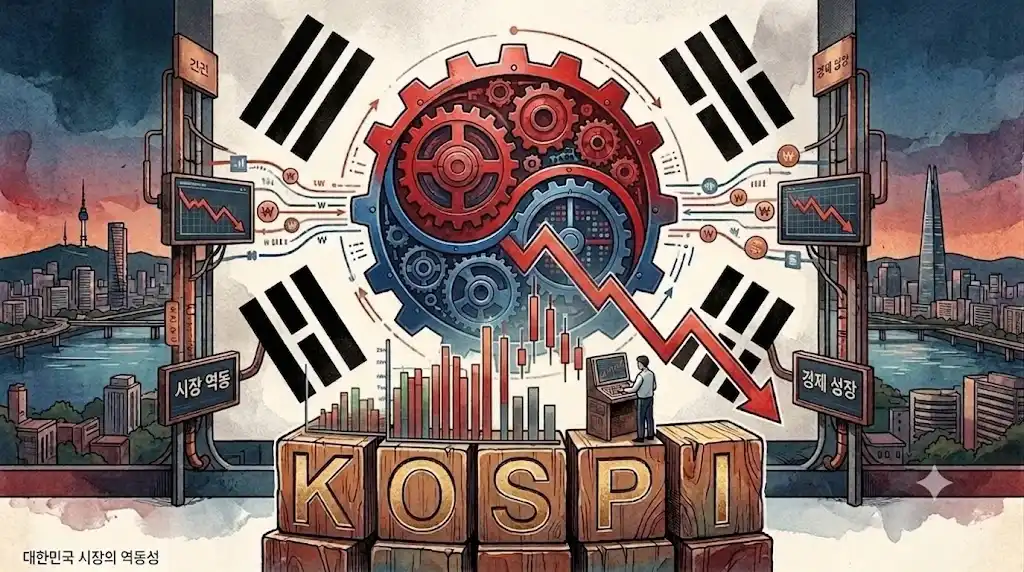
From the "National Fortune ETF" to "Bloody July": How to Defuse South Korea's Stock Market Leverage Crisis?

From "National Destiny ETF" to "Bloody July": How South Korea's Stock Market Leverage Crisis Unfolded In mid-July, South Korea's stock market experienced an epic "deleveraging" storm. Leveraged ETFs tied to semiconductor giants like Samsung and SK Hynix, once marketed as a shortcut to wealth, turned into financial shredders as market sentiment reversed. Over nine trading days, losses in popular leveraged ETFs exceeded 59.5 billion USD, with retail investors bearing 60% of the impact. Data shows散户 investors suffered losses of around 1.45 billion USD in a month. A severe wave of margin calls affected over 1.2 million accounts, leading to the complete liquidation of 460,000 accounts, 62% of which belonged to investors in their 20s and 30s. The crisis peaked around July 13th, with SK Hynix plunging over 15% and related 2x leveraged ETFs crashing 30%. The daily rebalancing mechanism within leveraged ETFs amplified the sell-off into a stampede. The situation was worsened by a credit crunch, as major banks neared their annual household lending caps, leaving散户 unable to borrow funds to meet margin calls. An unexpected 25-basis-point rate hike by the Bank of Korea on July 16th further intensified the panic. Facing mounting political pressure, President李在明 intervened. Financial authorities quickly announced seven stringent measures, including banning new sales of single-stock leveraged ETFs, raising investment thresholds, and strengthening risk warnings. The regulatory approach focused not on forcibly liquidating existing products but on restricting new inflows, aiming for a gradual market cool-down. However, risks persist, with over 235.5 billion USD in margin loan balances still outstanding in the market. The crisis served as a stark reminder of the dangers of excessive leverage, especially for retail investors, when speculative bubbles built on easy credit and complex products inevitably burst.

marsbit1 год тому

From the "National Fortune ETF" to "Bloody July": How to Defuse South Korea's Stock Market Leverage Crisis?

marsbit1 год тому

Торгівля

Спот
活动图片