TRM Warns Crypto Scammers Are Seeding World Cup 2026 Ticket And Betting Traps

bitcoinistОпубліковано о 2026-06-13Востаннє оновлено о 2026-06-13

Анотація

TL;DR: Crypto scammers are seeding early-stage ticketing, betting, and fan token scams ahead of the 2026 World Cup. Blockchain intelligence firm TRM Labs warns that fraudsters are establishing infrastructure for scams targeting the upcoming 2026 FIFA World Cup. While current financial losses are small, the firm identified three live operations using familiar tactics. Key scams include fake ticket portals that mimic legitimate checkout pages to steal crypto payments, and fixed-match betting schemes promising guaranteed results for upfront payments. TRM also flagged speculative, unofficial "fan" or commemorative tokens, like a $WORLDCUP token, which carry pump-and-dump risks as they lack official FIFA affiliation. Scammers are using cross-chain swaps and exchange accounts to obscure fund flows. One identified Polygon address for a ticket scam received around $1,562. Total identified receipts across initial World Cup-related addresses remain under $1,700, indicating these are seeding campaigns rather than large-scale operations. The early warning highlights that as major events approach, scam activity tends to grow. Users are advised to exercise extreme caution with crypto payments for tickets, betting tips, or unofficial event-themed tokens, and to verify all affiliations through official channels.

TL;DR

  • TRM Labs says crypto scammers are already seeding ticketing, betting and meme-coin schemes ahead of the 2026 World Cup.
  • The firm identified four addresses tied to three live operations, though receipts so far remain small.
  • TRM says one Polygon ticket scam address received $1,562, mostly on April 1, 2026.
  • The warning is early-stage, but TRM says scammers are using familiar tactics including fake payment flows, exchange accounts and cross-chain swaps.

Crypto scammers are already positioning around the 2026 World Cup, with TRM Labs warning that fake ticketing portals, fixed-match betting schemes and speculative fan tokens are beginning to appear before the tournament.

In a June 11 report, TRM said it had identified four addresses connected to three live operations targeting football fans. The amounts received so far are small, but the firm framed the activity as early-stage scam infrastructure rather than a finished campaign.

Fake Tickets And Fixed-Bet Claims

The most direct consumer risk is fake ticketing. TRM described phishing-style ticket checkout pages that push users into crypto payment flows controlled by scammers. These pages can look like legitimate event portals, but payments are routed to addresses linked to fraudulent processors.

One Polygon ticket scam address cited by TRM received $1,562, mostly on April 1, 2026. Across the initially identified World Cup-related scam addresses, total receipts were under $1,700.

That small figure is important. It suggests the schemes are still being seeded and tested rather than already operating at large scale. But early detection matters because sports-related scams can grow quickly as major tournaments approach and search demand rises.

TRM also highlighted fixed-match betting schemes, where scammers promise insider information or guaranteed results in exchange for upfront crypto payments. According to the report, funds from those operations may be routed toward exchange custodial accounts.

Meme Coins And Fan Speculation

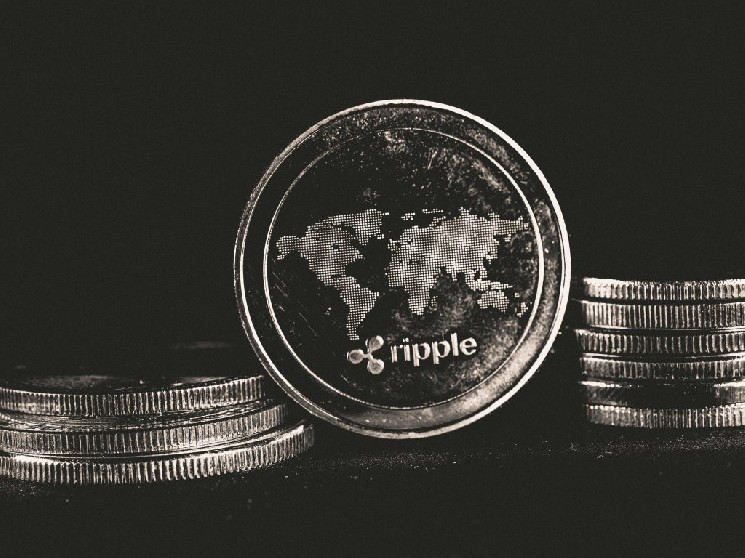
The report also flagged speculative commemorative tokens, including a $WORLDCUP token listed on LBank. TRM said such tokens lack official FIFA affiliation and can expose users to pump-and-dump risk.

This is a familiar pattern in crypto. Major cultural events can become magnets for tokens that lean on branding, fan excitement or implied association without any official connection. Some may be harmless speculation, but others can be designed to trap retail buyers after early promoters exit.

For users, the key point is simple: event-themed tokens should not be treated as official just because they reference a major tournament, team or slogan. Verifying affiliation through official channels matters.

Scammers Still Use Cross-Chain Tools

TRM said scammers continue to use cross-chain swaps and custodial exchanges as part of their operational flow. In one example, the report described movement from Polygon to Tron, a route that can complicate tracing for casual observers.

More broadly, TRM said scammers have moved $1.9 billion through cross-chain bridges to complicate tracing. The firm also cited approximately $35 billion flowing to fraud-linked wallets in 2025 and a record $158 billion in total illicit crypto activity that year.

Those larger figures are not specific to the World Cup scams. They are useful context for why even small early campaigns deserve attention: the infrastructure and playbooks used in small scams often resemble those used in larger fraud networks.

Why The Warning Matters Now

The 2026 World Cup is still ahead, but the crypto angle has already become more visible through sponsorships, betting markets, token speculation and cross-border payments.

That gives scammers a wide surface area. Fake ticketing appeals to fans, fixed-bet schemes target gamblers, and event-themed tokens target speculative traders looking for the next short-lived narrative.

TRM’s warning is not that World Cup crypto scams have already exploded. It is that the first signs are visible, and users should treat crypto payment requests around tickets, betting tips and unofficial fan tokens with extra caution before the tournament hype cycle accelerates.


Пов'язані питання

QWhat are the three main types of crypto scams TRM Labs has identified in relation to the 2026 World Cup?

ATRM Labs has identified three main types of scams: fake ticketing portals, fixed-match betting schemes, and speculative fan or commemorative tokens.

QWhy does TRM Labs consider the currently small amount of funds received by these scam addresses to be significant?

AThe small amount of funds (under $1,700 across identified addresses) is significant because it suggests the schemes are still in the early seeding and testing phase, not yet operating at a large scale. Early detection is crucial as these scams can grow rapidly as the tournament approaches.

QAccording to the report, what is a key risk for users regarding event-themed crypto tokens like $WORLDCUP?

AThe key risk is that these tokens often lack any official affiliation with the event (like FIFA for the World Cup) and can be subject to pump-and-dump schemes, where early promoters sell off their holdings after driving up the price, leaving retail buyers with losses.

QHow are scammers using cross-chain tools in these operations, according to TRM's findings?

AScammers use cross-chain swaps (e.g., moving funds from Polygon to Tron) and custodial exchanges to complicate the tracing of funds and obscure their movement, making it harder for investigators and victims to follow the money trail.

QWhat is the core purpose of TRM Labs' early warning about these World Cup-related crypto scams?

AThe core purpose of the warning is not to indicate that scams have already exploded, but to highlight that the first signs of scam infrastructure are visible. It aims to encourage users to exercise extra caution with crypto payments for tickets, betting tips, and unofficial fan tokens well before the tournament hype intensifies.

Пов'язані матеріали

The Clarity Act's Journey Through Congress: The Thorny Path of Bipartisan Compromise in the U.S.

The U.S. Congress is struggling to advance the crypto market structure bill known as the Clarity Act, with bipartisan compromise proving difficult. Key hurdles include unresolved disputes over "yield" products and, more critically, the inclusion of strong ethics provisions for elected officials—a non-negotiable demand for many Democrats. While a compromise on yield was reached in May, securing only limited Democratic support in committee, the separate Senate Agriculture Committee version later passed with no Democratic votes due to the ethics impasse. As Republicans push for a full Senate vote in July, demands for ethics rules have expanded, and other contentious issues like developer protections and concerns from law enforcement and large banks further complicate negotiations. Despite consensus on the need for legislation, the path forward is unclear. Recent discussions between senators and White House officials aim to find acceptable ethics language. Some lawmakers question whether a compromise text can garner enough bipartisan support, with one Democrat stating the current proposal lacks the strong ethics provisions required for their vote. Potential short-term goals for the crypto community include symbolic Senate action before the August recess, a longer-term aim for passage by 2026, or establishing a detailed framework that addresses ethics and other compromises. The process remains arduous, relying on the traditional, vote-by-vote effort to build bipartisan support.

marsbit8 хв тому

The Clarity Act's Journey Through Congress: The Thorny Path of Bipartisan Compromise in the U.S.

marsbit8 хв тому

Are Kalshi and Polymarket Founders at Odds? This Business Rivalry Is More Brutal Than You Think

"The Rivalry Between Kalshi and Polymarket Founders Turns Bitter and Litigious" The intense feud between Tarek Mansour, CEO of Kalshi, and Shayne Coplan, founder of Polymarket, has escalated far beyond typical business competition into personal animosity and regulatory battles. Both lead billion-dollar prediction market platforms, but their approaches differ sharply. Kalshi positions itself as the compliant operator, securing U.S. regulatory approval before launching. In contrast, Polymarket initially operated offshore, allowing U.S. users to access its platform via VPN, which drew regulatory scrutiny. The conflict reached a peak in November 2024 when FBI agents raided Coplan's New York apartment. While Coplan publicly blamed political motives, his team privately suspected Kalshi was involved. According to sources, Kalshi's lawyers had previously reported Polymarket's operations to federal prosecutors, highlighting its accessibility to U.S. users despite a ban. This incident fueled mutual accusations and underhanded tactics, including social media smear campaigns and attempts to sabotage each other's major business deals. Their rivalry also played out in Washington, influencing regulatory debates. Kalshi actively lobbied against Polymarket's practices, framing them as illegal and unethical. Polymarket, after facing a CFTC fine and investigation, later acquired a licensed U.S. firm to launch a domestic app, regaining a foothold. Despite the hostility, both companies have seen massive growth, with combined trading volumes soaring. However, increased regulatory scrutiny, particularly around insider trading on Polymarket's platform, continues to pose challenges. The founders' deep-seated mutual disdain ensures their battle for market dominance remains as much a personal vendetta as a commercial one.

marsbit17 хв тому

Are Kalshi and Polymarket Founders at Odds? This Business Rivalry Is More Brutal Than You Think

marsbit17 хв тому

Bank of America Quietly Positions: Could $6 Trillion in Bank Deposits Flow into Stablecoins?

Bank of America (BofA) is making strategic moves in digital assets, appointing senior leaders to advance a platform covering stablecoins, tokenized deposits, custody, and crypto settlement. This comes amid a broader discussion about the potential migration of trillions in bank deposits to stablecoins. A cited TBAC report estimated up to $6.6 trillion in transactional deposits could be at risk of moving to stablecoins long-term, a point BofA's CEO previously conditioned on stablecoins being allowed to pay interest. The regulatory landscape is evolving, with the GENIUS Act setting a final implementation deadline for January 2027. Major banks, however, are not waiting; JPMorgan, Citi, BofA, and others are already developing tokenized deposit networks and services. Industry observers note that while retail crypto trading is sluggish, institutional adoption of stablecoins for real-world use cases is driving growth. Despite the activity, some analysts remain cautious, noting banks have a long history of blockchain announcements and that true structural change is slow. The stablecoin market itself has seen a recent dip from its peak. Optimistic projections, however, foresee significant growth, with stablecoin settlement volume already reaching $33 trillion in 2025. The race is on for the post-January 2027 landscape, where regulatory clarity is expected to accelerate the fusion of traditional finance and crypto.

marsbit22 хв тому

Bank of America Quietly Positions: Could $6 Trillion in Bank Deposits Flow into Stablecoins?

marsbit22 хв тому

STAR 50 Soars 10.73%, Why Did A-Shares Stage a "V-Shaped Reversal"?

After a prolonged decline, the Chinese A-share market staged a strong rally on July 21. The STAR 50 index surged 10.73%, its largest single-day gain in nearly a year, leading a broad-based "V-shaped" reversal. The Shanghai Composite Index rose 1.79%, the Shenzhen Component Index gained 4.81%, and the ChiNext Index jumped 7.05%. Total market turnover reached 2.97 trillion yuan, an increase of 256.1 billion yuan from the previous session, with over 3,100 stocks advancing. The semiconductor sector spearheaded the rebound, with related ETFs posting significant gains. Analysts attribute the surge to three converging factors. First, coordinated capital inflows from "national team" institutions, insurance funds, listed company buybacks, and fund house self-purchases have bolstered market liquidity and confidence. Second, supportive policy signals, including commitments from regulators to ensure stable market operations, provided a favorable backdrop. Third, a stabilization and recovery in overseas markets, notably South Korea, created a positive external environment. Institutions suggest the most severe panic selling phase for the tech sector has likely passed, following a significant digestion of crowded positions and leveraged funds. While short-term volatility may persist, the medium to long-term outlook remains underpinned by enduring trends like AI computing demand expansion and semiconductor localization. The market's focus now shifts to the sustainability of supportive fund flows, earnings reports, and upcoming catalysts from the global AI industry chain.

marsbit1 год тому

STAR 50 Soars 10.73%, Why Did A-Shares Stage a "V-Shaped Reversal"?

marsbit1 год тому

Торгівля

Спот
活动图片