When NFTs, or non-fungible tokens, first entered the spotlight, they were just simple digital collectibles. Objects like digital art pieces, avatars, and other virtual assets took the world by storm, ultimately reshaping how people perceive ownership online. But their role has evolved significantly since the early hype cycles. As the underlying technology matured, so did its use cases, moving beyond speculation into more utility-driven ecosystems.
One of the most compelling shifts has been in the gaming industry. NFT-based games are no longer experiments or niche projects. Rather, the notion has evolved into fully developed, user-centric platforms that offer genuine ownership. interoperable assets, and new forms of digital economies as players are now allowed to own in-game assets that exist independently of centralized servers. Here is a list of some of the top P2E NFT games that you can try out:
1. Decentraland

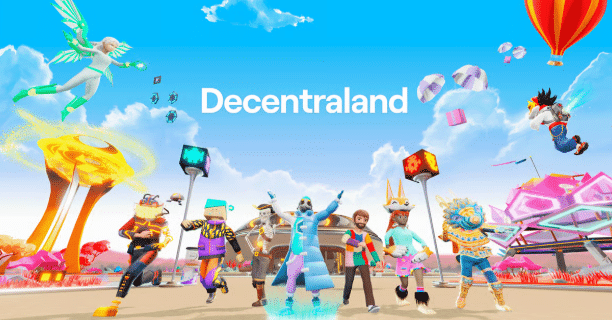
Decentraland offers a user-owned virtual world where players can explore, create, and monetise experiences within a fully decentralised metaverse. Built on the Ethereum blockchain, the game revolves around digital land ownership, with each parcel existing as an NFT. Players can build interactive spaces such as art galleries, games, and full-scale businesses, and generate income through activities like renting land, hosting events, or selling digital goods.
The native token, MANA, facilitates in-game purchases, trade, and governance. New users can casually roam the open world or participate in quests, while more experienced players may dive into custom scripting, scene building, or decentralized app creation.
Though not centered on traditional gameplay loops, Decentraland has carved out a space in the NFT ecosystem as a sandbox for digital creativity and ownership.
2. Treeverse

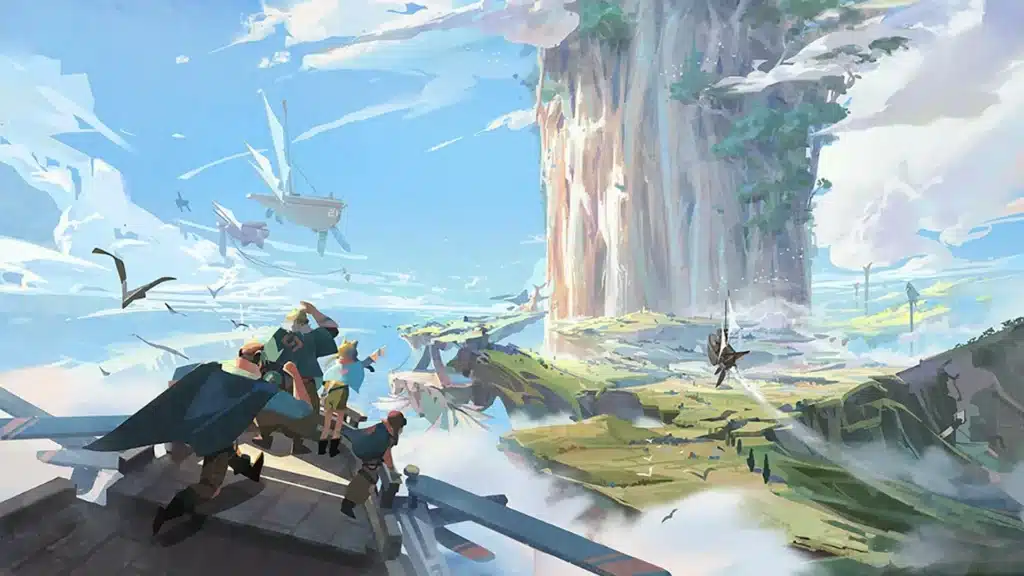
Treeverse is an open-world MMORPG game that is set in the world of Arboros, where players go on an adventure in both PvP and PvE formats. They can craft and gather resources from the environment and their own lands and battle it out against mythical creatures.
Collectible NFTs in the game can be planted, and the harvested fruits can be sold in the in-game economy, giving players a chance to get passive income. $SEED is the in-game currency for transactions, while $ROOT is the governance token within the Treeverse universe.
3. Blast Royale

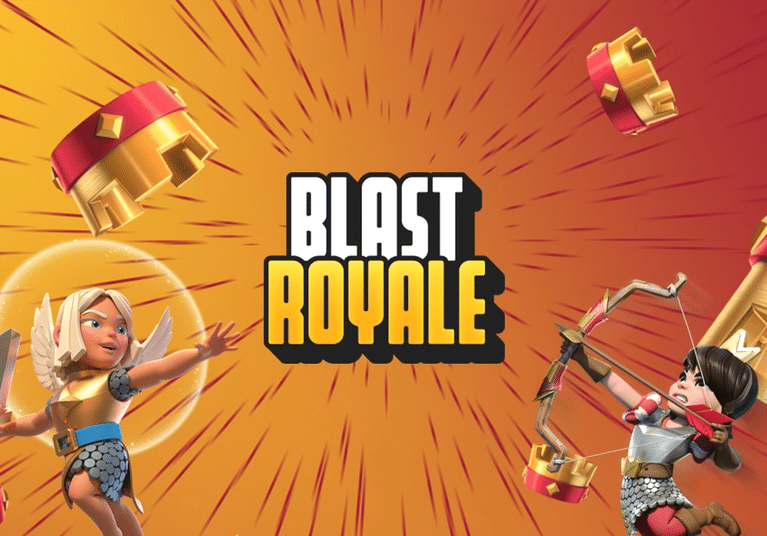
Blast Royale is a blockchain-based mobile battle royale game that is free-to-play. Players fight it out and compete to be the last survivor. They can customize their characters with various weapons and equipment and take part in 6-minute matches with up to 48 players, choose their drop zones, scavenge items and weapons with the aim of outlasting their opponents.
There are different modes players can take part in, such as solo, duo, squad, custom games, and seasonal tournaments. Participants can also collect and trade NFT-based items such as melee weapons, gliders, avatars, and death makers.
4. Gods Unchained

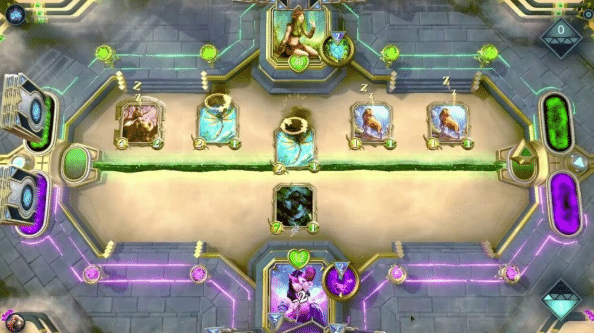
Gods Unchained is a competitive digital card game that uses traditional trading card game (TCG) mechanics along with blockchain-powered ownership. Players build decks using a curated set of cards aligned with specific gods, each offering distinct powers and strategic advantages. Battles take place in a turn-based format, where careful timing, card synergy, and resource management are key to outmaneuvering opponents.
The game’s economy centres around GODS, a native token earned through ranked wins, daily quests, and special events. These tokens can be used to make new cards, stake for passive income, or traded externally. Unlike many blockchain games, Gods Unchained offers a true free-to-play model, allowing new players to receive a base card set to start competing without upfront costs.
While casual modes provide a gentler introduction, climbing the ranks demands significant tactical depth and mastery of deck-building mechanics. For players who enjoy strategic gameplay and asset ownership, it offers a rewarding, albeit challenging, play-to-earn experience.
5. RavenQuest

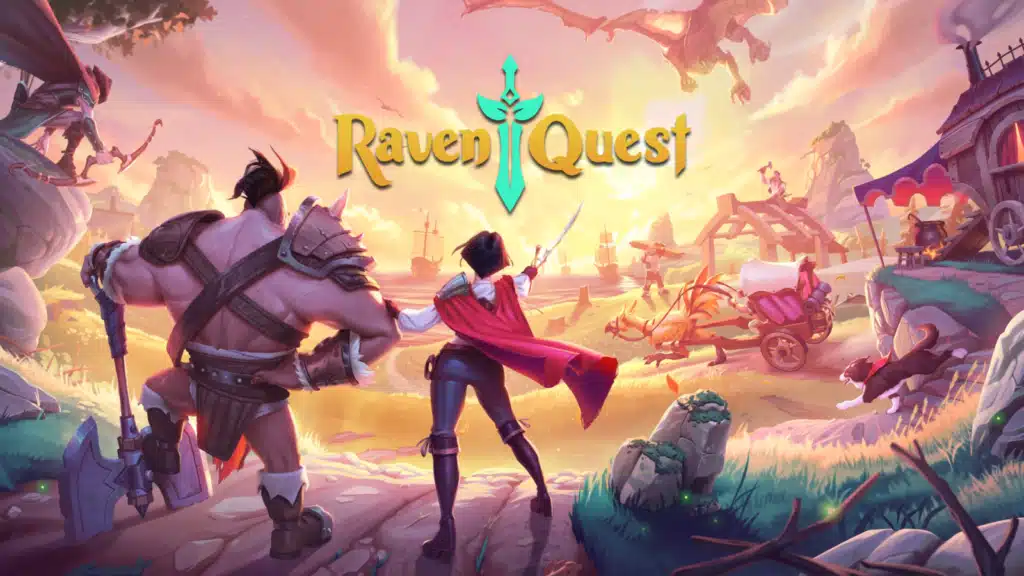
RavenQuest is an MMORPG (Massively multiplayer online role-playing game) that was built upon the success of Ravendawn, its predecessor Web2 game. It integrates blockchain technology into a game where players can truly own their in-game assets.
The gameplay involves users choosing their pick from 8 archetypes: Holy, Protection, Shadow, Warfare, Archery, Spiritual, Wizardry, and Witchcraft. They can then combine up to 3 to create a distinct class build. Players can participate in open-world PvP battles or team up with their friends for PvE quests.
6. My DeFi Pet

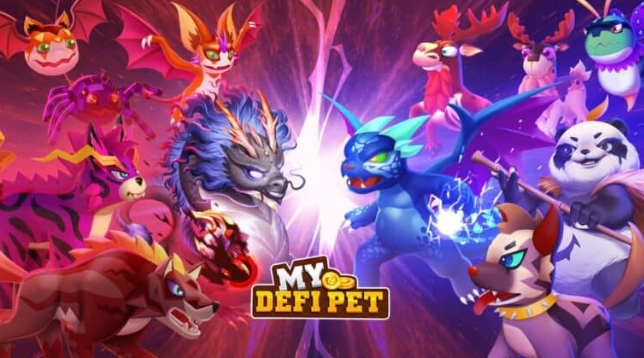
My DeFi Pet is a pet-themed blockchain game that combines elements of digital pet collection, breeding, and battling with DeFi mechanics. Players collect, breed, and evolve a variety of digital pets, each with unique traits and appearances. These pets can be trained, enhanced, and used in battles against other players in turn-based matchups.
The game’s economy is powered by DPET, the native token used for breeding, purchasing new pets, crafting items, and participating in events. Players can earn DPET through battles, selling rare pets in the marketplace, staking, or engaging in in-game DeFi activities such as liquidity pools and lending protocols.
While the core mechanics like collecting and training are beginner-friendly, earning any form of substantial rewards requires deeper involvement, namely breeding high-value pets or mastering battle strategies. As the game’s market activity has slowed, profitability depends more on long-term planning and in-game engagement.
7. Sorare

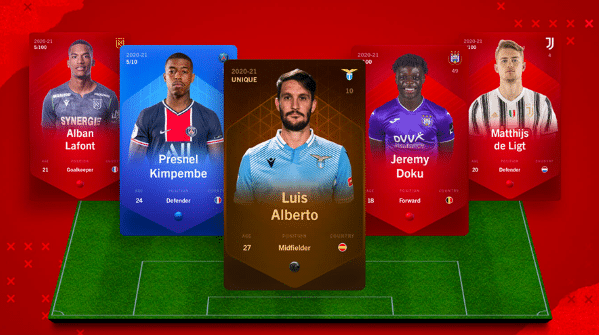
Sorare is a fantasy football game that merges digital collectibles with real-world sports strategy. Players build teams using officially licensed player cards from global football leagues and compete in fantasy tournaments that mirror real match outcomes. Each card represents a real athlete and varies in rarity, offering strategic depth when forming lineups for competitive play.
Players earn rewards by entering tournaments and leagues where their real-life performances determine outcomes. High-performing managers can win valuable NFTs or SOR tokens, and savvy trading on the transfer market allows for additional profit. Card values fluctuate based on athlete performance, rarity, and market demand, making timing and prediction key elements of success.
Sorare maintains a strong player base, particularly among football fans and fantasy sports enthusiasts. While entry is free and casual players can participate, the learning curve and competition increase with higher stakes. For those willing to invest in scouting, trading, and team optimization, Sorare offers a viable and rewarding path in the NFT-based fantasy sports arena.
8. The Sandbox

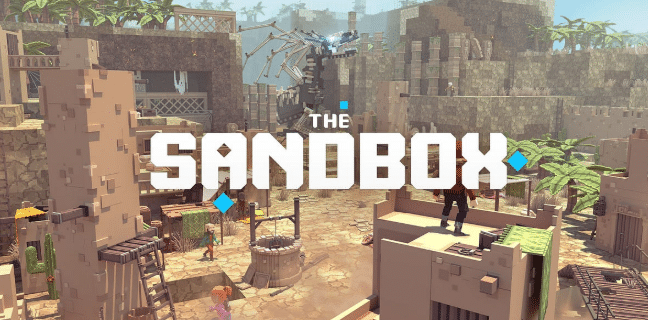
The Sandbox is a community-driven metaverse platform that allows players to create, own, and monetize virtual experiences. Unlike traditional games with set narratives, The Sandbox gives users the tools to design interactive spaces, using intuitive software like Game Maker and VoxEdit. Land ownership is a central pillar, with each virtual plot existing as an NFT that can be developed, sold, or rented for income.
The native SAND token powers all in-game transactions, including asset purchases, staking, and governance participation. Players can earn by creating and selling NFT assets, hosting games or experiences on their land, or trading parcels in the open marketplace. As the ecosystem evolves, The Sandbox has become a hub for digital creators, brands, and communities, many of whom use the platform to launch branded events, collectibles, or digital storefronts.
While the game doesn’t follow traditional gameplay loops, its creative freedom and monetization opportunities make it one of the most robust NFT metaverse platforms today. Earning potential scales with a player’s ability to build, collaborate, or speculate on land and digital goods.
Final words
The NFT gaming landscape in 2025 is more mature, diverse, and player-focused than ever before. But while the opportunities for ownership and earning are real, they also come with a learning curve and varying levels of commitment.
For newcomers, the best approach is to start slow. Explore a game’s mechanics, test its economy, and engage with the community before making significant investments. Many of these platforms offer free-to-play entry points or low-risk ways to participate, making it easier to understand the system without diving in too deep, too soon.
Disclaimer. Readers are encouraged to do their own research. Ambcrypto is not liable for any outcomes related to the use of information, products, or services mentioned. This content may include affiliate or partner links.