Top 8 NFT Games as of March 2026

ambcryptoОпубліковано о 2026-03-18Востаннє оновлено о 2026-03-18

Анотація

NFT games have evolved from speculative digital collectibles to utility-driven ecosystems, offering genuine ownership, interoperable assets, and player-driven economies. This list highlights eight leading NFT games as of March 2026: Decentraland is a user-owned virtual world where players monetize experiences through land NFTs and the MANA token. My DeFi Pet combines pet collection and battling with DeFi mechanics, using DPET for breeding and rewards. Pixel is a play-to-earn metaverse focused on farming, crafting, and social interaction, with upcoming $PIXEL token integration. Shrapnel is a competitive shooter where skill-based performance earns NFT gear. Gods Unchained is a strategic card game with NFT-based card ownership on Ethereum. Splinterlands offers fast-paced card battles with low-cost NFT trading on the Hive blockchain. The Sandbox enables creators to build and monetize experiences using SAND tokens and land NFTs. Nine Chronicles is a decentralized RPG where players earn NCG through crafting, combat, and exploration. These games represent diverse approaches to integrating NFTs, ownership, and player incentives, though success often depends on engagement, skill, or creative contribution. The space continues to experiment with new economic models beyond traditional gaming.

When NFTs, or non-fungible tokens, first entered the spotlight, they were just simple digital collectibles. Objects like digital art pieces, avatars, and other virtual assets took the world by storm, ultimately reshaping how people perceive ownership online. But their role has evolved significantly since the early hype cycles. As the underlying technology matured, so did its use cases, moving beyond speculation into more utility-driven ecosystems.

One of the most compelling shifts has been in the gaming industry. NFT-based games are no longer experiments or niche projects. Rather, the notion has evolved into fully developed, user-centric platforms that offer genuine ownership. interoperable assets, and new forms of digital economies as players are now allowed to own in-game assets that exist independently of centralized servers.

Furthermore, by integrating play-to-earn or own-to-play models, many of these games offer users the potential to generate real value through their time, skill, or creative contributions. From competitive strategy games to expansive metaverses, the NFT gaming space is fostering new forms of digital economies- ones where engagement can translate to tangible rewards.

The following list highlights 8 standout NFT games that are leading the charge, each with its own approach to gameplay, asset ownership, and player empowerment:

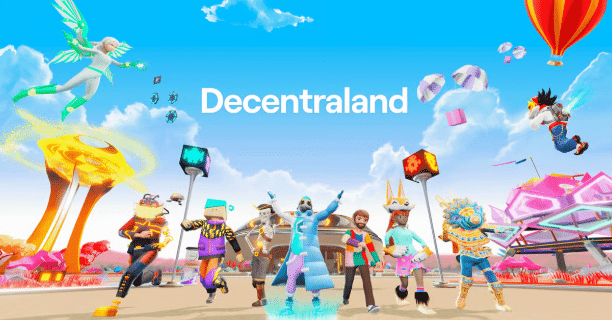
1. Decentraland
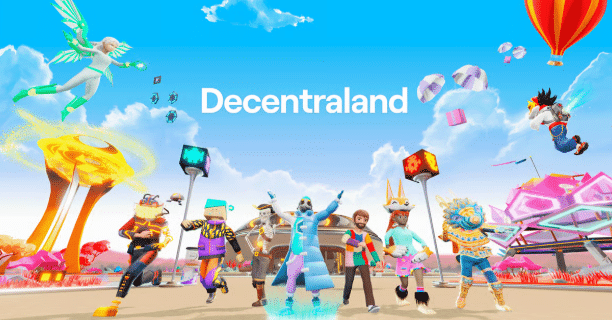
Decentraland offers a user-owned virtual world where players can explore, create, and monetise experiences within a fully decentralised metaverse. Built on the Ethereum blockchain, the game revolves around digital land ownership, with each parcel existing as an NFT. Players can build interactive spaces such as art galleries, games, and full-scale businesses, and generate income through activities like renting land, hosting events, or selling digital goods.

The native token, MANA, facilitates in-game purchases, trade, and governance. New users can casually roam the open world or participate in quests, while more experienced players may dive into custom scripting, scene building, or decentralized app creation.

Though not centered on traditional gameplay loops, Decentraland has carved out a space in the NFT ecosystem as a sandbox for digital creativity and ownership.

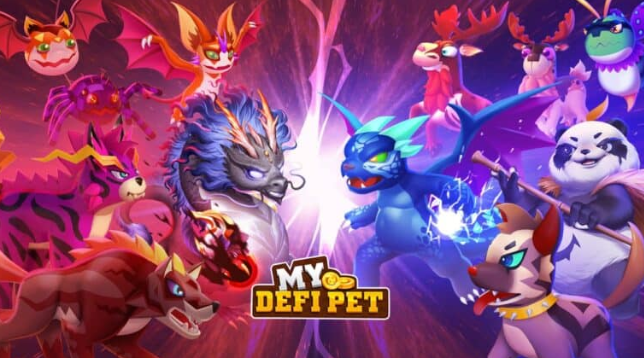
2. My DeFi Pet
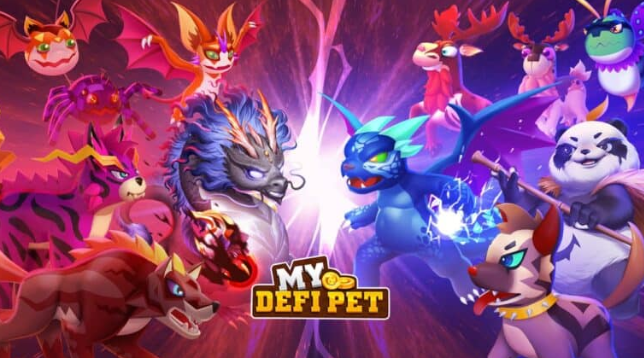
My DeFi Pet is a pet-themed blockchain game that combines elements of digital pet collection, breeding, and battling with DeFi mechanics. Players collect, breed, and evolve a variety of digital pets, each with unique traits and appearances. These pets can be trained, enhanced, and used in battles against other players in turn-based matchups.

The game’s economy is powered by DPET, the native token used for breeding, purchasing new pets, crafting items, and participating in events. Players can earn DPET through battles, selling rare pets in the marketplace, staking, or engaging in in-game DeFi activities such as liquidity pools and lending protocols.

While the core mechanics like collecting and training are beginner-friendly, earning any form of substantial rewards requires deeper involvement, namely breeding high-value pets or mastering battle strategies. As the game’s market activity has slowed, profitability depends more on long-term planning and in-game engagement.

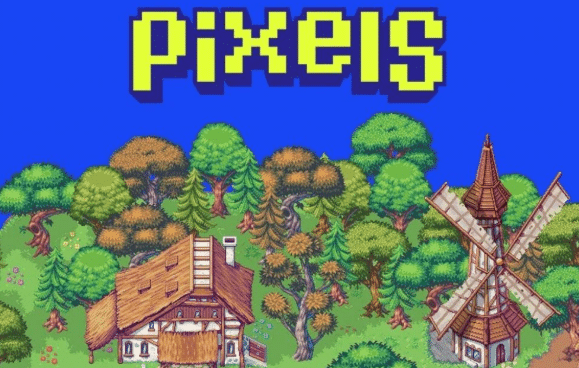
3. Pixel
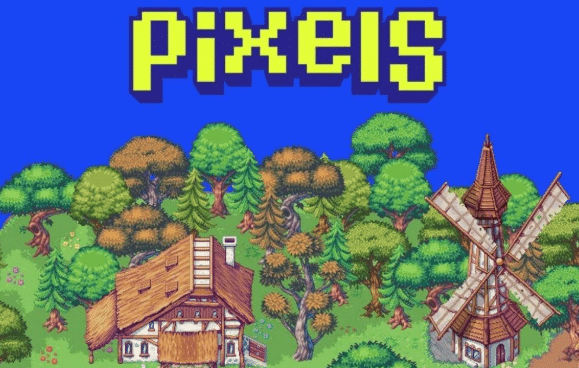
Pixel is a play-to-earn metaverse game where players collect, breed, and manage the game’s avatars known as Pixelmons. Within its expansive virtual world, users can farm, craft, build structures, and engage in battles, all while customising their land and assets for both utility and style. Social interaction also plays a strong role, with guilds, community events, and player-run economies forming the backbone of the experience.

The in-game economy revolves around crafting items, managing farms, and eventually trading goods and assets for the upcoming $PIXEL token. Players can monetize their progress by selling crafted goods, agricultural products, and rare discoveries in the game’s marketplace. Owning land offers strategic advantages, enabling passive income opportunities through farming, leasing, or production.

Although Pixel remains in early development, it shows long-term potential for committed players and creators. However, earning profits currently requires a deeper time and resource investment. Farming and crafting are accessible for beginners, but advanced exploration and social competitions demand greater planning, collaboration, and skill.

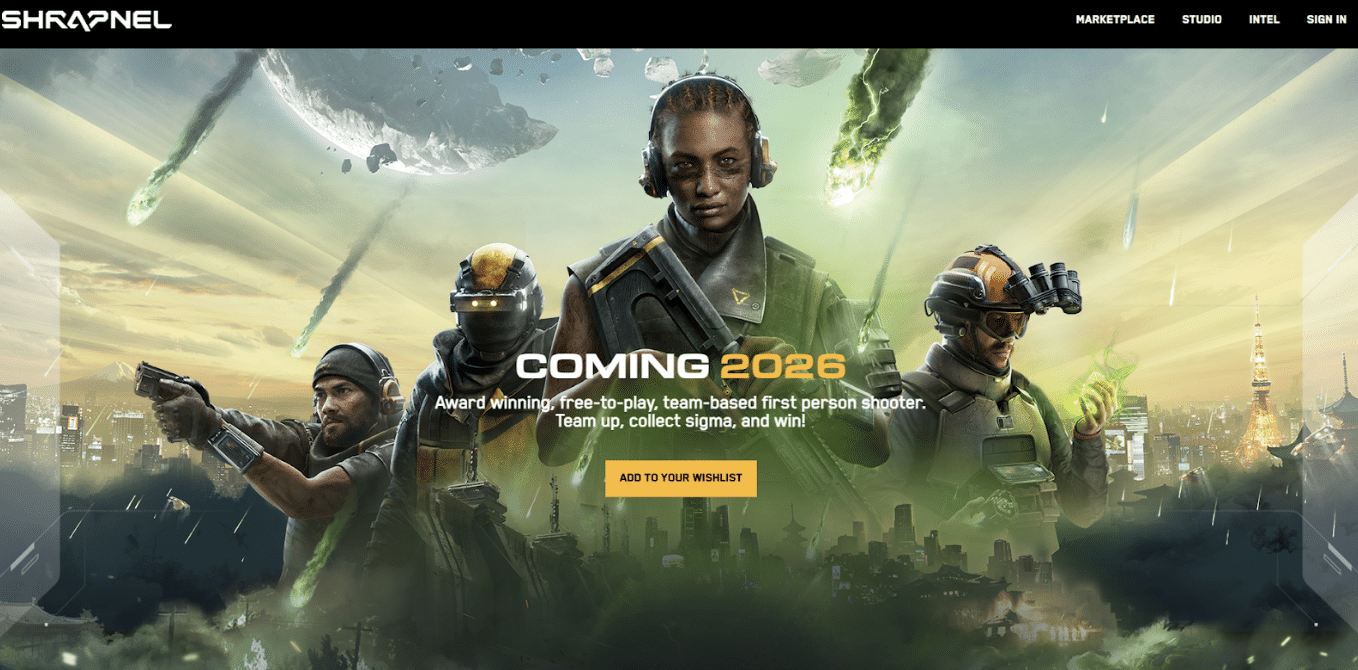
4. Shrapnel
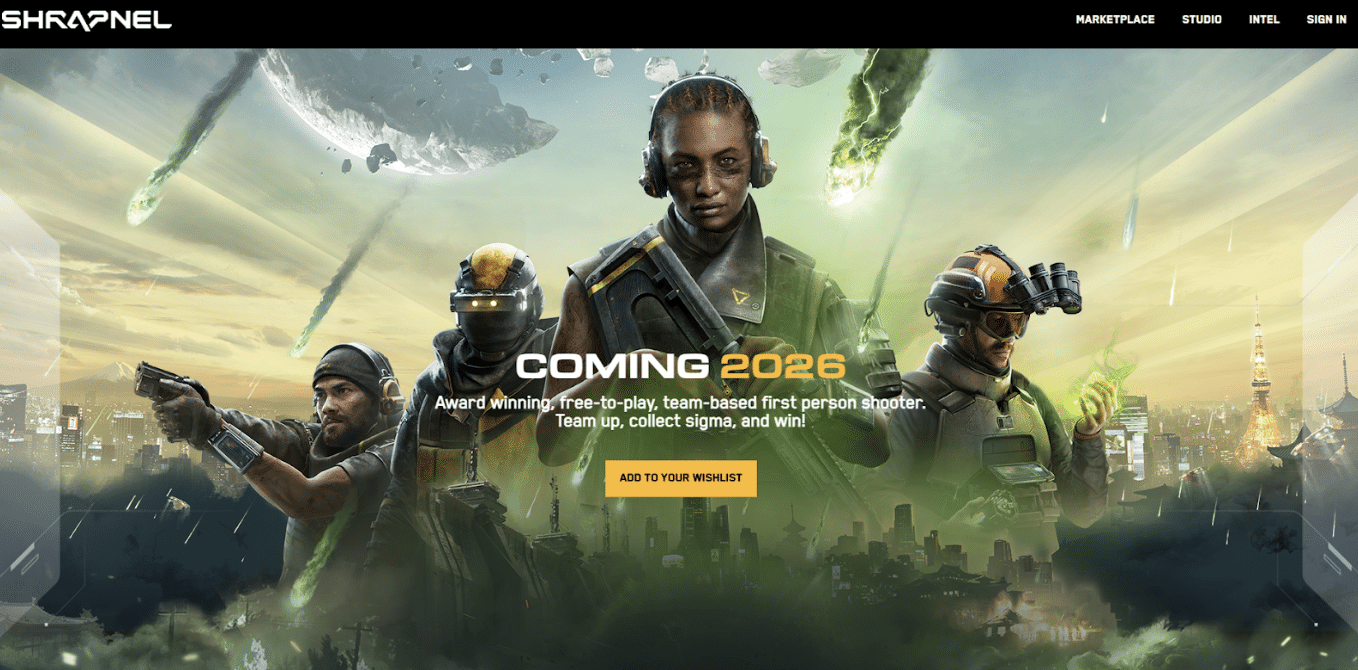
As the name suggests, Shrapnel is a competitive shooter game, where a player’s skill and performance directly affect the items they receive after every match. The focus is on fast, tactical combat, with weapons, gear, and cosmetic items being the main attraction of the entire experience. It feels closer to a traditional multiplayer shooter than a typical blockchain game, with skill and decision-making playing a bigger role than progression systems.

What makes Shrapnel an NFT game is how collectables are handled. Weapons and gear exist as NFTs, meaning players own what they earn and can choose to trade or sell items through external marketplaces. The game is designed so that earning is tied to playing rather than passive mechanics, making it clear that players should value improving their skill and performance above all else.

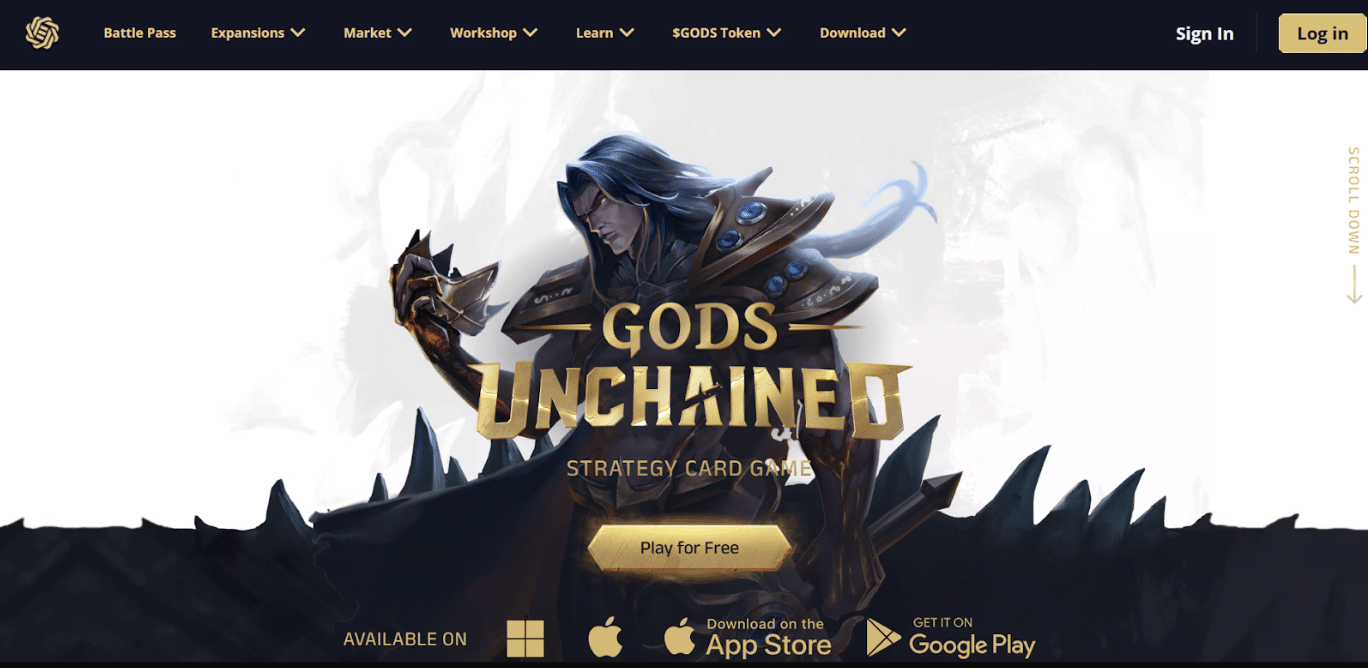
5. Gods Unchained
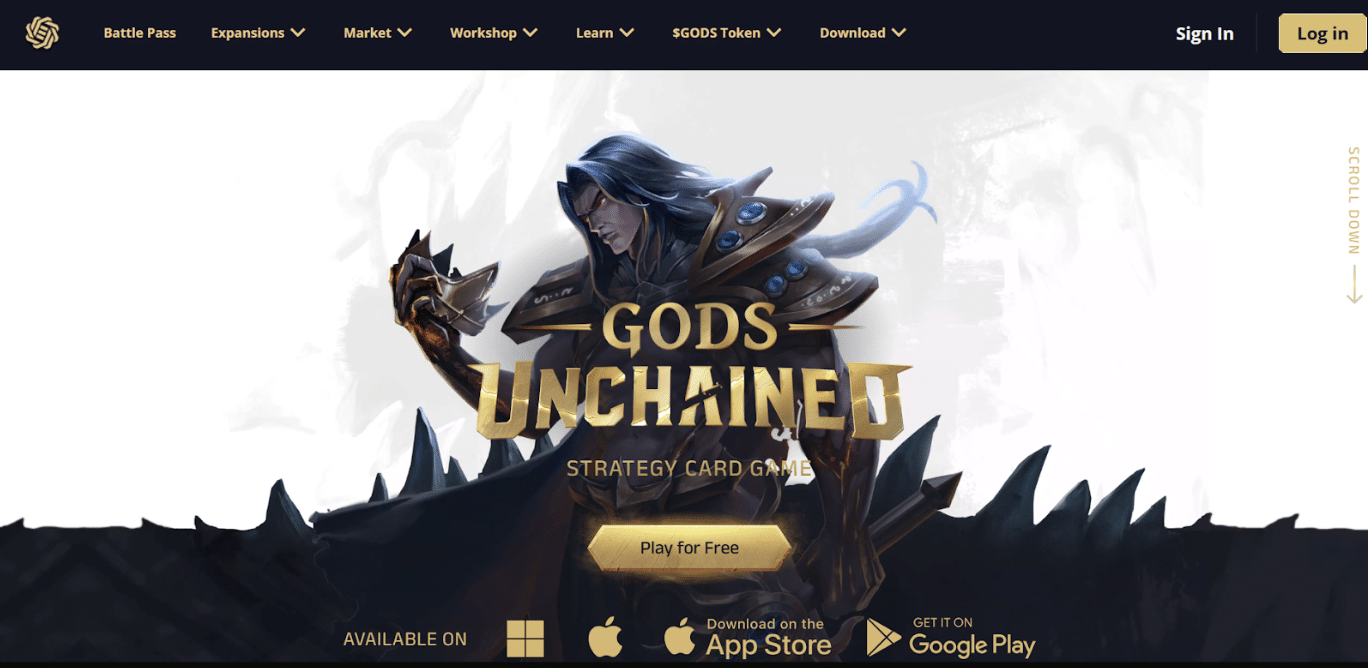
Gods Unchained is a card game that heavily involves strategy. The game is all about building the right deck and outsmarting opponents instead of owning rare cards or spending a fortune. Each match challenges players to think ahead, combining gods, creatures, and spells in ways that can turn the tide if they play their cards right. It’s fast enough to stay engaging, but strategic enough to keep players coming back for more.

Each card exists as an NFT, meaning players own the cards they collect and can trade or sell them outside the game. Built on Ethereum and supported by Immutable X, the game avoids high transaction fees while keeping ownership intact. The NFT layer supports the gameplay rather than taking over, making Gods Unchained a strong option for players who want competitive card battles with real asset ownership in the background.

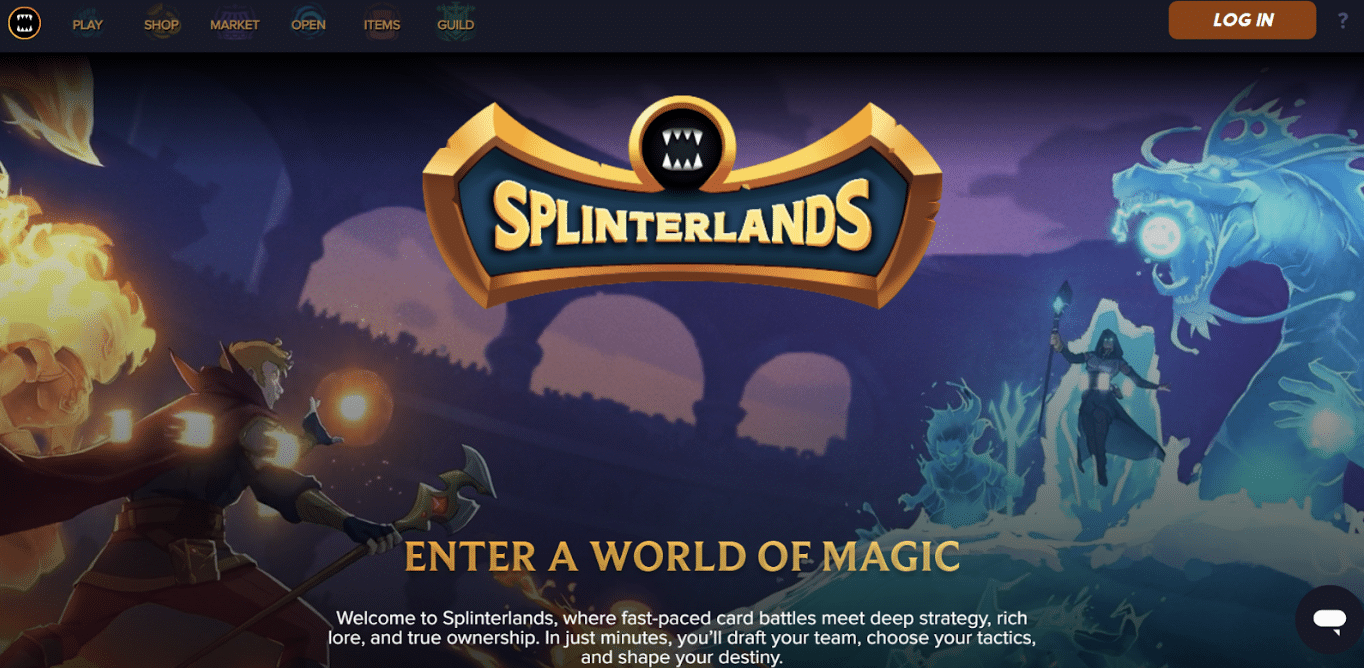
6. Splinterlands
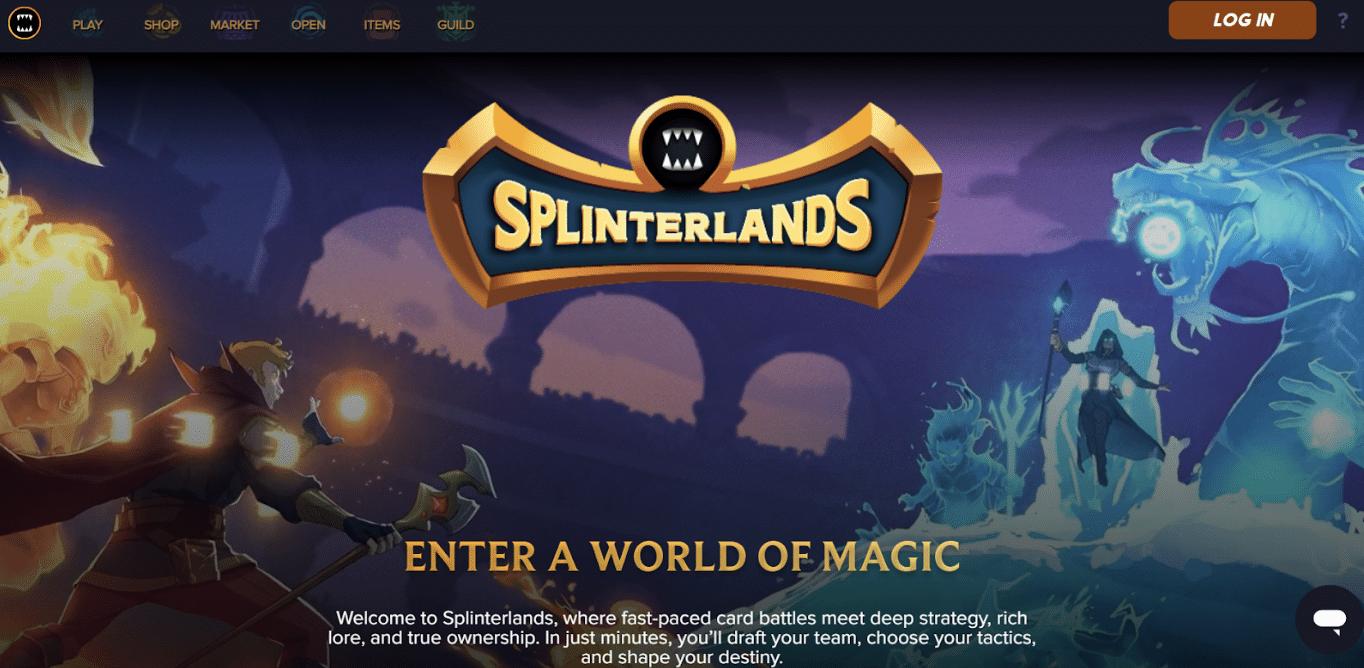
Splinterlands is a card-based strategy game where players build decks and compete in short battles. The point is understanding the card’s abilities and match conditions rather than playing long sessions that involve complex mechanics. Battles are quick, but outcomes depend heavily on how well a player reads the rules and assembles their deck, keeping the gam fair, exciting, and rewarding.

Each card exists as an NFT, meaning players own the cards they collect and can trade, sell, or even rent them to others. The game runs on the Hive blockchain, which keeps transactions fast and low-cost, and its marketplace supports an active player-driven economy. With options to earn through regular play, quests, and competitive matches, Splinterlands is an easy way for players to start playing NFT games that involve some serious strategy without any heavy commitment.

7. The Sandbox
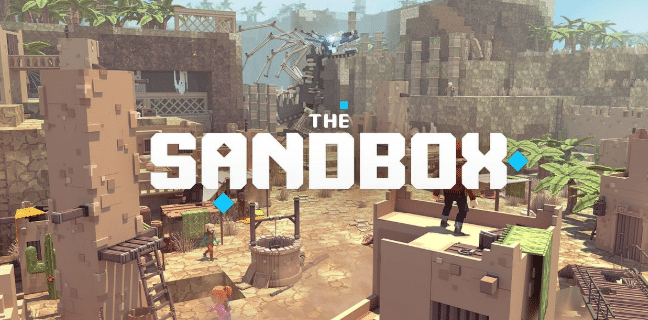
The Sandbox is a community-driven metaverse platform that allows players to create, own, and monetize virtual experiences. Unlike traditional games with set narratives, The Sandbox gives users the tools to design interactive spaces, using intuitive software like Game Maker and VoxEdit. Land ownership is a central pillar, with each virtual plot existing as an NFT that can be developed, sold, or rented for income.

The native SAND token powers all in-game transactions, including asset purchases, staking, and governance participation. Players can earn by creating and selling NFT assets, hosting games or experiences on their land, or trading parcels in the open marketplace. As the ecosystem evolves, The Sandbox has become a hub for digital creators, brands, and communities, many of whom use the platform to launch branded events, collectibles, or digital storefronts.

While the game doesn’t follow traditional gameplay loops, its creative freedom and monetization opportunities make it one of the most robust NFT metaverse platforms today. Earning potential scales with a player’s ability to build, collaborate, or speculate on land and digital goods.

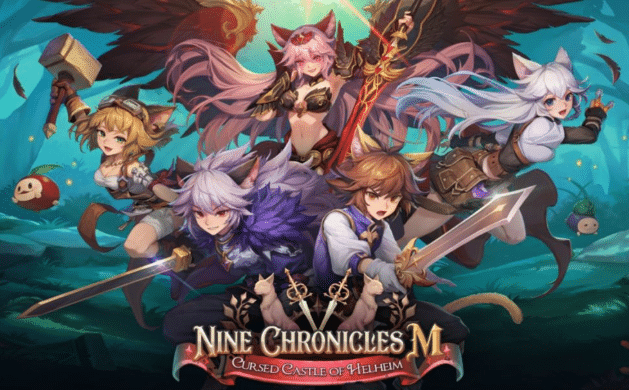
8. Nine Chronicles
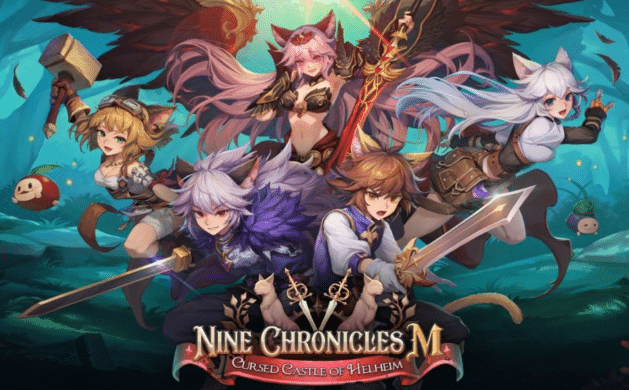
Nine Chronicles is a fully decentralized, open-source role-play game (RPG) where players journey through a procedurally generated world filled with combat zones, crafting systems, and evolving quests. With no central server, the game runs entirely on blockchain, giving players full ownership over their in-game assets and progress.

The gameplay revolves around exploration, crafting, and combat. Players can collect resources from the environment, craft powerful gear and consumables, and fight monsters across multiple realms. The in-game economy is driven by NCG, the platform’s native token, which is earned by mining resources, trading items, and participating in tournaments or governance proposals.

As a play-to-earn game, Nine Chronicles offers multiple earning paths, ranging from selling crafted goods and raw materials to competing in ranked challenges. While the decentralized infrastructure adds transparency and player control, it also introduces a steeper learning curve.

Final thoughts

NFT games aren’t trying to replace traditional gaming overnight. What they’re doing instead is testing new ideas around ownership, progression, and player-driven economies. Some get it right, others are still finding their footing, but the space itself is clearly experimenting. For players, it’s important to understand how a game actually works and decide whether it’s something worth playing even without the tokens attached.


Disclaimer. Readers are encouraged to do their own research. Ambcrypto is not liable for any outcomes related to the use of information, products, or services mentioned. This content may include affiliate or partner links.


Пов'язані питання

QWhat is the main evolution of NFTs in the gaming industry as described in the article?

ANFTs in gaming have evolved from simple digital collectibles into fully developed, user-centric platforms that offer genuine ownership, interoperable assets, and new forms of digital economies, allowing players to own in-game assets independently of centralized servers.

QWhich two NFT games mentioned are built on the Ethereum blockchain?

ADecentraland and Gods Unchained are built on the Ethereum blockchain.

QWhat is the native token of The Sandbox, and what is its primary use?

AThe native token of The Sandbox is SAND, and it powers all in-game transactions, including asset purchases, staking, and governance participation.

QHow does Shrapnel differ from typical blockchain games in terms of gameplay focus?

AShrapnel focuses on fast, tactical combat where skill and performance directly affect rewards, making it feel closer to a traditional multiplayer shooter rather than relying on progression systems or passive mechanics.

QWhat is a key characteristic of Nine Chronicles that emphasizes its decentralization?

ANine Chronicles is a fully decentralized, open-source RPG that runs entirely on blockchain with no central server, giving players full ownership over their in-game assets and progress.

Пов'язані матеріали

Long-Divided Must Unite, Long-United Must Divide: When L1 Becomes Its Own Rollup, What Is Ethereum's Endgame?

"The Inevitable Cycle: When L1 Becomes Its Own Rollup – What is Ethereum's Endgame?" For years, the Ethereum community grappled with concerns that L2s were fragmenting the ecosystem and eroding L1's value. While L2s provided cheaper execution, they also splintered liquidity and the unified user experience of a single chain. This has prompted a fundamental reassessment of the relationship between L1 and L2. Ethereum's roadmap is evolving. The "Scale" initiative merges L1 and L2 expansion into a holistic framework. L1 itself is advancing with higher gas limits, statelessness, and zkEVM verification, no longer content to be just a low-throughput settlement layer. Consequently, the primary value proposition of L2s is shifting from merely providing cheap blockspace to offering L1 cannot easily provide: application-specific optimizations, privacy features, and flexible governance models. L2s are becoming a spectrum of execution environments with varying degrees of security inheritance from Ethereum. A critical challenge in this multi-chain future is interoperability. The vision is to make Ethereum "feel like one chain again." This relies on advancements in native account abstraction (like EIP-7702) and intent-based architectures (Open Intents Framework), where users declare desired outcomes, and solvers handle the complex cross-chain execution. Furthermore, shortening Ethereum's finality time from minutes to seconds is crucial, as it underpins trust between chains for bridges, stablecoins, and cross-chain applications. Perhaps the most provocative idea is that Ethereum L1 itself could become a form of "its own Rollup." As zkEVM and proof systems mature, high-performance nodes could execute transactions and generate validity proofs. Regular validators would then verify these proofs instead of re-executing all transactions. This blurs the traditional L1/L2 hierarchy, making "Rollup" more of a general execution-verification architecture. Native Rollup aims to integrate L2 validation more directly into the Ethereum protocol, allowing L2s to inherit L1's security more fully and move away from reliance on security councils. In the end, L2s are not destined to replace L1 or be made obsolete by it. The likely future is a unified system where diverse execution environments—each optimized for specific use cases like DeFi, gaming, or privacy—coexist. They will share a common foundation of security, liquidity, and verifiable state, seamlessly connected to restore a cohesive user experience. The next phase for Ethereum is not just about scaling through separation, but about intelligently reintegrating what was separated back into a coherent whole.

链捕手10 хв тому

Long-Divided Must Unite, Long-United Must Divide: When L1 Becomes Its Own Rollup, What Is Ethereum's Endgame?

链捕手10 хв тому

Agent Race Ends, Super Workbench Takes Over

The era of fragmented AI agents is ending. Over the past month, China's tech giants—Tencent, Alibaba, and ByteDance—have simultaneously shifted strategy: instead of launching new, standalone AI agents, they are consolidating their various agent projects into unified "super workbenches." Tencent integrated its QClaw teams into WorkBuddy, a strategic product hailed as a potential third flagship after QQ and WeChat. Alibaba is merging its QoderWork, Wukong, and MuleRun agents into a new "Qianwen Office" platform under DingTalk's leadership. ByteDance rebranded its TRAE SOLO coding agent to TRAE Work, signaling a broader focus on workflow collaboration. This convergence marks a pivotal industry consensus. The initial exploration phase, where companies rapidly built numerous overlapping agents for different scenarios, proved costly and inefficient. With open-source tools eroding technical barriers, competition has shifted from agent creation to resource consolidation and cost control. Historically, platform wars are won not by creating more products, but by simplifying them—as seen with browsers unifying web access and super-apps consolidating services. Now, the "super workbench" aims to become the unified AI entry point for work. This reflects a deeper market realization: the primary audience for AI is no longer just programmers (a market in the tens of millions) but all knowledge workers (a market of billions). The real opportunity lies in augmenting everyday tasks—managing emails, documents, data, and meetings—across the entire workday. The core battleground is becoming control over the primary AI entry point that employees use daily. Tencent's WorkBuddy leverages WeChat and Tencent Docs; Alibaba's Qianwen Office taps into DingTalk's organizational data; ByteDance's TRAE Work integrates with Feishu's workflows. Whoever owns this "super workbench" gains strategic control over orchestrating enterprise data and APIs. This shift is redefining enterprise software. Traditional SaaS applications, valued for their user interfaces, will recede into the background. Their core functionalities will be exposed as standardized "Skills" or APIs for the super workbench's agents to invoke. Software value will shift from selling user seats to charging based on API calls and outcomes delivered. The evolution of agents is moving through clear stages: first as novel standalone products, then as consolidated primary work entry points, and finally as pervasive, invisible capabilities embedded into the digital fabric. The recent moves by major tech firms signal the transition from the first stage into the second, accelerating toward the third. In the end, the most successful agent technology may become invisible—like electricity or the HTTP protocol—a fundamental, unnamed infrastructure powering work itself.

marsbit37 хв тому

Agent Race Ends, Super Workbench Takes Over

marsbit37 хв тому

Michael Saylor: 110 Reasons to Oppose BIP-110

Michael Saylor presents 110 arguments against Bitcoin Improvement Proposal (BIP) 110, a soft fork aimed at restricting certain non-monetary data storage uses (like inscriptions) on the Bitcoin blockchain. He acknowledges the proponents' valid concerns—such as node costs, fee pressure, and preserving Bitcoin's monetary focus—but fundamentally disagrees with the proposed solution. Saylor argues that BIP 110 represents a dangerous precedent of using consensus rules to enforce value judgments on transaction validity, moving away from Bitcoin's core principles of neutrality and permissionless innovation. His key objections are organized into eleven categories: 1) It violates neutrality and hard consensus by banning currently valid transactions. 2) It fails to meet the high burden of proof required for a consensus change, lacking concrete data on the alleged crisis. 3) Its seven bundled technical restrictions are overly broad, targeting generic script functionalities and blocking future upgrade paths. 4) It sacrifices compatibility and future optionality by closing off designed upgrade hooks. 5) Its temporary rules add significant complexity (grandfathering, expiry states) without sufficient justification. 6) The economic and security impacts, particularly on miner revenue and fee markets, are uncertain and unmodeled. 7) Superior, market-based tools (fee markets, relay/mining policies) already exist to manage blockchain load. 8) It stifles innovation by creating a chilling effect for developers. 9) Its modified activation mechanism (55% threshold, forced signaling) is aggressive and risks network splits. 10) The precedent it sets—using consensus to suppress disliked but legal uses—is more dangerous than the problem it aims to solve. 11) A better path exists: improving measurements, refining resource-based policies, and allowing market forces to work. Saylor concludes that Bitcoin's strength lies in its neutral rules, open markets, and hard consensus. Changing these foundational elements to target specific use cases is an unnecessary and risky "iatrogenic" intervention. He advocates for guarding Bitcoin's neutrality rather than acting as its redeemer.

marsbit52 хв тому

Michael Saylor: 110 Reasons to Oppose BIP-110

marsbit52 хв тому

Торгівля

Спот
活动图片