This Time, OpenAI Eliminated 90% of Human Designers

marsbitОпубліковано о 2026-04-23Востаннє оновлено о 2026-04-23

Анотація

OpenAI's latest release, GPT-Image 2, marks a paradigm shift in AI-generated imagery, moving beyond aesthetic quality to logical reasoning and contextual understanding. The model introduces a "thinking mode," where it performs background reasoning—such as mathematical calculations and geographic knowledge—before generating images. This enables highly accurate and context-aware outputs, like a livestream overlay showing precise distance metrics or a brand-aligned poster design. The model excels in rendering Chinese text with remarkable accuracy and aesthetic quality, a significant improvement over previous versions. It supports multi-turn conversational editing via the new Responses API, allowing iterative refinements similar to chatting with a large language model. While GPT-Image 2 demonstrates unprecedented capabilities in commercial applications like marketing material and illustration—potentially displacing many human designers due to its cost efficiency—it still has limitations. Minor artifacts in fine text details persist, and complex prompts can cause extended processing times. Additionally, the technology raises ethical concerns around deepfakes and digital trust. Overall, GPT-Image 2 transitions AI image generation from a novelty to a powerful production-ready tool, redefining industry standards and pushing the boundary of what’s possible in visual AI.

By Silicon-based Spark

That famous Sam Altman meme has now come true for everyone.

Last year, while promoting GPT-5, the OpenAI CEO said something that later became an internet sensation: "The feeling is like witnessing an atomic bomb explosion, leaving one dizzy and collapsing." Since then, whenever the AI community releases a new product with exaggerated marketing copy, this meme gets dragged out and ridiculed repeatedly.
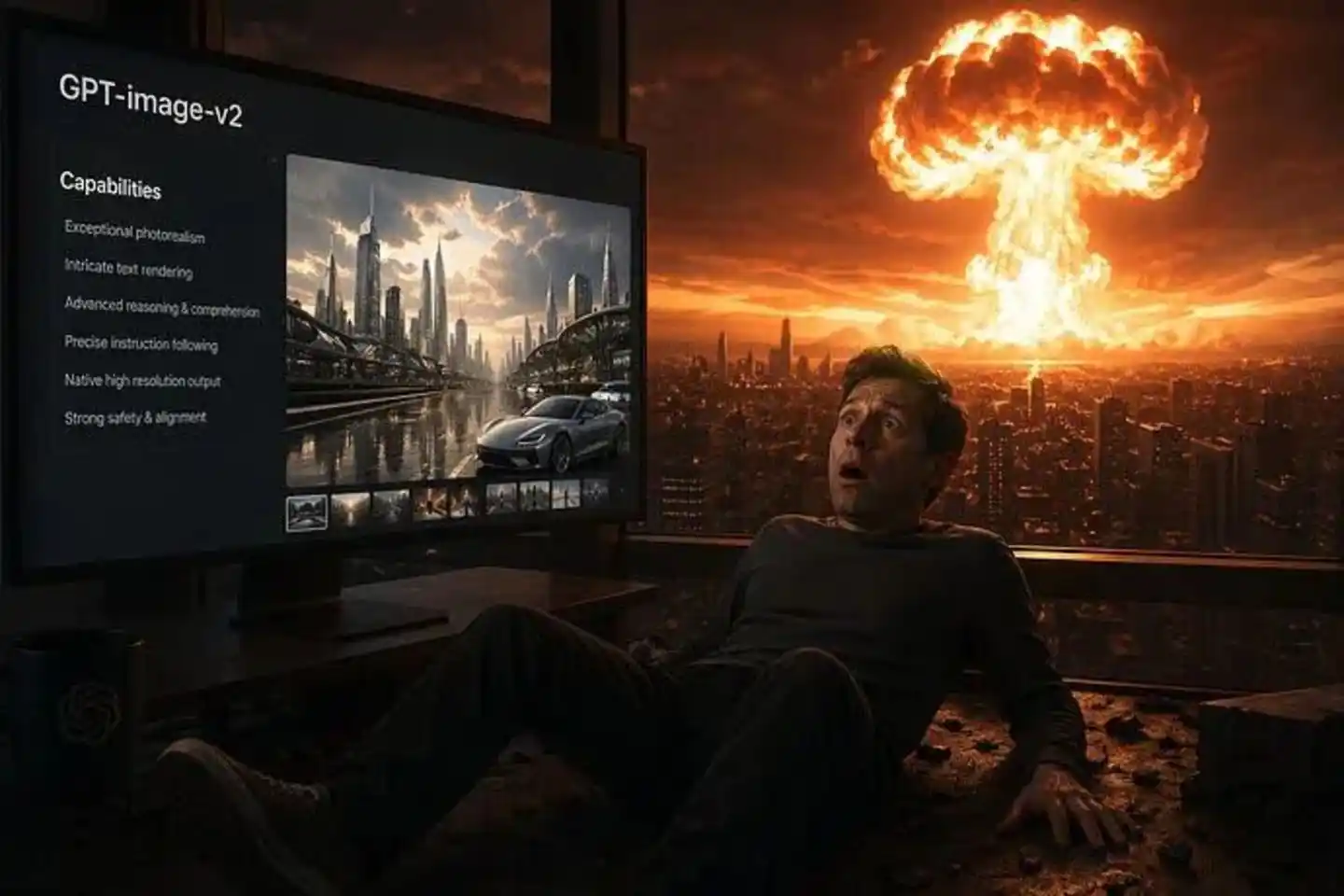
But late the night before last, it wasn't Altman who was left dizzy and collapsing. This time, it was all the users staring at their screens waiting for OpenAI to play its hand.

Altman, as usual,故作神秘故作神秘 (played it coy故作神秘故作神秘), posting a tweet: "We've prepared something fun."
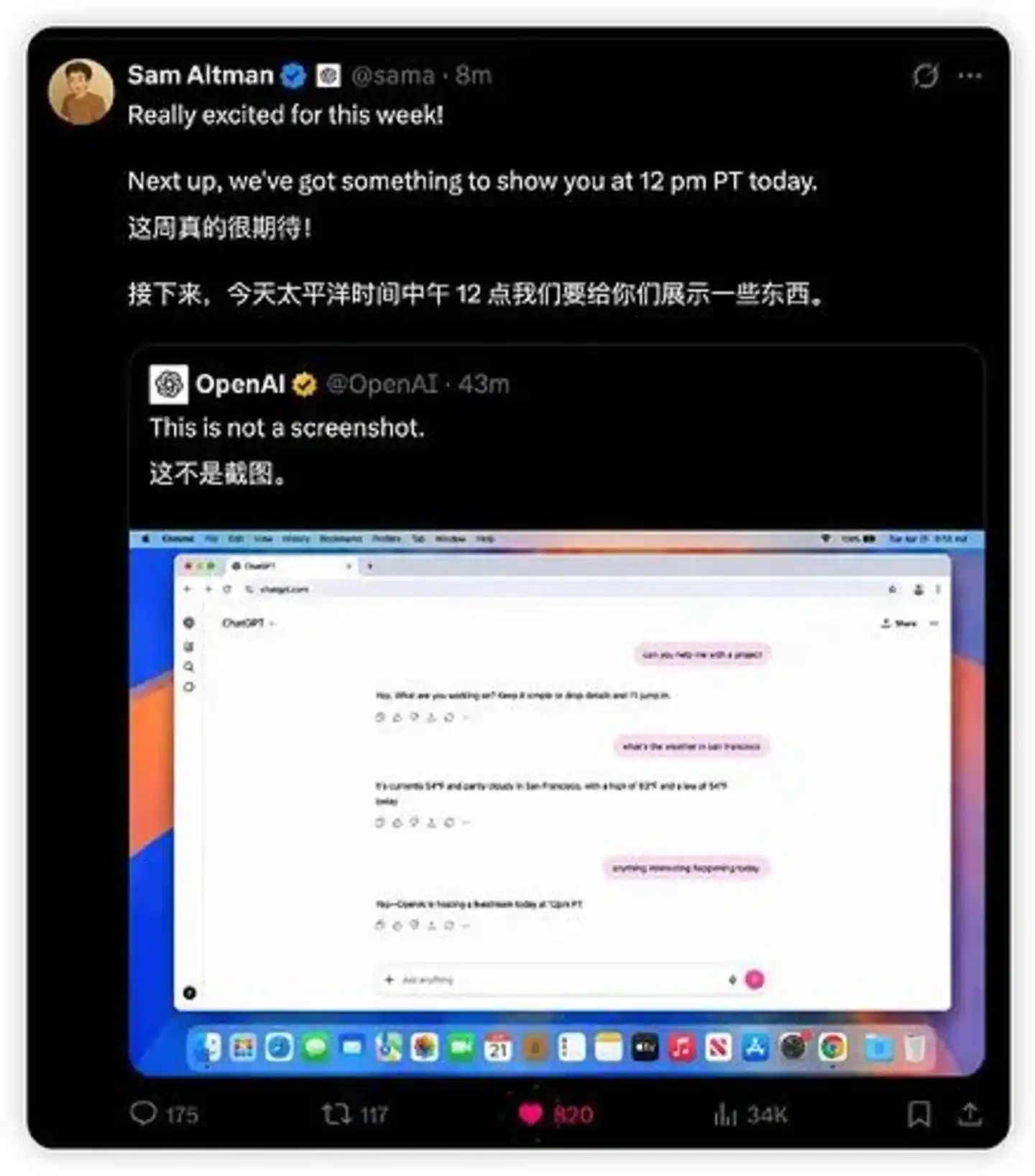
By 3 a.m., GPT-Image 2 was released. The global AI community exploded.

"Images are a language, not decoration."

This is the first sentence written on OpenAI's release page. Translated, it means one thing: from today, images are no longer just decorations; they are a language in themselves. This is a declaration of a generational leap for the entire computer vision industry.

For the past year, AI image generation was stuck in the aesthetic quagmire of "does it look realistic?" The arrival of GPT-Image 2 directly pressed the switch—AI image generation officially entered the intelligence exam hall of "is the logic correct?".

The precision of this model can be described as "terrifying."

It topped both the text-to-image and image editing rankings on Artificial Analysis, and its practical performance is crushing.

The feeling is like when Seedance 2.0 arrived in the video generation field—it long ceased being just an auxiliary tool for humans; it is defining the new industry standard.

Note: All images in this article are generated by GPT-Image 2. The image content is purely fictional.

01  The Awakening of the Thinking Engine

In the past, the primary standard for judging an image model was how much it resembled a real person or a reference object.

In the face of this monster, GPT-Image 2, that standard is obsolete. Completely obsolete.

The core breakthrough of the new model is this: it is an image model that supports a thinking mode.

What does that mean? After the user inputs a prompt, the model doesn't simply denoise and stitch pixels. It first completes a round of thinking and modeling in the background, *then* it starts drawing.

A test image leaked from the Linux.do community best illustrates the point. The model simulated a live stream of Lei Jun running:
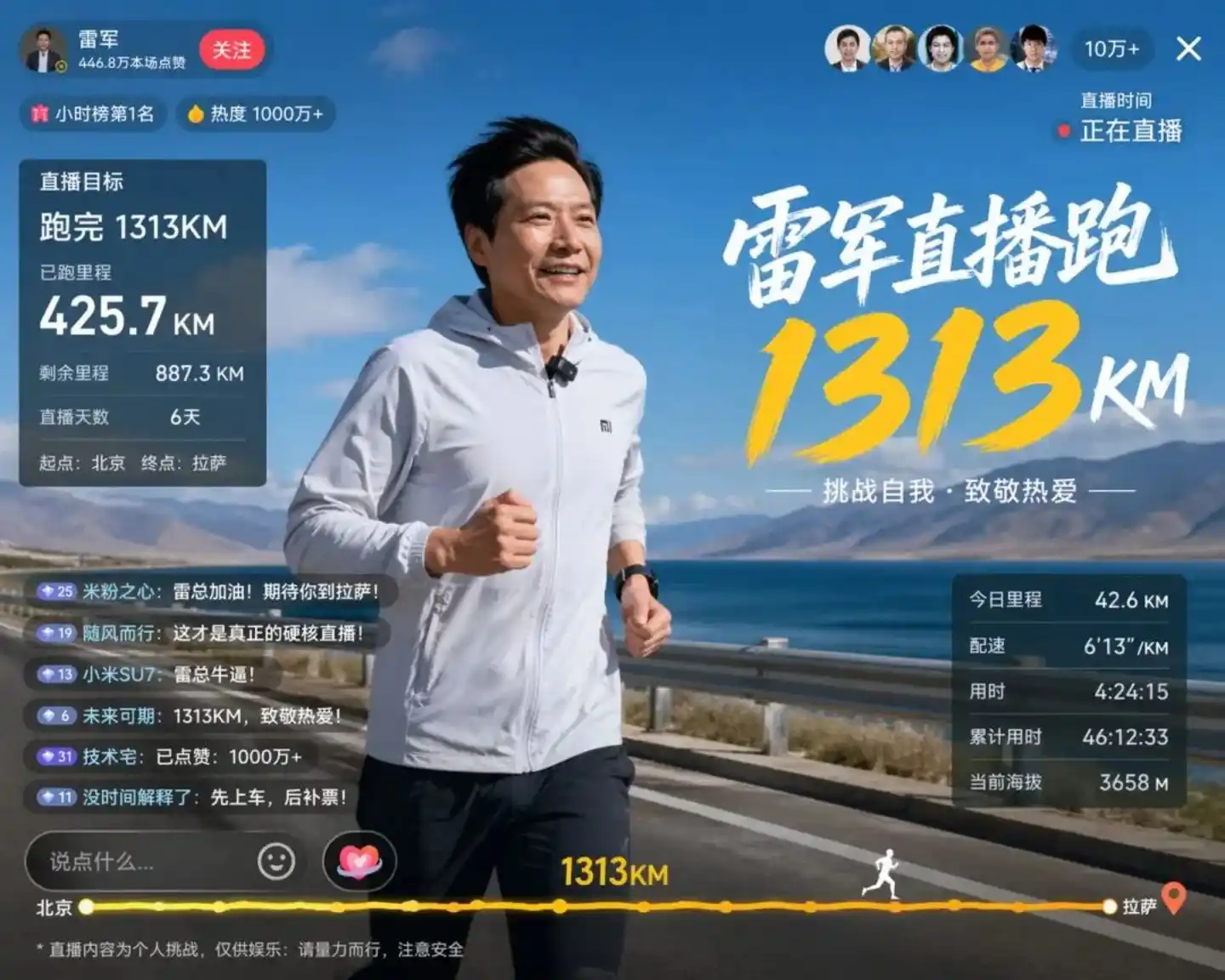
Image source: https://cdn3.linux.do/original/4X/0/f/3/0f37c8bc968e3d563cc6100d8e7f80ee305661ff.jpeg

This image made many developers gasp. Lei's facial features are accurately reproduced—almost like a photo—the image clearly shows: Live stream target 1313km, Distance run 425.7km, Remaining distance 887.3km. Even more impressive, the current altitude is marked as 3658m.

What does 3658m mean? From Beijing to Lhasa, the typical altitude upon entering the Tibetan region is precisely this number.

In human eyes, this is simple arithmetic and common geographical knowledge. But think about it: For an image model, what does the triple unification of mathematical logic + geographical常识 (common sense) + UI specifications mean?

The conclusion is straightforward: Before generating the first pixel, GPT-Image 2 had already completed a round of reasoning. It understood the meaning of "distance," understood the logical relationship of addition and subtraction, and also understood the visual characteristics of high-altitude areas.

This isn't drawing. This is thinking.

02  From Toy to Productivity Tool

In the face of this capability, everyone's attitude towards image models needs to change.

It's long ceased to be a toy for drawing avatars or making wallpapers. It has stepped over the "usable" threshold and rushed directly into the "easy to use" zone—a tool that can be thrown into commercial scenarios to get work done.

Take poster design. GPT-Image 2's composition aesthetics, light and shadow processing, and grasp of brand tone have undoubtedly reached a height that the vast majority of ordinary human designers find difficult to achieve.

Image source: https://cdn3.linux.do/original/4X/7/a/1/7a12ccd6b745be5ad8828eb0ac225d218fb43cbc.jpeg

In human society, hiring a senior graphic designer to create a commercial-grade poster often entails significant communication costs, time costs, and design fees of over a thousand yuan, which can be a heavy burden for small and medium-sized enterprises.

However, with GPT-Image 2, even if you are unsatisfied and need to adjust dozens of times, the cost is only a few dollars.

In fields like poster design, marketing materials, and illustration, what users care about is not "realism," but "is it good-looking, is it accurate." Precisely because of this, AI's replacement efficiency is devastating.

In the synchronously updated developer documentation, there is also an exciting detail hidden: the sample code frequently appears model: "gpt-5.4".

The thinking mode combined with the flagship model hints at one thing: GPT-Image 2 is by no means an isolated product. It is the visual terminal born for the next generation of large language models.

Through the new Responses API, the image generation process will interact as naturally as chatting with a large language model. The model adds a function that allows for multi-turn conversational modifications. After the initial image generation, users can propose various instructions that give human designers high blood pressure for modifications.

Through the new Responses API, the image generation process will interact as naturally as chatting with a large language model. The model adds a multi-turn conversational modification function. After the first version is generated, users can propose various instructions that would send a乙方 (Party B) designer's blood pressure soaring: "Make the background a bit darker." "Move the logo a few pixels to the side."

These interactive real-time modification demands are precisely the most tedious and patience-consuming parts of a designer's daily work. Now, they are solved.

03  The Pinnacle of Chinese Rendering

Although GPT-Image 2 is a foreign model, domestic users are overwhelmingly positive.

There's only one reason: Its support for Chinese characters is nearly perfect.

In the community's actual test return images, you can see the famous debate scene between Luo Yonghao and Wang Ziru:
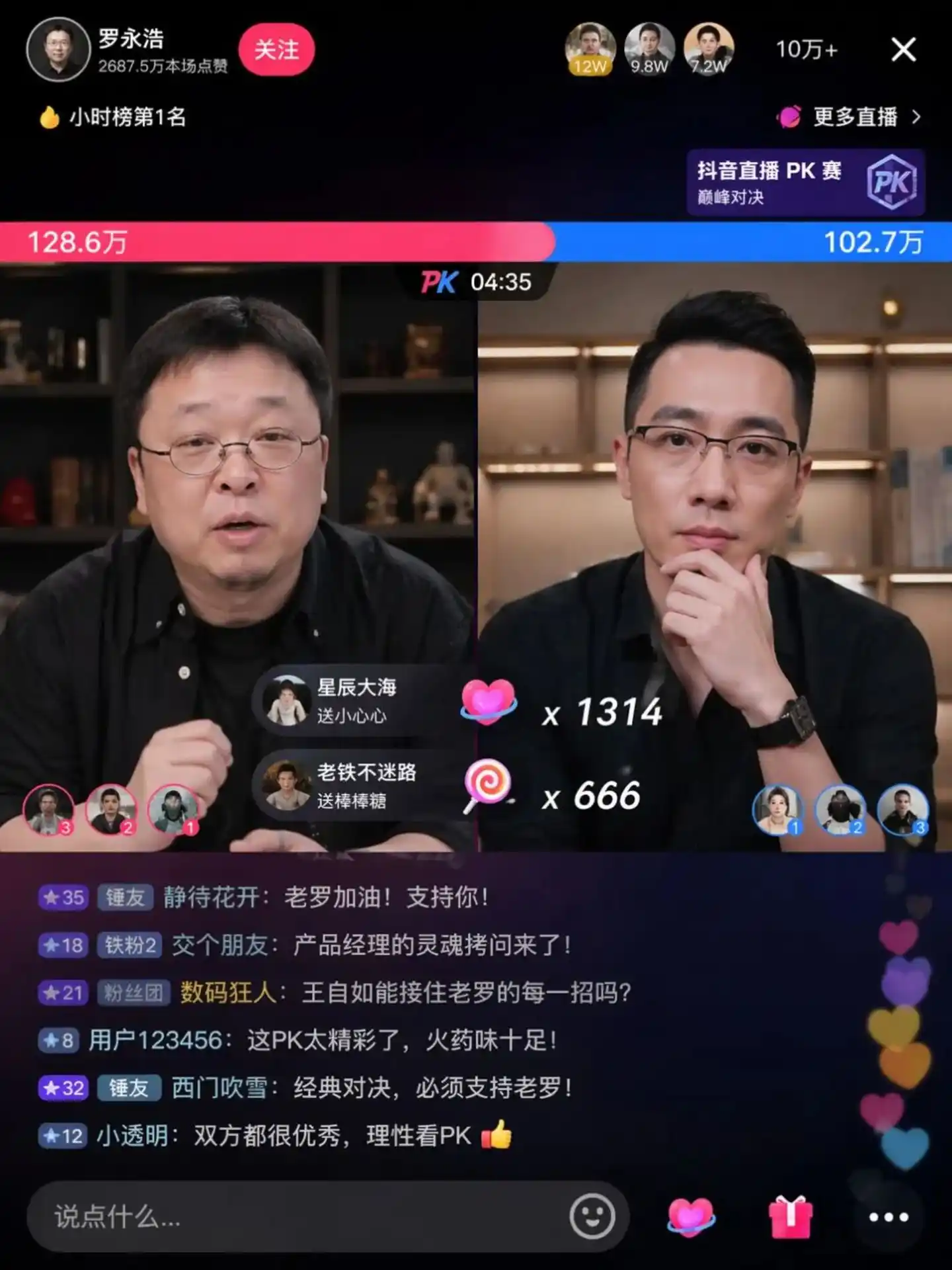
Image source: https://cdn3.linux.do/original/4X/0/9/7/097ed46991d2464442aebc6b1076a292cc839fec.jpeg

You can see Elon Musk live-streaming sales of Lao Gan Ma chili sauce:
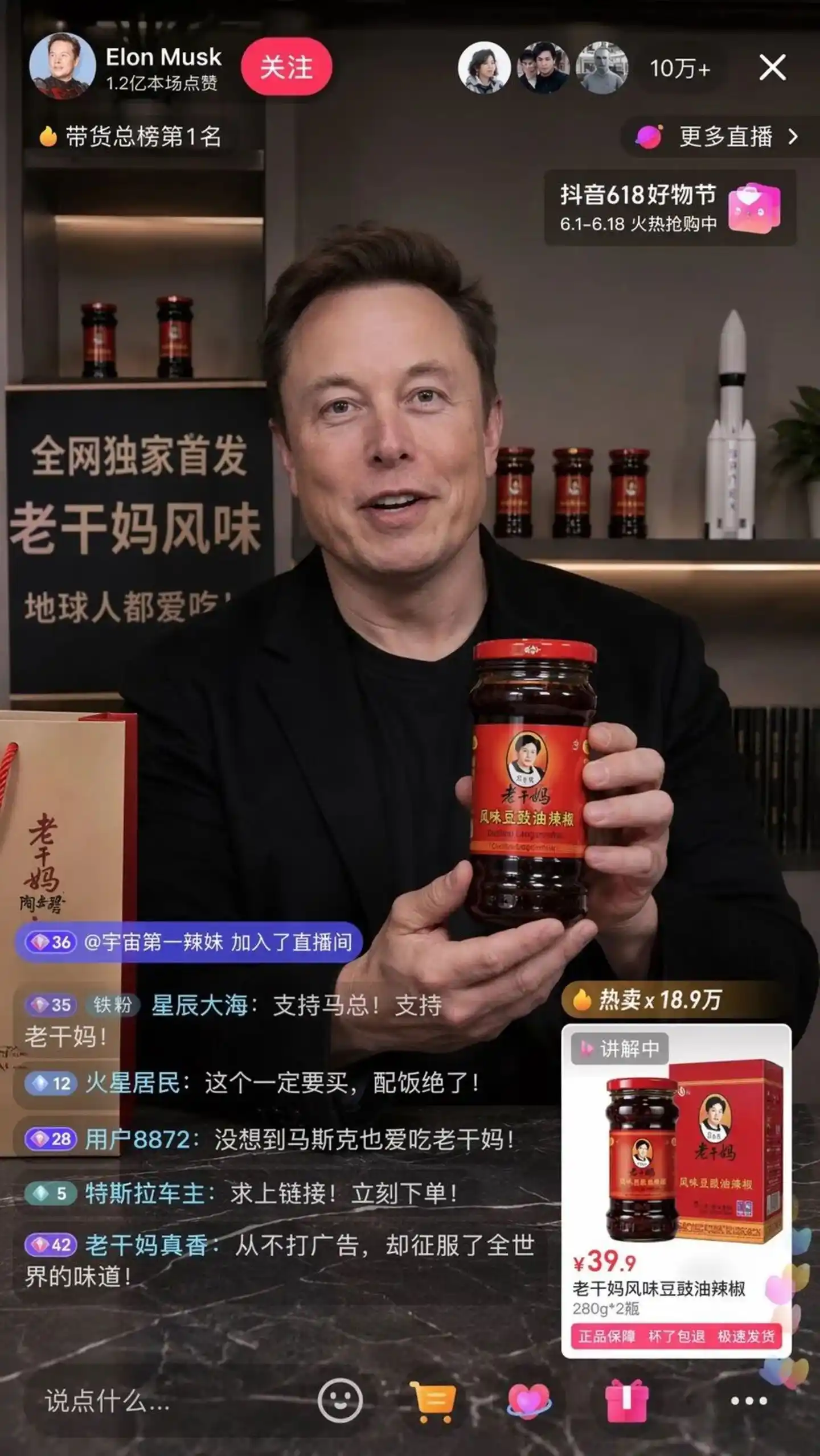
Image source: https://cdn3.linux.do/original/4X/2/f/a/2fa77cf040e6337643829df4ec5ca6467d2866b2.jpeg

You can even see a doctor's prescription:
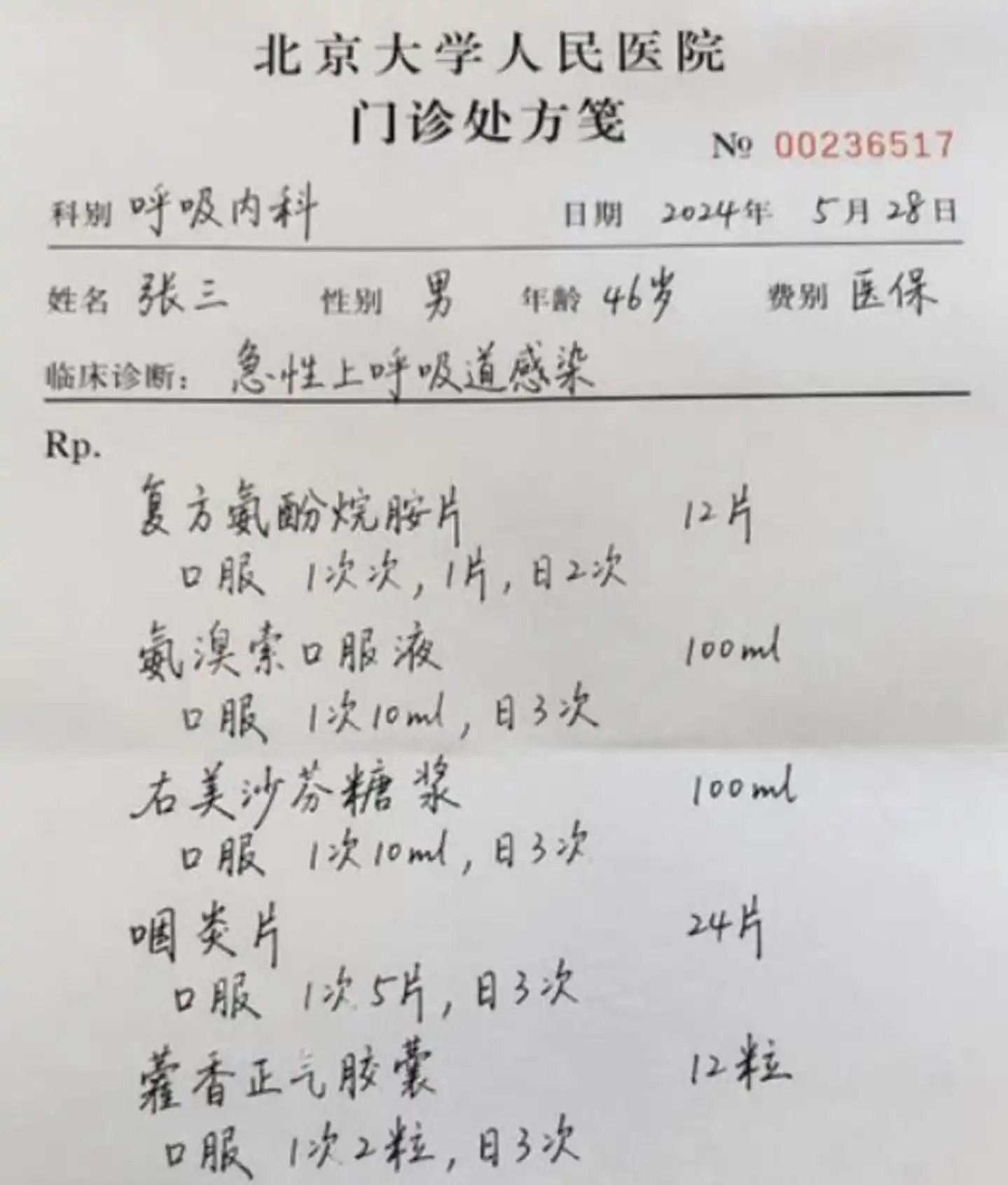
Image source: https://cdn3.linux.do/original/4X/9/f/f/9ffeab83675648b43116cd0763f6c8b560611ae6.jpeg

The text in these images is no longer crooked,胡乱拼凑的 (haphazardly拼凑的) "pseudo-Chinese characters," but mature design drafts possessing calligraphic charm, typographical hierarchy, and排版 (layout) artistry.

Clearly, OpenAI has injected a massive amount of Chinese language image data into the training set and conducted targeted intensive training.

Compared to the previous generation model, GPT-Image 2's power is even more淋漓尽致地 (thoroughly) evident.

In comparative tests, the previous generation model, version 1.5, could draw something resembling a recipe, but upon closer inspection, the text was almost all gibberish.
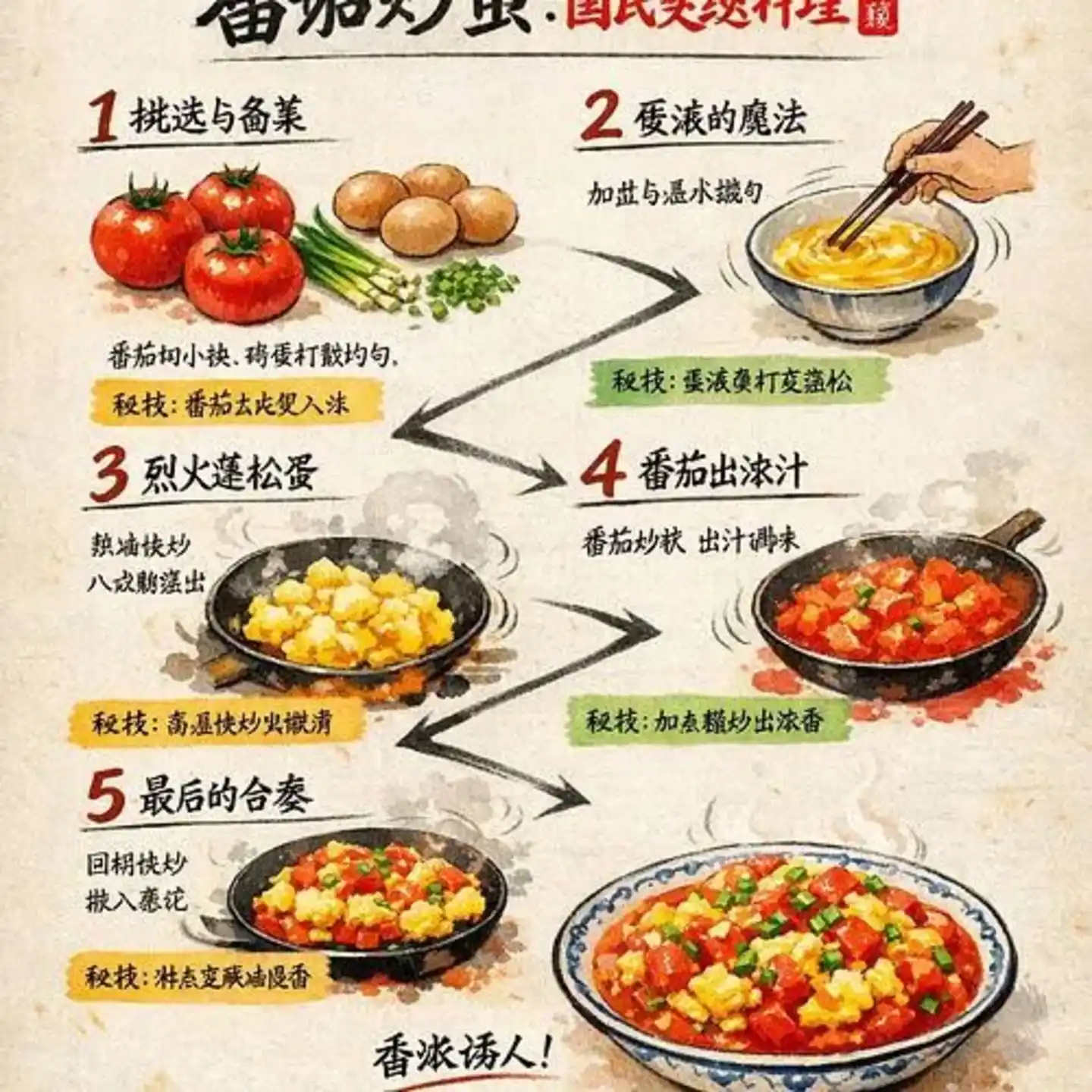
Image source: https://cdn3.linux.do/optimized/4X/2/b/3/2b38f3c1a134515d564f07f81661c0bd9578c6b9_2_750x750.jpeg

But the same recipe generated by GPT-Image 2 shows a milestone breakthrough in text clarity and aesthetics.
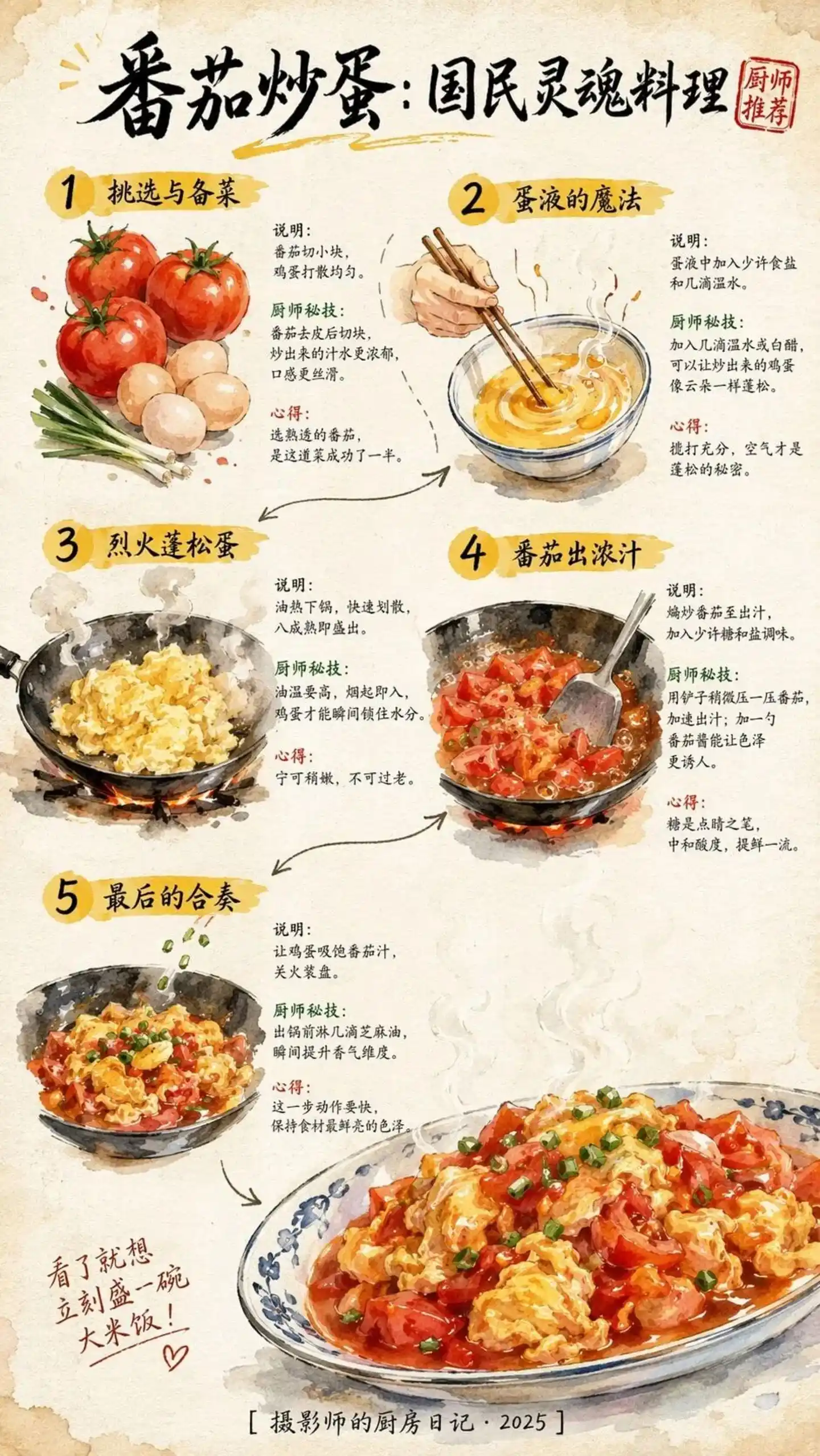
Image source: https://cdn3.linux.do/original/4X/0/2/5/02513b10135d824ccb1c22bd0c7eb441f1e34455.jpeg

For prompts with over a hundred Chinese characters, the five steps are still clearly visible, and the图文一致性 (text-image consistency) is satisfactory. This isn't just an image; it's a reproducible practical guide.

However, this also raises an interesting technical question: Has the image model really completely solved the gibberish problem?

My judgment is: Probably not.

Large language models generate tokens based on semantic logic. During the reinforcement learning phase, it's based on probability; the higher the quality and quantity of the training data, the more logical the output. But the essence of an image model is, after all, pixel generation. The logical relationship between pixels is fundamentally different from the logical relationship between words.

In other words, as powerful as GPT-Image 2 is, it does not truly "understand" the rules of text. It has merely memorized the pixel-level appearance of text by rote.

An image of doing business with Altman暴露 (exposes) this point: The large characters "Mengniu" and "Wanglaoji" on the two boxes of drinks are written perfectly, but the small text below is still模糊的色块 (blurry color blocks).
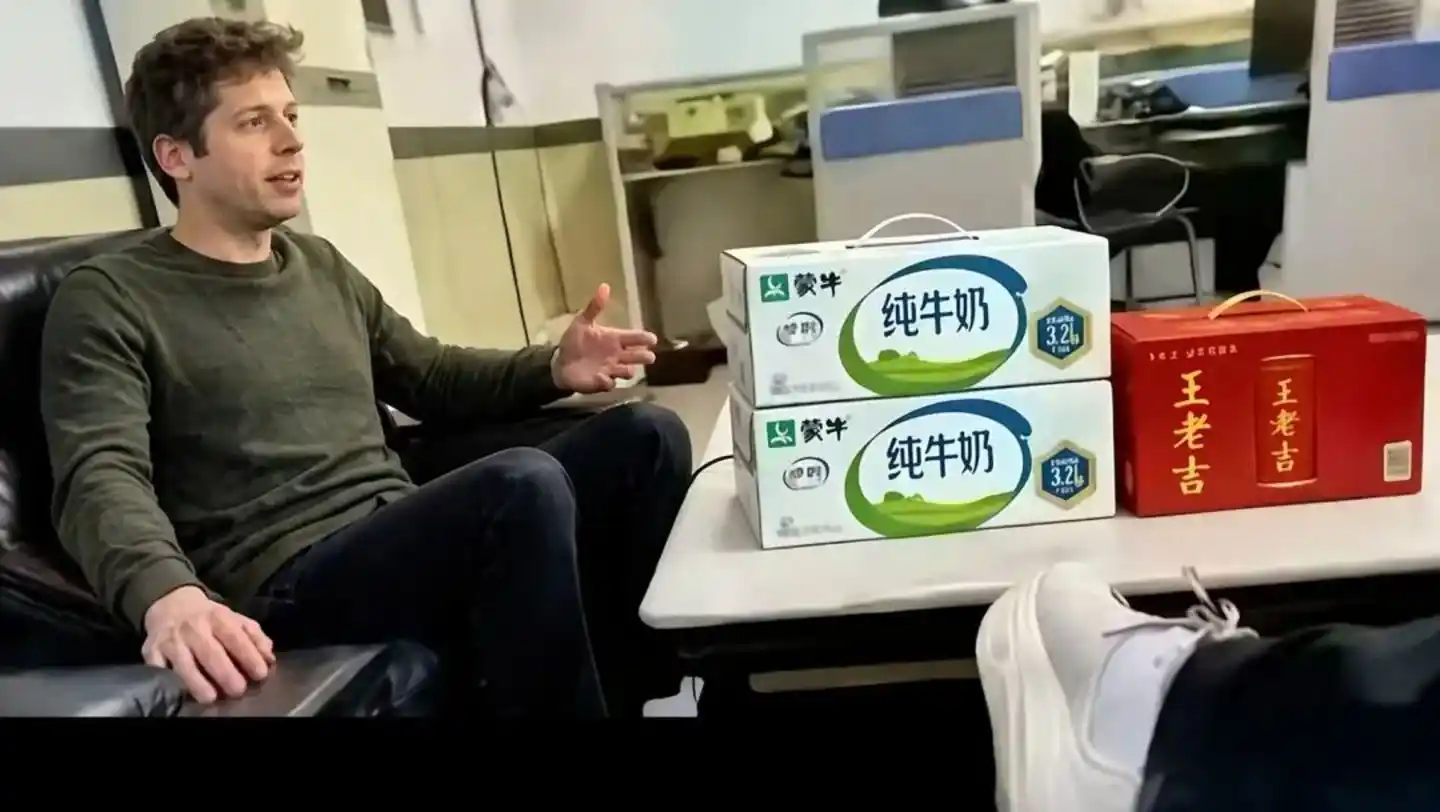
Image source: https://cdn3.linux.do/original/4X/d/7/c/d7c4fb063202bcbf56b9ca0623aa0ce6fc26e542.jpeg

Under the current technical paradigm, the generation logic is still "arrange by pixels," which is fundamentally different from "render by characters." Extremely subtle gibberish may never be completely eradicated.

But that said, for over 90% of commercial application scenarios, this is already sufficient.

04  Un-deified Flaws and Boundaries

Even though it already sits on the world's number one throne, GPT-Image 2 also has its clumsy side.

Actual tests found that because the thinking mode calls for web searches and performs logical reasoning, when processing extremely complex fictional tasks, the model occasionally falls into a logical loop—thinking for nearly 40 minutes and still unable to answer.
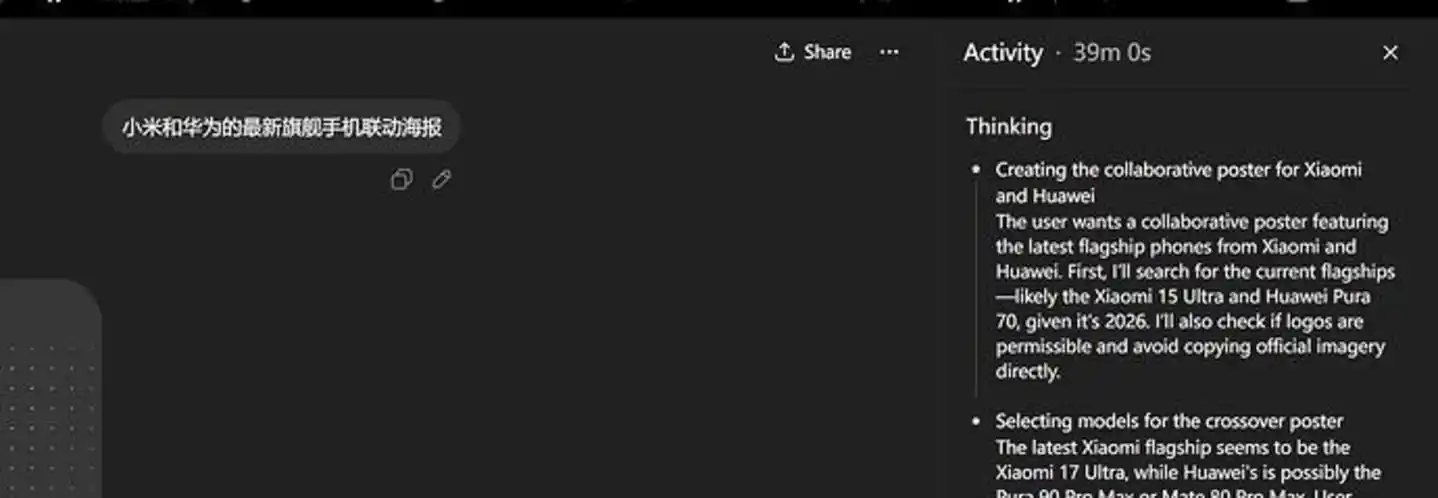
At the same time, the API's claimed support for 2K甚至 (even) 4K resolution implies extremely high token consumption and latency.

For ordinary users, how to balance ultimate image quality with response speed will be a required course for future use.

In the field of technology, powerful capability is always a double-edged sword.

Whether it's image models or video models, they inevitably face the ethical challenges of deepfakes.

In most current test cases, the AI generates images of well-known figures, but if they are replaced with ordinary people who have posted photos on various social media platforms, it is already extremely difficult to distinguish the fake from the real without knowing the person.

Apart from the occasional gibberish in the background that might give the AI away, the human body itself has no flaws left.

Therefore, those fields that once required real people are facing an unprecedented crisis of trust.

The release of GPT-Image 2 has moved image generation models from toys to productivity tools.

In the past, people used AI for inspiration, but now AI is beginning to尝试接管 (attempt to take over) the entire process from conception, calculation, typesetting, to finished product.

For design practitioners, this is an era filled with FOMO (Fear Of Missing Out).

But for those who are good at using tools, possess product aesthetics, and logical thinking, this is also the best of times.

Images are beginning to learn to think,文字不再是像素的杂音 (text is no longer the noise of pixels).

People may truly be only one step away from that visual singularity of所思即所得 (what you think is what you get).


Пов'язані питання

QWhat is the core breakthrough of GPT-Image 2 according to the article?

AThe core breakthrough is that GPT-Image 2 is an image model with a thinking mode. It performs reasoning and logical modeling before generating pixels, understanding concepts like mathematical operations, geographical常识, and UI specifications, rather than just denoising or stitching pixels.

QHow does GPT-Image 2 impact the commercial design industry, particularly for small and medium enterprises?

AGPT-Image 2 significantly reduces costs and time in commercial design. For tasks like poster design, marketing materials, and illustrations, it achieves a level of aesthetic and brand alignment that is difficult for many human designers to match. The cost for generating or iterating designs is only a few dollars, compared to the high fees and communication overhead of hiring human designers.

QWhat is notable about GPT-Image 2's handling of Chinese text and characters?

AGPT-Image 2 demonstrates exceptional support for Chinese text, generating clear, well-rendered characters with calligraphic nuance and proper typography. It avoids the garbled or nonsensical text common in previous models, thanks to extensive training on Chinese language image data.

QWhat are some limitations or challenges mentioned for GPT-Image 2?

ALimitations include occasional logic loops when handling highly complex fictional tasks, leading to long processing times (e.g., 40 minutes of思考 without output). It also has high token consumption and latency for 2K/4K resolutions, and it may still produce subtle garbled text in fine details, as it generates pixels rather than truly understanding character rendering.

QWhat ethical concern does the article raise regarding advanced image models like GPT-Image 2?

AThe article raises concerns about deepfakes and ethical challenges. The model can generate highly realistic images of people, making it difficult to distinguish AI-generated content from real photos, which could lead to trust crises in fields requiring authenticity, such as personal identity verification or media integrity.

Пов'язані матеріали

After 50x Storage Surge, Justin Sun Always Looks to the Next Decade

Sun Yuchen, known for his controversial stunts like a $30 million lunch with Warren Buffett (canceled due to a kidney stone) and eating a $6.2 million duct-taped banana, is often overshadowed by a significant fact: his decade-long track record of spotting major investment trends. In 2016, he famously advised young people to invest in Bitcoin, Nvidia, Tesla, and Tencent instead of buying property. A hypothetical $20,000 investment in Nvidia and Tesla from that list would now be worth over 50 million RMB. His latest major call was on November 6, 2025, predicting a "50x storage opportunity" tied to the AI boom, which materialized with Sandisk's stock surging nearly 50-fold by 2026. Looking ahead, Sun now focuses on the next frontier: Physical AI. He identifies four key areas: 1. **Embodied AI/Robotics**: He sees this reaching its "iPhone moment," with companies like UBTech and Galaxy General leading in commercialization. 2. **Drones**: Viewed as the first commercially viable form of Physical AI, revolutionizing sectors from warfare (e.g., AeroVironment's Switchblade) to logistics. 3. **Spatial Computing**: Beyond VR, it's about AI understanding physical space, a foundational technology for robotics and autonomous systems, exemplified by Apple's Vision Pro. 4. **Space Exploration**: After a 2025 suborbital flight with Blue Origin, Sun advocates for space as the ultimate frontier, discussing blockchain's potential role in space asset management and data transactions. His investment philosophy involves betting on entire, inevitable trends rather than single companies. For robotics, he sees Tesla (the body/manufacturer) and Nvidia (the brain/AI platform) as complementary plays. In defense drones, he highlights companies making tanks obsolete (AeroVironment) and those augmenting fighter jets (Kratos). For space, he participated in Blue Origin's flight and anticipates SpaceX's potential IPO to redefine the sector's valuation. Sun Yuchen's vision frames the next two decades not as a revolution in information flow (like the internet), but in the fundamental operation of the physical world through AI-powered robots, autonomous systems, and spatial intelligence, ultimately extending human and AI activity into space. While many still focus on conventional assets, he continues to look toward the next technological horizon.

marsbit37 хв тому

After 50x Storage Surge, Justin Sun Always Looks to the Next Decade

marsbit37 хв тому

The Billionaires Behind the Most Expensive Midterm Election in History

"The Most Expensive Midterm Elections and Their Billionaire Backers" This analysis details the unprecedented scale of spending in the 2026 midterm elections, highlighting the key billionaire donors shaping the political landscape. Jeff Yass, founder of Susquehanna International Group, has contributed over $81 million, ranking third among individual donors behind George Soros ($102.6M) and Elon Musk ($84.8M). Yass is a major donor to Trump's MAGA Inc. and supports school choice and various candidates. Overall, federal committees have raised over $4.7 billion this cycle, with political ad spending projected to reach $10.8 billion. Republican-aligned groups are significantly out-raising their Democratic counterparts. "Dark money" from undisclosed sources continues to grow. The core stakes involve control of Congress and policy direction for Trump's final term. Donors are also motivated by specific issues: Sergey Brin and Chris Larsen are funding opposition to a proposed California wealth tax and supporting crypto-friendly policies. Other top donors include OpenAI's Greg Brockman and his wife Anna ($50M total to MAGA Inc. and an AI-focused PAC), Richard Uihlein ($45.3M to conservative causes), venture capitalists Marc Andreessen and Ben Horowitz (each over $44M to crypto/AI PACs and MAGA Inc.), Miriam Adelson ($42.6M to GOP leadership PACs), Paul Singer ($33.9M), and Diane Hendricks ($25.8M to MAGA Inc.). The article notes that the peak fundraising period is still ahead, with major primaries approaching.

marsbit40 хв тому

The Billionaires Behind the Most Expensive Midterm Election in History

marsbit40 хв тому

The Largest IPO in History Is Approaching, Surpassing SpaceX, 28 Years of AI Self-Iteration, Countdown to Intelligence Explosion

"Anthropic Nears Trillion-Dollar IPO, Fueled by Explosive Growth and 2028 'Intelligence Explosion' Warning Anthropic is considering a deal valuing the AI company near $1 trillion, potentially leading to one of the largest IPOs ever and surpassing SpaceX. Its revenue has skyrocketed, with Annual Recurring Revenue (ARR) reaching $45 billion in May 2026—a 500% increase in just five months. This vertical growth curve is attributed to its key products, Claude Code and Cowork, dominating AI coding and enterprise collaboration. Beyond commercial success, co-founder Jack Clark issued a pivotal warning in an interview: there is a greater than 50% chance that by the end of 2028, AI systems will achieve recursive self-improvement—the ability to autonomously build a 'better version' of themselves, initiating an 'intelligence explosion.' This prophecy underpins the company's astronomical valuation, as the market prices in the potential for transformative and disruptive AI. Further signaling its ambition, Anthropic formed a $1.5 billion joint venture with Goldman Sachs and Blackstone, aiming to disrupt traditional consulting firms like McKinsey by deploying Claude AI for complex strategic work. This move tests AI's capacity to replace high-level cognitive labor, a precursor to its predicted autonomous evolution. The narrative presents a dual future: unprecedented economic opportunity alongside significant risks like economic restructuring and security threats. Anthropic's meteoric rise and Clark's 2028 prediction frame the coming years as a countdown to a potential technological singularity."

marsbit51 хв тому

The Largest IPO in History Is Approaching, Surpassing SpaceX, 28 Years of AI Self-Iteration, Countdown to Intelligence Explosion

marsbit51 хв тому

Торгівля

Спот
Ф'ючерси

Популярні статті

Що таке MEME 2.0

Memecoin 2.0: Поява $MEME 2.0 у світі криптовалюти Вступ У постійно змінному ландшафті криптовалюти з'явився новий претендент. Memecoin 2.0, що символізується як $MEME 2.0, підносить концепцію мем-криптовалют на захоплюючий новий рівень. Як побічний продукт оригінального Memecoin, цей проєкт привернув увагу крипто-спільноти, змістивши акцент з типової фінансової вигоди на захоплюючий і розважальний досвід. Працюючи на блокчейні Ethereum, Memecoin 2.0 сміливо переосмислює залучення спільноти у криптосфері. Що таке Memecoin 2.0, $MEME 2.0? У своїй основі, Memecoin 2.0 є криптовалютним проєктом, який надає пріоритет спільнотному духу і розвагам, пов'язаним з мем-культурою. На відміну від звичайних криптовалют, які зосереджені на практичних випадках використання та матеріальних вигодах, Memecoin 2.0 вирізняється тим, що обіймає легшу сторону цифрової валюти. Цей проєкт існує без обіцянок утиліти, структурованої дорожньої карти чи фінансових повернень, зосереджуючи увагу на створенні яскравої спільноти навколо мемів та спільних розваг. Зробивши це, він використовує зростаючу тенденцію мем-культури у онлайн-пробі, що робить його унікальним гравцем у світі цифрових активів. Творець Memecoin 2.0, $MEME 2.0 Не зважаючи на численні дослідження витоків Memecoin 2.0, чітка особистість його творця залишається невідомою. Ця анонімність не є рідкістю у крипто-спільноті, де багато проєктів очолюються особами або групами, які надають перевагу залишатися за лаштунками. Відсутність публічно доступної інформації про творця може розглядатися як стратегічний крок, що ставить в центр уваги залучення спільноти, а не індивідуальної популярності у цій сфері. Інвестори Memecoin 2.0, $MEME 2.0 Інформації щодо інвесторів або фінансової підтримки Memecoin 2.0 замало. Відсутність деталей може свідчити про те, що проєкт є самофінансованим або що його увага до спільноти, а не традиційних інвестиційних структур, привабила інший тип підтримки. Оскільки світ мем-криптовалют зазвичай передбачає більше участі низового рівня, а не інституційних інвестицій, цей підхід узгоджується з етосом проєктів, що управляються спільнотою. Як працює Memecoin 2.0, $MEME 2.0? Memecoin 2.0 повністю працює на блокчейні Ethereum, використовуючи його потужні функції безпеки та масштабованості. Використовуючи сильні сторони Ethereum, Memecoin 2.0 може запропонувати безпечне середовище для взаємодії користувачів, забезпечуючи при цьому, що транзакції є ефективними та економічними. Одна з унікальних характеристик Memecoin 2.0 полягає в його структурі, що керується спільнотою. Цінність та популярність токена $MEME 2.0 походять з активної участі його користувачів, а не з вродженої утиліти. Ця концепція підкреслює акцент проєкту на розважальному аспекті криптовалюти, натякаючи на те, що сміх та залучення спільноти є справжніми валютами, що ведуть до його успіху. Крім того, проєкт вписується в ширшу екосистему мем-криптовалют, де цінність кожної мем-криптовалюти коливається залежно від культури, тенденцій і участі спільноти, а не традиційних економічних принципів. Хронологія Memecoin 2.0, $MEME 2.0 Щоб краще зрозуміти еволюцію та віхи Memecoin 2.0, ось хронологія, що підкреслює значні події в його історії: 2024: Зародження Memecoin 2.0 вважається відгалуженням оригінального Memecoin, яке встановлює себе в процвітаючому контексті мем-криптовалют, працюючи на блокчейні Ethereum. 13 липня 2024: Memecoin 2.0 офіційно позиціонує себе як мем-криптовалюта, орієнтована на спільноту, в мережі Ethereum, підкреслюючи свій підхід, зосереджений на розвагах, який запрошує користувачів брати участь у його розвитку. Ключові моменти про Memecoin 2.0, $MEME 2.0 Кілька критичних характеристик визначають Memecoin 2.0: Спільнотно-центричний підхід: Основною метою Memecoin 2.0 є створення веселого, захоплюючого досвіду для спільноти, використовуючи колективне задоволення, що випливає з меметичної культури. Побудовано на Ethereum: Робота на блокчейні Ethereum надає проєкту важливу інфраструктуру, що забезпечує безпеку та масштабованість. Відсутність утиліти або дорожньої карти: У вражаючому відході від традиційних криптовалют, Memecoin 2.0 не обіцяє жодних утилітарних функцій або фінансових повернень, підтверджуючи свою прихильність до участі спільноти та соціального залучення. Акцент на меметичній культурі: Обіймаючи гумористичні та культурні аспекти мем-періоду, Memecoin 2.0 надає платформу для користувачів для залучення до крипти офлайн та онлайн. Додатковий контекст: Значення мем-криптовалют Мем-криптовалюти з'явилися як окрема класифікація криптовалюти, часто керуючись гумором та легким підходом до торгівлі. Ці валюти, як правило, не мають значної утиліти або розробницьких дорожніх карт, залучаючи користувачів обіцянкою розваг, взаємодії в спільноті та культурної значущості. В рамках ширшої екосистеми криптовалют, мем-криптовалюти відновлюють важливість залучення спільноти, протистоячи лише прибутковим підходам. Проєкти, такі як Memecoin 2.0, відкривають еру, в якій розваги можуть гармонізувати з фінансовими прагненнями, перетворюючи блокчейн на ігровий майданчик для творчості та соціальної взаємодії. Висновок Memecoin 2.0, або $MEME 2.0, втілює нову хвилю криптовалюти, яка надає пріоритет залученню спільноти над жорсткими фінансовими структурами. Зосереджуючись на гуморі та соціальній взаємодії, він використовує захоплення навколо мем-культури. Працюючи на блокчейні Ethereum, Memecoin 2.0 використовує можливості технології, залишаючись непохитним у своїй прихильності до розважальної цінності цифрової валюти. Коли простір навколо криптовалют продовжує еволюціонувати, Memecoin 2.0 служить доказом того, що майбутнє цифрових активів може значною мірою залежати від спільних досвідів, сміху та надійних зв'язків у спільноті. У непередбачуваному світі крипто, можливо, радість може бути такою ж цінною, як і традиційний фінансовий прибуток.

110 переглядів усьогоОпубліковано 2024.04.04Оновлено 2024.12.03

Що таке MEME 2.0

Як купити MEME

Ласкаво просимо до HTX.com! Ми зробили покупку Memeland (MEME) простою та зручною. Дотримуйтесь нашої покрокової інструкції, щоб розпочати свою криптовалютну подорож.Крок 1: Створіть обліковий запис на HTXВикористовуйте свою електронну пошту або номер телефону, щоб зареєструвати обліковий запис на HTX безплатно. Пройдіть безпроблемну реєстрацію й отримайте доступ до всіх функцій.ЗареєструватисьКрок 2: Перейдіть до розділу Купити крипту і виберіть спосіб оплатиКредитна/дебетова картка: використовуйте вашу картку Visa або Mastercard, щоб миттєво купити Memeland (MEME).Баланс: використовуйте кошти з балансу вашого рахунку HTX для безперешкодної торгівлі.Треті особи: ми додали популярні способи оплати, такі як Google Pay та Apple Pay, щоб підвищити зручність.P2P: Торгуйте безпосередньо з іншими користувачами на HTX.Позабіржова торгівля (OTC): ми пропонуємо індивідуальні послуги та конкурентні обмінні курси для трейдерів.Крок 3: Зберігайте свої Memeland (MEME)Після придбання Memeland (MEME) збережіть його у своєму обліковому записі на HTX. Крім того, ви можете відправити його в інше місце за допомогою блокчейн-переказу або використовувати його для торгівлі іншими криптовалютами.Крок 4: Торгівля Memeland (MEME)Легко торгуйте Memeland (MEME) на спотовому ринку HTX. Просто увійдіть до свого облікового запису, виберіть торгову пару, укладайте угоди та спостерігайте за ними в режимі реального часу. Ми пропонуємо зручний досвід як для початківців, так і для досвідчених трейдерів.

298 переглядів усьогоОпубліковано 2024.12.12Оновлено 2025.03.21

Як купити MEME

Обговорення

Ласкаво просимо до спільноти HTX. Тут ви можете бути в курсі останніх подій розвитку платформи та отримати доступ до професійної ринкової інформації. Нижче представлені думки користувачів щодо ціни MEME (MEME).

活动图片













