The Story of the $5,000 Diamond Whose NFT Sold for $43,000

cryptonews.ruОпубліковано о 2026-08-07Востаннє оновлено о 2026-08-07

Анотація

In 2021, during the peak of NFT mania, macroeconomist Tasha Che announced a plan to buy a $5,000 diamond, create an NFT from it, and then physically destroy the gem. The goal was to prove that while physical objects can be destroyed, their digital representations can preserve the notion of value, an idea widely criticized in the crypto community. Che purchased a 1.3-carat diamond online and, after unsuccessful attempts with a hammer, eventually had it shattered by a mechanic with specialized tools. She then created an NFT representing the destroyed diamond for auction. Surprisingly, in September 2021, the NFT sold for 5.5 ETH (roughly $17,000 at the time), more than tripling the diamond's original price. Che claimed this validated her idea, though critics noted this single sale didn't prove digital assets universally retain value after physical destruction. The NFT was later owned by DeFi advocate and investor Ivan Zhang, who sold it in October 2025 for 11 ETH ($43,000). While the NFT's value nearly tripled during this period, prices for one-carat diamonds fell by almost 40%. Zhang argued diamond prices will continue declining due to easier synthetic diamond production and weaker retail demand, suggesting if the NFT were truly tied to the physical asset's value, its price should have fallen too. The experiment ultimately demonstrated that NFT prices are driven more by speculative hype than by underlying economic fundamentals or the preservation of physical value.

In 2021, at the height of the $NFT mania, macroeconomist Tascha Che (Tascha Labs) announced plans to buy a $5,000 diamond, create an $NFT from it, and then smash the precious stone to pieces.

All of this was meant to prove that physical objects could be destroyed, but their digital versions could forever preserve a representation of value. This idea was criticized by most cryptocurrency and $NFT communities.

Nevertheless, in August 2021, Tascha bought a 1.3-carat diamond online and began working on ways to destroy it. At first, she wanted to hit the diamond with a hammer, but, of course, she did not succeed. In the end, she managed to find a mechanic who selected the right tool and split the stone into pieces.

The next step was to create an $NFT on a marketplace so people could bid on it. Surprisingly, fortune smiled upon her. In September 2021, one user purchased the $NFT for 5.5 $ETH, which at that time was valued at $17,000—more than three times the price Che paid for the diamond.

Che actively posted about how her idea was correct, though in reality this sale did not prove that all digitized assets retain their value despite the destruction of the physical prototype.

After acquiring the $NFT, decentralized finance advocate and investor Ivan Zhang owned it until October 2025, and sold the token for 11 $ETH or $43,000. Thus, the value of the destroyed diamond $NFT nearly tripled, while prices for one-carat diamonds over the same period fell by almost 40%.

At the same time, Zhang wrote that diamond prices would continue to fall, as the production of synthetic diamonds becomes easier and retail demand declines.

Accordingly, if the $NFT were meant to preserve the value of the destroyed physical commodity, one would expect its value to decline correspondingly.

Che's experiment convincingly proved that $NFT prices are driven by hype, not by economic fundamentals.

end-content

Трендові криптовалюти

Пов'язані питання

QWhat was the main idea behind macroeconomist Tascha Che's NFT project involving a diamond?

AThe main idea was to prove that physical objects can be destroyed, but their digital representations (NFTs) can preserve the notion of value forever.

QHow much did Tascha Che initially pay for the diamond, and what was the first sale price of the corresponding NFT?

ATascha Che initially paid $5,000 for the 1.3-carat diamond. The NFT was first sold for 5.5 ETH, which was worth about $17,000 at the time.

QHow much did Ivan Zhang sell the 'Destroyed Diamond NFT' for in October 2025, and what was the sale price in ETH and USD?

AIn October 2025, Ivan Zhang sold the 'Destroyed Diamond NFT' for 11 ETH, which was equivalent to $43,000.

QAccording to the article, what did Tascha Che's experiment convincingly prove about NFT prices?

AThe experiment convincingly proved that NFT prices are driven by hype and speculation, rather than economic fundamentals.

QHow did the price of the Destroyed Diamond NFT change compared to the price of one-carat diamonds over the same period?

AThe price of the Destroyed Diamond NFT nearly tripled from its first sale to its sale in 2025, while the prices of one-carat diamonds fell by almost 40% over the same period.

Пов'язані матеріали

$2 Trillion: Countdown to AI's Largest IPO in History

The countdown for the largest IPO in AI history, a potential $2 trillion listing for Anthropic, is underway for October. The staggering valuation, reportedly projected by several investors, contrasts with the company's own internal restraint on setting a public target. Founded five years ago by former OpenAI core members, Anthropic's growth has been meteoric. Annual recurring revenue (ARR) surged from ~$9B in late 2025 to $47B by May 2026, with Q2 2026 revenue of $11.5B marking a 14x year-over-year increase. Bank valuations are even based on internal 2028 revenue forecasts of $190-200B. A key growth driver is Claude Code, its AI coding assistant. Its ARR quintupled in five months to $2.5B by February 2026, now constituting nearly 20% of total revenue. Surveys indicate Anthropic commands roughly 40% of enterprise LLM spending, doubling OpenAI's share in programming-specific use. However, alongside this explosive growth, reports detail significant internal cultural strife. Critics describe a divisive "priesthood" of PhD executives, led by CEO Dario Amodei, who promote a "save humanity" narrative that some employees find cult-like and alienating. This has reportedly created a demoralized workforce and a covert "underground network" of dissent among engineers torn between lucrative pre-IPO equity and a toxic work environment. Anthropic now faces a pivotal paradox: pursuing its mission of "safe" AI requires immense capital for compute, yet that capital demands relentless commercial growth. As it approaches its historic IPO, the company must navigate intense regulatory scrutiny, soaring operational costs, and internal tensions—any of which could destabilize its post-listing trajectory, much like SpaceX's significant post-IPO stock drop. The stage is set for a defining moment in tech history.

marsbit52 хв тому

$2 Trillion: Countdown to AI's Largest IPO in History

marsbit52 хв тому

AI Boosting Efficiency and Cutting Costs Makes VC Increasingly Expensive

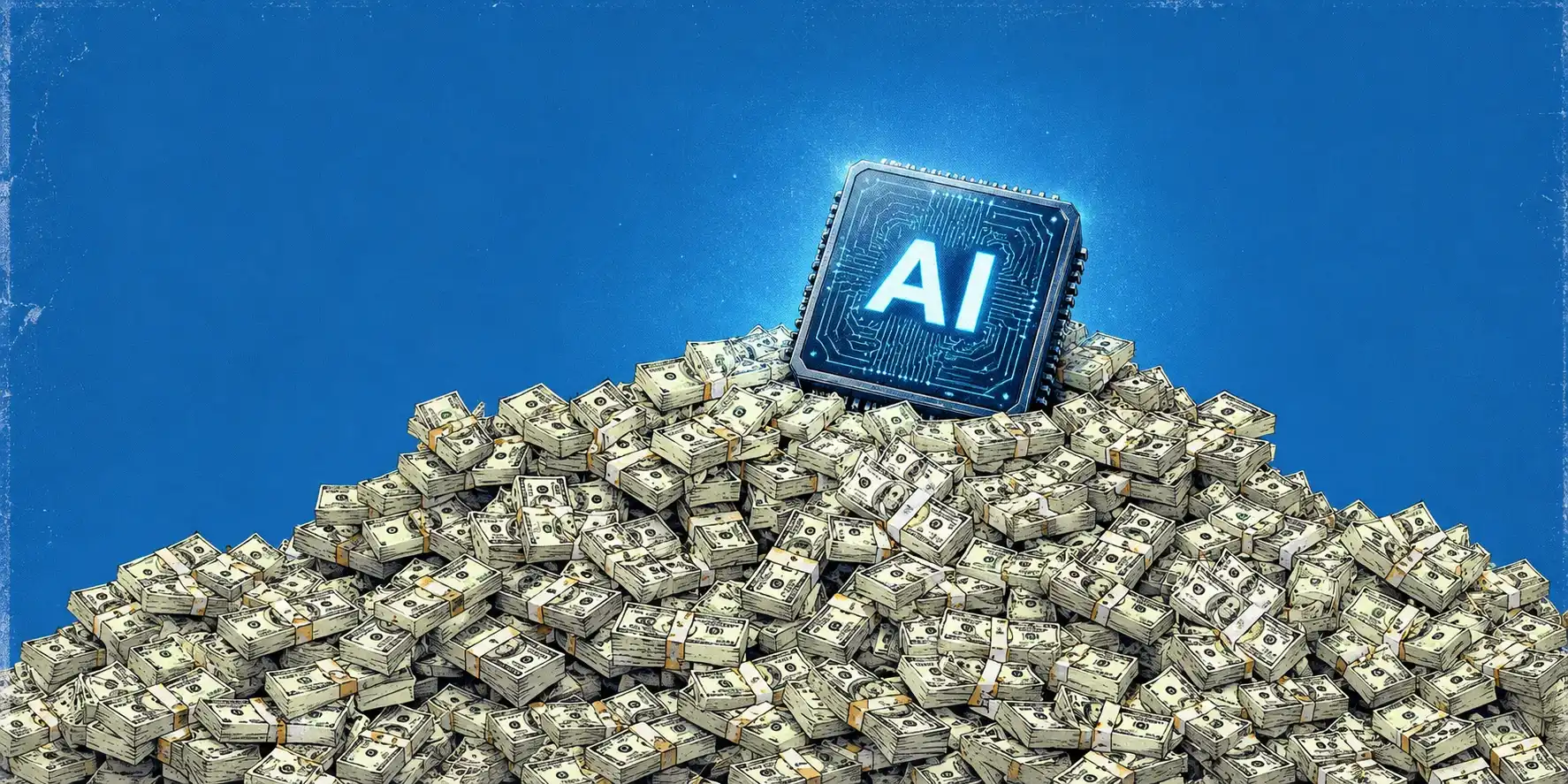
"AI for Cost Reduction Makes VC Funding More Expensive" Despite the "cost-reduction and efficiency" narrative of AI, venture capital (VC) investment in the AI sector is becoming increasingly costly. While AI tools lower the initial costs for many startups—with team sizes shrinking across funding stages—the market is polarizing. For top-tier AI teams, especially those from leading companies like Google and OpenAI, funding rounds are now larger and valuations are higher than ever at the seed and early stages. For example, new ventures by prominent researchers are securing billions in funding with valuations reaching tens of billions before having a mature product. This creates a "barbell" market: lightweight startups need less capital, while elite AI firms attract massive investments early on. This dynamic raises the cost for VCs to acquire and maintain meaningful ownership stakes. As valuations soar early, securing the same equity percentage requires significantly larger capital commitments. VCs must now invest more upfront and reserve substantial funds for follow-on rounds to avoid dilution, prompting large firms like Accel and a16z to raise massive new funds. Consequently, capital is concentrating intensely in a few perceived winners like OpenAI and Anthropic, widening the gap between large and small VC funds. While high valuations bake in future growth expectations, they also compress potential returns, demanding that portfolio companies achieve unprecedented scale. For major VCs, the core strategy is clear: secure early positions in potential winners and maintain the capital to keep investing as valuations rapidly escalate.

marsbit1 год тому

AI Boosting Efficiency and Cutting Costs Makes VC Increasingly Expensive

marsbit1 год тому

An Eight-Year Investment Takes a Sharp Turn: Why Did Ethereum Suddenly Abandon Poseidon?

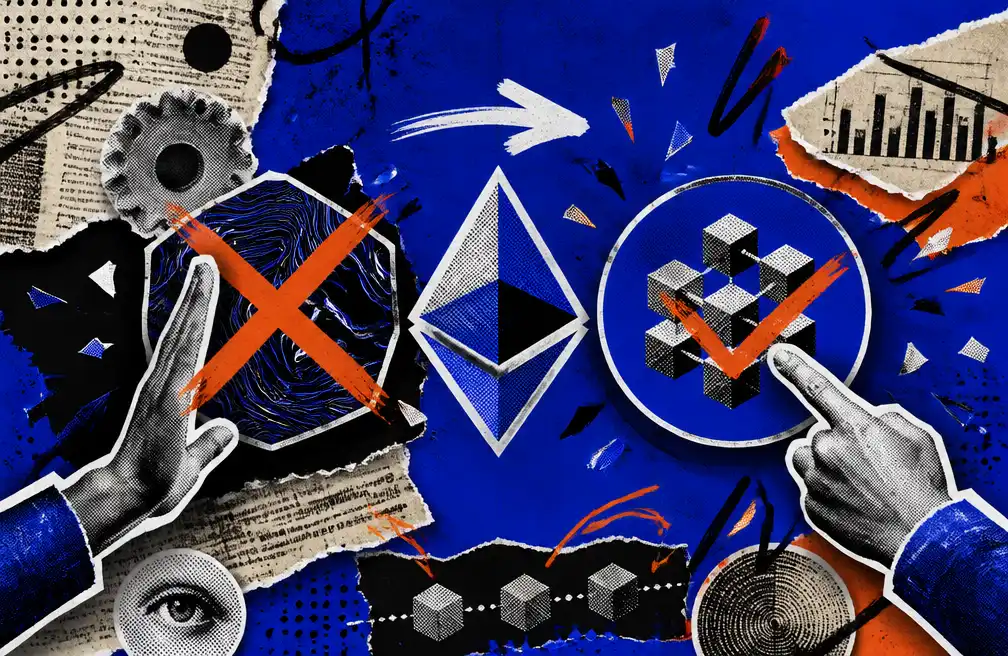
On August 13, Ethereum researcher Justin Drake announced a significant shift in Ethereum's Layer-1 cryptographic roadmap: abandoning the SNARK-friendly hash function Poseidon in favor of traditional functions like SHA2 or BLAKE2. This decision ends eight years of research and investment, marking a major revision to the post-quantum security strategy. Poseidon, introduced in 2019, was highly efficient for zkRollups and zkVMs within SNARK circuits. However, its need for prolonged cryptanalysis and the pressing timeline for quantum resistance revealed limitations. Recent breakthroughs in SNARK design, specifically using binary fields, now enable traditional, battle-tested hash functions to perform as efficiently as Poseidon within SNARKs. Benchmarks show modern laptops can now verify over a million traditional hash calls per second. This change is partly driven by accelerated concerns over quantum computing threats. Reports warn that "Cryptographically Relevant Quantum Computers" could break current blockchain signatures like ECDSA by the early 2030s, risking trillions in assets. Ethereum's response focuses on hash-based post-quantum signature schemes, deemed more quantum-resistant than some lattice-based alternatives under pressure from AI cryptanalysis. Ethereum's updated post-quantum roadmap targets a production-ready "leanVM" for signature aggregation by 2027, with full deployment across consensus, execution, and data layers by 2028. The shift to mature hash functions like SHA2 reduces reliance on newer algorithms and aligns with the goal of using widely analyzed cryptographic primitives. Other major blockchains are also preparing. Solana's core teams have independently chosen the NIST-standardized Falcon signature scheme for its compact size. Starknet plans a phased migration, starting with replacing its Pedersen hash with BLAKE2. Ethereum's move signifies a strategic pivot towards proven security foundations for the quantum era.

marsbit2 год тому

An Eight-Year Investment Takes a Sharp Turn: Why Did Ethereum Suddenly Abandon Poseidon?

marsbit2 год тому

Programmers Worldwide Are Wasting Money on Anthropic! The Company Can't Stand It Anymore

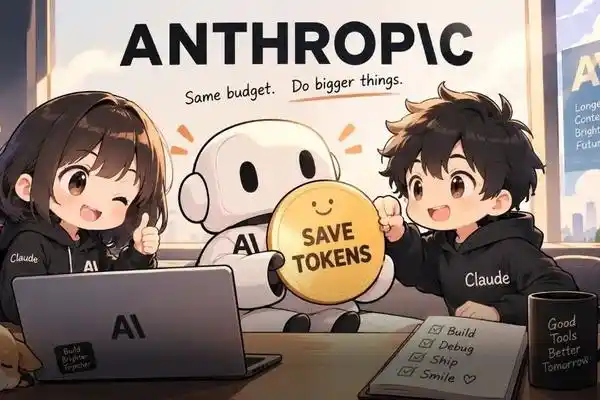
Anthropic recently published guidelines to help developers using Claude Code reduce unnecessary token costs. The key recommendations include: 1) Clear (/clear) conversations after completing a task to avoid carrying irrelevant file reads and command outputs into the next task. 2) Set the model and reasoning effort level at the start of a session, as switching mid-session invalidates the prompt cache, requiring a full-price recalculation of the entire dialog history. 3) Attach files using @ references instead of typing paths manually to avoid extra tool calls and searches that bloat the context. 4) Add quiet flags to verbose commands (e.g., in CLAUDE.md) to minimize lengthy output in the dialog history. 5) Use /compact while the session cache is still warm (before breaks) to compress the dialog at one-tenth the cost. 6) Offload large-output tasks to a sub-agent, which runs in an isolated context and only returns conclusions, preventing intermediate outputs from polluting the main dialog. The article explains token pricing: input tokens (prefill) are processed in parallel, while output tokens (decode) are generated serially, making output tokens five times more expensive. Caching is crucial for savings—if a request's prefix (system prompt, CLAUDE.md, dialog history) matches the previous one byte-for-byte, reading it costs only 10% of the standard input price. However, cache invalidation occurs when changing models, effort levels, fast mode, compressing dialogs, after cache expiration, or when resuming old sessions. Dialog history also grows quadratically (O(n²)) as file contents and command outputs accumulate, increasing costs per round. Proactive context management—like isolating noisy tasks, using /rewind to trim unproductive turns, and task-based session clearing—is becoming an essential skill for cost-effective AI-assisted development.

marsbit4 год тому

Programmers Worldwide Are Wasting Money on Anthropic! The Company Can't Stand It Anymore

marsbit4 год тому

Pax Silica vs. WAICO: The US Wants to Prohibit Europe from Using Chinese Artificial Intelligence

The United States is preparing to demand that European and other partners abandon Chinese artificial intelligence initiatives, threatening exclusion from the American-led "Pax Silica" coalition, according to a leaked U.S. State Department document. This ultimatum forces signatories of the "AI Opportunity Statement" to choose between the Western technological ecosystem and alternative frameworks, with China not explicitly named but clearly targeted. Pax Silica is a U.S. strategy for AI and semiconductor hegemony, launched in late 2025. Its European presence expanded significantly in mid-2026. Concurrently, China, Russia, and 27 other nations established the World AI Cooperation Organization (WAICO) in July 2026 as an independent intergovernmental platform promoting AI governance based on UN principles. This situation creates a difficult choice, especially for European nations balancing strategic autonomy with dependence on U.S. tech and security. It also pressures Global South countries with pragmatic ties to both Washington and Beijing. The formation of competing blocks risks fragmenting the global tech landscape, forcing companies to split supply chains, increasing costs, and potentially leading to incompatible standards and protocols. The era of open globalization in AI may be ending, replaced by geopolitical confrontation where technological sovereignty trumps economic efficiency. The decisions made will shape the global digital economy for decades.

cryptonews.ru6 год тому

Pax Silica vs. WAICO: The US Wants to Prohibit Europe from Using Chinese Artificial Intelligence

cryptonews.ru6 год тому

Торгівля

Спот

Популярні статті

Як купити NFT

Ласкаво просимо до HTX.com! Ми зробили покупку APENFT (NFT) простою та зручною. Дотримуйтесь нашої покрокової інструкції, щоб розпочати свою криптовалютну подорож.Крок 1: Створіть обліковий запис на HTXВикористовуйте свою електронну пошту або номер телефону, щоб зареєструвати обліковий запис на HTX безплатно. Пройдіть безпроблемну реєстрацію й отримайте доступ до всіх функцій.ЗареєструватисьКрок 2: Перейдіть до розділу Купити крипту і виберіть спосіб оплатиКредитна/дебетова картка: використовуйте вашу картку Visa або Mastercard, щоб миттєво купити APENFT (NFT).Баланс: використовуйте кошти з балансу вашого рахунку HTX для безперешкодної торгівлі.Треті особи: ми додали популярні способи оплати, такі як Google Pay та Apple Pay, щоб підвищити зручність.P2P: Торгуйте безпосередньо з іншими користувачами на HTX.Позабіржова торгівля (OTC): ми пропонуємо індивідуальні послуги та конкурентні обмінні курси для трейдерів.Крок 3: Зберігайте свої APENFT (NFT)Після придбання APENFT (NFT) збережіть його у своєму обліковому записі на HTX. Крім того, ви можете відправити його в інше місце за допомогою блокчейн-переказу або використовувати його для торгівлі іншими криптовалютами.Крок 4: Торгівля APENFT (NFT)Легко торгуйте APENFT (NFT) на спотовому ринку HTX. Просто увійдіть до свого облікового запису, виберіть торгову пару, укладайте угоди та спостерігайте за ними в режимі реального часу. Ми пропонуємо зручний досвід як для початківців, так і для досвідчених трейдерів.

535 переглядів усьогоОпубліковано 2024.12.10Оновлено 2025.03.21

Як купити NFT

Що таке AINFT

EternaFi Agents та $AINFT: Комплексний аналіз інфраструктури NFT на базі штучного інтелекту в екосистемі Web3 Перетворення штучного інтелекту (ШІ) та технології блокчейн швидко розвивається, створюючи інноваційні платформи, які переосмислюють моделі власності та економічної участі. EternaFi Agents, разом зі своїм рідним токеном $AINFT, є прикладом революційного підходу до токенізації інфраструктур ШІ за допомогою незамінних токенів (NFT). Запущений у липні 2025 року командою розробників Nova Club, EternaFi об'єднує досягнення ШІ з децентралізованими фінансовими механізмами блокчейн, представляючи унікальну інвестиційну можливість для учасників екосистеми web3. Ця стаття має на меті надати глибоку оцінку EternaFi Agents, охоплюючи його основні компоненти, функціональність та значення в крипто-ландшафті. Вступ та огляд проекту EternaFi Agents є яскравим прикладом того, як технологія блокчейн може демократизувати доступ до передових можливостей ШІ. Проект прагне змінити парадигму власності на ШІ, диверсифікуючи економічну участь, роблячи складні системи ШІ доступними для більшої кількості зацікавлених сторін. В основі проекту лежить токенізація власної великої мовної моделі (LLM), розробленої Nova Club, що дозволяє власникам NFT отримувати частковий доступ до економічної продуктивності моделі. Використовуючи NFT, які представляють частки в LLM, EternaFi Agents сприяє моделі, в якій зацікавлені сторони не лише беруть участь у споживанні послуг ШІ, але й насолоджуються економічними винагородами, отриманими платформою. Цей трансформаційний підхід дозволяє розробляти стійкі моделі доходу для послуг ШІ, одночасно сприяючи широкій участі громади та забезпечуючи прозоре управління. Що таке EternaFi Agents? EternaFi Agents представляє проект інфраструктури AI-NFT, який прагне поєднати можливості ШІ з технологією блокчейн в єдиній екосистемі. Основною рисою цього проекту є створення NFT, які слугують фінансовими інструментами, що представляють частки власності в власній інфраструктурі ШІ Nova Club. Кожен NFT символізує прямий доступ до економічної продуктивності базової системи ШІ, надаючи вигідну можливість для інвесторів. Проект працює на блокчейні Base, відомому своєю масштабованістю та ефективністю, що забезпечує прийнятні транзакційні витрати, одночасно полегшуючи безперебійну операційну діяльність. Однією з помітних рис є механізм розподілу доходів, за яким власники NFT можуть отримувати частини доходу від підписки, отриманого від послуг ШІ, наданих на платформі. Цей інноваційний підхід встановлює зв'язок між успіхом послуг ШІ та економічними дивідендами, розподіленими серед власників, забезпечуючи таким чином узгодженість інтересів у громаді. Хто є творцем EternaFi Agents? Творчою силою за EternaFi Agents є Nova Club, команда розробників, що базується в Сінгапурі, яка спеціалізується на поєднанні ШІ та технології блокчейн. Їхній попередній досвід у розробці ШІ та аналізі криптовалют надає проекту вагомість, вносячи широкий спектр експертизи у створення EternaFi Agents. Місія Nova Club полягає в демократизації доступу до передових технологій ШІ, одночасно створюючи стійкі економічні моделі, які приносять користь користувачам разом із розробниками. Їхня прихильність до прозорості, управління громадою та інновацій відображається в дизайні та реалізації платформи EternaFi, яка прагне створити унікальну екосистему, що сприяє позитивній взаємодії та створенню довгострокової цінності. Хто є інвесторами EternaFi Agents? Конкретні деталі щодо інвесторів або інвестиційних організацій, які підтримують EternaFi Agents, не є публічно доступними. Проте EternaFi прийняла інклюзивний підхід до фінансування свого розвитку через продаж NFT громадськості, що дозволяє широкому колу учасників інвестувати в екосистему. Архітектура проекту забезпечує відповідальне фінансування основної інфраструктури, одночасно дозволяючи членам громади брати участь у власності та економічних доходах, отриманих від послуг ШІ. Ця модель підкреслює залученість громади, узгоджуючи інтереси інвесторів та розробників проекту, створюючи співпрацююче середовище, де заохочується довгострокова участь. Як працює EternaFi Agents? EternaFi Agents функціонує через багатогранну екосистему, де NFT слугують основним засобом представлення власності в проекті. Кожен власник NFT має право на частку місячного доходу від підписки, отриманого від базової платформи на базі ШІ, тим самим позиціонуючи власність NFT як вигідний інвестиційний інструмент. Механізм генерації доходу Основним джерелом генерації доходу для платформи EternaFi є плати за підписку, пов'язані з наданими послугами ШІ. Користувачі можуть отримати доступ до різних послуг з різними рівнями, починаючи від базових інструментів ринкового аналізу до комплексних рішень для торгівлі з підтримкою ШІ. Ці послуги монетизуються і формують основу для механізму розподілу доходів, який розподіляє прибутки серед власників NFT через автоматизовані смарт-контракти. Інноваційною рисою екосистеми EternaFi є механізм розподілу доходів, який працює прозоро, забезпечуючи, щоб винагороди розподілялися на основі перевіряємих метрик з операцій платформи ШІ. Це створює прямий зв'язок між продуктивністю послуг ШІ та доходами, доступними інвесторам громади, встановлюючи стійку економічну модель. Механізми стейкінгу та вестингу Учасники EternaFi можуть брати участь у стейкінгу своїх NFT, щоб отримати додаткові економічні переваги. Графік вестингу розроблений для заохочення довгострокової прихильності серед учасників, винагороджуючи тих, хто демонструє постійну підтримку проекту. Це забезпечує міцну узгодженість інтересів і сприяє почуттю залученості громади, що є необхідним для досягнення довгострокових цілей проекту. Прозоре управління EternaFi Agents підтримує децентралізоване управління, дозволяючи власникам NFT активно брати участь у прийнятті рішень щодо розвитку платформи та її майбутніх напрямків. Управлінська структура включає механізми голосування громади, надаючи власникам NFT можливість впливати на важливі рішення та сприяючи співпраці в зростанні проекту. Хронологія EternaFi Agents Розробницька траєкторія EternaFi Agents демонструє систематичний підхід до створення стійкої інфраструктури ШІ, задовольняючи потреби учасників громади. Нижче наведено хронологію важливих етапів в історії проекту: Липень 2025: Запуск EternaFi Agents, включаючи публічний продаж NFT та впровадження токена $AINFT на блокчейні Base. Q4 2025: Створення ринкової інфраструктури, включаючи ліквідні пулі та запуск панелей стейкінгу для власників NFT. 2026: Ініціація програм залучення громади, розширення можливостей ШІ та інтеграція з крос-ланцюговими технологіями. Q4 2026: Впровадження системи розподілу дивідендів, що дозволяє власникам NFT отримувати економічні вигоди від своїх інвестицій. Ці етапи підкреслюють акцент на створенні функціональної та участевої екосистеми, забезпечуючи при цьому безперервну еволюцію для задоволення вимог ринку. Технологічна інфраструктура та інтеграція блокчейн EternaFi Agents закріплений в просунутій технологічній структурі, що поєднує системи ШІ з можливостями блокчейн. Працюючи на блокчейні Base, проект використовує переваги масштабованості та низьких транзакційних витрат. Основна архітектура смарт-контрактів регулює власність NFT, розподіл доходів та функції управління громадою, забезпечуючи ефективність і прозорість. Розробка системи ШІ Власна велика мовна модель, на якій базується EternaFi Agents, була незалежно розроблена та спроектована для задоволення потреб у генерації доходу без залежності від сторонніх фреймворків. Це зусилля відображає прагнення створити універсальну та адаптивну інфраструктуру ШІ, здатну надавати значущі послуги користувачам, тим самим генеруючи економічну цінність для інвесторів. Заходи безпеки Надійність інфраструктури безпеки EternaFi є надзвичайно важливою. Регулярні аудити та суворі заходи безпеки забезпечують цілісність систем ШІ та механізмів блокчейн, захищаючи від потенційних вразливостей, одночасно сприяючи довірі серед учасників. Висновок EternaFi Agents є знаковою інновацією в сфері штучного інтелекту та технології блокчейн, відкриваючи можливості для власності громади та економічної участі в передових можливостях ШІ. Комплексна стратегія проекту щодо токенізації інфраструктури ШІ через NFT встановлює прецедент для майбутніх децентралізованих екосистем. Поєднуючи технічну складність з економічними моделями, орієнтованими на користувача, EternaFi не лише сприяє залученню, але й генерує стійку структуру розподілу доходів для учасників громади. Значення EternaFi виходить далеко за межі його операційного успіху, оскільки він демонструє, як блокчейн може демократизувати передові технології ШІ, прокладаючи шлях для майбутніх проектів у цій перетворювальній сфері. Еволюція EternaFi Agents може ознаменувати нову еру розвитку ШІ, що характеризується управлінням, орієнтованим на учасників, стійкими економічними моделями та прозорою верифікацією, в кінцевому підсумку сприяючи більшій демократизації ШІ та доступності технологій у різних галузях.

682 переглядів усьогоОпубліковано 2025.08.14Оновлено 2025.08.14

Що таке AINFT

Обговорення

Ласкаво просимо до спільноти HTX. Тут ви можете бути в курсі останніх подій розвитку платформи та отримати доступ до професійної ринкової інформації. Нижче представлені думки користувачів щодо ціни NFT (NFT).

活动图片