The More Lifelike the Robot, the More Terrifying? Unveiling the 'Uncanny Valley Effect' in the Era of Humanoid Robots

marsbitОпубліковано о 2026-06-09Востаннє оновлено о 2026-06-09

Анотація

As humanoid robots become increasingly lifelike, they confront a significant psychological barrier known as the "Uncanny Valley Effect," a concept proposed by Japanese roboticist Masahiro Mori in 1970. This phenomenon describes a dip in human comfort and acceptance when robots appear almost, but not perfectly, human. Minor imperfections in facial expressions, eye movements, or skin texture trigger a subconscious sense of unease, as the brain detects something trying, yet failing, to mimic a person. Examples range from the controversial human-like robot Sophia to animated characters in films like *The Polar Express*. The effect poses a key design challenge for robotics companies. Some, like Boston Dynamics, avoid it entirely by creating highly capable but visibly mechanical robots. Others, like Hanson Robotics, push for greater human likeness despite the risk. For consumer robots, especially in homes, most manufacturers opt for stylized or clearly mechanical designs to ensure broader acceptance. While the Uncanny Valley remains a powerful force, its impact may diminish over time through technological advancements that achieve near-perfect realism or through generational familiarity as people grow accustomed to interacting with humanoid machines. Ultimately, navigating this psychological frontier requires as much understanding of human perception as of robotics technology itself.

Author: Dean Fankhauser

Compiled by: Felix, PANews

The relationship between humans and robots is about to become complex. As humanoid robots increasingly resemble human appearance, they are now facing an unexpected psychological barrier that may shape the future of human-robot interaction.

What is the "Uncanny Valley Effect"?

The "Uncanny Valley Effect" is a psychological phenomenon that describes how human emotional responses change as artificial creations become more human-like. This concept is simple yet profound: when robots look distinctly mechanical, they are easily accepted. Think of R2-D2 from *Star Wars* or industrial robotic arms—they are clearly machines, and viewers are comfortable with them.
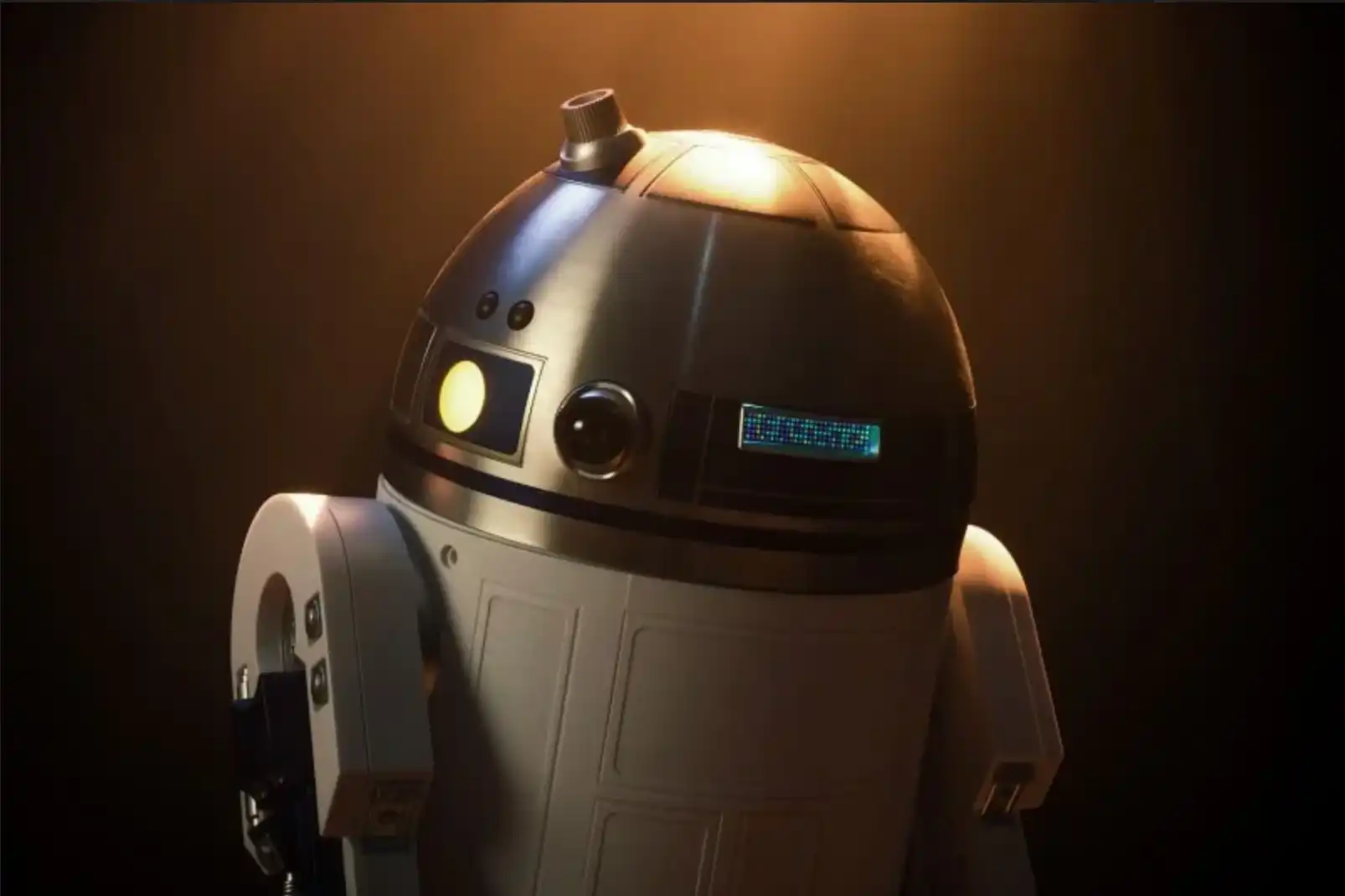
R2-D2 Space Repair Droid

As robots become more human-like, acceptance initially increases. Humans attribute anthropomorphic traits to them, finding them cute or endearing. But then, something strange happens.

When a robot reaches a certain level of similarity to humans (looking almost human but not quite), the comfort level plummets. Instead of greater acceptance, an instinctive unease arises. Minor flaws in appearance or movement that might be overlooked in more mechanical robots suddenly become glaringly and eerily apparent here.

The term "uncanny valley" was coined by Japanese robotics expert Masahiro Mori in 1970. In a paper discussing the relationship between human emotional responses to robots and their degree of realism, he proposed this concept and pointed out the typical sharp drop in acceptance when robots approach but do not fully achieve human appearance.

Movement and facial expressions are the primary triggers. Subtle errors in eye movement, the timing of blinks, lip synchronization, and facial micro-expressions can all elicit the strongest "uncanny valley effect." A perfectly realistic static image might look fine, but once it moves, it often triggers the effect.

It's worth noting that individual sensitivity to the "uncanny valley effect" varies greatly. Some studies suggest that people with higher empathy or those whose work is closely related to humans (such as medical staff, psychotherapists) might be more sensitive. Age is also a factor, with some research indicating that children are less affected than adults.

Why Does It Feel Uncomfortable?

The "uncanny valley effect" triggers a fundamental conflict in human perception. The human brain is innately wired to interpret facial expressions and capture subtle social cues. This is how we have survived as social animals for millions of years. When a robot is 90% human-like, the brain initially categorizes it as "human," but then quickly spots inconsistencies.

These inconsistencies cause cognitive dissonance. For example, eye movement might be slightly off; skin texture might be unnaturally perfect; the blinking rhythm might be a few milliseconds slow. Each subtle deviation triggers a subconscious alarm: something is masquerading as human.

Remember the movie *The Polar Express*? This film's characters aimed for realism, but audiences found them creepy. Their nearly human-like faces triggered the exact same psychological response as facing hyper-realistic robots. The characters' eyes looked lifeless, and their movements were somewhat stiff. These little oddities reminded viewers: something is not right.
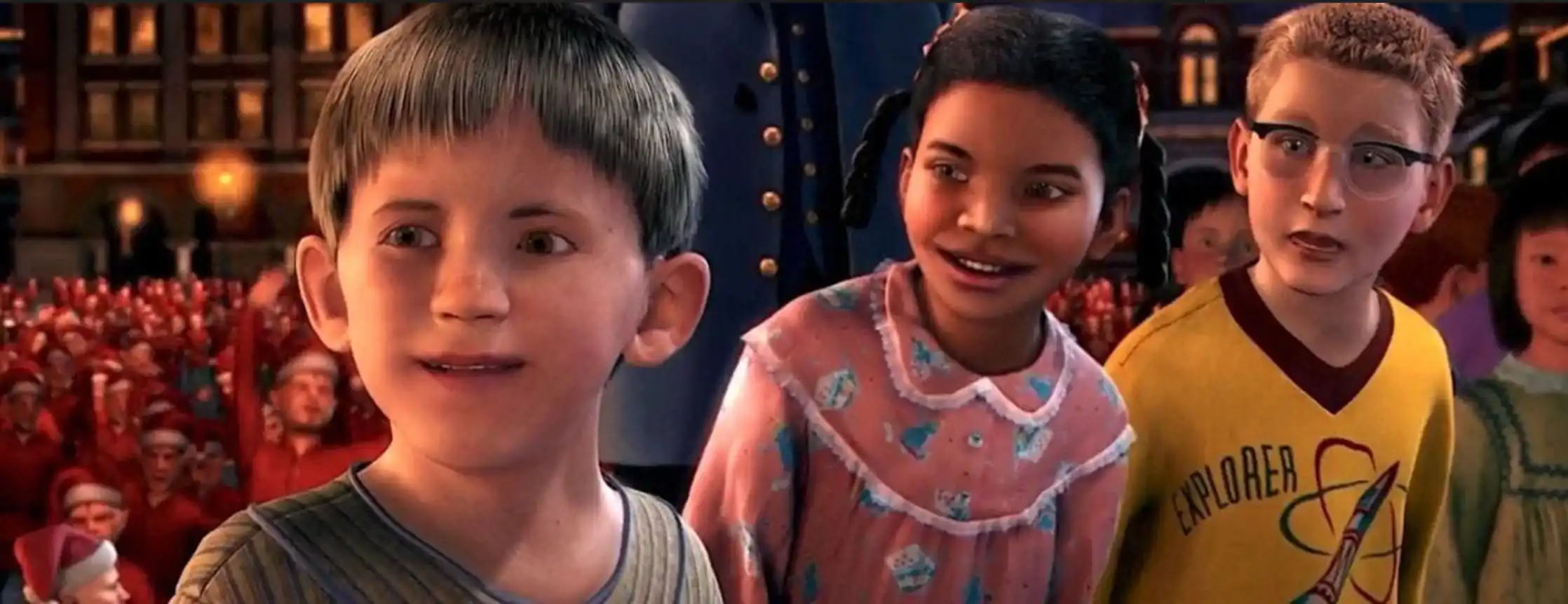
The movie "The Polar Express"

In the field of robotics, early attempts at realism were astonishing but not perfect. Hanson Robotics' robot "Sophia," which deliberately pursues lifelike human qualities, has found itself mired in controversy. Some find her fascinating, while others find her downright creepy.
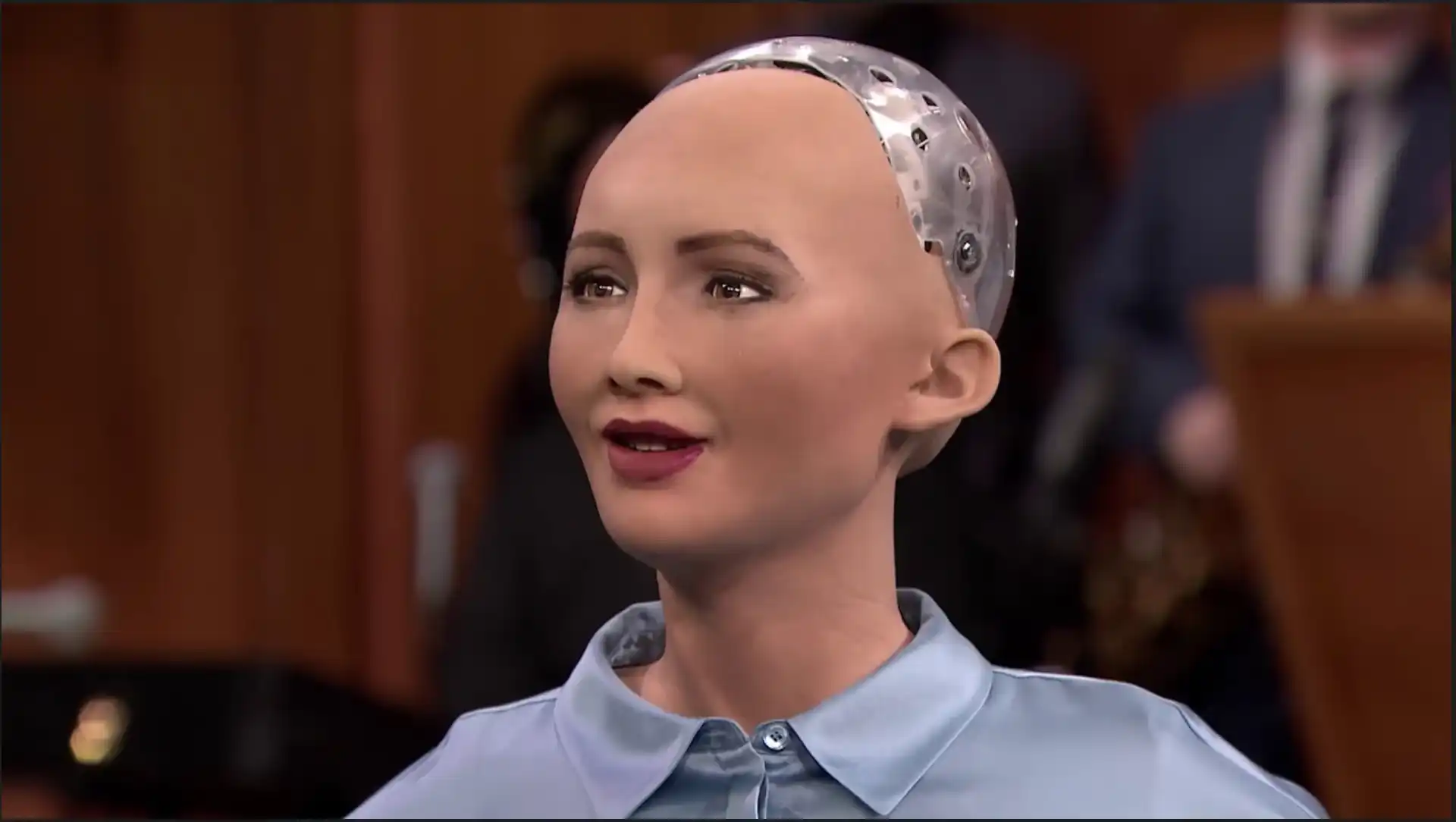
Robot Sophia

How Are Robot Companies Responding to the "Uncanny Valley Effect"?

This is not merely an aesthetic issue. The "uncanny valley effect" has profound implications for robot development. Companies investing millions in developing humanoid robots face a critical design dilemma: at what point does humanization become "too much"?

Some companies choose to avoid the "uncanny valley" altogether. Boston Dynamics' robots perform astonishing physical feats while maintaining an unmistakably mechanical appearance. Others, like Hanson Robotics, take the risk and remain committed to achieving more human-like robotics. Each approach embodies a different philosophy of human-robot interaction.

As robots become increasingly integrated into daily life, understanding and addressing the "uncanny valley effect" is crucial. It's not just about making robots work efficiently; it's about co-existing with them comfortably.

For household robots, design choices are paramount. A robot helping with chores needs to be accepted by all family members, including those more sensitive to the "uncanny valley effect." Therefore, most consumer robot companies wisely opt for stylized or distinctly mechanical designs.

Will the "Uncanny Valley Effect" Eventually Fade Away?

Two factors might dilute the "uncanny valley effect" over time. First, with advancements in robotics, robots might cross the valley by achieving near-perfect realism, eliminating those subtle incongruities that trigger unease.

Second, as people become more accustomed to the presence of humanoid robots in daily life, the novelty and unfamiliarity that amplify the effect may gradually diminish. Younger generations growing up with humanoid robots might exhibit higher tolerance.

For now, the "uncanny valley effect" still serves as a reminder: human perception is complex and often counterintuitive. In creating machines that increasingly resemble ourselves, understanding human psychology is no less important than understanding robotics technology.

Related read: From Code to Cognition: A Ten-Thousand-Word Guide to the Evolution of the Robot Brain


Трендові криптовалюти

Пов'язані питання

QWhat is the 'Uncanny Valley Effect' and who coined the term?

AThe 'Uncanny Valley Effect' is a psychological phenomenon describing how human emotional responses change as artificial entities become more human-like. It involves a sharp dip in comfort and acceptance when something looks almost, but not perfectly, human. The term was coined by Japanese roboticist Masahiro Mori in 1970.

QWhy do humans feel discomfort in the 'Uncanny Valley' according to the article?

AThe discomfort arises from a fundamental conflict in human perception. Our brains are wired to interpret facial expressions and social cues. When a robot is very human-like, the brain initially categorizes it as human but then quickly detects inconsistencies, such as slightly off eye movements or unnatural skin texture. These subtle flaws trigger a subconscious alarm that something is pretending to be human, causing cognitive dissonance and unease.

QHow do some robot companies address the 'Uncanny Valley Effect' in their designs?

ACompanies employ different strategies. Some, like Boston Dynamics, avoid the effect entirely by designing robots with clearly mechanical appearances, even if they perform advanced movements. Others, like Hanson Robotics, accept the risk and continue to pursue highly realistic humanoid robots. For consumer-facing robots, such as home assistants, many companies opt for stylized or obviously mechanical designs to ensure broader acceptance and comfort.

QWhat factors might cause the 'Uncanny Valley Effect' to diminish over time?

ATwo main factors could reduce the effect. First, technological advancements might allow robots to achieve near-perfect realism, eliminating the subtle flaws that trigger unease. Second, increased familiarity and exposure to humanoid robots in daily life could reduce the novelty and strangeness that amplifies the effect. Younger generations growing up with such robots may develop a higher tolerance.

QWhat examples from movies and robots does the article use to illustrate the 'Uncanny Valley Effect'?

AThe article uses the animated film 'The Polar Express' as an example, where the characters' highly realistic yet slightly off facial expressions and movements made audiences feel unsettled. In robotics, it mentions the humanoid robot 'Sophia' from Hanson Robotics, which elicits mixed reactions of fascination and creepiness due to its pursuit of human likeness.

Пов'язані матеріали

Why Bitcoin Holds Above $64,000 After Fed's Hard Pause

**Bitcoin Stabilizes Near $64,000 Following Hawkish Fed Pause** The cryptocurrency market, led by Bitcoin, remained stable around $64,000 despite a volatile reaction to the latest U.S. Federal Reserve meeting. The Fed paused interest rates but signaled a hawkish stance, with three committee members voting for an increase—the highest dissent since 2016. This limits risk appetite but hasn't triggered panic selling. Key market highlights include Bitcoin ETFs seeing a net inflow of $32.1 million, breaking a streak of outflows, while Ethereum ETFs experienced outflows of $18.65 million. Liquidations affected about 90,000 traders. Technically, Bitcoin finds support around $63,000-$63,500, with major resistance near $66,000. While its price is about 49% below its all-time high, institutional demand via ETFs and the absence of mass capitulation support a potential recovery scenario in the second half of the year. Major altcoins showed mixed movements, with Solana attracting capital while Ethereum faced selling pressure despite strong on-chain metrics like a growing staking queue. Regulatory news took a pause as the U.S. Senate delayed the CLARITY Act vote until at least autumn. For the final trading day of July, U.S. inflation and consumer spending data will be crucial. Bitcoin's key levels to watch are $63,000 support and $66,000 resistance. Sustained ETF inflows and Bitcoin holding above $63,000 are seen as positive signs for a potential market recovery later in the year.

cryptonews.ru1 год тому

Why Bitcoin Holds Above $64,000 After Fed's Hard Pause

cryptonews.ru1 год тому

Participants in XRP Fraud Scheme That Stole $9 Million from 71 Investors Arrested

South Korean police have arrested three individuals accused of operating a fraudulent investment platform that stole approximately 3.4 million XRP (worth about $9 million) from 71 investors between October 16 and 23. The suspects promoted the site Fxrpntwork.com through blogs, online articles, and YouTube videos, promising guaranteed principal and monthly returns of 1.5% to 1.8%. Investors were instructed to transfer XRP from Korean exchanges to overseas platforms and then to wallets controlled by the group before the site was shut down. The scammers copied the branding of legitimate projects Flare Network and FXRP to appear credible. Authorities warn that such impersonation frauds, which use familiar branding and urgent promises of guaranteed profits, are a common red flag. Legitimate companies do not solicit cryptocurrency transfers through unsolicited promotions. Seoul police have issued an Interpol Red Notice for a fourth suspect abroad and are investigating others involved in creating and promoting the fraudulent website. While investigators froze 17.3 billion won in assets, approximately 10 billion won was moved during the probe, with wallet analysis revealing transfers totaling 27.3 billion won, suggesting there may be additional unidentified victims and accomplices. The case underscores the organized, cross-border nature of crypto investment fraud.

cryptonews.ru1 год тому

Participants in XRP Fraud Scheme That Stole $9 Million from 71 Investors Arrested

cryptonews.ru1 год тому

Торгівля

Спот

Популярні статті

Як купити ERA

Ласкаво просимо до HTX.com! Ми зробили покупку Caldera (ERA) простою та зручною. Дотримуйтесь нашої покрокової інструкції, щоб розпочати свою криптовалютну подорож.Крок 1: Створіть обліковий запис на HTXВикористовуйте свою електронну пошту або номер телефону, щоб зареєструвати обліковий запис на HTX безплатно. Пройдіть безпроблемну реєстрацію й отримайте доступ до всіх функцій.ЗареєструватисьКрок 2: Перейдіть до розділу Купити крипту і виберіть спосіб оплатиКредитна/дебетова картка: використовуйте вашу картку Visa або Mastercard, щоб миттєво купити Caldera (ERA).Баланс: використовуйте кошти з балансу вашого рахунку HTX для безперешкодної торгівлі.Треті особи: ми додали популярні способи оплати, такі як Google Pay та Apple Pay, щоб підвищити зручність.P2P: Торгуйте безпосередньо з іншими користувачами на HTX.Позабіржова торгівля (OTC): ми пропонуємо індивідуальні послуги та конкурентні обмінні курси для трейдерів.Крок 3: Зберігайте свої Caldera (ERA)Після придбання Caldera (ERA) збережіть його у своєму обліковому записі на HTX. Крім того, ви можете відправити його в інше місце за допомогою блокчейн-переказу або використовувати його для торгівлі іншими криптовалютами.Крок 4: Торгівля Caldera (ERA)Легко торгуйте Caldera (ERA) на спотовому ринку HTX. Просто увійдіть до свого облікового запису, виберіть торгову пару, укладайте угоди та спостерігайте за ними в режимі реального часу. Ми пропонуємо зручний досвід як для початківців, так і для досвідчених трейдерів.

596 переглядів усьогоОпубліковано 2025.07.17Оновлено 2026.06.02

Як купити ERA

Обговорення

Ласкаво просимо до спільноти HTX. Тут ви можете бути в курсі останніх подій розвитку платформи та отримати доступ до професійної ринкової інформації. Нижче представлені думки користувачів щодо ціни ERA (ERA).

活动图片












