The Image Generation Model That's Hotter Than Nano Banana Has Leaked, Screenshots Are No Longer Evidence | Includes Prompts

marsbitОпубліковано о 2026-04-19Востаннє оновлено о 2026-04-19

Анотація

A new AI image generation model, widely referred to as "GPT Image 2," has been leaked and is demonstrating significant advancements over predecessors like DALL-E 3 and even Google's Nano Banana Pro. It excels in four key areas: text rendering, prompt adherence, photorealism, and world knowledge. The model can generate highly accurate text in multiple languages, including complex Chinese characters, making it capable of producing convincing fake documents, UI screenshots, and product labels. This capability also raises concerns about the reliability of using screenshots as evidence. The model is currently in A/B testing, with a full release expected around May 2026 when DALL-E services are officially retired. It is accessible for testing on the LM Arena platform. The article includes several prompt templates optimized for the model, such as generating realistic app screenshots, product photos with detailed labels, and street scenes with accurate signage. This advancement is reshaping creative workflows but also accelerating the displacement of some traditional design roles.

Is your impression of text-to-image still stuck on Nano Banana?

But kid, times have changed again.
@johnAGI168 https://x.com/johnAGI168/status/2044781168151724067
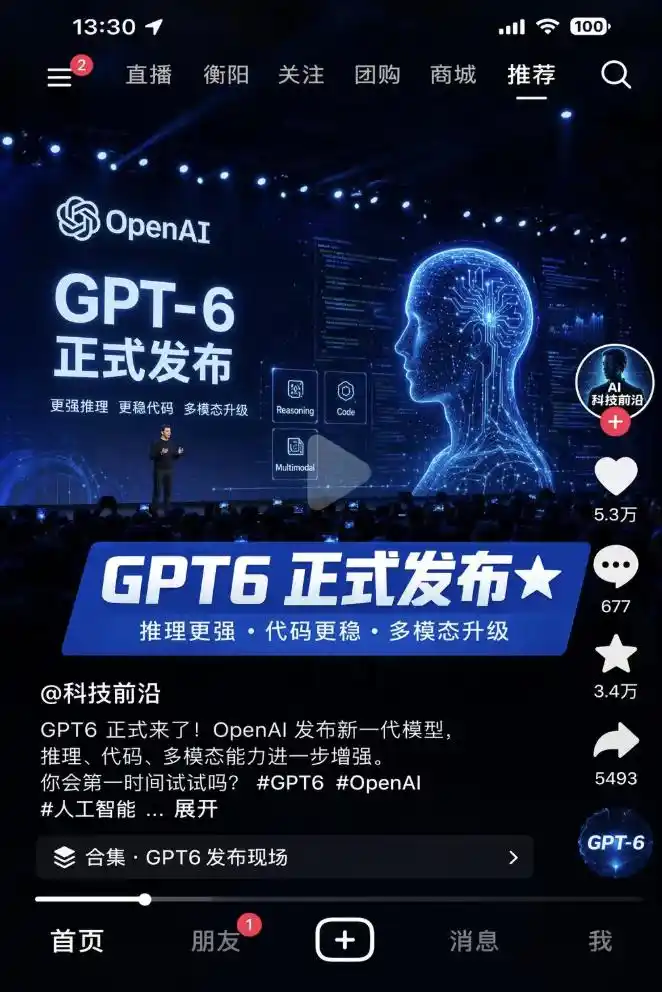
@0115hippo https://x.com/0115hippo/status/2044722124611539160

In early April, three anonymous image models, codenamed maskingtape-alpha, packingtape-alpha, and gaffertape-alpha, appeared on the LM Arena evaluation platform. They disappeared a few hours later.

OpenAI has not officially announced this model yet, but based on the metadata returned by the API and user-side testing records, it has already gained a widely accepted name: GPT Image 2.
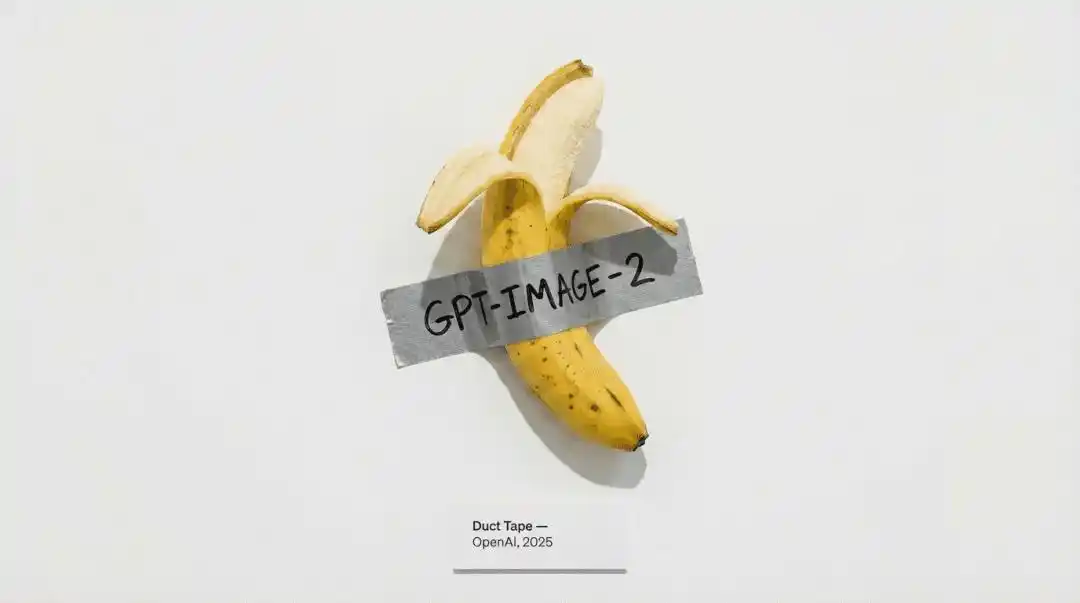
Screenshots Can No Longer Be Used as Evidence

Over the past few years, one of the most obvious weaknesses of AI image generation models has been text within images. In the DALL-E 3 era, if you asked it to write "Hello" in an image, it might output "Hellp" or even "Hl10", with letters tilting drunkenly. GPT Image 1 improved a lot, handling simple English labels. By GPT Image 1.5, its accuracy in rendering English text was close to 95%, but it still had significant flaws with non-Latin scripts like Chinese, Japanese, and Korean.

But the leaked sample images from GPT Image 2 have changed this impression.
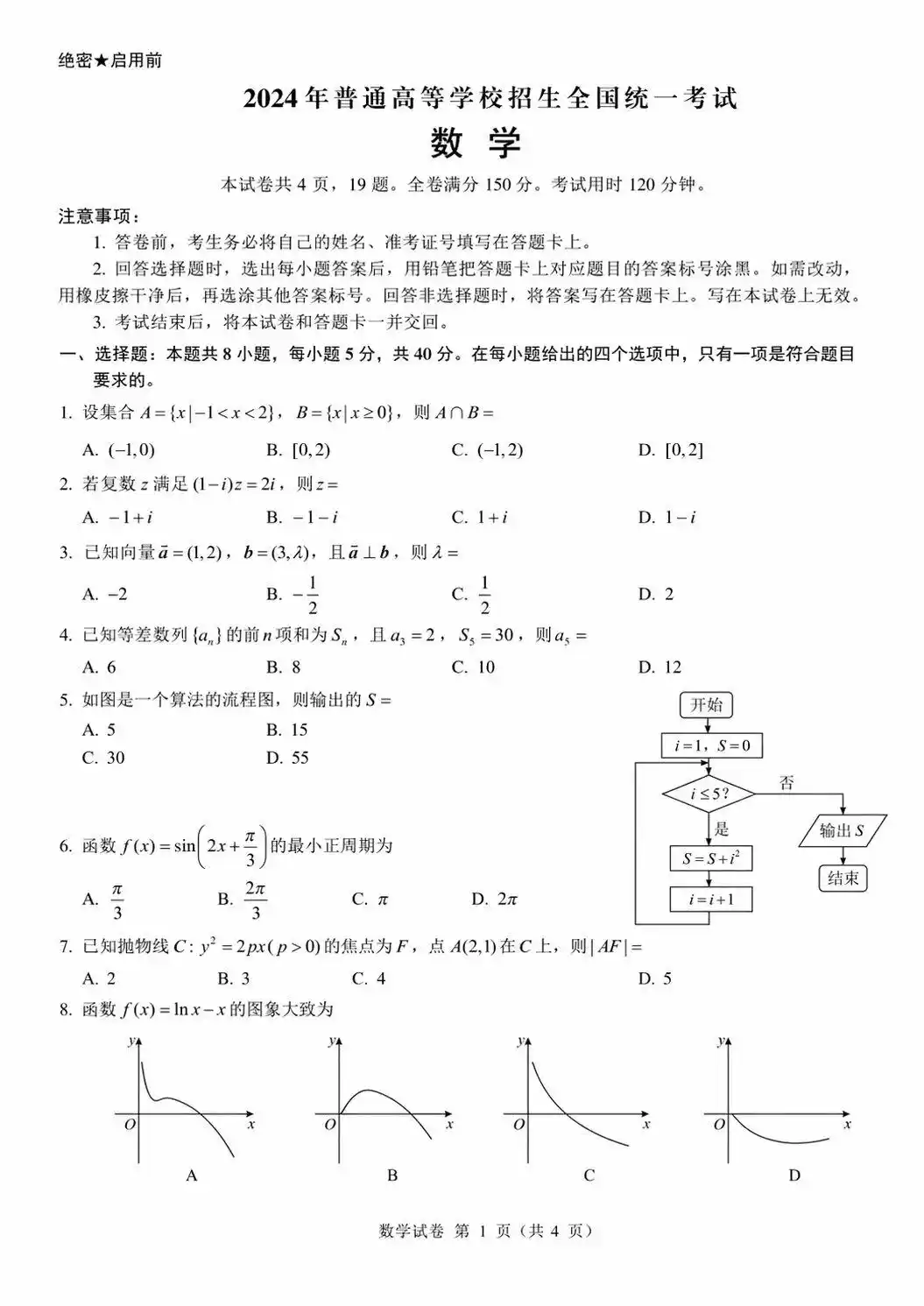
@MrLarus https://x.com/MrLarus/status/2044824800909054181
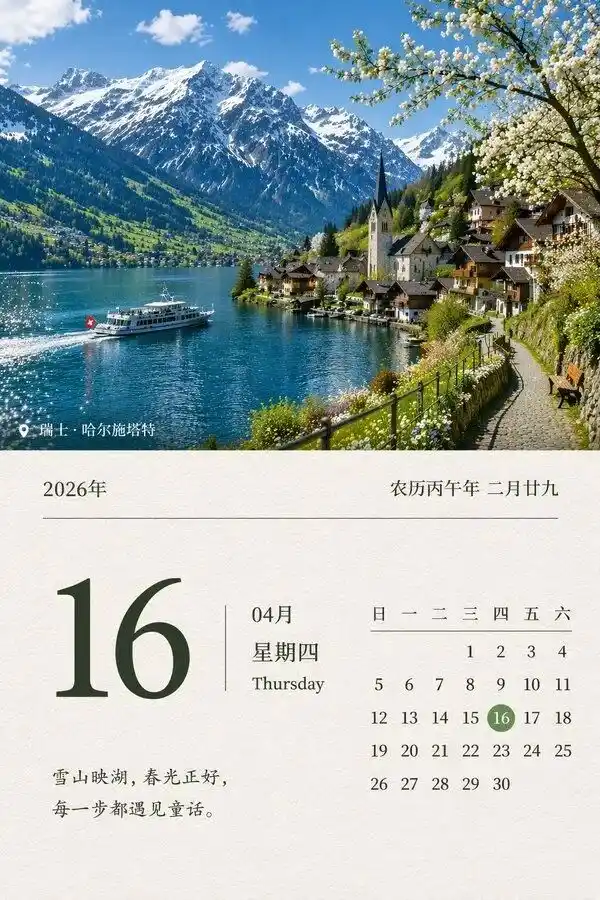
@akokoi1 https://x.com/akokoi1/status/2044789531615056175

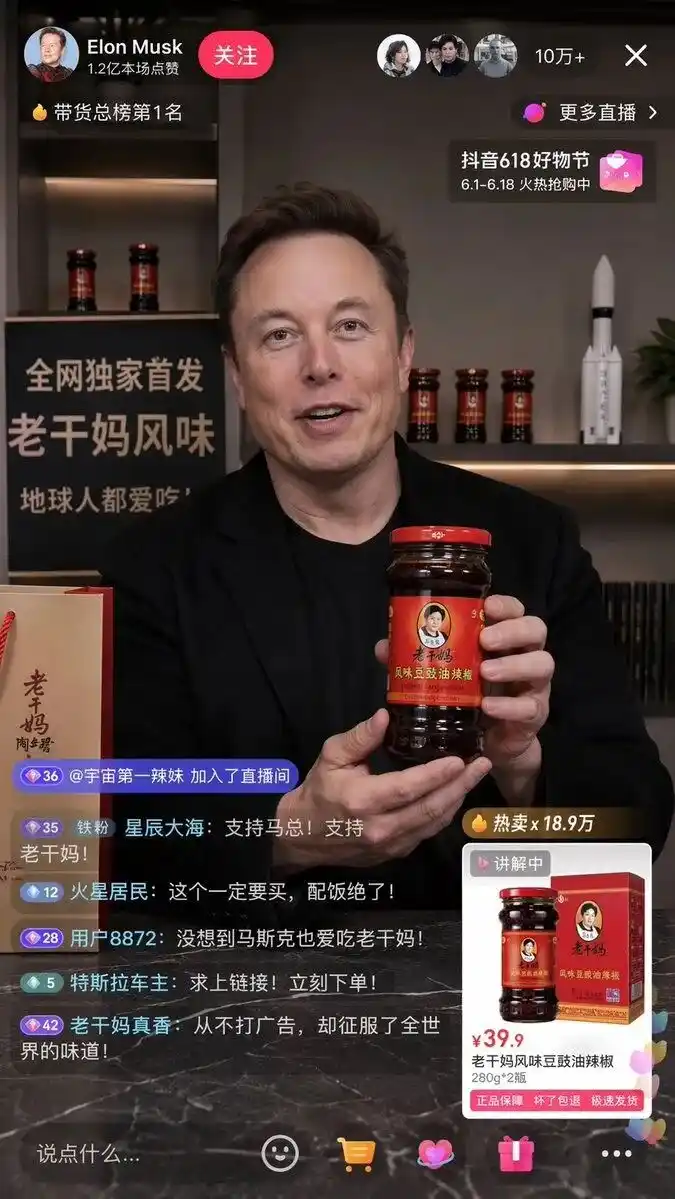
The text in the images is exactly what it should be. Chinese characters are clear, with accurate glyphs and complete strokes. Someone tested generating an ID card-style image, where the name, address, and ID number were all rendered correctly, with neat formatting, looking at first glance like a photo of a real document.
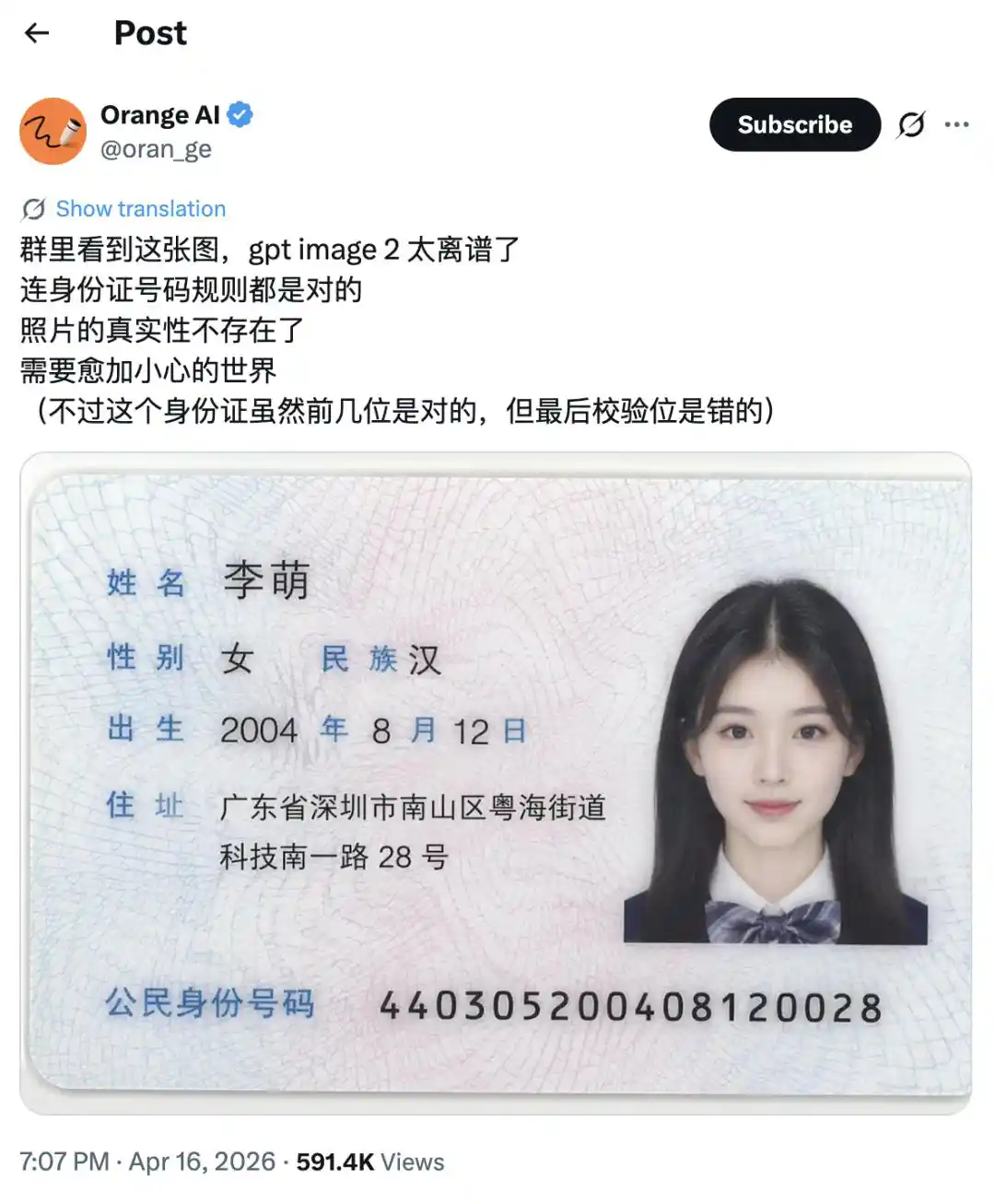
This is good news. The improvement in text rendering means generating infographics, posters, product packaging, and complex charts becomes more reliable.

But there's always another side to the coin. A model that can generate photo-realistic ID-style images and precisely render UI screenshots naturally makes "screenshots can be used as evidence" increasingly questionable.

By comparison, this is also a core difference between the GPT Image series and other models. Midjourney still has no progress in text rendering, and the Stable Diffusion series also has this old problem. According to the leaked Arena test results, GPT Image 2 surpassed Midjourney in four dimensions: text rendering, instruction following, photorealism, and world knowledge. Midjourney's advantages are mainly retained in artistic style and aesthetic control.
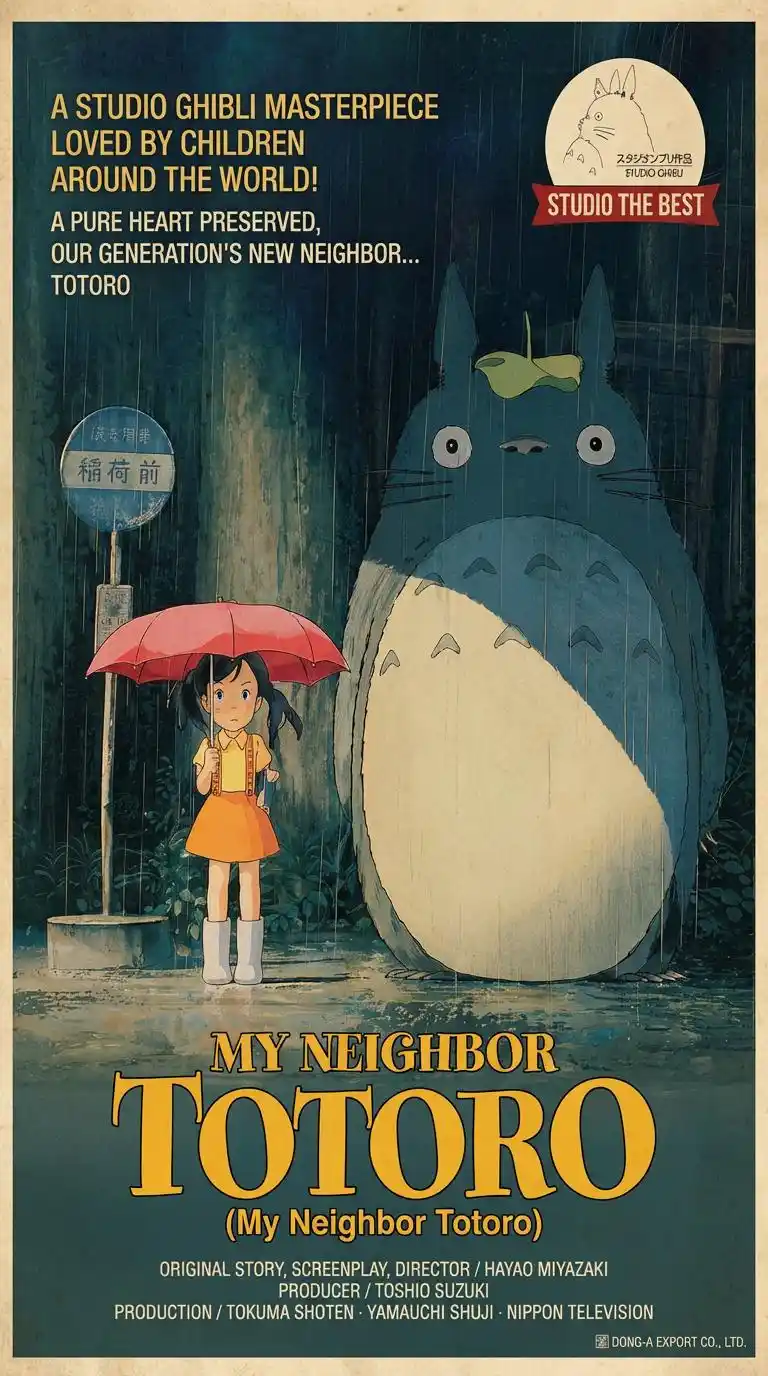
Does It Really Know What the World Looks Like?

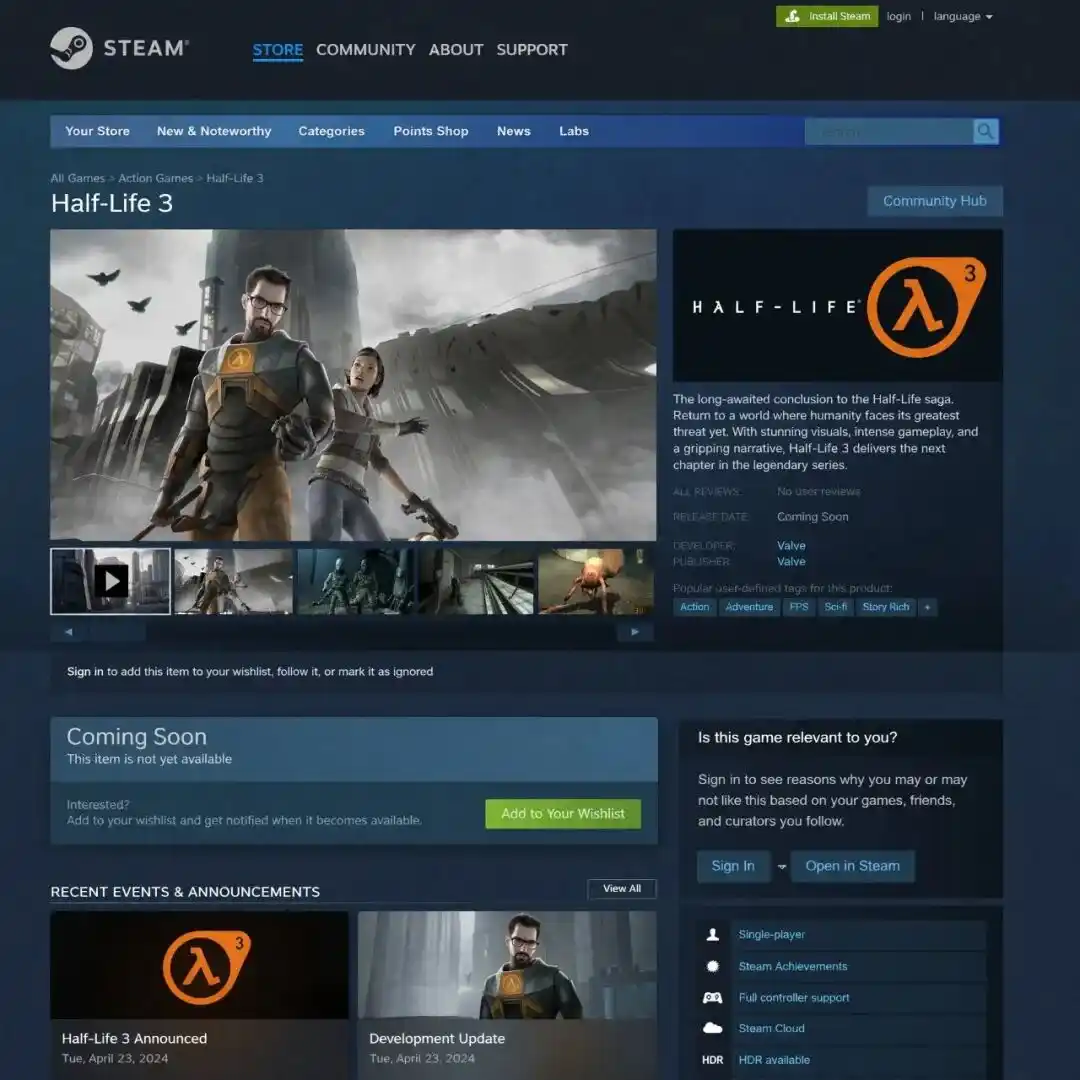
A tester asked the model to generate a hypothetical GPT-8 product pricing page. The resulting image had a layout that was indeed in the style of the OpenAI website, with button placement and font choices resembling those from a real interface, and the hierarchical logic of the price table was correct.
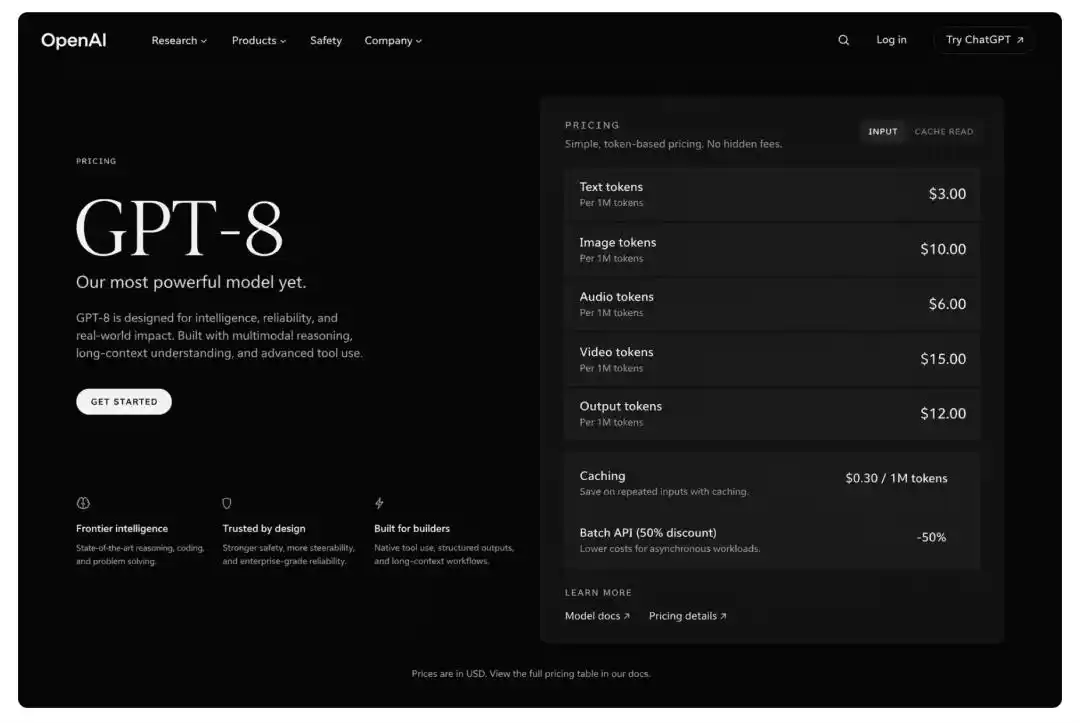
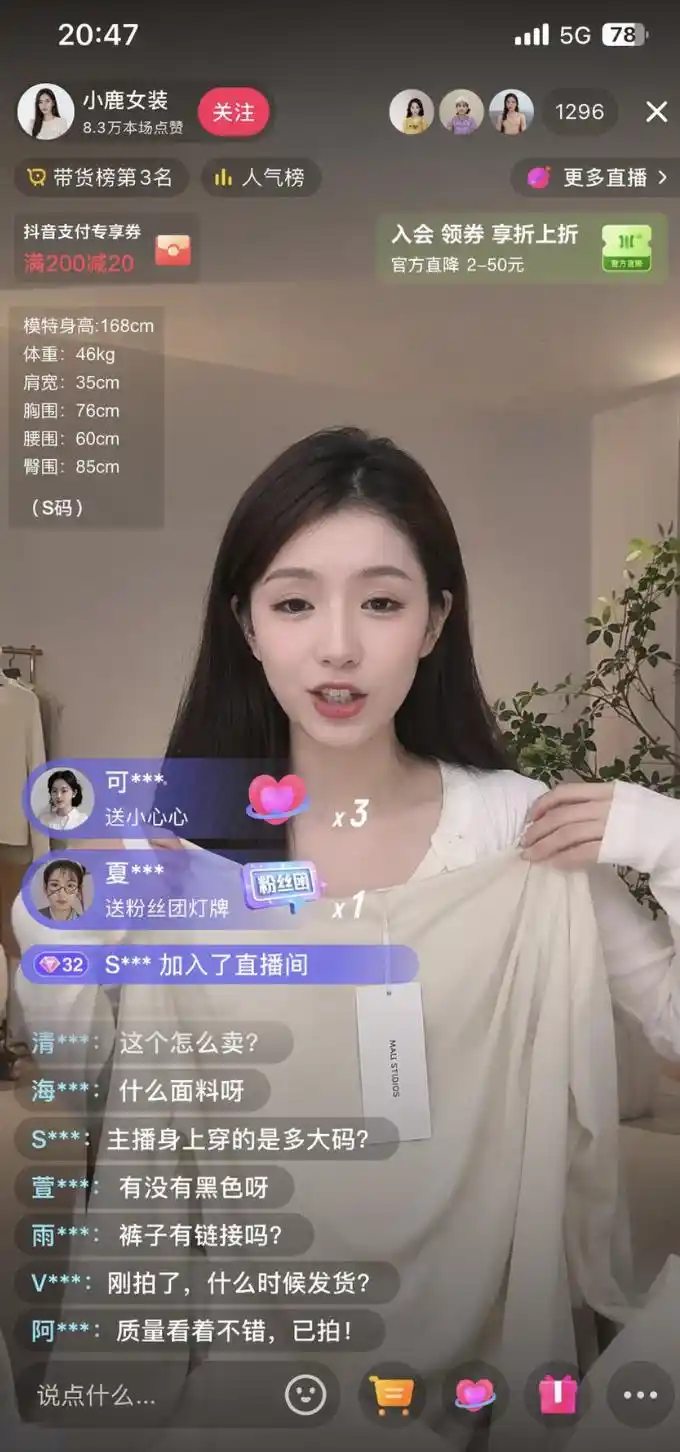
GPT Image 2 can generate images extremely similar to real software interfaces, including browser windows, mobile app interfaces, and data visualization charts, with a level of fidelity unmatched by the previous generation.
@johnAGI168 https://x.com/johnAGI168/status/2044781168151724067
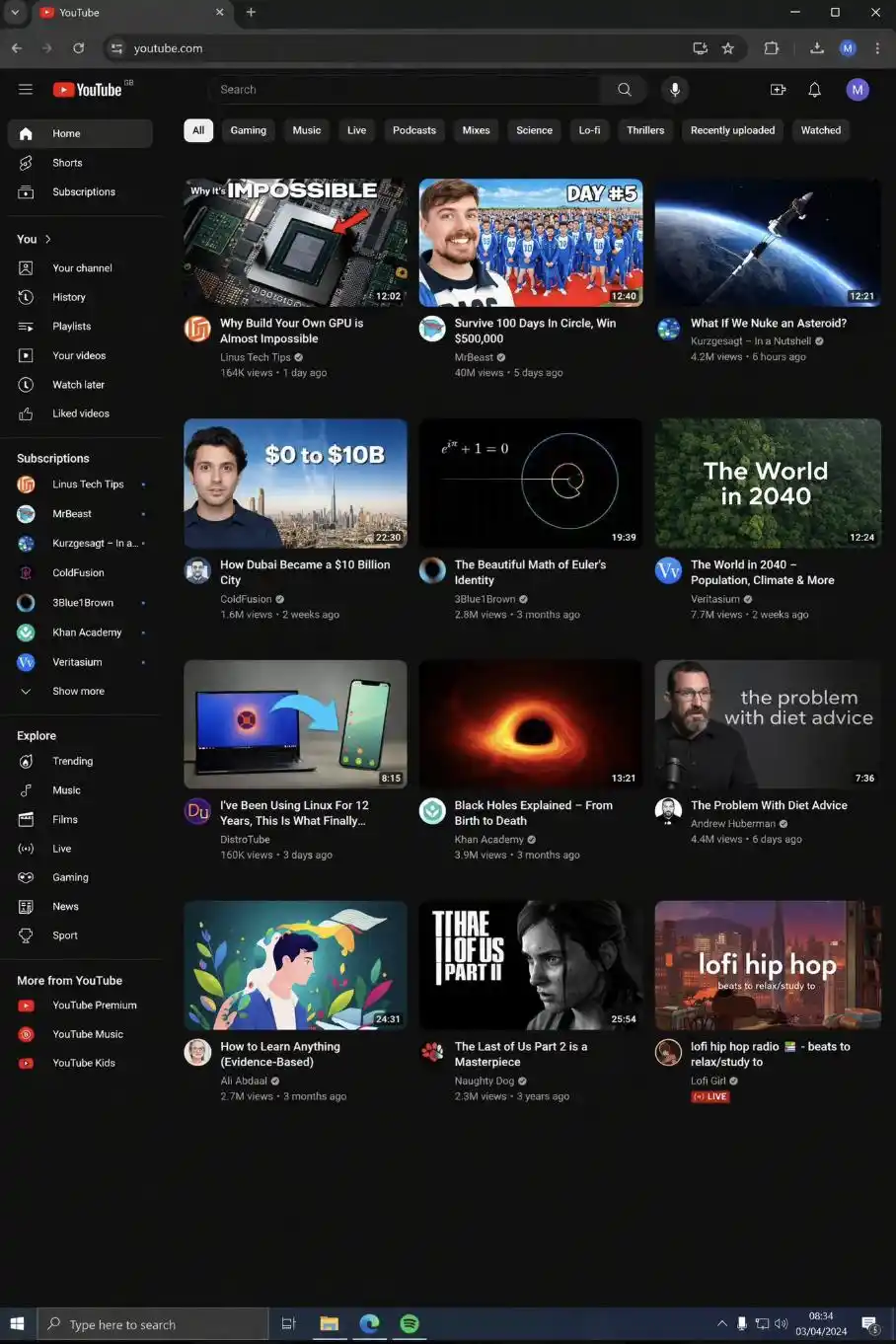
@levelsio https://x.com/levelsio/status/2040333489476681758

This will lead to some very interesting practical uses. When designers are creating product prototypes, they don't need to open Figma first and draw a bunch of wireframes; they can directly describe the desired interface in text, and the output is a reference image that can be used for team discussions. When creating investor decks, they can show a "product screenshot" without waiting for an engineer to write code. When writing documentation, example interface images for illustration can be generated directly, without having to think about where to find screenshots for a blank page.
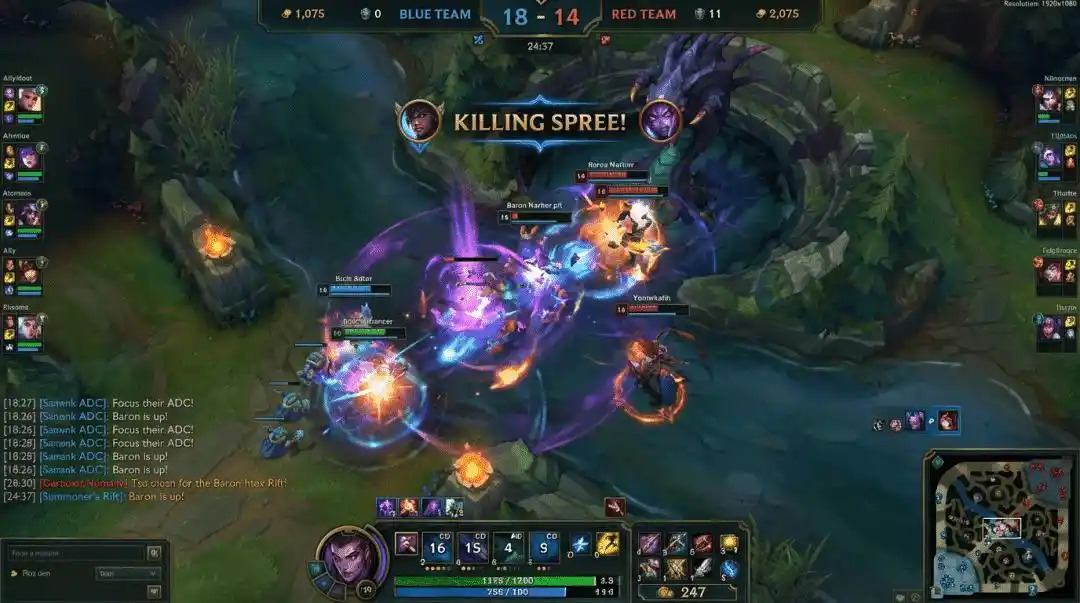
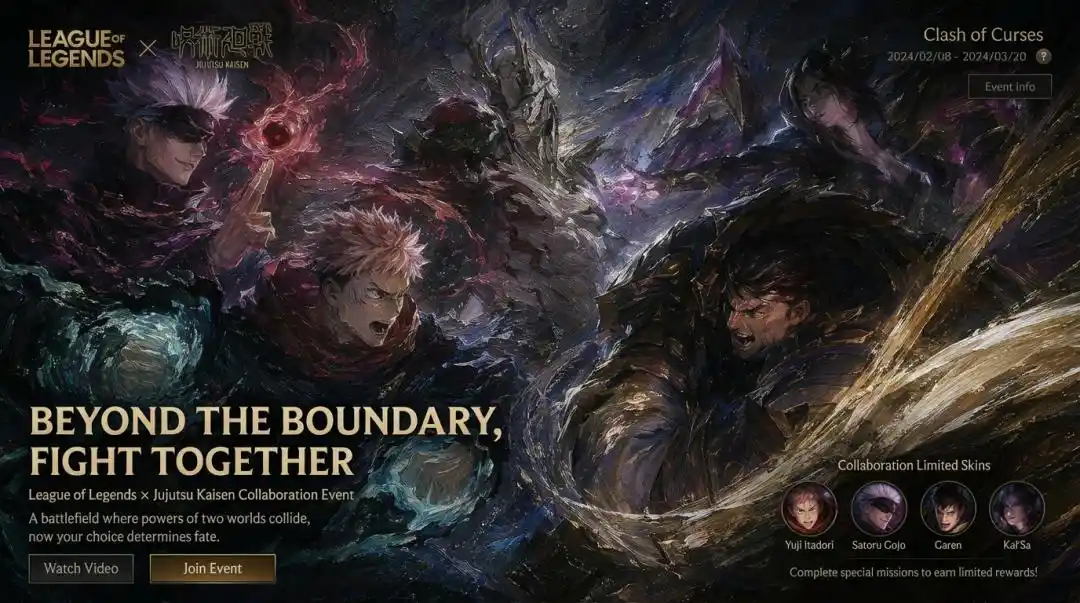
@marmaduke091 https://x.com/marmaduke091/status/2040338311873515597

Image Generation Is No Longer Just "Image Generation"

OpenAI has already announced that DALL-E 2 and DALL-E 3 will officially cease service on May 12, 2026. Azure OpenAI's DALL-E 3 was retired early in February.

DALL-E was the first place many people encountered AI image generation, from those blurry early works to today, in just a few short years.

Meanwhile, Google, which had just established its industry position with Nano Banana Pro in early 2026, might feel the pressure. Early test reports indicate that GPT Image 2 simultaneously surpasses Nano Banana Pro in three dimensions: realism, text rendering, and world knowledge. This kind of triple win is not common.

For creators, the feeling is complex. Illustrators, graphic designers, and photographers are not facing this topic for the first time. Since the release of GPT Image 1, the number of freelance graphic design positions has decreased by about 18%. AI has indeed replaced the decision to "hire someone to do this" in certain scenarios, but it is also creating new ways of working, allowing one person to do more.

The evolution speed of image generation models no longer leaves much time for adaptation. It was only a few months from GPT Image 1's launch to version 1.5. And from 1.5 to 2, it's only been about half a year. Each generation solves the core shortcomings of the previous one while opening up new possibilities.

GPT Image 2 is currently still in the A/B testing phase, with some ChatGPT users randomly gaining access. The official release window is widely predicted to be around May, coinciding with the retirement of DALL-E. If you want to experience it early, you can currently try your luck on the LM Arena evaluation platform.
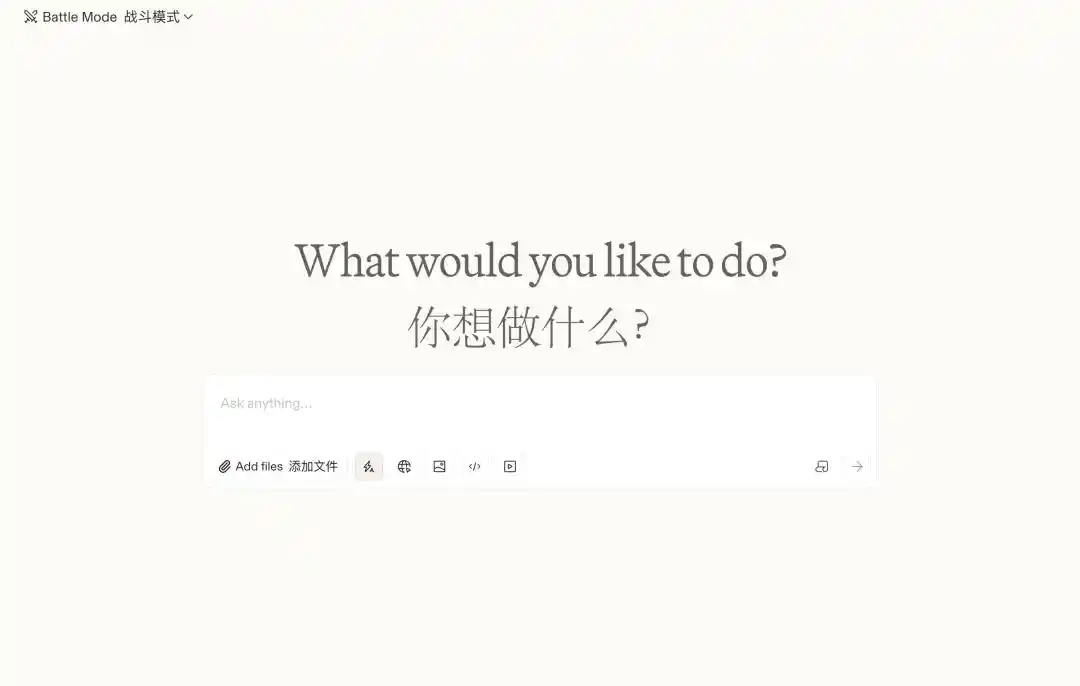
Test Address: https://arena.ai

Based on community feedback and the known strengths of this model, the following prompt templates can maximize your chances of success:

UI/Screenshot Prompt: A photorealistic screenshot of a mobile banking app, clearly showing transaction history with dates, amounts, and merchant names legible. iPhone 16 screen, natural hand holding the phone, coffee shop background.

Product Label Prompt: A photographic product photo of a craft beer bottle, with clear label details showing the brewery name "Oakridge Brewing Co.", alcohol content 6.8%, a mountain logo, and an ingredient list. Studio lighting, white background.

Signage Prompt: A street scene photo of a Tokyo alley at night, showing multiple neon signs in both Japanese and English, including a ramen shop sign reading "Ichiban Ramen — Est. 1987", a karaoke bar sign, and various glowing advertisements. Wet, reflective pavement with light reflections.

Interface/World Knowledge Prompt: A photorealistic YouTube video screenshot showing a video titled "How to Assemble a Computer in 2026" with 2.3 million views, featuring realistic comments, sidebar video recommendations, and channel info. Desktop browser view.

Widescreen Trigger Prompt: A cinematic widescreen photo of an IKEA store exterior at dusk, showing the glowing IKEA sign, a parking lot with realistic cars, and shoppers entering and leaving. Golden hour lighting, 16:9 format.

Unattributed image sources and references: https://miraflow.ai/blog/how-to-use-duct-tape-ai-model-arena-gpt-image-2-guide

This article is from the WeChat public account "APPSO", author: Discovering Tomorrow's Products

Трендові криптовалюти

Пов'язані питання

QWhat is the name of the leaked image generation model mentioned in the article, and what is its significance?

AThe leaked model is referred to as GPT Image 2. Its significance lies in its dramatic improvement in text rendering accuracy, especially for non-Latin scripts like Chinese, and its ability to generate highly realistic images, including convincing UI screenshots and document-style images, which challenges the reliability of screenshots as evidence.

QHow does GPT Image 2's performance compare to other models like Midjourney and Google's Nano Banana Pro?

AAccording to the article, GPT Image 2 outperforms Midjourney in text rendering, prompt following, photorealism, and world knowledge, with Midjourney retaining an advantage mainly in artistic style and aesthetic control. It also reportedly surpasses Google's Nano Banana Pro in realism, text rendering, and world knowledge.

QWhat are some of the potential practical applications of GPT Image 2's capabilities?

APotential applications include generating product prototypes and UI mockups for designers, creating realistic 'screenshots' for investor decks without coding, producing example interface images for documentation, and generating accurate product labels, packaging, and information graphics.

QWhat major change is OpenAI making to its image generation services in relation to this new model?

AOpenAI has announced that DALL-E 2 and DALL-E 3 will officially stop service on May 12, 2026, with Azure's DALL-E 3 having already been retired in February. This suggests a transition to the new GPT Image model series.

QWhere can users currently try to access or test the GPT Image 2 model, and what is a recommended strategy for getting good results?

AThe model is currently in A/B testing, with some ChatGPT users randomly gaining access. Users can also try their luck on the LM Arena评测平台 (arena.ai). The article recommends using specific, detailed prompt templates focused on UI/screenshots, product labels, signage, interface/world knowledge, and widescreen formats to maximize success.

Пов'язані матеріали

Must-Watch Events Next Week|CLARITY Act Could Face Senate Vote; SpaceX, Circle to Report Earnings (8.3-8.9)

**Summary: Key Events and Developments to Watch (August 3-9)** The upcoming week is marked by significant financial disclosures, key legislative deadlines, and notable product updates. **Major Financial Events:** Several companies are scheduled to release their Q2 2026 earnings. American Bitcoin (ABTC) will report on August 3, followed by SpaceX and Hut 8 Mining Corp. on August 4, and Circle on August 5. Notably, a significant portion of SpaceX shares (up to 12% of total shares) will be unlocked on August 6 following their earnings release. **Key Legislative Deadline:** The U.S. Senate faces an August 7 deadline to secure 60 votes for the CLARITY Act, a bipartisan bill aiming to establish a federal regulatory framework for cryptocurrencies. The Senate may hold a full vote on the bill during the week. **Economic Data:** The U.S. July Non-Farm Payrolls report will be released on August 7, providing crucial labor market data. **Technology & Product Updates:** * **Shutdowns:** DeFi portfolio tracker Zapper and wallet app Ctrl Wallet will cease operations on August 3. * **Upgrades:** LayerZero will deprecate its v1 relayers on August 3. XRP Ledger's new version 3.3.0, featuring five new functions, is expected next week. * **AI:** Elon Musk announced that the advanced Grok 4.6 AI model is set for release around August 7. * **Bitcoin:** The BIP-110 forced signaling for a potential Bitcoin network change is scheduled to begin around August 8. **Other Notable Events:** Chinese robotics firm Unitree Tech has set its preliminary price inquiry for its IPO for August 5. South Korean exchange Upbit will delist AQT and AERGO tokens on August 3.

marsbit46 хв тому

Must-Watch Events Next Week|CLARITY Act Could Face Senate Vote; SpaceX, Circle to Report Earnings (8.3-8.9)

marsbit46 хв тому

Stocks Are Plummeting More Sharply Than Cryptocurrencies. Where Has the Money Gone?

Stock Markets Plunge Deeper Than Cryptocurrencies: Where Did the Money Go? In late July, Seoul's Kospi index triggered circuit breakers for two consecutive days, plummeting over 40% from its June high. The collapse was led by heavyweight stocks like SK Hynix, whose record profits still disappointed investors, and devastating leveraged ETFs, with one major product losing over 83% of its value. This signaled a global, forced deleveraging targeting the most crowded trades. Interestingly, while stocks exhibited extreme volatility akin to crypto markets, Bitcoin rose nearly 15% in July after a prior steep drop. Analysis shows the money fleeing equities did not flow into Bitcoin. Instead, Bitcoin had already absorbed its sell-off in May-June, when U.S. spot Bitcoin ETFs saw historic outflows. The true safe-haven beneficiary was gold, whose price rose over 20% year-on-year, highlighting a decoupling between Bitcoin and gold as "digital gold." The sell-off was a targeted unwinding of leveraged positions in tech and semiconductors, accelerated by broker-dealer risk management and shifts in the AI narrative, including new competition from Chinese memory chipmakers. The retreat path was clear: from high-valuation tech stocks to cash and U.S. Treasuries, then to gold. For Bitcoin to attract sustained institutional inflows, conditions like eased global liquidity pressure, a "soft-landing" Fed rate cut, and U.S. regulatory clarity via legislation like the stalled CLARITY Act are needed. Currently, Bitcoin is not a safe haven but an already-cleared asset. Its low correlation with tech stocks, however, makes it a potential diversification play for institutional portfolios once the storm passes. The money isn't here yet, but the positioning is underway.

marsbit46 хв тому

Stocks Are Plummeting More Sharply Than Cryptocurrencies. Where Has the Money Gone?

marsbit46 хв тому

In Conversation with Ray Dalio: We Are Currently in an AI Bubble, with 1% of My Portfolio in Bitcoin

Ray Dalio, founder of Bridgewater Associates, warns in an interview that the current AI boom shows classic bubble characteristics, which could lead to significant economic downturns as seen in past cycles like 1929 or 2000. He explains that speculative enthusiasm, fueled by debt and overvaluation, often precedes a crash when rising rates or taxation force asset sales, causing widespread losses and recession. Dalio also outlines his "Big Cycle" theory, describing an approximate 80-year pattern where widening wealth gaps, massive government deficits, and shifting geopolitical power (like China's rise) create internal conflict and global instability. He emphasizes that we are in a late-cycle, transitional phase where traditional powers like the US and UK face decline. For personal wealth protection, Dalio advises diversification beyond cash into assets like stocks, bonds, real estate, and particularly gold, which he prefers over Bitcoin. While he holds about 1% of his portfolio in Bitcoin as a non-printable hard asset, he views gold as more secure from technological or governmental threats. Regarding AI's impact, Dalio believes it will disproportionately benefit capital owners, worsening inequality by replacing both physical and cognitive labor. He suggests that human intuition and emotional intelligence, combined with AI, will be key for future workers. On taxation, Dalio argues that wealth taxes are impractical and risk triggering asset sell-offs, reducing productive investment. He points to the UK as a cautionary example of debt, low productivity, and political strife. Geopolitically, Dalio foresees a more regionalized world, with the US showing weakness in prolonged conflicts like with Iran, akin to past imperial declines. The ideal outcome, he suggests, is coexisting powerful blocs (e.g., Americas, China-Asia Pacific) without major war.

marsbit4 год тому

In Conversation with Ray Dalio: We Are Currently in an AI Bubble, with 1% of My Portfolio in Bitcoin

marsbit4 год тому

Daily 7.2 Trillion KRW: Foreign Capital's Record Net Buying on Friday! Wall Street Says Headwinds for Korean Stock Fund Flows Have Subsided

South Korean stock market sees a dramatic shift in fund flows. On July 31, foreign investors made a record net purchase of approximately KRW 7.2 trillion in KOSPI stocks, marking a fundamental reversal from the persistent large-scale net outflows seen in previous months. This contributed to a significant narrowing of foreign net selling in July to KRW 9.8 trillion, down sharply from KRW 48.4 trillion in June and KRW 44.5 trillion in May. Simultaneously, domestic institutional pressure eased. South Korean pension funds and asset managers turned to a net buying position in July, purchasing KRW 1.0 trillion worth of KOSPI shares, contrasting with net sales in May and June. Market volatility is expected to be dampened by new financial regulations. Effective July 31, the Financial Services Commission tightened access for retail investors to single-stock leveraged ETFs by raising the minimum cash deposit requirement. Trading volumes for these products subsequently dropped to about 50% of their monthly average. Citigroup Research maintains its year-end KOSPI target of 10,000 points. The firm cites several supportive factors: the substantial easing of headwinds from capital outflows, a robust fundamental outlook for the semiconductor sector, historically low market valuations, strong economic fundamentals, and the potential for policy support from financial authorities if needed.

marsbit4 год тому

Daily 7.2 Trillion KRW: Foreign Capital's Record Net Buying on Friday! Wall Street Says Headwinds for Korean Stock Fund Flows Have Subsided

marsbit4 год тому

Торгівля

Спот

Популярні статті

Як купити BANANA

Ласкаво просимо до HTX.com! Ми зробили покупку Banana Gun (BANANA) простою та зручною. Дотримуйтесь нашої покрокової інструкції, щоб розпочати свою криптовалютну подорож.Крок 1: Створіть обліковий запис на HTXВикористовуйте свою електронну пошту або номер телефону, щоб зареєструвати обліковий запис на HTX безплатно. Пройдіть безпроблемну реєстрацію й отримайте доступ до всіх функцій.ЗареєструватисьКрок 2: Перейдіть до розділу Купити крипту і виберіть спосіб оплатиКредитна/дебетова картка: використовуйте вашу картку Visa або Mastercard, щоб миттєво купити Banana Gun (BANANA).Баланс: використовуйте кошти з балансу вашого рахунку HTX для безперешкодної торгівлі.Треті особи: ми додали популярні способи оплати, такі як Google Pay та Apple Pay, щоб підвищити зручність.P2P: Торгуйте безпосередньо з іншими користувачами на HTX.Позабіржова торгівля (OTC): ми пропонуємо індивідуальні послуги та конкурентні обмінні курси для трейдерів.Крок 3: Зберігайте свої Banana Gun (BANANA)Після придбання Banana Gun (BANANA) збережіть його у своєму обліковому записі на HTX. Крім того, ви можете відправити його в інше місце за допомогою блокчейн-переказу або використовувати його для торгівлі іншими криптовалютами.Крок 4: Торгівля Banana Gun (BANANA)Легко торгуйте Banana Gun (BANANA) на спотовому ринку HTX. Просто увійдіть до свого облікового запису, виберіть торгову пару, укладайте угоди та спостерігайте за ними в режимі реального часу. Ми пропонуємо зручний досвід як для початківців, так і для досвідчених трейдерів.

193 переглядів усьогоОпубліковано 2024.12.11Оновлено 2026.06.02

Як купити BANANA

Обговорення

Ласкаво просимо до спільноти HTX. Тут ви можете бути в курсі останніх подій розвитку платформи та отримати доступ до професійної ринкової інформації. Нижче представлені думки користувачів щодо ціни BANANA (BANANA).

活动图片