The Image Generation Model That's Hotter Than Nano Banana Has Leaked, Screenshots Are No Longer Evidence | Includes Prompts

marsbitОпубліковано о 2026-04-19Востаннє оновлено о 2026-04-19

Анотація

A new AI image generation model, widely referred to as "GPT Image 2," has been leaked and is demonstrating significant advancements over predecessors like DALL-E 3 and even Google's Nano Banana Pro. It excels in four key areas: text rendering, prompt adherence, photorealism, and world knowledge. The model can generate highly accurate text in multiple languages, including complex Chinese characters, making it capable of producing convincing fake documents, UI screenshots, and product labels. This capability also raises concerns about the reliability of using screenshots as evidence. The model is currently in A/B testing, with a full release expected around May 2026 when DALL-E services are officially retired. It is accessible for testing on the LM Arena platform. The article includes several prompt templates optimized for the model, such as generating realistic app screenshots, product photos with detailed labels, and street scenes with accurate signage. This advancement is reshaping creative workflows but also accelerating the displacement of some traditional design roles.

Is your impression of text-to-image still stuck on Nano Banana?

But kid, times have changed again.
@johnAGI168 https://x.com/johnAGI168/status/2044781168151724067
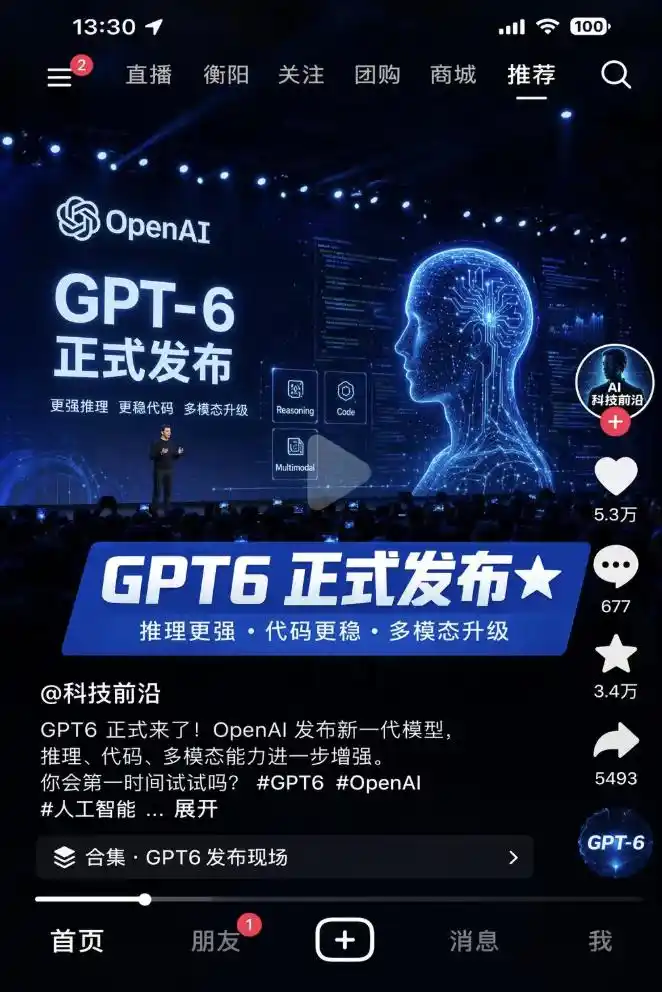
@0115hippo https://x.com/0115hippo/status/2044722124611539160

In early April, three anonymous image models, codenamed maskingtape-alpha, packingtape-alpha, and gaffertape-alpha, appeared on the LM Arena evaluation platform. They disappeared a few hours later.

OpenAI has not officially announced this model yet, but based on the metadata returned by the API and user-side testing records, it has already gained a widely accepted name: GPT Image 2.
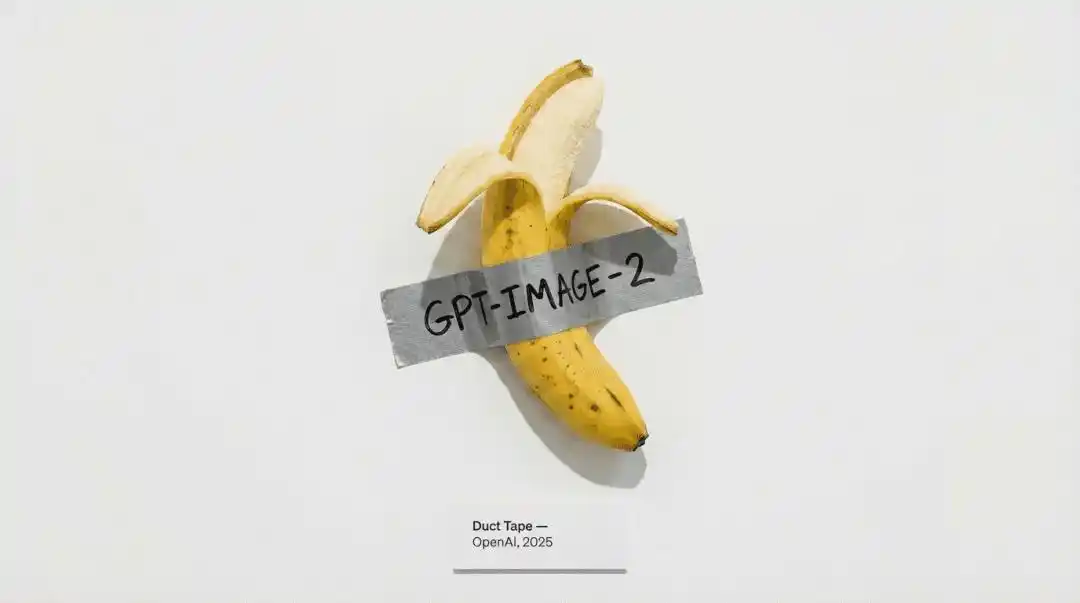
Screenshots Can No Longer Be Used as Evidence

Over the past few years, one of the most obvious weaknesses of AI image generation models has been text within images. In the DALL-E 3 era, if you asked it to write "Hello" in an image, it might output "Hellp" or even "Hl10", with letters tilting drunkenly. GPT Image 1 improved a lot, handling simple English labels. By GPT Image 1.5, its accuracy in rendering English text was close to 95%, but it still had significant flaws with non-Latin scripts like Chinese, Japanese, and Korean.

But the leaked sample images from GPT Image 2 have changed this impression.
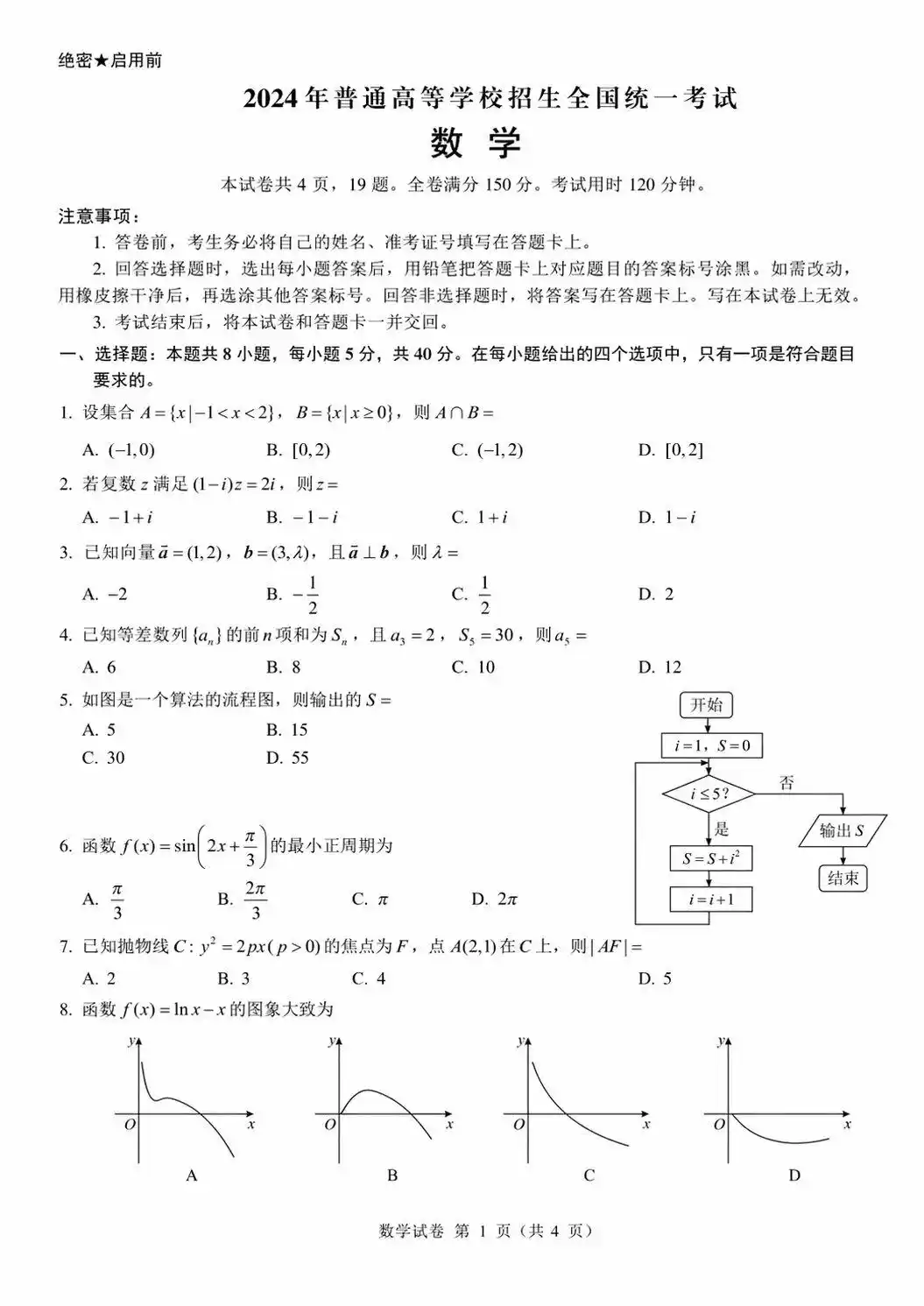
@MrLarus https://x.com/MrLarus/status/2044824800909054181
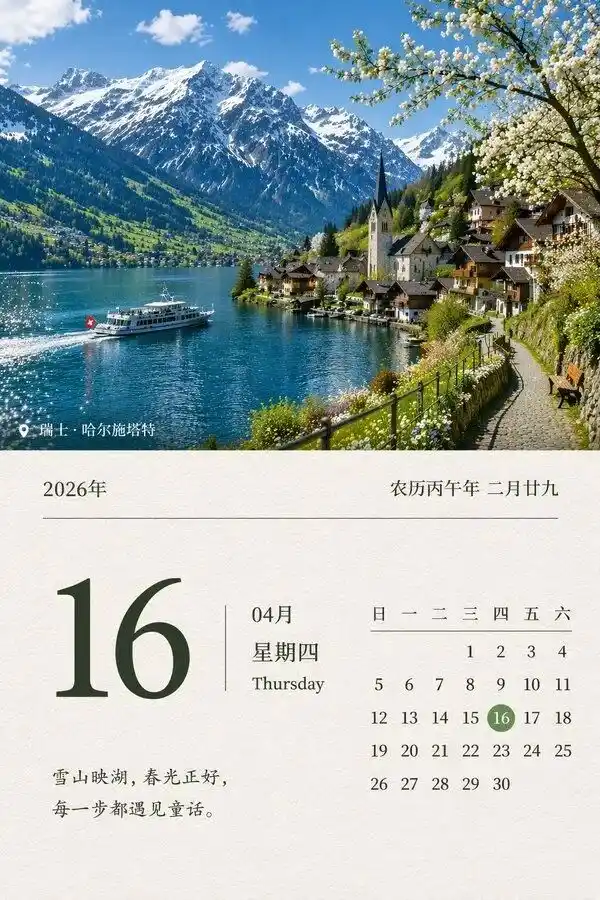
@akokoi1 https://x.com/akokoi1/status/2044789531615056175

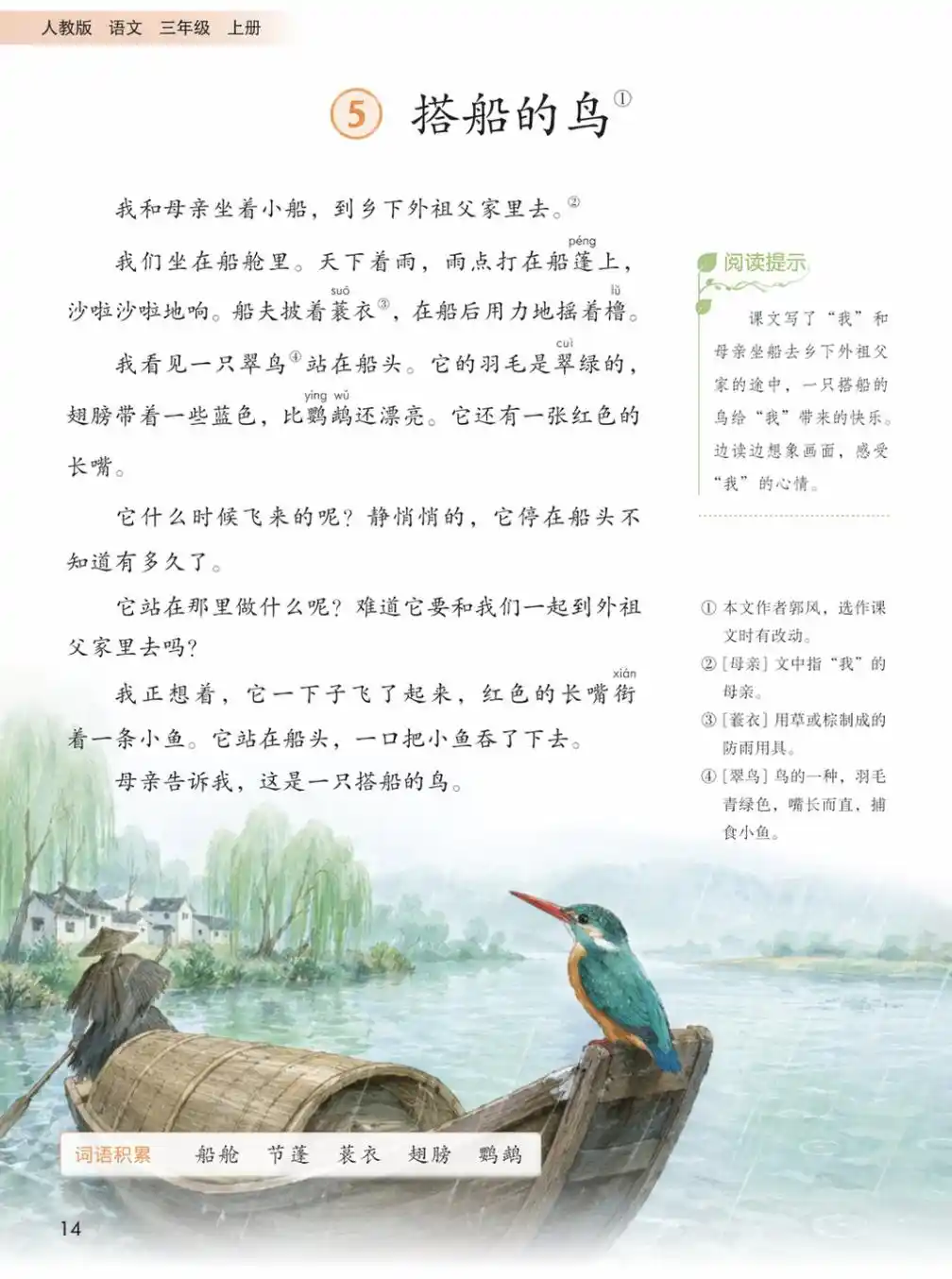
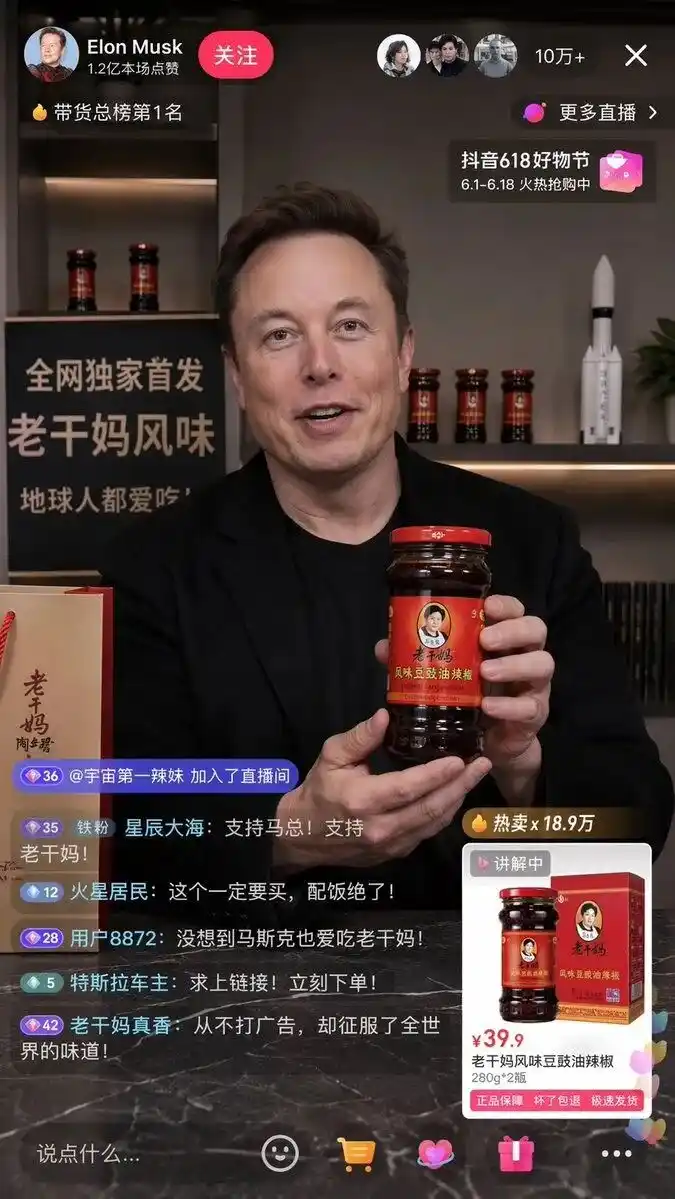
The text in the images is exactly what it should be. Chinese characters are clear, with accurate glyphs and complete strokes. Someone tested generating an ID card-style image, where the name, address, and ID number were all rendered correctly, with neat formatting, looking at first glance like a photo of a real document.
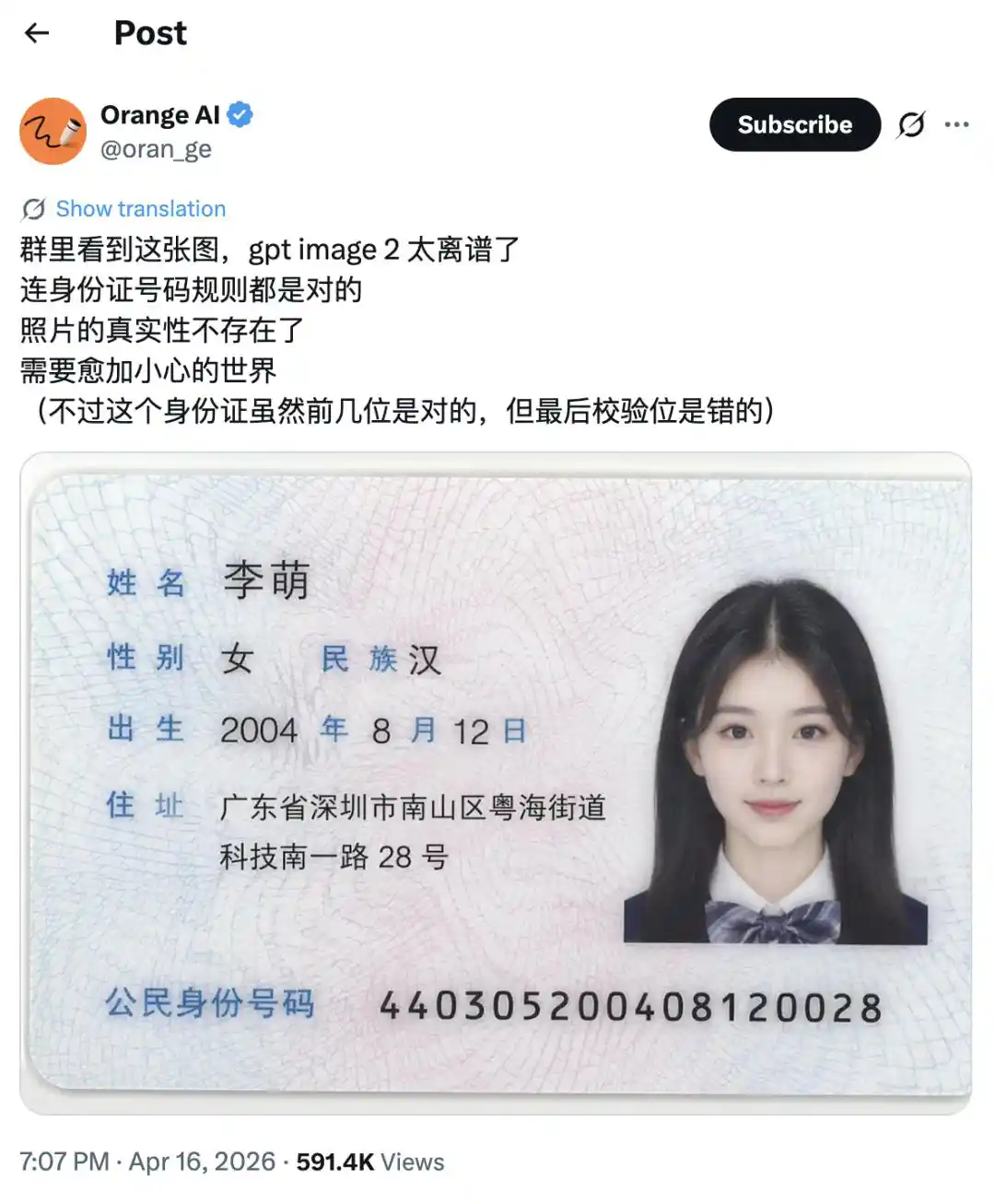
This is good news. The improvement in text rendering means generating infographics, posters, product packaging, and complex charts becomes more reliable.

But there's always another side to the coin. A model that can generate photo-realistic ID-style images and precisely render UI screenshots naturally makes "screenshots can be used as evidence" increasingly questionable.

By comparison, this is also a core difference between the GPT Image series and other models. Midjourney still has no progress in text rendering, and the Stable Diffusion series also has this old problem. According to the leaked Arena test results, GPT Image 2 surpassed Midjourney in four dimensions: text rendering, instruction following, photorealism, and world knowledge. Midjourney's advantages are mainly retained in artistic style and aesthetic control.
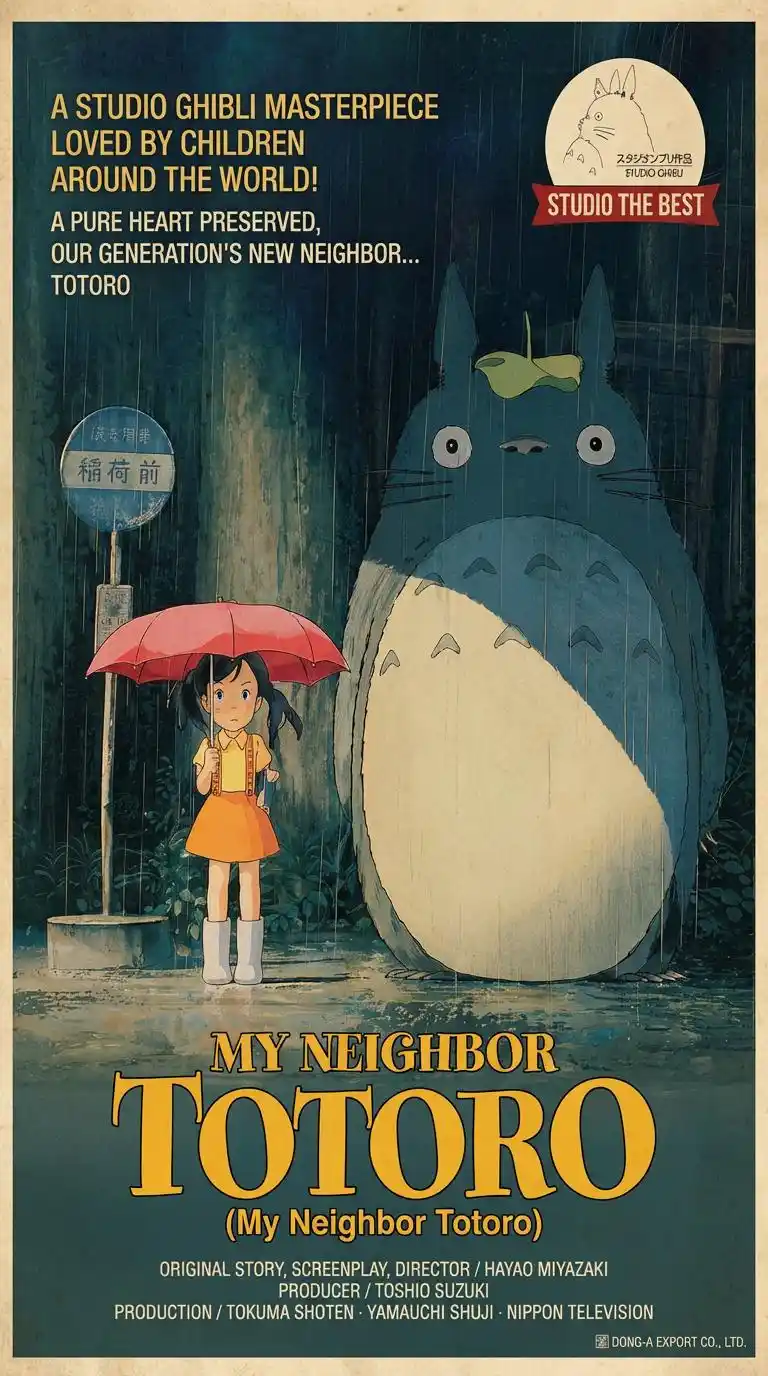
Does It Really Know What the World Looks Like?

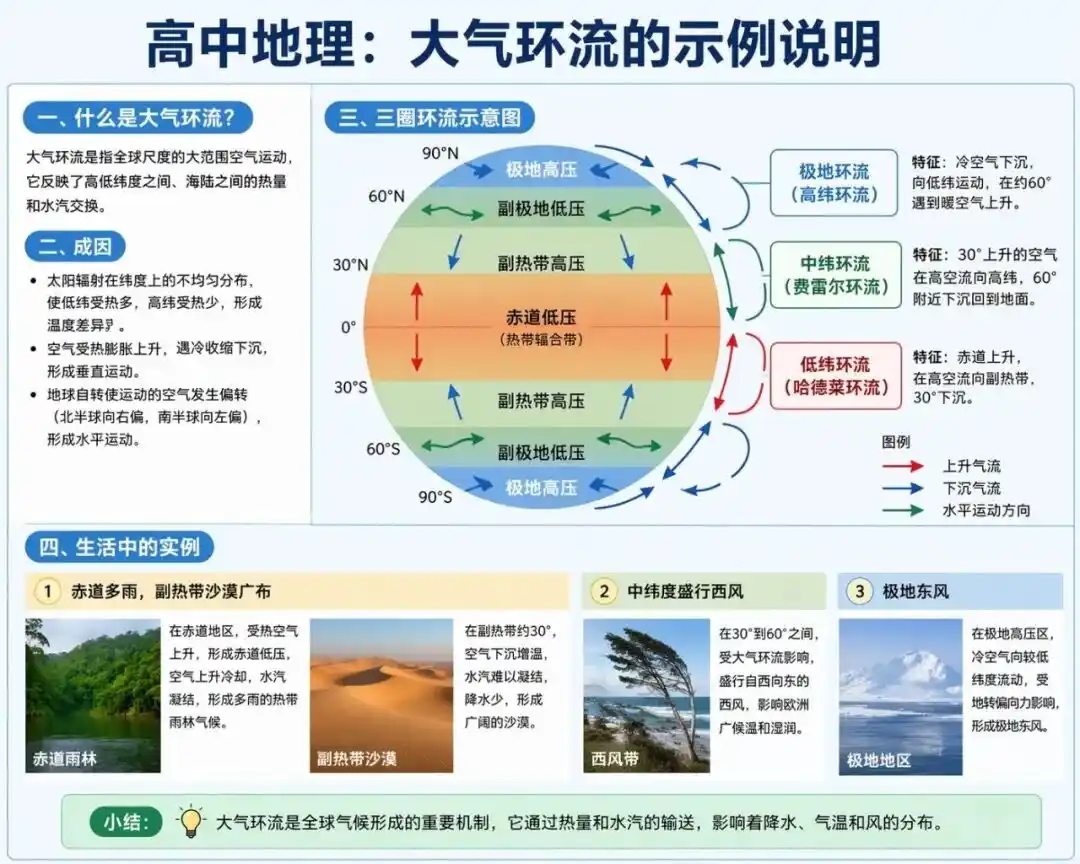
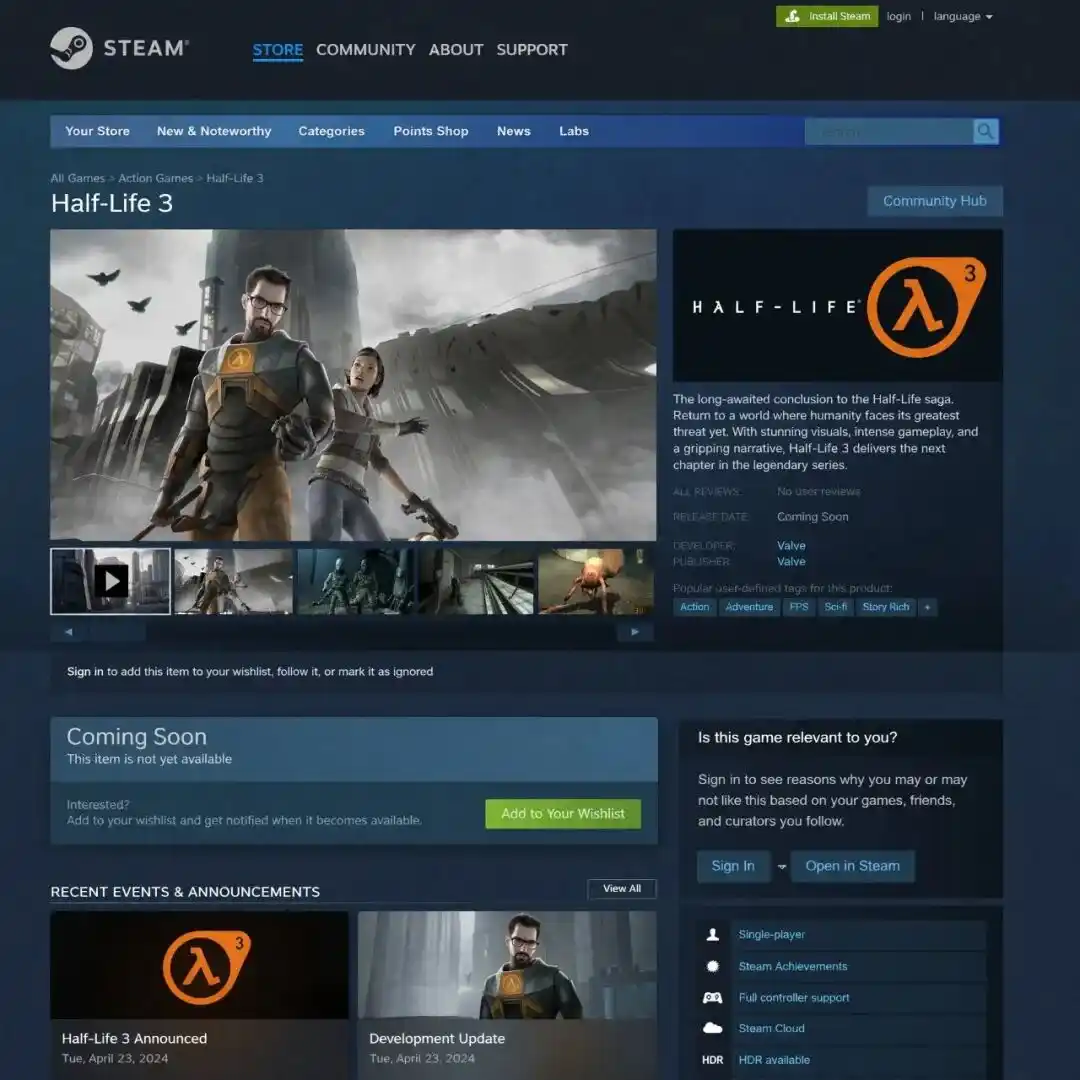
A tester asked the model to generate a hypothetical GPT-8 product pricing page. The resulting image had a layout that was indeed in the style of the OpenAI website, with button placement and font choices resembling those from a real interface, and the hierarchical logic of the price table was correct.
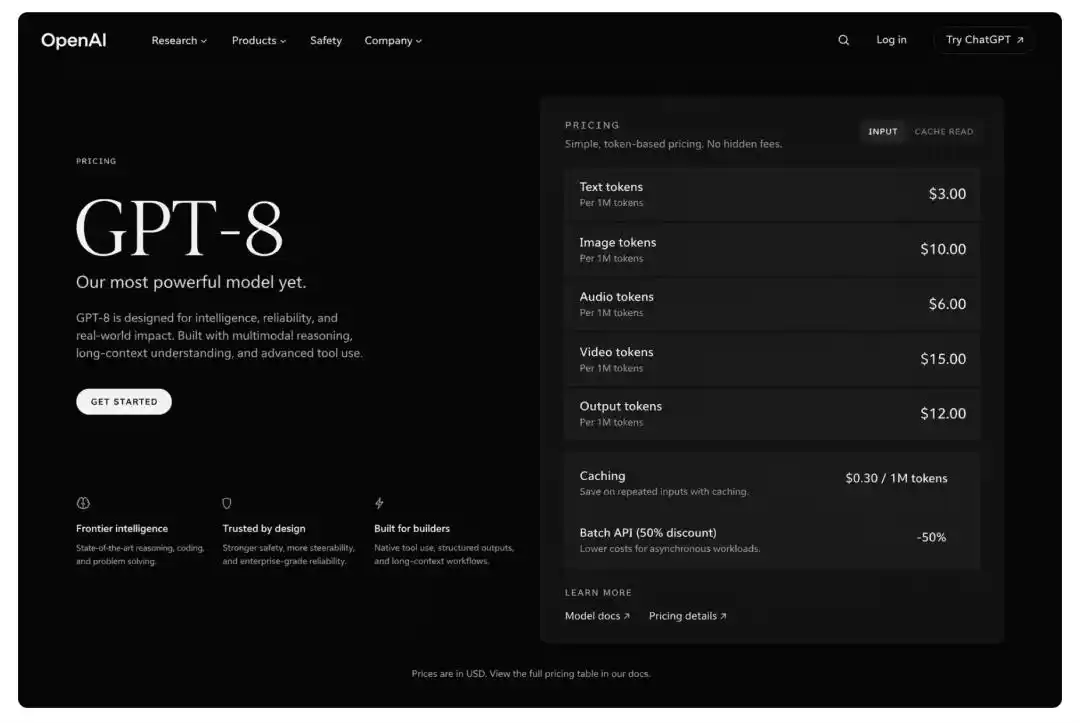
GPT Image 2 can generate images extremely similar to real software interfaces, including browser windows, mobile app interfaces, and data visualization charts, with a level of fidelity unmatched by the previous generation.
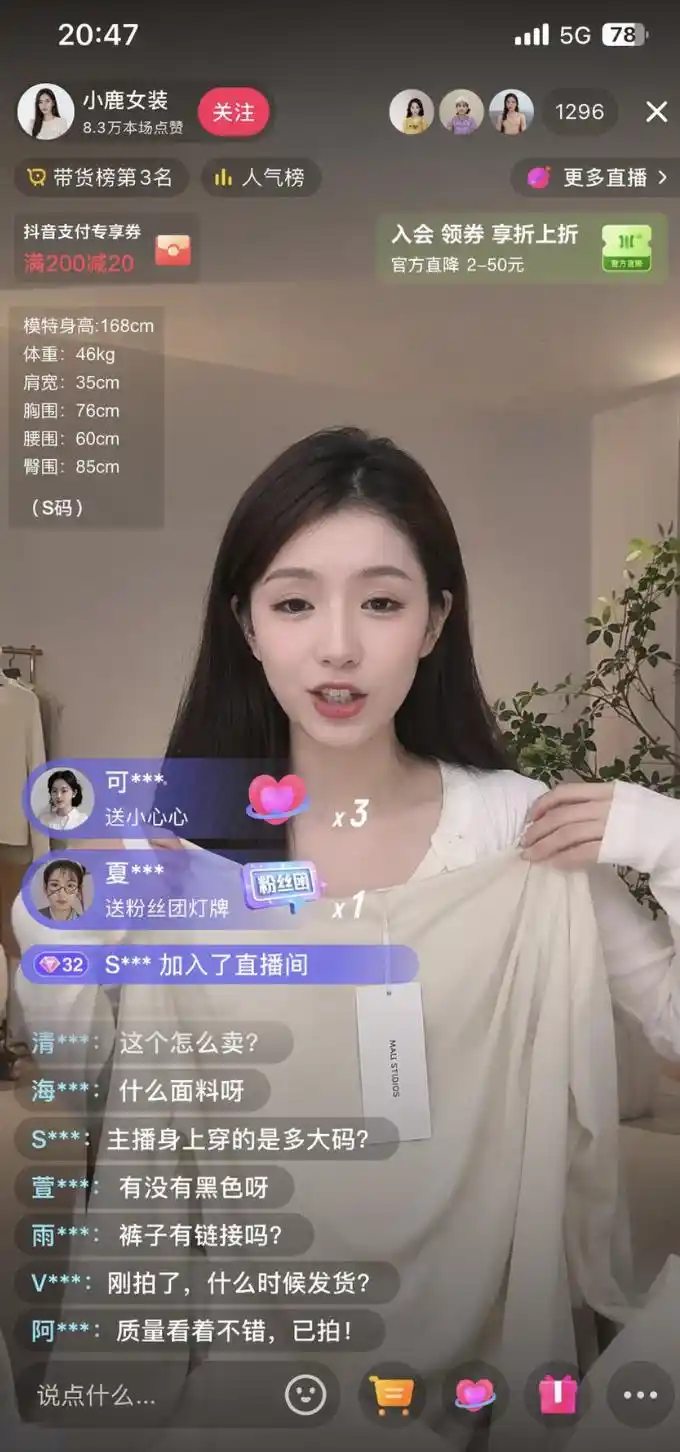
@johnAGI168 https://x.com/johnAGI168/status/2044781168151724067
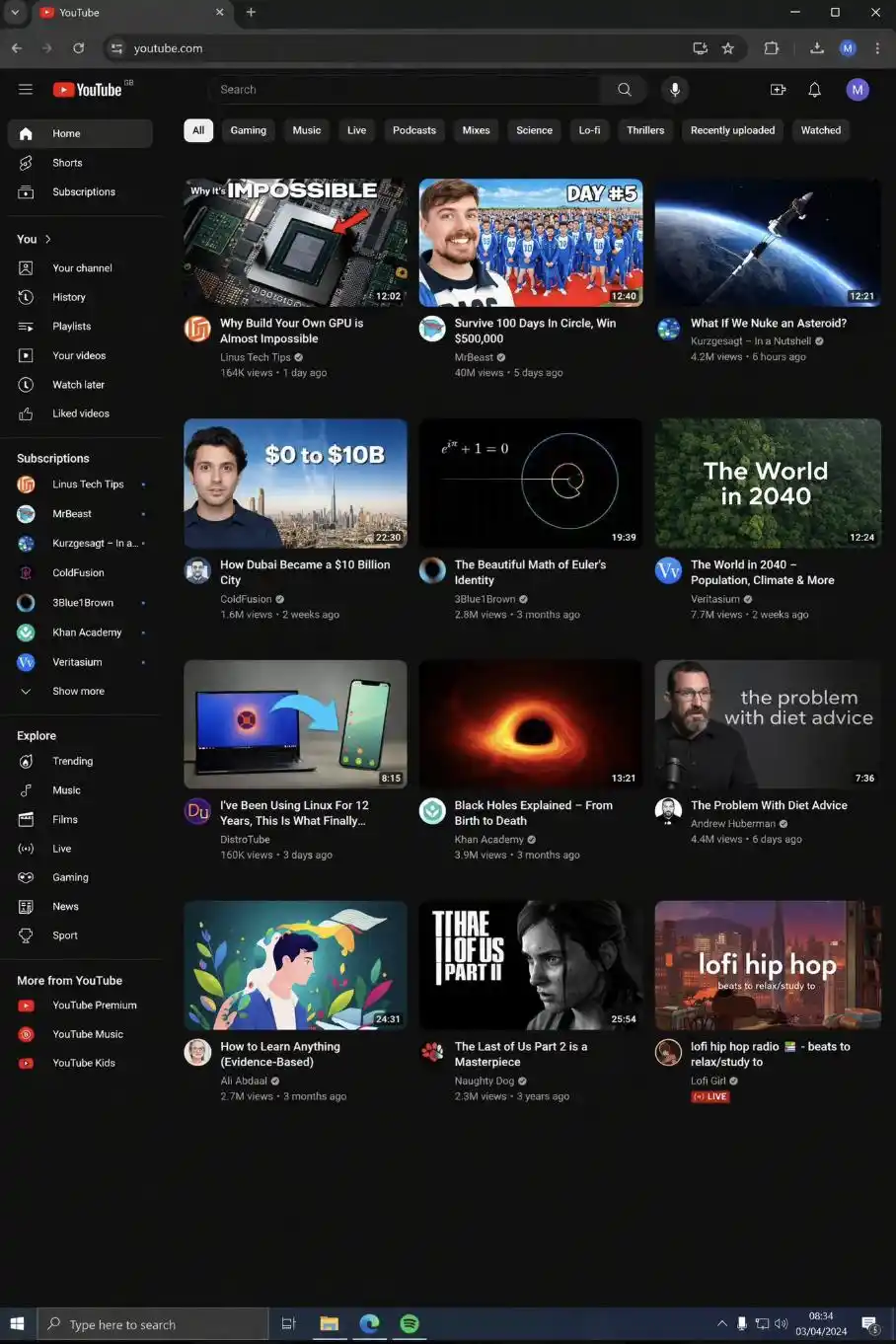
@levelsio https://x.com/levelsio/status/2040333489476681758

This will lead to some very interesting practical uses. When designers are creating product prototypes, they don't need to open Figma first and draw a bunch of wireframes; they can directly describe the desired interface in text, and the output is a reference image that can be used for team discussions. When creating investor decks, they can show a "product screenshot" without waiting for an engineer to write code. When writing documentation, example interface images for illustration can be generated directly, without having to think about where to find screenshots for a blank page.
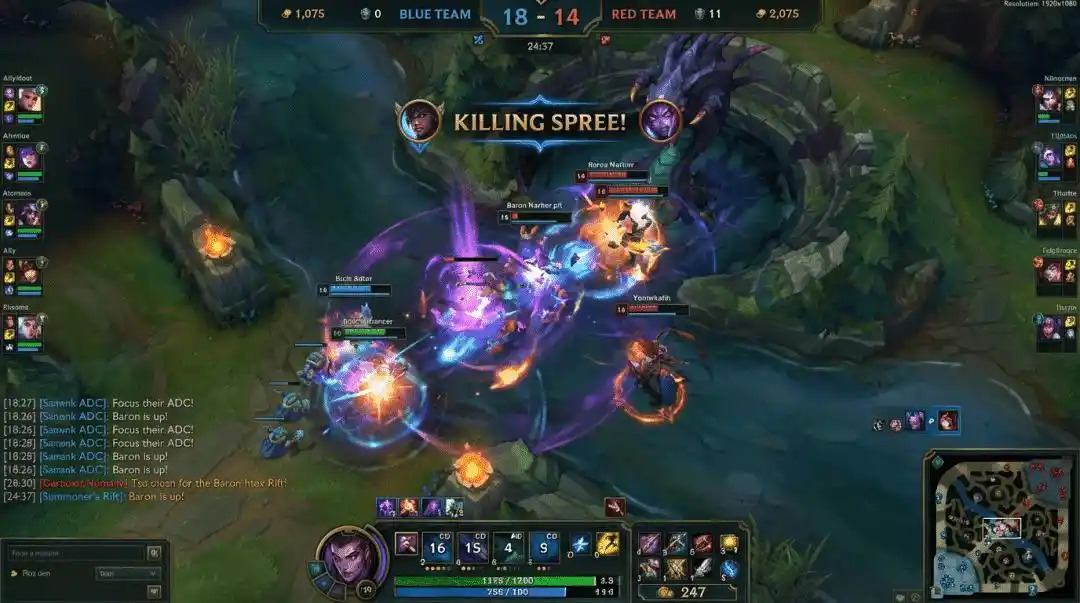
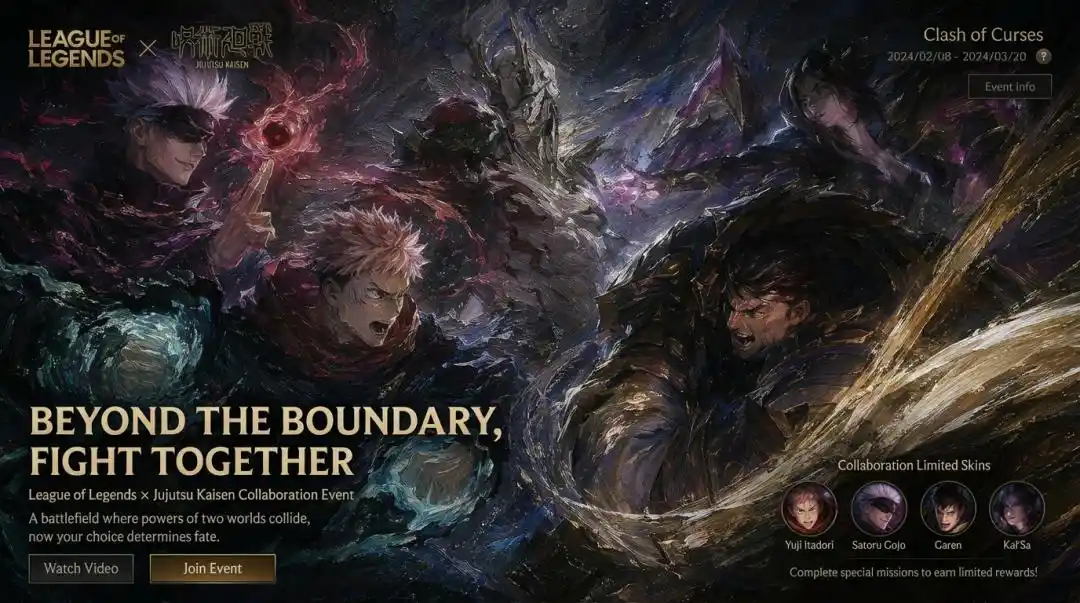
@marmaduke091 https://x.com/marmaduke091/status/2040338311873515597

Image Generation Is No Longer Just "Image Generation"

OpenAI has already announced that DALL-E 2 and DALL-E 3 will officially cease service on May 12, 2026. Azure OpenAI's DALL-E 3 was retired early in February.

DALL-E was the first place many people encountered AI image generation, from those blurry early works to today, in just a few short years.

Meanwhile, Google, which had just established its industry position with Nano Banana Pro in early 2026, might feel the pressure. Early test reports indicate that GPT Image 2 simultaneously surpasses Nano Banana Pro in three dimensions: realism, text rendering, and world knowledge. This kind of triple win is not common.

For creators, the feeling is complex. Illustrators, graphic designers, and photographers are not facing this topic for the first time. Since the release of GPT Image 1, the number of freelance graphic design positions has decreased by about 18%. AI has indeed replaced the decision to "hire someone to do this" in certain scenarios, but it is also creating new ways of working, allowing one person to do more.

The evolution speed of image generation models no longer leaves much time for adaptation. It was only a few months from GPT Image 1's launch to version 1.5. And from 1.5 to 2, it's only been about half a year. Each generation solves the core shortcomings of the previous one while opening up new possibilities.

GPT Image 2 is currently still in the A/B testing phase, with some ChatGPT users randomly gaining access. The official release window is widely predicted to be around May, coinciding with the retirement of DALL-E. If you want to experience it early, you can currently try your luck on the LM Arena evaluation platform.
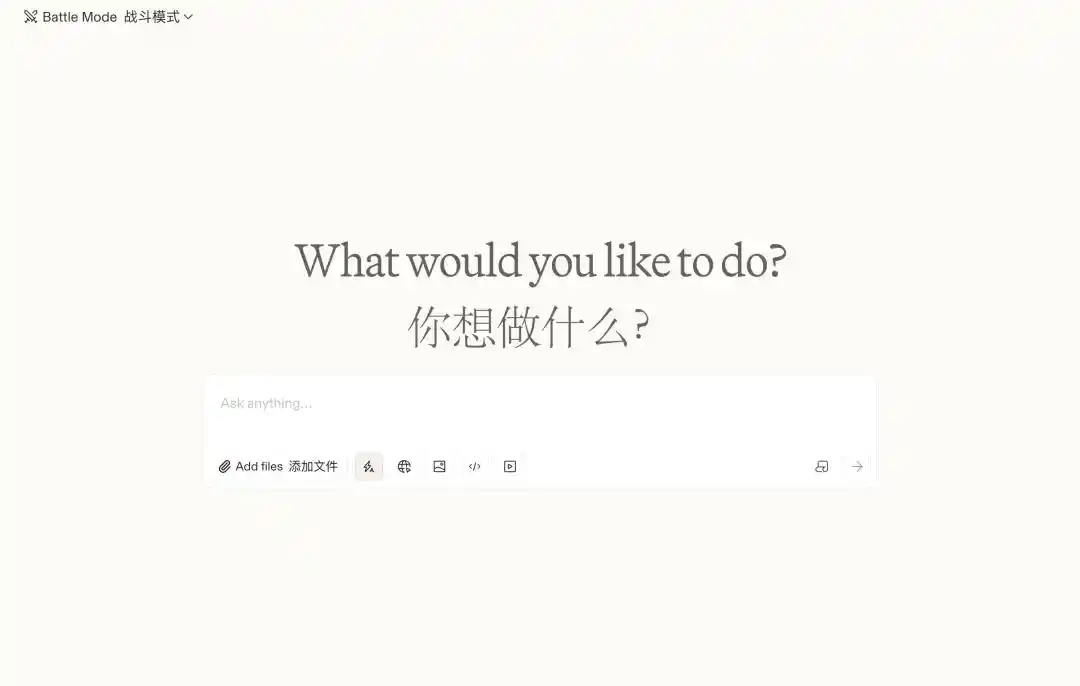
Test Address: https://arena.ai

Based on community feedback and the known strengths of this model, the following prompt templates can maximize your chances of success:

UI/Screenshot Prompt: A photorealistic screenshot of a mobile banking app, clearly showing transaction history with dates, amounts, and merchant names legible. iPhone 16 screen, natural hand holding the phone, coffee shop background.

Product Label Prompt: A photographic product photo of a craft beer bottle, with clear label details showing the brewery name "Oakridge Brewing Co.", alcohol content 6.8%, a mountain logo, and an ingredient list. Studio lighting, white background.

Signage Prompt: A street scene photo of a Tokyo alley at night, showing multiple neon signs in both Japanese and English, including a ramen shop sign reading "Ichiban Ramen — Est. 1987", a karaoke bar sign, and various glowing advertisements. Wet, reflective pavement with light reflections.

Interface/World Knowledge Prompt: A photorealistic YouTube video screenshot showing a video titled "How to Assemble a Computer in 2026" with 2.3 million views, featuring realistic comments, sidebar video recommendations, and channel info. Desktop browser view.

Widescreen Trigger Prompt: A cinematic widescreen photo of an IKEA store exterior at dusk, showing the glowing IKEA sign, a parking lot with realistic cars, and shoppers entering and leaving. Golden hour lighting, 16:9 format.

Unattributed image sources and references: https://miraflow.ai/blog/how-to-use-duct-tape-ai-model-arena-gpt-image-2-guide

This article is from the WeChat public account "APPSO", author: Discovering Tomorrow's Products

Пов'язані питання

QWhat is the name of the leaked image generation model mentioned in the article, and what is its significance?

AThe leaked model is referred to as GPT Image 2. Its significance lies in its dramatic improvement in text rendering accuracy, especially for non-Latin scripts like Chinese, and its ability to generate highly realistic images, including convincing UI screenshots and document-style images, which challenges the reliability of screenshots as evidence.

QHow does GPT Image 2's performance compare to other models like Midjourney and Google's Nano Banana Pro?

AAccording to the article, GPT Image 2 outperforms Midjourney in text rendering, prompt following, photorealism, and world knowledge, with Midjourney retaining an advantage mainly in artistic style and aesthetic control. It also reportedly surpasses Google's Nano Banana Pro in realism, text rendering, and world knowledge.

QWhat are some of the potential practical applications of GPT Image 2's capabilities?

APotential applications include generating product prototypes and UI mockups for designers, creating realistic 'screenshots' for investor decks without coding, producing example interface images for documentation, and generating accurate product labels, packaging, and information graphics.

QWhat major change is OpenAI making to its image generation services in relation to this new model?

AOpenAI has announced that DALL-E 2 and DALL-E 3 will officially stop service on May 12, 2026, with Azure's DALL-E 3 having already been retired in February. This suggests a transition to the new GPT Image model series.

QWhere can users currently try to access or test the GPT Image 2 model, and what is a recommended strategy for getting good results?

AThe model is currently in A/B testing, with some ChatGPT users randomly gaining access. Users can also try their luck on the LM Arena评测平台 (arena.ai). The article recommends using specific, detailed prompt templates focused on UI/screenshots, product labels, signage, interface/world knowledge, and widescreen formats to maximize success.

Пов'язані матеріали

Interview with 7 Ordinary Professionals: After AI Arrived, How Are You Doing?

This article interviews seven professionals from diverse fields like Web3, bulk chemical trading, digital agriculture, and traditional wholesale to examine the impact of AI on their work. Key themes emerge from the discussions. AI has become integral to their workflows, primarily for increasing efficiency in tasks such as coding, content creation, research, and data analysis. Individuals across roles, from developers to managers, report that AI tools like ChatGPT and Claude have significantly reduced workloads and accelerated learning, creating opportunities for "super individuals" or one-person teams. However, this efficiency comes with a double-edged sword. It intensifies competition, pushing professionals to constantly learn new tools and adapt, leading to widespread anxiety about job security and a heightened pressure to keep pace. Interviewees anticipate significant job reductions in roles like administrative support, finance, HR, customer service, and some creative fields. A recurring view is that AI acts as a "great equalizer," amplifying the capabilities of those who use it effectively while leaving others behind, potentially deepening polarization. Despite AI's capabilities, interviewees identify enduring human strengths. AI struggles with tasks requiring deep contextual understanding, complex judgment in areas like risk assessment and system stability (especially in finance/Web3), nuanced human communication, and handling exceptions in logistics and manufacturing. These areas remain firmly in the human domain. Consequently, many professionals are refocusing their career strategies. They plan to evolve from task executors into "complex system owners," "super coordinators" managing AI agents, or specialists in high-level areas like business context, risk control, product design, and personal branding. In summary, the article portrays AI not as an optional tool but as a transformative force reshaping job demands. While it automates routine work, it also creates new forms of pressure and competition. The future, as seen by these professionals, belongs to those who can strategically integrate AI to augment uniquely human skills like judgment, responsibility, and strategic oversight.

marsbit9 хв тому

Interview with 7 Ordinary Professionals: After AI Arrived, How Are You Doing?

marsbit9 хв тому

Satoshi Nakamoto Sued? $83.7 Billion Worth of BTC Up for 'Legal Claim'

An anonymous individual known as Noah Doe, along with two Wyoming LLCs, has filed a lawsuit in the New York Supreme Court. They are attempting to use New York's "lost and found" laws to claim legal ownership of approximately 837 billion USD worth of Bitcoin held in 39,069 dormant addresses. Crucially, this list includes addresses believed to belong to Bitcoin's creator, Satoshi Nakamoto (holding around 837 billion USD), alongside other long-inactive addresses from Mt. Gox and early Bitcoin holders. The plaintiff's legal strategy hinges on classifying these public Bitcoin addresses as "lost property." They submitted a USB drive containing only the public addresses to the New York Police Department, sent OP_RETURN notifications on the Bitcoin blockchain, and issued press releases. Their argument is that after these efforts and a waiting period, they should be granted ownership. A key, and highly controversial, claim is an unnamed "independent expert" valuing each address at under 10 USD, allowing for a faster legal process. Analysts from Galaxy point out major flaws in the case. The plaintiff never physically possessed the Bitcoin or private keys. The "under 10 USD" valuation is considered unrealistic, and allowing anonymous companies to claim such vast assets is highly unusual. Even if the plaintiff wins, they would only receive a court declaration of ownership, not the actual private keys to move the Bitcoin. The real danger lies in this court document acting as a "cloud on title." If any of these Bitcoins are later transferred to a regulated exchange or custodian, the plaintiff could present the judgment to freeze the assets, forcing the true owner into lengthy and de-anonymizing litigation to prove ownership. The outcome is uncertain, but the case highlights potential legal risks for dormant cryptocurrency holdings.

marsbit13 хв тому

Satoshi Nakamoto Sued? $83.7 Billion Worth of BTC Up for 'Legal Claim'

marsbit13 хв тому

Is Satoshi in Legal Trouble? $83.7 Billion Worth of BTC Might Be 'Legally Claimed'

An anonymous plaintiff, “Noah Doe,” and two shell companies have filed a lawsuit in New York Supreme Court, seeking a declaratory judgment granting them ownership of 39,069 dormant Bitcoin addresses containing approximately 3.8 million BTC (worth ~$293.5 billion). Their claim is based on New York’s lost property law, arguing these addresses are abandoned assets. The plaintiff “found” the addresses, stored them on a USB drive, and delivered it to a police station, followed by chain notifications (OP_RETURN) and a press release. Notably, the list includes addresses linked to Bitcoin creator Satoshi Nakamoto (holding ~1.1 million BTC), a Mt. Gox hacker address, a provably unspendable burn address, and other long-inactive wallets. The plaintiff’s “independent expert” controversially values each address at under $10 to invoke a fast-track legal process. Critical issues question the lawsuit's validity: the lost property law is designed for physical items, not publicly viewable blockchain addresses; the valuation is implausible; and the plaintiff’s anonymity is contested. Even if successful, the plaintiff would only receive a paper judgment, not the private keys. However, such a ruling could create a “title defect,” allowing them to challenge future transactions of these coins on regulated platforms, potentially freezing assets and forcing anonymous holders to reveal themselves in legal disputes. The court is unlikely to grant a broad default judgment given the novel and high-stakes nature of the claim.

Odaily星球日报16 хв тому

Is Satoshi in Legal Trouble? $83.7 Billion Worth of BTC Might Be 'Legally Claimed'

Odaily星球日报16 хв тому

Deconstructing the U.S. Stock Quantum Computing Sector: IonQ, Rigetti, D-Wave, Which of These Concept Stocks is Worth Betting On?

**Title:** Analyzing the US Quantum Computing Race: IonQ, Rigetti, D-Wave – Which Concept Stock is Worth Betting On? **Summary:** The podcast discusses the resurgence of quantum computing as a national priority for both the US and China, driven by its potential to break current encryption, revolutionize drug discovery, finance, and logistics. The core challenge is commercializing the technology, which is hampered by high error rates in quantum bits (qubits). Quantum error correction, requiring thousands of physical qubits per reliable logical qubit, is key but years away. The analysis compares three main publicly traded US quantum computing firms: * **IonQ (Ion Trap):** Considered the most financially stable with the fastest commercial progress (2025 revenue: $130M, +202%) and high-quality clients. Its valuation is very high, pricing in significant future growth. * **Rigetti (Superconducting):** Seen as the highest-risk, highest-potential-reward bet. It has the smallest revenue but recently launched a 108-qubit system. Its valuation multiples are extreme, making it highly sensitive to news. * **D-Wave (Quantum Annealing):** Has the most unique positioning with real-world enterprise clients today (e.g., Mastercard, Volkswagen) solving optimization problems. Its recent acquisition moves it into general-purpose quantum computing ("dual-platform"), adding execution risk. Major tech giants like Google, IBM, and Microsoft are also heavily invested, pursuing various technical approaches. Nvidia is positioning itself as the essential bridge between classical and quantum computing. The investment phase is likened to AI in 2018-2020: promising underlying technology with accelerating breakthroughs but a commercial inflection point still 3-7 years away, suggesting potential for a market correction ("bubble washout"). For investors, suggested approaches include gaining exposure through tech giants with quantum divisions (e.g., Google, IBM) or using niche ETFs like WQTM for pure-play quantum exposure, rather than direct stock picks in the highly volatile pure-play companies at this early stage.

marsbit43 хв тому

Deconstructing the U.S. Stock Quantum Computing Sector: IonQ, Rigetti, D-Wave, Which of These Concept Stocks is Worth Betting On?

marsbit43 хв тому

Торгівля

Спот
Ф'ючерси

Популярні статті

Як купити BANANA

Ласкаво просимо до HTX.com! Ми зробили покупку Banana Gun (BANANA) простою та зручною. Дотримуйтесь нашої покрокової інструкції, щоб розпочати свою криптовалютну подорож.Крок 1: Створіть обліковий запис на HTXВикористовуйте свою електронну пошту або номер телефону, щоб зареєструвати обліковий запис на HTX безплатно. Пройдіть безпроблемну реєстрацію й отримайте доступ до всіх функцій.ЗареєструватисьКрок 2: Перейдіть до розділу Купити крипту і виберіть спосіб оплатиКредитна/дебетова картка: використовуйте вашу картку Visa або Mastercard, щоб миттєво купити Banana Gun (BANANA).Баланс: використовуйте кошти з балансу вашого рахунку HTX для безперешкодної торгівлі.Треті особи: ми додали популярні способи оплати, такі як Google Pay та Apple Pay, щоб підвищити зручність.P2P: Торгуйте безпосередньо з іншими користувачами на HTX.Позабіржова торгівля (OTC): ми пропонуємо індивідуальні послуги та конкурентні обмінні курси для трейдерів.Крок 3: Зберігайте свої Banana Gun (BANANA)Після придбання Banana Gun (BANANA) збережіть його у своєму обліковому записі на HTX. Крім того, ви можете відправити його в інше місце за допомогою блокчейн-переказу або використовувати його для торгівлі іншими криптовалютами.Крок 4: Торгівля Banana Gun (BANANA)Легко торгуйте Banana Gun (BANANA) на спотовому ринку HTX. Просто увійдіть до свого облікового запису, виберіть торгову пару, укладайте угоди та спостерігайте за ними в режимі реального часу. Ми пропонуємо зручний досвід як для початківців, так і для досвідчених трейдерів.

171 переглядів усьогоОпубліковано 2024.12.11Оновлено 2025.03.21

Як купити BANANA

Обговорення

Ласкаво просимо до спільноти HTX. Тут ви можете бути в курсі останніх подій розвитку платформи та отримати доступ до професійної ринкової інформації. Нижче представлені думки користувачів щодо ціни BANANA (BANANA).

活动图片