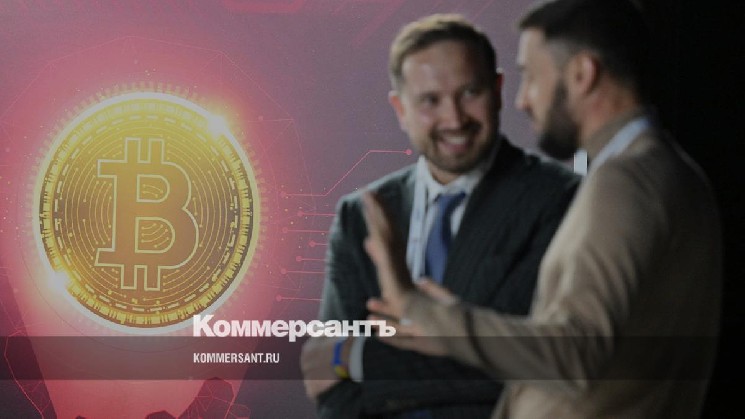
The Harsh Truth About Crypto Infrastructure and M&A Deals

cryptonews.ruОпубліковано о 2026-08-11Востаннє оновлено о 2026-08-11

Анотація

The brutal truth about crypto infrastructure and M&A deals The crypto industry faces a fundamental crisis: an overabundance of capital and technology, but a critical shortage of scalable consumer distribution channels. In their desperation to prove viability to investors, crypto startups have fallen into a costly trap—subsidizing paid pilot projects and partnerships with Web2 corporations and traditional financial institutions. However, 95% of these pilots never reach full-scale deployment. Web2 corporations are not interested in being long-term SaaS clients; they will simply acquire successful infrastructure outright when it proves valuable, as seen with Stripe/Bridge and Robinhood/Bitstamp. This marks the start of an aggressive consolidation cycle. Well-capitalized players and top-tier protocols will achieve inorganic growth by acquiring battle-tested infrastructure, licenses, and distribution channels at realistic valuations, while underfunded projects chasing pilots will fail. The coming consumer expansion will follow an 80/20 market split: 1. 80% will be controlled by a handful of regulated Web2/fintech giants (e.g., Visa, Stripe, PayPal) who provide the regulatory guardrails and user-friendly interfaces for mass adoption. 2. 20% will remain a permissionless DeFi "sandbox" for developers to build and test new on-chain primitives. Therefore, the path for Web3 startups is reversed. Founders must first prove product-market fit in the 20% DeFi sandbox. Scaling will not...

Then came the period of massive capital overhang. Venture funds raised billions during the previous cycle, leaving crypto company treasuries overflowing with unused cash. As the market matured, founders faced a harsh barrier — namely, an overabundance of technological primitives and an acute shortage of scalable consumer distribution channels.

To prove their venture's viability to their investors, crypto founders began to buy their way into the corporate world. They started paying Web2 enterprises and traditional financial institutions for design partnerships, pilot programs, and non-binding memoranda of understanding.

This is venture capital's deadliest trap, masking the real structural transformation happening in the digital asset space.

Why Paid Enterprise Pilots Are a Dead End

Here is the unvarnished truth about the current enterprise crypto market: Web2 corporations are not interested in your open-source innovations. They want your idle venture capital and revenue flow from day one.

Crypto startup founders spend hundreds of thousands from their treasuries to subsidize pilot projects with traditional financial institutions. The Web2 corporation gets paid to issue a press release, ticks a box for its internal innovation lab, and drags the Web3 team through an eighteen-month compliance audit.

The sad reality is that 95% of these pilots never reach production deployment. Web3 companies rarely succeed in onboarding traditional corporations as long-term, recurring SaaS customers, because the corporate architecture and risk appetite of Web2 companies are simply not built to scale third-party crypto-vendor software under their own brands.

Meanwhile, both sides are trapped in a B2B mirage. Crypto startups try to sell infrastructure to financial institutions. Financial institutions try to sell structured products to Web3 protocols. Both sides shake hands in a crowded hall, looking at an empty stadium: the retail consumer isn't there.

History is already familiar with this script:

  • The 2012–2018 Fintech Bank Labs Era: Early B2B fintech startups spent years paying traditional banks for proof-of-concept pilots. The banks reaped PR benefits, while almost none of the pilots evolved into actual consumer products.
  • The 1996–2001 Telecom Market Crash: After the Telecom Act, infrastructure startups raised over $500 billion to lay millions of miles of "dark" fiber, with zero proprietary consumer distribution channels. Over 90% went bankrupt. A decade later, four giants who combined distribution captured over 80% of the market value, launching consumer applications on those very channels.

Web2 Doesn't Rent Infrastructure — It Buys It

When a Web3 primitive does hit a real distribution market, incumbent Web2 players won't remain perpetual vendor customers. They will simply acquire the infrastructure and bring it in-house.

Look at how the market is already consolidating:

  • Stripe and Bridge: Stripe didn't sign a perpetual vendor contract to use a third-party stablecoin API. Once Bridge demonstrated $5B in annual cross-border volume, Stripe fully acquired the company for $1.1B to integrate stablecoin infrastructure directly into its global payments layer.
  • Robinhood and Bitstamp: Robinhood didn't partner with an external platform for international expansion. The company acquired Bitstamp for $200M, gaining over fifty global regulatory licenses and institutional liquidity in a single deal.

This shift marks the beginning of an aggressive M&A consolidation cycle. As underfunded protocols and pilot-chasing startups shutter, the market opens a rare window for strategic land grabs. For capitalized market players and top-tier Web3 protocols, the time for inorganic growth is now. Instead of spending years on unproven in-house R&D or subsidizing corporate pilots, acquiring battle-tested infrastructure, regulatory licenses, and established distribution channels at realistic valuations is the fastest way to capture market share.

For a Web3 startup aiming to become a true "unicorn" today, relying on open-source and paid enterprise partnerships is a dead end. Real defensibility now requires structural moats, such as proprietary regulatory licenses, deep network liquidity, or distribution lock-in mechanisms that a Web2 engineering team cannot replicate over a weekend.

How the Next Consumer Cycle Functions

The wave of protocol write-downs, startup shutdowns, and exploits we see today is not a sign of crypto's decline. It is necessary market "hygiene." It wipes out the "pilot hunters" and clears the field for the next cycle, creating perfect conditions where category leaders scoop up proven technology and distribution channels while the rest fall away.

The coming B2C expansion will not happen via thousands of standalone dApps struggling with wallet onboarding. It will happen through a stark 80/20 market split.

1. 80% (Regulated Consumer Gateways)

A small group of three to five Web2 and fintech giants, including companies like Visa, Stripe, Robinhood, PayPal, and BlackRock, will control 80% of total crypto market volume and retail liquidity. They will provide the missing components for mass adoption: regulatory shelter, compliance, fiat on/off ramps, and intuitive, uncomplicated UX. The end consumer won't even know they are using Web3 infrastructure. They will simply notice the transaction was instant and free.

2. 20% (DeFi R&D Proving Ground)

The remaining 20% will persist as an ungovernable, "Wild West" style DeFi sandbox. This is where developers will continue to build foundational on-chain primitives, test aggressive tokenomics, and validate initial Product-Market Fit (PMF) among crypto-native power users.

The New Startup Funnel

Within this paradigm, the path to scaling a Web3 company changes completely. Founders must first validate early Product-Market Fit (PMF) within the 20% DeFi sandbox. Once volume and utility are proven, scaling won't happen by building a standalone B2C brand from scratch. It will be achieved by plugging into one of the few regulated Web2 gateways controlling the 80% distribution layer—or being acquired by one.

The big winners of the coming B2C cycle will not be Web3 teams burning cash on non-binding corporate MOUs. They will be infrastructure teams quietly building institutional-grade foundational "rails," engineered for direct connection to Web2 distribution channels the moment the retail floodgates open.


Трендові криптовалюти

Пов'язані питання

QAccording to the article, what is the main problem with Web3 startups paying traditional enterprises for pilot projects?

AThe main problem is that 95% of these paid pilot projects never reach serial implementation. Web2 corporations are not genuinely interested in the open-source innovations; they want the idle venture capital and immediate revenue stream. These projects rarely lead to Web3 startups acquiring traditional corporations as long-term SaaS clients, as the corporate architecture and risk appetite of Web2 companies are not designed to scale third-party crypto software under their own brands.

QWhat historical examples does the article give to illustrate the failure of the 'pay-for-pilots' model in other industries?

AThe article gives two historical examples: 1) The Fintech Bank Labs era (2012–2018), where early B2B fintech startups paid traditional banks for proof-of-concept pilots. The banks reaped PR benefits, but almost none of the pilots evolved into real consumer products. 2) The telecom market crash (1996–2001), where infrastructure startups raised over $500 billion to lay 'dark' fiber without their own consumer distribution channels, leading to over 90% of them going bankrupt. Later, a few giants captured the market value by launching consumer apps on that infrastructure.

QHow does the article describe the shift in Web2's approach to Web3 infrastructure, using Stripe and Robinhood as examples?

AThe article states that Web2 does not rent infrastructure; it buys it. When a Web3 primitive proves its value in a real distribution market, incumbent Web2 players do not become perpetual clients of suppliers. Instead, they acquire the infrastructure to bring it in-house. Examples given are: 1) Stripe acquiring Bridge for $1.1B to integrate its stablecoin infrastructure directly into its global payments layer, rather than signing a perpetual API contract. 2) Robinhood acquiring Bitstamp for $200M to gain over fifty global regulatory licenses and institutional liquidity in a single deal.

QWhat is the predicted 80/20 market structure for the next consumer crypto cycle, as outlined in the article?

AThe article predicts a strict 80/20 market bifurcation: 1) 80% (Regulated Consumer Gateways): A small group of three to five Web2/fintech giants (like Visa, Stripe, Robinhood, PayPal, BlackRock) will control 80% of crypto market volume and retail liquidity, providing regulatory safeguards, compliance, fiat integration, and intuitive UX. 2) 20% (DeFi R&D Sandbox): The remaining 20% will be a permissionless 'Wild West' DeFi sandbox where developers build core on-chain primitives, test aggressive tokenomics, and validate product-market fit among crypto-native users.

QWhat new startup funnel paradigm does the article propose for Web3 companies aiming to scale?

AThe article proposes that Web3 founders must first validate early product-market fit (PMF) within the 20% DeFi sandbox. Once volume and utility are proven, scaling will not happen by building a standalone B2C brand from scratch. Instead, it will be achieved by integrating into one of the few regulated Web2 gateways controlling the 80% distribution layer or by being acquired by one of them. The big winners will be infrastructure teams building institutional-grade 'rails' designed for direct connection to Web2 distribution channels.

Пов'язані матеріали

China Monopolizes the Humanoid Market: The U.S. is Forced to Defend Itself

China accounted for over 97% of global humanoid robot shipments in the first half of 2026, according to research firm Smart Analytics Global (SAG). Global shipments reached approximately 19,100 units, a 272% increase year-over-year, with China itself representing over 85% of global demand. Shanghai-based AGIBOT led the market with a 44% share, followed by Hangzhou's Unitree Robotics at 31%. Together, these two Chinese firms controlled about 75% of global supply. Demand is shifting from research to practical applications, with industrial and commercial uses now comprising over 70% of shipments. SAG forecasts full-year 2026 shipments near 60,000 units. In response, the U.S. Federal Communications Commission (FCC) banned federal agencies and subsidy recipients from purchasing foreign "advanced robotic devices," including humanoids, citing national security concerns. Analysts attribute China's dominance to strong state support, abundant funding, expanding manufacturing capacity, IPO waves, and a vast domestic ecosystem for testing and deployment. Over 90% of key components for Chinese humanoid robots are now sourced domestically. The AI analysis notes potential risks beyond export controls, such as reputational issues for Chinese firms linked to the defense sector and parallels to past trade conflicts in sectors like solar panels, where rapid Chinese market capture led to protectionist measures. The low average robot price could fuel adoption but also invite dumping accusations.

cryptonews.ru5 хв тому

China Monopolizes the Humanoid Market: The U.S. is Forced to Defend Itself

cryptonews.ru5 хв тому

DeepSeek's Next Battlefield: The War Quietly Begins in This Fifth-Tier City

DeepSeek and other major AI players are quietly shifting their battle for supremacy to the infrastructure front, with Wulanchabu, a small city in Inner Mongolia, emerging as a key battleground. The article details a visit to the massive data center clusters there, highlighting the industry's pivot from a light-asset model of renting computing power to a strategic race to build and control foundational AI infrastructure. Wulanchabu's advantages—low electricity costs (around ¥0.32-0.35 per kWh, 90% green energy), cool climate, and proximity to Beijing—have made it China's largest AI computing cluster. Companies like Alibaba Cloud are deploying modular, prefabricated data center "cabins" that can be assembled on-site in as little as 100 days, dramatically accelerating deployment compared to traditional multi-year construction. This "new Foxconn" model standardizes components for mass production. The drive for efficiency is paramount. Alibaba’s latest architecture flattens design, integrating power distribution, backup batteries, and liquid-cooled server racks into single modules. The ultimate bottleneck is power. As AI training and, increasingly, inference demand skyrocket, electricity cost and availability become decisive competitive factors. The industry faces the challenge of aligning fast-paced computing demand with slower power grid planning. DeepSeek's significant investment in building its own computing center in Wulanchabu underscores this trend: securing large-scale, low-cost dedicated computing power is now a prerequisite for survival in the AI race. The article concludes that this Chinese manufacturing-supported paradigm for AI infrastructure, focused on modular, rapidly deployable, and cost-optimized data centers, could reshape the global AI landscape as it scales.

marsbit6 хв тому

DeepSeek's Next Battlefield: The War Quietly Begins in This Fifth-Tier City

marsbit6 хв тому

Торгівля

Спот

Популярні статті

Що таке DOGE M

Doge Matrix ($doge m): Нова порода криптовалюти, що керується спільнотою Вступ У постійно змінюваному ландшафті криптовалюти нові проекти постійно з'являються, кожен з яких прагне привернути увагу інвесторів та ентузіастів. Одним з останніх учасників цього домену є Doge Matrix, представлений тикером $doge m. Цей проект привернув увагу завдяки своїм корінням у популярній культурі мемів навколо Dogecoin, закріплюючи своє місце в просторі web3. Ця стаття має на меті надати всебічний аналіз Doge Matrix, охоплюючи його огляд, творця, інвесторів, функціональність, хронологію та помітні аспекти. Що таке Doge Matrix ($doge m)? Doge Matrix — це проект криптовалюти, що керується спільнотою, який, здається, будує на широкій привабливості Dogecoin, цифрової валюти, відомої своїм маскотом Shiba Inu та мем-походженням. Хоча загальні цілі Doge Matrix не є детально визначеними, він характеризується зобов'язанням залучати участь та підтримку спільноти. На відміну від традиційних криптовалют, які часто підкреслюють корисність або внутрішню цінність через підлягаючі технології, Doge Matrix позиціонує себе в просторі, що охоплює культурне явище криптовалют, особливо приваблюючи тих, хто резонує з етикою активів на основі мемів. Спираючись на сильні сторони спільноти Dogecoin, Doge Matrix працює як частина більш широкої екосистеми, запрошуючи участь та залучення користувачів, які поділяють інтерес до криптовалюти та цифрового простору. Хто є творцем Doge Matrix ($doge m)? Особистість творця Doge Matrix залишається невідомою. Ця відсутність прозорості не є рідкісним явищем у сфері криптовалют, де деякі проекти запускаються без розкриття ідентичностей своїх засновників. Відсутність інформації про засновницьку команду може викликати питання серед потенційних інвесторів щодо відповідальності та напрямку проекту. Хто є інвесторами Doge Matrix ($doge m)? На даний момент немає публічно доступної інформації про інвесторів або інвестиційні фонди, які підтримують Doge Matrix. Проект, здається, покладається переважно на підтримку спільноти, а не на інституційні інвестиції. Ця модель узгоджується з природою ініціативи, що керується спільнотою, сприяючи середовищу, де напрям проекту формується його учасниками, а не диктується вибраними фінансовими спонсорами. Як працює Doge Matrix ($doge m)? Специфіка операційних механізмів Doge Matrix є дещо розмитою, відображаючи ширшу тенденцію проектів у просторі мем-коінів, де інноваційні функціональності не завжди чітко сформульовані. Проте Doge Matrix, здається, розроблений для того, щоб використовувати існуючу екосистему криптовалют, заохочуючи участь користувачів, одночасно використовуючи знайомі культурні посилання, пов'язані з Dogecoin. Його потенційно унікальні характеристики походять від взаємодій у спільноті, а не від технологічних досягнень, підкреслюючи спільний досвід та співпрацю серед власників токенів. Хоча точні інновації не були чітко окреслені, проект, здається, створює простір, де члени спільноти можуть взаємодіяти, ділитися ідеями та просувати потенціал проекту вперед. Хронологія Doge Matrix ($doge m) Розглядаючи хронологію проекту, можна виявити помітні події, які визначили його шлях до цього часу: 25 листопада 2024: Doge Matrix досяг свого історичного максимуму, що стало значною віхою в його ранній історії. 1 січня 2025: Навпаки, Doge Matrix досяг свого історичного мінімуму, ілюструючи волатильність, яка часто асоціюється з криптовалютами, особливо на ранніх етапах життєвого циклу проекту. Триває: Проект продовжує активно торгуватися та підтримуватися своєю спільнотою, хоча конкретні майбутні віхи або цілі ще не були розкриті. Ключові моменти про Doge Matrix ($doge m) Орієнтація на спільноту У центрі Doge Matrix лежить зобов'язання до залучення спільноти. Проект процвітає на основі співпраці та спільних цілей серед своїх учасників, підкреслюючи важливість колективних зусиль. На відміну від централізованих проектів, які часто мають визначену структуру керівництва, Doge Matrix наразі демонструє більш гнучкий підхід до управління, де голос кожного члена спільноти має значення. Волатильність Ринок криптовалют відомий своєю волатильністю, і Doge Matrix не є винятком. Його історія цін відображає значні коливання між високими та низькими значеннями, що є типовим для багатьох нових криптовалют, але підкреслює ризики, пов'язані з інвестиціями в нові токени. Відсутність детальної інформації Однією з найпомітніших рис Doge Matrix є брак детальної інформації щодо його технологічних основ та операційних механізмів. Ця невизначеність вимагає від потенційних інвесторів провести ретельну перевірку перед залученням до проекту. Висновок Підсумовуючи, Doge Matrix ($doge m) ілюструє нову хвилю проектів криптовалюти, які сильно покладаються на залучення спільноти та культурну значущість. Хоча йому бракує певних специфікацій — таких як чітке керівництво, визначені цілі та детальна функціональність — проект зміг викликати інтерес у криптоспільноті, використовуючи вже встановлену привабливість культури мемів. Як і з будь-якими інвестиціями в сфері криптовалют, розуміння вроджених ризиків і проведення всебічного дослідження є важливими для потенційних учасників. Doge Matrix слугує нагадуванням про динамічну, іноді непередбачувану природу криптоіндустрії, що відзначається постійною еволюцією та ентузіазмом щодо ініціатив, що керуються спільнотою.

579 переглядів усьогоОпубліковано 2025.02.03Оновлено 2025.02.03

Що таке DOGE M

Що таке $M

Розуміння Mantis ($M): Нова ера в кросчейн-інтероперабельності У постійно змінюваному ландшафті Web3 та криптовалют нові проекти прагнуть запропонувати інноваційні рішення, спрямовані на покращення користувацького досвіду та розширення функціональних можливостей у рамках децентралізованої фінансової екосистеми. Один з таких проектів, що привертає увагу, - це Mantis ($M), піонерський протокол, заснований на принципах кросчейн-інтероперабельності та угод на основі намірів. Ця стаття розглядає основні аспекти Mantis, включаючи його основну функціональність, творців, інвестиційну підтримку, інноваційні особливості та ключові етапи. Що таке Mantis ($M)? Mantis описується як протокол врегулювання намірів у кількох доменах, який спрощує кросчейн-взаємодії, дозволяючи користувачам безперешкодно виконувати складні фінансові транзакції на різних блокчейн-платформах. Протокол працює через три основні шари: Вираження намірів: Користувачі можуть формулювати свої цілі транзакцій, використовуючи природну мову, що забезпечується DISE LLM, передовою мовною моделлю штучного інтелекту. Наприклад, користувач може висловити бажання обміняти Ethereum (ETH) на Solana (SOL) з певною допустимою похибкою в 1%. Виконання: Цей шар використовує мережу розв'язувачів, які змагаються за виконання намірів користувачів. Транзакції виконуються за допомогою механізмів, таких як Coincidence of Wants (CoWs) та Order Flow Auctions (OFAs), які забезпечують оптимальне задоволення запитів користувачів. Врегулювання: Використовуючи протокол міжблокчейн-комунікації (IBC), Mantis дозволяє атомарні кросчейн-транзакції, що дозволяє користувачам працювати на різних підтримуваних ланцюгах, включаючи Ethereum, Solana та Cosmos. Mantis розроблений для впровадження рідної генерації доходу для бездіяльних активів, використовуючи криптографічні докази для підтримки цілісності транзакцій протягом усього процесу. Творці та команда розробників Mantis був задуманий Composable Foundation, дослідницькою організацією, відомою своїм акцентом на рішеннях для блокчейн-інтероперабельності. Ця організація співпрацює з відомими академічними установами, такими як Гарвардський університет та Університет Лісабона, сприяючи широким дослідженням та розробкам, які формують архітектуру та функціональність Mantis. Зобов'язання Composable Foundation сприяти інноваціям у сфері блокчейн-технологій позиціонує Mantis як надійне рішення для зростаючого попиту на інтероперабельність між кількома блокчейн-мережами. Інвестори та підтримка Хоча конкретні деталі про окремих інвесторів не були публічно розкриті, Mantis користується значною підтримкою від різних суб'єктів, включаючи: Гранти екосистеми від ланцюгів, що підтримують IBC, які підтримують зростання протоколу та інтеграцію в децентралізовані фінансові екосистеми. Стратегічні партнерства з постачальниками інфраструктури, які покращують мережеві можливості Mantis та стратегії впровадження. Фінансування через казну Composable Foundation, що забезпечує стабільну фінансову підтримку для поточних розробок та операційних витрат. Ці спільні зусилля відображають консенсус серед зацікавлених сторін щодо важливості покращення кросчейн-функціональності та потенційної корисності інфраструктурних інновацій Mantis. Ключові інновації Mantis вирізняється кількома піонерськими інноваціями, які покращують його функціональність та корисність: Незалежні від ланцюга наміри: Користувачі можуть ініціювати транзакції з будь-якого підтримуваного ланцюга, при цьому врегулюючи їх на іншому. Ця гнучкість надає користувачам більше можливостей, стимулюючи взаємодію між різними платформами. Інтерфейс на базі штучного інтелекту: Інтеграція DISE LLM дозволяє користувачам виконувати складні DeFi-операції, використовуючи природну мову, що спрощує взаємодію та робить технологію блокчейн доступною для ширшої аудиторії. Захоплення MEV у кросдоменному середовищі: Mantis створює внутрішній ринок для максимального екстракційного значення (MEV) через конкуренцію серед розв'язувачів. Цей інноваційний підхід дозволяє досягати більшої ефективності та екстракції вартості в складних транзакціях. Модульний шар врегулювання: Протокол підтримує різні методи верифікації, включаючи нульові знання та оптимістичні роллапи, забезпечуючи універсальну структуру, яка може адаптуватися до нових блокчейн-технологій. Історична хронологія Розвиток Mantis відзначений кількома критичними етапами, які окреслюють його траєкторію та зростання: | Рік | Етап | |————|————————————————————————-| | 2022 | Початкова розробка концепції в дослідницькому підрозділі Composable Foundation. | | Q3 2024 | Запуск тестової мережі з можливостями мосту між Solana та Ethereum. | | Q1 2025 | Очікувана подія генерації токенів (TGE) разом із запуском основної мережі. | | Q2 2025 | Очікувана інтеграція DISE LLM та розширення кросчейн-можливостей. | | 2025 H2 | Запланована підтримка понад 15 ланцюгів через подальші оновлення IBC. | Ця хронологія окреслює еволюцію Mantis, від концептуальних обговорень до активної реалізації та майбутніх етапів зростання. Стратегія зростання екосистеми Стратегія Mantis щодо зростання екосистеми включає кілька ініціатив, спрямованих на заохочення участі користувачів та залучення розробників: Система кредитів: Користувачі можуть заробляти кредити протоколу, надаючи ліквідність та беручи участь у реферальних програмах. Ці кредити можна буде обміняти на винагороди в майбутньому, сприяючи формуванню сильної спільноти користувачів. Модульний набір для розробки програмного забезпечення (SDK): Цей набір інструментів надає розробникам можливість створювати додатки на основі моделей, що керуються намірами, використовуючи інфраструктуру Mantis, тим самим сприяючи інноваціям у його екосистемі. Модель управління: У міру розвитку протоколу, власники токенів $M отримають можливість брати участь в управлінні протоколом, що дозволить їм голосувати за запропоновані оновлення та зміни, підвищуючи залученість спільноти та децентралізацію. Mantis представляє собою значний прогрес у сфері кросчейн-архітектури. Завдяки безперешкодній інтеграції передових алгоритмів штучного інтелекту з надійною структурою врегулювання, Mantis прагне вирішити проблеми фрагментації в багатоланцюгових екосистемах. Його інноваційний підхід ставить на перше місце покращення користувацького досвіду, дотримуючись основоположних принципів децентралізації та безпеки, встановлюючи новий стандарт для майбутньої інтероперабельності блокчейн-технологій. Оскільки Mantis продовжує свій шлях зростання та реалізації, він обіцяє стати проектом, за яким варто уважно стежити в конкурентному середовищі Web3 та децентралізованих фінансів. Зосереджуючись на подоланні кордонів та підвищенні залученості користувачів, Mantis готовий стати невід'ємною частиною майбутніх розробок у сфері криптовалют.

139 переглядів усьогоОпубліковано 2025.03.18Оновлено 2025.03.18

Що таке $M

Як купити M

Ласкаво просимо до HTX.com! Ми зробили покупку MemeCore (M) простою та зручною. Дотримуйтесь нашої покрокової інструкції, щоб розпочати свою криптовалютну подорож.Крок 1: Створіть обліковий запис на HTXВикористовуйте свою електронну пошту або номер телефону, щоб зареєструвати обліковий запис на HTX безплатно. Пройдіть безпроблемну реєстрацію й отримайте доступ до всіх функцій.ЗареєструватисьКрок 2: Перейдіть до розділу Купити крипту і виберіть спосіб оплатиКредитна/дебетова картка: використовуйте вашу картку Visa або Mastercard, щоб миттєво купити MemeCore (M).Баланс: використовуйте кошти з балансу вашого рахунку HTX для безперешкодної торгівлі.Треті особи: ми додали популярні способи оплати, такі як Google Pay та Apple Pay, щоб підвищити зручність.P2P: Торгуйте безпосередньо з іншими користувачами на HTX.Позабіржова торгівля (OTC): ми пропонуємо індивідуальні послуги та конкурентні обмінні курси для трейдерів.Крок 3: Зберігайте свої MemeCore (M)Після придбання MemeCore (M) збережіть його у своєму обліковому записі на HTX. Крім того, ви можете відправити його в інше місце за допомогою блокчейн-переказу або використовувати його для торгівлі іншими криптовалютами.Крок 4: Торгівля MemeCore (M)Легко торгуйте MemeCore (M) на спотовому ринку HTX. Просто увійдіть до свого облікового запису, виберіть торгову пару, укладайте угоди та спостерігайте за ними в режимі реального часу. Ми пропонуємо зручний досвід як для початківців, так і для досвідчених трейдерів.

618 переглядів усьогоОпубліковано 2025.07.02Оновлено 2026.06.02

Як купити M

Обговорення

Ласкаво просимо до спільноти HTX. Тут ви можете бути в курсі останніх подій розвитку платформи та отримати доступ до професійної ринкової інформації. Нижче представлені думки користувачів щодо ціни M (M).

活动图片