Tether’s Mega-Freeze: $344M USDT Locked Down In Major Operation With US Authorities

bitcoinistОпубліковано о 2026-04-24Востаннє оновлено о 2026-04-24

Анотація

Tether has frozen $344 million in USDT held in two Tron wallets at the request of US authorities, including OFAC, after the wallets were linked to sanctions evasion and criminal activity. The company emphasized its routine cooperation with global law enforcement, having supported over 2,300 cases and frozen more than $4.4 billion in assets to date. This action contrasts with increased scrutiny on rival stablecoin issuer Circle, which faces a lawsuit over its alleged failure to promptly freeze $280 million stolen in the Drift Protocol hack. Tether also announced a collaboration with Drift Protocol to support recovery efforts with nearly $150 million in backing.

Crypto giant Tether disclosed that it has supported the US government in freezing $344 million in USDT held in two Tron wallets, following a request from the Office of Foreign Assets Control (OFAC) and US law enforcement.

Tether’s Latest Crackdown

According to Tether’s Thursday disclosure, the freeze came after authorities allegedly identified the wallets as linked to sanctions evasion, criminal networks, or other illicit activity.

The company framed this as part of its routine response to lawful requests from governments in the US and abroad, noting that it works with more than 340 law enforcement agencies across 65 countries.

In a statement, Tether CEO Paolo Ardoino emphasized that USDT should not be used as a “safe haven” for wrongdoing. He argued that when Tether sees credible links to sanctioned entities or criminal networks, it acts quickly and decisively.

Beyond this specific freeze, Tether said its broader cooperation has supported more than 2,300 cases globally, including over 1,200 tied to US law enforcement.

The company added that those efforts have contributed to the freezing of more than $4.4 billion in assets, including over $2.1 billion linked to US authorities.

Circle Under Fire

Tether’s move comes as the industry’s second-largest stablecoin issuer, Circle (CRCL), which issues USDC, has faced increased scrutiny. The firm has faced criticism for what some describe as a lack of similarly prompt actions.

The issue was highlighted after the Drift Protocol hack in early April, when reports alleged that in several widely documented thefts and hacks, the issuer either delayed freezing responses or did not freeze funds at all—allowing attackers to move large sums across blockchains and convert them into other assets.

That controversy is now tied to legal action. NewsBTC reported last week that Circle is facing a fresh lawsuit in Massachusetts connected to the $280 million Drift Protocol hack.

The complaint alleges that Circle did not freeze stolen funds even though it allegedly had both the technical capability and contractual authority to do so.

The allegations include that attackers were able to offload up to $230 million onto the Ethereum blockchain by leveraging Circle’s Cross-Chain Transfer Protocol (CCTP), according to the lawsuit’s framing.

Plaintiffs say this ability to transfer stablecoin-related assets during the period when funds were being moved is central to why they believe Circle should have prevented the transfers.

While Circle faces accusations over the Drift incident, Tether announced a strategic collaboration with the Drift Protocol. Tether said the effort is intended to support user recovery and help relaunch the Drift platform.

The collaboration, Tether said, creates a structured recovery plan supported by up to nearly $150 million in combined backing, including up to $127.5 million from the company.

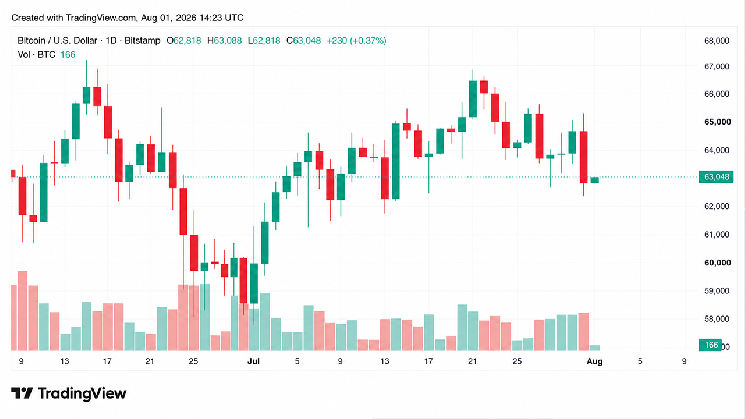
The daily chart shows the total crypto market cap at $2.58 trillion as of Thursday. Source: TOTAL on TradingView.com

Featured image from OpenArt, chart from TradingView.com

Пов'язані питання

QWhat was the amount of USDT frozen by Tether in collaboration with US authorities, and on which blockchain were the wallets located?

ATether froze $344 million in USDT held in two wallets on the Tron blockchain.

QWhich US government agency requested the freeze of the assets, and what was the alleged reason for the action?

AThe freeze was requested by the Office of Foreign Assets Control (OFAC) and US law enforcement, as the wallets were allegedly linked to sanctions evasion, criminal networks, or other illicit activity.

QHow does Tether CEO Paolo Ardoino characterize the company's stance on the use of USDT for illicit activities?

APaolo Ardoino emphasized that USDT should not be used as a 'safe haven' for wrongdoing and stated that Tether acts quickly and decisively when it sees credible links to sanctioned entities or criminal networks.

QWhat controversy is the stablecoin issuer Circle facing, as mentioned in the article?

ACircle is facing a lawsuit in Massachusetts related to the $280 million Drift Protocol hack, with allegations that it did not freeze stolen funds despite having the technical capability and contractual authority to do so.

QWhat is the nature of Tether's newly announced collaboration with the Drift Protocol?

ATether announced a strategic collaboration with the Drift Protocol to support user recovery and help relaunch the platform, creating a structured recovery plan backed by up to nearly $150 million, including up to $127.5 million from Tether.

Пов'язані матеріали

Sygnum's B2B Bank Model Fuels Cryptocurrency Boom in Switzerland

Swiss digital asset bank Sygnum's B2B model is enabling a cryptocurrency boom in Switzerland by providing integrated infrastructure to traditional banks. Its partnership with Bancastato, a regional bank, allows clients to seamlessly trade cryptocurrencies like Bitcoin, Ethereum, Litecoin, and Solana directly within their existing bank apps. This eliminates the friction of using separate platforms. Under this model, Sygnum handles the backend trading infrastructure, custody, compliance, and regulatory licenses, while partner banks maintain their customer relationships and branding. This "infrastructure-as-a-service" approach allows banks to offer crypto services faster and more safely than building them in-house. Over 25 Swiss financial institutions, including Zuger Kantonalbank and PostFinance, now use Sygnum's B2B platform, making regulated digital asset services accessible to over a third of Switzerland's population. The trend reflects a shift where Swiss banks view crypto as another mainstream asset class rather than a niche product. Sygnum, a licensed bank itself with operations in Zurich, Singapore, and Abu Dhabi, leverages Switzerland's mature regulatory framework, which has integrated crypto into existing banking supervision. This environment, along with the concentration of blockchain firms in "Crypto Valley," is helping mainstream cryptocurrency adoption in the country, with an estimated 18-23% of Swiss residents already owning crypto assets.

cryptonews.ru5 хв тому

Sygnum's B2B Bank Model Fuels Cryptocurrency Boom in Switzerland

cryptonews.ru5 хв тому

US Department of Justice Files Lawsuit to Recover $47,000 in Cryptocurrency in ATM Fraud Case

The U.S. Department of Justice has filed a civil forfeiture complaint seeking $47,461.73111 in USDT (Tether). Prosecutors allege the cryptocurrency was obtained through a fraud scheme where scammers tricked victims, including a Massachusetts woman, into withdrawing cash from their bank accounts and depositing it into crypto ATMs. In this case, the victim followed instructions after seeing a fake tech support pop-up, depositing funds into a Bitcoin Depot ATM. Authorities later traced a portion of the funds to a specific wallet, seized the assets, and linked the address to other victims. This action is part of a broader crackdown on crypto ATM fraud. In response to such scams, which the FBI reports cost Americans over $333 million in 2025, a bipartisan "Stop Crypto ATM Scams Act" has been introduced in Congress. The proposed bill would impose daily and initial deposit limits, mandate fraud warnings, and strengthen anti-money laundering requirements for operators. Regulatory bodies like FinCEN have also increased scrutiny of crypto kiosks. The Massachusetts case follows other recent forfeiture actions, including one targeting approximately $3.4 million in crypto linked to an investment scam and another for about $327,829 connected to a romance fraud scheme. Civil forfeiture allows the government to seize assets and, if successful, potentially return them to identified victims.

cryptonews.ru8 хв тому

US Department of Justice Files Lawsuit to Recover $47,000 in Cryptocurrency in ATM Fraud Case

cryptonews.ru8 хв тому

Торгівля

Спот
活动图片