# Пов'язані статті щодо Dollar

Центр новин HTX надає останні статті та поглиблений аналіз на тему "Dollar", що охоплює ринкові тренди, оновлення проєктів, технологічні розробки та регуляторну політику в криптоіндустрії.
A Hidden Financial War? Iran Collects Strait Passage Fees with Stablecoins

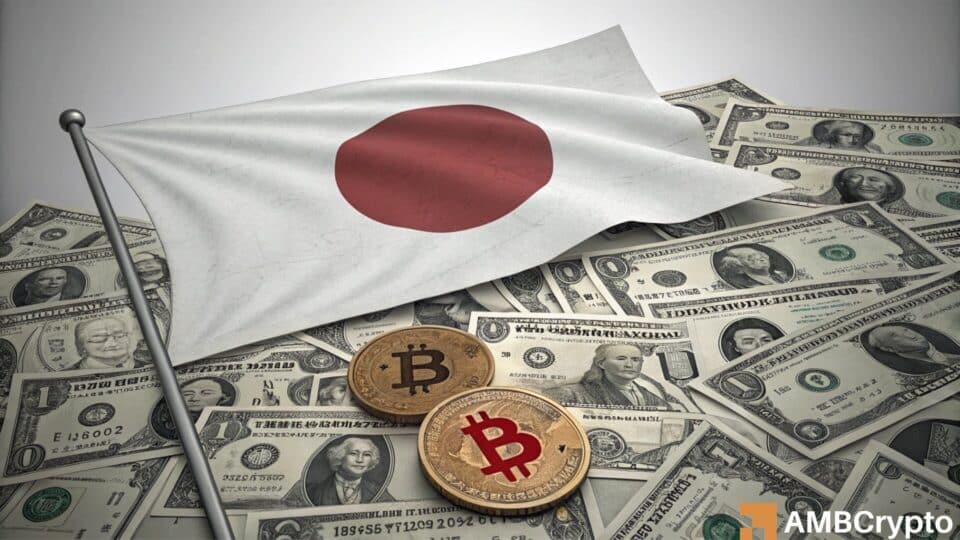
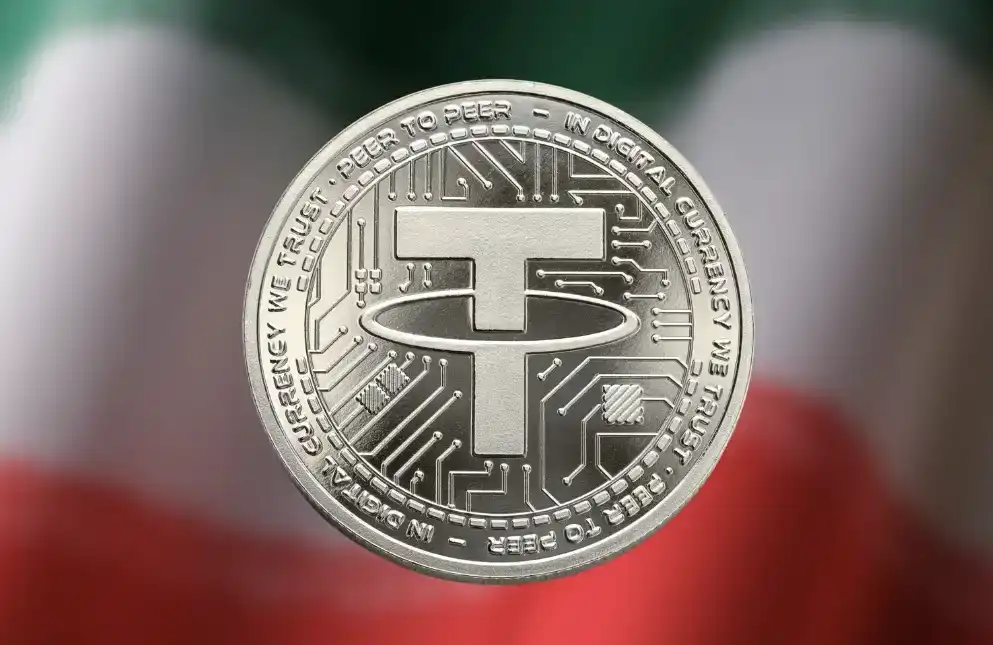
Iran has officially institutionalized a mandatory toll system for all large tankers passing through the Strait of Hormuz, rejecting dollar-denominated payments. Instead, fees must be paid either via yuan-denominated wire transfers or in USD-pegged stablecoins via decentralized networks. The move is designed to bypass U.S. financial sanctions and traditional banking channels like SWIFT system. The Islamic Revolutionary Guard Corps (IRGC) is implementing a tiered pricing model based on geopolitical alignment: allies like China and Russia pay the lowest rates, while U.S. allies and Israel are barred entirely. Vessels must display approved flags and are escorted through the strait after payment. This marks the first time a nation has integrated cryptocurrency into strategic-level payment infrastructure at commercial scale. The mechanism could channel over $20 billion annually in stablecoins through Iranian-controlled wallets, creating a grey liquidity pool shielded by sovereign power. However, risks remain. Compliance with sanctions from the EU and UK may void insurance coverage for vessels paying the IRGC, forcing shipowners to choose between longer routes or potential financial penalties. Russia is considering a similar model for the Northern Sea Route, signaling a broader shift toward using geographic chokepoints as financial leverage in a reordered global trade system.

marsbit04/07 03:51

A Hidden Financial War? Iran Collects Strait Passage Fees with Stablecoins

marsbit04/07 03:51

Overseas Funds Accelerate Withdrawal, U.S. Bonds Face Largest Selling Pressure in Six Years

Overseas official investors are accelerating their withdrawal from U.S. Treasuries, with foreign official accounts at the New York Fed shedding $75 billion over the past four weeks—the largest monthly decline since the COVID-19 pandemic hit in March 2020. According to Deutsche Bank research, this implies net sales of approximately $60 billion, marking the most significant sell-off since the pandemic began. The sell-off is particularly concentrated in the mid-term segment of the yield curve, contributing to recent rapid yield rises. Unlike in March 2023, the drawdown was not offset by increased use of the Fed’s FIMA repo facility, indicating outright sales or non-reinvestment of maturing securities. The drop in custody holdings aligns with observed FX intervention by Asian central banks and a broader slowdown in foreign purchases of dollar assets. Historical correlation suggests custody data explains about 50% of the variation in official net flows reported in TIC data. Deutsche Bank warns that sustained foreign selling could erode the “convenience yield” advantage enjoyed by U.S. debt due to its reserve currency status. Estimates suggest the 10-year yield may be suppressed by 90–100 basis points due to dollar dominance. A continued retreat of foreign demand could push long-term yields significantly higher, increasing refinancing costs and affecting global financial conditions.

marsbit03/25 02:59

Overseas Funds Accelerate Withdrawal, U.S. Bonds Face Largest Selling Pressure in Six Years

marsbit03/25 02:59

Global Asset Plunge: Hormuz, Chips, and a Korean Holiday

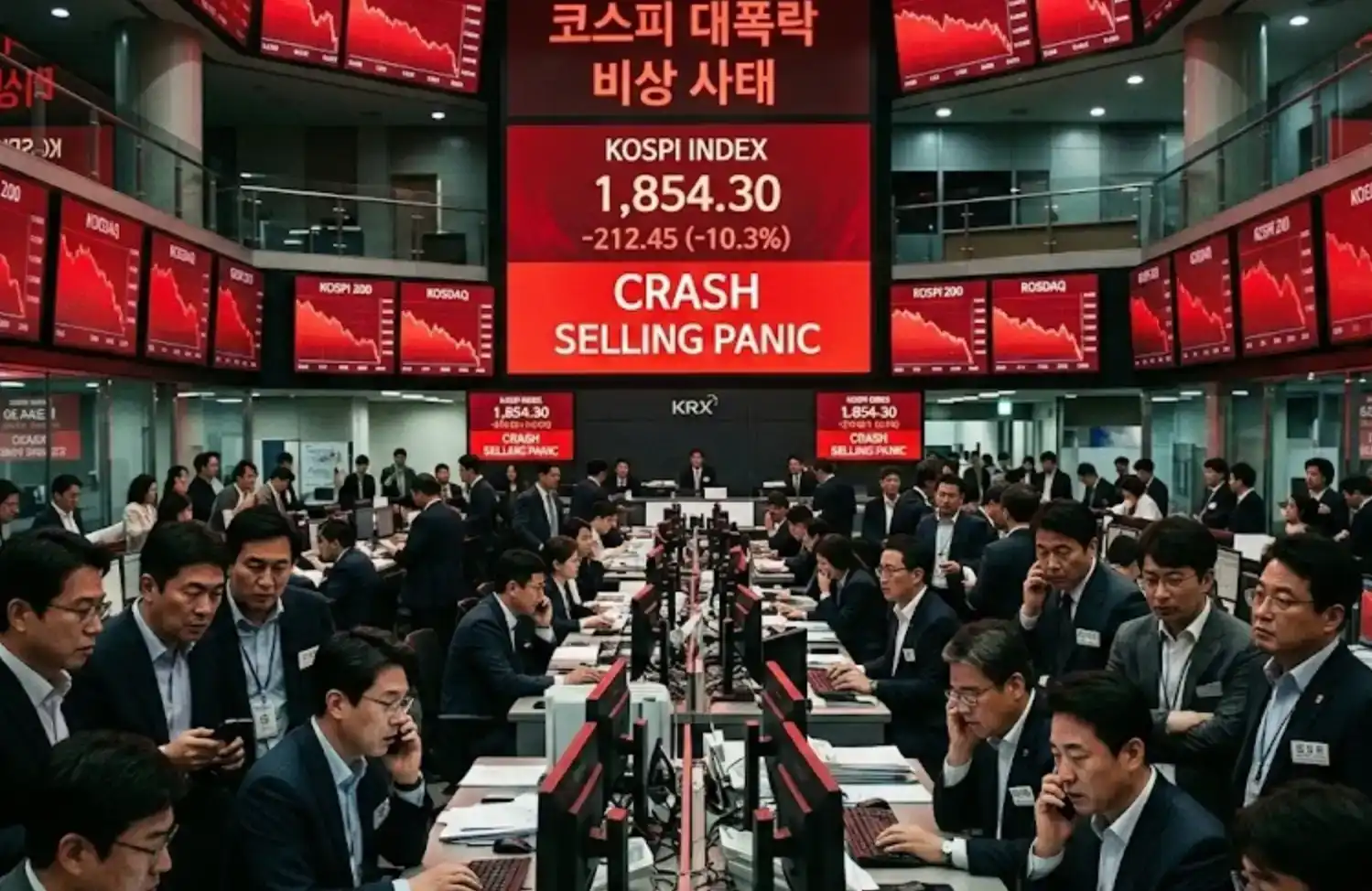
A major geopolitical shock occurred on February 28th when a US-Israel coalition launched a massive airstrike on Iran, resulting in significant global market turmoil. This event served as a severe stress test for popular financial narratives, particularly the "debasement trade" which posits that gold and Bitcoin act as hedges against currency devaluation during crises. Initially, gold spiked but then fell over 4%, while silver plummeted 8%. Bitcoin remained largely stagnant. Contrary to expectations, the US Dollar Index rose 1.1%. The core insight was that in an acute crisis, the US dollar, due to its deep liquidity, became the primary safe-haven asset as investors rushed to cover margins and deleverage. South Korea's market, closed for a holiday, experienced a delayed and extreme reaction, with the KOSPI crashing 7.24% upon reopening. This sell-off was exacerbated by high retail leverage and concentrated exposure in key semiconductor firms like Samsung and SK Hynix, critical to the global AI supply chain. The conflict also raised fears about oil supply disruptions via the Strait of Hormuz, directly impacting energy-dependent economies and manufacturing. The event demonstrated that while long-term narratives about dollar debasement and the rise of hard assets remain valid, acute crises overwhelmingly favor dollar liquidity. In moments of panic, the financial system's architecture ensures that the dollar remains the ultimate refuge.

marsbit03/04 05:58

Global Asset Plunge: Hormuz, Chips, and a Korean Holiday

marsbit03/04 05:58

MVC Market Watch: The Second Half of the Overall Dollar Market Consolidation

Amid the Chinese Lunar New Year, the cryptocurrency market remains subdued following the clearing of positions last year. Despite a brief surge in volatility from late-January liquidations, the overall downtrend persists with no clear end in sight. Short-term prospects for crypto assets are viewed cautiously, though the current correction is seen as a consolidation phase within Bitcoin’s broader upward trend since 2022. Market activity remains lackluster, with Bitcoin declining further amid high-volume turnover. Some positive signals include manageable outflows from crypto ETFs, no material liquidation pressure on MSTR, and relatively mild on-chain liquidation data compared to October-November. However, persistent headwinds—such as elevated U.S. equity valuations, ongoing crypto capital outflows, and stagnant dollar liquidity—suggest limited near-term upside. The analysis frames the period since November 2024 as a high-level consolidation for Bitcoin, potentially setting the stage for a significant move later in the year. Optimistically, crypto may enter a new allocation cycle by Q3–Q4, with a market outlook that could eventually rival that of silver. Looking further ahead to 2026, the report highlights two key themes: 1. Base and precious metals, particularly in Latin American and RMB-denominated resource equities. 2. AI-disrupted industries, with beneficiaries primarily in the U.S. and China. The note concludes by reflecting on rapid changes in global production frameworks and the role of capital markets in offering opportunities amid structural economic shifts.

marsbit02/21 02:11

MVC Market Watch: The Second Half of the Overall Dollar Market Consolidation

marsbit02/21 02:11

活动图片