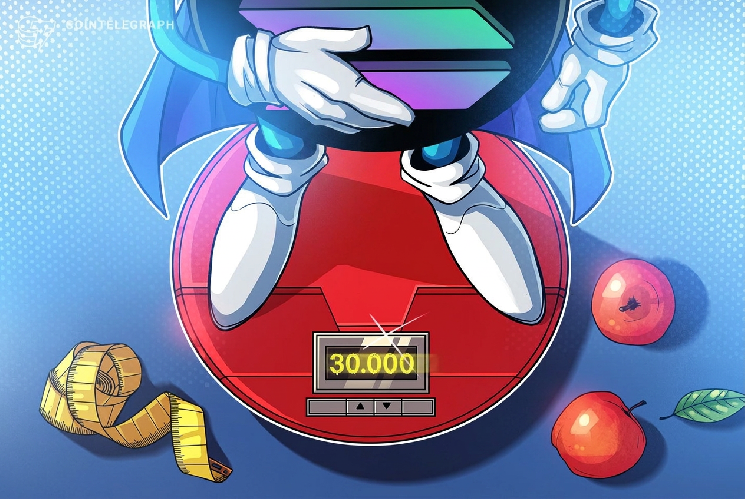
Solana Governance Voting Enters Critical Phase: Can Supply Reform Push SOL Above $105?

Опубліковано о 2026-08-26Востаннє оновлено о 2026-08-26

Анотація

Three Solana governance proposals will determine the governance framework, inflation reduction speed, and the method for burning resource fees. SOL has posted a weekly gain of nearly 32%, with $102.70 to $105 serving as a key resistance zone. If the voting results fall short of expectations, the price could revisit the $88 to $90 range.

Solana's current focus is on three governance proposals that could significantly alter the network's supply structure. Voting will close at the end of epoch 1023, a point in time that has become one of the most important milestones on Solana's 2026 calendar.

The proposals include establishing a "Solana Charter" governance framework, an inflation reform that would reduce the issuance of approximately 18.9 million SOL over the next six years, and a new resource fee mechanism. This mechanism could increase the daily SOL burn from the current roughly 648 tokens to about 9,000 tokens, nearly a 14-fold increase.

Surrounding the vote, a "supply shock" bullish narrative has formed in the market. Traders appear to be betting in advance on the supply tightening post-implementation.

Can SOL Break Through $105

On August 25, SOL's daily candle opened at $98.64, reached a high of $102.14, and closed near $101.22. The weekly gain reached 31.87%, and the 30-day gain is close to 35.6%. This is more than just a short-term spike; it is a relatively sustained trend.

Significant resistance exists in the $100 to $105.18 region, with the 13-week high around $102.70. Support below lies at $88.18, with deeper support concentrated between $82 and $88, an area where the previous 20-day and 50-day Exponential Moving Averages (EMAs) also provided support.

If the price closes above $102.70, it could further test the $105 level, especially if the inflation reform vote passes. The base case scenario is for SOL to consolidate between $95 and $102, awaiting the voting results.

If the price faces rejection again at the resistance zone, SOL could retreat to the $88 to $90 pivot area, potentially breaking the current breakout structure. Any move to break above $102.70 would require volume confirmation; a low-volume breakout should be considered a warning sign.

SOL's 31.87% weekly gain has already delivered significant profits for traders who bought below $80. However, the market has partially priced in the supply tightening. The remaining upside from the current region to $105 is only in the single-digit percentage range, meaning the risk-reward ratio for chasing the rally now differs from the earlier stages of the uptrend.
Пов'язані матеріали

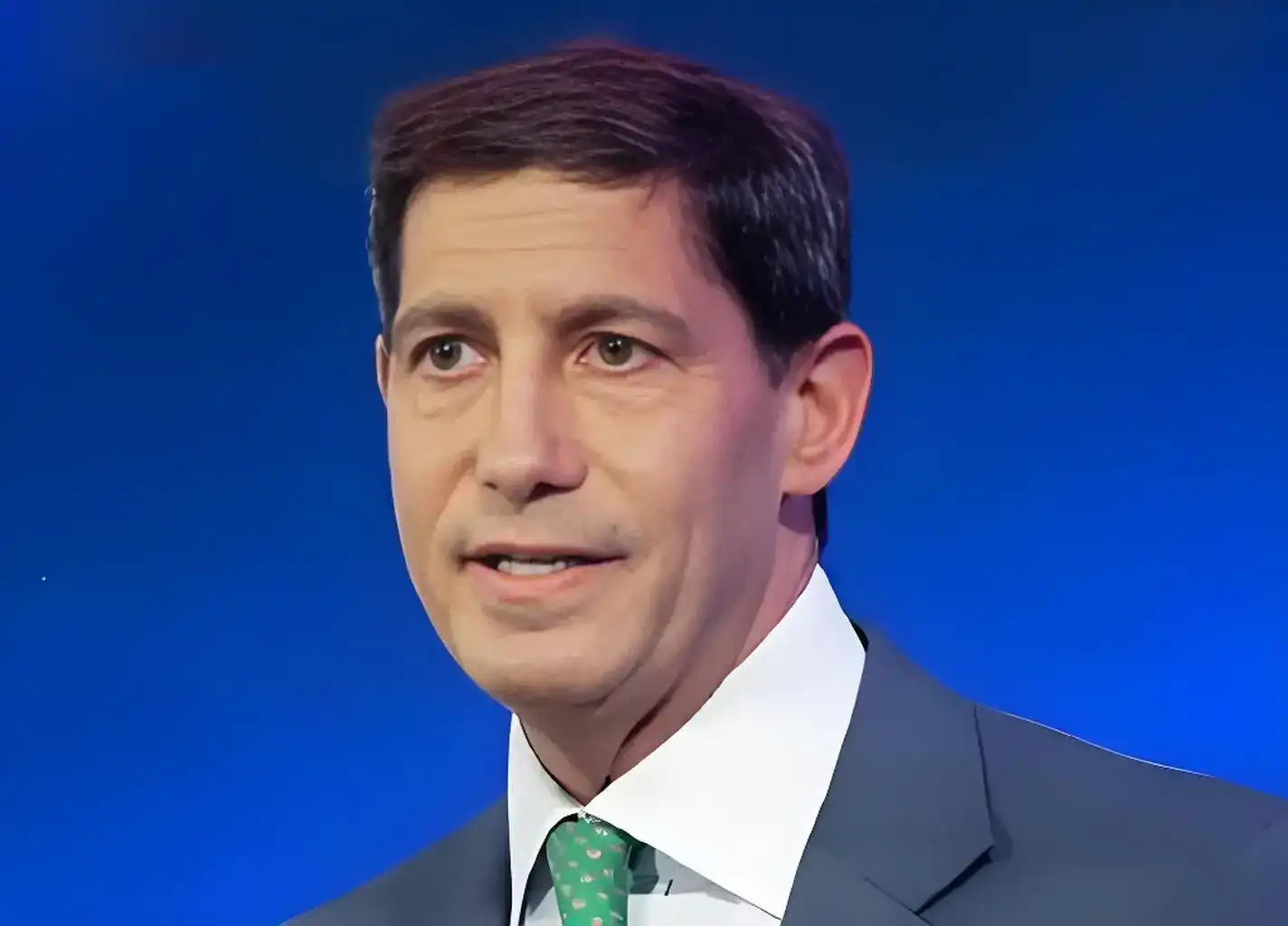
Warsh's Latest Speech: The Era We Are In

Federal Reserve Chairman Kevin W. Warsh delivered a speech titled "In Our Time" at the Jackson Hole Economic Policy Symposium. The remarks struck a cautiously hawkish tone, with Warsh emphasizing that inflation remains significantly above the Fed's 2% target and should be the primary focus of monetary policy. He expressed that recent, better-than-expected CPI and PCE data do not yet signal a meaningful improvement in the underlying inflation trend. Warsh outlined core principles for monetary policy, including the firm commitment to the 2% inflation target, the importance of both price stability and maximum employment, and the primary role of short-term interest rates as a policy tool. He also stressed the relevance of monetary aggregates and advocated for a Fed that communicates with greater purpose and restraint. A significant portion of the speech addressed the practice of "forward guidance." Warsh argued that while essential during crises, forward guidance should be limited in normal times. He warned that excessive pre-commitment to future policy paths can constrain the Fed's flexibility and create a "hall-of-mirrors" problem, where markets rely too heavily on Fed signals rather than independently assessing economic fundamentals. On the current economy, Warsh noted impressive resilience, strong business investment (partly driven by AI infrastructure), healthy consumer spending, and a stable labor market with low unemployment. However, he observed that broad financial conditions are not particularly restrictive. Despite economic strength, inflation metrics remain elevated, with a high proportion of PCE basket components still showing price increases above 3%. Warsh concluded by stating the Fed's standard: policymakers must be confident that underlying inflation is moving clearly and sufficiently quickly toward the 2% target. Otherwise, "we have more work to do." He framed his approach as a commitment to disciplined policy-making rather than to any specific near-term decision.

marsbit1 год тому

Warsh's Latest Speech: The Era We Are In

marsbit1 год тому

Access to Active Sessions Instead of Databases: How the Shadow Market in Russia Has Changed

The Russian cybercriminal underground is shifting from selling massive, stolen corporate databases to trading active, short-term access to user accounts, according to a 2026 report. The value of information intercepted directly from infected devices by malware has risen nearly 13% in a year. Attackers now sell packets containing active session tokens (bypassing passwords and two-factor authentication), live email credentials, VPN and cloud storage logins, and corporate network access. A subscription for a steady stream of fresh data costs $250-$300 per month, far exceeding the value of outdated archives. While Russian regulators have successfully penalized companies for data leaks from centralized storage—with no repeat violations recorded after imposing turnover fines—this framework fails against the new threat model. Malware now steals data *after* it leaves the corporate perimeter and is on a user's personal device, a legal grey area. In 2026, 60% of studied web attacks aimed to steal keys for infiltrating corporate infrastructure. The situation mirrors global trends, akin to the Genesis Market shutdown in 2023, and highlights a structural risk: the demand for "fresh" data incentivizes botnet operators to maintain long-term control of infected devices for recurring revenue. This creates a persistent vulnerability layer between personal devices and corporate networks, currently outside the reach of existing regulatory protections.

cryptonews.ru4 год тому

Access to Active Sessions Instead of Databases: How the Shadow Market in Russia Has Changed

cryptonews.ru4 год тому

Торгівля

Спот
活动图片