Recently, the most attention-grabbing event in China's capital markets has been the listing of Changxin Technology.
Hefei 'achieved legendary status in one battle,' making a hefty profit of 1 trillion yuan, becoming the most talked-about venture capital city this year. (See a previous Zhengjieju report: "Changxin's Listing, Hefei Earns 1 Trillion: The Development Logic of Chinese Cities Has Changed")
What many people haven't noticed is that while Hefei reaped rich rewards from investing in Changxin Technology, another city in China is pulling cities across the nation along to 'get rich' together.
This is Shenzhen.
As of now, Shenzhen has added 26 new domestic and overseas listed companies this year, firmly ranking first among major and medium-sized cities in China.
The shareholder lists of these 26 listed companies are filled with state-owned capital and industrial funds from all over the country.
Thanks to early equity investments, these cities have reaped enormous returns from the IPOs of Shenzhen enterprises.
Shenzhen, collaborating with cities nationwide to share in the capital feast, has pioneered a new model for regional development.
Coinciding with the upcoming 2026 APEC Economic Leaders' Meeting being hosted in Shenzhen, this development logic of open collaboration and shared benefits is perfectly aligned with the common prosperity concept advocated by this APEC meeting.
01
A Harvest of Capital
On April 16th, the AI memory chip company Dapu Micro landed on the ChiNext board. Its issue price was 46.08 yuan, and its stock price continued to rise after listing, with a current market value exceeding 200 billion yuan.
Headquartered in Longgang District, Shenzhen, Dapu Micro was founded in 2016. It is a leading provider of semiconductor storage products, one of the very few in China with full-stack independent R&D capabilities in enterprise SSD 'controller chips + firmware algorithms + modules' and achieving mass shipments.
After Dapu Micro's listing, Shenzhen's local state-owned capital tasted the sweetness first.
In May 2019, the Shenzhen Longgang District Guidance Fund invested 20 million yuan in Dapu Micro at a pre-investment valuation of 500 million yuan, holding a 3.33% stake post-investment.
At the time of listing, the Longgang Guidance Fund still held 5.6991 million shares, with a stock market value exceeding 2 billion yuan, representing a paper profit of over 100 times.
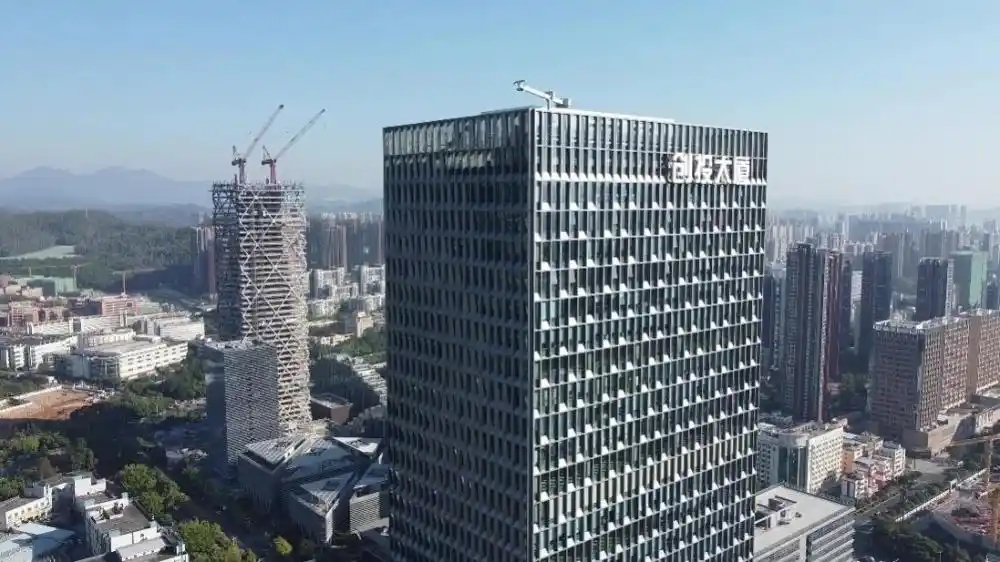
Dapu Micro's headquarters is located in the Venture Capital Building, Longgang District, Shenzhen
Interestingly, Dapu Micro's largest state-owned shareholder is not from Shenzhen, but from Nanjing.
In June 2020, Nanjing Qilin Venture Capital, a state-owned platform under the Nanjing Qilin Science and Technology Innovation Park, increased its investment in Dapu Micro by 80 million yuan, becoming the largest state-owned shareholder with a 5.18% stake.
Based on the latest market value calculation, Nanjing Qilin Venture Capital's paper profit exceeds 10 billion yuan, with an investment return approaching a hundredfold.
In addition, state-backed funds from western regions such as Guozhong Green Development (Guizhou), Guangxi Land-Sea New Channel Fund, Chengdu Bihong Venture Capital, Xi'an Guozhong Private Equity, and Guizhou Financial Product No. 1 Fund also reaped epic returns from early investments in Dapu Micro.
This is not an isolated case.
On June 26th, Huike Co., Ltd., a leading semiconductor display enterprise, officially listed on the main board of the Shenzhen Stock Exchange.
Huike Co., Ltd. is from Bao'an District, Shenzhen. Its shipment area for TV panels, monitor panels, and smartphone panels all rank among the global top five.
Huike Co., Ltd.'s issue price was 10.12 yuan per share. On its first trading day, it surged by 315%, and its current market value is close to 200 billion yuan.
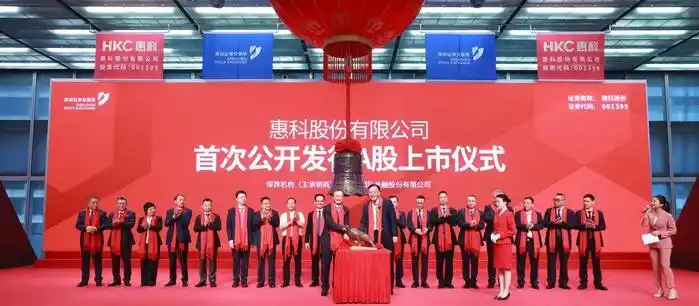
Huike Co., Ltd., headquartered in Bao'an District, Shenzhen, rings the bell for its listing
The prospectus shows that state-owned capital from Mianyang, Chuzhou, Gui'an, Chongqing, Changsha, and other places strategically invested in Huike Co., Ltd. successively.
Specifically—
Mianyang system, as the largest state-owned shareholder of Huike Co., Ltd., Miantou Group invested approximately 3.65 billion yuan cumulatively, with a paper profit exceeding 9 billion yuan.
Changsha Liuyang system, Hunan Jinyang Investment Group (the state-owned platform of Liuyang Economic Development Zone) and Liuyang Urban Construction invested a total of 1.88 billion yuan, with a paper profit exceeding 6 billion yuan.
Chongqing system, Chongqing Ping'an Fund converted 1.455 billion yuan in debt to equity, with a paper profit exceeding 5 billion yuan.
Gui'an system, Gui'an New District Industrial Development Company and Science Innovation City Fund invested a total of 3 billion yuan, with a paper profit close to 2 billion yuan.
Chuzhou system, contributed equity valued at 1.5 billion yuan, with a paper profit exceeding 2 billion yuan.
Due to differences in the timing of investment, investment costs, and methods, the return rates for state-owned capital from various regions vary from high to low.
Even affected by the recent significant stock price correction, state-owned capital from various regions still achieved paper returns exceeding threefold.
In addition to the two benchmark companies mentioned above, other Shenzhen enterprises that went public in the first half of the year, such as Haiqing Zhiyuan and Xingyuan Material, also have the presence of state-owned capital from multiple regions behind them.
Haiqing Zhiyuan, an industrial AI enterprise listed on the Hong Kong Stock Exchange on June 22nd, has shareholders including industrial funds from Chongqing, Suzhou, and other places.
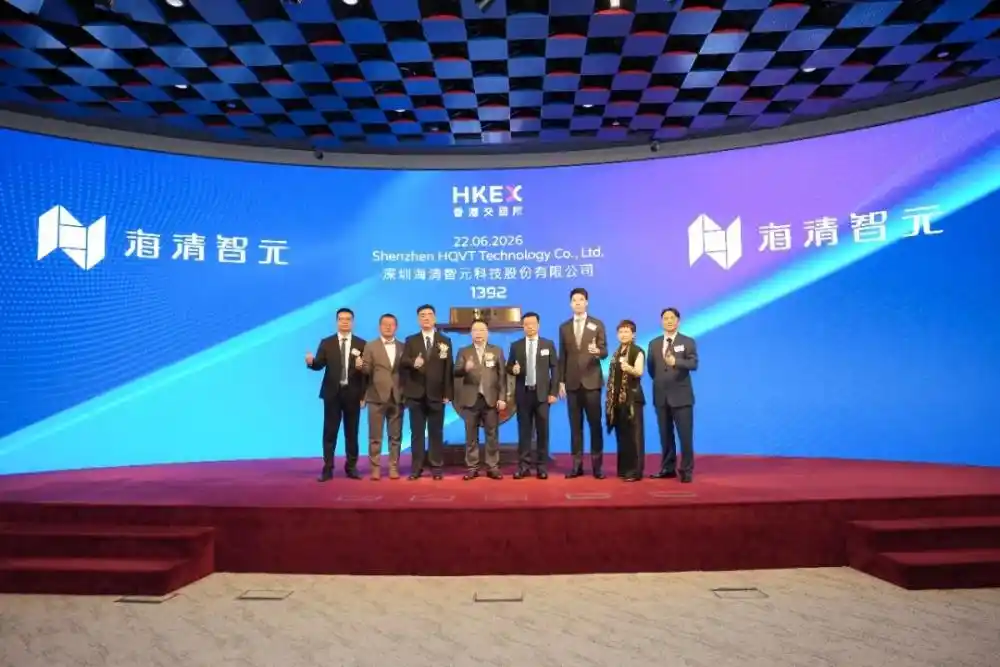
Haiqing Zhiyuan lists on the Hong Kong Stock Exchange
Xingyuan Material, a leading lithium battery separator company that completed its "A+H" layout on June 23rd, also saw value appreciation for state-owned capital from Changzhou, Hefei, and other places through early investments.
With the intensive listing of Shenzhen enterprises, cities across the country have achieved a great harvest of capital.
02
Betting on Shenzhen
Why are major cities across the country keen on investing in Shenzhen enterprises?
On one hand, Shenzhen has many listed companies with high quality.
In the first half of this year, over 90% of the 20 new domestic and overseas listed companies added by Shenzhen belong to strategic emerging industries and future industries.
These enterprises are deeply involved in sectors such as semiconductors, industrial AI, new-type displays, and new energy materials, precisely aligning with the direction of developing new quality productive forces, and possess substantial hard tech value.
For state-owned capital across the country, the scarcity of such targets is self-evident.
On the other hand, Shenzhen's top-notch innovation incubation ecosystem provides solid confidence for the high growth of enterprises.
In June of this year, the China Securities Regulatory Commission announced support for Shenzhen and four other cities to build the first batch of national pilot models for technology finance in capital markets.
As of mid-June, the total number of listed companies in Shenzhen has reached 611, with a total market value close to 20 trillion yuan. This impressive achievement stems from Shenzhen's top-tier innovation incubation ecosystem.
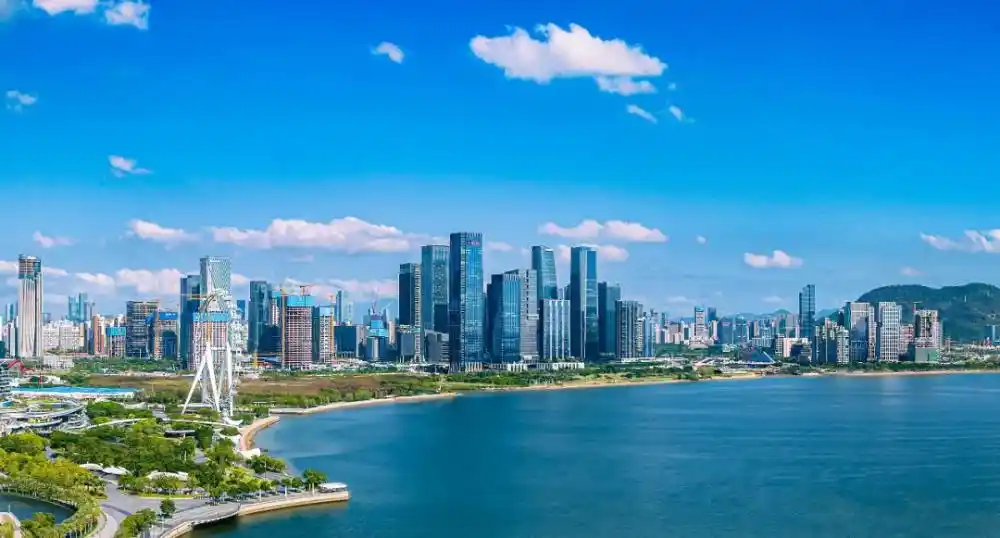
Shenzhen Special Economic Zone
Statistics show that Shenzhen adheres to long-term innovation investment, building a full-cycle capital cultivation system with hundred-billion-yuan government guidance funds and billion-yuan angel mother funds. There are over 500 various funds, with more than 90% of the capital invested in the "20+8" industrial clusters.
The Shenzhen Government Guidance Fund managed by Shenzhen Capital Group has cumulatively invested in over 3,500 projects, supporting 408 companies to achieve listing. As the first hundred-billion-yuan angel mother fund in China, the Shenzhen Angel Mother Fund has been deeply involved in early-stage tech innovation for 8 years, landing a total of 1,138 startup projects, successfully cultivating 6 unicorn companies with valuations exceeding $1 billion and 3 listed companies.
At the same time, Shenzhen has a complete industrial chain supporting system. From chip design and hardware manufacturing to market channels, enterprises can find complete upstream and downstream resources within Shenzhen, with R&D achievement conversion efficiency far exceeding that of other cities.
Benefiting from a mature capital system and a complete industrial chain supporting system, Shenzhen's tech innovation enterprises iterate technology rapidly, possess strong innovation vitality, have high listing certainty, and show outstanding potential for capital returns. Their growth speed and quality far surpass those of ordinary local enterprises in other cities.
The collective bet by cities nationwide on Shenzhen's tech innovation enterprises essentially reflects high recognition of Shenzhen's innovation cultivation capability, the hardcore value of its enterprises, and their long-term growth certainty.
Facts have proven that investing in Shenzhen enterprises is the right move!
By investing in high-quality Shenzhen tech innovation enterprises and achieving equity appreciation through IPOs, major cities can effectively revitalize existing state-owned assets, forming a virtuous cycle of 'fiscal capital injection — equity investment — listing exit — profit reinvestment,' finding a stable and high-potential path to increase fiscal revenue.
Zhengjieju notes that beyond capital returns, various regions also hope to strategically invest to bind themselves with Shenzhen's hard tech enterprises, guiding these enterprises to establish manufacturing bases locally.
The most representative case is Huike Co., Ltd.
As the largest state-owned shareholder of Huike Co., Ltd., Miantou Group invested approximately 3.65 billion yuan cumulatively, with a paper profit exceeding 9 billion yuan.
Almost simultaneous with the investment, in 2018, Huike's 8.6th generation panel production line landed in Mianyang, with a total investment of 24 billion yuan. It took only 549 days from groundbreaking to production. Subsequently, display module and upstream advanced material projects followed.
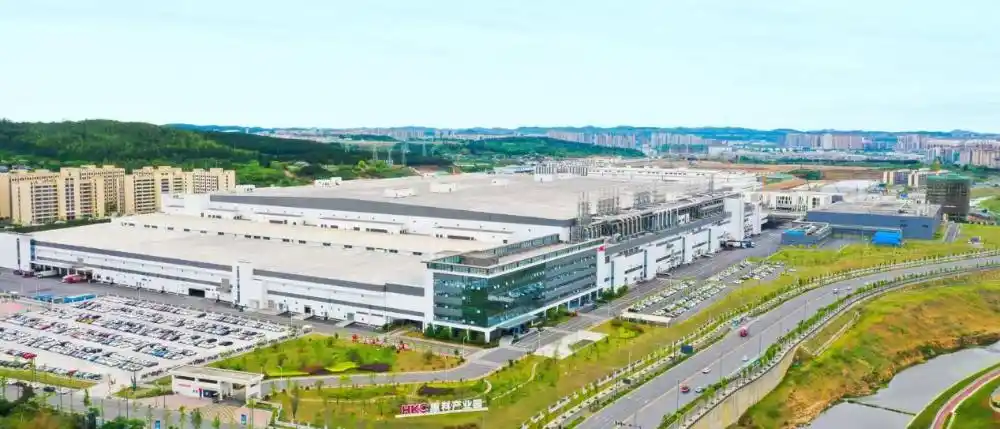
Huike Co., Ltd.'s Mianyang Production Base
Driven by Huike Co., Ltd., Mianyang has cumulatively attracted over 10 upstream and downstream supporting projects. In the past three years alone, it has introduced more than 20 new display industry projects, with a total investment exceeding 40 billion yuan. A complete industrial chain spanning raw materials, components, panel manufacturing, whole machine integration, and terminal applications has basically taken shape, accelerating the march towards a hundred-billion-yuan industrial cluster.
Chuzhou, Changsha Liuyang, and other places follow the same logic.
Chuzhou City Investment Group contributed the equity of the Chuzhou Huike factory, valued at 1.503 billion yuan, as investment into the parent company. In 2019, the Chuzhou Huike G8.6 generation line was lit and put into production, with a total investment of 24 billion yuan, the largest single industrial investment project in Chuzhou's history.
Changsha Liuyang invested a total of 1.88 billion yuan in Huike Co., Ltd. In 2021, the Changsha Huike G8.6 generation line was put into production, with a total investment of 28 billion yuan, a major industrial project under Hunan Province's "Five 100" project initiative.
Through investment, various regions have not only harvested capital returns but also attracted physical industries, ultimately achieving dual benefits of 'equity appreciation + industrial clusters.'
03
Regional Collaboration
Over the past few decades, investment competition between Chinese cities has often been about 'competing on who offers lower land prices, more subsidies, and greater tax incentives.'
To compete for projects, cities have vied to offer 'super-national treatment,' some even disregarding their own fiscal capacity, leading to vicious competition.
This 'bloody' style of investment attraction not only increased the burden on local finances but also fragmented the national unified market.
Under low-level vicious competition, problems like duplicated industrial layouts and overcapacity risks followed.
In August 2024, the "Fair Competition Review Regulations" officially came into effect, explicitly prohibiting tax incentives and differential subsidies without basis, legally declaring the end of 'involution-style' investment attraction.
The old path of 'exchanging money for projects' is unsustainable, pushing all cities to the same starting line.
A realistic question lies before medium and small-sized cities: lacking high-end talent and industrial clusters, how can they compete with first-tier cities?
The successful cases of cities across the country investing in Shenzhen's tech innovation enterprises have opened up a new line of thinking.
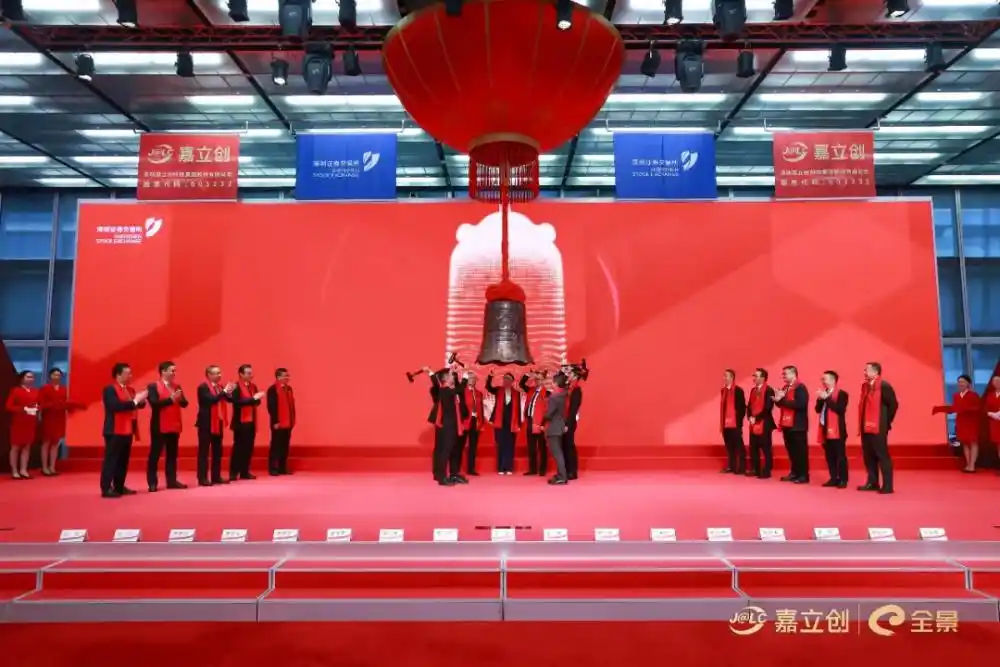
On August 4th, Jialichuang, located in Futian District, Shenzhen, was listed on the Shenzhen Stock Exchange main board
For medium and small-sized cities, in the past, developing high-end industries meant cultivating local leading enterprises from scratch, which was difficult, time-consuming, and had a low success rate.
Now, rather than spending heavily on 'making chips' or 'making cars' in areas where they lack advantage, it's better to share in the high-growth dividends of Shenzhen's tech innovation enterprises through equity investment.
They can gain real capital returns while also securing the landing of enterprise production capacity through investment agreements, filling the local gap in high-end manufacturing, achieving dual upgrades in both industry and capital.
Like Mianyang and Chuzhou investing in Huike Co., Ltd., becoming shareholders while also attracting production bases, killing two birds with one stone.
For Shenzhen, it's also a good thing.
The influx of national capital provides local tech innovation enterprises with more充足的 (abundant) ammunition for funds, accelerating their technology R&D and market expansion.
At the same time, as enterprises deploy production capacity outward, Shenzhen can focus on high-value-added segments like R&D, headquarters, and capital, further strengthening its core advantages in innovation.
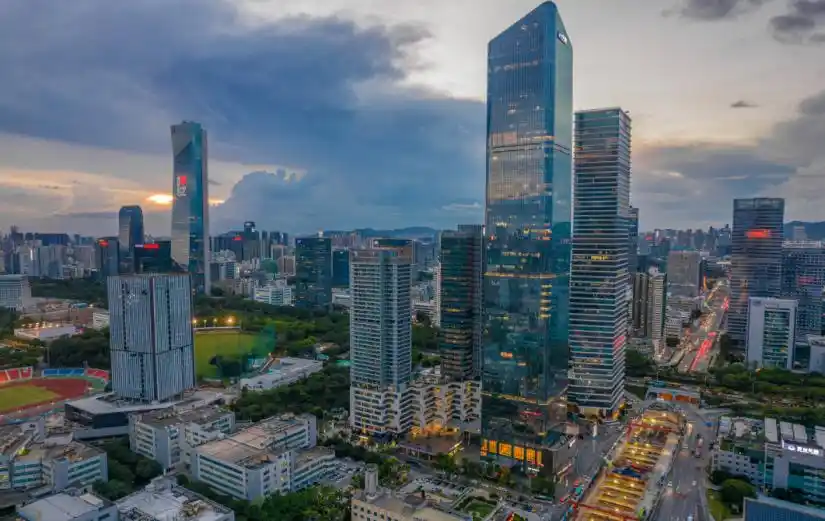
Yuehai Street in Nanshan District, Shenzhen,聚集 (gathers) tech giants like Tencent, ZTE, and DJI, known as "China's Most Awesome Street"
For tech innovation enterprises, relying on Shenzhen's complete innovation ecosystem to continuously iterate technology while deploying large-scale manufacturing bases nationwide allows them to balance R&D hubs with low-cost production spaces, forming a division of labor pattern of 'R&D in Shenzhen, manufacturing nationwide,' leading to a smoother development path.
The regional collaborative model of 'Shenzhen Cultivates, the Nation Invests, Multiple Locations Land, Shared Benefits' has thus emerged!
The most ingenious aspect of this model is that it replaces administrative subsidy tug-of-wars with market-based equity ties, allowing regional collaboration to move from 'zero-sum game' to 'win-win共生 (symbiosis).'
This concept of win-win共生 is consistent with the core of the Asia-Pacific Economic Cooperation (APEC).
Since its inception, APEC has been underpinned by the spiritual foundation of 'openness, inclusiveness, mutual benefit, and win-win.'
It advocates for economies to break down tariff barriers, eliminate trade frictions, and achieve common prosperity through connectivity.
For over 30 years, APEC has consistently strived to seek consensus amidst differences and promote cooperation through competition.
APEC advocates open cooperation between nations; Shenzhen practices synergistic共生 between cities.
The scale is different, but the logic相通 (is interconnected).
The regional collaborative model of 'Shenzhen Cultivates, the Nation Invests, Multiple Locations Land, Shared Benefits' has become a微观 (microcosmic) yet powerful sample of China practicing APEC's concepts and promoting regional coordinated development.
This November, the 33rd APEC Economic Leaders' Meeting will be held in Shenzhen.
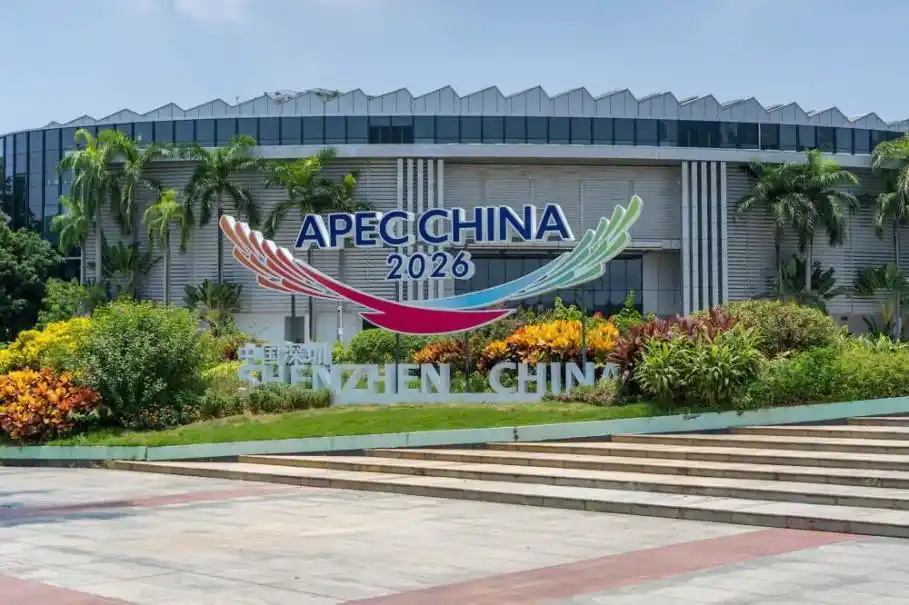
APEC Enters 'Shenzhen Time'
The reason Shenzhen has become the host for the third time lies precisely in this city's growth trajectory.
From a frontier town to an innovation capital, Shenzhen's growth is the best footnote for open cooperation and mutual benefit.
In 100 days, let's meet in Shenzhen to experience China's innovation and vitality.
This article is from the WeChat public account "Zhengjieju" (ID: zhengjieclub), author: Zhengjieju