$SEA token delayed: OpenSea chooses market timing over a rushed launch

ambcryptoОпубліковано о 2026-03-17Востаннє оновлено о 2026-03-17

Анотація

OpenSea has delayed the launch of its $SEA token, citing challenging market conditions across the crypto sector. CEO Devin Finzer emphasized that the token "only launches once," and the company prefers to wait for a more favorable environment rather than rushing the release during a period of weak market sentiment. To maintain user engagement, OpenSea is implementing several interim measures: cutting trading fees to 0% for 60 days, offering fee refunds to eligible users (who must forfeit earned "Treasures" points), and discontinuing its "Waves" rewards system in favor of a clearer timeline from the OpenSea Foundation. The decision reflects the current state of the NFT market, which, despite some recent growth, remains significantly smaller and less liquid than during its 2021 peak. With the broader crypto market also experiencing a slowdown—evidenced by the Fear and Greed Index lingering in the "fear" zone—OpenSea aims to launch $SEA only when both platform and market conditions improve.

In crypto, timing can make or break a project and can decide whether a new launch succeeds or fails. Many in the NFT community expected the 30th of March to be the launch day of OpenSea’s long-awaited $SEA token.

However, OpenSea CEO Devin Finzer has delayed the launch, saying,

Market conditions are challenging across crypto right now, and $SEA only launches once.

The reason behind the $SEA token delay

Elaborating on the issue, Finzer took to X and noted,

@openseafdn is pushing back the timeline. a delay is a delay. i’m not going to dress it up, and i know how it lands.

Instead of rushing the launch during a weak market, OpenSea is taking several steps to keep users engaged.

First, the platform will cut trading fees to 0% for 60 days starting on the 31st of March. This move aims to boost activity and attract users to its mobile app and perpetual Futures platform.

Second, OpenSea is offering fee refunds to users who traded during Rewards Waves 3 to 6. However, users who claim the refund must give up the “Treasures” points they earned.

Third, OpenSea will end the “Waves” rewards system. Instead, the company plans to move away from constant point-farming campaigns and follow a clearer timeline set by the OpenSea Foundation.

OpenSea CMO supports the decision

Standing in support of Finzer, Adam Hollander, CMO of OpenSea, added,

I’ve been a CEO before. the hardest decisions are those which are painful in the short-term and require deep conviction in your vision...there aren’t many CEOs who, when presented with the same situation, would decide to give back millions rebuild trust with their users.

That said, OpenSea’s decision to delay the $SEA token is closely linked to the current state of the NFT market. The industry has matured, but it has also become much smaller and less liquid compared to the 2021 boom.

The NFT market faces weak market sentiment

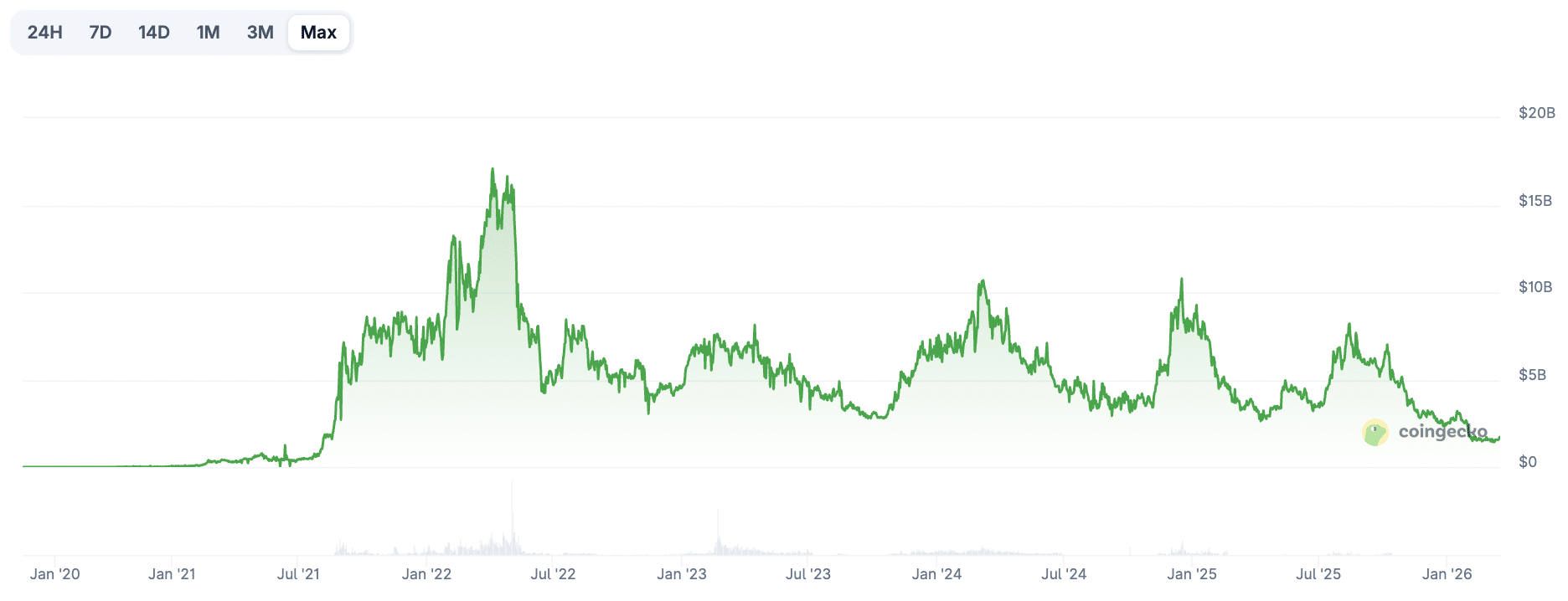
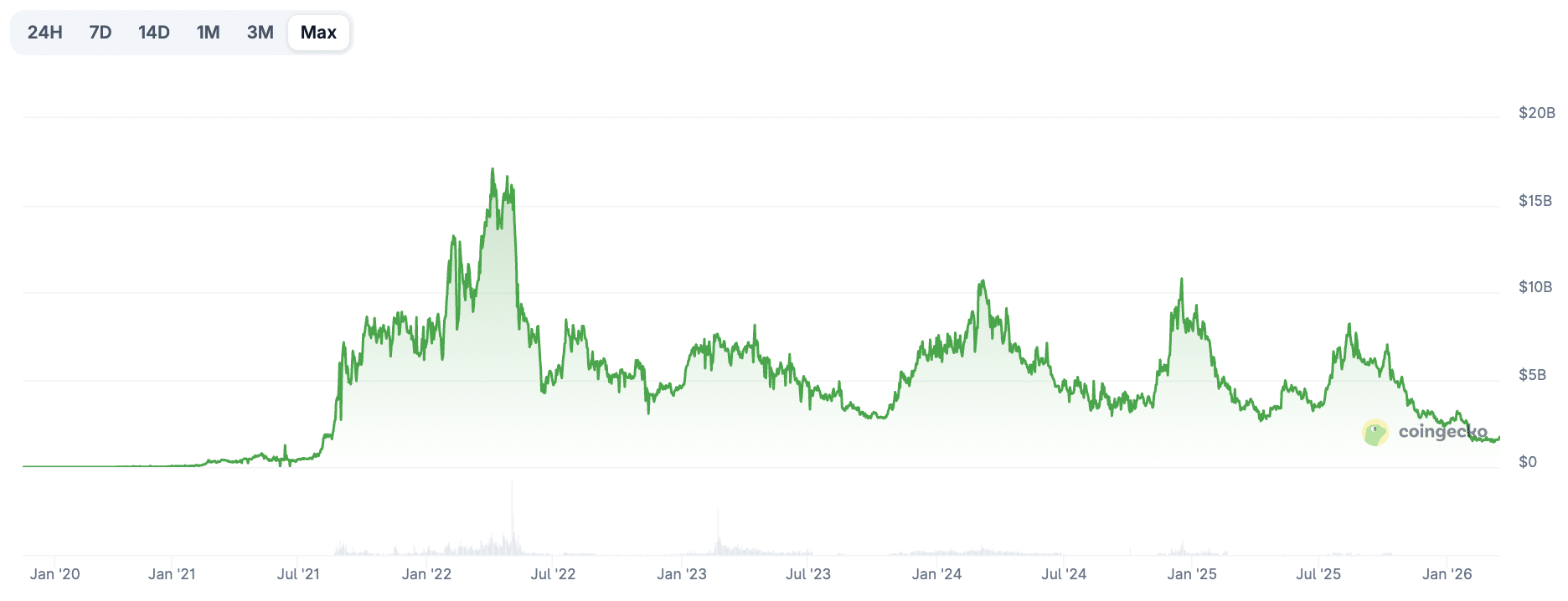
Presently, the global NFT market cap is around $1.75 billion, which is far below the levels seen during the peak of the NFT craze.
Source: Coingecko

The NFT market cap has risen by about 4% in a day, but still, daily sales volume of around $1.73 million shows that trading activity is still limited.
Source: Coingecko

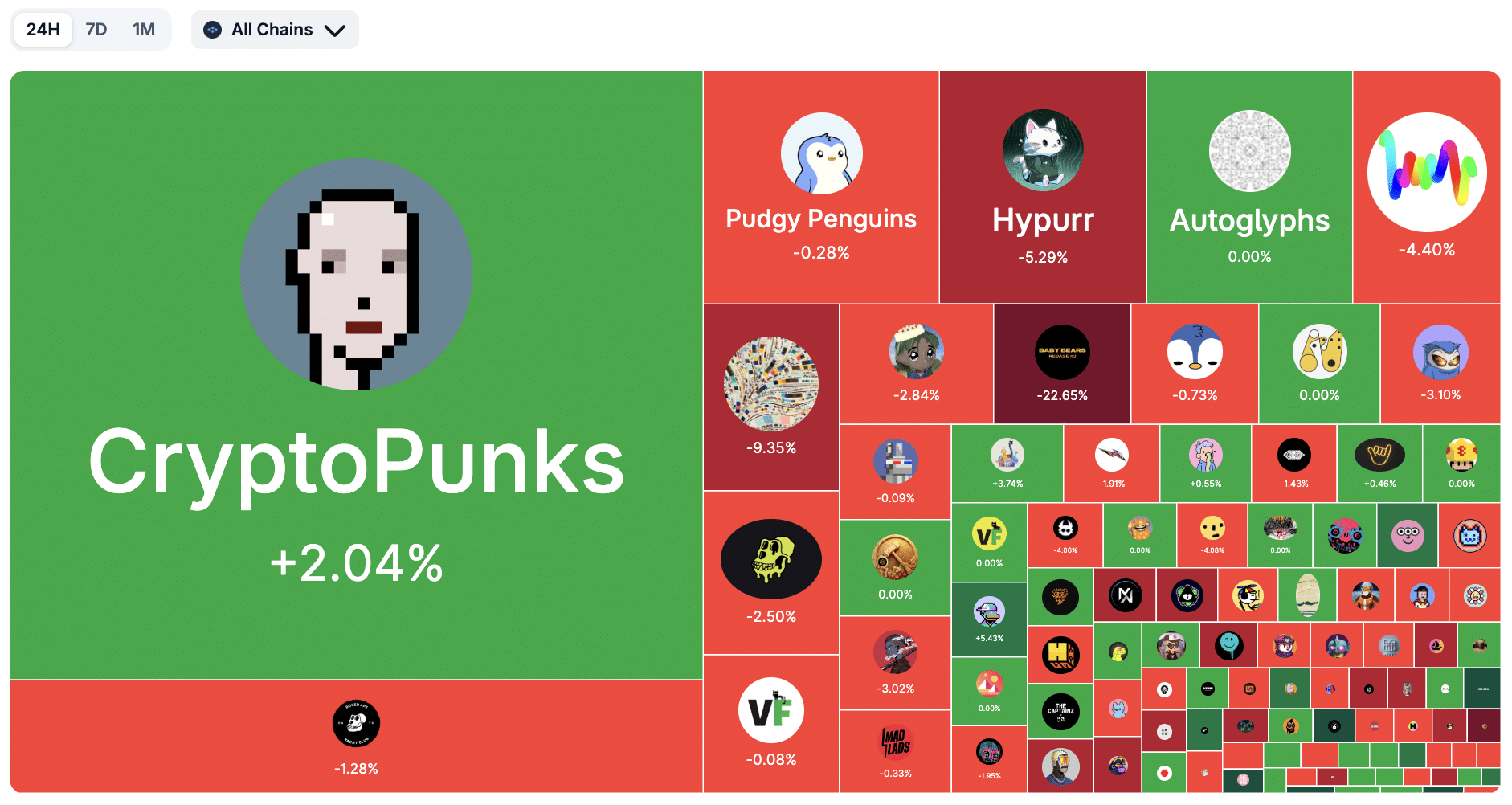
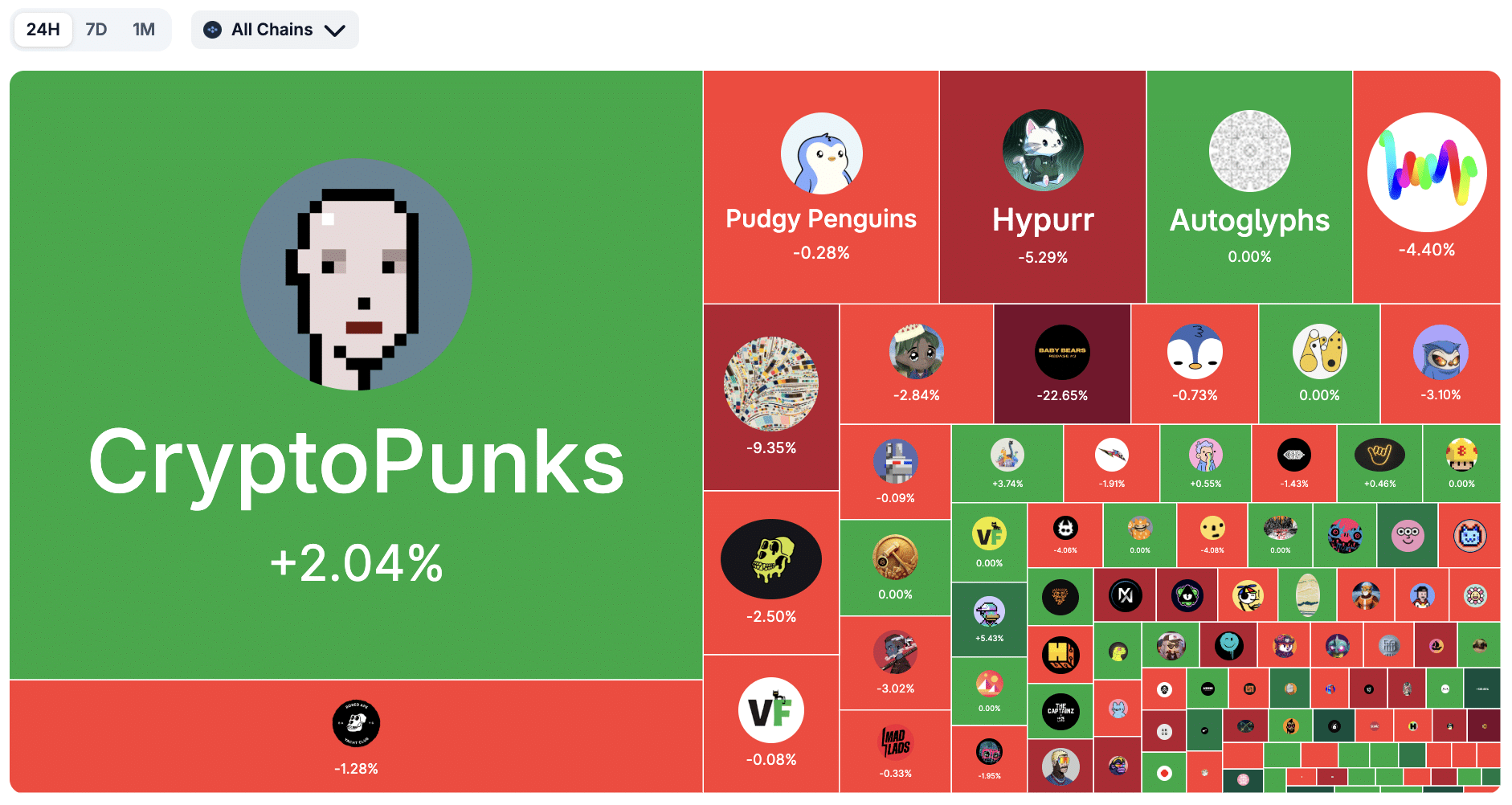
Although trading volume has increased by 39.1%, most activity remains concentrated in a few well-known NFT collections.

As a result, the market shows fast trading but limited depth, with only a small number of assets attracting strong demand.

Well, this trend is not just limited to NFTs alone. The broader crypto market is also facing a slowdown. Notably, the crypto Fear and Greed Index reflects this cautious sentiment, remaining in the ‘fear’ zone, although it has slightly recovered from earlier ‘extreme fear’ levels.
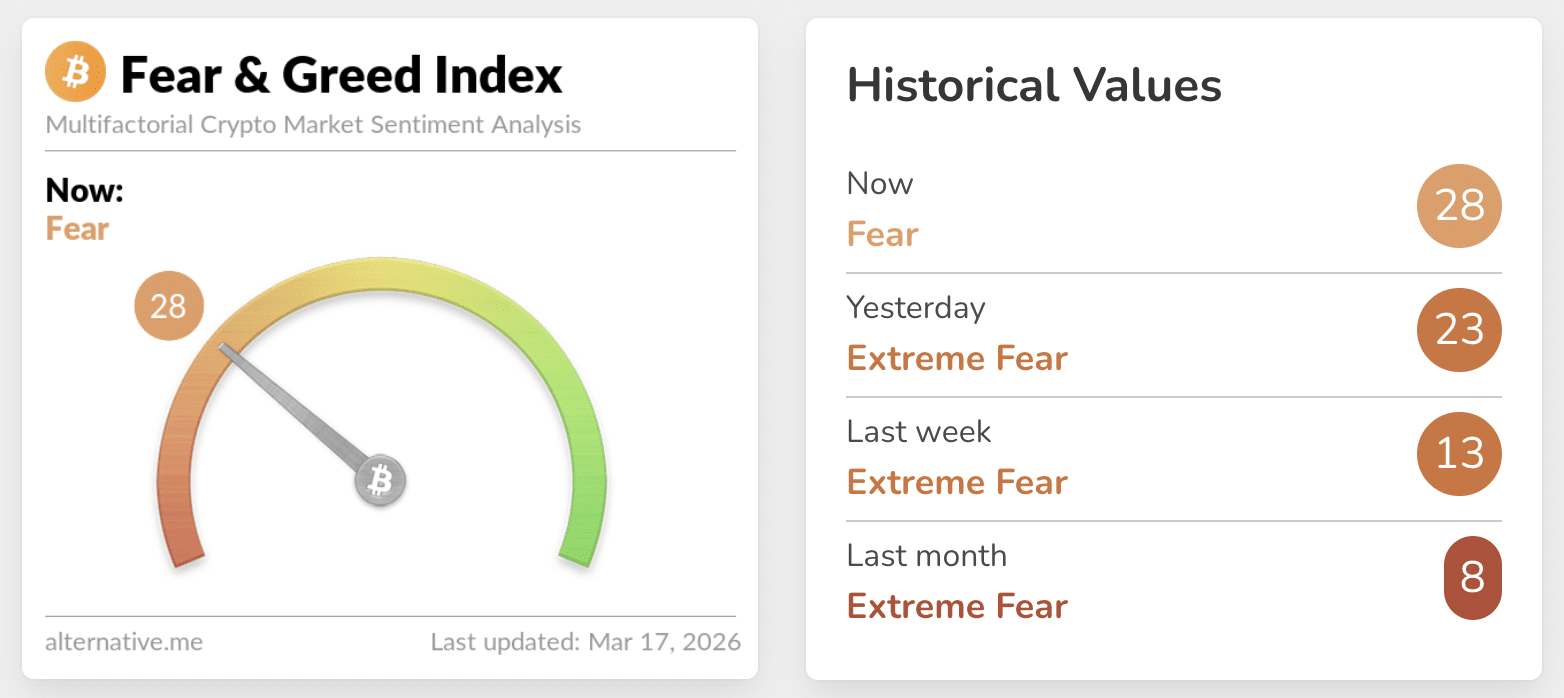
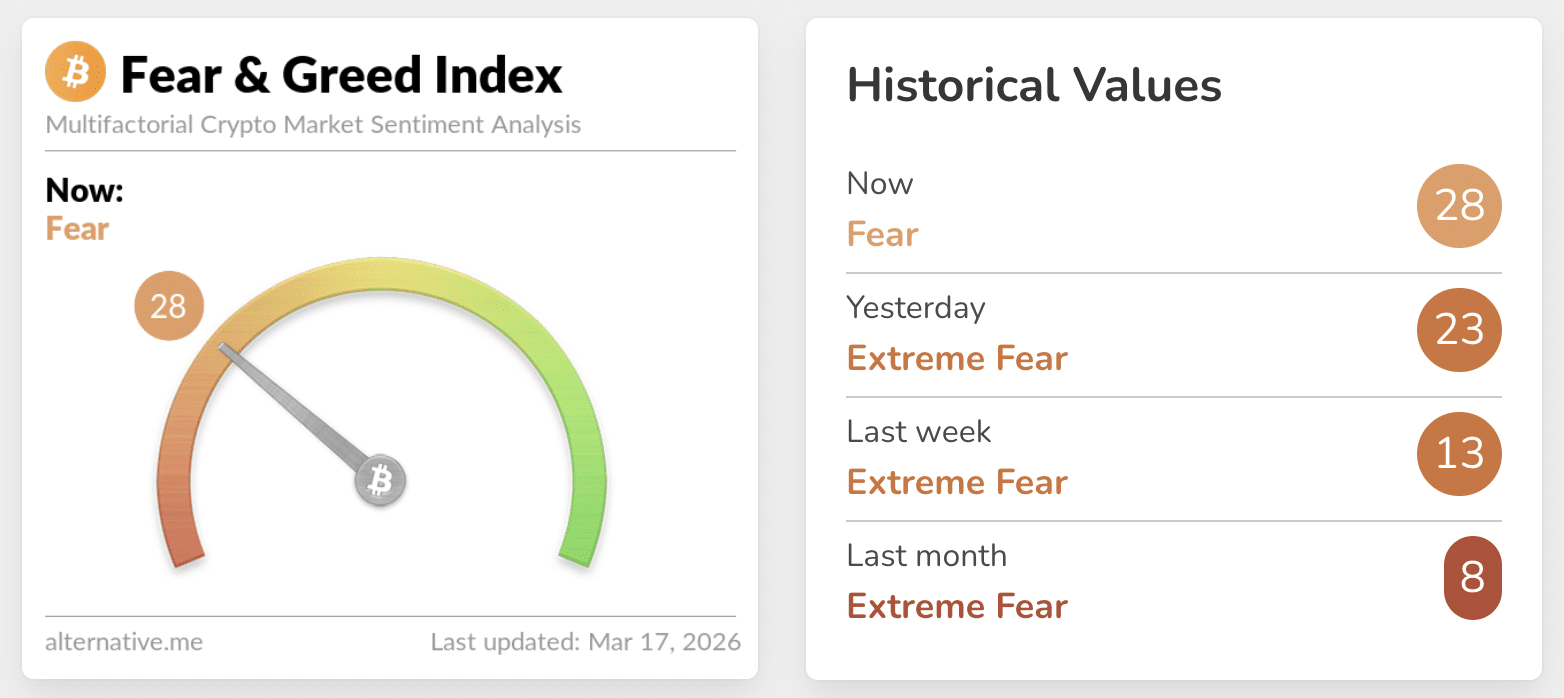
Source: Alternative

By postponing the launch, the company may be trying to avoid releasing a major token during a period when there isn’t enough buying demand in the market.

Simply put, OpenSea plans to launch $SEA only when both the platform and market conditions improve.


Final Summary

  • OpenSea’s decision to delay the $SEA token shows the importance of launching a token when market demand is strong.
  • Compared to the boom of 2021, the NFT sector is now smaller and less liquid, forcing platforms to rethink their strategies.


Пов'язані питання

QWhy did OpenSea delay the launch of the $SEA token?

AOpenSea delayed the launch due to challenging market conditions across the crypto space, as the company believes the $SEA token only launches once and wants to ensure it happens when market demand is strong.

QWhat steps is OpenSea taking to keep users engaged during the delay?

AOpenSea is cutting trading fees to 0% for 60 days, offering fee refunds to users who traded during Rewards Waves 3 to 6 (in exchange for forfeiting 'Treasures' points), and ending the 'Waves' rewards system to follow a clearer timeline set by the OpenSea Foundation.

QHow does the current NFT market cap compare to its peak levels?

AThe current global NFT market cap is around $1.75 billion, which is far below the levels seen during the peak of the NFT craze in 2021.

QWhat does the Crypto Fear and Greed Index indicate about current market sentiment?

AThe Crypto Fear and Greed Index remains in the 'fear' zone, reflecting cautious sentiment in the broader market, though it has slightly recovered from earlier 'extreme fear' levels.

QHow did OpenSea's CMO justify the decision to delay the token launch?

AOpenSea's CMO Adam Hollander supported the decision, stating that it requires deep conviction in the company's vision and that few CEOs would choose to give back millions to rebuild trust with users despite short-term pain.

Пов'язані матеріали

The Largest IPO in History Is Approaching, Surpassing SpaceX, 28 Years of AI Self-Iteration, Countdown to Intelligence Explosion

"Anthropic Nears Trillion-Dollar IPO, Fueled by Explosive Growth and 2028 'Intelligence Explosion' Warning Anthropic is considering a deal valuing the AI company near $1 trillion, potentially leading to one of the largest IPOs ever and surpassing SpaceX. Its revenue has skyrocketed, with Annual Recurring Revenue (ARR) reaching $45 billion in May 2026—a 500% increase in just five months. This vertical growth curve is attributed to its key products, Claude Code and Cowork, dominating AI coding and enterprise collaboration. Beyond commercial success, co-founder Jack Clark issued a pivotal warning in an interview: there is a greater than 50% chance that by the end of 2028, AI systems will achieve recursive self-improvement—the ability to autonomously build a 'better version' of themselves, initiating an 'intelligence explosion.' This prophecy underpins the company's astronomical valuation, as the market prices in the potential for transformative and disruptive AI. Further signaling its ambition, Anthropic formed a $1.5 billion joint venture with Goldman Sachs and Blackstone, aiming to disrupt traditional consulting firms like McKinsey by deploying Claude AI for complex strategic work. This move tests AI's capacity to replace high-level cognitive labor, a precursor to its predicted autonomous evolution. The narrative presents a dual future: unprecedented economic opportunity alongside significant risks like economic restructuring and security threats. Anthropic's meteoric rise and Clark's 2028 prediction frame the coming years as a countdown to a potential technological singularity."

marsbit11 хв тому

The Largest IPO in History Is Approaching, Surpassing SpaceX, 28 Years of AI Self-Iteration, Countdown to Intelligence Explosion

marsbit11 хв тому

Has Hook Summer Really Arrived? sato, Lo0p, FLOOD Ignite the New Narrative of Uniswap v4

"Hook Summer" Arrives? Sato, Lo0p, FLOOD Ignite Uniswap v4 Narrative Amidst a slight market recovery, attention within the Ethereum ecosystem has shifted to Meme coins built on Uniswap v4's Hook protocol. Following ASTEROID, tokens like sato, sat1, Lo0p, and FLOOD have become market focal points, with market caps ranging from millions to tens of millions, bringing concentrated liquidity to a narrative-dry market. Uniswap v4 Hooks are "plugin smart contracts" that allow developers to inject custom logic at key points in a liquidity pool's lifecycle (initialization, adding/removing liquidity, swaps, etc.), making the AMM programmable. Recent representative projects include: * **sato**: Market cap peaked over $38M; uses a v4 curve mechanism for minting/burning, locking ETH as reserve. * **sat1**: Market cap briefly exceeded $10M, positioning as an "optimized sato," but later declined significantly. * **Lo0p**: Market cap neared $6.6M; a "lending AMM protocol" allowing users to borrow ETH against deposited LO0P tokens without immediate selling pressure. * **FLOOD**: Market cap approached $6M; channels trading reserves into Aave v3 to generate yield, which is retained in the pool. The emergence of these Hook-based tokens could drive long-term growth for the Uniswap ecosystem by attracting users and liquidity to v4 pools. Combined with Uniswap's activated fee switch (partially used to burn UNI), the long-term outlook for UNI appears positive. However, short-term UNI price appreciation is not directly guaranteed. Factors include the sustainability and lifecycle of these new tokens, their price volatility, overall market conditions, and regulatory pressures. Currently, Uniswap v4's TVL ($595M) lags behind v3 and v2, indicating Hook adoption still requires time to mature. In summary, the Hook ecosystem serves as "long-term nourishment" for UNI, but acts more as a "catalyst" than a direct "booster" in the short term. Note: These are early-stage experimental tokens and may carry unknown risks.

marsbit37 хв тому

Has Hook Summer Really Arrived? sato, Lo0p, FLOOD Ignite the New Narrative of Uniswap v4

marsbit37 хв тому

Has Hook Summer Truly Arrived? sato, Lo0p, FLOOD Ignite the New Uniswap v4 Narrative

With the broader market showing signs of recovery, a new wave of interest has emerged around Ethereum-based meme coins. Following ASTEROID, tokens like sato, sat1, Lo0p, and FLOOD, built upon the Uniswap v4 Hook protocol, are capturing market attention. Their market capitalizations range from millions to tens of millions of dollars, injecting much-needed focused liquidity into a market lacking narratives. This article explores whether this trend signifies an incoming "Hook Summer" and its potential impact on UNI's price. Hooks are essentially plug-in smart contracts for Uniswap v4 liquidity pools, allowing developers to inject custom logic at key points in a pool's lifecycle (like initialization, adding/removing liquidity, swaps). This transforms the AMM into programmable building blocks. Key highlighted projects include: * **sato**: Peaked over $38M market cap. It utilizes a v4 curve for minting/burning; buying locks ETH as reserve to mint new tokens, while selling redeems ETH from the reserve and burns tokens. * **sat1**: Market cap briefly exceeded $10M, promoted as an "optimized sato," but later declined significantly. * **Lo0p**: Reached nearly $6.6M. It's a lending AMM protocol where buying LO0P tokens locks them as collateral, allowing users to borrow ETH from the pool reserve at 40% LTV, aiming to improve capital efficiency for idle ETH in LPs. * **FLOOD**: Peaked near $6M. Its mechanism directs asset reserves from buys into Aave v3 to generate yield, with fees and interest retained in the pool to potentially influence the token's price long-term. In the long term, the development of the Hook ecosystem can attract users and liquidity to Uniswap v4, benefiting UNI's fundamentals—especially combined with the recent activation of the protocol fee switch, where a portion of fees is used to burn UNI. However, in the short term, these Hook-based tokens are unlikely to directly drive significant UNI price appreciation. Their impact is moderated by factors like token sustainability, price volatility, and broader market and regulatory conditions. Currently, Uniswap v4's TVL ($595M) still trails behind v2 and v3, indicating adoption and growth will take time. The article concludes that while the Hook ecosystem provides long-term "nourishment" for UNI, its short-term role is more of a "catalyst" than a "booster." Readers are cautioned that these are early-stage experimental tokens and may carry unknown risks.

Odaily星球日报49 хв тому

Has Hook Summer Truly Arrived? sato, Lo0p, FLOOD Ignite the New Uniswap v4 Narrative

Odaily星球日报49 хв тому

Торгівля

Спот
Ф'ючерси
活动图片




