Recent Regulatory Positive Developments from the U.S. SEC and OCC: What Impact Will Policy Trends Have?

marsbitОпубліковано о 2025-12-14Востаннє оновлено о 2025-12-14

Анотація

The U.S. SEC has granted a no-action letter to the Depository Trust Company (DTC), allowing it to tokenize a range of high-liquidity assets—including stocks, ETFs, and U.S. Treasuries—on approved blockchains under controlled conditions. This initiative, expected to launch in late 2026, aims to bridge TradFi and DeFi, enhancing market efficiency, transparency, and accessibility. Simultaneously, the OCC has clarified that crypto-native firms seeking federal banking charters will be evaluated on equal footing with traditional institutions, emphasizing that digital asset activities, including custody services, fall within the permissible scope for national trust banks. Both moves signal a structured yet progressive U.S. regulatory approach toward integrating blockchain technology into the core financial system, potentially setting global standards for digital finance.

Author: Deng Tong, Golden Finance

On December 11, 2025, the Depository Trust Company (DTC) received a no-action letter from the U.S. Securities and Exchange Commission (SEC), permitting it to tokenize some of its custodial assets. DTC aims to leverage blockchain technology to connect traditional finance (TradFi) and decentralized finance (DeFi), thereby building a more resilient, inclusive, and efficient global financial system. Previously, the U.S. Office of the Comptroller of the Currency (OCC) issued Interpretive Letter 1188, confirming that national banks can engage in permissible banking activities related to risk-free principal crypto asset transactions.

This article focuses on the recent regulatory actions by the U.S. SEC and OCC.

I. SEC: DTCC Can Tokenize Stocks, Bonds, and Treasury Securities

Yesterday, the Depository Trust & Clearing Corporation (DTCC) announced that its subsidiary, the Depository Trust Company (DTC), has received a no-action letter (NAL) from the U.S. Securities and Exchange Commission (SEC), authorizing it to provide a new service under the federal securities laws and regulations, within a controlled production environment, for tokenizing real-world assets held by DTC. DTC expects to begin rolling out this service in the second half of 2026.

The no-action letter authorizes DTC to provide tokenization services for DTC participants and their clients on pre-approved blockchains for a period of three years. According to the no-action letter, DTC will be able to tokenize real-world assets, with the digital versions enjoying the same rights, investor protections, and ownership as traditional assets. Additionally, DTC will provide the same high level of resilience, security, and robustness as traditional markets.

The authorization applies to a range of specific high-liquidity assets, including the Russell 1000 Index (representing the 1,000 largest U.S. publicly traded companies by market capitalization), ETFs tracking major indices, and U.S. Treasury bills, bonds, and notes. This no-action letter is significant because it allows DTC, subject to specific limitations and declarations, to launch the service more quickly than otherwise possible once the service is finalized.

The SEC's no-action letter is a key enabler for the company's broader strategy to advance a secure, transparent, and interoperable digital asset ecosystem, fully leveraging the potential of blockchain technology.

Frank LaSala, President and CEO of DTCC, stated: "I would like to thank the U.S. Securities and Exchange Commission (SEC) for their trust. The tokenization of U.S. securities markets promises numerous transformative benefits, such as collateral liquidity, new trading models, 24/7 access, and programmable assets, but this can only be achieved if market infrastructure lays a solid foundation for this new digital era. We are very excited to have this opportunity to further empower the industry, our participants, and their clients, and to drive innovation. We look forward to collaborating with all parties in the industry to safely and reliably achieve the tokenization of real-world assets, thereby advancing the future of finance for generations to come."

To support this strategy, DTCC's tokenization solution will enable DTC participants and their clients to utilize comprehensive tokenization services supported by the DTCC ComposerX platform suite. This will allow DTC to create a unified liquidity pool within both traditional finance (TradFi) and decentralized finance (DeFi) ecosystems and build a more resilient, inclusive, cost-effective, and efficient financial system.

According to the no-action letter, DTC is permitted to provide limited production environment tokenization services on L1 and L2 providers. DTCC will provide more details in the coming months regarding onboarding requirements (including wallet registration) and the L1 and L2 network approval process.

SEC Chairman Atkins noted: On-chain markets will bring greater predictability, transparency, and efficiency to investors. DTC participants can now transfer tokenized securities directly to the registered wallets of other participants, and these transactions will be tracked by DTC's official records. This initiative by DTC marks a significant step towards on-chain capital markets. I am pleased to see the benefits this program brings to our financial markets and will continue to encourage market participants to innovate to advance our move towards on-chain settlement. But this is just the beginning. I look forward to the SEC considering granting innovation exemptions, allowing innovators to leverage new technologies and business models to begin transitioning our markets on-chain without being burdened by cumbersome regulatory requirements.

II. OCC: Crypto Companies Obtaining Bank Charters to Be Treated Equally with Other Financial Institutions

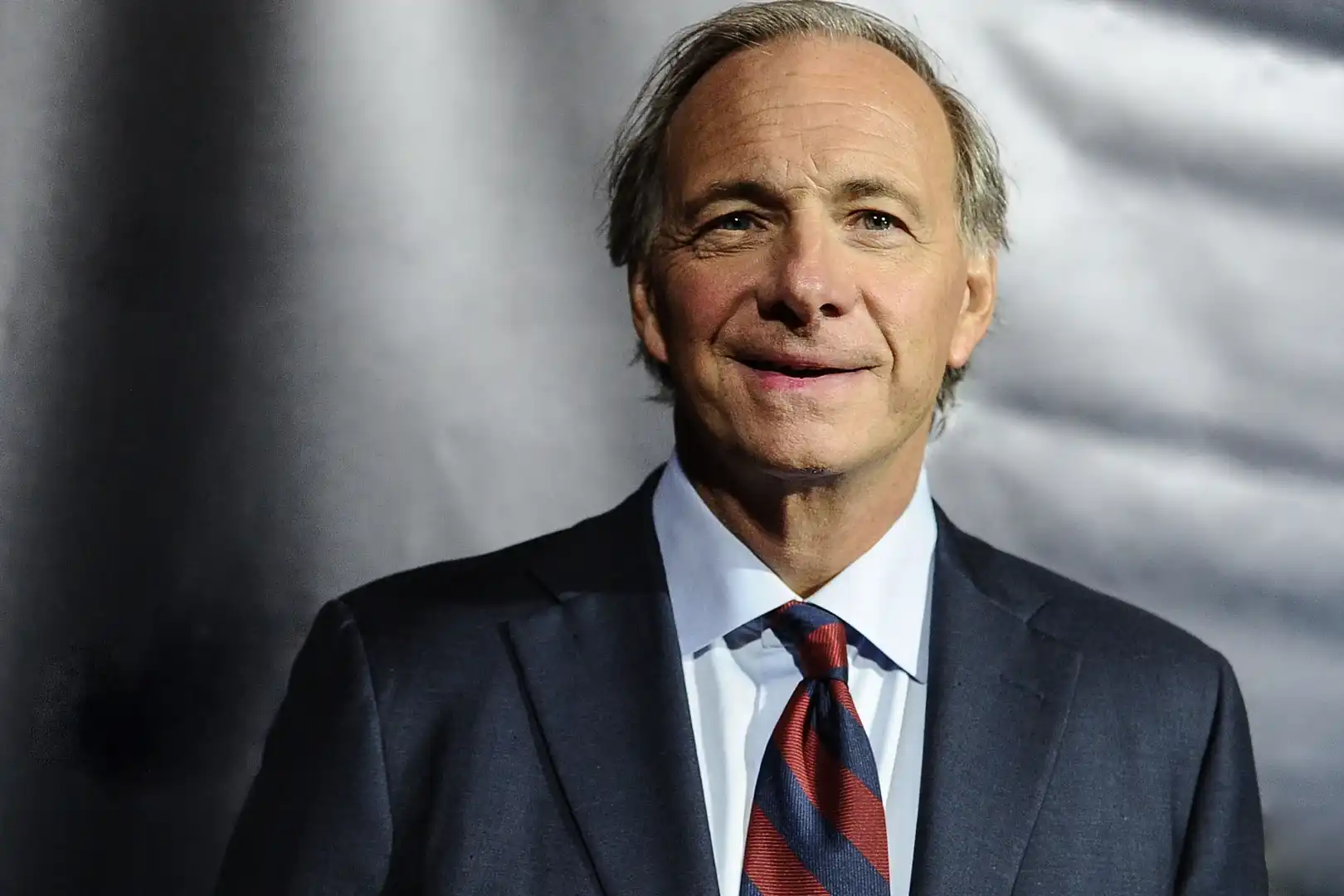
On December 8, U.S. Comptroller of the Currency Jonathan Gould stated that cryptocurrency companies seeking to obtain a U.S. bank charter should be treated the same as other financial institutions.

So far this year, the OCC has received 14 applications to establish new banks, "including some from entities engaged in novel or digital asset activities," which is almost on par with the number of similar applications the OCC received in the past four years. "The chartering system helps ensure the banking system keeps pace with financial developments and supports the modern economy. Therefore, institutions engaged in digital assets and other emerging technologies should have the opportunity to become federally regulated banks."

The regulator "receives letters from existing national banks almost daily, informing us of exciting innovative products and service initiatives they are launching themselves. All of this strengthens my confidence in the OCC's ability to effectively regulate new entrants as well as new business lines of existing banks in a fair and impartial manner."
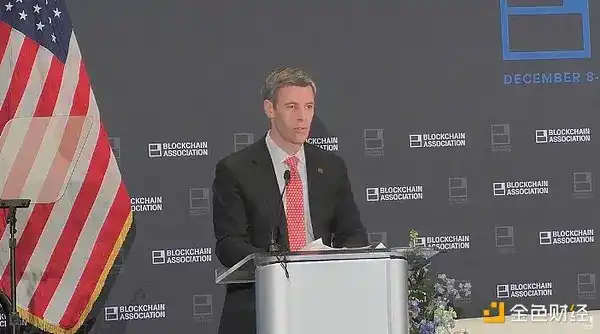
U.S. Comptroller of the Currency Jonathan Gould speaking at the 2025 Blockchain Association Policy Summit. Source: YouTube

III. What Impact Will the Policy Trends of the SEC and OCC Have?

With DTC approved to tokenize core assets like stocks, bonds, and ETFs on-chain, real-world assets are being formally integrated into the U.S. federal securities system. This means that core asset classes in traditional financial markets will have "native versions" on the blockchain in the future, enjoying the full legal rights of traditional assets; The OCC's clear statement that institutions engaged in digital asset businesses can apply for federal bank charters on an equal basis with traditional institutions means the crypto industry has, for the first time, a formal path to enter the "compliant core layer" of the U.S. banking system; The regulatory trends of the SEC and OCC are, in fact, part of the U.S. competition to set global standards for digital finance. As blockchain technology becomes financial infrastructure, the U.S. is adopting a model similar to the internet era: dominating global rule-setting through institutional and regulatory frameworks.

Appendix 1: Main Content of Gould's Speech:

Among the applications currently submitted to the OCC, several are for new national trust banks or banks wishing to convert to national trust banks. This growth indicates healthy market competition, reflects a commitment to innovation, and should be encouraging to all of us. The number of applications has returned to the OCC's normal level, consistent with past experience and practice.

Since the 1970s, the OCC has been responsible for chartering national trust banks, a power explicitly granted to the Administrator of National Banks (ANB) by Congress in 1978. Currently, the OCC regulates approximately 60 national trust banks. Some banks and their industry associations have expressed concerns about some pending applications. They argue that approving these applications would violate OCC precedent, as it would allow national trust banks to engage in non-fiduciary custodial activities.

What they fail to acknowledge is that for decades, the OCC has allowed national trust banks to engage in non-fiduciary custodial activities. In fact, prohibiting national trust banks from engaging in non-fiduciary activities would not only threaten the dynamic development of the federal banking system but also disrupt over a trillion in traditional business of existing national trust banks.

According to relevant regulations, national trust banks must limit their business activities to the operation of trust companies and their related activities. Despite recent claims to the contrary, non-trust activities, particularly custody and safekeeping, have been fully within their authorized business scope since the OCC began issuing national trust bank charters.

In fact, most national trust banks are already engaged in this business, including uninsured national trust banks that are subsidiaries or affiliates of full-service insured national banks or insured state banks. In the third quarter of this year, national trust banks reported that the scale of non-fiduciary custody or safekeeping assets under their management was close to $2 trillion, accounting for about 25% of their total managed assets.

Therefore, if non-fiduciary custody and safekeeping services were deemed unacceptable for pending charter applications, the legality of existing and mature national trust bank operations would also need to be re-evaluated, thereby disrupting the flow of funds in existing economic activities. Although the proposed business of some new charter applicants (particularly those in the digital or fintech space) may be considered new for national trust banks, custody and safekeeping services have been conducted electronically for decades.

For example, various banks, including existing national trust banks, typically hold corporate tickets and client custodianship electronically. Therefore, there is no reason to treat digital assets differently. Furthermore, we should not confine banks (including existing national trust banks) to past technologies or business models.

This is tantamount to decline. The business activities of national trust banks have changed, as have those of other banks across the country. State trust companies are currently also involved in activities related to digital assets. For example, several states, including New York and South Dakota, have authorized their trust companies to provide digital asset-related services to clients, including custody services.

Some existing banks/credit associations have also expressed concerns about potential unfairness or believe the OCC lacks the supervisory capacity to oversee the new activities proposed by current applicants. These concerns could hinder innovative initiatives that could better serve bank customers and support local economies.

As I mentioned earlier, the OCC has been regulating the activities of national trust banks for decades and ensures that both fiduciary and non-fiduciary activities (involving asset management worth millions of dollars) are conducted in a safe and sound manner and in accordance with applicable laws.

The OCC has years of experience supervising a crypto-native bank—a national trust bank—and receives feedback from existing national banks on their innovative products and services almost daily. All of this enhances my confidence in the agency's ability to effectively regulate new entrants as well as new business lines of existing banks in a fair and impartial manner.

We welcome initiatives from existing banking institutions and will ensure that both new and old banking institutions are treated fairly and held to the same high standards when their business activities and risks are similar. One of the greatest strengths of the federal banking system is its ability to evolve from the telegraph era to the blockchain era, actively embracing new technologies to provide banking products and services to customers from rural areas to urban centers. Although Congress reformed national banks over 160 years ago, they remain a vital part of the U.S. financial system to this day. This is no accident. Rather, it is a direct result of Congress and the courts long recognizing that banks can and must adapt and develop new ways to conduct age-old businesses. Preventing national banks, including national trust banks, from engaging in reasonably permissible activities simply because those activities are considered new or different from large tech market advantages would shake this fundamental premise. This could lead to economic stagnation and potentially have profound effects on the banking system.

Appendix 2: What Other No-Action Letters Has the SEC Issued Recently?

A no-action letter is a document originating from the U.S. legal system (in English, No-action Letter). It refers to a formal written document issued by a regulatory agency in response to an application from an institution or individual under its supervision, regarding a specific action the latter plans to undertake. It indicates that if the action is carried out as described in the application, the regulatory agency will not take legal or enforcement action against them. Its core function is to eliminate regulatory uncertainty; it is not a legally binding document.

On September 29, 2025, a no-action letter released by the SEC showed that for a certain token issued by DoubleZero, based on the described factual circumstances, the SEC would not recommend enforcement action regarding the token arrangement. This move is seen as a significant signal of change in crypto market regulation, representing the authorities' increased willingness to make case-by-case rulings on issues such as the classification of certain tokens and securities.

On September 30, 2025, the SEC's Division of Investment Management issued a "no-action letter" to Simpson Thacher, confirming that under certain conditions, state-chartered trust companies can be considered qualified custodians under Rule 206(4)-2 (Advisers Act Qualified Custodian) and permissible custodians under the 1940 Act, and that the SEC would not take enforcement action against enterprises and registered funds regarding this arrangement. This move helps traditional asset management institutions obtain a clearer regulatory positioning around crypto asset custody and compliance services.


Пов'язані питання

QWhat is the significance of the SEC's no-action letter to DTC regarding asset tokenization?

AThe SEC's no-action letter allows DTC to tokenize real-world assets like stocks, bonds, and ETFs on approved blockchains, integrating them into the federal securities framework. This enables the creation of digital versions with the same legal rights, investor protections, and ownership as traditional assets, while maintaining high resilience and security. It marks a key step in bridging TradFi and DeFi, fostering innovation in a controlled environment.

QHow does the OCC's stance on crypto companies applying for bank charters impact the industry?

AThe OCC's policy treats crypto companies equally with traditional institutions when applying for federal bank charters, providing a formal path for crypto firms to enter the U.S. banking system's 'compliance core.' This encourages innovation, supports competition, and ensures these entities are regulated under the same high standards as existing banks, fostering a more inclusive financial ecosystem.

QWhat types of assets are authorized for tokenization under DTC's new service?

ADTC is authorized to tokenize high-liquidity assets, including those in the Russell 1000 Index (top 1,000 U.S. companies by market cap), ETFs tracking major indices, and U.S. Treasury bills, bonds, and notes.

QWhat broader strategic goal does the SEC's recent no-action letters signal for U.S. financial markets?

AThe SEC's no-action letters signal a move toward establishing the U.S. as a leader in setting global standards for digital finance. By encouraging innovation through regulatory clarity, the U.S. aims to transition markets to on-chain systems, enhancing predictability, transparency, and efficiency while maintaining robust investor protections.

QHow does the OCC justify allowing national trust banks to engage in non-fiduciary digital asset activities?

AThe OCC argues that non-fiduciary activities like custody and safekeeping have long been within the authorized scope of national trust banks, with existing banks already managing nearly $2 trillion in such assets. Distinguishing against digital assets would hinder technological progress and economic adaptation, contradicting the historical evolution of banking practices.

Пов'язані матеріали

The Second Half of Macro Influencer Fu Peng's Career

Fu Peng, a prominent Chinese macroeconomist and former chief economist of Northeast Securities, has joined Hong Kong-based digital asset management firm Bitfire Group (formerly New Huo Group) as its chief economist. This move, announced in April 2026, triggered an 11% surge in Bitfire's stock price. Fu, known for his accessible macroeconomic commentary and large social media following, will focus on integrating digital assets into global asset allocation frameworks, particularly combining FICC (fixed income, currencies, and commodities) with cryptocurrencies for institutional clients. His career includes roles at Lehman Brothers and Solomon International, with significant influence gained through public communication. However, in late 2024, Fu faced temporary social media bans after a controversial private speech at HSBC on China's economic challenges, though he denied regulatory sanctions. He later left Northeast Securities citing health reasons. Bitfire, a licensed virtual asset manager serving high-net-worth clients, seeks to build trust and attract traditional capital through Fu’s expertise and credibility. The partnership represents a strategic shift for both: Fu enters the crypto sector after a traditional finance peak, while Bitfire aims to leverage his macro framework for institutional adoption. Outcomes remain uncertain regarding capital inflows and compatibility within corporate structure.

marsbit36 хв тому

The Second Half of Macro Influencer Fu Peng's Career

marsbit36 хв тому

Торгівля

Спот
Ф'ючерси

Популярні статті

Що таке $S$

Розуміння SPERO: Комплексний огляд Вступ до SPERO Оскільки ландшафт інновацій продовжує еволюціонувати, виникнення технологій web3 та криптовалютних проектів відіграє ключову роль у формуванні цифрового майбутнього. Один з проектів, який привернув увагу в цій динамічній сфері, — це SPERO, позначений як SPERO,$$s$. Ця стаття має на меті зібрати та представити детальну інформацію про SPERO, щоб допомогти ентузіастам та інвесторам зрозуміти його основи, цілі та інновації в рамках web3 та крипто-сектору. Що таке SPERO,$$s$? SPERO,$$s$ — це унікальний проект у криптопросторі, який прагне використати принципи децентралізації та технології блокчейн для створення екосистеми, що сприяє залученню, корисності та фінансовій інклюзії. Проект розроблений для полегшення взаємодії між користувачами новими способами, надаючи їм інноваційні фінансові рішення та послуги. У своїй основі SPERO,$$s$ прагне надати можливості індивідам, забезпечуючи інструменти та платформи, які покращують користувацький досвід у криптовалютному просторі. Це включає в себе можливість більш гнучких методів транзакцій, сприяння ініціативам, що підтримуються спільнотою, та створення шляхів для фінансових можливостей через децентралізовані додатки (dApps). Основна концепція SPERO,$$s$ обертається навколо інклюзивності, прагнучи зменшити розриви в традиційній фінансовій системі, використовуючи переваги технології блокчейн. Хто є творцем SPERO,$$s$? Особистість творця SPERO,$$s$ залишається дещо невідомою, оскільки є обмежені публічно доступні ресурси, що надають детальну інформацію про його засновників. Ця відсутність прозорості може бути наслідком зобов'язання проекту до децентралізації — етики, яку багато проектів web3 поділяють, ставлячи колективні внески вище за індивідуальне визнання. Зосереджуючи обговорення навколо спільноти та її колективних цілей, SPERO,$$s$ втілює суть наділення без виділення конкретних осіб. Таким чином, розуміння етики та місії SPERO є більш важливим, ніж ідентифікація єдиного творця. Хто є інвесторами SPERO,$$s$? SPERO,$$s$ підтримується різноманітними інвесторами, починаючи від венчурних капіталістів до ангельських інвесторів, які прагнуть сприяти інноваціям у крипто-секторі. Зосередження цих інвесторів зазвичай узгоджується з місією SPERO — пріоритет надається проектам, які обіцяють технологічний прогрес у суспільстві, фінансову інклюзію та децентралізоване управління. Ці інвесторські фонди зазвичай зацікавлені в проектах, які не лише пропонують інноваційні продукти, але й позитивно впливають на спільноту блокчейн та її екосистеми. Підтримка з боку цих інвесторів підкріплює SPERO,$$s$ як значного конкурента в швидко змінюваній сфері крипто-проектів. Як працює SPERO,$$s$? SPERO,$$s$ використовує багатогранну структуру, яка відрізняє його від традиційних криптовалютних проектів. Ось деякі ключові особливості, які підкреслюють його унікальність та інноваційність: Децентралізоване управління: SPERO,$$s$ інтегрує моделі децентралізованого управління, надаючи користувачам можливість активно брати участь у процесах прийняття рішень щодо майбутнього проекту. Цей підхід сприяє відчуттю власності та відповідальності серед членів спільноти. Корисність токена: SPERO,$$s$ використовує свій власний криптовалютний токен, розроблений для виконання різних функцій в екосистемі. Ці токени дозволяють здійснювати транзакції, отримувати винагороди та полегшувати послуги, що пропонуються на платформі, підвищуючи загальну залученість та корисність. Шарова архітектура: Технічна архітектура SPERO,$$s$ підтримує модульність та масштабованість, що дозволяє безперешкодно інтегрувати додаткові функції та додатки в міру розвитку проекту. Ця адаптивність є надзвичайно важливою для збереження актуальності в постійно змінюваному крипто-ландшафті. Залучення спільноти: Проект підкреслює ініціативи, що підтримуються спільнотою, використовуючи механізми, які стимулюють співпрацю та зворотний зв'язок. Підтримуючи сильну спільноту, SPERO,$$s$ може краще задовольняти потреби користувачів та адаптуватися до ринкових тенденцій. Фокус на інклюзію: Пропонуючи низькі комісії за транзакції та зручні інтерфейси, SPERO,$$s$ прагне залучити різноманітну базу користувачів, включаючи осіб, які раніше не брали участі в крипто-просторі. Це зобов'язання до інклюзії узгоджується з його загальною місією наділення через доступність. Хронологія SPERO,$$s$ Розуміння історії проекту надає важливі уявлення про його розвиток та етапи. Нижче наведено пропоновану хронологію, що відображає значні події в еволюції SPERO,$$s$: Етап концептуалізації та ідеації: Початкові ідеї, що стали основою SPERO,$$s$, були сформовані, тісно пов'язані з принципами децентралізації та фокусом на спільноті в індустрії блокчейн. Запуск білого паперу проекту: Після концептуального етапу був випущений комплексний білий папір, що детально описує бачення, цілі та технологічну інфраструктуру SPERO,$$s$, щоб залучити інтерес та зворотний зв'язок від спільноти. Створення спільноти та ранні залучення: Активні зусилля були спрямовані на створення спільноти ранніх прихильників та потенційних інвесторів, що полегшило обговорення цілей проекту та отримання підтримки. Подія генерації токенів: SPERO,$$s$ провів подію генерації токенів (TGE) для розподілу своїх рідних токенів серед ранніх прихильників та встановлення початкової ліквідності в екосистемі. Запуск початкового dApp: Перший децентралізований додаток (dApp), пов'язаний з SPERO,$$s$, став доступним, дозволяючи користувачам взаємодіяти з основними функціями платформи. Постійний розвиток та партнерства: Безперервні оновлення та вдосконалення пропозицій проекту, включаючи стратегічні партнерства з іншими учасниками блокчейн-простору, сформували SPERO,$$s$ у конкурентоспроможного та еволюціонуючого гравця на крипто-ринку. Висновок SPERO,$$s$ є свідченням потенціалу web3 та криптовалют для революціонізації фінансових систем та наділення індивідів. Завдяки зобов'язанню до децентралізованого управління, залучення спільноти та інноваційно спроектованих функцій, він прокладає шлях до більш інклюзивного фінансового ландшафту. Як і з будь-якими інвестиціями в швидко змінюваному крипто-просторі, потенційним інвесторам та користувачам рекомендується ретельно досліджувати та обдумано взаємодіяти з поточними подіями в SPERO,$$s$. Проект демонструє інноваційний дух крипто-індустрії, запрошуючи до подальшого дослідження його численних можливостей. Хоча подорож SPERO,$$s$ ще триває, його основні принципи можуть справді вплинути на майбутнє того, як ми взаємодіємо з технологією, фінансами та один з одним у взаємопов'язаних цифрових екосистемах.

73 переглядів усьогоОпубліковано 2024.12.17Оновлено 2024.12.17

Що таке $S$

Що таке AGENT S

Агент S: Майбутнє автономної взаємодії в Web3 Вступ У постійно змінюваному ландшафті Web3 та криптовалюти інновації постійно переосмислюють, як люди взаємодіють з цифровими платформами. Один з таких новаторських проектів, Агент S, обіцяє революціонізувати взаємодію людини з комп'ютером через свою відкриту агентну структуру. Прокладаючи шлях для автономних взаємодій, Агент S прагне спростити складні завдання, пропонуючи трансформаційні застосування в штучному інтелекті (ШІ). Це детальне дослідження заглиблюється в складності проекту, його унікальні особливості та наслідки для сфери криптовалюти. Що таке Агент S? Агент S є революційною відкритою агентною структурою, спеціально розробленою для вирішення трьох основних викликів в автоматизації комп'ютерних завдань: Набуття специфічних знань у галузі: Структура інтелектуально навчається з різних зовнішніх джерел знань та внутрішнього досвіду. Цей подвійний підхід дозволяє їй створити багатий репозиторій специфічних знань у галузі, покращуючи її продуктивність у виконанні завдань. Планування на довгих горизонтах завдань: Агент S використовує планування з підкріпленням досвіду, стратегічний підхід, який полегшує ефективний розподіл та виконання складних завдань. Ця функція значно підвищує її здатність ефективно та результативно управляти кількома підзавданнями. Обробка динамічних, неоднорідних інтерфейсів: Проект представляє Інтерфейс Агент-Комп'ютер (ACI), інноваційне рішення, яке покращує взаємодію між агентами та користувачами. Використовуючи багатомодальні великі мовні моделі (MLLMs), Агент S може безперешкодно орієнтуватися та маніпулювати різноманітними графічними інтерфейсами користувача. Завдяки цим новаторським функціям Агент S надає надійну структуру, яка вирішує складнощі, пов'язані з автоматизацією людської взаємодії з машинами, прокладаючи шлях для численних застосувань у ШІ та за його межами. Хто є творцем Агент S? Хоча концепція Агент S є фундаментально новаторською, конкретна інформація про його творця залишається невідомою. Творець наразі невідомий, що підкреслює або початкову стадію проекту, або стратегічний вибір зберегти засновників у таємниці. Незважаючи на анонімність, акцент залишається на можливостях та потенціалі структури. Хто є інвесторами Агент S? Оскільки Агент S є відносно новим у криптографічній екосистемі, детальна інформація про його інвесторів та фінансових спонсорів не задокументована. Відсутність публічно доступних відомостей про інвестиційні фонди або організації, що підтримують проект, викликає питання щодо його фінансової структури та дорожньої карти розвитку. Розуміння підтримки є критично важливим для оцінки стійкості проекту та потенційного впливу на ринок. Як працює Агент S? В основі Агент S лежить передова технологія, яка дозволяє йому ефективно функціонувати в різних умовах. Його операційна модель побудована навколо кількох ключових функцій: Взаємодія з комп'ютером, подібна до людської: Структура пропонує розширене планування ШІ, прагнучи зробити взаємодії з комп'ютерами більш інтуїтивними. Імітуючи людську поведінку при виконанні завдань, вона обіцяє підвищити досвід користувачів. Наративна пам'ять: Використовується для використання високорівневого досвіду, Агент S використовує наративну пам'ять для відстеження історій завдань, тим самим покращуючи свої процеси прийняття рішень. Епізодична пам'ять: Ця функція надає користувачам покрокові інструкції, дозволяючи структурі пропонувати контекстуальну підтримку в міру виконання завдань. Підтримка OpenACI: Завдяки можливості працювати локально, Агент S дозволяє користувачам зберігати контроль над своїми взаємодіями та робочими процесами, узгоджуючи з децентралізованою етикою Web3. Легка інтеграція з зовнішніми API: Його універсальність і сумісність з різними платформами ШІ забезпечують те, що Агент S може безперешкодно вписатися в існуючі технологічні екосистеми, роблячи його привабливим вибором для розробників та організацій. Ці функціональні можливості колективно сприяють унікальному положенню Агент S у крипто-просторі, оскільки він автоматизує складні, багатоступеневі завдання з мінімальним втручанням людини. У міру розвитку проекту його потенційні застосування в Web3 можуть переосмислити, як відбуваються цифрові взаємодії. Хронологія Агент S Розробка та етапи Агент S можуть бути узагальнені в хронології, яка підкреслює його значні події: 27 вересня 2024 року: Концепція Агент S була представлена в комплексній науковій статті під назвою “Відкрита агентна структура, яка використовує комп'ютери як людина”, що демонструє основи проекту. 10 жовтня 2024 року: Наукова стаття була опублікована на arXiv, пропонуючи детальне дослідження структури та її оцінки продуктивності на основі бенчмарку OSWorld. 12 жовтня 2024 року: Було випущено відеопрезентацію, що надає візуальне уявлення про можливості та особливості Агент S, ще більше залучаючи потенційних користувачів та інвесторів. Ці маркери в хронології не лише ілюструють прогрес Агент S, але й вказують на його прихильність до прозорості та залучення громади. Ключові моменти про Агент S У міру розвитку структури Агент S кілька ключових характеристик виділяються, підкреслюючи її новаторський характер та потенціал: Інноваційна структура: Розроблена для забезпечення інтуїтивного використання комп'ютерів, подібного до людської взаємодії, Агент S пропонує новий підхід до автоматизації завдань. Автономна взаємодія: Здатність автономно взаємодіяти з комп'ютерами через GUI означає стрибок до більш інтелектуальних та ефективних обчислювальних рішень. Автоматизація складних завдань: Завдяки своїй надійній методології він може автоматизувати складні, багатоступеневі завдання, роблячи процеси швидшими та менш схильними до помилок. Безперервне вдосконалення: Механізми навчання дозволяють Агенту S покращуватися на основі минулого досвіду, постійно підвищуючи свою продуктивність та ефективність. Універсальність: Його адаптивність до різних операційних середовищ, таких як OSWorld та WindowsAgentArena, забезпечує його здатність служити широкому спектру застосувань. Оскільки Агент S займає своє місце в ландшафті Web3 та криптовалюти, його потенціал покращити можливості взаємодії та автоматизувати процеси означає значний прогрес у технологіях ШІ. Завдяки своїй інноваційній структурі Агент S є прикладом майбутнього цифрових взаємодій, обіцяючи більш безперешкодний та ефективний досвід для користувачів у різних галузях. Висновок Агент S представляє собою сміливий крок вперед у поєднанні ШІ та Web3, з можливістю переосмислити, як ми взаємодіємо з технологією. Хоча проект все ще на ранніх стадіях, можливості для його застосування є величезними та переконливими. Завдяки своїй комплексній структурі, що вирішує критичні виклики, Агент S прагне вивести автономні взаємодії на передній план цифрового досвіду. У міру того, як ми заглиблюємося в сфери криптовалюти та децентралізації, проекти, подібні до Агент S, безсумнівно, відіграватимуть ключову роль у формуванні майбутнього технологій та співпраці людини з комп'ютером.

523 переглядів усьогоОпубліковано 2025.01.14Оновлено 2025.01.14

Що таке AGENT S

Як купити S

Ласкаво просимо до HTX.com! Ми зробили покупку Sonic (S) простою та зручною. Дотримуйтесь нашої покрокової інструкції, щоб розпочати свою криптовалютну подорож.Крок 1: Створіть обліковий запис на HTXВикористовуйте свою електронну пошту або номер телефону, щоб зареєструвати обліковий запис на HTX безплатно. Пройдіть безпроблемну реєстрацію й отримайте доступ до всіх функцій.ЗареєструватисьКрок 2: Перейдіть до розділу Купити крипту і виберіть спосіб оплатиКредитна/дебетова картка: використовуйте вашу картку Visa або Mastercard, щоб миттєво купити Sonic (S).Баланс: використовуйте кошти з балансу вашого рахунку HTX для безперешкодної торгівлі.Треті особи: ми додали популярні способи оплати, такі як Google Pay та Apple Pay, щоб підвищити зручність.P2P: Торгуйте безпосередньо з іншими користувачами на HTX.Позабіржова торгівля (OTC): ми пропонуємо індивідуальні послуги та конкурентні обмінні курси для трейдерів.Крок 3: Зберігайте свої Sonic (S)Після придбання Sonic (S) збережіть його у своєму обліковому записі на HTX. Крім того, ви можете відправити його в інше місце за допомогою блокчейн-переказу або використовувати його для торгівлі іншими криптовалютами.Крок 4: Торгівля Sonic (S)Легко торгуйте Sonic (S) на спотовому ринку HTX. Просто увійдіть до свого облікового запису, виберіть торгову пару, укладайте угоди та спостерігайте за ними в режимі реального часу. Ми пропонуємо зручний досвід як для початківців, так і для досвідчених трейдерів.

1.3k переглядів усьогоОпубліковано 2025.01.15Оновлено 2025.03.21

Як купити S

Обговорення

Ласкаво просимо до спільноти HTX. Тут ви можете бути в курсі останніх подій розвитку платформи та отримати доступ до професійної ринкової інформації. Нижче представлені думки користувачів щодо ціни S (S).

活动图片