Public Wi-Fi and a Phone Call: How They Became the Perfect Trap to Steal $5000 in Crypto Assets?

比推Опубліковано о 2026-01-09Востаннє оновлено о 2026-01-09

Анотація

An individual lost approximately $5,000 in cryptocurrency assets after connecting to a public hotel Wi-Fi network during a vacation. The attack began when the victim was overheard discussing crypto and using a Phantom wallet in a public area, making them a target. While browsing on the unsecured Wi-Fi, the attacker executed a man-in-the-middle attack, injecting malicious code into a seemingly legitimate webpage. The victim was using Jupiter Exchange to swap tokens when a fraudulent transaction approval request was triggered, disguised as a normal operation. Instead of a direct fund transfer, the request asked for “authorization” or “session approval,” granting the attacker permission to act on the wallet. The victim approved, believing it was part of the Jupiter transaction. The attacker waited until the victim left the hotel to drain the wallet of SOL, tokens, and NFTs. Key mistakes included: using public Wi-Fi instead of a mobile hotspot, discussing crypto in public, and approving a transaction without thorough verification. The wallet was a secondary hot wallet, not the main storage, preventing greater losses. The incident highlights the risks of public networks and the importance of transaction scrutiny.

Author: The Smart Ape

Compiled by: Deep Tide TechFlow

Original title: After Three Days on Hotel Wi-Fi, My Crypto Wallet Was Drained of $5000


A few days ago, I went with my family to a very nice hotel for a year-end holiday. One day after leaving the hotel, my wallet was completely emptied. I was puzzled, as I had neither clicked on any phishing links nor signed any malicious transactions.

After hours of investigation and seeking help from experts, I finally figured out the truth. It turned out to be due to the hotel's Wi-Fi network, a brief phone call, and a series of foolish mistakes.
Like most cryptocurrency enthusiasts, I brought my laptop with me, thinking I could squeeze in some work while on vacation with my family. My wife repeatedly insisted that I not work during these three days—I really should have listened to her.

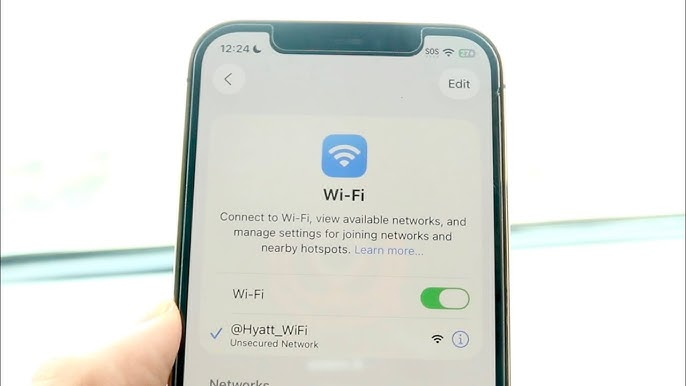
Like other guests, I connected to the hotel's Wi-Fi network. This network didn't require a password; it only needed to be logged in through a captive portal.
I worked as usual in the hotel without doing anything risky: I didn't create new wallets, click on strange links, or access suspicious decentralized applications (dApps). I just checked X (Twitter), my balances, Discord, Telegram, etc.

At one point, I received a call from a crypto friend, and we chatted about market trends, Bitcoin, and other cryptocurrency-related matters. But what I didn't know was that someone nearby was eavesdropping on our conversation and realized I was involved in cryptocurrency. This was my first mistake. The eavesdropper learned from our conversation that I was using a Phantom wallet and that I was a user with a significant holding.

This made me his target.

In a public Wi-Fi network, all devices share the same network, and the visibility between devices is actually higher than you might think. There is almost no real protection between users, which creates an opportunity for a "Man-in-the-Middle Attack." The attacker acts like a middleman, quietly inserting themselves between you and the internet, much like someone secretly reading and tampering with your mail before it reaches you.
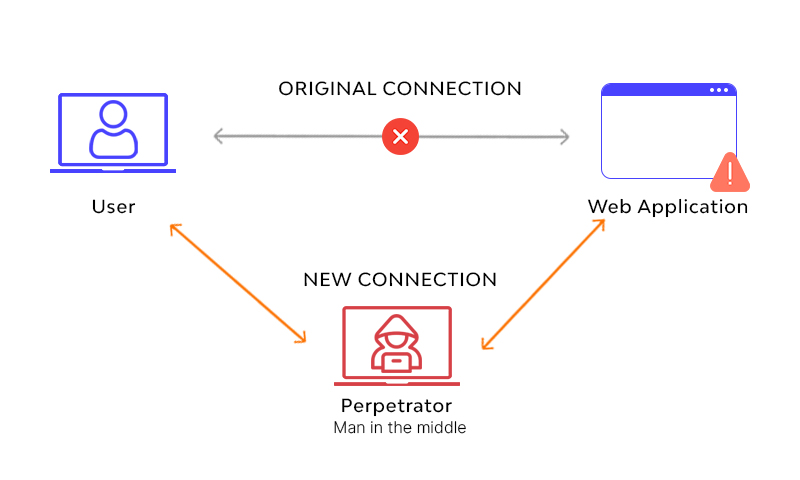
While I was browsing the web on the hotel Wi-Fi, one website appeared to load normally, but in reality, malicious code had been injected behind the page. I didn't notice anything unusual at the time. If I had installed some security tools, I might have detected these issues, but unfortunately, I hadn't.

Normally, a website might request your wallet to sign certain operations. The Phantom wallet would pop up a window where you could choose to approve or reject. Generally, you would trust the website and browser and sign without worry. However, that day, I shouldn't have.

Just as I was performing a token swap on @JupiterExchange, the malicious code triggered a wallet request that replaced my normal swap operation. I could have detected it as a malicious request by carefully checking the transaction details, but because I was already performing a swap on Jupiter, I didn't suspect a thing.
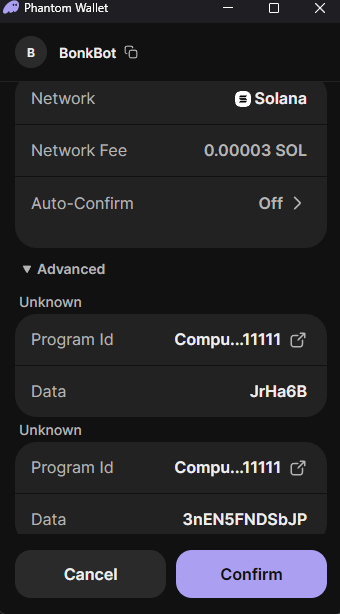
That day, I didn't sign any transaction to transfer funds; instead, I signed an authorization. This was exactly why my assets were stolen days later.

The malicious code didn't directly ask me to send SOL (Solana), as that would have been too obvious. Instead, it requested me to "authorize access," "approve account," or "confirm session." In simple terms, I was actually giving another address permission to operate on my behalf.

I approved it because I mistakenly thought it was related to my operation on Jupiter. At the time, the message popped up by the Phantom wallet looked technical, didn't show any amount, and didn't prompt for an immediate transfer.

And that was all the attacker needed. He patiently waited until I left the hotel before taking action. He transferred my SOL, withdrew my tokens, and moved my NFTs to another address.
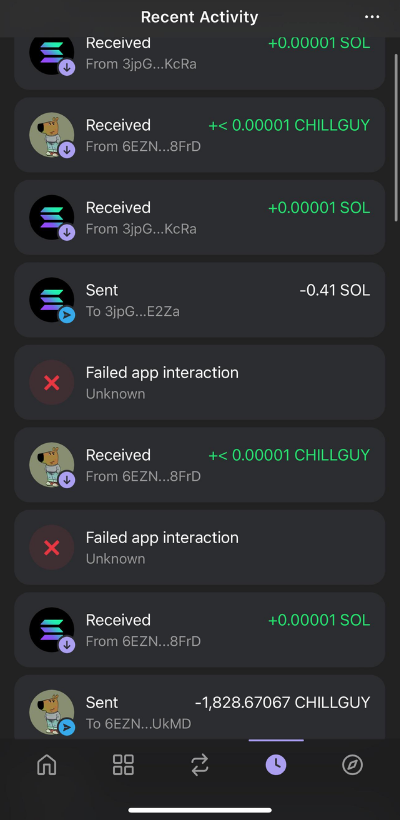
I never thought something like this would happen to me. Fortunately, this wasn't my main wallet but a hot wallet used for specific operations, not for long-term asset holding. Even so, I made many mistakes, and I believe I am primarily responsible.

First, I should never have connected to the hotel's public Wi-Fi. I should have used my phone's hotspot instead.
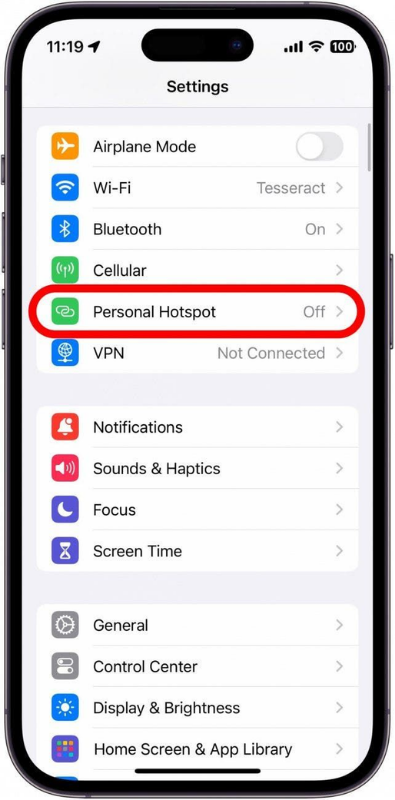
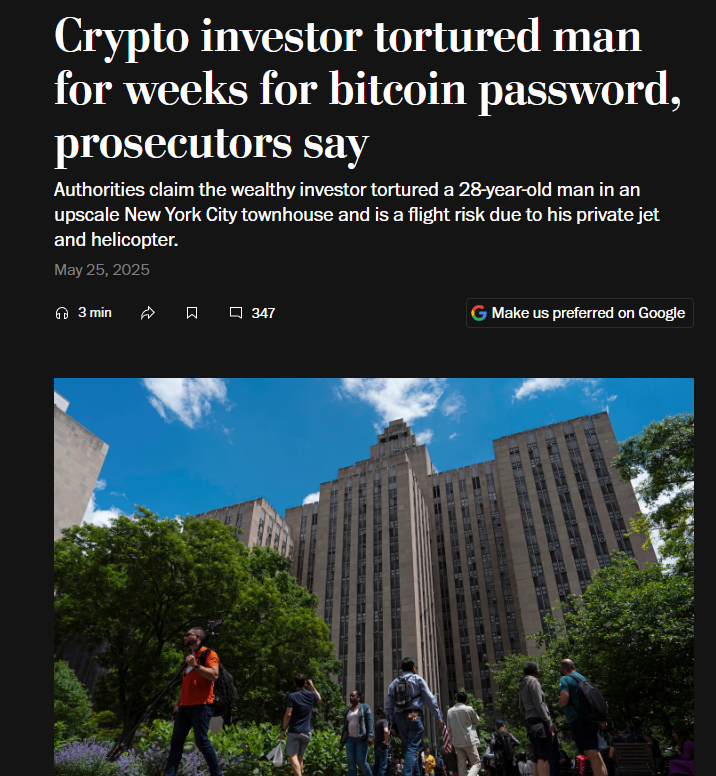
My second mistake was talking about cryptocurrency in the hotel's public area, where many people could have overheard our conversation. My father once warned me never to let others know you're involved in cryptocurrency. This time, I was lucky; some people have even faced kidnapping or worse because of their crypto assets.
Another mistake was approving the wallet request without paying full attention. Because I was sure the request came from Jupiter, I didn't analyze it carefully. In fact, every wallet request should be carefully reviewed, even on trusted applications. Requests can be intercepted and may not actually come from the app you think.

In the end, I lost about $5000 from a secondary wallet. While it's not the worst-case scenario, it's still very frustrating.


Twitter:https://twitter.com/BitpushNewsCN

BitPush TG Discussion Group:https://t.me/BitPushCommunity

BitPush TG Subscription: https://t.me/bitpush

Original article link:https://www.bitpush.news/articles/7601380

Пов'язані питання

QWhat was the primary method the attacker used to compromise the victim's crypto wallet?

AThe attacker used a Man-in-the-Middle (MitM) attack by exploiting the insecure public hotel Wi-Fi network. They intercepted the victim's web traffic and injected malicious code into a webpage, which triggered a deceptive wallet authorization request.

QWhat specific mistake did the victim make that allowed the attacker to identify him as a target?

AThe victim discussed cryptocurrency, his use of the Phantom wallet, and his substantial holdings during a phone call in a public area of the hotel, which was overheard by the attacker.

QWhat type of transaction did the victim accidentally sign, instead of a direct fund transfer?

AThe victim signed an authorization or approval request, which granted permission for another address to operate on their behalf. This did not immediately transfer funds but gave the attacker the ability to do so later.

QWhy didn't the victim suspect the malicious transaction request when it appeared?

AThe request appeared while he was performing a legitimate token swap on the Jupiter Exchange platform. He assumed the request was part of that normal operation and did not carefully inspect the technical details of the transaction, which showed no immediate transfer of funds.

QWhat were the two security precautions the victim identified that could have prevented this attack?

AFirst, he should not have used the hotel's public Wi-Fi and instead used his phone's mobile hotspot. Second, he should never have discussed his cryptocurrency activities in a public space where he could be overheard.

Пов'язані матеріали

From Gas Limit to 'Keyed Nonces', How to Understand the Next Step in Ethereum Scalability?

Ethereum’s scalability efforts are shifting toward a user-centric approach—focusing not only on higher TPS, but on translating technical upgrades into lower costs, smoother operations, and better wallet experiences. Two recent developments highlight this direction: - **Raising the Gas Limit to 200 million**: Following the Fusaka upgrade that increased it to 60 million, a consensus has formed around a potential future increase to 200 million. This would boost Ethereum’s execution capacity, but it is planned alongside other upgrades—such as ePBS, Block-Level Access Lists (BAL), and EIP-8037—to manage state growth and keep node operation viable for average participants. - **Keyed Nonces (EIP-8250)**: This proposal aims to improve how transactions are queued. Instead of a single linear nonce per account, it introduces multiple independent nonce domains. This prevents different types of transactions—such as private payments, session keys, or batch operations—from blocking each other. Vitalik Buterin views this as a foundational step toward better privacy support and more flexible state scalability. Together, these upgrades are part of a broader move to push complexity from wallets, DApps, and relays back into the protocol layer. For everyday users, this means future Ethereum interactions could become less congested, more intuitive, and safer—especially as core improvements in account abstraction, cross-L2 interoperability, and node decentralization continue to progress. Ultimately, Ethereum is evolving to handle not just more transactions, but more varied and complex on-chain use cases while preserving its decentralized foundation.

marsbit9 хв тому

From Gas Limit to 'Keyed Nonces', How to Understand the Next Step in Ethereum Scalability?

marsbit9 хв тому

Leaving OpenAI, How Much Has Their Net Worth Increased?

Former OpenAI employees have collectively accrued near-trillion dollar valuations through ventures and investments, charting AI's future. The article highlights two main paths: founding high-value companies like Anthropic and Perplexity, or applying insider insights as investors. Leopold Aschenbrenner exemplifies the investor path. After being fired from OpenAI, he leveraged firsthand knowledge of AI's massive energy demands to make hugely successful public market bets on nuclear and fuel cell companies, practicing "cross-industry cognitive arbitrage." Other alumni, like the Zero Shot VC fund founders, use their technical foresight for early-stage investing. Their key advantage lies not just in picking winners, but in knowing which technical approaches are likely dead ends—a "veto list" derived from internal OpenAI experience. Angel investing within the network, as seen with Mira Murati and Sam Altman, operates on deep, pre-existing understanding of a founder's capabilities, reducing due diligence to near zero. This creates an ecosystem bound by a shared belief in AGI's imminent arrival, differing from networks like the "PayPal Mafia" which were built on shared past struggles. The shift of these builders to investors signals a profound conviction: their situational awareness of the AI landscape is now so clear that deploying capital based on that judgment is more efficient than building themselves. They are allocating bets on the future they helped shape from the inside.

marsbit20 хв тому

Leaving OpenAI, How Much Has Their Net Worth Increased?

marsbit20 хв тому

Countdown to the AI Bull Market? Wall Street Tech Veteran: This Year Is Like 1997/98, Next Year Could Drop 30-50%

"AI Bull Market Countdown? Wall Street Veteran: This Year Feels Like 1997/98, Next Year Could Drop 30-50%" In an interview, veteran tech analyst Dan Niles draws parallels between the current AI boom and the 1997-98 period of the internet boom, suggesting the bull run isn't over yet. The core new driver is identified as "Agentic AI," which performs multi-step tasks and consumes vastly more computing power than conversational AI. This shift is expected to boost demand for cloud infrastructure and benefit CPU makers like Intel and AMD, potentially pressuring GPU leader Nvidia. However, Niles warns of significant short-term overbought conditions in semiconductors. His central warning is for a potential major market correction of 30-50% starting in early 2027. Drivers include a slowdown from high growth comparables, the outsized capital demands of companies like OpenAI, and a wave of massive tech IPOs sucking liquidity from the market. A J.P. Morgan survey of 56 global investors aligns with this view, finding that 54% expect a >30% U.S. stock correction by 2027. Among mega-cap tech, Niles favors Google due to its full-stack AI capabilities and cash flow, expresses concern about Meta's user growth, and sees potential for Apple's AI Siri and foldable iPhone. Niles advises investors to be nimble, hold significant cash, and closely monitor the conflicting signals from equities, oil prices, and bond yields, which he believes cannot all be correct simultaneously.

marsbit53 хв тому

Countdown to the AI Bull Market? Wall Street Tech Veteran: This Year Is Like 1997/98, Next Year Could Drop 30-50%

marsbit53 хв тому

Торгівля

Спот
Ф'ючерси

Популярні статті

Що таке APECOIN

Розуміння Азійсько-Тихоокеанської електронної монети ($APECoin) В епоху, коли перетин технологій і екологічності стає дедалі критичнішим, криптовалюти залишають свій слід як потенційні каталізатори змін. Серед цих інновацій Азійсько-Тихоокеанська електронна монета ($APECoin) виділяється як особливий проект, створений для підтримки екологічних ініціатив по всьому Азійсько-Тихоокеанському регіону. Ця стаття заглиблюється в основи, унікальні особливості та вплив $APECoin в рамках більш широкої блокчейн-екосистеми. Що таке Азійсько-Тихоокеанська електронна монета ($APECoin)? Азійсько-Тихоокеанська електронна монета ($APECoin) є токеном ERC20 та TRC20, реалізованим у квітні 2020 року після його концептуалізації в грудні 2019 року. Ця інновація виникла з бажання сприяти екологічно чистим практикам і підтримувати ряд екологічних проектів, спрямованих на сталий розвиток і зелені ініціативи. Цілі та завдання $APECoin не просто цифрова валюта; він задуманий як засіб обміну, що дозволяє користувачам здійснювати транзакції, які безпосередньо вигідні екологічним справам. Його екосистема створена для полегшення різних фінансових активностей, водночас сприяючи впровадженню екологічно чистих практик. Валюта має на меті в першу чергу: Підтримувати екологічні ініціативи: Через кожну транзакцію частина виділяється на фінансування сталих проектів, спрямованих на охорону навколишнього середовища та відновлювальну енергетику. Стимулювати екологічні новації: Підтримка стартапів і проектів, що співвідносяться з екологічною стійкістю, через використання його токена як засобу вартості. Створити сталий ринок: Платформа включає електронний ринок, де фінансові транзакції можуть відбуватися в рамках, присвяченому просуванню зелених практик. Творець Азійсько-Тихоокеанської електронної монети ($APECoin) Хоча деталі щодо індивідуального творця $APECoin не розкриті публічно, проект значною мірою підтримується Групою АТЕС, консорціумом, що зосереджений на захисті екологічних ініціатив. Ця підтримка надає проекту правдоподібності та значущості, пов'язуючи його з більш широкою мережею, яка прагне до сталості та екологічно чистих практик. Інвестори Азійсько-Тихоокеанської електронної монети ($APECoin) Інвестиційний ландшафт навколо $APECoin залишається здебільшого неназваним. Конкретні назви інвестиційних фондів або організацій, що підтримують цю криптовалюту, ще не були розкриті. Однак очевидно, що зростає цікавість інвесторів, які прагнуть підтримувати сталих проектів, які демонструють потенціал впливу у криптовалютному просторі. Як працює Азійсько-Тихоокеанська електронна монета ($APECoin)? $APECoin виділяється завдяки своїй інноваційній операційній моделі, яка використовує технологію блокчейн і смарт-контракти. Ця комбінація не лише забезпечує ефективність транзакцій, але й забезпечує дотримання нормативних рамок, підвищуючи безпеку та прозорість транзакцій. Унікальні особливості $APECoin Операції на базі блокчейн: Створюючи свої операції на платформі блокчейн, $APECoin забезпечує, що всі транзакції є незмінними та захищеними за допомогою передових криптографічних технологій. Ця децентралізація підкреслює цілісність токена в його екосистемі. Смарт-контракти: $APECoin використовує смарт-контракти, які полегшують безперешкодні транзакції при забезпеченні відповідності чинним регуляціям. Ці автоматизовані угоди мінімізують можливості суперечок, спростять процеси і сприяють надійній транзакційній інфраструктурі. Електронний ринок: Одна з характерних рис $APECoin – це його присвячений електронний ринок. Ця цифрова середа слугує хабом для послуг, які підтримують екологічно чисті практики, надаючи платформу для обміну, яка додатково просуває зелене бачення проекту. Завдяки цим атрибутам $APECoin формує нішу для себе в широкому просторі ринку криптовалют, ефективно поєднуючи принципи блокчейн з екологічною відповідальністю. Хронологія Азійсько-Тихоокеанської електронної монети ($APECoin) Розуміння траєкторії $APECoin дає уявлення про його етапи розвитку та майбутні сподівання. Ось хронологія, що підкреслює значні події в історії проекту: Грудень 2019: Концептуалізація Азійсько-Тихоокеанської електронної монети, ініційована з амбіцією сприяти сталому розвитку через криптовалюту. Квітень 2020: Офіційний запуск $APECoin, який позначає його вхід на ринок як присвячений токен для екологічних проектів. 2020-2021: Проведення первинного пропозиції обміну (IEO), що дозволяє користувачам купувати $APECoin, а також реєстрація на різних електронних платформах обміну для підвищення доступності. У своїй відносно короткій подорожі $APECoin досяг значних успіхів у закладанні основ для безпечної та впливової криптовалюти, що орієнтована на екологічні цілі. Висновок Азійсько-Тихоокеанська електронна монета ($APECoin) втілює поєднання технологій і екологічної відповідальності, сприяючи зростанню у криптоекосистемі, одночасно відстоюючи сталий розвиток. Завдяки своїй унікальній структурі, підтримці авторитетних суб'єктів та баченню на зелений майбутнє, $APECoin є більше, ніж просто криптовалютою; він є піонерським проектом, спрямованим на виховання відповідальної інновації в Азійсько-Тихоокеанському регіоні. Завдяки своїй прихильності до фінансової інклюзії та своїй підтримці екологічних ініціатив, він став потужним прикладом того, як цифрові валюти можуть бути використані для позитивного соціального впливу. В міру розвитку проекту учасники крипто-спільноти та за її межами з нетерпінням стежитимуть за тим, як $APECoin формує розмову про сталий розвиток у світі криптовалют.

35 переглядів усьогоОпубліковано 2024.12.03Оновлено 2024.12.03

Що таке APECOIN

Як купити APE

Ласкаво просимо до HTX.com! Ми зробили покупку ApeCoin (APE) простою та зручною. Дотримуйтесь нашої покрокової інструкції, щоб розпочати свою криптовалютну подорож.Крок 1: Створіть обліковий запис на HTXВикористовуйте свою електронну пошту або номер телефону, щоб зареєструвати обліковий запис на HTX безплатно. Пройдіть безпроблемну реєстрацію й отримайте доступ до всіх функцій.ЗареєструватисьКрок 2: Перейдіть до розділу Купити крипту і виберіть спосіб оплатиКредитна/дебетова картка: використовуйте вашу картку Visa або Mastercard, щоб миттєво купити ApeCoin (APE).Баланс: використовуйте кошти з балансу вашого рахунку HTX для безперешкодної торгівлі.Треті особи: ми додали популярні способи оплати, такі як Google Pay та Apple Pay, щоб підвищити зручність.P2P: Торгуйте безпосередньо з іншими користувачами на HTX.Позабіржова торгівля (OTC): ми пропонуємо індивідуальні послуги та конкурентні обмінні курси для трейдерів.Крок 3: Зберігайте свої ApeCoin (APE)Після придбання ApeCoin (APE) збережіть його у своєму обліковому записі на HTX. Крім того, ви можете відправити його в інше місце за допомогою блокчейн-переказу або використовувати його для торгівлі іншими криптовалютами.Крок 4: Торгівля ApeCoin (APE)Легко торгуйте ApeCoin (APE) на спотовому ринку HTX. Просто увійдіть до свого облікового запису, виберіть торгову пару, укладайте угоди та спостерігайте за ними в режимі реального часу. Ми пропонуємо зручний досвід як для початківців, так і для досвідчених трейдерів.

65 переглядів усьогоОпубліковано 2025.02.24Оновлено 2025.03.21

Як купити APE

Обговорення

Ласкаво просимо до спільноти HTX. Тут ви можете бути в курсі останніх подій розвитку платформи та отримати доступ до професійної ринкової інформації. Нижче представлені думки користувачів щодо ціни APE (APE).

活动图片














