OpenAI Century Lawsuit, Musk Loses

marsbitОпубліковано о 2026-05-19Востаннє оновлено о 2026-05-19

Анотація

"OpenAI Century Lawsuit, Musk Loses: Jury Unanimously Rejects Elon Musk's $150 Billion Case" In a rapid verdict, a jury has unanimously dismissed Elon Musk's $150 billion lawsuit against OpenAI and its founders, Sam Altman and Greg Brockman. The case, centered on accusations of violating charitable trust and unjust enrichment, was rejected purely on procedural grounds: Musk filed the lawsuit too late. California law sets a three-year statute of limitations for such claims, and evidence showed Musk was aware of OpenAI's shift towards a for-profit model as early as 2021, yet did not sue until February 2024. The trial, spanning three weeks with testimony from numerous Silicon Valley figures, revealed internal details about OpenAI's founding and transition. Despite the legal loss for Musk, the trial exposed internal tensions and questions about governance. The ruling removes a major legal obstacle for OpenAI's planned trillion-dollar IPO. Meanwhile, the AI race intensifies, with both OpenAI (valuing GPT-5.5 and massive cloud compute deals) and Musk's xAI (preparing a SpaceX-xAI merger IPO and training multiple large models) on paths toward potential trillion-dollar valuations. Musk's legal team has announced plans to appeal.

Original Editor: Moses Peaches

Original Source: New Zhiyuan

Just now, the Silicon Valley century trial has reached its conclusion!

The $150 billion sky-high lawsuit filed by Musk against OpenAI was unanimously dismissed by the jury in less than two hours.

All charges were dismissed without exception.

And the sole reason that completely shattered this lawsuit: Musk filed too late, the statute of limitations had expired......
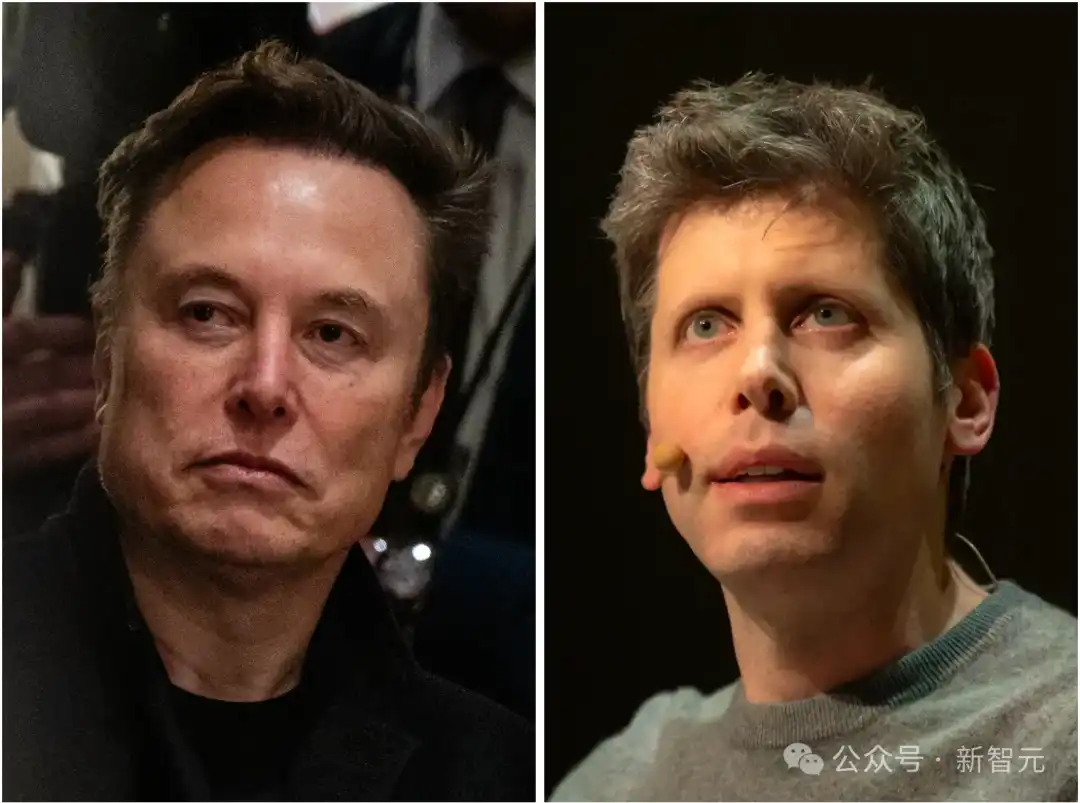
This might be the most absurd courtroom scene of 2026.

Before this, it was a high-profile tug-of-war——

Three weeks of trial, 11 days of testimony, dozens of top Silicon Valley figures taking turns on the stand, hundreds of pages of private emails, text messages, and diaries turned inside out.

However, just as everyone held their breath, the jury swiftly and decisively rejected it all.

Judge Yvonne Gonzalez Rogers stated in court that she fully agreed with the jury's conclusion.

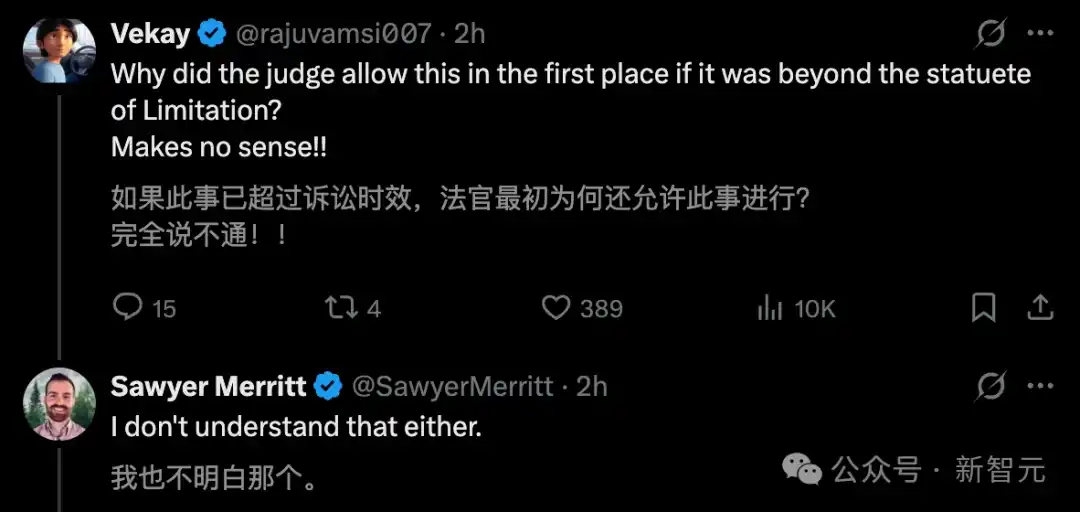
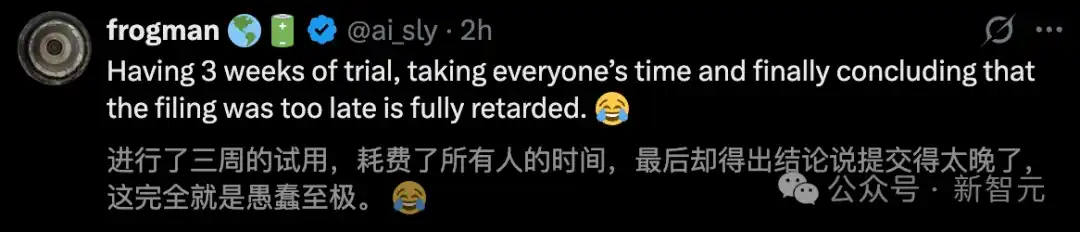
The verdict sparked an uproar online. Countless netizens expressed confusion: Was the entire three-week spectacular trial just a farce?
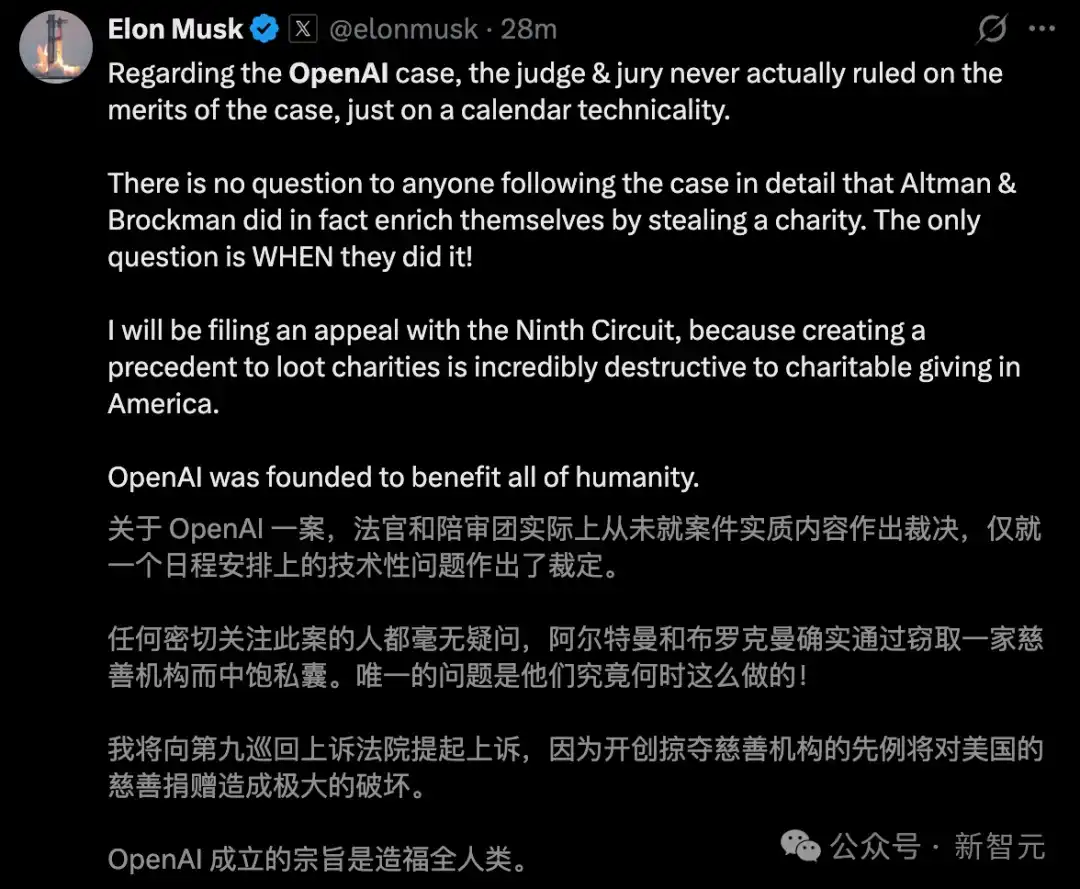
In response, an indignant Musk posted again——

Altman and Greg Brockman's actions amount to stealing a charity for personal enrichment.

Next step: continue appealing.
OpenAI Century Lawsuit, All Three Men Absent

Monday morning at 8:30 AM, the jury began closed-door deliberations.

At 10:23 AM Pacific Time, court clerk Edwin Cuenco handed the judge a note.

The judge announced: "We have a result."

From deliberation to verdict: 90 minutes.
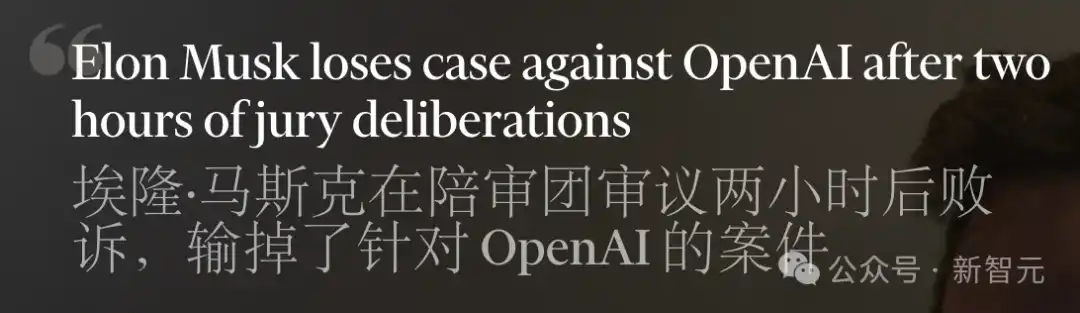
This speed was absurdly fast. Musk alone spent three days on the witness stand.

Brockman testified for five hours.

The massive accumulation of evidence and testimony from three weeks of trial was essentially glanced over by the jury, who made their decision primarily based on the timeline.

Even more surreal, at the moment of the verdict, the three protagonists of this century battle—Musk, Altman, and Brockman—were not present in the courtroom.

A $150 billion lawsuit verdict, plaintiff and defendant collectively absent.
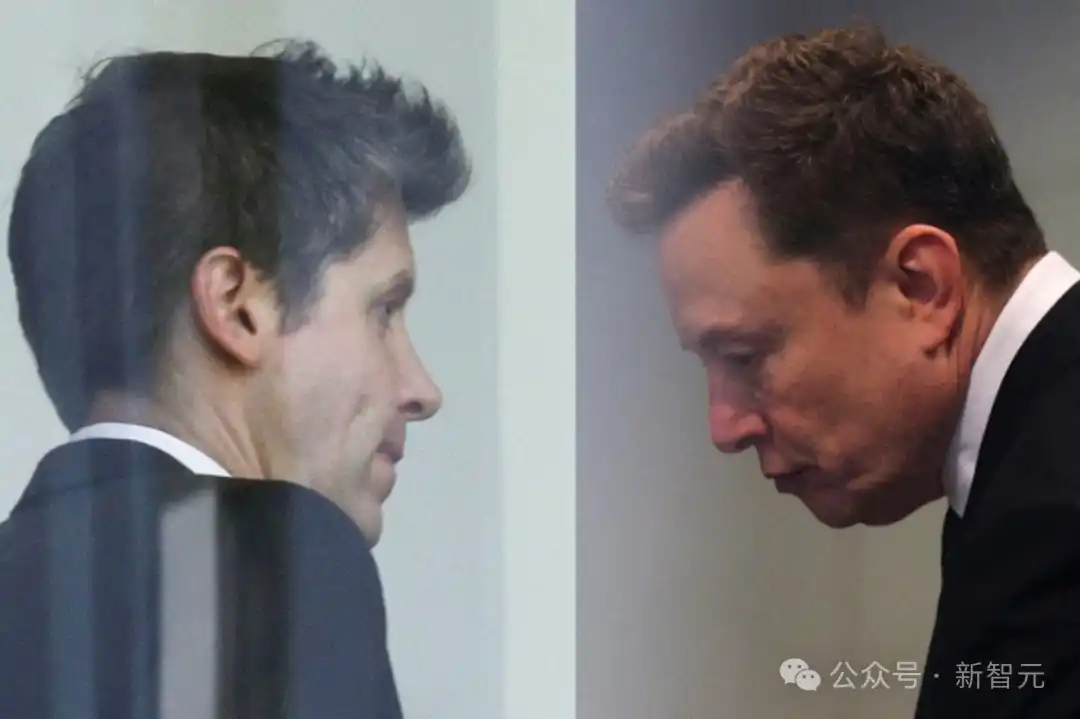
Both sides' legal teams, however, provided ample emotion.

During a brief court recess after the verdict, lawyers for OpenAI and Microsoft hugged and patted each other on the back in the courtroom corridor in celebration.

Musk's lead lawyer, Marc Toberoff, walked out of the courtroom doors and, faced with swarming reporters, uttered only two words.

"Appeal."

Musk, Defeated by Time

The jury's verdict logic was actually very simple.

California law stipulates that the statute of limitations for lawsuits alleging breach of charitable trust is "three years," and for unjust enrichment, two years.
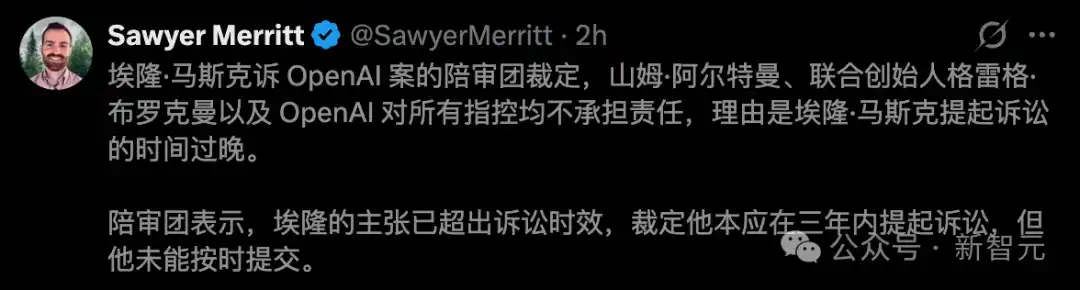
And OpenAI's lawyers proved a crucial fact. Musk knew about OpenAI's shift towards for-profit as early as 2021.

He himself sent a text to Altman, reading "I am troubled to see OpenAI having a $20 billion valuation" "It's a wolf in sheep's clothing."

That was around late 2022 to early 2023. But Musk didn't file the lawsuit until February 2024.

The jury determined that the time limit had expired, the lawsuit was too late.
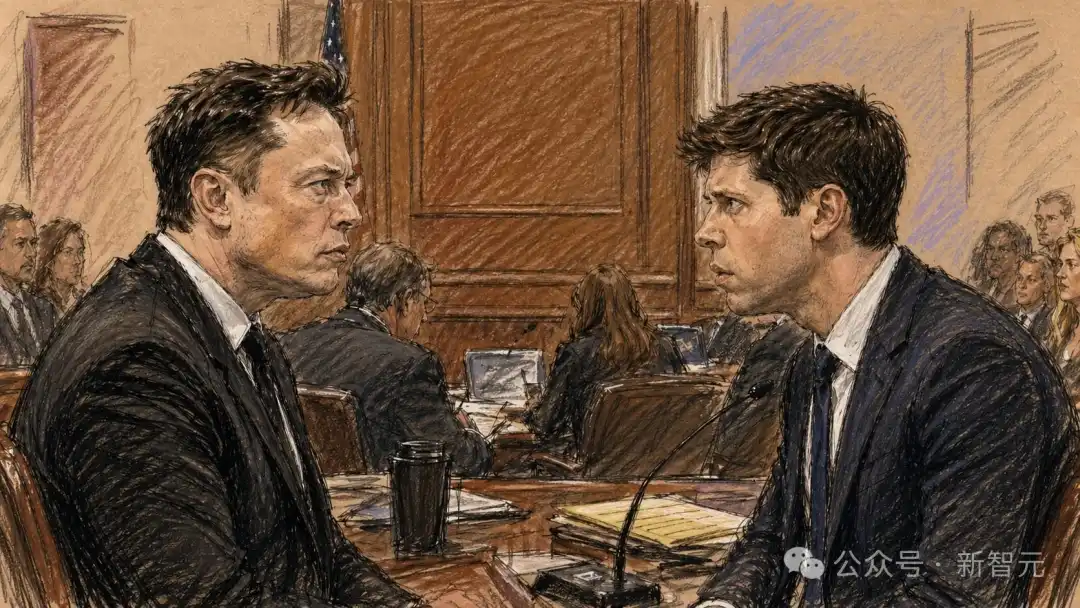
Musk's explanation in court was that he kept believing Altman's assurances until Microsoft's $10 billion investment landed in 2023, and he realized "the for-profit entity was the tail wagging the dog."

"Suspecting someone might steal your car and someone actually stealing your car are not the same thing," Musk said on the witness stand.

"If I had known they had stolen the charity, I would have sued long ago."

But the jury wasn't buying it.

Due to this procedural hurdle of the statute of limitations, the jury never entered substantive deliberations.

Meaning, Musk's three core charges—"breach of charitable trust," "unjust enrichment," and "Microsoft's aiding and abetting"—were never formally discussed.

All those explosive testimonies, staggering figures, dramatic fallouts—in legal terms, they might as well have not happened.

That Night of the Mansion Party, OpenAI Turned Towards For-Profit

Although the jury didn't adjudicate the substantive charges, the three-week trial laid bare OpenAI's most secretive inner workings over the past 11 years.

Some details even the old Silicon Valley gossipers hadn't heard.

In the summer of 2017, OpenAI's AI defeated the world's top players in Dota 2.

Musk immediately sent an email: "Time to take the next step. This is the trigger event."
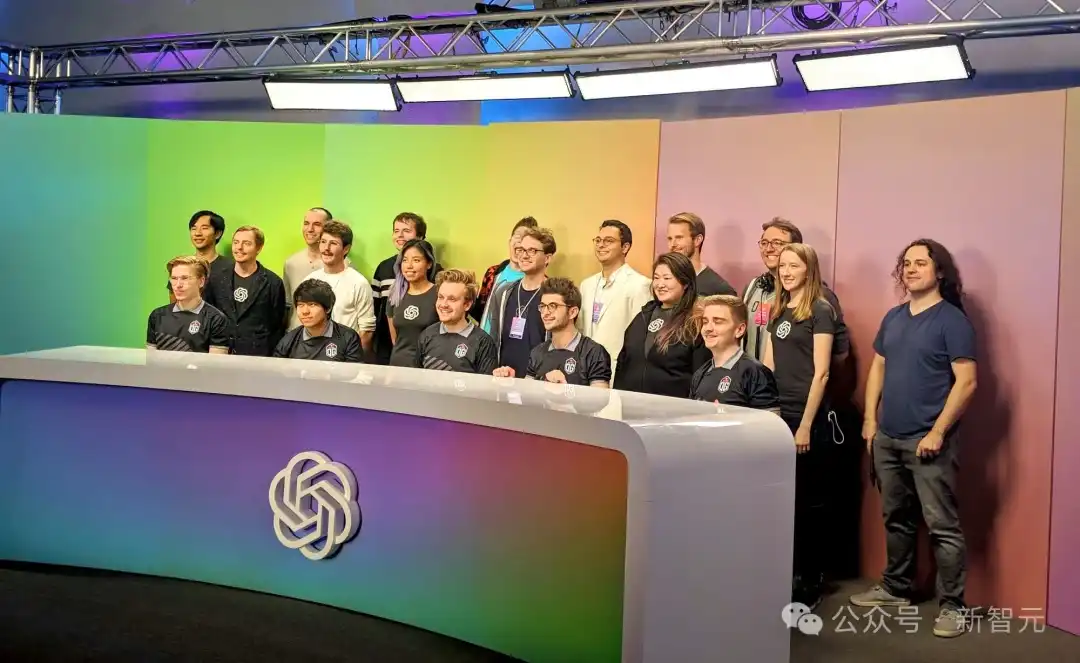
He called the core team to his 16,000-square-foot mansion in South Bay, known in the circle as the "Haunted House."

Brockman recalled in his testimony that upon entering, he saw confetti scraps and plastic cups from the previous night's party scattered across the floor.

In this living room amidst the party aftermath, the discussion to move OpenAI towards a for-profit model officially began.

Musk's lawyer, Steven Molo, projected Brockman's electronic diary onto the courtroom screen during the trial. One entry written during negotiations that same year read: "What gets me to $1 billion?"

Another from November 2017: "Turning into a B Corp without him (Musk) is morally bankrupt."
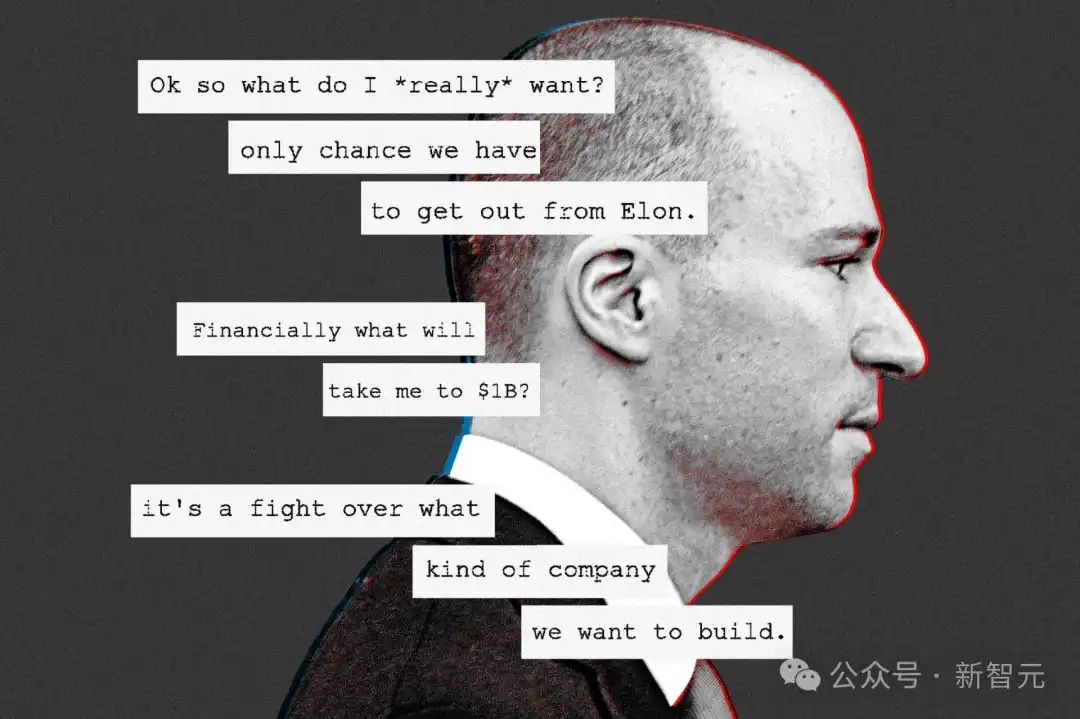
Nine years later, he sits on $30 billion in equity while under cross-examination.

Court evidence also unveiled other hidden plotlines——

Musk and Zuckerberg exchanged texts discussing a joint acquisition of OpenAI;

OpenAI even seriously considered using cryptocurrency for funding in its early days. The financing path from crypto to Microsoft's $13 billion is itself an epitome of an era.

This trial could be a documentary, but the jury turned the page in 90 minutes.

The Trillion-Dollar IPO Is About to Begin, There's No Pause Button in the Finals

After the trial concluded, OpenAI lawyer Savitt told reporters——

OpenAI is an organization driven by a non-profit mission, has been in the past, and will continue to be in the future.

Microsoft also swiftly issued a statement: "The facts and timeline of this case have been clear for some time, and we welcome the jury's dismissal of these claims on timeliness grounds."

Although OpenAI's win was not a graceful one.

The revelations during the three-week trial——

Brockman cashing out $30 billion at zero cost, Altman lying about safety approvals, Cerebras related-party transactions, Ilya's 52 pages of evidence, Murati's "chaos and distrust" allegations—this content won't vanish from public memory just because the "statute of limitations expired."

When Altman was asked on the witness stand, "Are you completely trustworthy?" he couldn't even give a straightforward "yes."

But the biggest impact of this verdict is clearing the biggest legal obstacle on OpenAI's path to an IPO.
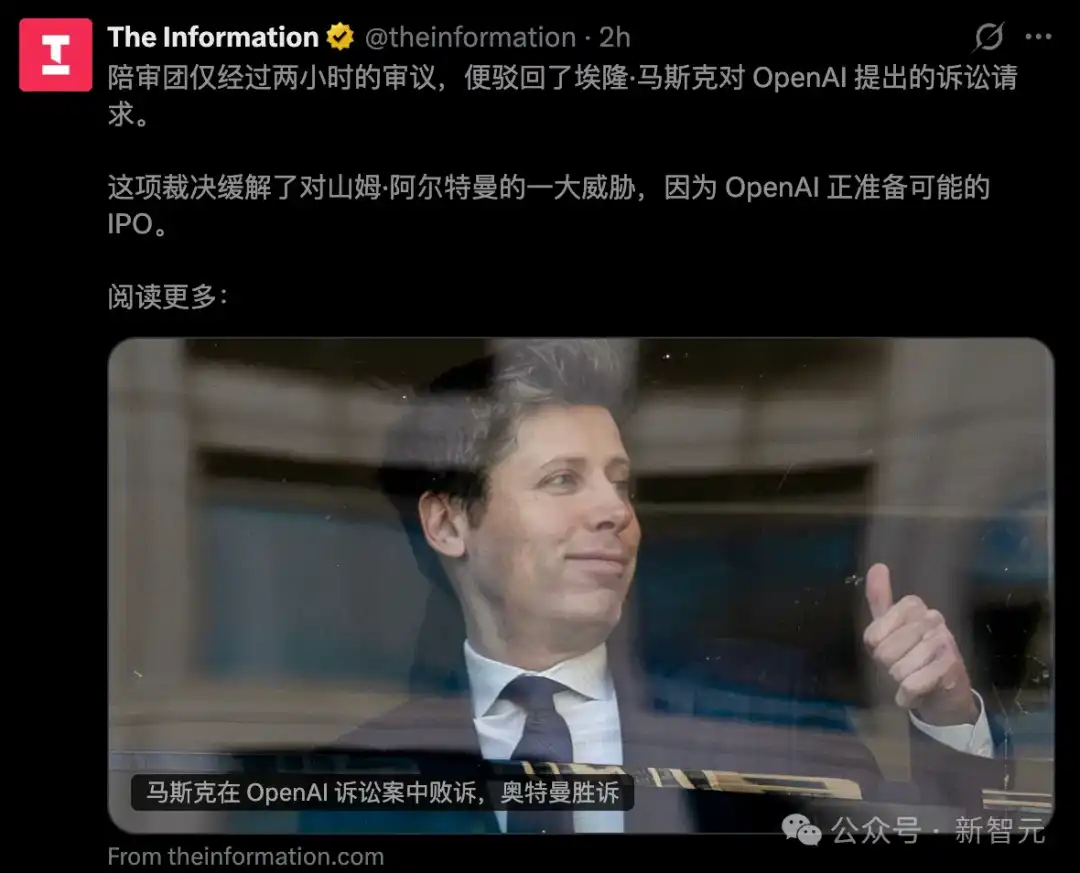
ASI Ultimate Showdown, Imminent

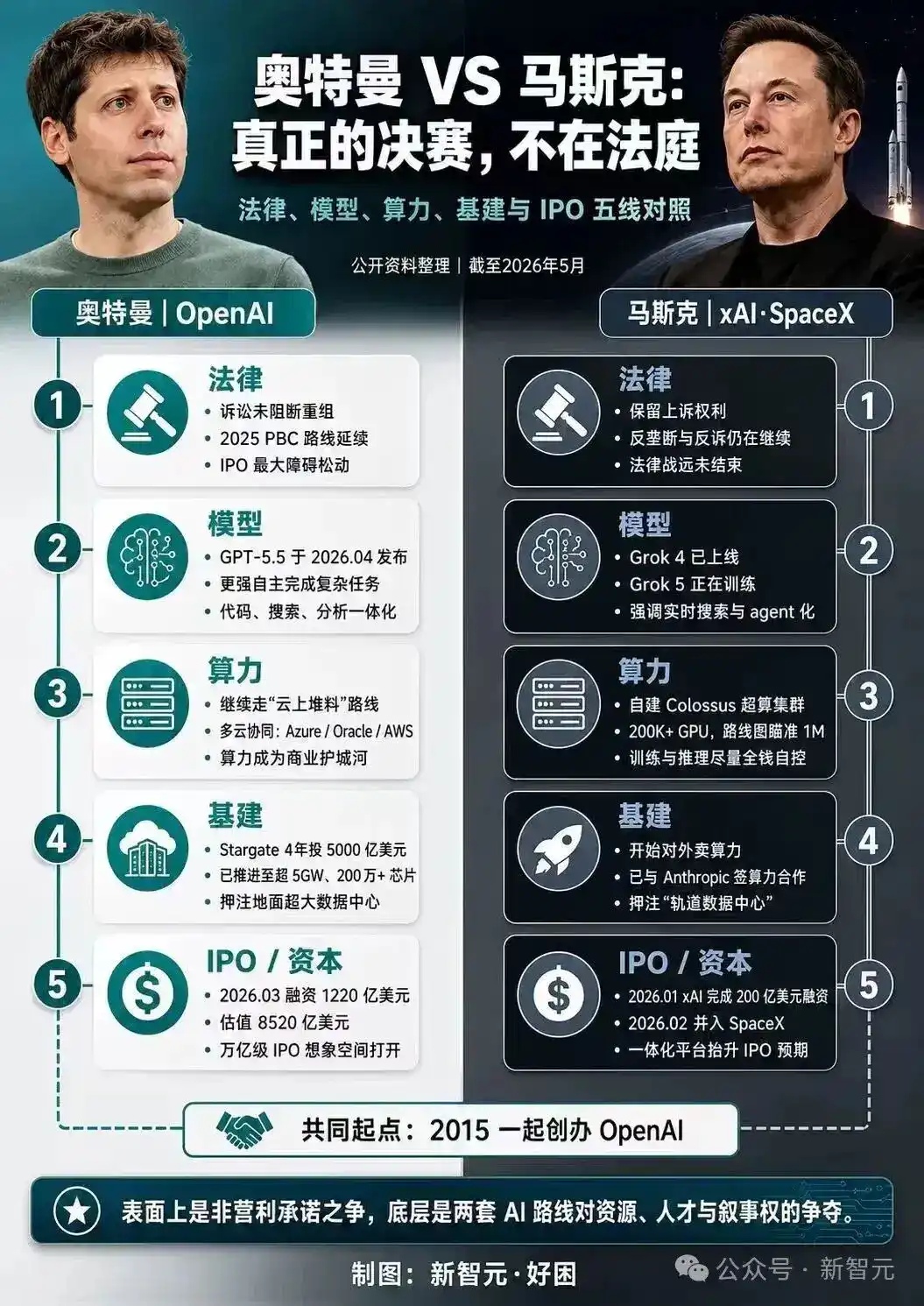
This March, OpenAI just completed a $122 billion funding round, valuing it at $852 billion.

The 2025 for-profit restructuring hasn't been overturned, Microsoft's over $100 billion partnership hasn't been revoked, Altman and Brockman haven't been ousted from management. The road to a trillion-dollar IPO is now clear.

Supporting this astronomical valuation is OpenAI's true trump card:

GPT-5.5, released in April, which focuses on independently completing complex tasks without humans feeding step-by-step instructions, from writing code to data analysis in one go.

In terms of compute power, Altman is betting on the traditional path: throwing money at cloud computing.

The scale of compute procurement has ballooned to the level of $600 billion, spanning five cloud providers including Microsoft Azure, Oracle, and AWS.
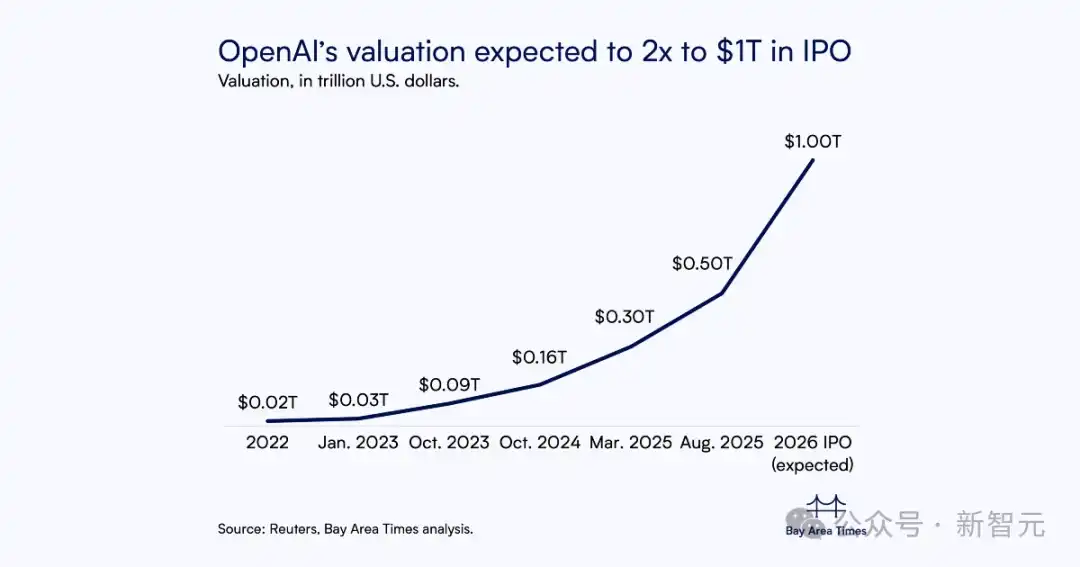
On Musk's side, SpaceX secretly filed for an IPO in April; after merging with xAI, the valuation has reached $1.25 trillion, with the prospectus expected to be public as soon as this week.

In terms of models, they are taking a more radical path: 7 large models training simultaneously, burning roughly $1 billion per month.

From the full series of Grok 4.4 to Grok 5, among which Grok 5 is several times the parameter scale of GPT-5.5, all running on Colossus 2.
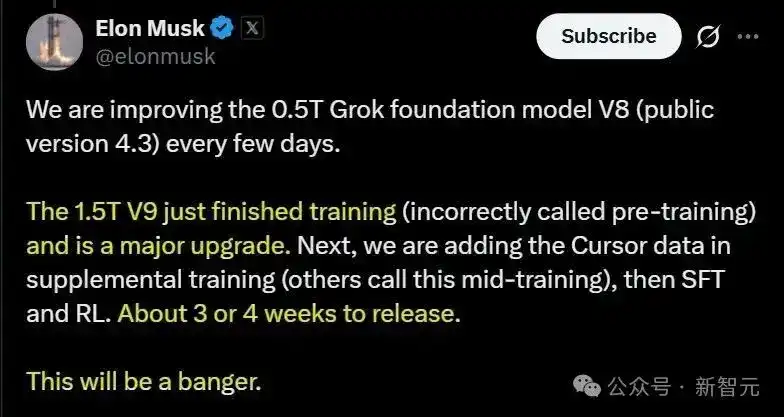
But one detail is even more intriguing: In early May this year, Colossus 2 signed a compute power contract with Anthropic, beginning to sell compute externally.

This means Musk isn't just building models; he's becoming an AI era arms dealer——

Training his own models with one hand, selling compute power to competitors with the other. This kind of playbook has almost no precedent in tech history.

Now, the two men who once co-founded OpenAI together are each sprinting towards their own trillion-dollar IPOs.
But the lawsuit isn't truly over.

Musk's lawyers have explicitly reserved the right to appeal, although the judge's attitude makes a turnaround seem slim.

More importantly, this is just one of multiple fronts——

xAI's antitrust lawsuits against OpenAI and Apple, xAI's trade secret misappropriation lawsuit against OpenAI, OpenAI's countersuit against Musk, are all still ongoing.

The legacy of this trial lies not in the verdict itself.

It was the first time the core governance issues of the AI industry were brought into a federal courtroom for the whole world to see.

On the road to ASI, issues of trust and safety won't disappear with a single verdict.

As for Musk, the next episode's "appeal" storyline isn't finished.

References:

https://www.bloomberg.com/news/articles/2026-05-18/elon-musk-loses-case-against-sam-altman-to-force-openai-overhaul

https://www.cnbc.com/2026/05/18/musk-altman-openai-trial-verdict.html

https://www.reuters.com/legal/government/elon-musk-loses-lawsuit-against-openai-2026-05-18/

https://www.wired.com/story/musk-v-altman-jury-verdict/

https://nypost.com/2026/05/18/business/elon-musk-loses-lawsuit-against-openai-in-unanimous-verdict/


Пов'язані питання

QWhat was the primary reason the jury dismissed Elon Musk's lawsuit against OpenAI?

AThe jury dismissed the lawsuit because it was filed after the statute of limitations had expired. California law has a three-year limit for breach of charitable trust claims and a two-year limit for unjust enrichment, and Musk sued in February 2024 despite evidence showing he was aware of OpenAI's shift to a for-profit structure as early as 2021.

QWhat significant event happened at Elon Musk's mansion in 2017 regarding OpenAI's future?

AIn 2017, after OpenAI's AI defeated top Dota 2 players, Musk convened the core team at his mansion to initiate formal discussions about transitioning OpenAI into a for-profit entity.

QHow did the trial's outcome potentially impact OpenAI's business plans?

AThe dismissal of the lawsuit is seen as removing a major legal obstacle for OpenAI's planned initial public offering (IPO), which is targeting a trillion-dollar valuation.

QWhat unconventional strategy is Elon Musk's xAI employing in the AI competition according to the article?

AxAI is not only training its own large language models but has also started selling computing power from its Colossus 2 supercomputer to competitors like Anthropic, positioning itself as an 'arms dealer' in the AI era.

QWhat was a notable absence during the reading of the verdict in the trial?

ANone of the three main figures in the case—Elon Musk, Sam Altman, or Greg Brockman—were present in the courtroom when the verdict was announced.

Пов'язані матеріали

The Shutdown of Claude Mythos Revealed the True Cost of Renting AI to Me

The sudden shutdown of Claude Mythos this week starkly highlights a critical, often overlooked risk for founders: when your core capability relies entirely on someone else's platform, your fate is not in your own hands. The key question becomes: who truly owns the intelligence your product depends on? For years, the debate around open-source models focused on cost. Now, the evidence is clear: fine-tuned open-source models can achieve frontier-level quality for specific, mission-critical tasks at a fraction of the cost. However, the deeper issue is control. Relying on a third-party API is like renting; it works until the landlord changes the rules, raises the rent, or asks you to leave—as Mythos experienced. The lesson is not to stop using frontier models—they are incredible infrastructure. The goal is ownership. Ownership means starting with a powerful open-source model and shaping it around what makes your company unique: your data, workflows, domain expertise, and definition of "good." Over time, the model becomes less generic and more reflective of your business, creating durable value. The optimistic conclusion is that AI's future doesn't hinge on one superior model. There is no single frontier. The frontier includes proprietary models, models fine-tuned on company-specific knowledge, specialized models for narrow problems, and intelligent routers orchestrating model ensembles. The most interesting development is not models getting smarter, but intelligence becoming increasingly customizable. The winning companies will be those that transform intelligence into a unique, owned asset. Looking ahead, the vision is not one model dominating all, but many teams owning the part of the frontier that matters most to them.

marsbit2 хв тому

The Shutdown of Claude Mythos Revealed the True Cost of Renting AI to Me

marsbit2 хв тому

Tiger Research: U.S. Strategic Bitcoin Reserve - Should the Market Be Happy or Disappointed?

Tiger Research analyzes the evolution of U.S. legislative efforts regarding a strategic Bitcoin reserve, concluding the market impact is limited in the short term but potentially positive long-term. The core event was a March 2025 executive order by former President Trump, which designated confiscated Bitcoin as a strategic reserve and promised not to sell existing holdings (approx. 190k BTC). As it contained no mandate to purchase new Bitcoin, the market reacted negatively, with prices dropping 5.7%. Legislative history shows a significant retreat from initial ambitions. The 2024 "BITCOIN Act" proposed mandatory purchases of 1 million BTC over five years. Reintroduced in 2025, it stalled due to high fiscal costs, concerns over dollar hegemony, and opposition from the Treasury Secretary. The current frontrunner, the 2026 "American Retirement and Monetary Advancement (ARMA) Act," is a compromise. It lacks any purchase requirement, instead focusing on consolidating existing government-held Bitcoin and legally prohibiting its sale for at least 20 years. While ARMA has higher passage odds due to bipartisan support and no purchase mandate, its immediate market effect is neutral. It eliminates potential government selling pressure but creates no new demand. The long-term significance is that formally establishing Bitcoin as a national reserve asset in law could later reignite debates on mandatory purchases. Therefore, the path to a government buyer is longer than initially priced by the market, but the directional narrative remains intact.

marsbit5 хв тому

Tiger Research: U.S. Strategic Bitcoin Reserve - Should the Market Be Happy or Disappointed?

marsbit5 хв тому

US Stock Market Trend (June 16): SpaceX Rises 42% in Two Days, New Fed Chairman Takes Office Today

**U.S. Stocks Trend (June 16): SpaceX Soars 42% in Two Days, New Fed Chair Takes Office Today** Markets surged on Monday following former President Trump's social media announcement of a completed U.S.-Iran deal to reopen the Strait of Hormuz, pending a June 19 signing. The news triggered a broad risk-on rally: oil prices crashed, tech stocks soared, bond yields fell, and defensive sectors lagged. **Market Performance:** The Nasdaq jumped 3.07%, led by semiconductor stocks like Micron (+9.2%). The S&P 500 gained 1.65%, and the Dow rose 0.92% to a record high. However, the Russell 2000 small-cap index underperformed (+0.72%). SpaceX continued its hot streak, rising another 5% pre-market after disclosures of large buys by an Australian billionaire and Cathie Wood's ARK. Boeing also rallied on the transportation optimism. Conversely, energy stocks like Chevron fell over 3% on the oil price plunge, with other defensive sectors also selling off. The day's action showed a clear rotation of funds from energy/defensive plays into AI and tech narratives. **Macro & Outlook:** The VIX fear index fell 8.37%. Treasury yields declined, and WTI crude dropped over 5%. Attention now shifts to a packed schedule: the Bank of Japan is widely expected to hike rates to 1.0% on Tuesday. The Fed's June meeting concludes Wednesday, marking new Chair Wash's debut. While rates are expected to hold, his tone on stubborn inflation and the "dot plot" will be crucial for gauging the 2024 rate path. The formal Iran deal signing is set for Friday. **Trend Perspective:** While the peace deal is a genuine positive, Monday's explosive rally may have gotten ahead of itself, pricing in a swift resolution to inflation concerns. The shortened trading week faces a triple test: BoJ tightening, the Fed's policy stance, and deal implementation details. Tech and semiconductors, which led the surge, remain vulnerable to any disappointment from these key events. The real price discovery begins with the central banks' communications this week.

marsbit26 хв тому

US Stock Market Trend (June 16): SpaceX Rises 42% in Two Days, New Fed Chairman Takes Office Today

marsbit26 хв тому

Xiaohongshu's Second Great Voyage, This Time Sailing Towards AI

Xiaohongshu's Second Voyage: Navigating Towards AI Since ChatGPT's emergence, Xiaohongshu's founder Mao Wenchao has been acutely aware of AI's potential threat, recognizing that the life advice people seek from chatbots overlaps directly with his platform's core business. Founded in 2013 as a PDF shopping guide for Chinese tourists, Xiaohongshu evolved into a massive community where millions share authentic, personal experiences—from product reviews to travel tips. This vast repository of "I've tried this" human judgment became its most valuable asset. However, the rise of AI, which delivers instant answers, challenges the very need for users to sift through numerous personal notes. Fearing its treasure trove of lived experience could become mere training data for others, Xiaohongshu is proactively adapting. In 2026, it established a dedicated AI division (Dots), launched RED Skill to turn user experiences into usable AI tools, and acquired the AI search product "Diandian." Its investments now extend to AI firms like MiniMax and hardware startups, moving upstream to address needs before they even become search queries. The platform's commercialization strategy is also evolving. With a newly acquired payment license and tools like the AIPS model to track consumer decision journeys, Xiaohongshu aims to seamlessly integrate recommendations with transactions, embedding commerce within AI-generated answers. Yet, a critical tension remains. While building smarter machines to organize and leverage its human experiences, Xiaohongshu must prevent AI from drowning out the authentic, flawed, and trustworthy "I've tried this" voices that built its community. Its core challenge is to harness AI's power without letting the map—the machine's perfect, synthesized answer—replace the territory of genuine human experience. This balance between technological advancement and preserving human trust defines its current journey and its future.

marsbit59 хв тому

Xiaohongshu's Second Great Voyage, This Time Sailing Towards AI

marsbit59 хв тому

Торгівля

Спот
Ф'ючерси
活动图片