Author: Levi 💎⚡️
Compiled by: Deep Tide TechFlow
Deep Tide Introduction: Is Trump an unpredictable madman or an extremely rational calculator? After reading the book The Art of the Deal, written by Trump when he was 41, crypto researcher Levi discovered that this president has actually been using the same playbook from his real estate developer days for the past 40 years.
Whether it's extreme tariff threats, the TikTok divestiture negotiations, or his "smoke and mirrors" political fundraising, there are clear 11 principles hidden behind them. Levi believes that only by seeing through the "smoke screens" Trump sets up and focusing on his actions rather than his words can investors remain clear-headed amidst future market fluctuations. This article will deconstruct the "underlying code" Trump uses to handle all matters.
Main Body:
When Donald Trump was 41 years old, he wrote a book called The Art of the Deal. I read it from cover to cover, so you don't have to.
After reading it, I realized: Trump today is the same person he was 40 years ago. The playbook he uses now to make deals as President of the United States is exactly the same one he used as a real estate developer.
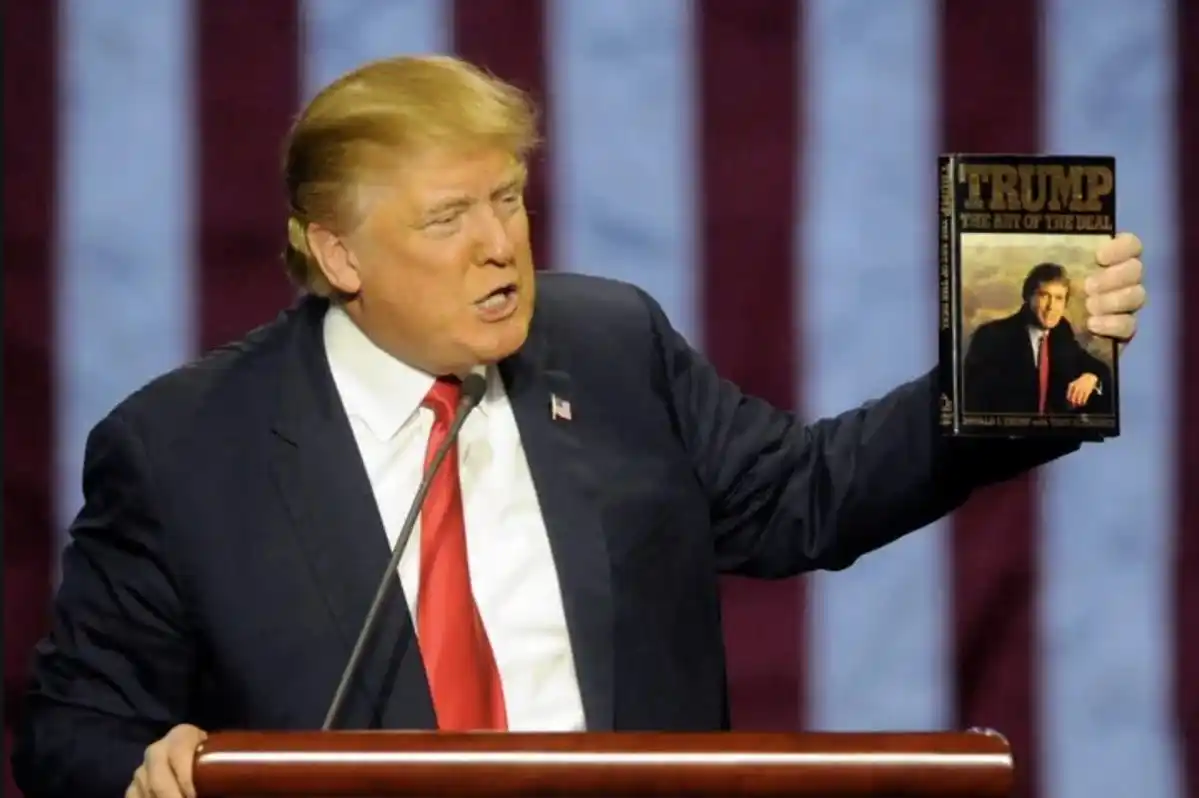
Caption: Trump praised his own book as the "number one bestselling business book of all time"
Below are the 11 steps he wrote himself. After reading them, you will be able to clearly see through his smoke screens, better cope with market volatility, and gain a "Trump advantage" in the game that surpasses the market.
1. Think Big
Trump likes to set grand goals. Because even if they aren't fully achieved, the accomplishment will be higher than if the goal was set too low. This is why you always see him proposing crazy objectives.
2. Protect the Downside and the Upside Will Take Care of Itself
Trump is very good at annoying people, but he is equally good at leaving room for recovery. Take China policy as an example: he would first announce 100% tariffs to force the other side back to the negotiating table, then soften his tone and extend tariff deadlines as details are finalized.
3. Maximize Your Options
Trump knows he is playing a high-stakes game, so he never locks himself in too early. In the TikTok sale case, he met with every executive, maximizing US equity and interests, while creating a sense of urgency through a tight ban deadline, extending it as needed.
4. Know Your Market
Trump won the election because he understood the voter market better than anyone else. You might not know that the "Make America Great Again (MAGA)" trademark was registered by him back in 2012. He has an astonishing intuition for the direction of momentum, going from a perceived "clown candidate" to serving two terms.
5. Use Your Leverage
Trump knows that factory jobs are the pillar of the Chinese economy, so the other side is eager to make a deal. This is why Trump applies high pressure. US wholesalers can order inventory in bulk to prepare for a breakdown in relations, but China, after a year of pandemic, cannot afford factory closures.
6. Enhance Your Location
Coming from a real estate background, Trump knows the US is sitting on a gold mine, but in the past chose to bow to the moral high ground of environmentalism. He reopened drilling, making US land more valuable and thus attracting new foreign investment.
7. Get the Word Out
This one is deeply felt by everyone. Trump's use of social media is an order of magnitude more intense than all previous presidents combined. He has "normalized" modern politics. This is why you feel he is always in the news—because he really is always there.
8. Fight Back
No words can surpass the impact of this moment:
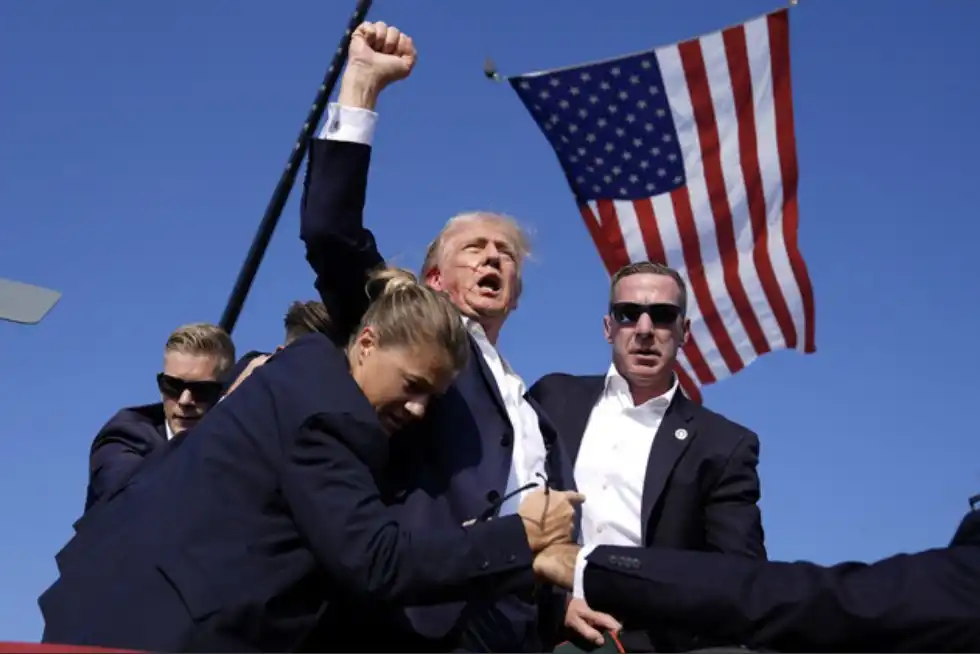
Caption: The moment after Trump was shot at a rally in Pennsylvania on July 13, 2024
9. Deliver the Goods
Trump delivered on almost every campaign promise through executive orders. Whether they will have long-term effects remains to be seen.
10. Contain the Costs
If you study how Trump does real estate deals, you'll find he is famous for "not investing personal capital." Instead, he finds landlords to provide funding, construction companies to develop, management companies to operate, and walks away with tens of millions in profit, with his name on the building.
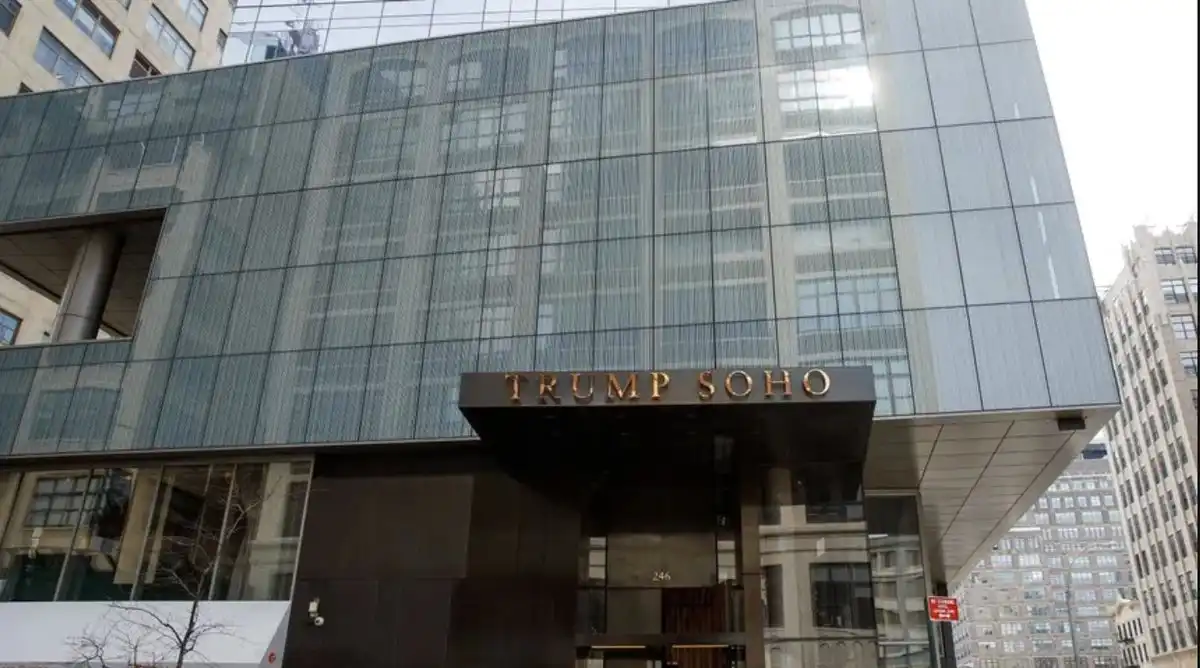
Caption: The Trump Soho project, where Trump gained 18% equity and a $6 million salary solely through brand licensing and management deals. He contributed no capital, only his time.
He spent $66 million on his 2016 campaign (because he was a nobody then), but did you know that in the 2020 and 2024 campaigns, he spent not a single penny of his own money?
11. Have Fun
I respect that Trump always seems full of energy. He has lived an extraordinary life and is clearly enjoying it.
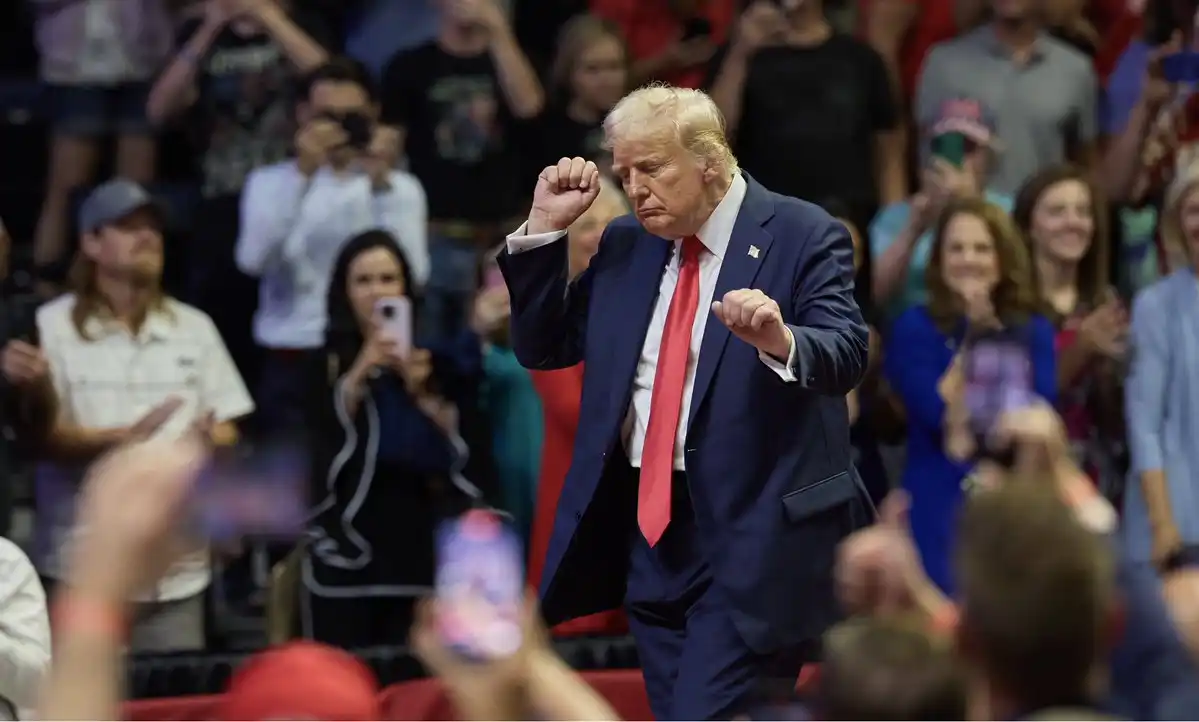
Caption: Trump doing his signature dance at a 2024 Michigan rally
Summary: How to Navigate the Future Trump Era
Trump is not the "reckless fool" portrayed by the media. On the contrary, beneath his impulsive exterior lies highly calculated and purposeful consideration.
Before reading his book, my impression of Trump was the same as everyone else's—a stupid, reckless, arrogant guy who would only ruin the country.
But now I know: Ignore his words, focus on his actions.
This has given me unprecedented clarity in dealing with the markets, and I no longer lose sleep at night. If you are troubled by Trump's actions in the future, come back to this article and understand what he is really trying to do.





