Original | Odaily Planet Daily (@OdailyChina)
Author | Azuma (@azuma_eth)

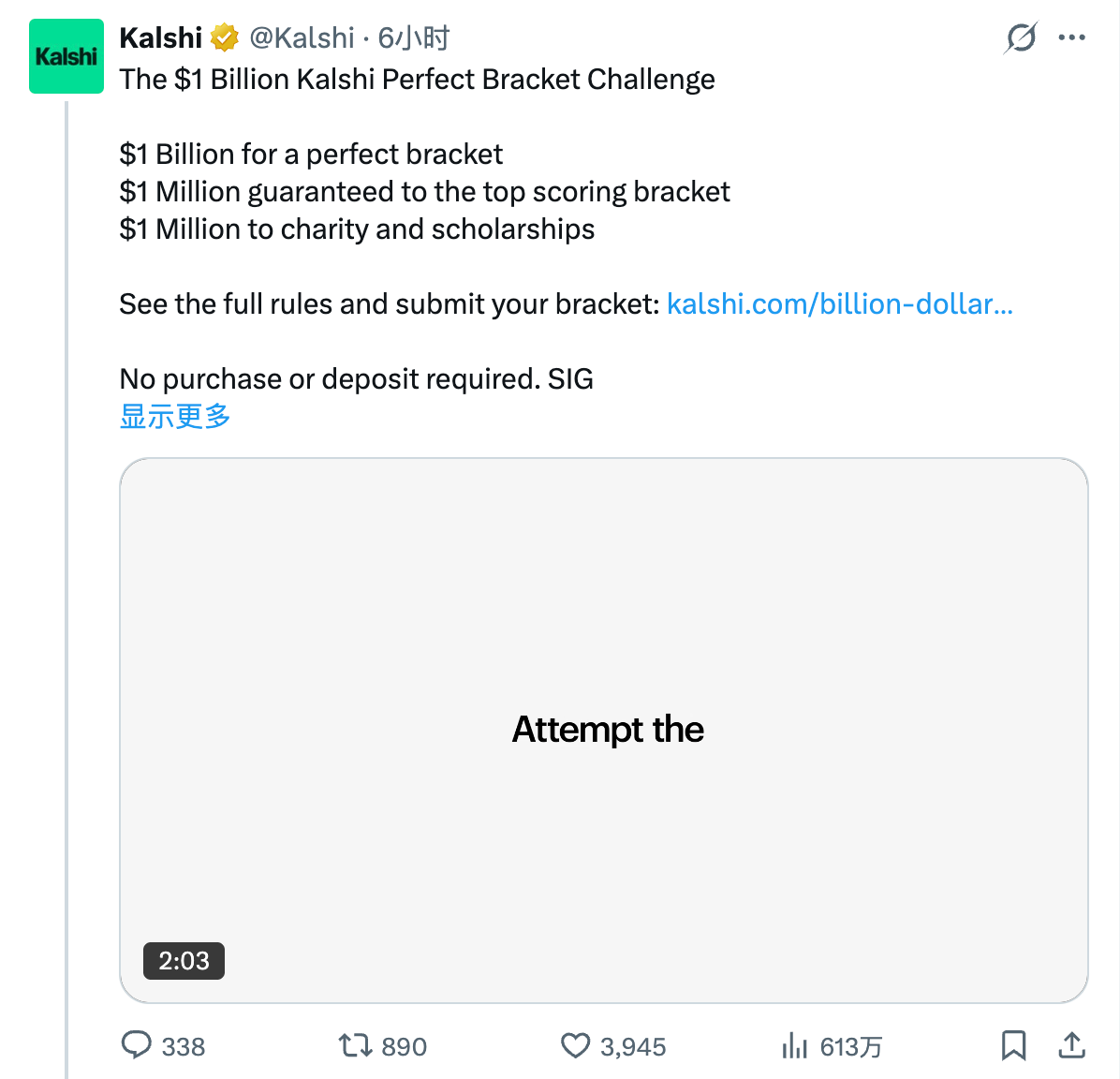
In the early hours of March 17, prediction market Kalshi announced on X that, following the example of stock god Warren Buffett, it will launch a "Perfect Bracket Challenge" for the upcoming "March Madness" NCAA tournament—users who perfectly predict all match outcomes will have a chance to win a super grand prize of $1 billion.
"March Madness": America's Hottest Basketball Spectacle
"March Madness" refers to the NCAA Men's Division I Basketball Tournament held every March by the National Collegiate Athletic Association (NCAA). The tournament, which typically begins in March, features a single-elimination format with an intense and fast-paced schedule, hence the name.
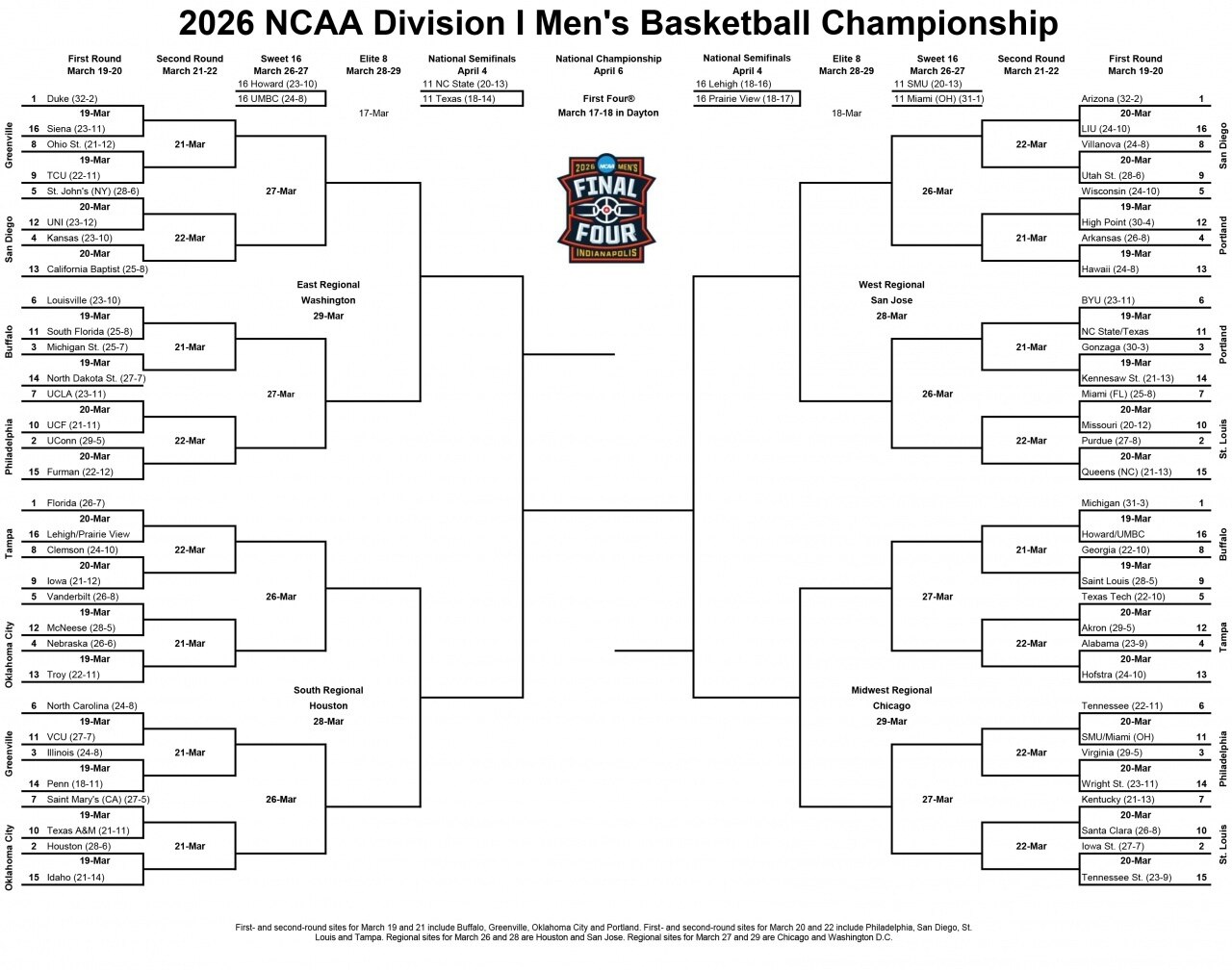
According to the schedule confirmed by yesterday's draw, the 2026 "March Madness" will officially tip off on March 18 (tomorrow) Beijing time. Sixty-eight college teams that have earned their spots in "March Madness" through months of regular-season battles will compete for the championship. The first to take place will be the First Four play-in games, where 8 play-in teams will directly eliminate 4, and the remaining 64 teams will go through five rounds of single-elimination matches (Round of 64 → Round of 32 → Sweet 16 → Elite 8 → Final Four → Championship Game → National Champion) to determine the ultimate winner.
As the most-watched college basketball event in the United States, compared to the NBA, which features professional clubs, the NCAA, centered around universities, often fosters a stronger sense of "home team identity" among the general public. During "March Madness," students, alumni, and even local communities of each school spontaneously rally to support their alma mater. Because of this, the event's atmosphere of全民参与 (quánmín cānyù -全民参与全民参与 (全民参与)全民参与 (quánmín cānyù)全民参与 (全民参与)全民参与 (quánmín cānyù)全民参与 (全民参与)全民参与 (quánmín cānyù)全民参与 (全民参与)全民参与 (quánmín cānyù)全民参与 (全民参与)全民参与 (quánmín cānyù)全民参与 (全民参与)全民参与 (quánmín cānyù)全民参与 (全民参与)全民参与 (quánmín cānyù)全民参与 (全民参与)全民参与 (quánmín cānyù)全民参与 (全民参与)全民参与 (quánmín cānyù)全民参与 (全民参与)全民参与 (quánmín cānyù)全民参与 (全民参与)全民参与 (quánmín cānyù)全民参与 (全民参与)全民参与 (quánmín cānyù)全民参与 (全民参与)全民参与 (quánmín cānyù)全民参与 (全民参与)全民参与 (quánmín cānyù)全民参与 (全民参与)全民参与 (quánmín cānyù)全民参与 (全民参与)全民参与 (quánmín cānyù)全民参与 (全民参与)全民参与 (quánmín cānyù)全民参与 (全民参与)全民参与 (quánmín cānyù)全民参与 (全民参与)全民参与 (quánmín cānyù)全民参与 (全民参与)全民参与 (quánmín cānyù)全民参与 (全民参与)全民参与 (quánmín cānyù)全民参与 (全民参与)全民参与 (quánmín cānyù)全民参与 (全民参与)全民参与 (quánmín cānyù)全民参与 (全民参与)全民参与 (quánmín cānyù)全民参与 (全民参与)全民参与 (quánmín cānyù)全民参与 (全民参与)全民参与 (quánmín cānyù)全民参与 (全民参与)全民参与 (quánmín cānyù)全民参与 (全民参与)全民参与 (quánmín cānyù)全民参与 (全民参与)全民参与 (quánmín cānyù)全民参与 (全民参与)全民参与 (quánmín cānyù)全民参与 (全民参与)全民参与 (quánmín cānyù)全民参与 (全民参与)全民参与 (quánmín cānyù)全民参与 (全民参与)全民参与 (quánmín cānyù)全民参与 (全民参与)全民参与 (quánmín cānyù)全民参与 (全民参与)全民参与 (quánmín cānyù)全民参与 (全民参与)全民参与 (quánmín cānyù)全民参与 (全民参与)全民参与 (quánmín cānyù)全民参与 (全民参与)全民参与 (quánmín cānyù)全民参与 (全民参与)全民参与 (quánmín cānyù)全民参与 (全民参与)全民参与 (quánmín cānyù)全民参与 (全民参与)全民参与 (quánmín cānyù)全民参与 (全民参与)全民参与 (quánmín cānyù)全民参与 (全民参与)全民参与 (quánmín cānyù)全民参与 (全民参与)全民参与 (quánmín cānyù)全民参与 (全民参与)全民参与 (quánmín cānyù)全民参与 (全民参与)全民参与 (quánmín cānyù)全民参与 (全民参与)全民参与 (quánmín cānyù)全民参与 (全民参与)全民参与 (quánmín cānyù)全民参与 (全民参与)全民参与 (quánmín cānyù)全民参与 (全民参与)全民参与 (quánmín cānyù)全民参与 (全民参与)全民参与 (quánmín cānyù)全民参与 (全民参与)全民参与 (quánmín cānyù)全民参与 (全民参与)全民参与 (quánmín cānyù)全民参与 (全民参与)全民参与 (quánmín cānyù)全民参与 (全民参与)全民参与 (quánmín cānyù)全民参与 (全民参与)全民参与 (quánmín cānyù)全民参与 (全民参与)全民参与 (quánmín cānyù)全民参与 (全民参与)全民参与 (quánmín cānyù)全民参与 (全民参与)全民参与 (quánmín cānyù)全民参与 (全民参与)全民参与 (quánmín cānyù)全民参与 (全民参与)全民参与 (quánmín cānyù)全民参与 (全民参与)全民参与 (quánmín cānyù)全民参与 (全民参与)全民参与 (quánmín cānyù)全民参与 (全民参与)全民参与 (quánmín cānyù)全民参与 (全民参与)全民参与 (quánmín cānyù)全民参与 (全民参与)全民参与 (quánmín cānyù)全民参与 (全民参与)全民参与 (quánmín cānyù)全民参与 (全民参与)全民参与 (quánmín cānyù)全民参与 (全民参与)全民参与 (quánmín cānyù)全民参与 (全民参与)全民参与 (quánmín cānyù)全民参与 (全民参与)全民参与 (quánmín cānyù)全民参与 (全民参与)全民参与 (quánmín cānyù)全民参与 (全民参与)全民参与 (quánmín cānyù)全民参与 (全民参与)全民参与 (quánmín cānyù)全民参与 (全民参与)全民参与 (quánmín cānyù)全民参与 (全民参与)全民参与 (quánmín cānyù)全民参与 (全民参与)全民参与 (quánmín cānyù)全民参与 (全民参与)全民参与 (quánmín cānyù)全民参与 (全民参与)全民参与 (quánmín cānyù)全民参与 (全民参与)全民参与 (quánmín cānyù)全民参与 (全民参与)全民参与 (quánmín cānyù)全民参与 (全民参与)全民参与 (quánmín cānyù)全民参与 (全民参与)全民参与 (quánmín cānyù)全民参与 (全民参与)全民参与 (quánmín cānyù)全民参与 (全民参与)全民参与 (quánmín cānyù)全民参与 (全民参与)全民参与 (quánmín cānyù)全民参与 (全民参与)全民参与 (quánmín cānyù)全民参与 (全民参与)全民参与 (quánmín cānyù)全民参与 (全民参与)全民参与 (quánmín cānyù)全民参与 (全民参与)全民参与 (quánmín cānyù)全民参与 (全民参与)全民参与 (quánmín cānyù)全民参与 (全民参与)全民参与 (quánmín cānyù)全民参与 (全民参与)全民参与 (quánmín cānyù)全民参与 (全民参与)全民参与 (quánmín cānyù)全民参与 (全民参与)全民参与 (quánmín cānyù)全民参与 (全民参与)全民参与 (quánmín cānyù)全民参与 (全民参与)全民参与 (quánmín cānyù)全民参与 (全民参与)全民参与 (quánm极参与) can, in some ways, even surpass the热度 (rèdù -热度)热度 (rèdù)热度 (热度)热度 (rèdù)热度 (热度)热度 (rèdù)热度 (热度)热度 (rèdù)热度 (热度)热度 (rèdù)热度 (热度)热度 (rèdù)热度 (热度)热度 (rèdù)热度 (热度)热度 (rè极参与) of the NBA Finals.
From a competitive standpoint, although college players' overall skill level is still难以 compared to professional players, the unique aspect of "March Madness" is that the stage window for most participants is extremely limited—usually only 1 to 4 years, and the most talented among them often enter the NBA after their freshman season. This "fleeting" opportunity makes every possession on the court feel more urgent—once they step onto the court, almost everyone competes with desperate intensity.
At the same time, 2026 is widely regarded as a strong NBA draft year, further amplifying the attention on this year's tournament. Players like Dariq Whitehead from Kansas University, AJ Dybantsa from BYU, and Cameron Boozer (son of Carlos Boozer, Yao Ming's old rival) from Duke University are seen as generational talents,有望 competing for next year's NBA No. 1 overall pick. The direct matchups between these "future stars" also add a layer of foresight into the future NBA landscape to this year's "March Madness," beyond its entertainment value.
Massive Traffic, Prediction Markets Can't Miss It
During "March Madness," filling out "brackets" to predict game outcomes through sports betting services has long been a major custom in the US. How could prediction markets, which are perfectly suited for this, miss this opportunity?
Currently, prediction markets like Polymarket and Kalshi have already launched prediction events related to the "March Madness" tournament. Polymarket has even included it in the first batch of pilot paid sports events, seemingly准备 to make a fortune from the upcoming tournament frenzy.
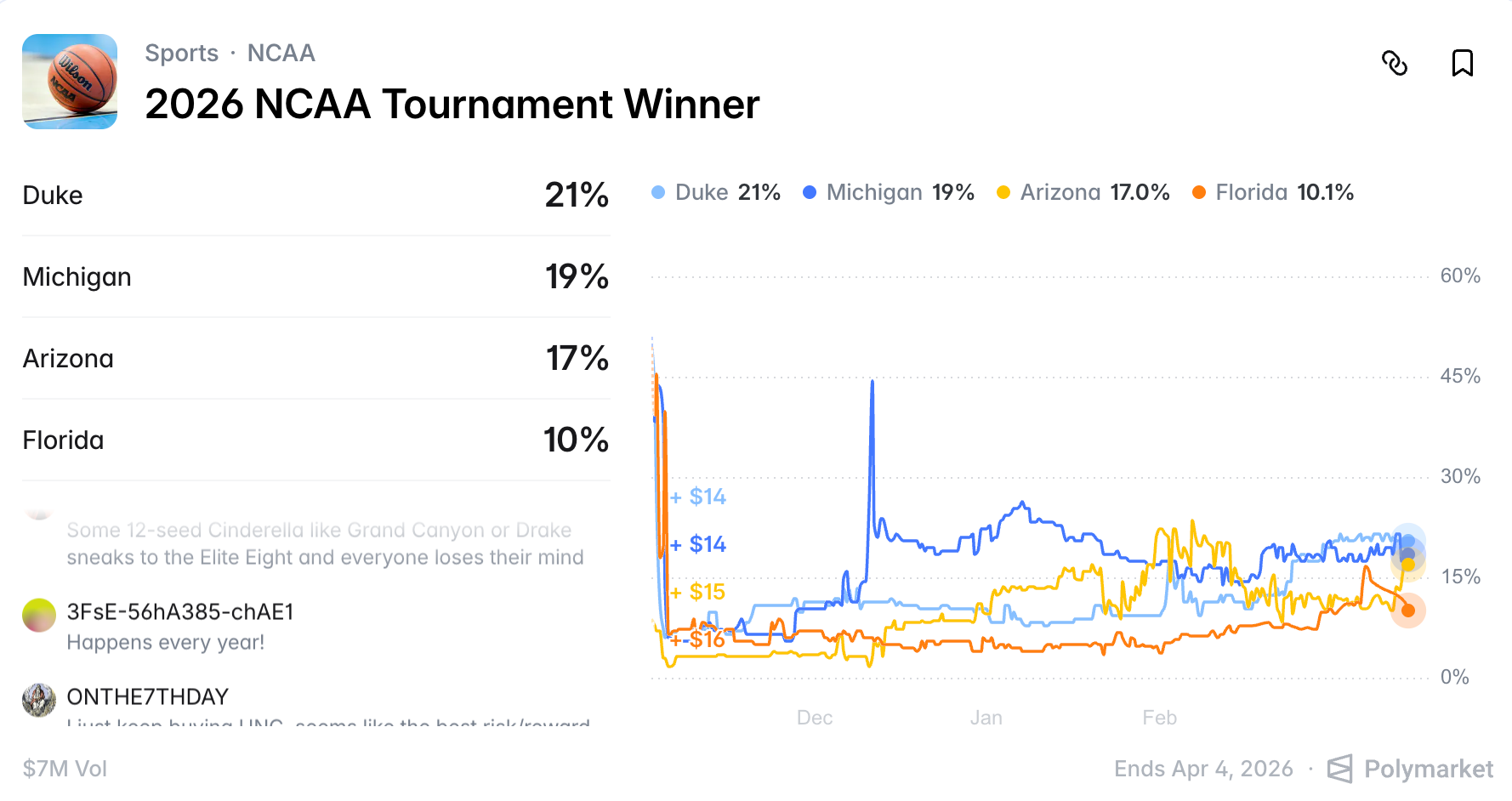
Polymarket's real-time probabilities show that the current top four universities in terms of championship odds for "March Madness" are the number one seeds from the four major regions:
- Duke University,拥有下赛季 NBA 状元秀热门球员卡梅隆·布泽尔 (Duke University,拥有下赛季 NBA 状元秀热门球员卡梅隆·布泽尔) (Duke University,拥有下赛季 NBA 状元秀热门球员卡梅隆·布泽尔) (Duke University,拥有下赛季 NBA 状元秀热门球员卡梅隆·布泽尔) (Duke University,拥有下赛季 NBA 状元秀热门球员卡梅隆·布泽尔) (Duke University,拥有下赛季 NBA 状元秀热门球员卡梅隆·布泽尔) (Duke University,拥有下赛季 NBA 状元秀热门球员卡梅隆·布泽尔) (Duke University,拥有下赛季 NBA 状元秀热门球员卡梅隆·布泽尔) (Duke University,拥有下赛季 NBA 状元秀热门球员卡梅隆·布泽尔) (Duke University,拥有下赛季 NBA 状元秀热门球员卡梅隆·布泽尔) (Duke University,拥有下赛季 NBA 状元秀热门球员卡梅隆·布泽尔) (Duke University,拥有下赛季 NBA 状元秀热门球员卡梅隆·布泽尔) (Duke University,拥有下赛季 NBA 状元秀热门球员卡梅隆·布泽尔) (Duke University,拥有下赛季 NBA 状元秀热门球员卡梅隆·布泽尔) (Duke University,拥有下赛季 NBA 状元秀热门球员卡梅隆·布泽尔) (Duke University,拥有下赛季 NBA 状元秀热门球员卡梅隆·布泽尔) (Duke University,拥有下赛季 NBA 状元秀热门球员卡梅隆·布泽尔) (Duke University,拥有下赛季 NBA 状元秀热门球员卡梅隆·布泽尔) (Duke University,拥有下赛季 NBA 状元秀热门球员卡梅隆·布泽尔) (Duke University,拥有下赛季 NBA 状元秀热门球员卡梅隆·布泽尔) (Duke University,拥有下赛季 NBA 状元秀热门球员卡梅隆·布泽尔) (Duke University,拥有下赛季 NBA 状元秀热门球员卡梅隆·布泽尔) (Duke University,拥有下赛季 NBA 状元秀热门球员卡梅隆·布泽尔) (Duke University,拥有下赛季 NBA 状元秀热门球员卡极参与) (featuring Cameron Boozer, a hot candidate for next season's NBA top draft pick) ranks first, currently at 21%;
- University of Michigan ranks second,暂报 19% (currently at 19%);
- University of Arizona ranks third,暂报 17% (currently at 17%);
- Defending champion University of Florida ranks fourth,暂报 11% (currently at 11%).
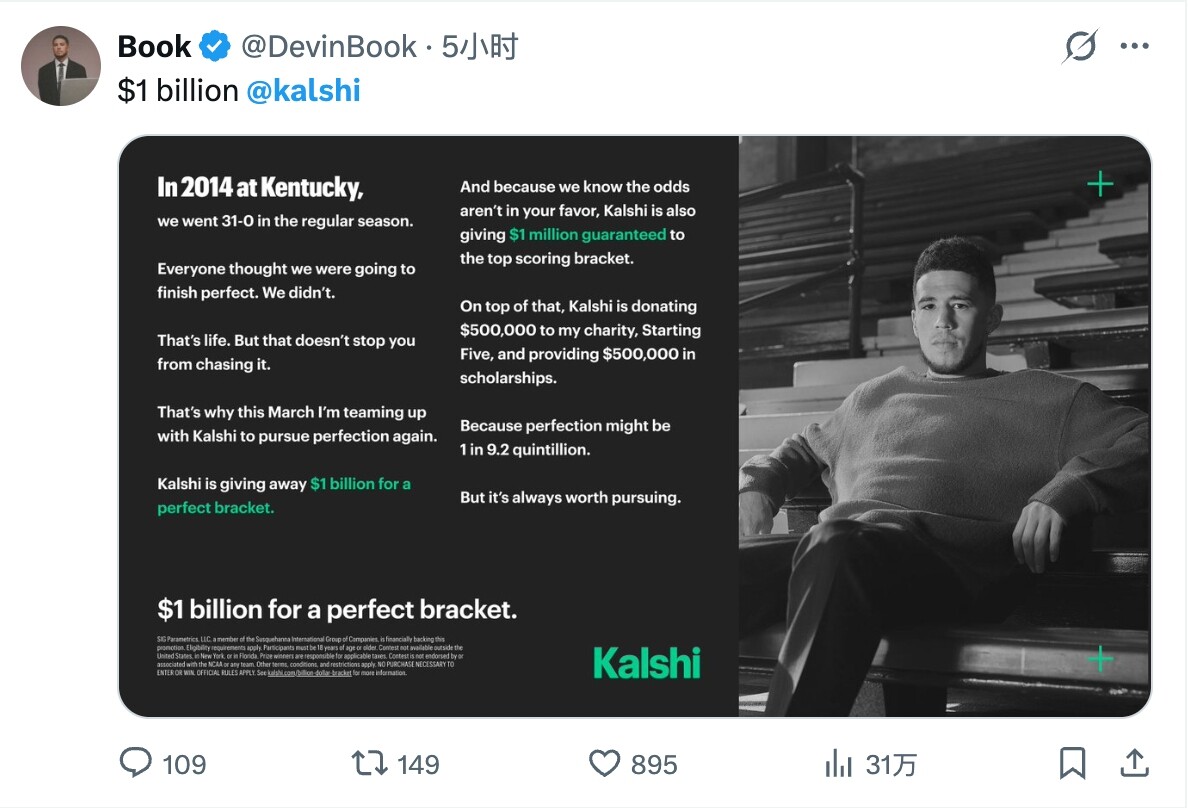
Kalshi, on the other hand, followed Buffett's lead this morning by launching a nuclear-level "$1 Billion Grand Prize" activity. All users can submit a prediction bracket for free on Kalshi, and users who perfectly predict all game outcomes can win $1 billion. If no one successfully predicts perfectly, Kalshi will also provide a $1 million reward to the user with the best prediction score and allocate another $1 million to support charitable organizations.
It is worth mentioning that Kalshi also brought in NBA star Devin Booker to help promote the event. In 2014, Booker's University of Kentucky team achieved an undefeated 31-0 record in the regular season and was once highly favored to win the national championship that year, but lost to the University of Wisconsin 64-71 in the semi-finals. Booker entered the NBA the following year, forever unable to fulfill this regret.
Buffett Has Offered the Prize for 12 Years, But No One Has Claimed the Grand Prize
The reason for mentioning that Kalshi's grand prize is following Buffett's example is that Buffett himself established a similar grand prize as early as 2014—employees of his Berkshire Hathaway company who could correctly predict the results of all games would be eligible for a huge prize of $1 billion, to be paid out by the company over 40 years (or they could choose a lump sum payment of $500 million).
However, due to the extreme difficulty of making a perfect prediction, the prize has never been claimed. Buffett later reduced the guessing difficulty several times (the reward was also adjusted downward accordingly). It wasn't until last year that an anonymous employee from FlightSafety International, a subsidiary of Berkshire Hathaway, correctly predicted 31 out of the first 32 games and claimed the downsized million-dollar prize.
How difficult is a perfect prediction? The most classic number circulating in the industry is "1 in 9.2 quintillion." This probability stems from the following mathematical calculation: assuming each game is 50% vs. 50% (completely random), without considering seed strength, odds, or historical patterns, "March Madness" has a total of 63 games (excluding the First Four). Therefore, the number of possible排列组合 (páiliè zǔhé -排列组合)排列组合 (páiliè zǔhé)排列组合 (排列组合)排列组合 (páiliè zǔhé)排列组合 (排列组合)排列组合 (páiliè zǔhé)排列组合 (排列组合)排列组合 (páiliè zǔhé)排列组合 (排列组合)排列组合 (páiliè zǔhé)排列组合 (排列组合)排列组合 (páiliè zǔhé)排列组合 (排列组合)排列组合 (páiliè zǔhé)排列组合 (排列组合)排列组合 (páiliè zǔhé)排列组合 (排列组合)排列组合 (páiliè zǔhé)排列组合 (排列组合)排列组合 (páiliè zǔhé)排列组合 (排列组合)排列组合 (páiliè zǔhé)排列组合 (排列组合)排列组合 (páiliè zǔhé)排列组合 (排列组合)排列组合 (páiliè zǔhé)排列组合 (排列组合)排列组合 (páiliè zǔhé)排列组合 (排列组合)排列组合 (páiliè zǔhé)排列组合 (排列组合)排列组合 (páiliè zǔhé)排列组合 (排列组合)排列组合 (páiliè zǔhé)排列极参与) scenarios is 2^63, which written out is 9,223,372,036,854,775,808... If these possible outcomes were written on paper, the weight of the paper would reach 180 trillion tons, equal to the weight of 500 million Empire State Buildings...
Does it seem utterly impossible? Don't worry, I'll help you significantly increase the probability!
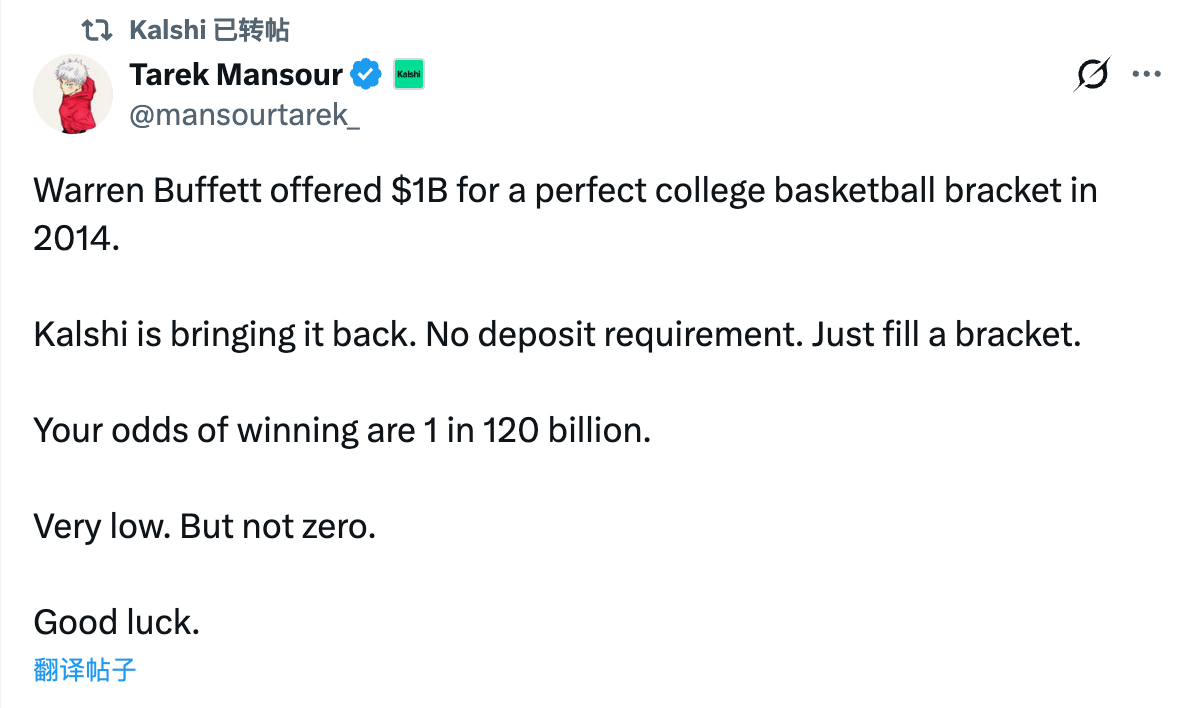
Kalshi CEO Tarek Mansour said this morning when discussing this activity that the probability of a perfect prediction is approximately "1 in 120 billion." The reason for the huge difference between these two probabilities is that this probability is based on a more realistic model calculation—sports games are not 50-50; stronger teams often win more easily. After weighting calculations based on historical win rates and related odds, the academic and statistical communities typically estimate the probability of a perfect "March Madness" prediction to be between "1 in 10^11 ~ 1 in 10^13". "1 in 120 billion" falls within this range.
But even "1 in 120 billion" means the possibility is almost zero. Clearly, Kalshi is playing the same probability game as Buffett, betting that no one will be able to take home this $1 billion.
Community is Eager, AI May Be the Key to Breaking the Deadlock
After Kalshi's grand prize activity was announced, it immediately sparked widespread discussion on social media—after all, the prediction is free, what if you win?
And this time, many users are pinning their hopes on the groundbreaking revolution of AI. Overseas KOL Chase Passive Income stated on X that he would spend $50 million on data processing, having countless AI agents create accounts and fill out all possible brackets, calling it the "easiest $1 billion to make."
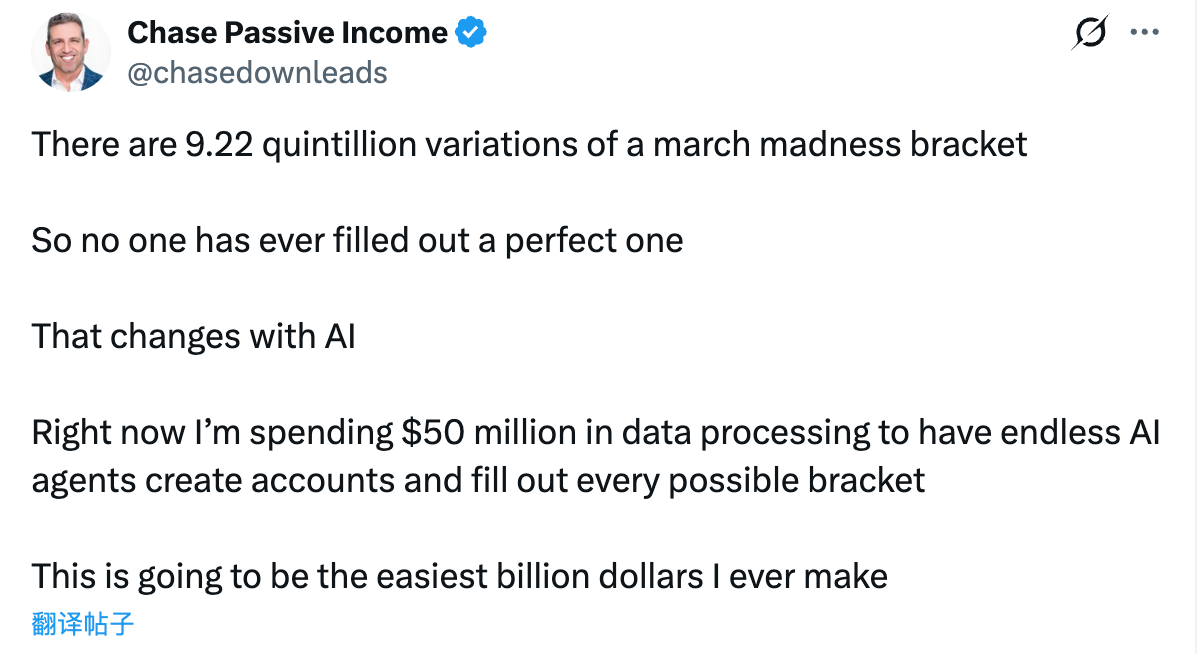
Will the unsolvable probability puzzle persist? Can AI create a miracle? Before the national champion of "March Madness" is crowned, no one knows the answer.
As spectators, besides waiting to watch the games and enjoy the drama, don't forget to go to Kalshi and fill out your dream bracket.






