From Lloyd's Coffeehouse to Polymarket: Prediction Markets Are Reshaping the Insurance Industry

marsbitОпубліковано о 2026-02-21Востаннє оновлено о 2026-02-21

Анотація

From the coffeehouses of 17th-century London to the blockchain-based prediction markets of today, the fundamental nature of risk management is being reimagined. The article begins with a contemporary crisis: major insurers like Farmers Insurance and State Farm are canceling hundreds of thousands of policies in states like Florida and California, a "great insurance withdrawal" driven by catastrophic losses from hurricanes and wildfires that have shattered traditional actuarial models. The narrative then returns to the origin of modern insurance at Lloyd's Coffee House, where merchants and shipowners gathered to collectively underwrite voyages, dispersing individual risk among a group. For centuries, this model of risk transfer, priced by expert actuaries, has dominated. However, climate change and unprecedented disasters are now exposing its limits. The article proposes looking beyond insurance to the financial concept of *hedging*—offsetting risk rather than transferring it. Examples include Ray Dalio's innovative solution for McDonald's to lock in corn and soybean meal prices to launch the McChicken, and Southwest Airlines' legendary fuel hedging strategy that saved it billions. This "elegant" mechanism turns future uncertainty into present-day certainty through open markets. The pivotal shift is embodied by Polymarket, a prediction market platform. Here, users can trade contracts on the outcome of real-world events, from elections to weather patterns. This creates a dece...

In 2023, a letter arrived in the mailboxes of one hundred thousand households in Florida, USA.

The letter, from the century-old insurance giant Farmers Insurance, was brief and brutal: one hundred thousand policies, from homes to cars, were voided effective immediately.

Promises in black and white turned into worthless paper overnight. Furious policyholders flooded social media, demanding answers from the company they had trusted for decades. But all they got was a cold announcement: "We must more effectively manage our risk exposure."

In California, the situation was worse. Insurance behemoths like State Farm and Allstate had already stopped accepting any new applications for home insurance, and over 2.8 million existing policies were denied renewal.

An unprecedented "Great Insurance Retreat" is underway in the United States. The very industry that once served as a social stabilizer, promising to be a safety net for all, is itself now in turmoil.

Why? Let's look at the following data.

Hurricane Helene may have caused over $53 billion in damages in North Carolina; Hurricane Milton, according to Goldman Sachs estimates, could result in insured losses exceeding $25 billion; and for a major fire in Los Angeles, AccuWeather estimated total economic losses between $250 and $275 billion, while CoreLogic estimated insurance payouts between $35 and $45 billion.

Insurance companies are finding themselves at the limits of their ability to pay. So, who can replace the traditional insurance industry?

A Wager in a Coffeehouse

The story begins over three hundred years ago in London.

In 1688, on the banks of the Thames, a coffeehouse named Lloyd's was shrouded in the same shadow for sailors, merchants, and shipowners. Merchant ships laden with goods sailed from London to distant Americas or Asia. A safe return meant immense wealth; but encountering a storm, pirates, or running aground meant total loss.

Risk, like an inescapable dark cloud, loomed over every seafarer.

The coffeehouse owner, Edward Lloyd, was a shrewd businessman. He realized these captains and cargo owners needed more than just coffee; they needed a place to share risk. So, he began encouraging a kind of "betting game."

A captain would write the ship and cargo details on a piece of paper and post it on the coffeehouse wall. Anyone willing to assume a portion of the risk could sign their name on this paper and write the amount they were willing to underwrite. If the ship returned safely, they would share a fee (the premium) paid by the captain proportionally; if the ship was lost, they had to compensate the captain for the losses proportionally.

If the ship returns, everyone celebrates; if it sinks, losses are shared.

This was the prototype of modern insurance. It had no complex actuarial models, only simple business wisdom—distributing one person's enormous risk for a group to share.

In 1774, 79 underwriters joined forces to form the Lloyd's Association, moving from the coffeehouse into the Royal Exchange. A modern financial industry worth trillions was born.
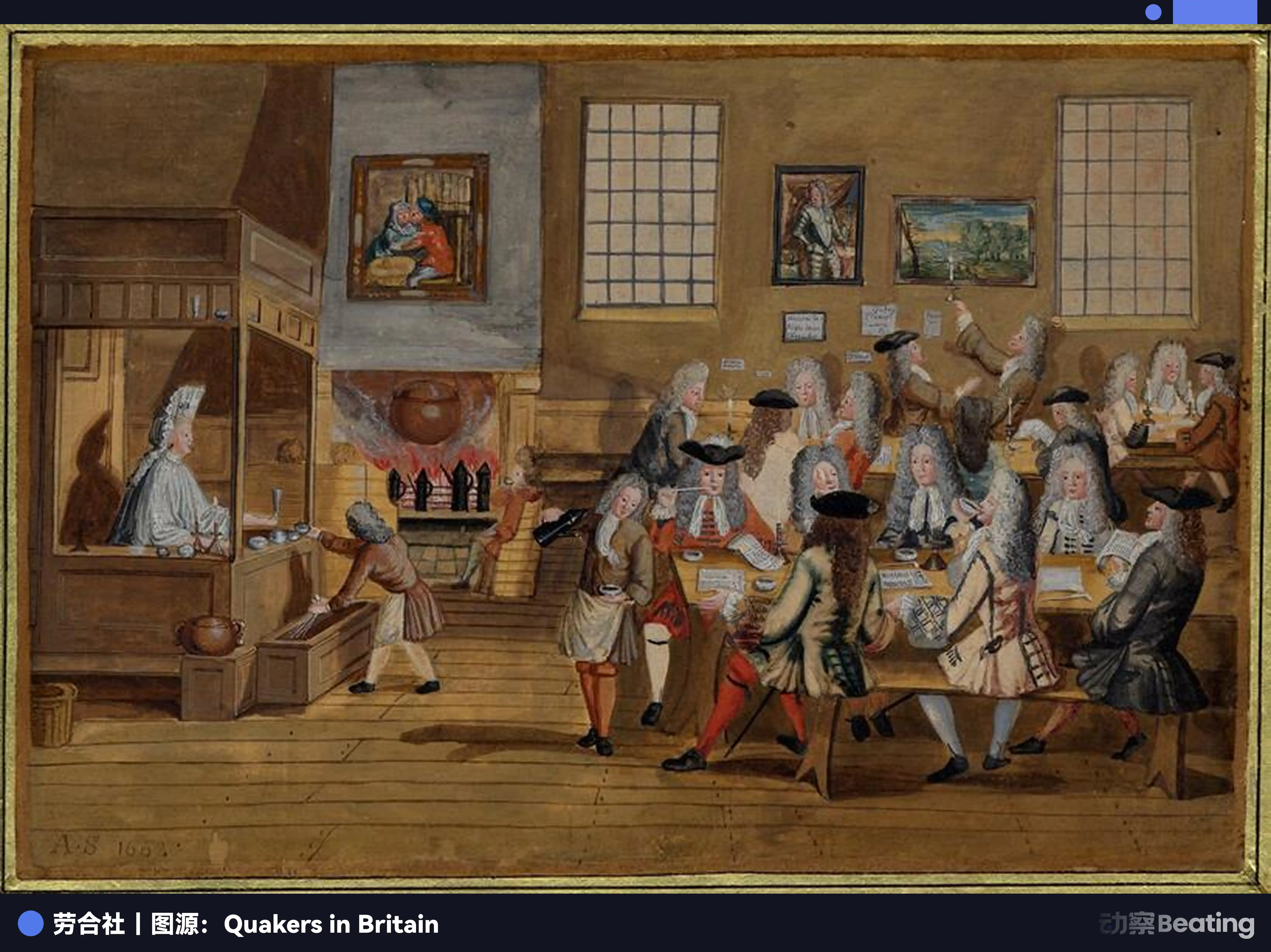
For over three hundred years, the essence of the insurance industry has never changed: it is a business of managing risk. Through actuarial science, it calculates the probability of various risks, prices that risk, and sells it to those seeking protection.

But today, this ancient business model faces unprecedented challenges.

When the frequency and intensity of hurricanes, floods, and wildfires far exceed the predictions of historical data and actuarial models, insurance companies find their measuring stick can no longer gauge the world's growing uncertainty.

They have only two choices: either drastically raise premiums, or retreat—as we saw in Florida and California.

A More Elegant Solution: Hedging Risk

While the insurance industry is stuck in the dilemma of "can't calculate accurately, can't afford to pay, dare not insure," we might step outside the insurance framework and look for answers in another ancient industry: finance.

In 1983, McDonald's planned to launch a revolutionary product: Chicken McNuggets. But a major problem faced management: chicken prices were too volatile. If they locked in menu prices and chicken prices soared, the company would face huge losses.

The tricky part was, there was no chicken futures market available to hedge this risk.

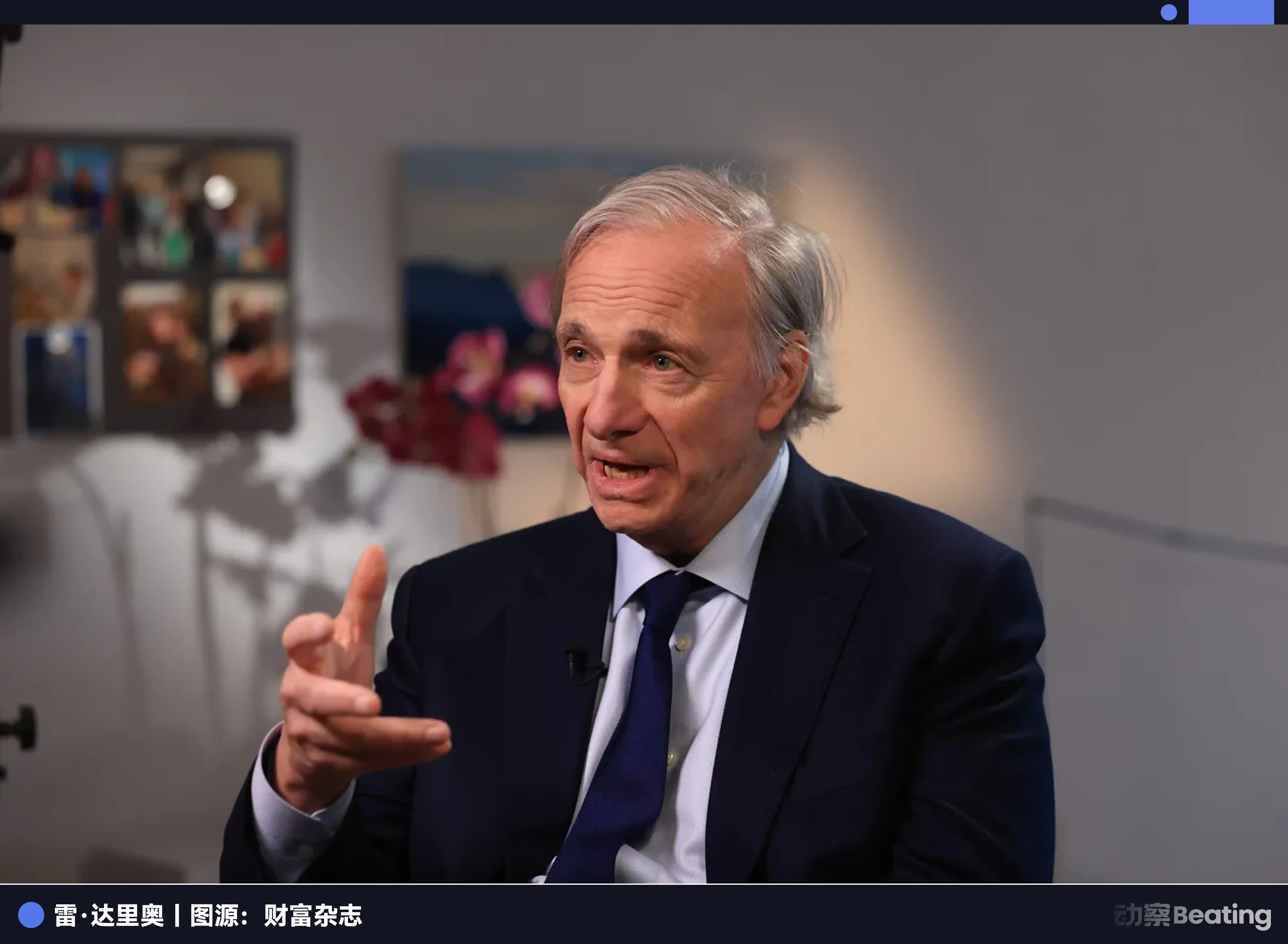
Ray Dalio, then a commodity trader, proposed a genius solution.

He said to McDonald's chicken suppliers: "Isn't the cost of a chicken just the chick, corn, and soybean meal? Chick prices are relatively stable; what really fluctuates are the prices of corn and soybean meal. You can go to the futures market and buy corn and soybean meal futures contracts, locking in your production costs. Then you can supply McDonald's with fixed-price chicken, right?"

This idea of a "synthetic future," commonplace today, was revolutionary at the time. It not only helped McDonald's successfully introduce Chicken McNuggets but also planted the seed for Ray Dalio to later found the world's largest hedge fund, Bridgewater Associates.
Another classic case comes from Southwest Airlines.

In 1993, then-CFO Gary Kelly began establishing a fuel hedging strategy for the company. From 1998 to 2008, this strategy saved Southwest approximately $3.5 billion in fuel costs, equivalent to 83% of the company's profits during the same period.

During the 2008 financial crisis, when oil prices soared to $130 per barrel, Southwest, through futures contracts, purchased 70% of its fuel at a locked-in price of $51 per barrel. This made it the only major U.S. airline that could maintain its "bags fly free" policy at the time.

Whether it was McDonald's chicken or Southwest's fuel, both reveal the same simple business wisdom: use financial markets to transform future uncertainty into present certainty.

This is hedging. Its goal is the same as insurance, but the underlying logic is completely different.

Insurance is the transfer of risk. You transfer a risk (e.g., a car accident, illness) to an insurance company and pay a premium for it. Hedging is the offsetting of risk.

You have a position in the spot market (e.g., need to buy fuel), so you establish an opposite position in the futures market (e.g., buy fuel futures). When the spot price rises, the profit from the futures offsets the loss on the spot.

Insurance is a relatively closed system, dominated by insurance companies and actuaries. Hedging is an open system, priced collectively by market participants.

So, if hedging is so elegant and efficient, why can't we use it to solve today's insurance dilemma? Why can't a Florida resident hedge the risk of a hurricane making landfall, just like Southwest Airlines hedged fuel risk?

The answer is simple: because such a market didn't exist.

Until a young entrepreneur, who started his business in a bathroom, brought it to us.

From "Risk Transfer" to "Risk Trading"

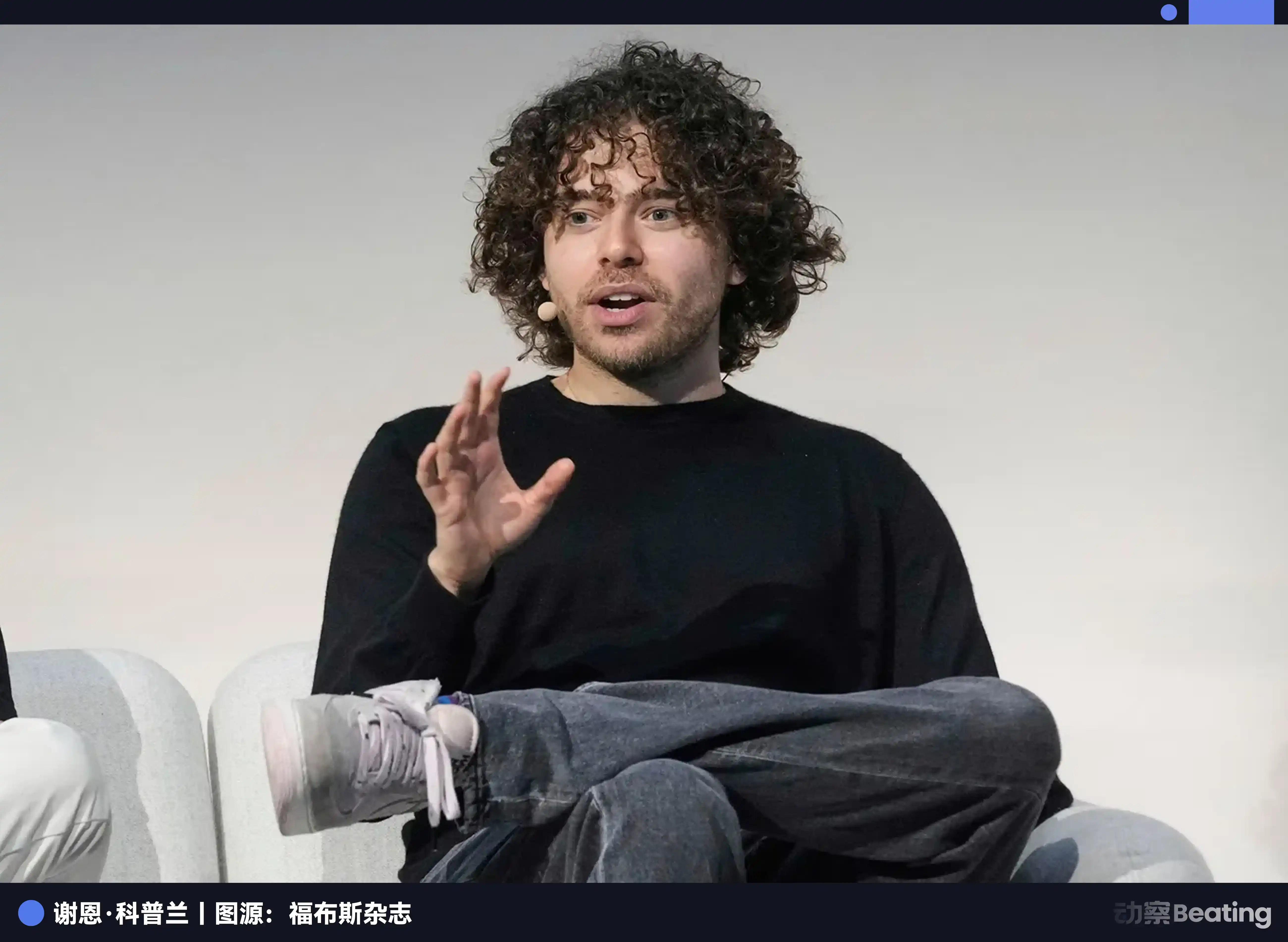
22-year-old Shayne Coplan founded Polymarket in a bathroom. This blockchain-based prediction market gained fame in 2024 during the U.S. presidential election, with annual trading volume exceeding $9 billion.
Beyond the political betting, Polymarket also hosts some intriguing markets. For example, will Houston's maximum temperature exceed 105 degrees Fahrenheit in August? Will California's nitrogen dioxide concentration be above average this week?

An anonymous trader named Neobrother accumulated profits of over $20,000 trading these weather contracts on Polymarket. He and his followers are known as "Weather Hunters."

While insurance companies are fleeing Florida because they can't predict the weather, a group of mysterious players are enthusiastically trading differences of 0.1 degrees Celsius.

Prediction markets are essentially a platform for "futurizing everything." They extend the function of traditional futures markets from standardized commodities (oil, corn, foreign exchange) to any event that can be publicly and objectively verified.

This provides a completely new way of thinking to solve the insurance industry's dilemma.

First, it replaces expert arrogance with the wisdom of the crowd.

Traditional insurance pricing relies on the actuarial models of insurance companies. But when the world becomes increasingly unpredictable, models based on historical data fail.

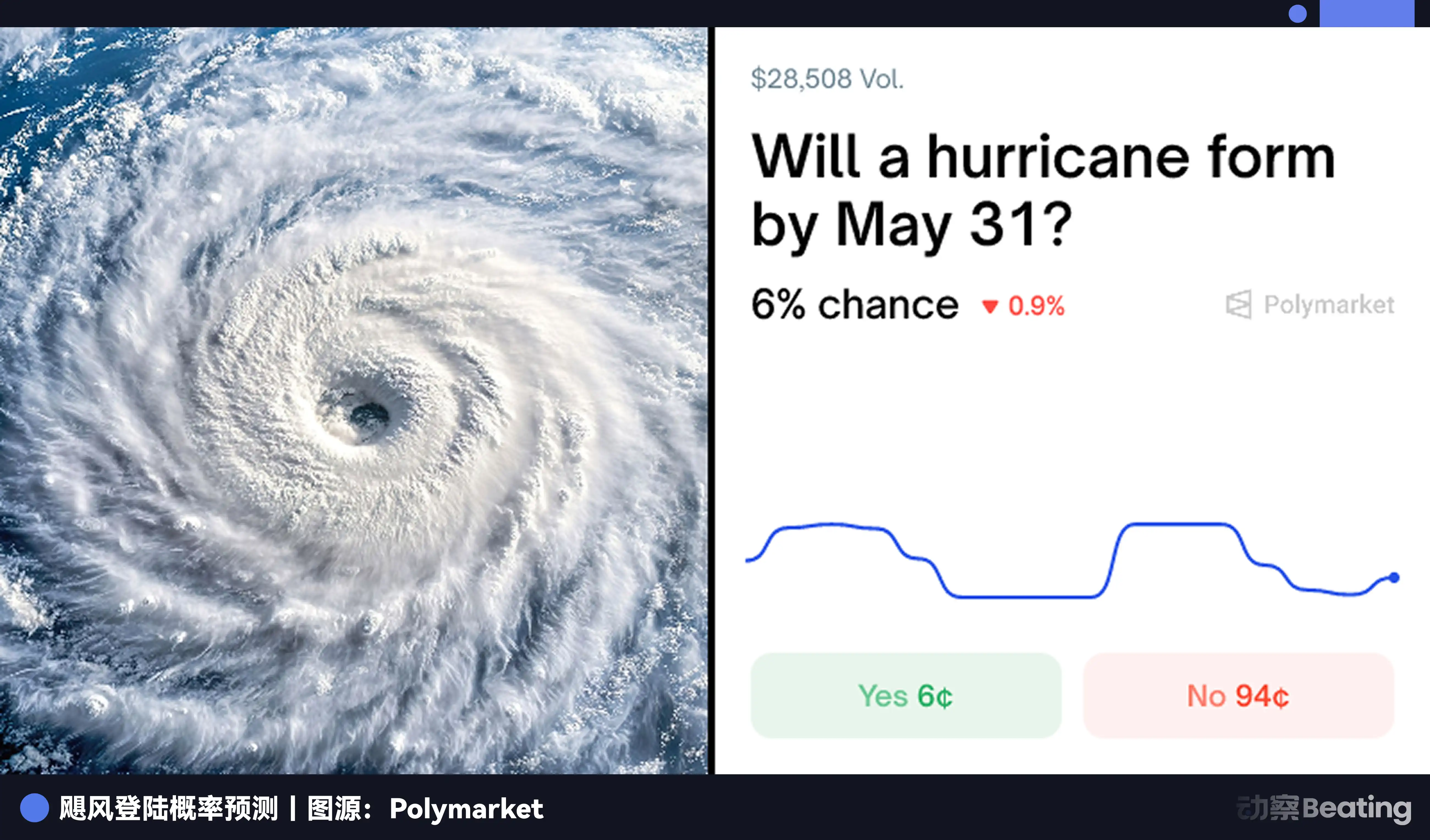
The price on a prediction market, however, is "voted" on by thousands of participants with real money. It reflects the aggregate information the market has on the probability of an event occurring. The price fluctuation of a contract on "whether a hurricane will make landfall in Florida in May" is itself the most sensitive, real-time measure of that risk.
Second, it replaces the helplessness of bearing losses with the freedom to trade.

A Florida resident worried about their house being destroyed by a hurricane no longer has only the "buy insurance" option. They can go to the prediction market and buy a "hurricane will make landfall" contract. If the hurricane does hit, their profit on the contract can be used to cover the cost of damage to their home.

This is, in essence, a personalized risk hedge.

More importantly, they can also sell this contract at any time, locking in profits or cutting losses. Risk is no longer a heavy burden that needs to be packaged and transferred wholesale; it becomes an asset that can be sliced, traded, bought, and sold at will. They transform from risk bearers into risk traders.

This is not just a technical improvement; it's a paradigm shift in thinking. It liberates the pricing power of risk from the hands of a few elite institutions and returns it to everyone.

The End of Insurance, or a New Beginning?

Will this "universal risk trading platform" of prediction markets replace insurance?

On one hand, prediction markets are eroding the foundation of the traditional insurance industry in a fundamental way.

The core of traditional insurance is information asymmetry. Insurance companies have actuaries and massive data models; they need to understand risk better than you to price it. But when the pricing power of risk is replaced by a public, transparent market driven by collective wisdom—or even insider information—the information advantage of insurance companies vanishes.

A Florida resident no longer needs to blindly trust an insurance company's quote; they just need to look at the price of a hurricane contract on Polymarket to know the market's true assessment of the risk.

More crucially, the traditional insurance industry is a "heavy model"—sales, underwriting, claims assessment, payouts... every环节 is full of labor costs and friction. Prediction markets, in contrast, are an ultimate "light model," with only trading and settlement, and almost zero intermediate links.

On the other hand, we see that prediction markets are not a panacea; they cannot completely replace insurance.

They can only hedge risks that are clearly defined and objectively verifiable (e.g., weather, election outcomes). For more complex and subjective risks (e.g., accidents caused by driving behavior, personal health conditions), they are inadequate.

You can't open a contract on Polymarket for the world to predict "whether you will have a car accident next year."

Personalized risk assessment and management remain the core strength of the traditional insurance industry.

The future landscape might not be a war of "one replacing the other," but rather a new and sophisticated relationship of co-opetition.

Prediction markets will become the infrastructure for risk pricing. Like Bloomberg Terminals and Reuters today, they provide the fundamental data anchors for the financial world. Insurance companies might also become deep participants in prediction markets, using market prices to calibrate their models or hedge catastrophic risks they cannot absorb.

And insurance companies will return to the essence of service.

When the pricing advantage is gone, insurance companies must rethink their value. Their core competence will no longer be information asymmetry, but rather a deeper focus on areas requiring deep involvement, personalized management, and long-term service, such as health management, retirement planning, and wealth inheritance.

The giants of the old world are learning the dance of the new world. And the explorers of the new world need to find the route to the continents of the old.

Epilogue

Over three hundred years ago, in a London coffeehouse, a group of merchants used primitive wisdom to invent a mechanism for sharing risk.

Over three hundred years later, in the digital world, players are reshaping how we interact with risk.

History often completes its cycles in the most unexpected ways.

From forced trust to free trading. This might be another exciting moment in financial history. Each of us will evolve from passive risk acceptors to active risk managers.

And this is not just about insurance; it's about how each of us can better survive in this world full of uncertainty.


Пов'язані питання

QWhat is the core challenge facing the traditional insurance industry today, as described in the article?

AThe core challenge is that the frequency and intensity of catastrophic events like hurricanes, floods, and wildfires have far exceeded the predictions of historical data and actuarial models. This makes it impossible for insurers to accurately price risk, leading them to either drastically increase premiums or withdraw from markets entirely, as seen in Florida and California.

QHow did the coffeehouse owner Edward Lloyd contribute to the birth of the modern insurance industry?

AEdward Lloyd encouraged a 'betting game' in his 17th-century London coffeehouse. A ship's captain would post details of a voyage, and anyone willing to assume a portion of the risk would sign the paper and state the amount they would underwrite. If the ship returned safely, they shared the premium; if it was lost, they shared the loss. This was the雏形 of modern insurance, dispersing one person's large risk among a group.

QWhat is the fundamental difference between insurance and hedging, according to the article?

AInsurance is the transfer of risk, where an individual pays a premium to an insurance company to assume a specific risk (e.g., a car accident). Hedging is the offsetting of risk, where an entity with an exposure in the spot market (e.g., needing to buy fuel) establishes an opposite position in the futures market. If the spot price rises, the gain on the futures position offsets the loss on the physical purchase.

QWhat role does the prediction market Polymarket play in redefining risk management?

APolymarket, a blockchain-based prediction market, creates a platform for 'everything can be futures.' It allows anyone to trade contracts on the outcome of objectively verifiable events (e.g., weather, elections). This shifts risk pricing from closed, expert-led actuarial systems to an open system priced by the collective wisdom of market participants, enabling individuals to hedge personal risks directly.

QWill prediction markets completely replace the traditional insurance industry? What is the likely future relationship?

ANo, prediction markets will not completely replace traditional insurance. They are effective for hedging objective, verifiable risks (e.g., weather) but cannot handle complex, subjective risks (e.g., individual driving behavior). The future likely involves a symbiotic relationship: prediction markets will act as foundational infrastructure for real-time risk pricing, while insurers will focus on personalized risk management services like health and wealth planning, using market data to calibrate their models.

Пов'язані матеріали

Robots Begin to 'Consume Data': The Hidden Production Chain from Indian Data Factories to Billion-Dollar Humanoid Robots

Robots have started to 'consume data,' driving the formation of a new industrial supply chain focused on producing training data for embodied AI. Unlike large language models, which are trained on vast internet text corpora, embodied AI models face a 'data desert' in the physical world. This has created a massive demand for first-person perspective video data (Ego Data), captured by workers wearing cameras in places like Indian garment factories. Companies like Neocambrian AI are establishing 'data factories' where workers perform standardized tasks (e.g., sorting clothes, kitchen organization) to generate thousands of hours of video. Research, such as NVIDIA's EgoScale, demonstrates that scaling this human demonstration data predictably improves robot performance, particularly for dexterous manipulation. This has validated a training path combining large-scale human data for pre-training with smaller amounts of robot-specific data for fine-tuning. The value of different data types varies significantly, forming a 'data pyramid.' The base consists of low-cost, large-scale internet and Ego Data. Higher layers include more expensive motion-capture data (e.g., from data gloves), simulation/synthetic data, and the most costly and scarce layer: real robot teleoperation data. This demand has spawned a layered ecosystem of data suppliers: low-cost data factories, motion capture and alignment specialists, robot-native teleoperation service providers, simulation data companies, and platforms aiming for data standardization. Robot companies themselves are adopting a 'layered procurement' strategy: outsourcing generic Ego Data while building in-house capabilities for robot-specific adaptation data and the critical deployment/failure data generated in real-world applications. The industry is shifting focus from hardware and basic mobility to the data pipelines required for general-purpose capability. While parallels exist to data labeling companies like Scale AI in the LLM boom, the physical complexity of robot data—involving action success ambiguity and sim-to-real gaps—requires more integrated solutions for data collection, annotation, and a continuous feedback loop. The race is on to build the data engines that will teach robots to operate reliably in the unstructured real world.

marsbit44 хв тому

Robots Begin to 'Consume Data': The Hidden Production Chain from Indian Data Factories to Billion-Dollar Humanoid Robots

marsbit44 хв тому

Spicy Commentary | Michael Saylor's 'Player Talk'; 60-Year-Old Aunt Liquidated After 'Scamming a Young Man'

**"Spicy Commentary": Three Tales of Crypto's Wild Week** This week's "Spicy Commentary" column highlights three dramatic stories from the cryptocurrency world. First, **MicroStrategy's Michael Saylor** addressed the controversy over his company potentially selling Bitcoin. At the BTC Prague event, he clarified, "I never said the company can't sell Bitcoin. I told *you* never to sell *your* Bitcoin." This "do as I say, not as I do" stance was criticized by netizens as peak linguistic gymnastics, noting a history of him previously stating the company would "never" sell. Second, a **bizarre fraud case** emerged from Beijing. A 60-year-old woman, obsessed with getting rich from crypto but unwilling to risk her own savings, posed online as the 20-something "god-daughter" of a high-ranking official. She catfished a young man, convincing him to give her over 200,000 yuan for fabricated emergencies. She then invested all the stolen money into cryptocurrency with 10x leverage, only to lose everything in a market crash. The woman was sentenced to four years in prison for fraud. Finally, a **sobering trader's tale** surfaced on Reddit. A user posted "Tale of a crypto trader," confessing their net worth had plummeted from a peak of $45 million to roughly $17,200, primarily due to holding meme coins too long. The post, described as a crypto "book of confessions," sparked reactions ranging from sympathy to critique about greed, poor risk management, and the perils of treating meme coins as long-term investments instead of taking profits. The column concludes that this week featured masterful rhetoric, elaborate scams, and extreme financial volatility, stitching together another chapter in crypto's unpredictable theater.

Foresight News1 год тому

Spicy Commentary | Michael Saylor's 'Player Talk'; 60-Year-Old Aunt Liquidated After 'Scamming a Young Man'

Foresight News1 год тому

Tremble Humans, AI Continues Its Accelerated Sprint

Trembling, Humans: AI Continues Its Accelerated Sprint Yes, AI is still rapidly accelerating. While deep learning seemed to stall quickly in its early years, large models after years of development show no sign of hitting their ceiling. At the Zhiyuan Conference 2026, the focus is on enabling AI to move from the digital world into the physical world. Scaling Law remains effective, continuing to drive advancements in both large language models and multimodal models. The industry is now entering a phase of pursuing World Models, though unresolved technical paths and data issues mean this exploration may take 3-5 more years. Concurrently, breakthroughs in Agents are accelerating AI's real-world application in fields like healthcare and meetings. Making Agents truly useful requires key hardware-software co-design, evident from the strong presence of chip vendors at the conference. We stand at a new historical threshold where AI is becoming a foundational force reshaping the world. The first day of the conference highlighted AI's evolution from "knowing how to chat" to "knowing how to work." Scaling Law persists, World Models are the next key battleground, and Agents are transitioning from usable to好用 (user-friendly). Scaling Law is not ending but diversifying. New models like Anthropic's Fable 5 demonstrate scaling through parameter size, synthetic data, and reinforcement learning. Advancements in AI Coding and Agent deployment are enabling a trend of AI self-evolution, potentially allowing AI to take over digital world iterations. World Models represent the next frontier for large models extending into the physical realm, but no current model is truly impressive at solving real-world problems. Technical consensus is lacking, with debates on data sources (video, simulation, real-world). Different approaches are emerging: language-centric, pixel-centric, 3D-structure-centric, and visual-representation-centric models. Zhiyuan Institute is exploring a fifth path: unified latent space modeling fusing language and visual representations, and introduced its own under-development World Model, Physis-v0.1. On the product side, Agents are key to bringing AI into daily life. Since 2025, the "Year of the Agent," products have become more proactive and capable of complex tasks. Zhiyuan showcased four vertical Agents for cardiac diagnosis, autonomous research, meeting summarization, and protein risk discovery. However, technical challenges remain, particularly in context engineering like memory and orchestration. "Harness" – the engineering framework around an Agent – is crucial for maximizing its capabilities by clarifying intent, designing workflows, and incorporating validation and feedback. In summary, AI's breakneck pace continues on multiple fronts: foundational model scaling, the ambitious pursuit of World Models for physical understanding, and the ongoing refinement of practical Agents. The journey from capable to truly reliable and useful AI systems is well underway.

marsbit1 год тому

Tremble Humans, AI Continues Its Accelerated Sprint

marsbit1 год тому

The Backside of Musk's Trillion-Dollar Fortune: 85% Can't Be Sold

Elon Musk becomes the world's first trillionaire, driven by SpaceX's IPO valuing the company at $1.77 trillion. However, his vast wealth is largely illiquid: he holds over 85% voting control, likely through super-voting shares that are subject to lock-ups and selling restrictions. While his net worth surpasses $1 trillion across SpaceX, Tesla, and private holdings, only a tiny fraction (potentially under 2% annually) could be converted to cash without jeopardizing control and market confidence. SpaceX's IPO also creates paper millionaires for roughly 4,400 employees, but their holdings face lock-up periods, exercise costs, and taxes, delaying and reducing actual cash proceeds. Only 4.2% of total shares are initially available for public trading, making the stock price highly sensitive to limited net buying or selling pressure. A major test will come when lock-ups expire for the remaining 96% of shares. The article contrasts SpaceX's wealth distribution with potential AI IPOs. Anthropic and OpenAI could generate employee wealth pools 20 times larger than SpaceX's in paper value, due to their higher valuations relative to revenue and potentially more distributed ownership. However, sustaining those high price-to-sales multiples post-IPO is uncertain. A key financial puzzle for SpaceX investors is its xAI unit. While it has locked in an estimated $26 billion in annual compute revenue from clients like Anthropic and Google, the unit reported a $6.4 billion loss in 2025. More critically, estimated annual capital expenditures of ~$30.8 billion exceed that revenue. The long-term viability of SpaceX's AI narrative hinges on whether this compute income can eventually cover the unit's massive ongoing investments and losses.

链捕手1 год тому

The Backside of Musk's Trillion-Dollar Fortune: 85% Can't Be Sold

链捕手1 год тому

Торгівля

Спот
Ф'ючерси

Популярні статті

Що таке $S$

Розуміння SPERO: Комплексний огляд Вступ до SPERO Оскільки ландшафт інновацій продовжує еволюціонувати, виникнення технологій web3 та криптовалютних проектів відіграє ключову роль у формуванні цифрового майбутнього. Один з проектів, який привернув увагу в цій динамічній сфері, — це SPERO, позначений як SPERO,$$s$. Ця стаття має на меті зібрати та представити детальну інформацію про SPERO, щоб допомогти ентузіастам та інвесторам зрозуміти його основи, цілі та інновації в рамках web3 та крипто-сектору. Що таке SPERO,$$s$? SPERO,$$s$ — це унікальний проект у криптопросторі, який прагне використати принципи децентралізації та технології блокчейн для створення екосистеми, що сприяє залученню, корисності та фінансовій інклюзії. Проект розроблений для полегшення взаємодії між користувачами новими способами, надаючи їм інноваційні фінансові рішення та послуги. У своїй основі SPERO,$$s$ прагне надати можливості індивідам, забезпечуючи інструменти та платформи, які покращують користувацький досвід у криптовалютному просторі. Це включає в себе можливість більш гнучких методів транзакцій, сприяння ініціативам, що підтримуються спільнотою, та створення шляхів для фінансових можливостей через децентралізовані додатки (dApps). Основна концепція SPERO,$$s$ обертається навколо інклюзивності, прагнучи зменшити розриви в традиційній фінансовій системі, використовуючи переваги технології блокчейн. Хто є творцем SPERO,$$s$? Особистість творця SPERO,$$s$ залишається дещо невідомою, оскільки є обмежені публічно доступні ресурси, що надають детальну інформацію про його засновників. Ця відсутність прозорості може бути наслідком зобов'язання проекту до децентралізації — етики, яку багато проектів web3 поділяють, ставлячи колективні внески вище за індивідуальне визнання. Зосереджуючи обговорення навколо спільноти та її колективних цілей, SPERO,$$s$ втілює суть наділення без виділення конкретних осіб. Таким чином, розуміння етики та місії SPERO є більш важливим, ніж ідентифікація єдиного творця. Хто є інвесторами SPERO,$$s$? SPERO,$$s$ підтримується різноманітними інвесторами, починаючи від венчурних капіталістів до ангельських інвесторів, які прагнуть сприяти інноваціям у крипто-секторі. Зосередження цих інвесторів зазвичай узгоджується з місією SPERO — пріоритет надається проектам, які обіцяють технологічний прогрес у суспільстві, фінансову інклюзію та децентралізоване управління. Ці інвесторські фонди зазвичай зацікавлені в проектах, які не лише пропонують інноваційні продукти, але й позитивно впливають на спільноту блокчейн та її екосистеми. Підтримка з боку цих інвесторів підкріплює SPERO,$$s$ як значного конкурента в швидко змінюваній сфері крипто-проектів. Як працює SPERO,$$s$? SPERO,$$s$ використовує багатогранну структуру, яка відрізняє його від традиційних криптовалютних проектів. Ось деякі ключові особливості, які підкреслюють його унікальність та інноваційність: Децентралізоване управління: SPERO,$$s$ інтегрує моделі децентралізованого управління, надаючи користувачам можливість активно брати участь у процесах прийняття рішень щодо майбутнього проекту. Цей підхід сприяє відчуттю власності та відповідальності серед членів спільноти. Корисність токена: SPERO,$$s$ використовує свій власний криптовалютний токен, розроблений для виконання різних функцій в екосистемі. Ці токени дозволяють здійснювати транзакції, отримувати винагороди та полегшувати послуги, що пропонуються на платформі, підвищуючи загальну залученість та корисність. Шарова архітектура: Технічна архітектура SPERO,$$s$ підтримує модульність та масштабованість, що дозволяє безперешкодно інтегрувати додаткові функції та додатки в міру розвитку проекту. Ця адаптивність є надзвичайно важливою для збереження актуальності в постійно змінюваному крипто-ландшафті. Залучення спільноти: Проект підкреслює ініціативи, що підтримуються спільнотою, використовуючи механізми, які стимулюють співпрацю та зворотний зв'язок. Підтримуючи сильну спільноту, SPERO,$$s$ може краще задовольняти потреби користувачів та адаптуватися до ринкових тенденцій. Фокус на інклюзію: Пропонуючи низькі комісії за транзакції та зручні інтерфейси, SPERO,$$s$ прагне залучити різноманітну базу користувачів, включаючи осіб, які раніше не брали участі в крипто-просторі. Це зобов'язання до інклюзії узгоджується з його загальною місією наділення через доступність. Хронологія SPERO,$$s$ Розуміння історії проекту надає важливі уявлення про його розвиток та етапи. Нижче наведено пропоновану хронологію, що відображає значні події в еволюції SPERO,$$s$: Етап концептуалізації та ідеації: Початкові ідеї, що стали основою SPERO,$$s$, були сформовані, тісно пов'язані з принципами децентралізації та фокусом на спільноті в індустрії блокчейн. Запуск білого паперу проекту: Після концептуального етапу був випущений комплексний білий папір, що детально описує бачення, цілі та технологічну інфраструктуру SPERO,$$s$, щоб залучити інтерес та зворотний зв'язок від спільноти. Створення спільноти та ранні залучення: Активні зусилля були спрямовані на створення спільноти ранніх прихильників та потенційних інвесторів, що полегшило обговорення цілей проекту та отримання підтримки. Подія генерації токенів: SPERO,$$s$ провів подію генерації токенів (TGE) для розподілу своїх рідних токенів серед ранніх прихильників та встановлення початкової ліквідності в екосистемі. Запуск початкового dApp: Перший децентралізований додаток (dApp), пов'язаний з SPERO,$$s$, став доступним, дозволяючи користувачам взаємодіяти з основними функціями платформи. Постійний розвиток та партнерства: Безперервні оновлення та вдосконалення пропозицій проекту, включаючи стратегічні партнерства з іншими учасниками блокчейн-простору, сформували SPERO,$$s$ у конкурентоспроможного та еволюціонуючого гравця на крипто-ринку. Висновок SPERO,$$s$ є свідченням потенціалу web3 та криптовалют для революціонізації фінансових систем та наділення індивідів. Завдяки зобов'язанню до децентралізованого управління, залучення спільноти та інноваційно спроектованих функцій, він прокладає шлях до більш інклюзивного фінансового ландшафту. Як і з будь-якими інвестиціями в швидко змінюваному крипто-просторі, потенційним інвесторам та користувачам рекомендується ретельно досліджувати та обдумано взаємодіяти з поточними подіями в SPERO,$$s$. Проект демонструє інноваційний дух крипто-індустрії, запрошуючи до подальшого дослідження його численних можливостей. Хоча подорож SPERO,$$s$ ще триває, його основні принципи можуть справді вплинути на майбутнє того, як ми взаємодіємо з технологією, фінансами та один з одним у взаємопов'язаних цифрових екосистемах.

73 переглядів усьогоОпубліковано 2024.12.17Оновлено 2024.12.17

Що таке $S$

Що таке AGENT S

Агент S: Майбутнє автономної взаємодії в Web3 Вступ У постійно змінюваному ландшафті Web3 та криптовалюти інновації постійно переосмислюють, як люди взаємодіють з цифровими платформами. Один з таких новаторських проектів, Агент S, обіцяє революціонізувати взаємодію людини з комп'ютером через свою відкриту агентну структуру. Прокладаючи шлях для автономних взаємодій, Агент S прагне спростити складні завдання, пропонуючи трансформаційні застосування в штучному інтелекті (ШІ). Це детальне дослідження заглиблюється в складності проекту, його унікальні особливості та наслідки для сфери криптовалюти. Що таке Агент S? Агент S є революційною відкритою агентною структурою, спеціально розробленою для вирішення трьох основних викликів в автоматизації комп'ютерних завдань: Набуття специфічних знань у галузі: Структура інтелектуально навчається з різних зовнішніх джерел знань та внутрішнього досвіду. Цей подвійний підхід дозволяє їй створити багатий репозиторій специфічних знань у галузі, покращуючи її продуктивність у виконанні завдань. Планування на довгих горизонтах завдань: Агент S використовує планування з підкріпленням досвіду, стратегічний підхід, який полегшує ефективний розподіл та виконання складних завдань. Ця функція значно підвищує її здатність ефективно та результативно управляти кількома підзавданнями. Обробка динамічних, неоднорідних інтерфейсів: Проект представляє Інтерфейс Агент-Комп'ютер (ACI), інноваційне рішення, яке покращує взаємодію між агентами та користувачами. Використовуючи багатомодальні великі мовні моделі (MLLMs), Агент S може безперешкодно орієнтуватися та маніпулювати різноманітними графічними інтерфейсами користувача. Завдяки цим новаторським функціям Агент S надає надійну структуру, яка вирішує складнощі, пов'язані з автоматизацією людської взаємодії з машинами, прокладаючи шлях для численних застосувань у ШІ та за його межами. Хто є творцем Агент S? Хоча концепція Агент S є фундаментально новаторською, конкретна інформація про його творця залишається невідомою. Творець наразі невідомий, що підкреслює або початкову стадію проекту, або стратегічний вибір зберегти засновників у таємниці. Незважаючи на анонімність, акцент залишається на можливостях та потенціалі структури. Хто є інвесторами Агент S? Оскільки Агент S є відносно новим у криптографічній екосистемі, детальна інформація про його інвесторів та фінансових спонсорів не задокументована. Відсутність публічно доступних відомостей про інвестиційні фонди або організації, що підтримують проект, викликає питання щодо його фінансової структури та дорожньої карти розвитку. Розуміння підтримки є критично важливим для оцінки стійкості проекту та потенційного впливу на ринок. Як працює Агент S? В основі Агент S лежить передова технологія, яка дозволяє йому ефективно функціонувати в різних умовах. Його операційна модель побудована навколо кількох ключових функцій: Взаємодія з комп'ютером, подібна до людської: Структура пропонує розширене планування ШІ, прагнучи зробити взаємодії з комп'ютерами більш інтуїтивними. Імітуючи людську поведінку при виконанні завдань, вона обіцяє підвищити досвід користувачів. Наративна пам'ять: Використовується для використання високорівневого досвіду, Агент S використовує наративну пам'ять для відстеження історій завдань, тим самим покращуючи свої процеси прийняття рішень. Епізодична пам'ять: Ця функція надає користувачам покрокові інструкції, дозволяючи структурі пропонувати контекстуальну підтримку в міру виконання завдань. Підтримка OpenACI: Завдяки можливості працювати локально, Агент S дозволяє користувачам зберігати контроль над своїми взаємодіями та робочими процесами, узгоджуючи з децентралізованою етикою Web3. Легка інтеграція з зовнішніми API: Його універсальність і сумісність з різними платформами ШІ забезпечують те, що Агент S може безперешкодно вписатися в існуючі технологічні екосистеми, роблячи його привабливим вибором для розробників та організацій. Ці функціональні можливості колективно сприяють унікальному положенню Агент S у крипто-просторі, оскільки він автоматизує складні, багатоступеневі завдання з мінімальним втручанням людини. У міру розвитку проекту його потенційні застосування в Web3 можуть переосмислити, як відбуваються цифрові взаємодії. Хронологія Агент S Розробка та етапи Агент S можуть бути узагальнені в хронології, яка підкреслює його значні події: 27 вересня 2024 року: Концепція Агент S була представлена в комплексній науковій статті під назвою “Відкрита агентна структура, яка використовує комп'ютери як людина”, що демонструє основи проекту. 10 жовтня 2024 року: Наукова стаття була опублікована на arXiv, пропонуючи детальне дослідження структури та її оцінки продуктивності на основі бенчмарку OSWorld. 12 жовтня 2024 року: Було випущено відеопрезентацію, що надає візуальне уявлення про можливості та особливості Агент S, ще більше залучаючи потенційних користувачів та інвесторів. Ці маркери в хронології не лише ілюструють прогрес Агент S, але й вказують на його прихильність до прозорості та залучення громади. Ключові моменти про Агент S У міру розвитку структури Агент S кілька ключових характеристик виділяються, підкреслюючи її новаторський характер та потенціал: Інноваційна структура: Розроблена для забезпечення інтуїтивного використання комп'ютерів, подібного до людської взаємодії, Агент S пропонує новий підхід до автоматизації завдань. Автономна взаємодія: Здатність автономно взаємодіяти з комп'ютерами через GUI означає стрибок до більш інтелектуальних та ефективних обчислювальних рішень. Автоматизація складних завдань: Завдяки своїй надійній методології він може автоматизувати складні, багатоступеневі завдання, роблячи процеси швидшими та менш схильними до помилок. Безперервне вдосконалення: Механізми навчання дозволяють Агенту S покращуватися на основі минулого досвіду, постійно підвищуючи свою продуктивність та ефективність. Універсальність: Його адаптивність до різних операційних середовищ, таких як OSWorld та WindowsAgentArena, забезпечує його здатність служити широкому спектру застосувань. Оскільки Агент S займає своє місце в ландшафті Web3 та криптовалюти, його потенціал покращити можливості взаємодії та автоматизувати процеси означає значний прогрес у технологіях ШІ. Завдяки своїй інноваційній структурі Агент S є прикладом майбутнього цифрових взаємодій, обіцяючи більш безперешкодний та ефективний досвід для користувачів у різних галузях. Висновок Агент S представляє собою сміливий крок вперед у поєднанні ШІ та Web3, з можливістю переосмислити, як ми взаємодіємо з технологією. Хоча проект все ще на ранніх стадіях, можливості для його застосування є величезними та переконливими. Завдяки своїй комплексній структурі, що вирішує критичні виклики, Агент S прагне вивести автономні взаємодії на передній план цифрового досвіду. У міру того, як ми заглиблюємося в сфери криптовалюти та децентралізації, проекти, подібні до Агент S, безсумнівно, відіграватимуть ключову роль у формуванні майбутнього технологій та співпраці людини з комп'ютером.

693 переглядів усьогоОпубліковано 2025.01.14Оновлено 2025.01.14

Що таке AGENT S

Як купити S

Ласкаво просимо до HTX.com! Ми зробили покупку Sonic (S) простою та зручною. Дотримуйтесь нашої покрокової інструкції, щоб розпочати свою криптовалютну подорож.Крок 1: Створіть обліковий запис на HTXВикористовуйте свою електронну пошту або номер телефону, щоб зареєструвати обліковий запис на HTX безплатно. Пройдіть безпроблемну реєстрацію й отримайте доступ до всіх функцій.ЗареєструватисьКрок 2: Перейдіть до розділу Купити крипту і виберіть спосіб оплатиКредитна/дебетова картка: використовуйте вашу картку Visa або Mastercard, щоб миттєво купити Sonic (S).Баланс: використовуйте кошти з балансу вашого рахунку HTX для безперешкодної торгівлі.Треті особи: ми додали популярні способи оплати, такі як Google Pay та Apple Pay, щоб підвищити зручність.P2P: Торгуйте безпосередньо з іншими користувачами на HTX.Позабіржова торгівля (OTC): ми пропонуємо індивідуальні послуги та конкурентні обмінні курси для трейдерів.Крок 3: Зберігайте свої Sonic (S)Після придбання Sonic (S) збережіть його у своєму обліковому записі на HTX. Крім того, ви можете відправити його в інше місце за допомогою блокчейн-переказу або використовувати його для торгівлі іншими криптовалютами.Крок 4: Торгівля Sonic (S)Легко торгуйте Sonic (S) на спотовому ринку HTX. Просто увійдіть до свого облікового запису, виберіть торгову пару, укладайте угоди та спостерігайте за ними в режимі реального часу. Ми пропонуємо зручний досвід як для початківців, так і для досвідчених трейдерів.

1.5k переглядів усьогоОпубліковано 2025.01.15Оновлено 2026.06.02

Як купити S

Обговорення

Ласкаво просимо до спільноти HTX. Тут ви можете бути в курсі останніх подій розвитку платформи та отримати доступ до професійної ринкової інформації. Нижче представлені думки користувачів щодо ціни S (S).

活动图片













