From Four Failures to a Trillion-Dollar Valuation: Musk and SpaceX's Epic Comeback

比推Опубліковано о 2025-12-19Востаннє оновлено о 2025-12-19

Анотація

From Four Failures to Trillion-Dollar Valuation: Musk and SpaceX's Ultimate Comeback In 2002, Elon Musk invested $100 million from his exit of PayPal to found SpaceX, aiming to revolutionize space travel. The journey began with humiliation when Russian engineers dismissed his ambitions during a failed rocket purchase attempt. Undeterred, Musk decided to build rockets himself. SpaceX faced near-catastrophic failures with its first three Falcon 1 launches (2006-2008), coinciding with the 2008 financial crisis, Tesla’s near-bankruptcy, and personal struggles. After the third explosion, funds were nearly exhausted, and critics, including Musk’s idol Neil Armstrong, openly doubted him. The fourth launch in September 2008 succeeded, saving SpaceX from collapse and securing a $1.6 billion NASA contract for ISS resupply missions. Driven by first principles, Musk pursued reusable rockets despite industry skepticism. In 2015, Falcon 9’s first stage successfully landed vertically, slashing costs and disrupting the aerospace industry. For Starship, Musk opted for stainless steel over carbon fiber, reducing material costs by 40x while maintaining performance. SpaceX’s valuation soared from $13 billion (2012) to $800 billion (2025), largely fueled by Starlink. With 7.65 million subscribers and revenue projected to reach $22-24 billion in 2026, Starlink dominates as a global telecom provider. Preparing for a 2026 IPO targeting $30 billion raised at a $1.5 trillion valuation, ...

Author: Xiaobing, Deep Tide TechFlow

Original Title: Before Soaring to a $1.5 Trillion IPO, Musk Almost Lost Everything


In the winter of 2025, the sea breeze in Boca Chica, Texas, remained salty and fierce, while the air on Wall Street was unusually restless.

On December 13, news shot to the top of financial headlines like a Falcon Heavy rocket: SpaceX's latest internal stock sale locked the company's valuation at $800 billion.

A memo revealed that SpaceX is actively preparing for an IPO in 2026, planning to raise over $30 billion. Musk hopes the company's overall valuation will reach $1.5 trillion. If successful, this would place SpaceX's market value close to the record level set by Saudi Aramco during its 2019 listing.

For Musk, this is an incredibly surreal moment.

As the world's richest person, his personal wealth will once again break historical records with the launch of SpaceX's "super rocket," making him the first trillion-dollar billionaire in human history.

Rewind the clock 23 years, and no one would have believed this outcome. Back then, in the eyes of giants like Boeing and Lockheed Martin, SpaceX was nothing more than a "manufacturing underdog" that could be crushed at any moment.

More accurately, it resembled a disaster that refused to end.

When a Man Decides to Build Rockets

In 2001, Elon Musk was 30 years old.

He had just cashed out from PayPal, holding hundreds of millions of dollars in cash, standing at a typical Silicon Valley "point of financial freedom." He could have become an investor or a evangelist like a16z founder Marc Andreessen after selling his company, or even done nothing at all.

But Musk chose the most unimaginable path.

He wanted to build rockets and go to Mars.

For this dream, he took two friends to Russia, attempting to purchase refurbished Dnepr launch vehicles to realize the Mars Oasis plan.

The outcome was humiliating.

During a meeting with the Lavochkin Design Bureau, a chief Russian designer spat at Musk, believing this American upstart knew nothing about aerospace technology. Ultimately, the Russians quoted an exorbitant price and hinted he should "get lost if he couldn't afford it." The team returned empty-handed.

On the flight back, his companions were dejected, but Musk tapped away on his computer. Moments later, he turned around and displayed a spreadsheet: "Hey, I think we can build it ourselves."

That year, China had just launched Shenzhou-2, and spaceflight was seen as a "miracle" achievable only by nations with immense resources—a game only superpowers could play. A private company wanting to build rockets was as laughable as an elementary school student claiming to build a nuclear reactor in their backyard.

This was SpaceX's "zero to one."

Growth Is Constant Failure

In February 2002, at 1310 East Grand Avenue, El Segundo, a suburb of Los Angeles, in a 75,000-square-foot old warehouse, SpaceX was officially founded.

Musk took $100 million from his PayPal proceeds as seed money, setting the company's vision as the "Southwest Airlines of the space industry," providing low-cost, highly reliable space transportation services.

But reality soon dealt this idealist a heavy blow: building rockets was not only difficult but also prohibitively expensive.

An old saying in the aerospace industry goes: "You can't even wake Boeing up for less than a billion dollars."

Musk's $100 million seed money seemed like a drop in the bucket in this industry. More critically, SpaceX faced a market tightly controlled by century-old giants like Boeing and Lockheed Martin, who not only had strong technical capabilities but also deep government connections.

They were accustomed to monopoly, accustomed to hefty government contracts, and their attitude toward SpaceX, the intruder, was one thing: mockery.

In 2006, SpaceX's first rocket, "Falcon 1," stood on the launch pad.

It was both a tribute to DARPA's Falcon project and an homage to the Millennium Falcon from Star Wars. It was small, even somewhat shabby, like a half-finished product.

Unsurprisingly, 25 seconds after liftoff, the rocket exploded.

2007, second launch. After a few minutes of flight, it still crashed out of control.

Mockery poured in. Someone sarcastically commented, "Does he think rockets are like code? Can he just debug them?"

August 2008, the third failure was the most devastating. The first and second stages collided, turning ignited hope into fragments over the Pacific in an instant.

The atmosphere changed completely. Engineers began losing sleep, suppliers demanded cash payments, the media was no longer polite. Most致命的是, the money was almost gone.

2008 was the darkest year of Musk's life.

The financial crisis swept the globe, Tesla was on the brink of bankruptcy, his wife of ten years left him... SpaceX had funds for only one more launch. If the fourth attempt failed, SpaceX would dissolve, and Musk would be left with nothing.

It was then that the sharpest blow came.

Musk's childhood idols, "first man on the moon" Neil Armstrong and "last man on the moon" Gene Cernan, publicly expressed complete skepticism about his rocket plans. Armstrong stated bluntly, "You don't understand what you don't know."

Recalling this period later, Musk welled up in front of the camera. He didn't cry when rockets blew up, he didn't cry when the company was near bankruptcy, but mentioning his idols'嘲讽, he cried.
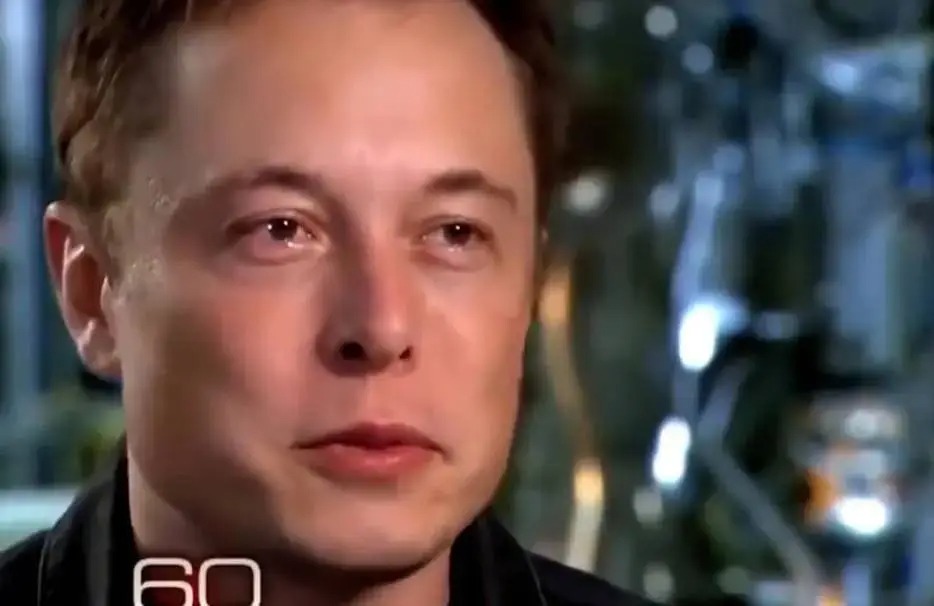
Musk told the host: "These people are heroes to me. It was really tough. I really wish they could come and see how hard my work is."

At that moment, a subtitle appeared on screen: Sometimes, the very people you look up to let you down.

Fight for Survival

Before the fourth launch, no one talked about the Mars plan anymore.

The entire company was shrouded in a solemn silence. Everyone knew this Falcon 1 was assembled with the last remaining funds. If it failed, the company was doomed to解散.

On launch day, there were no grand declarations, no passionate speeches. Just a group of people standing in the control room, silently staring at the screens.

September 28, 2008, the rocket ascended, a fire dragon lighting up the night sky.

This time, the rocket didn't explode, but the control room remained dead silent until 9 minutes later, when the engine shut down as planned, and its payload entered the预定轨道.

"Success!"

Thunderous applause and cheers erupted in the control center. Musk raised his arms high, his brother Kimball beside him began to cry.

Falcon 1 made history. SpaceX became the world's first privately-funded commercial company to successfully launch a rocket into orbit.

This success not only saved SpaceX but also won the company a long-term "lifeline."

On December 22, Musk's phone rang, drawing a close to his disastrous 2008.

NASA's space operations chief, William Gerstenmaier, brought good news: SpaceX had won a $1.6 billion contract for 12 round-trip transport missions between the space station and Earth.

"I love NASA," Musk blurted out, later changing his computer login password to "ilovenasa".

Having walked the edge of death, SpaceX had survived.

Jim Cantrell, an early participant in SpaceX's rocket development and the friend who had lent Musk his university rocket textbooks, recalled the successful launch of Falcon 1 with deep emotion:

"Elon Musk's success isn't because he has great vision, isn't because he's incredibly smart, and isn't because he works tirelessly—though all those things are true. The most important element of his success is that the word 'failure' is not in his dictionary. Failure is simply never part of his calculus."

Making Rockets Fly Back

If the story ended here, it would just be an inspirational legend.

But the truly formidable part of SpaceX was just beginning.

Musk insisted on a goal that seemed irrational: rockets must be reusable.

Almost all internal experts opposed it. Not because it was technically impossible, but because it was commercially too radical, akin to "no one recycles disposable paper cups."

But Musk persisted.

He reasoned that if airplanes were thrown away after one flight, no one could afford to fly. If rockets couldn't be reused, spaceflight would forever remain a game for the few.

This was Musk's underlying logic, first principles thinking.

Back to the beginning of the story: why did Musk, with a background in programming, dare to venture into building rockets himself?

In 2001, after翻阅无数专业书籍, Musk used an Excel spreadsheet to详细拆解 the various costs of building a rocket. The analysis showed that rocket manufacturing costs were artificially inflated dozens of times by traditional aerospace giants.

These cash-flush giants were comfortable in their "cost-plus" comfort zone—a single screw cost hundreds of dollars—while Musk would ask, "How much does the raw material, aluminum and titanium, sell for on the London Metal Exchange? Why does it cost a thousand times more as a finished part?"

If costs were artificially inflated, they could definitely be artificially reduced.

Guided by first principles, SpaceX embarked on a path with almost no retreat.

Launch repeatedly, analyze after explosions, keep trying after analysis,反复尝试回收.

All skepticism ceased abruptly on that winter night.

December 21, 2015, a day destined to be recorded in the annals of human spaceflight.

The Falcon 9 rocket, carrying 11 satellites, launched from Cape Canaveral Air Force Station. Ten minutes later, a miracle occurred: the first-stage booster successfully returned to the launch site, landing vertically on the Florida landing pad like something out of a sci-fi movie.

At that moment, the old rules of the aerospace industry were彻底粉碎.

The era of cheap spaceflight was ushered in by this former "underdog" company.

Building Starship with Stainless Steel

If recovering rockets was SpaceX's challenge to physics, then building Starship with stainless steel was Musk's "dimensional reduction strike" on engineering.

In the early development of "Starship," aimed at colonizing Mars, SpaceX also fell into the trap of "high-tech material"迷思. The industry consensus was that to fly to Mars, the rocket had to be light enough, thus requiring expensive, complex carbon fiber composites.

To this end, SpaceX invested heavily, creating huge carbon fiber winding molds. However, slow progress and high costs alerted Musk. He returned to first principles and did the math:

Carbon fiber cost $135 per kilogram and was extremely difficult to process; whereas 304 stainless steel, the material used for kitchen pots and pans, cost only $3 per kilogram.

"But stainless steel is too heavy!"

Facing engineers'质疑, Musk pointed out an overlooked physical truth: melting point.

Carbon fiber had poor heat resistance and required heavy, expensive heat shields. Stainless steel had a melting point高达 1400 degrees Celsius, and its strength actually increased under the super-cold temperatures of liquid oxygen. Factoring in the weight of the thermal protection system, a rocket made from "clumsy" stainless steel had a total system weight comparable to carbon fiber, but the cost was reduced by 40 times!

This decision彻底解放 SpaceX from the shackles of precision manufacturing and aerospace materials. They didn't need clean rooms; they could weld rockets under a tent in the Texas wilderness like building water towers. If it blew up, no big deal—sweep up the碎片 and start welding again tomorrow.

This first-principles thinking permeated SpaceX's entire development history. From questioning "Why can't rockets be reused?" to "Why must space materials be expensive?", Musk always started from the most basic physical laws, challenging the industry's existing assumptions.

"Using cabbage-price materials for top-tier engineering" is SpaceX's core competency.

Starlink Is the Real Game-Changer

Technological breakthroughs brought a狂飙 in valuation.

From $1.3 billion in 2012, to $400 billion in July 2024, to the current $800 billion, SpaceX's valuation truly "rode a rocket."

But what truly supports this sky-high valuation is not the rockets, but Starlink.

Before Starlink, SpaceX, for ordinary people, was just the spectacular sight in the news that occasionally exploded or landed.

Starlink changed everything.

This low-earth orbit constellation of thousands of satellites is becoming the world's largest internet service provider, turning "spaceflight" from a spectator spectacle into infrastructure like water and electricity.

Whether on a cruise ship in the middle of the Pacific or in war-torn ruins, with a pizza-box-sized receiver,信号就会 pour down from hundreds of kilometers away in近地轨道.

It has not only changed the global communications landscape but also become a super money-printing machine, providing SpaceX with a continuous stream of cash flow.

As of November 2025, Starlink's global active subscribers have reached 7.65 million, with actual coverage users exceeding 24.5 million. North America contributes 43% of subscriptions, while emerging markets like Korea and Southeast Asia contribute 40% of new users.

This is also why Wall Street dares to assign SpaceX an astronomical valuation—not because of how frequently rockets launch, but because of the recurring revenue from Starlink.

Financial data shows SpaceX's projected revenue for 2025 is $15 billion,预计 to surge to $22-24 billion in 2026, with over 80% of revenue coming from the Starlink business.

This means SpaceX has completed a华丽转身. It is no longer just a航天 contractor dependent on contracts but has evolved into a global telecom giant with a monopolistic moat.

The Eve of IPO

If SpaceX successfully上市募资 $30 billion as wished, this would surpass Saudi Aramco's record $29 billion raised in 2019, becoming the largest IPO in history.

According to some investment bank predictions, SpaceX's final IPO valuation could even冲击 $1.5 trillion, potentially challenging Saudi Aramco's record $1.7 trillion上市 valuation set in 2019, directly跻身 the ranks of the world's top 20 listed companies by market cap.

Behind this string of astronomical numbers, the first to沸腾 are the employees in Boca Chica and the Hawthorne factory.

In the recent internal stock sale, the price of $420 per share意味着 that the engineers who once slept on the factory floor with Musk and endured countless "production hells" will涌现出一大批 millionaires and even billionaires.

But for Musk, the IPO is绝非 traditional意义上的 "cashing out." It is an expensive "refueling."

Previously, Musk had always opposed going public.

At a SpaceX all-hands meeting in 2022, Musk poured cold water on employees' hopes for an IPO: "Going public is absolutely an invitation to pain, and stock prices only serve as a distraction."

Three years later, what changed Musk's mind?

No matter how grand the ambition, it requires capital support.

According to Musk's timeline, within two years, the first Starship will conduct an unmanned Mars landing test; within four years, human footprints will be imprinted on the red soil of Mars. His ultimate vision—establishing a self-sustaining city on Mars within 20 years through the shuttling of 1000 Starships—will still require consuming a sum of money that is天文数字.

He has stated in multiple interviews that the sole purpose of accumulating wealth is to make humanity a "multi-planetary species." From this perspective, the tens of billions raised from the IPO could be considered the "interstellar toll" Musk collects from Earthlings.

We eagerly anticipate that the largest IPO in human history will not ultimately turn into yachts or mansions. They will all be transformed into fuel, steel, and oxygen, paving that long road to Mars.


Twitter:https://twitter.com/BitpushNewsCN

Bitpush TG Discussion Group:https://t.me/BitPushCommunity

Bitpush TG Subscription: https://t.me/bitpush

Original Link:https://www.bitpush.news/articles/7597065

Пов'язані питання

QWhat was the critical moment that saved SpaceX from bankruptcy in 2008?

AThe successful fourth flight of Falcon 1 on September 28, 2008, which achieved orbit, followed by a $1.6 billion NASA contract for 12 resupply missions to the space station.

QWhat is the primary business and source of revenue that is driving SpaceX's massive valuation towards its IPO?

AStarlink, the satellite internet constellation, which is expected to contribute over 80% of the company's projected $220-24 billion revenue in 2026.

QHow did Elon Musk's application of 'first principles thinking' lead to a major innovation in rocket design for the Starship?

AHe challenged the industry standard of using expensive carbon fiber, instead opting for stainless steel which is 40 times cheaper, has a higher melting point, and resulted in a system of comparable weight when factoring in necessary heat shielding.

QWhat was the significant engineering milestone achieved by SpaceX in December 2015 that revolutionized the space industry?

AThe first successful landing and recovery of a Falcon 9 rocket's first-stage booster, proving that rocket reusability was achievable and paving the way for drastically reduced launch costs.

QWhy has Elon Musk historically been opposed to taking SpaceX public, and what changed his mind according to the article?

AHe believed being a public company is 'a recipe for agony' and that stock prices would be a distraction. He changed his mind because the immense capital required to fund his ultimate vision of establishing a city on Mars necessitates the massive funding a record-breaking IPO would provide.

Пов'язані матеріали

Торгівля

Спот
Ф'ючерси

Популярні статті

Що таке $S$

Розуміння SPERO: Комплексний огляд Вступ до SPERO Оскільки ландшафт інновацій продовжує еволюціонувати, виникнення технологій web3 та криптовалютних проектів відіграє ключову роль у формуванні цифрового майбутнього. Один з проектів, який привернув увагу в цій динамічній сфері, — це SPERO, позначений як SPERO,$$s$. Ця стаття має на меті зібрати та представити детальну інформацію про SPERO, щоб допомогти ентузіастам та інвесторам зрозуміти його основи, цілі та інновації в рамках web3 та крипто-сектору. Що таке SPERO,$$s$? SPERO,$$s$ — це унікальний проект у криптопросторі, який прагне використати принципи децентралізації та технології блокчейн для створення екосистеми, що сприяє залученню, корисності та фінансовій інклюзії. Проект розроблений для полегшення взаємодії між користувачами новими способами, надаючи їм інноваційні фінансові рішення та послуги. У своїй основі SPERO,$$s$ прагне надати можливості індивідам, забезпечуючи інструменти та платформи, які покращують користувацький досвід у криптовалютному просторі. Це включає в себе можливість більш гнучких методів транзакцій, сприяння ініціативам, що підтримуються спільнотою, та створення шляхів для фінансових можливостей через децентралізовані додатки (dApps). Основна концепція SPERO,$$s$ обертається навколо інклюзивності, прагнучи зменшити розриви в традиційній фінансовій системі, використовуючи переваги технології блокчейн. Хто є творцем SPERO,$$s$? Особистість творця SPERO,$$s$ залишається дещо невідомою, оскільки є обмежені публічно доступні ресурси, що надають детальну інформацію про його засновників. Ця відсутність прозорості може бути наслідком зобов'язання проекту до децентралізації — етики, яку багато проектів web3 поділяють, ставлячи колективні внески вище за індивідуальне визнання. Зосереджуючи обговорення навколо спільноти та її колективних цілей, SPERO,$$s$ втілює суть наділення без виділення конкретних осіб. Таким чином, розуміння етики та місії SPERO є більш важливим, ніж ідентифікація єдиного творця. Хто є інвесторами SPERO,$$s$? SPERO,$$s$ підтримується різноманітними інвесторами, починаючи від венчурних капіталістів до ангельських інвесторів, які прагнуть сприяти інноваціям у крипто-секторі. Зосередження цих інвесторів зазвичай узгоджується з місією SPERO — пріоритет надається проектам, які обіцяють технологічний прогрес у суспільстві, фінансову інклюзію та децентралізоване управління. Ці інвесторські фонди зазвичай зацікавлені в проектах, які не лише пропонують інноваційні продукти, але й позитивно впливають на спільноту блокчейн та її екосистеми. Підтримка з боку цих інвесторів підкріплює SPERO,$$s$ як значного конкурента в швидко змінюваній сфері крипто-проектів. Як працює SPERO,$$s$? SPERO,$$s$ використовує багатогранну структуру, яка відрізняє його від традиційних криптовалютних проектів. Ось деякі ключові особливості, які підкреслюють його унікальність та інноваційність: Децентралізоване управління: SPERO,$$s$ інтегрує моделі децентралізованого управління, надаючи користувачам можливість активно брати участь у процесах прийняття рішень щодо майбутнього проекту. Цей підхід сприяє відчуттю власності та відповідальності серед членів спільноти. Корисність токена: SPERO,$$s$ використовує свій власний криптовалютний токен, розроблений для виконання різних функцій в екосистемі. Ці токени дозволяють здійснювати транзакції, отримувати винагороди та полегшувати послуги, що пропонуються на платформі, підвищуючи загальну залученість та корисність. Шарова архітектура: Технічна архітектура SPERO,$$s$ підтримує модульність та масштабованість, що дозволяє безперешкодно інтегрувати додаткові функції та додатки в міру розвитку проекту. Ця адаптивність є надзвичайно важливою для збереження актуальності в постійно змінюваному крипто-ландшафті. Залучення спільноти: Проект підкреслює ініціативи, що підтримуються спільнотою, використовуючи механізми, які стимулюють співпрацю та зворотний зв'язок. Підтримуючи сильну спільноту, SPERO,$$s$ може краще задовольняти потреби користувачів та адаптуватися до ринкових тенденцій. Фокус на інклюзію: Пропонуючи низькі комісії за транзакції та зручні інтерфейси, SPERO,$$s$ прагне залучити різноманітну базу користувачів, включаючи осіб, які раніше не брали участі в крипто-просторі. Це зобов'язання до інклюзії узгоджується з його загальною місією наділення через доступність. Хронологія SPERO,$$s$ Розуміння історії проекту надає важливі уявлення про його розвиток та етапи. Нижче наведено пропоновану хронологію, що відображає значні події в еволюції SPERO,$$s$: Етап концептуалізації та ідеації: Початкові ідеї, що стали основою SPERO,$$s$, були сформовані, тісно пов'язані з принципами децентралізації та фокусом на спільноті в індустрії блокчейн. Запуск білого паперу проекту: Після концептуального етапу був випущений комплексний білий папір, що детально описує бачення, цілі та технологічну інфраструктуру SPERO,$$s$, щоб залучити інтерес та зворотний зв'язок від спільноти. Створення спільноти та ранні залучення: Активні зусилля були спрямовані на створення спільноти ранніх прихильників та потенційних інвесторів, що полегшило обговорення цілей проекту та отримання підтримки. Подія генерації токенів: SPERO,$$s$ провів подію генерації токенів (TGE) для розподілу своїх рідних токенів серед ранніх прихильників та встановлення початкової ліквідності в екосистемі. Запуск початкового dApp: Перший децентралізований додаток (dApp), пов'язаний з SPERO,$$s$, став доступним, дозволяючи користувачам взаємодіяти з основними функціями платформи. Постійний розвиток та партнерства: Безперервні оновлення та вдосконалення пропозицій проекту, включаючи стратегічні партнерства з іншими учасниками блокчейн-простору, сформували SPERO,$$s$ у конкурентоспроможного та еволюціонуючого гравця на крипто-ринку. Висновок SPERO,$$s$ є свідченням потенціалу web3 та криптовалют для революціонізації фінансових систем та наділення індивідів. Завдяки зобов'язанню до децентралізованого управління, залучення спільноти та інноваційно спроектованих функцій, він прокладає шлях до більш інклюзивного фінансового ландшафту. Як і з будь-якими інвестиціями в швидко змінюваному крипто-просторі, потенційним інвесторам та користувачам рекомендується ретельно досліджувати та обдумано взаємодіяти з поточними подіями в SPERO,$$s$. Проект демонструє інноваційний дух крипто-індустрії, запрошуючи до подальшого дослідження його численних можливостей. Хоча подорож SPERO,$$s$ ще триває, його основні принципи можуть справді вплинути на майбутнє того, як ми взаємодіємо з технологією, фінансами та один з одним у взаємопов'язаних цифрових екосистемах.

73 переглядів усьогоОпубліковано 2024.12.17Оновлено 2024.12.17

Що таке $S$

Що таке AGENT S

Агент S: Майбутнє автономної взаємодії в Web3 Вступ У постійно змінюваному ландшафті Web3 та криптовалюти інновації постійно переосмислюють, як люди взаємодіють з цифровими платформами. Один з таких новаторських проектів, Агент S, обіцяє революціонізувати взаємодію людини з комп'ютером через свою відкриту агентну структуру. Прокладаючи шлях для автономних взаємодій, Агент S прагне спростити складні завдання, пропонуючи трансформаційні застосування в штучному інтелекті (ШІ). Це детальне дослідження заглиблюється в складності проекту, його унікальні особливості та наслідки для сфери криптовалюти. Що таке Агент S? Агент S є революційною відкритою агентною структурою, спеціально розробленою для вирішення трьох основних викликів в автоматизації комп'ютерних завдань: Набуття специфічних знань у галузі: Структура інтелектуально навчається з різних зовнішніх джерел знань та внутрішнього досвіду. Цей подвійний підхід дозволяє їй створити багатий репозиторій специфічних знань у галузі, покращуючи її продуктивність у виконанні завдань. Планування на довгих горизонтах завдань: Агент S використовує планування з підкріпленням досвіду, стратегічний підхід, який полегшує ефективний розподіл та виконання складних завдань. Ця функція значно підвищує її здатність ефективно та результативно управляти кількома підзавданнями. Обробка динамічних, неоднорідних інтерфейсів: Проект представляє Інтерфейс Агент-Комп'ютер (ACI), інноваційне рішення, яке покращує взаємодію між агентами та користувачами. Використовуючи багатомодальні великі мовні моделі (MLLMs), Агент S може безперешкодно орієнтуватися та маніпулювати різноманітними графічними інтерфейсами користувача. Завдяки цим новаторським функціям Агент S надає надійну структуру, яка вирішує складнощі, пов'язані з автоматизацією людської взаємодії з машинами, прокладаючи шлях для численних застосувань у ШІ та за його межами. Хто є творцем Агент S? Хоча концепція Агент S є фундаментально новаторською, конкретна інформація про його творця залишається невідомою. Творець наразі невідомий, що підкреслює або початкову стадію проекту, або стратегічний вибір зберегти засновників у таємниці. Незважаючи на анонімність, акцент залишається на можливостях та потенціалі структури. Хто є інвесторами Агент S? Оскільки Агент S є відносно новим у криптографічній екосистемі, детальна інформація про його інвесторів та фінансових спонсорів не задокументована. Відсутність публічно доступних відомостей про інвестиційні фонди або організації, що підтримують проект, викликає питання щодо його фінансової структури та дорожньої карти розвитку. Розуміння підтримки є критично важливим для оцінки стійкості проекту та потенційного впливу на ринок. Як працює Агент S? В основі Агент S лежить передова технологія, яка дозволяє йому ефективно функціонувати в різних умовах. Його операційна модель побудована навколо кількох ключових функцій: Взаємодія з комп'ютером, подібна до людської: Структура пропонує розширене планування ШІ, прагнучи зробити взаємодії з комп'ютерами більш інтуїтивними. Імітуючи людську поведінку при виконанні завдань, вона обіцяє підвищити досвід користувачів. Наративна пам'ять: Використовується для використання високорівневого досвіду, Агент S використовує наративну пам'ять для відстеження історій завдань, тим самим покращуючи свої процеси прийняття рішень. Епізодична пам'ять: Ця функція надає користувачам покрокові інструкції, дозволяючи структурі пропонувати контекстуальну підтримку в міру виконання завдань. Підтримка OpenACI: Завдяки можливості працювати локально, Агент S дозволяє користувачам зберігати контроль над своїми взаємодіями та робочими процесами, узгоджуючи з децентралізованою етикою Web3. Легка інтеграція з зовнішніми API: Його універсальність і сумісність з різними платформами ШІ забезпечують те, що Агент S може безперешкодно вписатися в існуючі технологічні екосистеми, роблячи його привабливим вибором для розробників та організацій. Ці функціональні можливості колективно сприяють унікальному положенню Агент S у крипто-просторі, оскільки він автоматизує складні, багатоступеневі завдання з мінімальним втручанням людини. У міру розвитку проекту його потенційні застосування в Web3 можуть переосмислити, як відбуваються цифрові взаємодії. Хронологія Агент S Розробка та етапи Агент S можуть бути узагальнені в хронології, яка підкреслює його значні події: 27 вересня 2024 року: Концепція Агент S була представлена в комплексній науковій статті під назвою “Відкрита агентна структура, яка використовує комп'ютери як людина”, що демонструє основи проекту. 10 жовтня 2024 року: Наукова стаття була опублікована на arXiv, пропонуючи детальне дослідження структури та її оцінки продуктивності на основі бенчмарку OSWorld. 12 жовтня 2024 року: Було випущено відеопрезентацію, що надає візуальне уявлення про можливості та особливості Агент S, ще більше залучаючи потенційних користувачів та інвесторів. Ці маркери в хронології не лише ілюструють прогрес Агент S, але й вказують на його прихильність до прозорості та залучення громади. Ключові моменти про Агент S У міру розвитку структури Агент S кілька ключових характеристик виділяються, підкреслюючи її новаторський характер та потенціал: Інноваційна структура: Розроблена для забезпечення інтуїтивного використання комп'ютерів, подібного до людської взаємодії, Агент S пропонує новий підхід до автоматизації завдань. Автономна взаємодія: Здатність автономно взаємодіяти з комп'ютерами через GUI означає стрибок до більш інтелектуальних та ефективних обчислювальних рішень. Автоматизація складних завдань: Завдяки своїй надійній методології він може автоматизувати складні, багатоступеневі завдання, роблячи процеси швидшими та менш схильними до помилок. Безперервне вдосконалення: Механізми навчання дозволяють Агенту S покращуватися на основі минулого досвіду, постійно підвищуючи свою продуктивність та ефективність. Універсальність: Його адаптивність до різних операційних середовищ, таких як OSWorld та WindowsAgentArena, забезпечує його здатність служити широкому спектру застосувань. Оскільки Агент S займає своє місце в ландшафті Web3 та криптовалюти, його потенціал покращити можливості взаємодії та автоматизувати процеси означає значний прогрес у технологіях ШІ. Завдяки своїй інноваційній структурі Агент S є прикладом майбутнього цифрових взаємодій, обіцяючи більш безперешкодний та ефективний досвід для користувачів у різних галузях. Висновок Агент S представляє собою сміливий крок вперед у поєднанні ШІ та Web3, з можливістю переосмислити, як ми взаємодіємо з технологією. Хоча проект все ще на ранніх стадіях, можливості для його застосування є величезними та переконливими. Завдяки своїй комплексній структурі, що вирішує критичні виклики, Агент S прагне вивести автономні взаємодії на передній план цифрового досвіду. У міру того, як ми заглиблюємося в сфери криптовалюти та децентралізації, проекти, подібні до Агент S, безсумнівно, відіграватимуть ключову роль у формуванні майбутнього технологій та співпраці людини з комп'ютером.

553 переглядів усьогоОпубліковано 2025.01.14Оновлено 2025.01.14

Що таке AGENT S

Як купити S

Ласкаво просимо до HTX.com! Ми зробили покупку Sonic (S) простою та зручною. Дотримуйтесь нашої покрокової інструкції, щоб розпочати свою криптовалютну подорож.Крок 1: Створіть обліковий запис на HTXВикористовуйте свою електронну пошту або номер телефону, щоб зареєструвати обліковий запис на HTX безплатно. Пройдіть безпроблемну реєстрацію й отримайте доступ до всіх функцій.ЗареєструватисьКрок 2: Перейдіть до розділу Купити крипту і виберіть спосіб оплатиКредитна/дебетова картка: використовуйте вашу картку Visa або Mastercard, щоб миттєво купити Sonic (S).Баланс: використовуйте кошти з балансу вашого рахунку HTX для безперешкодної торгівлі.Треті особи: ми додали популярні способи оплати, такі як Google Pay та Apple Pay, щоб підвищити зручність.P2P: Торгуйте безпосередньо з іншими користувачами на HTX.Позабіржова торгівля (OTC): ми пропонуємо індивідуальні послуги та конкурентні обмінні курси для трейдерів.Крок 3: Зберігайте свої Sonic (S)Після придбання Sonic (S) збережіть його у своєму обліковому записі на HTX. Крім того, ви можете відправити його в інше місце за допомогою блокчейн-переказу або використовувати його для торгівлі іншими криптовалютами.Крок 4: Торгівля Sonic (S)Легко торгуйте Sonic (S) на спотовому ринку HTX. Просто увійдіть до свого облікового запису, виберіть торгову пару, укладайте угоди та спостерігайте за ними в режимі реального часу. Ми пропонуємо зручний досвід як для початківців, так і для досвідчених трейдерів.

1.3k переглядів усьогоОпубліковано 2025.01.15Оновлено 2025.03.21

Як купити S

Обговорення

Ласкаво просимо до спільноти HTX. Тут ви можете бути в курсі останніх подій розвитку платформи та отримати доступ до професійної ринкової інформації. Нижче представлені думки користувачів щодо ціни S (S).

活动图片














