Former "NFT Chain" Spends $250 Million to Compete with Stripe and Circle

比推Опубліковано о 2026-01-20Востаннє оновлено о 2026-01-20

Анотація

Polygon Labs has acquired Coinme and Sequence for over $250 million, positioning itself as a "stablecoin rail" competitor to Stripe and Circle. Coinme, a licensed money transmitter in 48 U.S. states, provides a compliant fiat on-ramp via a vast cash-to-crypto network. Sequence offers smart wallet infrastructure that abstracts blockchain complexities for end-users. Together, these acquisitions enable Polygon to offer a full-stack solution for stablecoin payments, combining regulatory access, user-friendly technology, and physical cash integration. This strategy aims to capture value in the growing stablecoin payment market, competing with closed ecosystems like Circle’s Arc and service-oriented platforms like Stripe’s Tempo, while avoiding the token economic pitfalls seen in projects like Tether’s Plasma.

Source: Fintech Blueprint

Author: Laurence Smith

Original Title: DeFi: Polygon’s $250MM play for the Stablecoin Rails, competing with Stripe

Compiled and Arranged by: BitpushNews


Polygon Labs has acquired Coinme and Sequence for over $250 million.
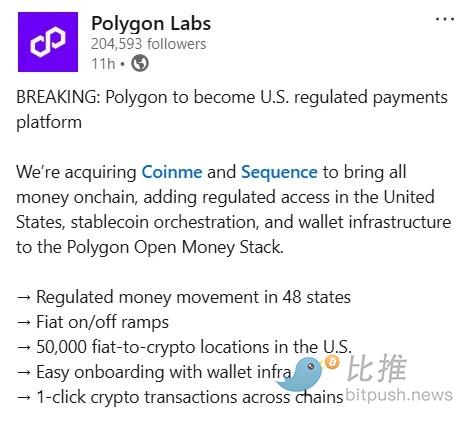
Founded in 2014, Coinme is a compliance and physical bridge in the payments space. It operates one of the largest licensed cash-to-cryptocurrency networks in the United States, covering over 50,000 retail locations (including Coinstar kiosks), where users can exchange cash for digital assets.

More importantly, Coinme holds Money Transmitter Licenses (MTL) in 48 states, which can be embedded into diverse user experiences. For comparison, Alpaca Markets recently raised $150 million at a valuation exceeding $1 billion, with its business focused on embedded crypto asset and stock trading services.
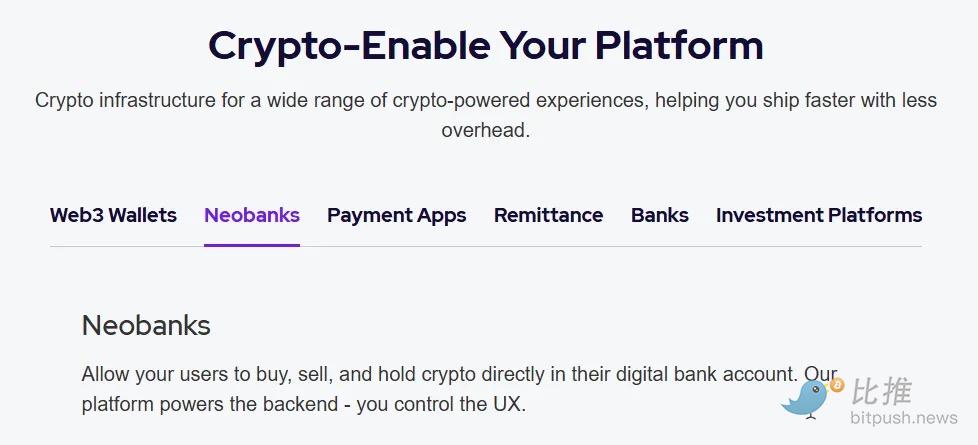
Under the current U.S. regulatory environment, particularly the "Genius Act," licenses are a key prerequisite for generating revenue. MTLs are necessary to access the Federal Reserve payment system and avoid legal risks associated with unauthorized banking activities. By acquiring Coinme, Polygon directly gains market access, enabling it to handle fiat and stablecoin conversions without relying on third-party banking partners (which may terminate relationships with crypto businesses at any time).

Sequence addresses the second obstacle: user experience.

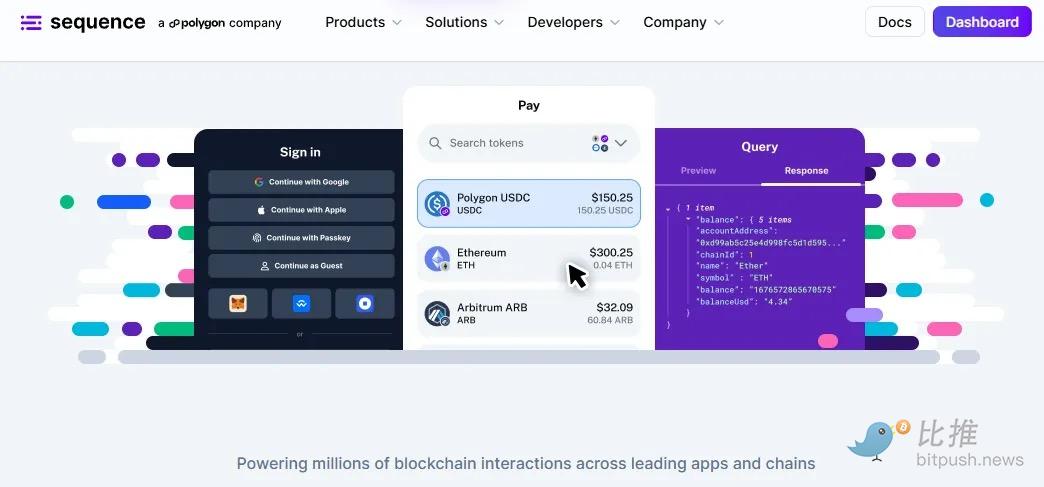
Polygon provides the underlying ledger, while Sequence offers smart wallet infrastructure. Its technology uses account abstraction to hide the complexities of blockchain (gas fees, private keys, cross-chain bridging), so end-users don't even need to be aware of the blockchain's existence. Its "Trails" coordination engine supports one-click payments, requiring no technical knowledge from the user.
Strategic Positioning: Becoming the "Stablecoin Public Chain"
Polygon's ultimate goal is to transform into a stablecoin public chain. The most direct comparison is the Stripe ecosystem: Polygon is analogous to Tempo (which raised $500 million), Sequence is analogous to Privvy (acquired by Stripe), and Coinme is analogous to Bridge (also acquired by Stripe).

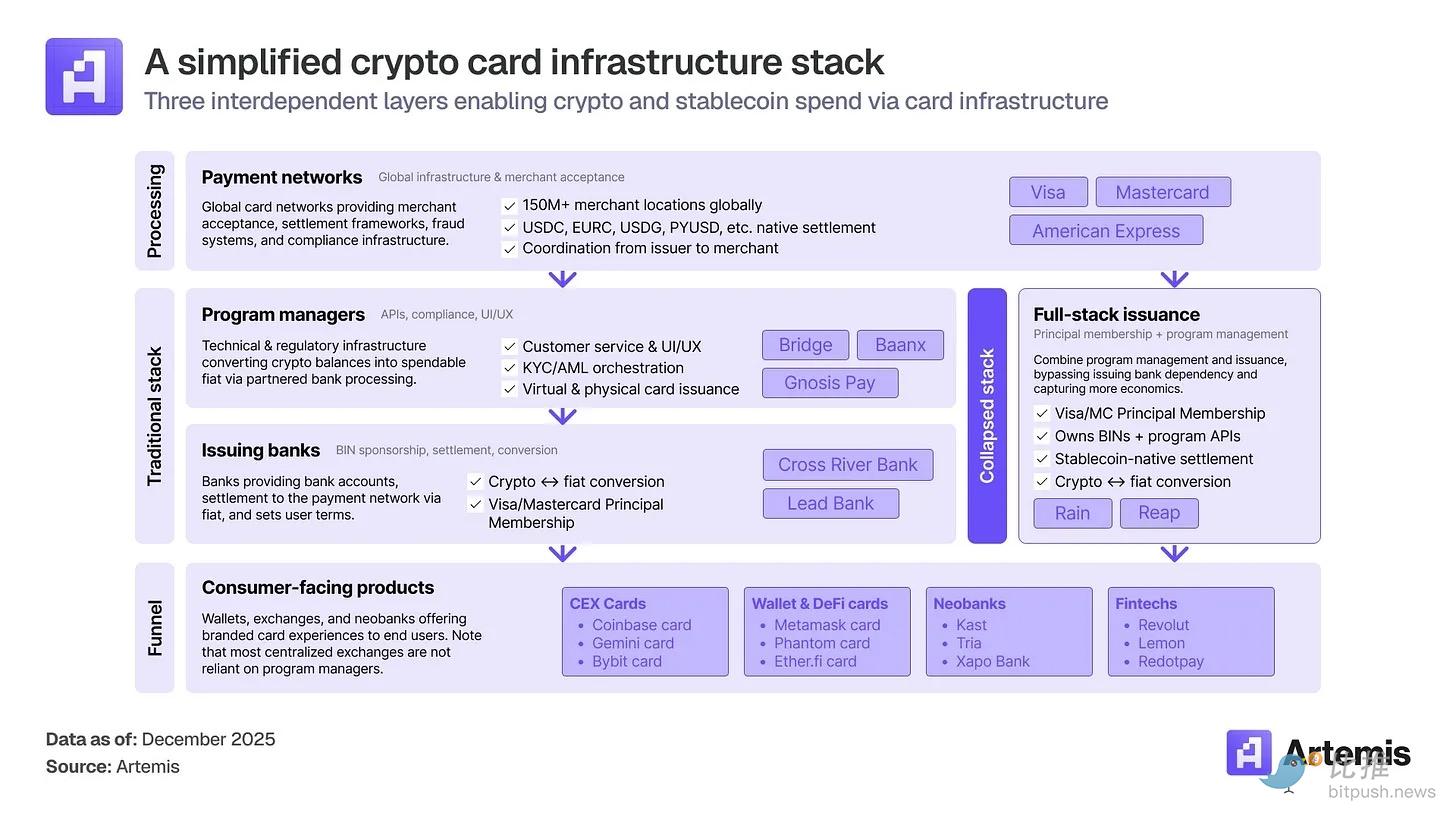
This move is not surprising. Over the past year, other players like Rain (which integrates stablecoin payments with Visa via a BaaS solution) have also seen significant success. The company recently completed a $250 million funding round, with payment volume growing 38-fold within a year.

Unlike Polygon, Rain does not provide a public chain but instead offers the underlying technology for payment cards that use stablecoins in the physical world. Polygon's acquisition reveals its strategic intent: to capture the value currently flowing to these specialized middleware providers.
Market Effect: Lowering Barriers, Reshaping the Narrative

By bundling Coinme's nationwide licenses with Sequence's smart wallet technology stack, Polygon lowers the entry barrier for a new generation of developers and simplifies its own positioning—transitioning from a former "media and NFT public chain" to a "money public chain."

This will have a dual market effect:

1. With Polygon's out-of-the-box compliant on-ramp and user experience tools, it will be easier to birth the next "Rain";

2. Large fintech companies can directly integrate with Polygon's "open money stack," completely bypassing third-party BaaS providers.

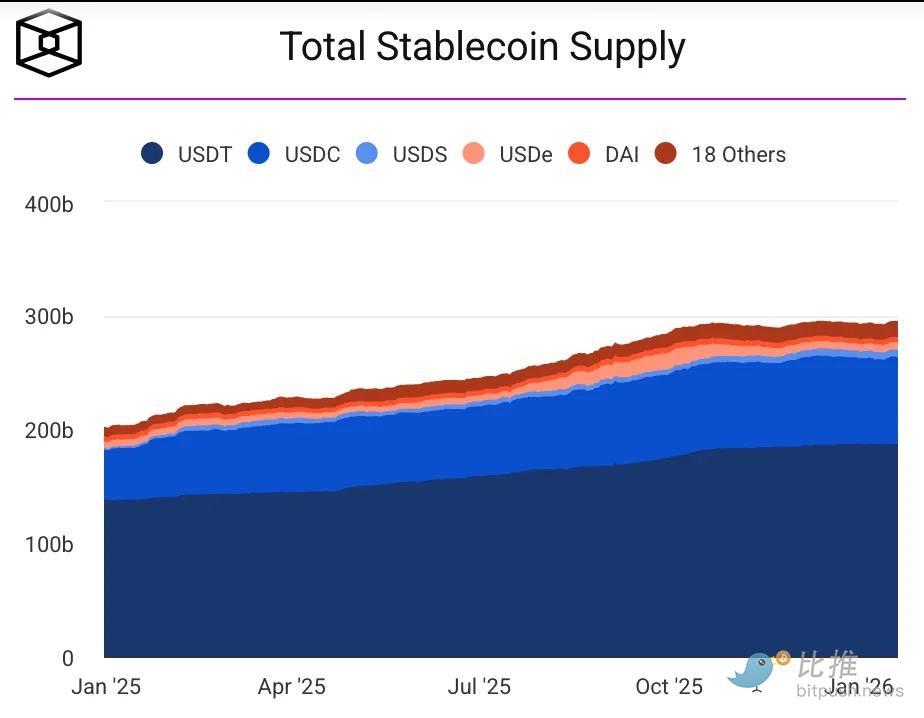
Total Addressable Market: $300 billion.
Precedent: The Failure of Tether Plasma (XPL)

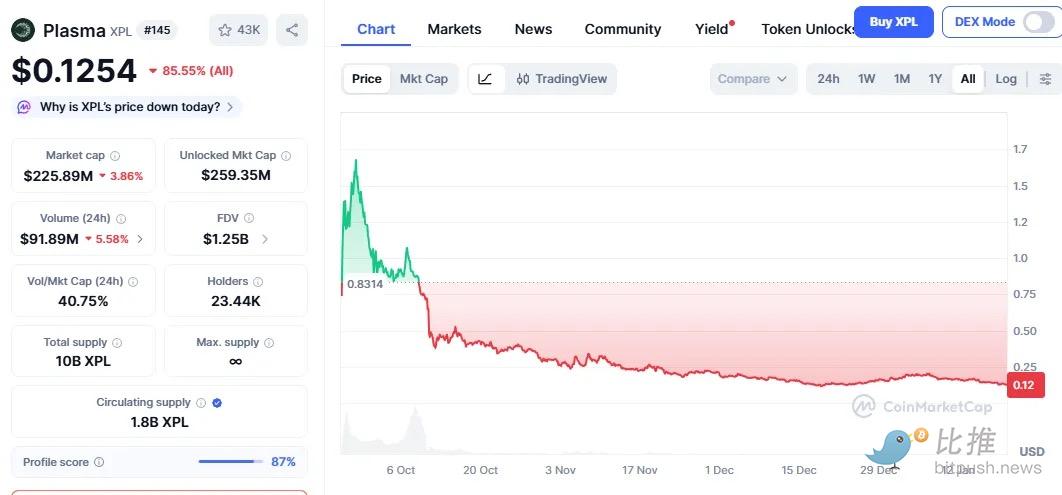
Tether's Plasma (XPL) also attempted to become the preferred stablecoin network, but its flawed token economic model led to excessive mining and aggressive selling. The XPL token, designed to secure the network, plummeted 80% in price, as the market realized the chain's "zero-fee" utility did not require holding a volatile native asset. By the time staking was expected to launch in early 2026, the speculative bottom had long since collapsed, validator incentives vanished, and the network's long-term viability was in doubt.
Polygon faces a similar contradiction. To avoid repeating this mistake, it must ensure its new integrated tech stack provides a stable business environment, decoupled from the price performance of its native token, POL. Instead of consumer-centric incentives, Polygon has chosen to attract user attention and activity through partnerships.

The crypto payments space also features two other integrated models vying for dominance: Stripe's Tempo and Circle's Arc. So far, each has its focus:
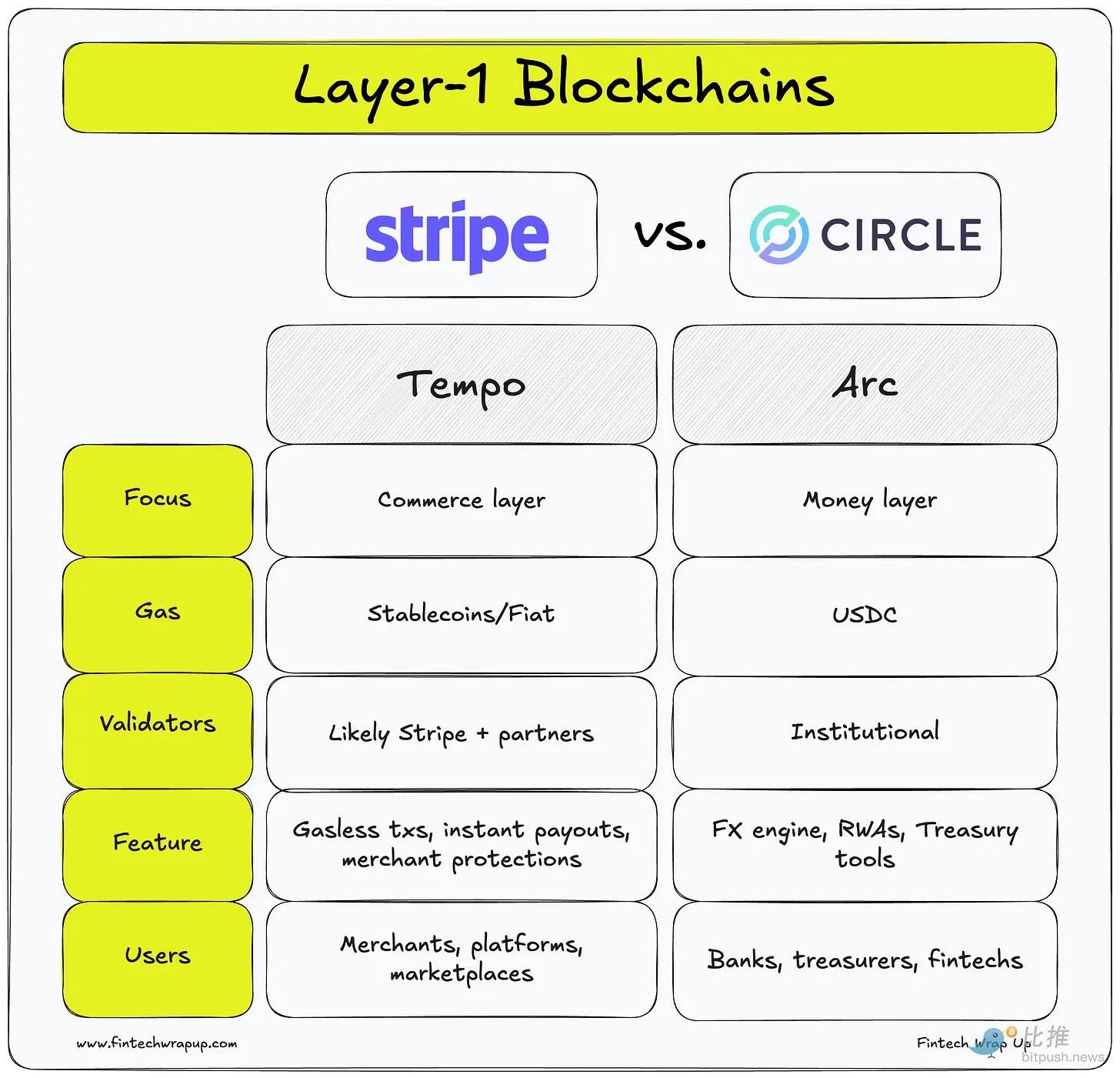
Circle Arc is a closed ecosystem. By making USDC the native gas token, Arc allows businesses to avoid exposure to volatile cryptocurrencies entirely. For banks, Arc, being built by the asset issuer, ensures the strictest compliance loop; it resembles an institutional settlement center more than a general-purpose blockchain.

Stripe's Tempo is more neutral—it doesn't care which stablecoin you use; it just wants to be the network that processes them. Tempo's unique advantage is its vast fintech distribution network, acting as an internet-scale SWIFT system that integrates with existing Stripe dashboards. It targets developers who already have a business and simply want to add "pay with stablecoins" as a feature.

Polygon is an infrastructure toolkit. Unlike Circle and Stripe, which focus on service provision, Polygon has long existed as an open ecosystem. The acquisition of Coinme and Sequence shifts its value proposition from a "high-speed public chain" to a "licensed payments-as-a-toolbox."

Among the three, Polygon is the only solution offering a physical cash bridge. This makes it a superior choice in certain real-world fintech scenarios (such as cross-border remittances, cash-dominant economies, payroll applications)—because the funds in these scenarios often originate as physical cash, flowing within a compliant environment spanning 48 states.

We look forward to the competition shifting more towards real-world application, rather than endless speculative casinos.


Twitter:https://twitter.com/BitpushNewsCN

Bitpush TG Discussion Group:https://t.me/BitPushCommunity

Bitpush TG Subscription: https://t.me/bitpush

Original Link:https://www.bitpush.news/articles/7604499

Трендові криптовалюти

Пов'язані питання

QWhat is the strategic goal behind Polygon's $250 million acquisition of Coinme and Sequence?

APolygon's strategic goal is to transform into a 'stablecoin public chain' by acquiring Coinme for its regulatory compliance and physical cash-to-crypto infrastructure, and Sequence for its smart wallet technology that simplifies user experience, aiming to compete with companies like Stripe and Circle in the stablecoin payment rails sector.

QHow does Coinme's acquisition benefit Polygon in terms of regulatory compliance and market access?

ACoinme holds Money Transmitter Licenses (MTL) in 48 U.S. states, providing Polygon with regulatory compliance and direct market access to handle fiat and stablecoin conversions without relying on third-party banking partners, reducing legal risks and ensuring seamless operations under U.S. regulatory environment like the Genius Act.

QWhat role does Sequence play in Polygon's strategy to improve user experience in blockchain transactions?

ASequence provides smart wallet infrastructure that uses account abstraction to hide blockchain complexities such as gas fees, private keys, and cross-chain bridging. Its 'Trails' coordination engine enables one-click payments, allowing end-users to interact without needing to understand the underlying technology, thus simplifying the onboarding process for developers and users.

QHow does Polygon's approach to becoming a stablecoin public chain differ from competitors like Stripe's Tempo and Circle's Arc?

APolygon offers an open ecosystem with a licensed payment toolkit, including physical cash bridges via Coinme, targeting real-world use cases like cross-border remittances and cash-based economies. In contrast, Stripe's Tempo is a neutral network focused on integrating stablecoin payments into existing services, while Circle's Arc is a closed ecosystem prioritizing institutional settlement with USDC compliance, without direct cash handling capabilities.

QWhat was the key failure of Tether's Plasma (XPL) that Polygon aims to avoid in its stablecoin strategy?

ATether's Plasma (XPL) failed due to a flawed token economic model that led to excessive mining and aggressive selling, causing its native token price to drop 80%. Polygon aims to avoid this by ensuring its integrated tech stack provides a stable business environment decoupled from the price volatility of its native POL token, focusing on partnerships and utility rather than consumer-centric token incentives.

Пов'язані матеріали

After Three Consecutive Quarters of Decline, Can the Crypto Market Find a Window for Stabilization in Q3?

The cryptocurrency market has just concluded its worst-performing quarter since 2022, with total capitalization dropping 12.6% to $2.1 trillion. All core metrics indicate capital is leaving the sector, not just rotating within it. Bitcoin fell 14.2% and Ethereum dropped 25.4% in Q2, breaking their previous correlation with US tech stocks. A key driver is the reversal in US spot Bitcoin ETF flows, which saw a net outflow of approximately $4.67 billion in Q2, including a record monthly outflow near $4.5 billion in June. While recent data suggests long-term holders are accumulating again, sustained ETF outflows mean continued selling pressure. Market focus is now singularly on the Federal Reserve. The upcoming July FOMC meeting is seen as the most critical event for Q3. A dovish signal could support Bitcoin reclaiming a $68,000-$84,000 range, while a hawkish stance might establish a new trading band around $50,000-$56,000. Additionally, regulatory uncertainty persists, with the progress of the crucial *CLARITY Act* stalling in the Senate, reducing its perceived 2026 passage probability to 40-45%. Despite the broad downturn, a few sectors showed growth. Prediction markets saw nominal volume surge 48.7% year-over-year to $113.8 billion, and tokenized collectibles transaction volume rose 143% quarterly to $1.4 billion. The Real-World Asset (RWA) tokenization sector also continued steady growth, now representing ~$28.1 billion in on-chain value. The market's foundation for an extreme crash appears limited, with Bitcoin price hovering near its 200-week moving average. However, the trading paradigm has shifted from narrative-driven speculation to decisions based on price action, policy developments, and interest rate expectations, making a broad sentiment-driven rally unlikely in the near term.

marsbit32 хв тому

After Three Consecutive Quarters of Decline, Can the Crypto Market Find a Window for Stabilization in Q3?

marsbit32 хв тому

BIT Trading Moment: BTC Still Suppressed by Weekly 200 EMA, Rejection May Restart Decline; Storage and Semiconductors that Surged Last Night Begin Falling in Evening Trading

**Crypto & Stock Market Wrap: Bitcoin Tests Resistance, Stocks Retreat After AI Surge** Bitcoin consolidates around $66,000, facing key resistance near $68,000—an area seen as a major psychological and technical hurdle where previous rallies have failed. Analysts note the cryptocurrency is caught between its 200-week moving average (~$63,333) and 200-week EMA (~$68,328). A clear break above $68k is needed to signal a stronger bullish trend, while a rejection could lead to a retest of $63k support. Market sentiment remains cautious, with low futures open interest pointing to a low-liquidity rebound rather than a full bull market. Bitcoin spot ETFs saw another $203 million inflow. US stock futures pointed lower after a strong Tuesday session led by a massive rebound in semiconductors and memory stocks. The rally was fueled by renewed optimism about AI-driven hardware demand, with Micron, SanDisk, and SK Hynix surging. However, those gains reversed in pre-market trading. Super Micro Computer (SMCI) soared over 20% after hours on strong guidance and a record backlog. Other standouts included Rocket Lab and nuclear energy plays Oklo and X-Energy. Rising oil prices (Brent above $91) and climbing Treasury yields (10-year near 4.64%), however, are reigniting inflation concerns and acting as a headwind for equities. In Asia, markets were mixed. South Korea's KOSPI pared early gains to close slightly higher as semiconductor stocks like SK Hynix gave back initial surges. Japan's Nikkei edged lower as the yen hit a fresh 38-year low against the dollar, raising fears of potential market intervention. Key events to watch include the Samsung Galaxy launch, AMD's AI event, and a slew of major tech earnings from Alphabet, Tesla, and IBM after the close on Wednesday, followed by the ECB meeting and Intel's earnings on Thursday.

marsbit40 хв тому

BIT Trading Moment: BTC Still Suppressed by Weekly 200 EMA, Rejection May Restart Decline; Storage and Semiconductors that Surged Last Night Begin Falling in Evening Trading

marsbit40 хв тому

Former CFTC Chairman, Circle President Tarbert: Preaching Long-Termism While Cashing Out $30 Million Himself

Former CFTC Chairman and Circle President Heath Tarbert has consistently advocated for a long-term vision in public, urging patience from investors as Circle’s stock price has fallen significantly from its peak. However, it has been revealed that since Circle’s IPO, Tarbert has continuously sold his CRCL shares through pre-arranged trading plans, cashing out approximately $30 million, without making any public market purchases. This contrast between his public messaging and personal actions has drawn criticism. Tarbert joined Circle in July 2023 as Chief Legal Officer, leveraging his regulatory experience to help guide the company through its IPO and expansion. Despite promoting stablecoins as long-term infrastructure, he established a 10b5-1 trading plan just before Circle went public, leading to substantial stock sales over the following year. In March 2026, he initiated another plan to sell more shares. His career trajectory highlights a pattern of moving between high-level regulatory roles and influential positions in the financial sector. After resigning as CFTC Chairman in early 2021, he joined Citadel Securities as Chief Legal Officer just 27 days later, during a period of intense regulatory scrutiny for the firm. He later joined Circle, aiding its efforts to navigate regulatory challenges for its public listing. While Tarbert's expertise in policy and compliance is valuable to companies like Circle, his actions—advocating long-term confidence while personally divesting—raise questions about the alignment between his public statements and his private financial decisions, leaving investors who followed his advice to bear the market risks.

marsbit1 год тому

Former CFTC Chairman, Circle President Tarbert: Preaching Long-Termism While Cashing Out $30 Million Himself

marsbit1 год тому

Gate Research Institute: The 'Wall Street-ization' Wave of Crypto Financial Products – Competition or Integration?

The article titled "Gate Research Institute: Are Crypto Financial Products Sparking a 'Wall Street' Wave—Competition or Convergence?" explores the evolving relationship between the crypto ecosystem and traditional finance (TradFi). The piece begins by reflecting on Bitcoin's original 2009 vision of decentralization, disintermediation, and moving away from banks. It then contrasts this with the 2024 landscape, where key crypto assets like Bitcoin are increasingly held through Wall Street products like ETFs issued by giants like BlackRock. The article questions whether this signifies that TradFi is systematically taking over the rights to issue, price, custody, and distribute crypto financial assets. The core argument is that this is not a zero-sum takeover but rather a bidirectional convergence where each side addresses the other's weaknesses. Crypto offers 24/7 global markets, programmable settlement, and open access but lacks compliant channels, institutional-grade custody, deep fiat liquidity, and mainstream distribution. TradFi possesses these but is constrained by legacy systems, limited operating hours, and slow settlement. Two primary convergence paths are highlighted: * **Path A (CEX to TradFi):** Exemplified by Gate, which has progressed from offering tokenized stocks and CFDs to providing direct, real stock trading (US, Hong Kong, South Korea) within its platform, using USDT. * **Path B (TradFi to Crypto):** Exemplified by Robinhood, which has integrated crypto trading, acquired exchanges like Bitstamp, and is moving traditional assets like stocks onto the blockchain via tokenization and its own Layer 2. Both paths are ultimately competing to become the next-generation, unified financial account—a "super account" where users can seamlessly trade cryptocurrencies, stocks, ETFs, RWA (Real World Assets), and tokenized treasury products in one interface. The growth of RWA and tokenized treasuries (e.g., BlackRock's BUIDL) is presented as the asset-layer fusion, providing stable, yield-bearing assets on-chain and acting as a bridge between the two worlds. In conclusion, the "Wall Street-ization" of crypto is framed as a mutual transformation. Decentralized ideals persist in the protocol layer, while at the application layer, a more efficient, global, and accessible unified capital market is emerging from this convergence. The future competition lies not between crypto exchanges and stockbrokers, but between platforms vying to offer the most comprehensive asset coverage, liquidity, and user experience within a single account.

marsbit1 год тому

Gate Research Institute: The 'Wall Street-ization' Wave of Crypto Financial Products – Competition or Integration?

marsbit1 год тому

Торгівля

Спот

Популярні статті

Як купити NFT

Ласкаво просимо до HTX.com! Ми зробили покупку APENFT (NFT) простою та зручною. Дотримуйтесь нашої покрокової інструкції, щоб розпочати свою криптовалютну подорож.Крок 1: Створіть обліковий запис на HTXВикористовуйте свою електронну пошту або номер телефону, щоб зареєструвати обліковий запис на HTX безплатно. Пройдіть безпроблемну реєстрацію й отримайте доступ до всіх функцій.ЗареєструватисьКрок 2: Перейдіть до розділу Купити крипту і виберіть спосіб оплатиКредитна/дебетова картка: використовуйте вашу картку Visa або Mastercard, щоб миттєво купити APENFT (NFT).Баланс: використовуйте кошти з балансу вашого рахунку HTX для безперешкодної торгівлі.Треті особи: ми додали популярні способи оплати, такі як Google Pay та Apple Pay, щоб підвищити зручність.P2P: Торгуйте безпосередньо з іншими користувачами на HTX.Позабіржова торгівля (OTC): ми пропонуємо індивідуальні послуги та конкурентні обмінні курси для трейдерів.Крок 3: Зберігайте свої APENFT (NFT)Після придбання APENFT (NFT) збережіть його у своєму обліковому записі на HTX. Крім того, ви можете відправити його в інше місце за допомогою блокчейн-переказу або використовувати його для торгівлі іншими криптовалютами.Крок 4: Торгівля APENFT (NFT)Легко торгуйте APENFT (NFT) на спотовому ринку HTX. Просто увійдіть до свого облікового запису, виберіть торгову пару, укладайте угоди та спостерігайте за ними в режимі реального часу. Ми пропонуємо зручний досвід як для початківців, так і для досвідчених трейдерів.

419 переглядів усьогоОпубліковано 2024.12.10Оновлено 2025.03.21

Як купити NFT

Що таке AINFT

EternaFi Agents та $AINFT: Комплексний аналіз інфраструктури NFT на базі штучного інтелекту в екосистемі Web3 Перетворення штучного інтелекту (ШІ) та технології блокчейн швидко розвивається, створюючи інноваційні платформи, які переосмислюють моделі власності та економічної участі. EternaFi Agents, разом зі своїм рідним токеном $AINFT, є прикладом революційного підходу до токенізації інфраструктур ШІ за допомогою незамінних токенів (NFT). Запущений у липні 2025 року командою розробників Nova Club, EternaFi об'єднує досягнення ШІ з децентралізованими фінансовими механізмами блокчейн, представляючи унікальну інвестиційну можливість для учасників екосистеми web3. Ця стаття має на меті надати глибоку оцінку EternaFi Agents, охоплюючи його основні компоненти, функціональність та значення в крипто-ландшафті. Вступ та огляд проекту EternaFi Agents є яскравим прикладом того, як технологія блокчейн може демократизувати доступ до передових можливостей ШІ. Проект прагне змінити парадигму власності на ШІ, диверсифікуючи економічну участь, роблячи складні системи ШІ доступними для більшої кількості зацікавлених сторін. В основі проекту лежить токенізація власної великої мовної моделі (LLM), розробленої Nova Club, що дозволяє власникам NFT отримувати частковий доступ до економічної продуктивності моделі. Використовуючи NFT, які представляють частки в LLM, EternaFi Agents сприяє моделі, в якій зацікавлені сторони не лише беруть участь у споживанні послуг ШІ, але й насолоджуються економічними винагородами, отриманими платформою. Цей трансформаційний підхід дозволяє розробляти стійкі моделі доходу для послуг ШІ, одночасно сприяючи широкій участі громади та забезпечуючи прозоре управління. Що таке EternaFi Agents? EternaFi Agents представляє проект інфраструктури AI-NFT, який прагне поєднати можливості ШІ з технологією блокчейн в єдиній екосистемі. Основною рисою цього проекту є створення NFT, які слугують фінансовими інструментами, що представляють частки власності в власній інфраструктурі ШІ Nova Club. Кожен NFT символізує прямий доступ до економічної продуктивності базової системи ШІ, надаючи вигідну можливість для інвесторів. Проект працює на блокчейні Base, відомому своєю масштабованістю та ефективністю, що забезпечує прийнятні транзакційні витрати, одночасно полегшуючи безперебійну операційну діяльність. Однією з помітних рис є механізм розподілу доходів, за яким власники NFT можуть отримувати частини доходу від підписки, отриманого від послуг ШІ, наданих на платформі. Цей інноваційний підхід встановлює зв'язок між успіхом послуг ШІ та економічними дивідендами, розподіленими серед власників, забезпечуючи таким чином узгодженість інтересів у громаді. Хто є творцем EternaFi Agents? Творчою силою за EternaFi Agents є Nova Club, команда розробників, що базується в Сінгапурі, яка спеціалізується на поєднанні ШІ та технології блокчейн. Їхній попередній досвід у розробці ШІ та аналізі криптовалют надає проекту вагомість, вносячи широкий спектр експертизи у створення EternaFi Agents. Місія Nova Club полягає в демократизації доступу до передових технологій ШІ, одночасно створюючи стійкі економічні моделі, які приносять користь користувачам разом із розробниками. Їхня прихильність до прозорості, управління громадою та інновацій відображається в дизайні та реалізації платформи EternaFi, яка прагне створити унікальну екосистему, що сприяє позитивній взаємодії та створенню довгострокової цінності. Хто є інвесторами EternaFi Agents? Конкретні деталі щодо інвесторів або інвестиційних організацій, які підтримують EternaFi Agents, не є публічно доступними. Проте EternaFi прийняла інклюзивний підхід до фінансування свого розвитку через продаж NFT громадськості, що дозволяє широкому колу учасників інвестувати в екосистему. Архітектура проекту забезпечує відповідальне фінансування основної інфраструктури, одночасно дозволяючи членам громади брати участь у власності та економічних доходах, отриманих від послуг ШІ. Ця модель підкреслює залученість громади, узгоджуючи інтереси інвесторів та розробників проекту, створюючи співпрацююче середовище, де заохочується довгострокова участь. Як працює EternaFi Agents? EternaFi Agents функціонує через багатогранну екосистему, де NFT слугують основним засобом представлення власності в проекті. Кожен власник NFT має право на частку місячного доходу від підписки, отриманого від базової платформи на базі ШІ, тим самим позиціонуючи власність NFT як вигідний інвестиційний інструмент. Механізм генерації доходу Основним джерелом генерації доходу для платформи EternaFi є плати за підписку, пов'язані з наданими послугами ШІ. Користувачі можуть отримати доступ до різних послуг з різними рівнями, починаючи від базових інструментів ринкового аналізу до комплексних рішень для торгівлі з підтримкою ШІ. Ці послуги монетизуються і формують основу для механізму розподілу доходів, який розподіляє прибутки серед власників NFT через автоматизовані смарт-контракти. Інноваційною рисою екосистеми EternaFi є механізм розподілу доходів, який працює прозоро, забезпечуючи, щоб винагороди розподілялися на основі перевіряємих метрик з операцій платформи ШІ. Це створює прямий зв'язок між продуктивністю послуг ШІ та доходами, доступними інвесторам громади, встановлюючи стійку економічну модель. Механізми стейкінгу та вестингу Учасники EternaFi можуть брати участь у стейкінгу своїх NFT, щоб отримати додаткові економічні переваги. Графік вестингу розроблений для заохочення довгострокової прихильності серед учасників, винагороджуючи тих, хто демонструє постійну підтримку проекту. Це забезпечує міцну узгодженість інтересів і сприяє почуттю залученості громади, що є необхідним для досягнення довгострокових цілей проекту. Прозоре управління EternaFi Agents підтримує децентралізоване управління, дозволяючи власникам NFT активно брати участь у прийнятті рішень щодо розвитку платформи та її майбутніх напрямків. Управлінська структура включає механізми голосування громади, надаючи власникам NFT можливість впливати на важливі рішення та сприяючи співпраці в зростанні проекту. Хронологія EternaFi Agents Розробницька траєкторія EternaFi Agents демонструє систематичний підхід до створення стійкої інфраструктури ШІ, задовольняючи потреби учасників громади. Нижче наведено хронологію важливих етапів в історії проекту: Липень 2025: Запуск EternaFi Agents, включаючи публічний продаж NFT та впровадження токена $AINFT на блокчейні Base. Q4 2025: Створення ринкової інфраструктури, включаючи ліквідні пулі та запуск панелей стейкінгу для власників NFT. 2026: Ініціація програм залучення громади, розширення можливостей ШІ та інтеграція з крос-ланцюговими технологіями. Q4 2026: Впровадження системи розподілу дивідендів, що дозволяє власникам NFT отримувати економічні вигоди від своїх інвестицій. Ці етапи підкреслюють акцент на створенні функціональної та участевої екосистеми, забезпечуючи при цьому безперервну еволюцію для задоволення вимог ринку. Технологічна інфраструктура та інтеграція блокчейн EternaFi Agents закріплений в просунутій технологічній структурі, що поєднує системи ШІ з можливостями блокчейн. Працюючи на блокчейні Base, проект використовує переваги масштабованості та низьких транзакційних витрат. Основна архітектура смарт-контрактів регулює власність NFT, розподіл доходів та функції управління громадою, забезпечуючи ефективність і прозорість. Розробка системи ШІ Власна велика мовна модель, на якій базується EternaFi Agents, була незалежно розроблена та спроектована для задоволення потреб у генерації доходу без залежності від сторонніх фреймворків. Це зусилля відображає прагнення створити універсальну та адаптивну інфраструктуру ШІ, здатну надавати значущі послуги користувачам, тим самим генеруючи економічну цінність для інвесторів. Заходи безпеки Надійність інфраструктури безпеки EternaFi є надзвичайно важливою. Регулярні аудити та суворі заходи безпеки забезпечують цілісність систем ШІ та механізмів блокчейн, захищаючи від потенційних вразливостей, одночасно сприяючи довірі серед учасників. Висновок EternaFi Agents є знаковою інновацією в сфері штучного інтелекту та технології блокчейн, відкриваючи можливості для власності громади та економічної участі в передових можливостях ШІ. Комплексна стратегія проекту щодо токенізації інфраструктури ШІ через NFT встановлює прецедент для майбутніх децентралізованих екосистем. Поєднуючи технічну складність з економічними моделями, орієнтованими на користувача, EternaFi не лише сприяє залученню, але й генерує стійку структуру розподілу доходів для учасників громади. Значення EternaFi виходить далеко за межі його операційного успіху, оскільки він демонструє, як блокчейн може демократизувати передові технології ШІ, прокладаючи шлях для майбутніх проектів у цій перетворювальній сфері. Еволюція EternaFi Agents може ознаменувати нову еру розвитку ШІ, що характеризується управлінням, орієнтованим на учасників, стійкими економічними моделями та прозорою верифікацією, в кінцевому підсумку сприяючи більшій демократизації ШІ та доступності технологій у різних галузях.

584 переглядів усьогоОпубліковано 2025.08.14Оновлено 2025.08.14

Що таке AINFT

Обговорення

Ласкаво просимо до спільноти HTX. Тут ви можете бути в курсі останніх подій розвитку платформи та отримати доступ до професійної ринкової інформації. Нижче представлені думки користувачів щодо ціни NFT (NFT).

活动图片














