Extreme Fear in Crypto Signals Potential Market Rebound

TheNewsCryptoОпубліковано о 2026-01-31Востаннє оновлено о 2026-01-31

Анотація

The crypto market is experiencing extreme fear, which analysts suggest could signal a potential bullish reversal. Despite recent volatility driven by macroeconomic pressures, underlying strength is visible through recovering Bitcoin ETF inflows and Ethereum network growth. On-chain data indicates a bottoming pattern, with reduced exchange inflows and steady accumulation by long-term holders. Market psychology shows that fear often peaks before recoveries, creating opportunities for contrarian traders. Institutional investment continues to grow, focusing on infrastructure rather than short-term price movements. While extreme fear doesn't guarantee an immediate rebound, it often marks a turning point where selling exhausts and new bull cycles begin.

The sentiment in the crypto market has fallen into an extreme fear zone, but experts have now begun to see this emotional drop as a possible bullish setup. Market sentiment tends to follow cyclical patterns, and extreme fear periods tend to precede recovery periods.

The recent market volatility came after macro pressure and risk-off flows, even as Bitcoin ETF inflows began to recover and Ethereum network growth accelerated. Such signs of underlying strength are in stark contrast to the panic-driven selling patterns.

Traders tend to act on emotions, while structural players focus on market structure. When the market experiences an emotional crash but holds strong structurally, markets tend to set up for reversal periods.

On-Chain Data Supports a Bottoming Pattern

Analytical companies notice a drop in exchange inflows and a steady accumulation of funds in wallets. Long-term holders continue to accumulate, while short-term holders continue to withdraw. This process usually indicates a strong conviction in experienced market players.

Volatility contracts follow massive sell-offs, establishing consolidation ranges. Market price movements decelerate, but network and developer data remain healthy. Such conditions usually indicate that the fear in the market may be greater than the actual structural damage.

Market Psychology Drives the Cycle

Fear reaches its peak when headlines are filled with uncertainty. However, markets usually price in the negative news before fundamentals deteriorate. This is a window of opportunity for contrarian trades.

Accumulation cycles have historically been linked to areas of extreme fear. Those who wait for optimal market conditions usually arrive late, while early buyers enter when others are ambivalent.

Financial news sources indicate that institutional investment is on the upswing, even as retail investors hold back. Institutions focus on infrastructure, custody, and tokenization, not price movements.

This ongoing institutional development enhances the market structure. Even in times of fear-driven corrections, infrastructure development is less likely to be interrupted.

What This Means for Traders

Extreme fear does not necessarily lead to immediate buy signals, but it is a common point for risk-reward flips. Before reversals, markets require consolidation. Traders monitoring market sentiment and on-chain activity receive improved timing cues.

When fear reaches its peak, the selling momentum dries up. Market liquidity returns to normal, and price discovery begins. This phase is typically where the next bull cycle begins.

Highlighted Crypto News:

Banking and Crypto Leaders Clash Over CLARITY Act Ahead of White House Policy Talks

TagsBitcoinCrypto MarketCrypto market updatescrypto tradingInvestors

Пов'язані питання

QWhat does extreme fear in the crypto market typically signal according to the article?

AExtreme fear in the crypto market tends to precede recovery periods and is seen as a possible bullish setup, indicating a potential market rebound.

QWhat on-chain data patterns suggest a market bottom is forming?

AAnalytical companies note a drop in exchange inflows, steady accumulation of funds in wallets, long-term holders continuing to accumulate, and short-term holders withdrawing, which indicates strong conviction among experienced players.

QHow does market psychology create opportunities for traders during periods of extreme fear?

AFear peaks when headlines are filled with uncertainty, but markets usually price in negative news before fundamentals deteriorate, creating a window of opportunity for contrarian trades as accumulation cycles have historically been linked to extreme fear areas.

QWhat is the institutional perspective on crypto investment during market fear according to the article?

AInstitutional investment is on the upswing with focus on infrastructure, custody, and tokenization rather than price movements, which enhances market structure and continues even during fear-driven corrections.

QWhat conditions typically mark the beginning of the next bull cycle after extreme fear?

AWhen fear reaches its peak, selling momentum dries up, market liquidity returns to normal, and price discovery begins, which is typically where the next bull cycle starts after a period of consolidation.

Пов'язані матеріали

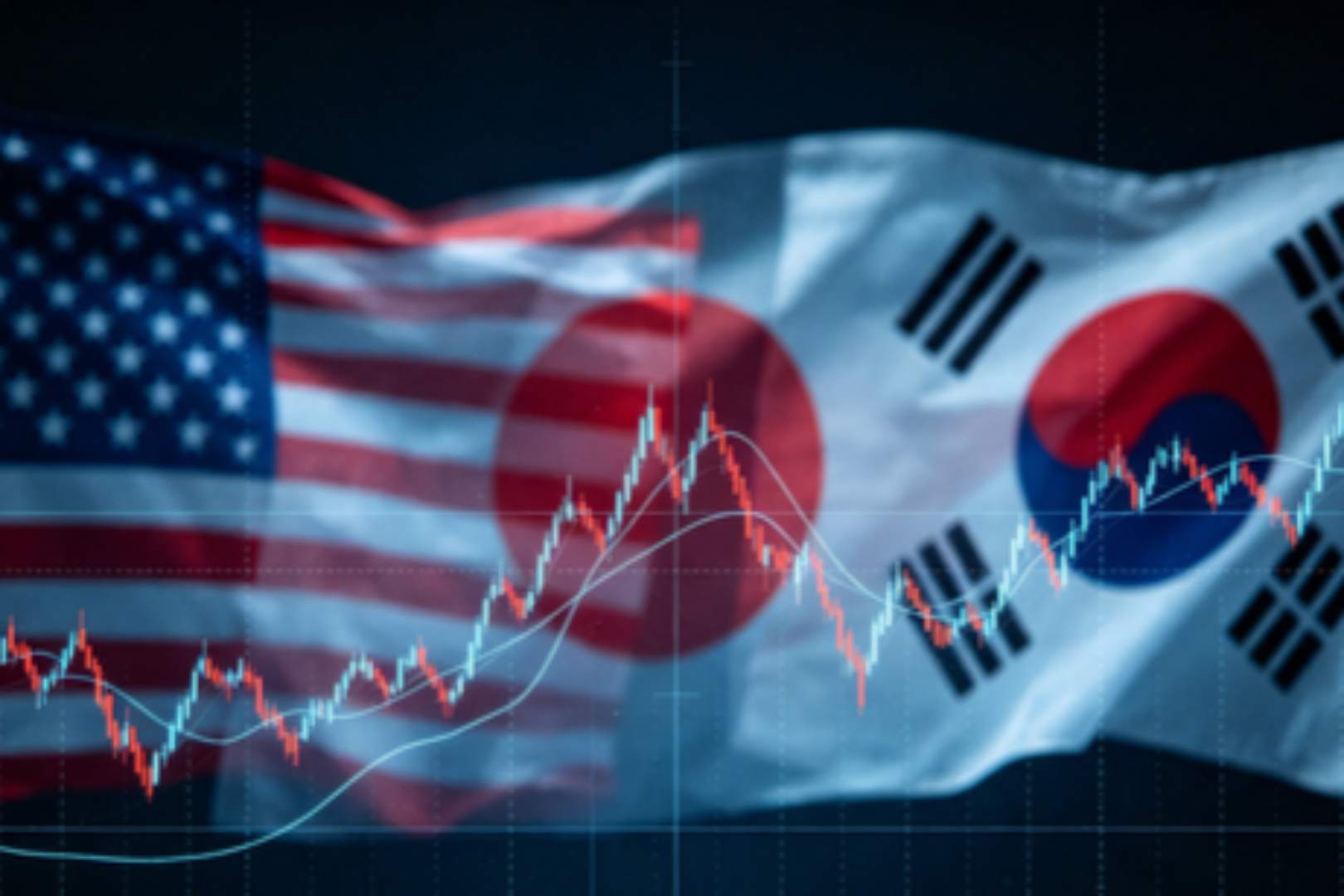
A 'Overlooked' Market Event: Joint US-Japan-South Korea Intervention, Rare US Treasury Involvement, and Bessent's Quiet 'Market Rescue'?

Summary: The United States, Japan, and South Korea executed their largest coordinated foreign exchange intervention in nearly 30 years. The action targeted depreciation pressure on the Japanese yen and South Korean won. This move is seen as a significant effort by the US to stabilize the financial markets of its key allies and prevent the spillover of risks. Key details: * Japan reportedly intervened on July 30 using approximately 8.45 trillion yen (about $52.8 billion). South Korean authorities also intervened that day, selling dollars to support the won. * Notably, the US Treasury Department intervened directly in yen markets for the first time in roughly 30 years. The New York Fed, reportedly acting on behalf of the Treasury, sold euros to buy yen via Goldman Sachs and Morgan Stanley on July 31. Analysts view the use of the euro-yen pair as a way to alleviate yen pressure without adding selling pressure to the US dollar. * Prior to the action, the New York Fed conducted "rate checks" on both USD/JPY and EUR/JPY, a newer signaling tool that falls between verbal and physical intervention. The intervention is interpreted as going beyond traditional currency stabilization. Analysts, such as Michael Hartnett of Bank of America, suggest it resembles a "Price Keeping Operation" for the AI era. The core US objectives are perceived to be: 1. Preventing rapid yen depreciation from triggering a sharp rise in Japanese government bond yields. 2. Containing financial stress from spreading across Asian markets like South Korea and Japan. 3. Reducing the risk of disorderly capital flows impacting the US bond market. This coordinated action underscores the importance of Japan and South Korea as critical partners in the US semiconductor and AI supply chain. Stabilizing their financial markets is seen as vital to mitigating risks to the broader tech industry and the US market itself. The intervention coincides with market pressures, including the KOSDAQ index hitting a low since October 2022. While seen as a move to control volatility, some analysts caution it may not fundamentally reverse existing market trends.

marsbit4 хв тому

A 'Overlooked' Market Event: Joint US-Japan-South Korea Intervention, Rare US Treasury Involvement, and Bessent's Quiet 'Market Rescue'?

marsbit4 хв тому

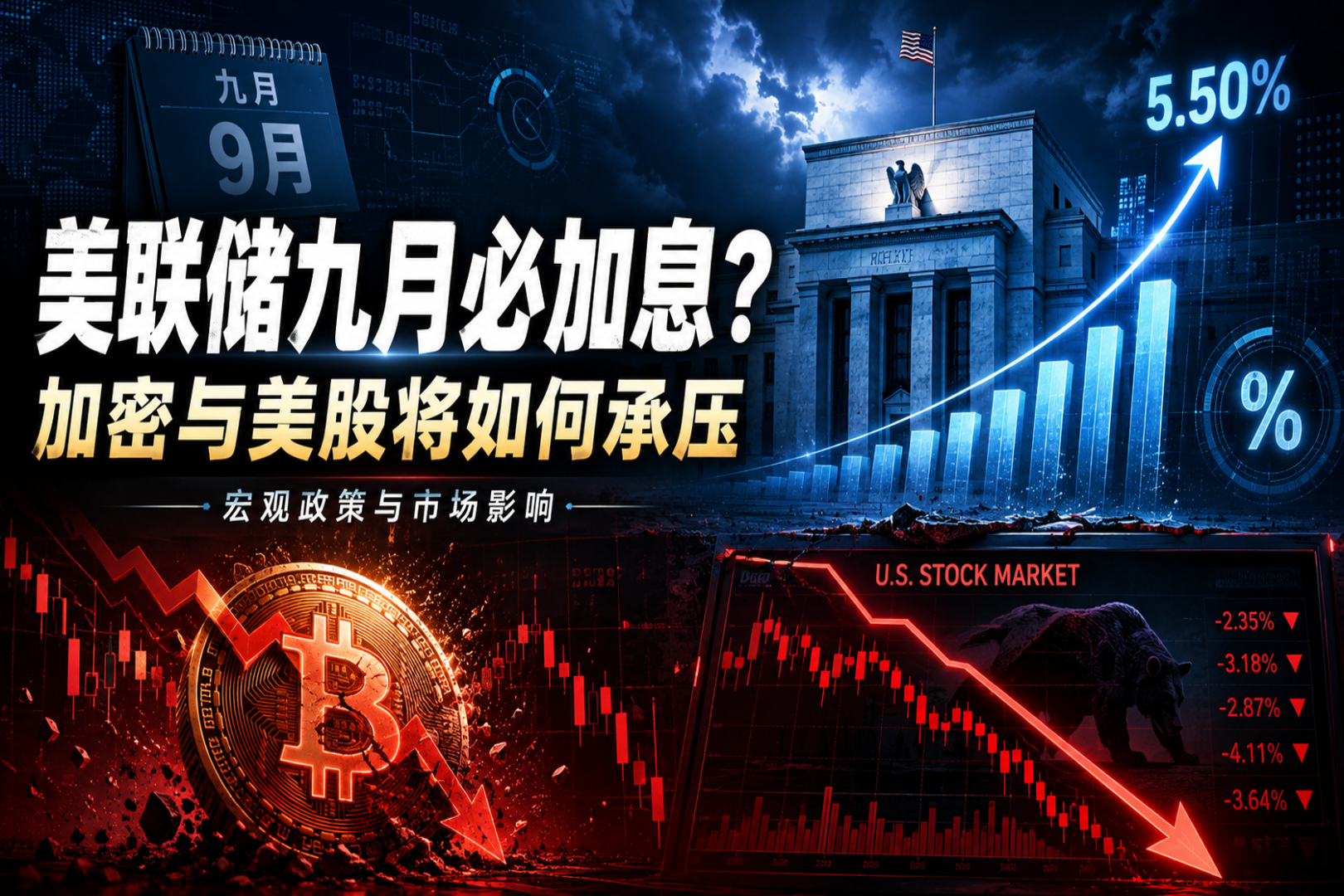
Will the Federal Reserve Definitely Raise Interest Rates in September? How Will Cryptocurrencies and US Stocks Bear the Pressure?

In early August 2024, market expectations for a September Federal Reserve rate hike surged dramatically, from below 50% to over 80%, driven by renewed inflation concerns. This shift followed a contentious July FOMC meeting where a 9-3 vote to hold rates revealed a growing hawkish faction advocating for an immediate hike, citing prolonged above-target inflation. The key catalyst is escalating conflict near the Strait of Hormuz, which has pushed oil prices up approximately 20% in July, threatening to reignite inflation. The next critical data point is the July CPI report on August 12th; a hot reading could solidify hike expectations. For crypto assets, particularly Bitcoin, this represents near-term pressure. Bitcoin continues to exhibit high-beta, risk-on characteristics, making it sensitive to tightening liquidity and higher opportunity costs. However, historical precedent suggests that if a hike is perceived as the cycle's end rather than its start, the negative impact may be brief, with markets quickly pivoting to anticipate future rate cuts. U.S. stocks, especially crypto-linked equities like Coinbase and high-valuation tech stocks, face amplified volatility. Higher rates increase discount rates in valuation models, pressuring growth stocks. This coincides with a pivotal tech earnings season where investor focus has shifted from massive AI capital expenditures to demonstrable revenue and cash flow generation. Companies with negative cash flows and weak growth narratives could see severe pressure if a September hike materializes, as financing costs would rise. Key indicators to watch include oil prices, upcoming inflation data, and Fed commentary at events like the Jackson Hole symposium.

Odaily星球日报4 хв тому

Will the Federal Reserve Definitely Raise Interest Rates in September? How Will Cryptocurrencies and US Stocks Bear the Pressure?

Odaily星球日报4 хв тому

From South Korea to the United States: Blue-Collar Jobs Are Becoming Increasingly Popular, Thanks to AI

AI is reshaping the labor market's value proposition. The traditional four-year college degree is losing its appeal as a guaranteed career path, while skilled blue-collar trades like electricians, welders, and plumbers are experiencing historic demand and wage premiums. This shift is driven by dual pressures: AI's displacement of certain white-collar roles and a booming need for physical infrastructure and data center construction. Data confirms the trend. In the U.S., vocational school revenue surged, and a significant portion of recent layoffs are AI-related. Surveys show a majority of Gen Z adults plan to pursue blue-collar work, citing better job security against AI automation. Vocational education interest has exploded recently. Experts cite a psychological shift as younger generations seek tangible, AI-resistant careers and avoid high student debt. In many cases, salaries for skilled trades now match or exceed those requiring a bachelor's degree. In South Korea, semiconductor vocational high schools boast near-total employment, with graduates securing high-paying roles at companies like Samsung. The shortage is structural, exacerbated by a retiring baby boomer workforce and massive infrastructure projects. Companies like JPMorgan Chase, Meta, and Lowe's are investing heavily in training programs. However, overcoming historical stigma and a "perception gap" around trade careers remains a key challenge to closing the talent gap.

marsbit1 год тому

From South Korea to the United States: Blue-Collar Jobs Are Becoming Increasingly Popular, Thanks to AI

marsbit1 год тому

Торгівля

Спот
活动图片